REVIEW · CUSCO
Private Andean Cooking Class, Pachamanca
Book on Viator →Operated by Marcelo Batata Cooking Class · Bookable on Viator
Cooking in Cusco feels like time travel. This private Andean cooking class walks you through classic techniques and flavors, from marination to pachamanca-style clay-pot tasting, with sauces and drinks that feel rooted in the Andes.
I love how hands-on it is, especially the way you start with flavor-building marination and then move into corn-based tamales. I also like the added culture through a private market stop, where you learn what Andean ingredients are and why they matter.
A possible drawback: it is a morning start, so you may want to keep other Cusco activities flexible until after lunch and the final tastings.
In This Review
- Key moments I’d plan around
- Marcelo Batata in Cusco: a focused 3-hour plan
- Step 1: The welcome session that starts with marination
- Step 2: Andean tamales made from corn
- Step 3: Private market time for Andean ingredients
- Step 4: Uchucuta pepper sauce, the Inca-linked kick
- Step 5: Chicha tasting for an ancestral fermentation taste
- Step 6: Final tasting in clay pots, plus lunch
- Price and value: what $150 gets you in Cusco
- Who this private class suits best
- Quick practical tips before you go
- Should you book Pachamanca Cooking with this private team?
- FAQ
- Where do I meet for the class in Cusco?
- What time does the experience start, and how long is it?
- Is this a private class or shared group?
- What language is the class taught in?
- Is there a vegetarian option?
- Do I need to bring my passport?
- What’s included in the price?
- Can I cancel and get a refund?
Key moments I’d plan around
- Private market walk for Andean pantry staples, from ancient grains to superfoods
- Marination first, then cooking steps that actually teach technique, not just recipes
- Andean tamales from corn, using an ancestral method tied to the land
- Uchucuta pepper sauce and chicha tasting, two Inca-linked flavors you can try straight away
- Pisco cocktails included, with tastings that pair naturally with what you cook
- Vegetarian option available, if you flag it when booking
Marcelo Batata in Cusco: a focused 3-hour plan
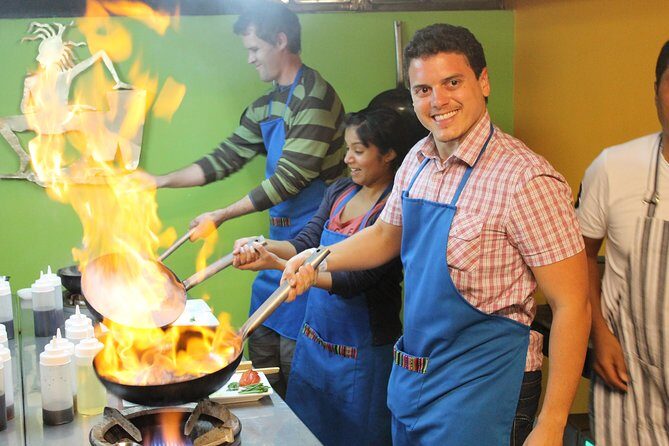
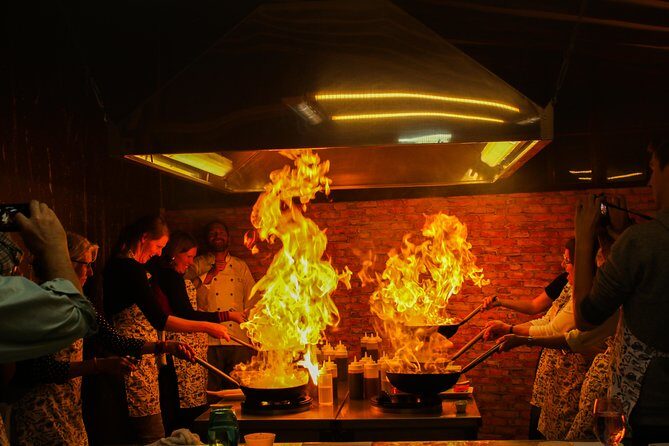
This class runs about 3 hours in Cusco, starting at 9:00 am, and it’s a private experience for your group only. That matters because you’re not squeezed into a large crowd while you’re chopping, stirring, and learning sauces.
The day is built to flow in a tight sequence: start with prep and marination, then cook corn-based tamales, add key sauces, and finish with tastings and lunch (you’ll get one appetizer and one main). If you’re juggling ruins, hikes, and altitude, this is a practical way to add real food culture without losing a full day.
You should expect a professional chef leading the class, plus beverages and bottled water included. Language is flexible too: the class runs in Spanish or English depending on what you request.
You can also read our reviews of more private tours in Cusco
Step 1: The welcome session that starts with marination
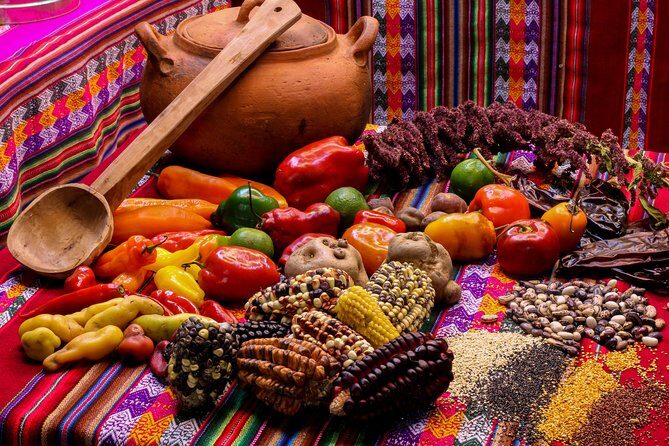
The class begins with a flavor lesson that feels simple, but it’s where good Peruvian cooking often starts: marination. You’ll learn how to prepare meats and other ingredients in a special sauce to boost flavor before heat ever hits the pan.
I like this opening because it gives you control. By the time you’re cooking, you’re not guessing how seasoned food should taste—you understand the logic of the sauce and why it works.
One practical tip: if you’re sensitive to spice, mention it early. The steps later include a pepper sauce (uchucuta), and it’s easier to adjust flavors when the chef hears your preferences at the start.
Step 2: Andean tamales made from corn
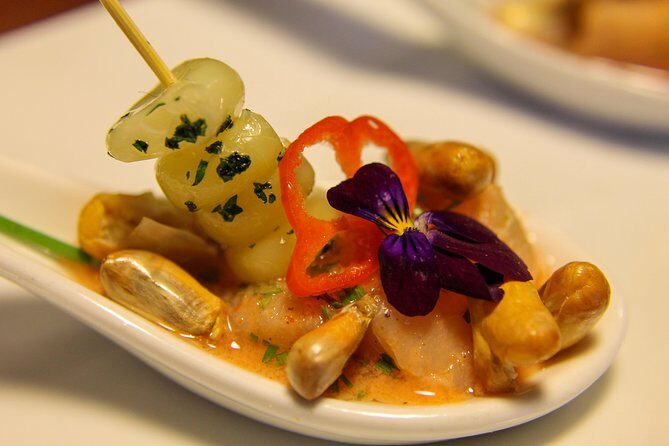
Next comes the heart of the Andes: Andean tamales. The focus here is corn, described as an ancestral technique that links back to regional traditions and the land.
Corn in this part of Peru isn’t just a base ingredient—it’s part of a long food story. When the class slows down to show technique, you’re learning how corn behaves, how it’s prepared, and how that shapes the final texture and taste.
If you want a souvenir you can actually use later, tamales are a good choice. You get a grounded skill—working with corn and stuffing flavors—rather than only learning a one-off dish you’ll be unsure how to repeat.
Step 3: Private market time for Andean ingredients
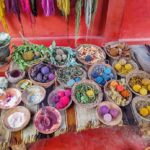
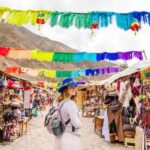
Then you head to a private market, which is one of the best parts of the whole experience. Instead of just listing ingredients, the chef helps you connect them to how Andean people eat and live.
You’ll see variety tied to the region: ancient grains and superfoods are specifically mentioned. Even if you don’t plan to buy everything, you’ll walk away understanding what to look for when you’re grocery shopping later at home.
This is also a timing win in Cusco. After a market stop, your cooking skills feel more meaningful, because you already know what you’re holding and why it belongs in the Andes’ pantry.
A consideration: you’ll likely want to pace yourself if you’re still adjusting to altitude. Markets involve walking and standing, so bring your water habit from the morning and take breaks if needed.
Step 4: Uchucuta pepper sauce, the Inca-linked kick
After the market, the class targets a standout flavor: uchucuta pepper sauce. The course frames it as a spicy sauce consumed by the Incas, using traditional techniques passed down through generations.
Pepper sauces in Peru can be all about balance: heat, tang, and depth that makes food taste louder without turning everything into one-note spice. This step is valuable because it teaches you how a pepper sauce becomes a strategy, not just a hot ingredient.
Also, because you’re making it during the class, you’re not stuck with a sauce that tastes strong but mysterious. You’ll know what went into it and how it should taste when it’s ready.
If you’re spice-averse, you can still enjoy the session. Just flag your preference at booking so the chef can guide you toward a version that fits your tolerance.
You can also read our reviews of more cooking classes in Cusco

Step 5: Chicha tasting for an ancestral fermentation taste
Next is chicha tasting—the drink of the Incas described here as an ancestral fermentation. This is one of those “food and culture” steps that isn’t only about flavor; it’s about method and time.
Fermented drinks can be polarizing when you’re trying them for the first time. But the class structure helps, because you’re tasting it as part of the overall meal flow rather than as a random side experiment.
It also gives you a wider view of Peruvian cuisine. If you mostly think of meals as dishes, chicha reminds you that drinks, too, can carry food traditions.
Step 6: Final tasting in clay pots, plus lunch
The end is the payoff. You’ll enjoy the aromas and flavors of what you cooked, tied to cooking in clay pots, which the class connects to the land and history of the Peruvian Andes.
You’ll also have lunch, included as one appetizer and one main, plus beverages and bottled water. The “final tasting” setup is important: it’s not rushed. You get a moment to sit with what you made, taste properly, and see how the sauce work and cooking technique come together.
If you want a food memory you can share later, this is it. Clay-pot cooking tends to concentrate flavor, and when you’ve already learned the prep steps, you’ll recognize what changed from raw ingredients to cooked taste.
One more note that helps planning: some class sessions include Peruvian favorites and cocktails built around local ingredients and Pisco. Past sessions mention things like ceviche, lomo saltado, and pisco drinks (including chilcanos and pisco sours). Your exact menu can vary, but the theme stays the same: classics plus hands-on cooking and tasting.
Price and value: what $150 gets you in Cusco
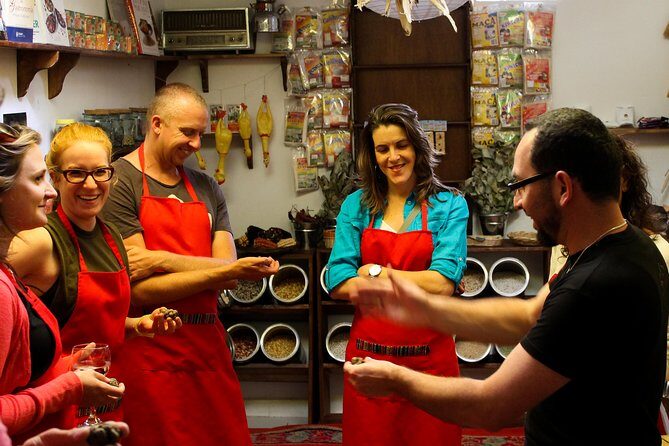
At $150 per person for about 3 hours, the value comes from three places.
First, it’s private. You’re not sharing counter space or questions with a dozen other people, and that improves the learning and the enjoyment. Second, you get market time plus cooking plus tastings, which means your money buys both ingredients and technique. Third, lunch is included, along with beverages and bottled water, so you’re not piecing together meals afterward.
Is it a budget activity? Not really. But if you’re looking at Cusco options, this is the kind of experience that can replace multiple food stops with one guided session where you learn how to recreate the flavors later.
Who gets the best value? People who enjoy cooking, want a guided cultural food lesson, or are building a “short list” of must-dos that don’t require all-day commitment.
Who this private class suits best
This is a strong fit if:
- You want a hands-on cooking class with a real chef instructor, not just watching
- You’re traveling with family or mixed-age groups and want a social, teachable meal experience
- You want to mix food into a Cusco itinerary between ruins and high-altitude hikes
- You care about ingredient education, especially corn, peppers, and regional products
It may be less ideal if:
- You’re hoping for a long, slow pace with lots of free time to wander Cusco after lunch
- You only want a quick snack lesson with minimal cooking steps
- You don’t want morning commitments, since it starts at 9:00 am
Quick practical tips before you go
A few things make your day smoother:
- Plan for the morning start time and keep your next block flexible after the class ends back at the meeting point.
- If you have dietary needs, tell the operator when booking. A vegetarian option is available, and you’ll want the chef to adjust ingredient choices early.
- Bring your questions about spice levels, since uchucuta and related pepper flavors are part of the plan.
- Bring your original passport at the beginning of the course for tax purposes.
Should you book Pachamanca Cooking with this private team?
If you want one memorable, tasty, learn-something experience in Cusco, I’d book this. The combination of marination technique, corn tamales, a market stop for ingredient context, and tastings that include uchucuta and chicha makes it feel more than just a cooking show.
You’ll also likely appreciate the private format. In a place like Cusco, where itineraries can get hectic, having a structured 3-hour block led by a professional chef is a smart way to add value without burning an entire day.
Book it especially if you love Peruvian food and want to understand why the flavors work—not just what to eat. If you’re sensitive to spice or want a vegetarian menu, book with those needs clearly stated so the chef can tailor the session.
FAQ
Where do I meet for the class in Cusco?
The meeting point is at C. Palacio 135, Cusco 08002, Peru.
What time does the experience start, and how long is it?
It starts at 9:00 am and runs for about 3 hours.
Is this a private class or shared group?
This is a private tour/activity. Only your group participates.
What language is the class taught in?
The class is operated either in Spanish or English, based on your request.
Is there a vegetarian option?
Yes. A vegetarian option is available, but you should advise the operator at booking.
Do I need to bring my passport?
Yes. You must provide your original passport at the beginning of the course for tax purposes.
What’s included in the price?
The class includes beverages, bottled water, a private tour, a professional chef, and lunch consisting of one appetizer and one main.
Can I cancel and get a refund?
You can cancel for a full refund up to 24 hours in advance of the experience’s start time. After that cutoff, the amount paid is not refundable.