REVIEW · CUSCO
Vegan Peruvian Cooking Class Cocktails and Local Market in Cusco
Book on Viator →Operated by Peruvian Cusco Flavors · Bookable on Viator
Cooking in Cusco with local ingredients is a smart move. I like how this class starts at Mercado Central de San Pedro and then moves straight into a central kitchen, so you go from seeing ingredients to using them for real food. You’ll also get hands-on cocktail time with two pisco drinks, plus three classic Peruvian dishes taught in 100% plant-based form.
One thing to keep in mind: the meeting point is a specific spot at the market, and it can feel confusing if you arrive late or don’t look for the exact entrance.
In This Review
- Key Highlights You Should Know
- Why a Vegan Cusco Cooking Class Works Better Than a Normal Tour
- San Pedro Market: Your Grocery List for Peruvian Vegan Cooking
- From Market to Studio: What Happens Between Stops
- The 3 Vegan Peruvian Dishes You’ll Make (and Why They’re Great Practice)
- Vegan Ceviche: Learning the Flavor Base
- Causa limeña: The Corn Foundation (Plant-Based)
- Quinoa tamal: A Comfort Food Skill You Can Repeat
- Pisco Cocktails in Cusco: Two Drinks and Real Mixing Skills
- What if you’re under 18?
- Who Teaches This Class (and Why the Pace Feels Good)
- How the 4 Hours Typically Feel
- Price and Value: Is $69 Fair for What You Get?
- Tips to Get More Out of Your Class
- Who Should Book This Vegan Peruvian Cooking Class?
- Should You Book This Vegan Peruvian Cooking Class in Cusco?
- FAQ
- Where does the class start?
- How long is the experience?
- What dishes will you learn to cook?
- Are the cocktails included?
- What happens if someone is under 18?
- Does the class accommodate allergies or other food restrictions?
- What’s included besides the food?
- How many people are in the group?
- Will I get confirmation after booking?
- Is there free cancellation?
Key Highlights You Should Know
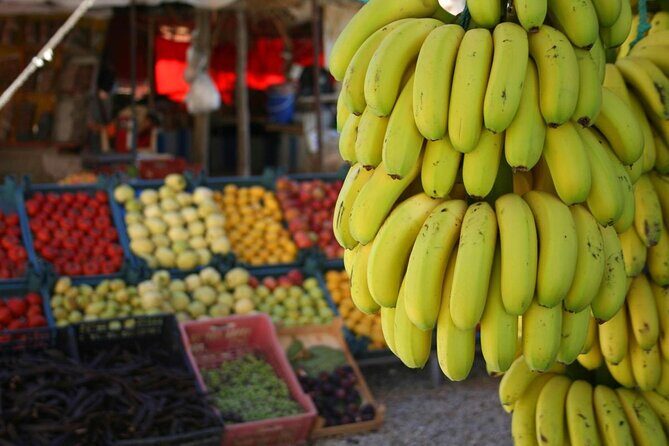
- San Pedro Market start: you shop for the dishes you’ll cook
- 100% vegan menu: ceviche, causa limeña, and quinoa tamal
- Two pisco cocktails: fruit-forward Peruvian drinks, handled step by step
- Small group max 10: easier pace and more attention
- Recipes sent at the end: so you can cook it again later at home
- Dietary help available: options for allergies and food restrictions, plus non-alcohol swaps for under-18
Why a Vegan Cusco Cooking Class Works Better Than a Normal Tour
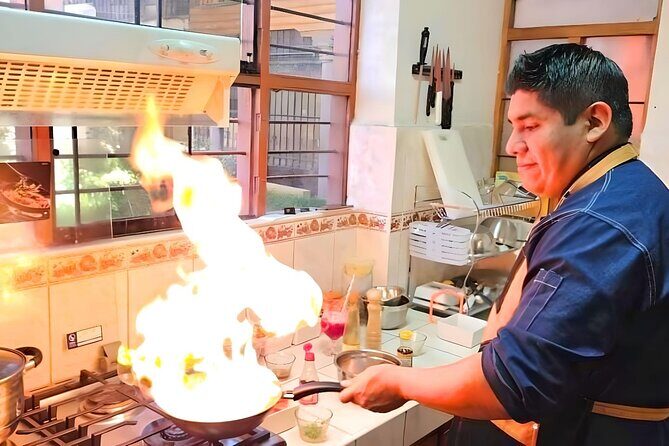
Cusco has plenty of food stops, but you’ll taste more than you learn unless you get hands-on. This experience is built around the full loop: see the ingredients at San Pedro Market, cook them in the studio, and then recreate the drinks and dishes later.
I also like that the menu isn’t just “vegan substitutions.” It’s built around Peruvian staples like lime, corn (for causa), quinoa, and the flavors you expect in ceviche—just without animal products. If you want a practical takeaway, this is one of the best formats.
A few more Cusco tours and experiences worth a look
San Pedro Market: Your Grocery List for Peruvian Vegan Cooking
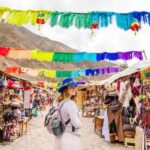
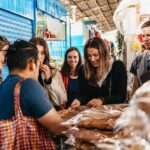
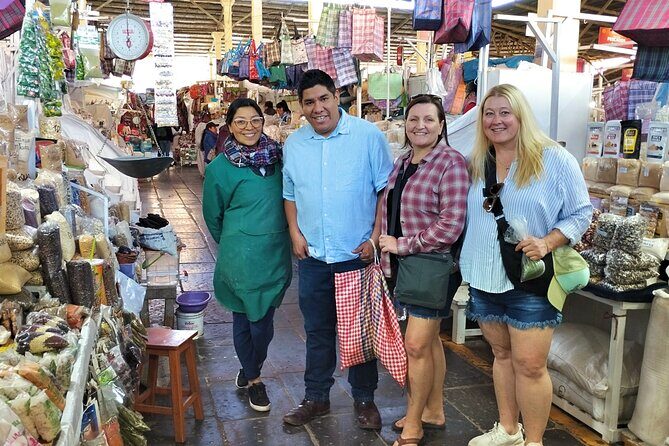
The tour begins at Mercado Central de San Pedro (Thupaq Amaru 477, Cusco 08002). This matters because you’re not just walking past stalls—you’re learning how to identify and choose ingredients that show up in the dishes you’ll make later.
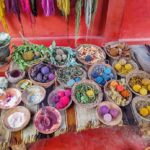
In the market, you’ll be introduced to a wide range of products, including Peru’s superfoods. You’ll also get a sense of how local vendors think: which fruits are ripe, how spices are used, and what grains and root vegetables are worth buying. One of the fun details I’d expect you to appreciate is seeing different varieties of passion fruit and local bread, since those show up in the flavor story of the day.
Practical tip: give yourself a little extra time to find the correct market entrance. Even with clear markings, the start point can be tricky at busy markets, and you don’t want to rush while you’re trying to orient yourself.
From Market to Studio: What Happens Between Stops
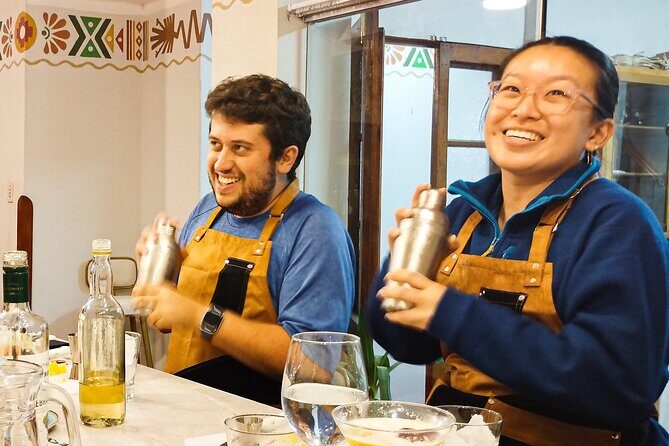
After shopping, the group heads to a cooking studio located in the center of Cusco. The change of pace is part of the value here. In the market, you’re collecting ingredients and ideas. In the studio, you’re translating those choices into steps you can follow.
Because the group size is capped at 10 travelers, the kitchen time tends to feel more controlled than the “line up and watch” style of cooking demos. You’re actively making food and drinks, not just taking notes from the sidelines.
The 3 Vegan Peruvian Dishes You’ll Make (and Why They’re Great Practice)
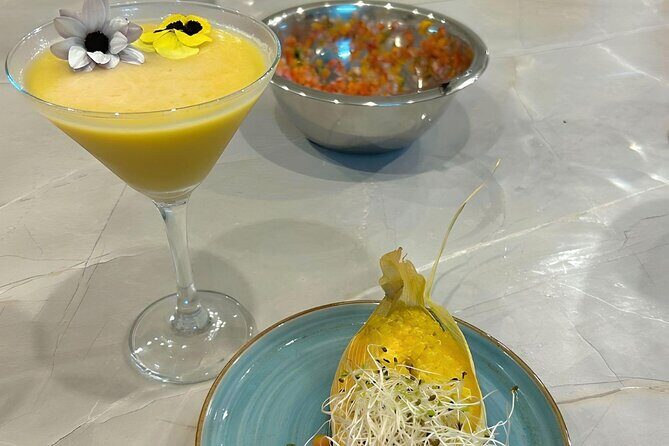
This class teaches three dishes, all 100% vegan:
- Ceviche
- Causa limeña
- Quinoa tamal
These picks are smart because they cover three different cooking skills: fresh assembly, structured layering, and dough/steam cooking with grains.
Vegan Ceviche: Learning the Flavor Base
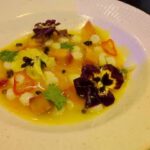
Ceviche is often associated with seafood, but you’ll learn how to get that bright, tangy hit using vegan ingredients and the right technique. The key takeaway isn’t just the final plate—it’s how citrus, seasoning, and texture work together.
If you’re worried that “vegan ceviche” might feel like a compromise, don’t be. The lesson format helps you understand what to adjust for flavor balance so it doesn’t taste like a side project.
You can also read our reviews of more shopping tours in Cusco

Causa limeña: The Corn Foundation (Plant-Based)
Causa limeña is built on mashed corn and a creamy element. In this class, you’ll learn a vegan version, including vegan-style mayonnaise for the filling. That’s useful because causa is one of those dishes people love but often assume is “too specific to recreate” at home.
You’ll get the structure down—how the layers work and how to keep the shape neat enough for serving.
Quinoa tamal: A Comfort Food Skill You Can Repeat
Quinoa tamal is a great inclusion because it teaches you a different style of cooking than ceviche or causa. You’re working with quinoa in a way that’s familiar to Peruvian cuisine, but still approachable when you leave the class.
If you like making meal-prep friendly food, tamals are a natural win. The process gives you a foundation for future vegan tamal experiments.
Pisco Cocktails in Cusco: Two Drinks and Real Mixing Skills
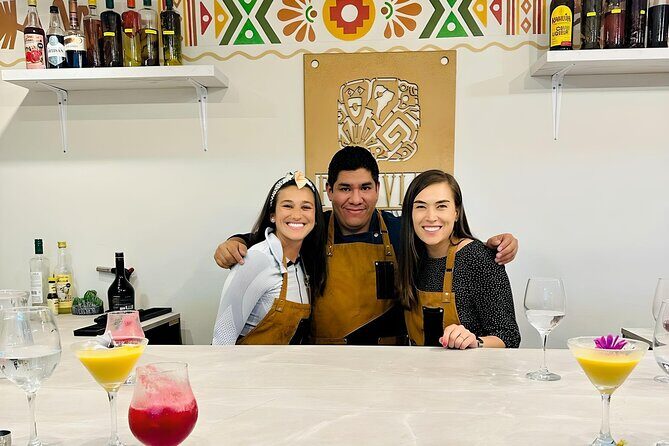
Cocktails are more than a perk here. They’re part of the cooking-day learning, and they connect directly to ingredients you’ll have seen at the market—especially pisco and fresh fruit.
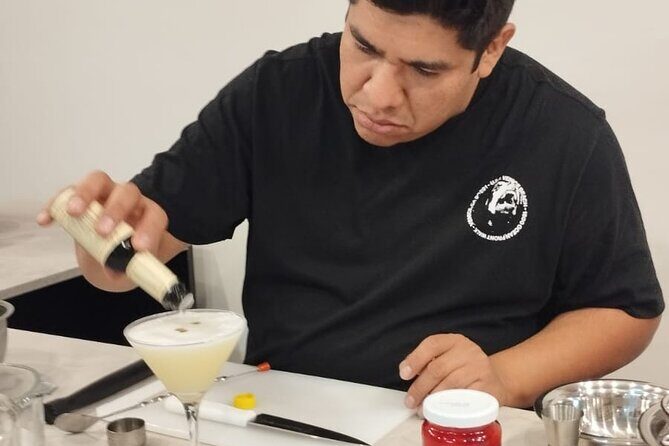
You’ll make two pisco cocktails during the class. In practice, you might be taught options like pisco sour and fruit-based drinks such as chicha morada. Either way, the goal is the same: learn the method, not just the recipe.
What if you’re under 18?
Per Peru’s alcohol rules, drinking alcohol is available from 18 years. If someone is under 18, the class replaces pisco with bottled water so you still participate in the cocktail-making portion.
This is a small detail, but it matters. It keeps the experience inclusive without turning the class into a weird “watch only” moment for younger participants.
Who Teaches This Class (and Why the Pace Feels Good)
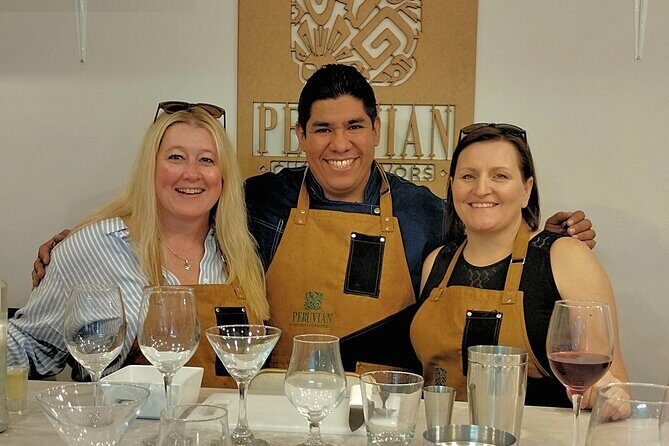
Several chefs and instructors are tied to this experience in the information you provided, including Chef Jesus and Chef Jorge, with Alvaro also mentioned. In every case, the common thread is clear: you’re guided with practical instruction and friendly explanations.
That teaching style is especially important in a cooking class. Peruvian dishes have specific textures and balances, and it helps when someone breaks it down in plain terms so you can actually repeat it later.
How the 4 Hours Typically Feel
The duration is about 4 hours. That’s long enough to do real work—shopping, prep, cooking, eating—without feeling like a full-day commitment.
Here’s what you should plan around:
- You’ll start at San Pedro Market
- You’ll spend meaningful time in the cooking studio
- You’ll make drinks as part of the class flow
- You’ll leave with food that’s filling (so go easy on breakfast or lunch if you can)
It’s also the kind of experience where you’ll probably eat more than you expect. If you’re the type who likes to try everything in Cusco, consider keeping your evening food plans simple.
Price and Value: Is $69 Fair for What You Get?
At $69 per person, this can be a very reasonable value in Cusco if you care about skills, not just a meal. Here’s why the price works:
- Ingredients and equipment are included, which usually costs more than people realize when they cook at home.
- All recipes are provided afterward, so you’re not paying only for the day-of experience.
- You get two cocktails, and they tie to the dishes you’re learning.
- The format is hands-on and capped at 10 people, which keeps instruction more practical.
If you’re comparing it to paying separately for a market tour and a cooking workshop, the “combined” model usually wins. You’re paying once to learn both buying and cooking.
Tips to Get More Out of Your Class
A few small actions can make the experience smoother:
- Arrive a few minutes early at the market. The start point is at the market address, and getting turned around costs time.
- Tell the chef about allergies or food restrictions right away. Options are available, but you’ll get the best results when expectations are clear from the beginning.
- Dress for comfort. You’ll likely be moving between market stalls and the studio.
- If you’re sensitive to citrus or spice levels, say so early. Ceviche and Peruvian sauces lean bright, and the class can be adjusted.
And one more practical point: since you’re making multiple courses, don’t plan to do a heavy walking day right before. You’ll want your energy for the kitchen.
Who Should Book This Vegan Peruvian Cooking Class?
This is a good fit if you:
- want a hands-on food experience, not just tasting
- want vegan Peruvian cooking skills you can repeat at home
- care about understanding ingredients by seeing them in the market first
- enjoy cocktails and want to learn technique, not just drink one
It can also be a strong choice for couples and small groups because the max size keeps the pace relaxed.
Should You Book This Vegan Peruvian Cooking Class in Cusco?
If you want a memorable Cusco food moment with real take-home value, I’d book it. The combination of San Pedro Market shopping, 100% vegan cooking, and pisco cocktail practice is exactly the kind of “learning by doing” experience that pays off long after you leave Peru.
Skip it only if you’re looking for a pure walking tour with casual tasting and minimal hands-on cooking. This one is about cooking, mixing, and eating what you make.
If your main goal is to come home able to reproduce Peruvian vegan dishes and drinks, this is one of the smarter ways to spend your time in Cusco.
FAQ
Where does the class start?
The activity starts at Mercado Central de San Pedro, located at Thupaq Amaru 477, Cusco 08002, Peru.
How long is the experience?
It runs for about 4 hours.
What dishes will you learn to cook?
You’ll learn to prepare ceviche, causa limeña, and quinoa tamal, all in 100% vegan versions.
Are the cocktails included?
Yes. The class includes alcoholic cocktail drinks, with two pisco cocktails included.
What happens if someone is under 18?
Per Peru’s alcohol law, alcohol is available from 18 years. If someone is under 18, they’ll be served non-alcoholic drinks, replacing pisco with bottled water.
Does the class accommodate allergies or other food restrictions?
Yes. The experience offers options for allergies/food restrictions, and it’s available during booking.
What’s included besides the food?
You get all ingredients, all equipment, and bottled water. You’ll also receive the recipes at the end.
How many people are in the group?
The class has a maximum of 10 travelers.
Will I get confirmation after booking?
Yes. Confirmation will be received at time of booking.
Is there free cancellation?
Yes. You can cancel for a full refund up to 24 hours before the experience starts.