REVIEW · CUSCO
City Tour in Cusco & visit Museum South American Camelid
Book on Viator →Operated by Chullos Travel Peru · Bookable on Viator
Cusco can feel like a blur at first. This half-day tour helps you get your bearings fast while linking the Inca story to what the Spanish built over it, site by site. I especially like the bilingual guidance in English and Spanish (I found it makes the route easier to follow), and I also like that the pacing is designed for a short, organized loop instead of a long, exhausting day.
One thing to consider: entrance fees are not included, and the tour can run a bit behind if the group is getting sorted at the start. On language, most guides handle both languages well, but a few people have noted English can be less clear with certain guide pairings—so if that matters a lot to you, keep that in mind when choosing your time slot.
In This Review
- Quick hits before you go
- Why this Cusco city loop helps you right away
- Meeting at Plaza de Armas and the ride style
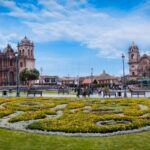
- Plaza de Armas: start where Cusco still speaks
- Qorikancha (Temple of the Sun): the Inca core under a later layer
- Sacsayhuamán: cyclops stonework and a bigger meaning
- Q’enqo and the patterns behind the rock
- Puka Pukara: small stop, strong atmosphere
- Tambomachay: the water temple stop
- Budget reality: entrance tickets are not included
- Bilingual guides: when it clicks, the day gets better
- Timing, group size, and the altitude factor
- Camelid museum stop: what to confirm before you assume
- Who this tour suits best (and who might want something else)
- Should you book? My practical take
- FAQ
- How long is the Cusco half-day city tour?
- Where does the tour start and end?
- Is the tour available in the morning and afternoon?
- What’s included in the price?
- Are entrance tickets included?
- How many people are in the group?
- Does the tour involve the South American camelid museum?
Quick hits before you go
- A half-day Cusco circuit (about 4–5 hours) built around the big Inca-era stops
- Small group size (up to 15) with an air-conditioned vehicle between locations
- Qorikancha, Sacsayhuamán, Q’enqo, Puka Pukara, Tambomachay in one outing
- Entrance fees are extra, so budget for the partial/area ticket at the start
- Camelid museum stop included in this experience name—just confirm timing when you meet
- Choose morning or afternoon to match your acclimatizing rhythm
Why this Cusco city loop helps you right away
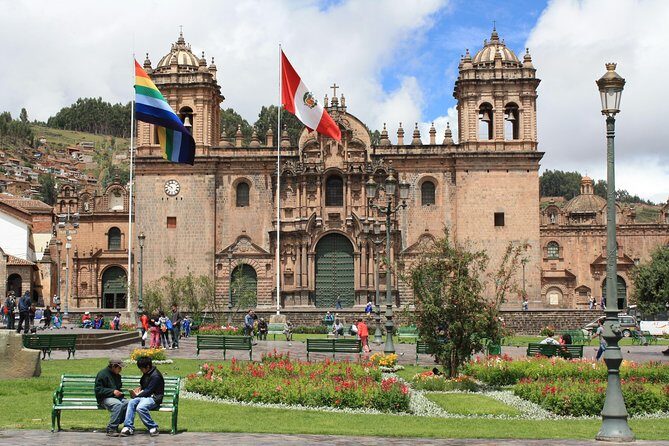
If you’re arriving in Cusco and want context without signing up for a full-day history grind, this tour is a practical win. You start at the center—Plaza de Armas—then move outward to major archaeological areas around town.
I like that the route doesn’t treat Cusco as only a pretty viewpoint. It connects the dots between Inca influence and Spanish-era Cusco, which is exactly what you need before you jump to other parts of Peru. Plus, it’s a nice way to learn the names and significance of sites so you’re not just taking photos with no idea what you’re looking at.
The other quiet advantage is acclimatization. Cusco altitude is no joke, and a half-day format can be a good sweet spot when you want to be active but still have time to recover after.
You can also read our reviews of more city tours in Cusco
Meeting at Plaza de Armas and the ride style
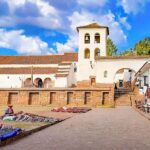
You meet at Plaza de Armas de Cusco (Del Medio 123), then the activity ends back at that same point. That round-trip matters, because Cusco walking can add up fast—especially if you’re still adjusting to thinner air.
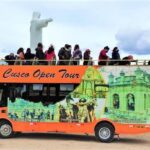
This is also not a “wander all day” tour. It’s mainly a bus/van loop, with short on-site visits and time to look, learn, and ask questions. One review even described it as a real bus tour: one main stop is experienced more on foot, and the rest is a mix of brief exploration plus vehicle hops.
The vehicle is air-conditioned, which sounds like a small detail until you’re doing this in warmer weather or right after a long morning on the road. With only up to 15 people, it tends to feel controlled rather than chaotic.
Plaza de Armas: start where Cusco still speaks
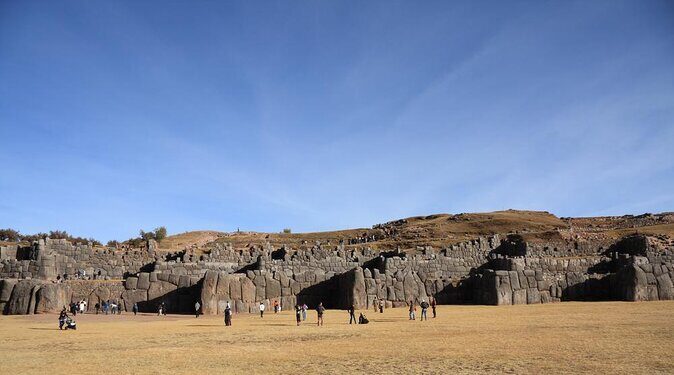
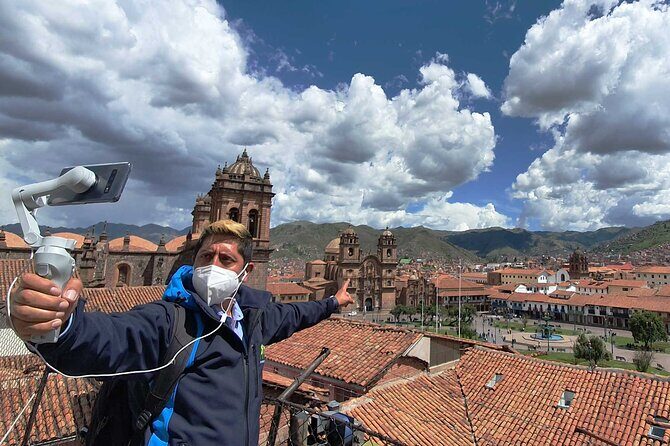
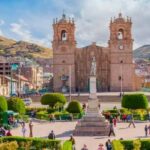
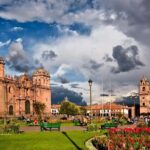
Your first stop is Plaza de Armas, Cusco’s central square. This is an orientation stop, and it’s worth paying attention even if you’ve already seen photos—because it gives you a baseline for where everything else sits.
From here, the tour heads to the places that shaped Cusco long before modern streets took over. In practical terms, I think this is smart: you get the big picture first, then the sites make more sense as the day moves.
Qorikancha (Temple of the Sun): the Inca core under a later layer
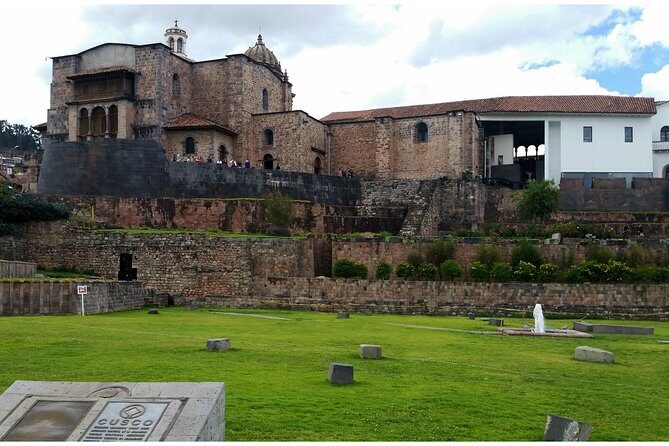
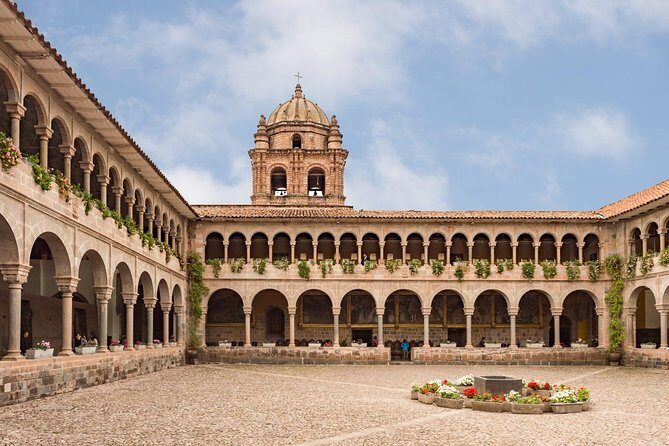
Next up is Qorikancha, which includes the Templo del Sol (Temple of the Sun). Expect both an archaeological site experience and a museum-style visit, and plan on about 45 minutes at this stop.
This is one of the best places to grasp the theme of the day: Inca Cusco influence and Spanish impact. You’re not just seeing stones—you’re learning how the place carried meaning before later changes, and why people cared about it in the first place.
A tip: when the guide starts explaining, follow the flow of the story rather than trying to read every surface yourself. Qorikancha can be visually busy, and the guide’s explanation is what turns it from “wow, old walls” into “oh, that’s what mattered here.”
Sacsayhuamán: cyclops stonework and a bigger meaning
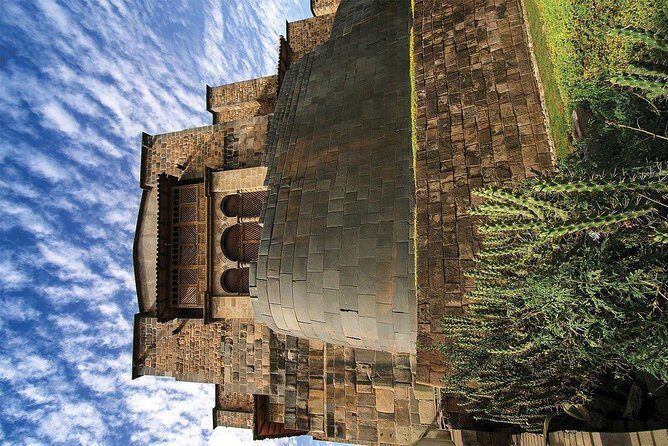
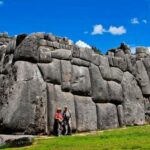
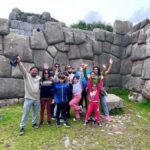
Then you go to Sacsayhuamán, a major archaeological site with a typical 45-minute time slot. This stop is the “big stones” moment, but it’s also where you start thinking about defense, planning, and how the Inca shaped space around Cusco.
One of the strongest reasons people recommend this tour is that a good guide makes Sacsayhuamán feel like more than a landmark. When the guide is on form, you’ll understand why the walls were built the way they were and how the site fits into Inca Cusco’s broader layout.
Practical note: expect uneven ground. You’re not doing a long hike, but you will be moving around. If you have knee issues, go slow, use a steady pace, and consider resting briefly between viewing points.
You can also read our reviews of more museum experiences in Cusco
Q’enqo and the patterns behind the rock
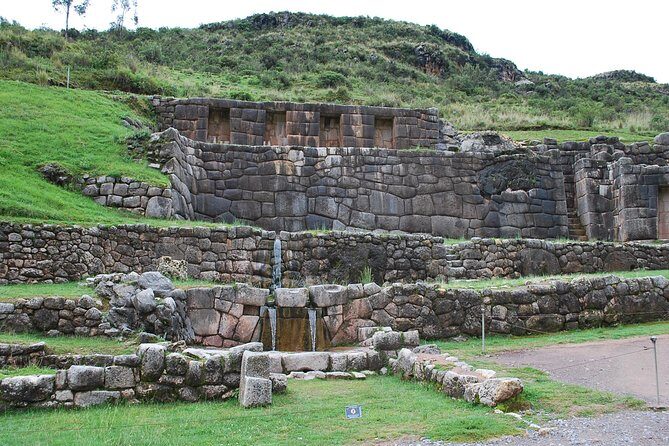
After Sacsayhuamán, the route continues to Q’enqo, a site with about 30 minutes on the schedule. Q’enqo tends to be a little more “specific” in feel than the biggest landmarks, so it helps to listen closely here.
This is where site details start to matter—shapes, placement, and how the area is organized. Even if you’ve visited other ruins before, Q’enqo is a good reminder that Inca architecture wasn’t just about building big. It was also about making meaning through layout.
Puka Pukara: small stop, strong atmosphere
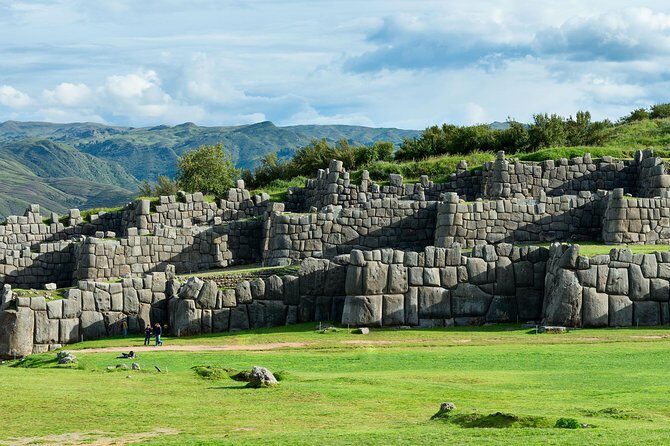
Next is Puka Pukara, also about 30 minutes. The time slot is short, so your success here depends on staying focused during the explanations and then using your remaining minutes to look closely.
I like this stop on a half-day tour because it breaks up the “same vibe” feeling you can get at back-to-back major sites. It’s not just another big platform moment; it gives you a slightly different character to the day.
Tambomachay: the water temple stop
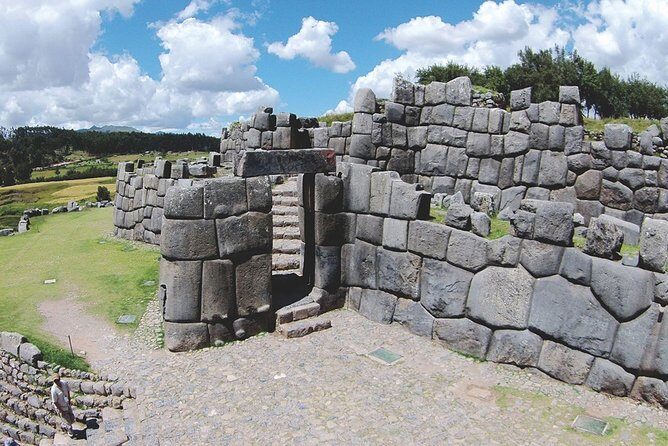
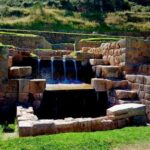
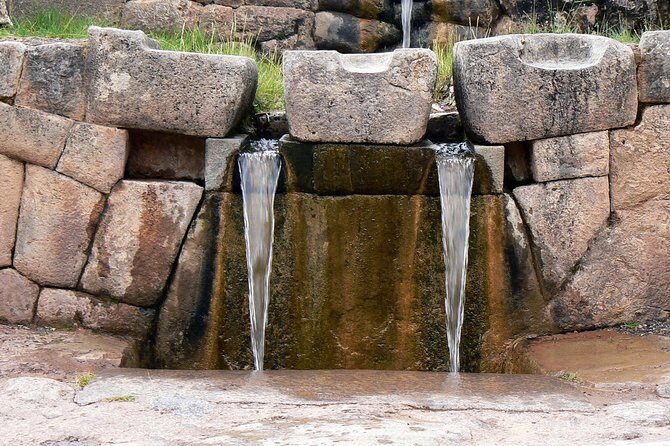
Your final archaeological stop is Tambomachay, commonly described as a water temple, with about 30 minutes. This is a nice contrast to stone-heavy sights because water systems change how you experience a place: you notice channels, flow, and how the environment interacts with the site.
If you enjoy when a location feels tied to practical life—not only ceremony—Tambomachay is a strong closer. It also helps that it’s a more relaxed-feeling stop compared with the biggest structures earlier in the day.
Budget reality: entrance tickets are not included
Entrance fees are not included in the price, so you’ll need to plan for that. The tour covers guided storytelling and transportation, but the site access is a separate cost.
One useful detail: people have mentioned a 70 soles partial/area ticket for several of these stops (including Sacsayhuamán, Q’enqo, Pucapucara, and Tambomachay) and a 130 soles general ticket if you’re also planning other Inca-site days in the region. The exact best option depends on what you’ll do next, especially if you’re going to the Sacred Valley later.
My advice: before you arrive, decide which sites you’ll do beyond this tour. Then bring enough cash for whichever ticket combo makes sense, so you’re not scrambling mid-day.
Bilingual guides: when it clicks, the day gets better
The tour includes a professional bilingual guide (English and Spanish) and provides all the information. Names you may hear include guides like Luis/Lucho, Edwin, Regina, and Pavel, and multiple people have praised specific guides for clarity and care with time at each site.
That said, I wouldn’t ignore one caution from past experiences: a small number of people have found English explanations less strong with certain guides. If English clarity is a must for you, pick a time slot when you know your group size will be manageable and arrive a few minutes early so the day starts smooth.
In general, I’d judge this tour by the quality of the guide you get. When the guide is firing on all cylinders, the route feels like a true education tour, not just a checklist of places.
Timing, group size, and the altitude factor
This tour runs about 4 to 5 hours, with morning or afternoon departures available. On a half-day plan in Cusco, timing is everything: you want to avoid arriving at a high site when your body is still adapting to altitude.
The good news is that the schedule uses short viewing blocks—usually 30–45 minutes per major stop. The rhythm helps. You’re not stuck for hours in one location, and the vehicle breaks keep your energy from draining too fast.
Group size is capped at 15 travelers, which helps with crowd control at the sites and makes it easier for the guide to keep track of everyone. Still, one thing can affect the flow at the start: if the group is getting gathered slowly, the whole day can begin later. Build in a little buffer if you have tight plans afterward.
Camelid museum stop: what to confirm before you assume
Your booking name includes a visit to the Museum of South American Camelids. The detailed stop-by-stop schedule provided here focuses on the Cusco archaeological loop, so the camelid museum timing may be handled as an additional stop or integrated alongside the city tour.
Before you set expectations, ask the guide at the meeting point when the camelid museum portion happens and how long you’ll have there. That one question prevents disappointment—because museum time can change based on the group and local timing.
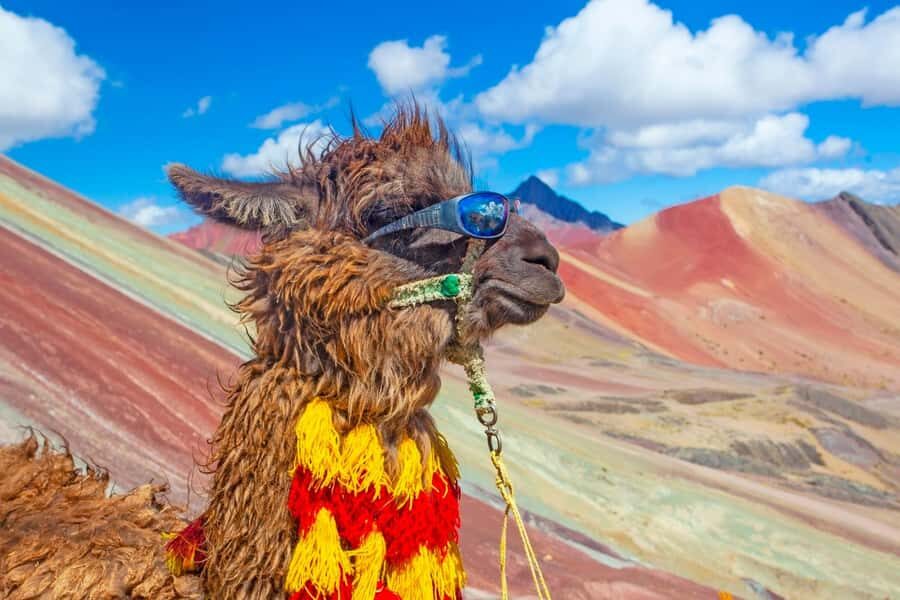
If you like learning about Andean life beyond ruins—things like llamas and alpacas—this added museum connection can be a smart balance to all the stone and sky.
Who this tour suits best (and who might want something else)
This tour is ideal if you:
- want a half-day Cusco overview without committing to a longer excursion
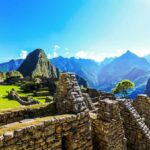
- plan to visit Machu Picchu or other Inca sites soon and want background first
- prefer a route that mixes major landmarks with shorter, manageable stops
- travel with a group where someone wants history context and someone else wants time to rest afterward
You might think twice if you:
- need long, self-guided time at each site (this is a structured loop)
- struggle with uneven ground even for short periods
- are very sensitive to language precision and you need consistently strong English narration
For many people, though, it’s a strong “between big days” activity. It helps you rest while still learning enough that the rest of your trip feels more connected.
Should you book? My practical take
I think this is a good value booking if you treat it like what it is: a guided half-day route that explains Cusco and Inca/Spanish links while you cover key archaeological stops efficiently. The price is low enough that you’re mostly paying for transport + a bilingual guide, and then you top it off with entrance tickets.
Book it if you want to understand what you’re seeing before you go further in the region. Skip it (or pair it carefully) if you’re chasing deep museum time or you already know the sites so well that you’d rather spend your hours elsewhere.
If you do book, do two things: budget for entrance fees in advance, and ask at the start when the camelid museum stop is scheduled. That’s how you get the best day out of this short Cusco circuit.
FAQ
How long is the Cusco half-day city tour?
It runs about 4 to 5 hours (approx.).
Where does the tour start and end?
It starts at Plaza de Armas de Cusco (Del Medio 123, Cusco 08000, Peru) and ends back at the same meeting point.
Is the tour available in the morning and afternoon?
Yes. You can choose a morning or afternoon tour to fit your schedule.
What’s included in the price?
The price includes a professional bilingual guide, an air-conditioned vehicle, and the tour information.
Are entrance tickets included?
No. Entrance tickets are not included.
How many people are in the group?
The tour has a maximum of 15 travelers.
Does the tour involve the South American camelid museum?
This experience includes a visit connected to the Museum South American Camelid, but the exact timing can vary, so confirm when you meet the guide.