REVIEW · CUSCO
Cooking class and market tour with a local chef
Book on GetYourGuide →Operated by Cusco Gastronomic Tours & Coooking Class · Bookable on GetYourGuide
Cusco starts on your cutting board. This 4-hour cooking class pairs a walk through the San Pedro market with hands-on instruction from chef Ronal, a Cusco native who connects what you buy to how Peru actually eats. It’s not just cooking; it’s learning the logic behind ingredients you’ll see again on menus across the city.
I love the way you begin with tastings—fruits, cheeses, and local produce—so the meal feels grounded in place, not like a generic demo. I also like that the class gives real choice: you pick your favorite cocktail and your preferred main dish, while everyone makes the same starter.
One drawback to consider: the menu is described as Peruvian (and the activity notes say meat tied to local diets may appear), so if you have very strict restrictions, you’ll want to flag them clearly ahead of time.
In This Review
- Key things that make this class work
- Finding the kitchen: location, vibe, and what to expect
- San Pedro market tour: fruits, cheese, and smarter shopping
- The shared starter: two classic Cusco flavors you’ll actually learn to make
- Rocoto relleno
- Causa rellena
- Choosing your main dish: lomo saltado or ceviche, with swaps for vegetarians
- Lomo saltado
- Ceviche
- Vegetarian options
- Cocktails in pisco base: what you’ll mix and why it matters
- Pisco sour
- Passion fruit sour (pisco sour version)
- Non-alcoholic fruit-honey drink
- Cooking skills you can take home: knife work, timing, and clean results
- Altitude and comfort: water, teas, and altitude-sickness support
- Price and value: is $57 a fair deal in Cusco?
- Who should book this Cusco market-and-cook class?
- Should you book it?
- FAQ
- How long is the cooking class and market tour?
- Where is the meeting point?
- What dishes are included in the cooking menu?
- What drinks are included?
- Can the class adapt to dietary restrictions?
- Is transportation included?
- What languages are offered by the instructor?
- Is this suitable for children?
Key things that make this class work
- San Pedro market time first, with tasting and ingredient explanations before you cook
- A professional chef, Ronal, who teaches techniques while sharing Cusco food culture
- Starter is shared, but you get to choose your cocktail and main dish
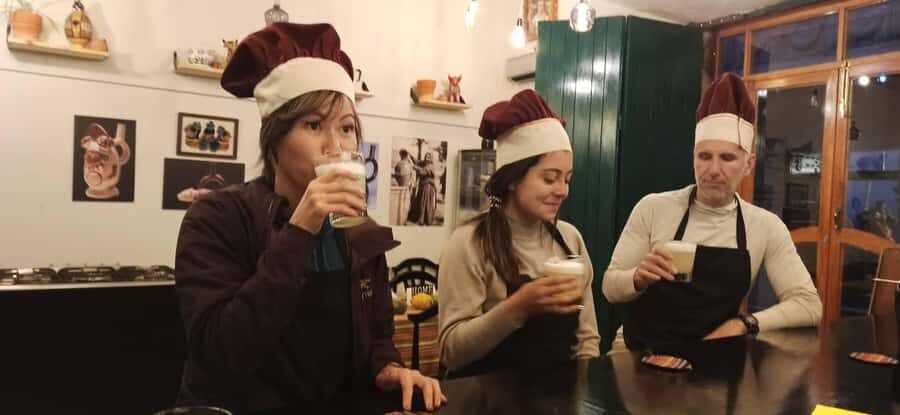
- Pisco-based drinks and mocktail options, including classic pisco sour and passion fruit versions
- Dietary flexibility, including vegetarian choices and allergy handling
- Comfort support for altitude, with water plus teas and natural medicine if needed
Finding the kitchen: location, vibe, and what to expect
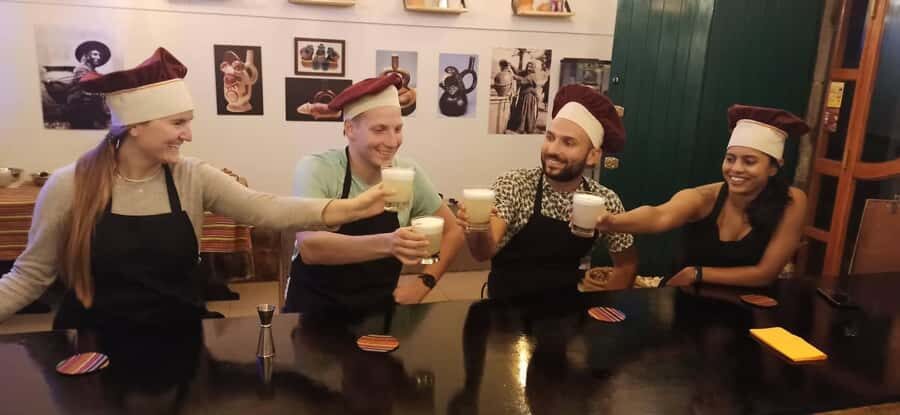
I like starting points that are easy to find, and this one is pretty straightforward. You meet at Calle San Juan de Dios 264, right in front of the Aranwa boutique hotel. The workshop entrance is on the opposite side of the tracks, with a glass and wooden door where you can see in.
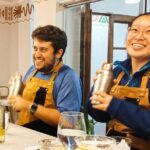
The vibe is practical. Think clean, organized, and set up for real cooking—not a showroom. You’ll get kitchen aprons, utensils, and a bar setup for the drink part, so you’re not wasting time figuring out tools or where things are.
And yes, the class runs about 4 hours, which is a good length in Cusco. You get enough time to shop, cook, and eat without burning your whole day.
You can also read our reviews of more shopping tours in Cusco
San Pedro market tour: fruits, cheese, and smarter shopping
The market segment is where this experience becomes more than cooking. You’re not just buying ingredients—you’re learning how locals think about them.
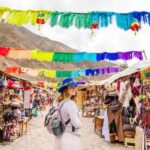
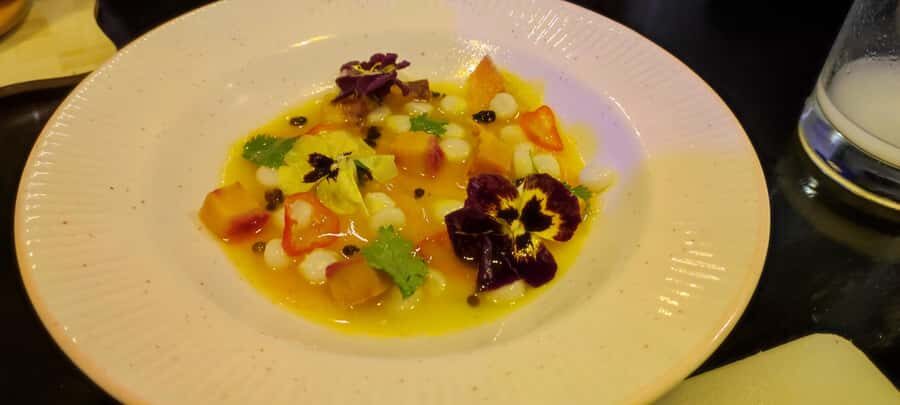
You’ll head to the most famous market of Cusco (San Pedro is mentioned), and you’ll focus on the kind of items that shape classic regional food: fruits and local cheeses. That’s a big deal because Cusco cooking leans hard on what grows well in the Andes, plus staples Peru does so well—fresh flavors, tang, herbs, and texture.
What I like about how it’s run: you taste as you go. That matters because it trains your palate before you ever touch a knife. If you’ve had a bland food experience in the past, this is the opposite. You’ll be meeting flavors at their best—ripe fruits, proper cheese, and ingredients you’d never pick confidently on your own.
A practical note: markets move fast. Wear comfortable shoes and keep your phone ready for quick reference shots. You’ll want to remember what you tasted, not just what you bought.
The shared starter: two classic Cusco flavors you’ll actually learn to make
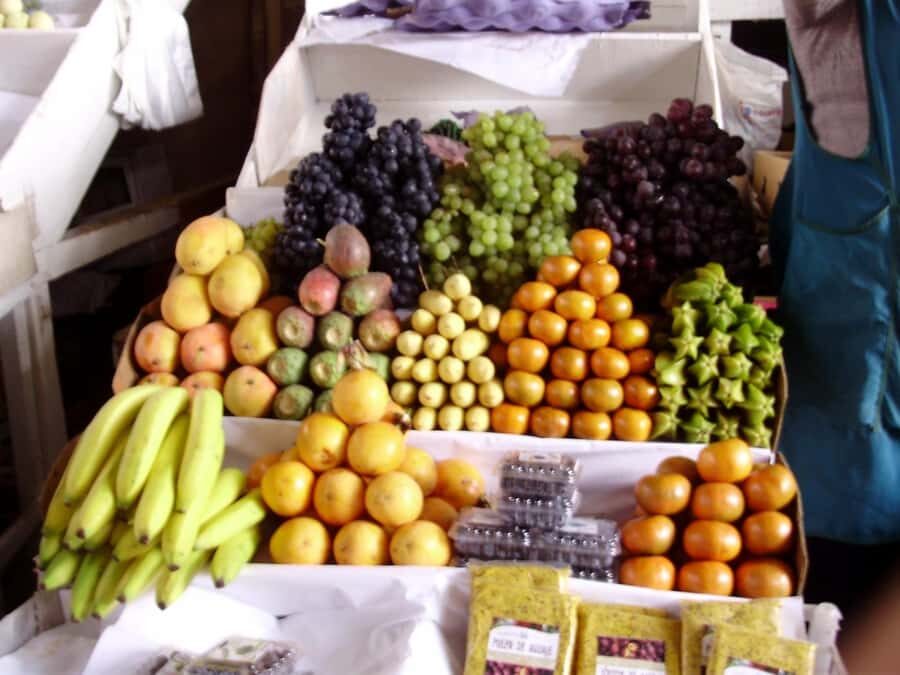
After the market, you shift into the kitchen with a plan. The class uses the same starter for everyone, which keeps the group moving and makes the teaching simpler.
Your starter menu includes:
Rocoto relleno
This is a traditional stuffed chili dish—rocoto—filled with a savory mix that includes meat, onions, peas, carrots, peanuts, and dry grapes. It’s finished with local cheese and baked in an oven. The sweet-salty combo (dried fruit + peanuts + cheese) is one of those flavors that sounds unusual until you taste it. Then you get why it works.
Causa rellena
This is a potato-based classic built around yellow chili sauce. Your filling includes avocado and something called fish tartare, plus mayonnaise and spices. It’s creamy, bright, and built in layers—so you learn not only cooking, but assembly.
Even if you’re a beginner, you’re not left guessing. The class includes instruction on cutting and prep, and the workflow is paced so you can keep up without feeling rushed.
A few more Cusco tours and experiences worth a look
Choosing your main dish: lomo saltado or ceviche, with swaps for vegetarians
Here’s the payoff: you make two dishes plus a drink. You also get to choose your main.
You pick between:
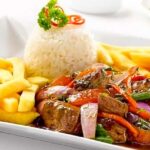
Lomo saltado
Beef tenderloin cooked with onions and tomato, plus soy sauce, oyster sauce, and vinegar. You’ll also serve it with native potato fries. This is a crowd-pleaser because it’s familiar in technique (stir-fry style) but distinct in seasoning. Expect a mix of savory sauce, bright acidity, and the soft-crisp contrast you get with potatoes.
Ceviche
Ceviche here is trout paired with mango, avocado, lime juice, onions, celery, ginger, corn, and sweet potato. The fruit and aromatics matter. They’re not decoration; they balance the lime with sweetness and crunch, plus the ginger adds a gentle heat.
Vegetarian options
Vegetarian choices are included, and the class is described as able to adapt to different diets. If you’re vegetarian, this is one of the key reasons to book: you’ll cook a real Cusco-style meal rather than getting a sad substitution plate.
One practical takeaway for you: if you want your dish to match a specific dietary boundary (for example, avoiding certain ingredients used in tartare-style prep), don’t assume the kitchen will read your mind. Mention your needs early so the chef can adjust before you start cooking.
Cocktails in pisco base: what you’ll mix and why it matters
Food in Peru is inseparable from drink. This class includes a cocktail in base pisco, plus options.
You’ll learn to prepare:
Pisco sour
The classic: lime, syrup, and egg. The texture is part of what makes it feel special. It’s not just sour; it’s creamy-smooth with lime brightness.
Passion fruit sour (pisco sour version)
Same idea, different fruit. You use fresh passion fruit juice for a more tropical aroma and a softer tartness.
Non-alcoholic fruit-honey drink
If you’d rather skip alcohol, you can go for a version made with Peruvian fruits and honey. It’s a nice option if you’re trying to keep altitude-friendly hydration and still enjoy the drink part.
Taste-wise, this section is valuable because it teaches you how sourness, sweetness, and fruit acidity are balanced in Peruvian cocktails. Later, when you see pisco sour on a menu, you’ll know what you’re actually tasting.
Cooking skills you can take home: knife work, timing, and clean results
The best cooking classes teach you technique, not just recipes. This one pushes you into hands-on tasks like cutting and building dishes in the right order.
What I’d highlight for you:
- Knife work and prep guidance so your finished dish looks right, not messy.
- Clear sequencing in the kitchen so you understand what needs cooking versus what needs assembly.
- Consistent tasting and checking so the flavor lands where it should.
The goal isn’t just a full plate—it’s the confidence to recreate something at home. One review also notes you may receive recipes by email afterward, which is a helpful follow-up when you want to cook these dishes again without guessing.
Altitude and comfort: water, teas, and altitude-sickness support
Cusco’s altitude can affect people fast. This class includes water, and it also mentions that if necessary they offer natural medicine for altitude sickness plus digestive teas.
I like that it’s built into the experience rather than treated as an afterthought. You’re eating rich foods and citrus-forward flavors, and your body might feel a little weird the first day you’re in town. A digestive tea option can genuinely help you feel better after a heavy meal.
If you’re sensitive to altitude, plan your class early in your trip only if you’re already acclimating. The activity notes also say it’s not suitable for people with altitude sickness, so be honest about how you feel. If in doubt, talk to your doctor before going.
Price and value: is $57 a fair deal in Cusco?
At $57 per person for 4 hours, this class earns its value in a few key ways:
- You’re not paying only for instruction. The package includes fresh ingredients, a cooking workshop, kitchen and bar utensils, and water.
- You also get at least one starter and one main course, plus a cocktail (with non-alcoholic options available).
- The big intangible: a local chef who explains what you’re seeing in the market and why it matters. That turns your shopping time into learning, and your cooking time into a skill you can repeat.
If you’re the type who enjoys eating well and wants to understand why the flavors work, this is the kind of value that shows up in the final result. People come out talking about the taste and the quality of what they made—not just that they had fun.
One caution: the class isn’t tied to your transportation. You’ll need to get yourself to the meeting point.
Who should book this Cusco market-and-cook class?
This experience fits you if:
- You want a practical introduction to Cusco and Peruvian cuisine through real cooking.
- You like market shopping where you taste and learn ingredients before cooking.
- You have dietary needs and want a chef who can adapt the dishes rather than handing you a one-size-fits-all plate.
- You enjoy pisco culture, especially if you want to learn the pisco sour and a passion fruit variation.
It might not fit as well if:
- You’re dealing with altitude issues at the time of the class and need medical-level support.
- Your restrictions are extremely specific and you’re not comfortable clarifying them before you start.
Also note a few activity rules. No baby strollers and no alcohol/drugs. The age guidance lists it as not suitable for kids under 6, and there are weight limits listed, so check those if you’re close to the upper range.
Should you book it?
Yes, if you want the best of Cusco in one go: market flavors first, then hands-on cooking, then eating what you made with a pisco-based drink. The standout strengths for you are the chef-led teaching, the market tastings, and the choice element that makes your meal feel personal.
If you’re picky about ingredients or you have tight dietary boundaries, book—but message your requirements clearly ahead of time so the chef can plan your versions from the start. Do that, and you’ll leave with both a great meal and skills you can use later.
FAQ
How long is the cooking class and market tour?
It lasts 4 hours.
Where is the meeting point?
The meeting point is Calle San Juan de Dios 264, in front of the Aranwa boutique Hotel (the workshop is across the track with a glass and wooden door).
What dishes are included in the cooking menu?
The shared starter includes rocoto relleno and causa rellena. For the main, you can choose between lomo saltado or ceviche.
What drinks are included?
You’ll prepare a cocktail in base pisco, with options including pisco sour and a passion fruit sour. There’s also a non-alcoholic drink made with Peruvian fruits and honey.
Can the class adapt to dietary restrictions?
Yes. The class notes state they can adapt to dietary restrictions, and they include vegetarian options.
Is transportation included?
No. Transportation is not included.
What languages are offered by the instructor?
Instruction is available in English and Spanish.
Is this suitable for children?
It’s listed as not suitable for children under 6 (and stricter limits are listed for younger ages).