REVIEW · CUSCO
Cusco South Valley: Morning Half Day Tour
Book on GetYourGuide →Operated by PVTravel · Bookable on GetYourGuide
Water, walls, and baroque paint—on one morning. This Cusco South Valley half-day tour strings together Tipón’s Inca waterworks, the Wari citadel of Pikillacta, and Andahuaylillas’ famous gold-framed baroque canvases. I like how the morning doesn’t just hit famous ruins—it also shows you how different cultures shaped this valley, from pre-Inca water control to colonial church art. One practical plus: it’s a history-rich day without a brutal hiking pace.
The one consideration I’d keep in mind is payment and timing. You’ll want cash ready for the S/70 tourist ticket (and the Andahuaylillas church fee isn’t included), and the day can include some non-ruin stops that eat a bit of time.
In This Review
- Key things to know before you go
- Price and value: what you’re really paying for
- Your morning schedule in plain language
- Pickup reality check: avoid the first-morning stress
- Tipón: Inca water control you can actually picture
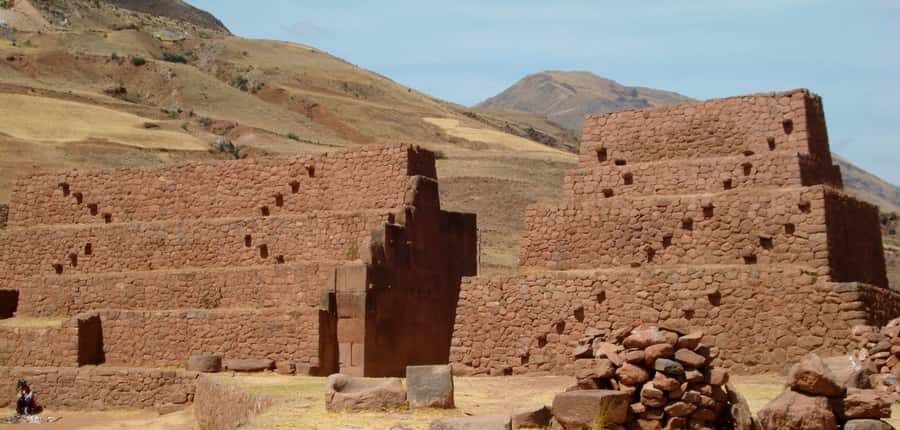
- Pikillacta: Wari power, walled in stone
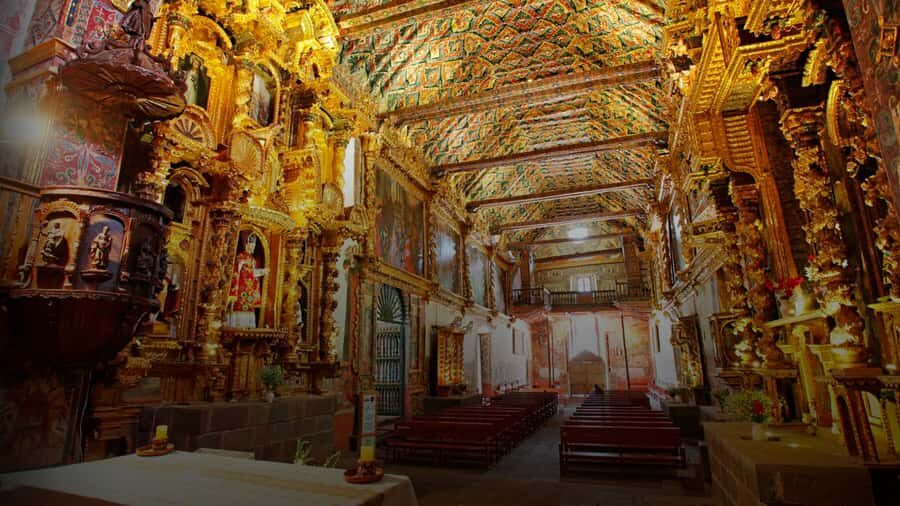
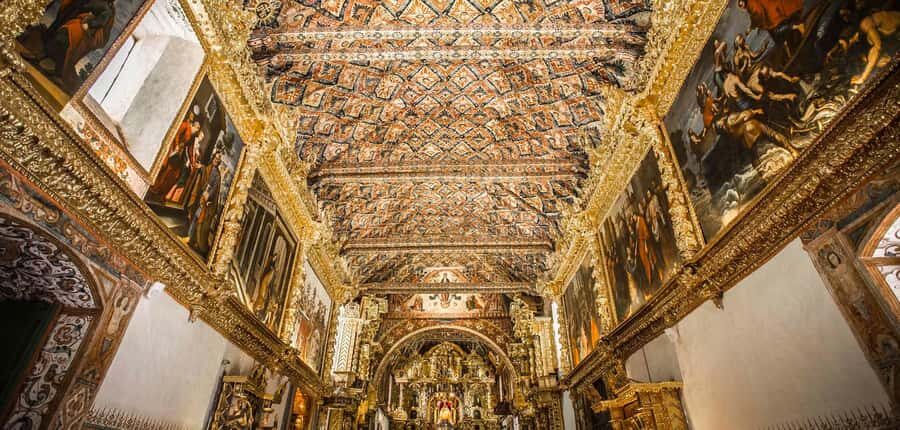
- Andahuaylillas Church: the Sistine Chapel of America (with gold details)
- Lunch and extra stops: where time can get tight
- Guides and group energy: what makes or breaks the day
- Who should book this tour (and who should skip it)
- Should you book Cusco South Valley: Morning Half Day Tour?
- FAQ
- How long is the Cusco South Valley morning half-day tour?
- What time is pickup in Cusco?
- Where does the tour finish?
- Is the Andahuaylillas Church entrance fee included?
- Do I need to buy the touristic ticket (S/70)?
- What languages is the guide?
- Is the tour suitable for wheelchair users?
Key things to know before you go
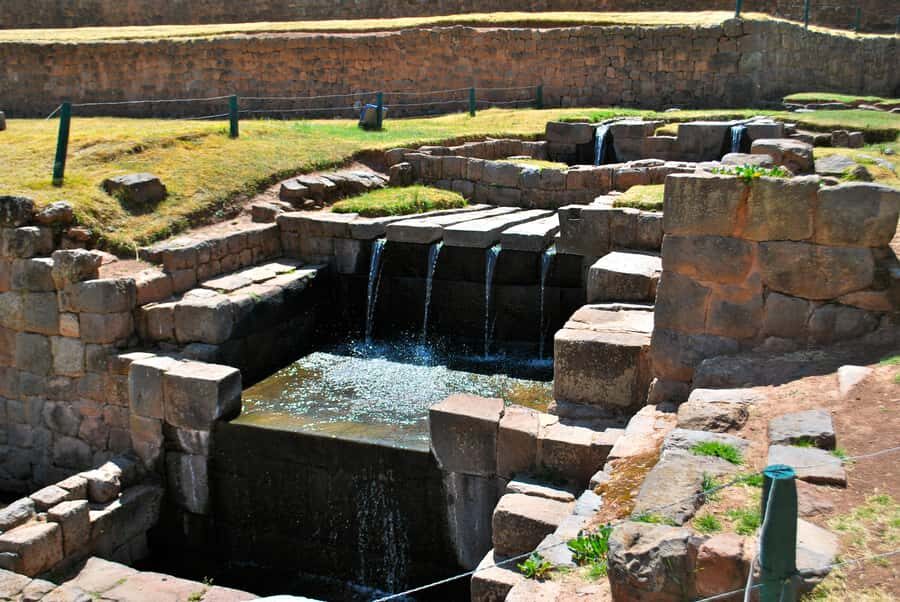
- Tipón’s water channel story: a stone system that helped control water flow from the Pachatusan area down into the valley.
- Pikillacta’s Wari walls: a walled Wari citadel—an old regional power base in the Cusco region.
- Andahuaylillas is the Sistine of America: gold-plated frames, mural paintings, and baroque altarpieces inside the church.
- A focused half-day route: start around 8:30 AM and you’re typically back around 3 PM at Plaza Regocijo.
- Plan for cash-only moments: the S/70 tourist ticket is not something you want to scramble for at the last minute.
- Comfort matters more than style: bring comfortable shoes; you’ll be walking on uneven ground.
Price and value: what you’re really paying for
This tour is priced at $29 per person, which is a pretty fair deal for a guided, half-day circuit that covers three major stops: Tipón, Pikillacta, and Andahuaylillas. The key is that the cheap part isn’t the full cost—Cusco pricing often works like this: the tour covers your guide and transport, and the sites have their own entrance rules.
Here’s the value math to think about before you book:
- Included: pickup at your accommodation, a bilingual guide (Spanish and English), and transportation.
- Not included: entrance fee to Andahuaylillas Church.
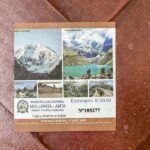
- Also not included: a touristic ticket (S/70.00 per person).
If you already have the General Tourist Ticket for 10 days, you don’t need to buy a new one. That can make this tour feel like a straight bargain—especially since you’re getting real guided time at each site rather than just being dropped off.
Another value angle: the day is designed to be “information-dense” without being “pain-dense.” One of the nicest things about this route is that it’s generally manageable on foot, with no reputation for a punishing climb. It’s a good option when you want to see a lot but you still want your afternoon to feel usable.
A few more Cusco tours and experiences worth a look
Your morning schedule in plain language
You’re picked up in Cusco around 8:30 AM, then you ride south toward the Andes with time to watch the change in scenery as you leave the city behind. The driving itself is part of the experience: it’s how you feel the valley shift from urban streets to open mountain views.
The day breaks down roughly like this:
- Travel time to the first site (about 30 minutes by bus/coach).
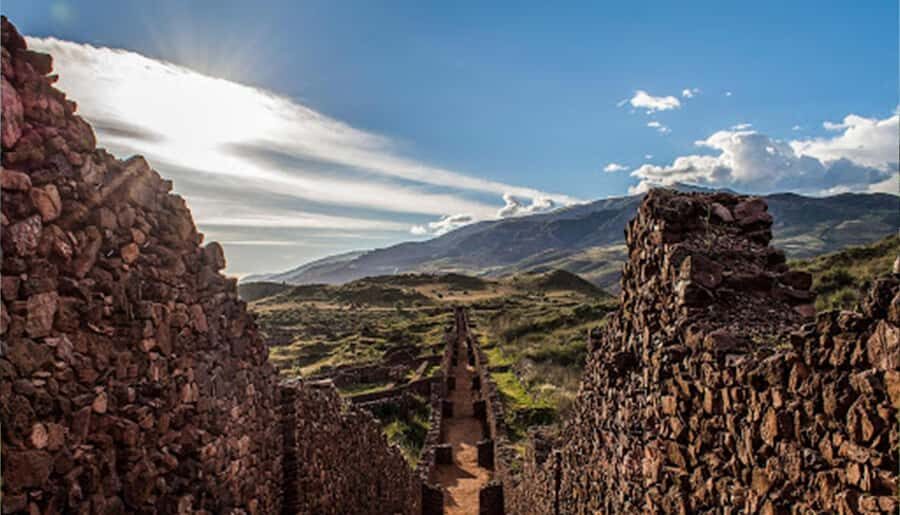
- Pikillacta: about 40 minutes with a guided visit and sightseeing.
- Tipón: about 50 minutes with a guided visit and sightseeing.
- Andahuaylillas: about 50 minutes with a guided visit and sightseeing.
- A break time of about 1 hour.
- Return to Cusco, typically around 3 PM at Plaza Regocijo.
That timing matters. You get enough guided structure to understand what you’re seeing—without having to commit a whole day. It also means you should treat this like a real morning activity. If you like slow mornings and late starts, this won’t match your style.
Pickup reality check: avoid the first-morning stress
Pickup is included, but your best move is simple: be ready right near your pickup point. Some people run into confusion when they wait inside and the driver team is looking for a clear meeting spot. If you’re staying in a place with a busy lobby or a complicated entrance, you’ll save yourself stress by stepping outside (or staying at the exact agreed pick-up spot) a few minutes early.
Two practical tips:
- Keep your phone charged and handy in the morning, just in case you need to clarify where the vehicle is headed.
- Don’t pack a big bag. Luggage or large bags aren’t allowed, so plan to travel light. A small daypack is your friend.
Also note the language flow. Guides are listed as bilingual, but in real life group tours often mean the bulk of explanations may start in Spanish, with an English recap after. If you understand some Spanish, you’ll enjoy it more. If not, you’ll still be fine—you just might need to lean on visuals and listening carefully when the English portion comes in.
Tipón: Inca water control you can actually picture
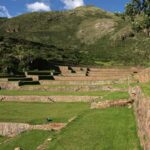
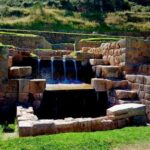
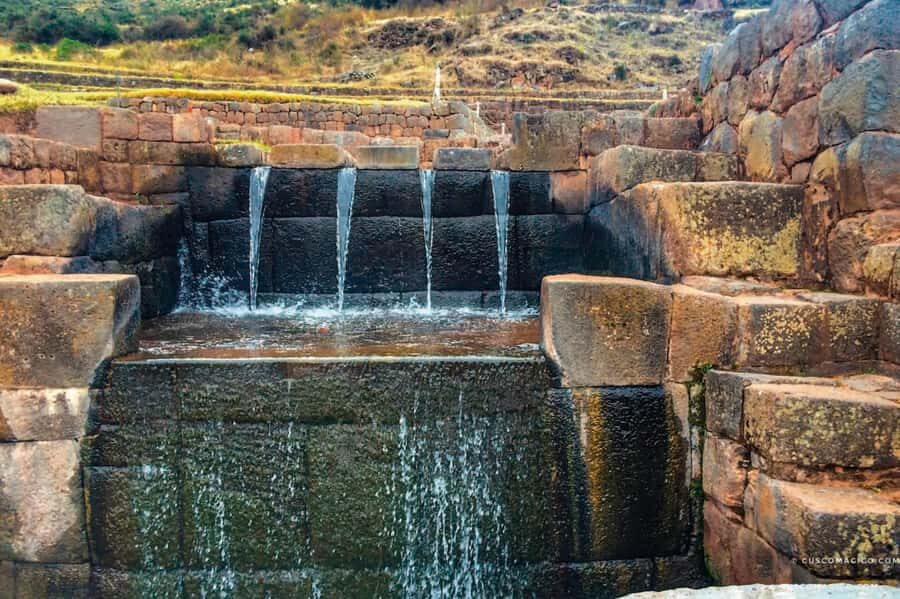
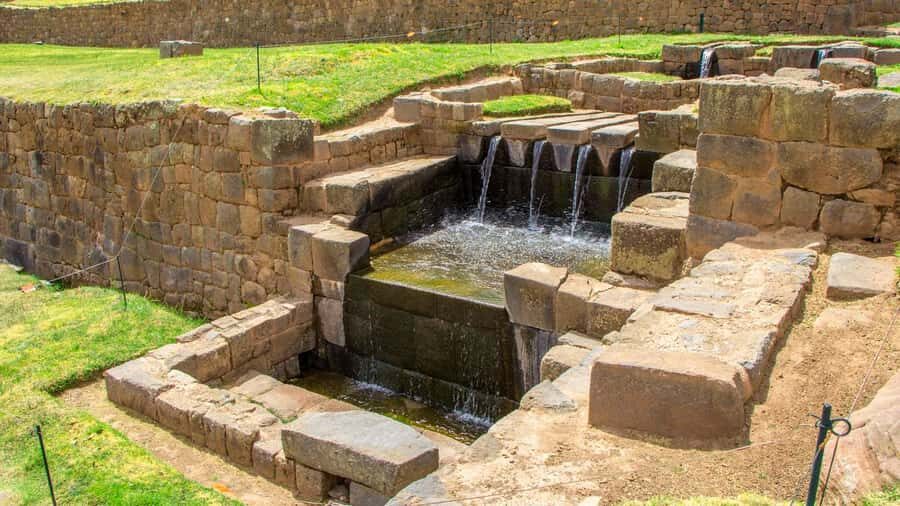
Tipón is one of the most satisfying stops on this route because it’s not just ruins—it’s engineering. The place is described as a ceremonial Inka center, and the big idea is the stone channel system that controlled the flow of water. You’re seeing how water was guided from higher points (near the Pachatusan hill) down into the lowlands of the valley.
Why I like Tipón for a half-day tour:
- It turns architecture into a story you can follow.
- Even if you’re not a hardcore history person, the layout makes sense: water routes, terraces, and the sense that someone planned the entire system with purpose.
- It’s a great match for travelers who want impressive craftsmanship without a grueling walk.
What to watch for during your guided time:
- Look for the channel lines and think about why water needed to travel the way it did.
- Pay attention to how the site is arranged around water management, not just buildings.
- Let your guide connect the dots. The better guides make the “how” and “why” feel obvious.
There’s also a comfort factor. One reason people often rate this tour well is that the walk is generally manageable—good news if you want Inca history but don’t want your knees to file a complaint.
Pikillacta: Wari power, walled in stone
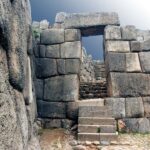
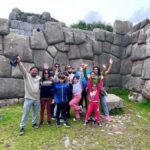
Then you head to Pikillaqta, a site whose name means something like city of fleas. It’s an old, walled citadel of the Wari Empire. In other words, this wasn’t just random settlement ruins—it was part of how the Wari organized and extended power during their expansion into the Cusco area.
Pikillacta works well on this route because it changes the “time period” feel:
- Tipón shows Inca water and ceremonial design.
- Pikillacta shifts you to pre-Inca context—Wari regional center energy and stone boundaries.
What I think you’ll get out of this stop:
- A clearer sense that Cusco wasn’t built by one culture only. Layers matter.
- The feeling of scale. Walled citadels communicate authority. Even without fancy reconstructions, the stone layout tells you this place was meant to function, not just impress.
Your guided visit lasts about 40 minutes, which is enough time to see the main features without turning it into a marathon. If you’re the type who loves understanding how cities were planned—walls, access, and spatial control—this is a strong middle stop.
Andahuaylillas Church: the Sistine Chapel of America (with gold details)
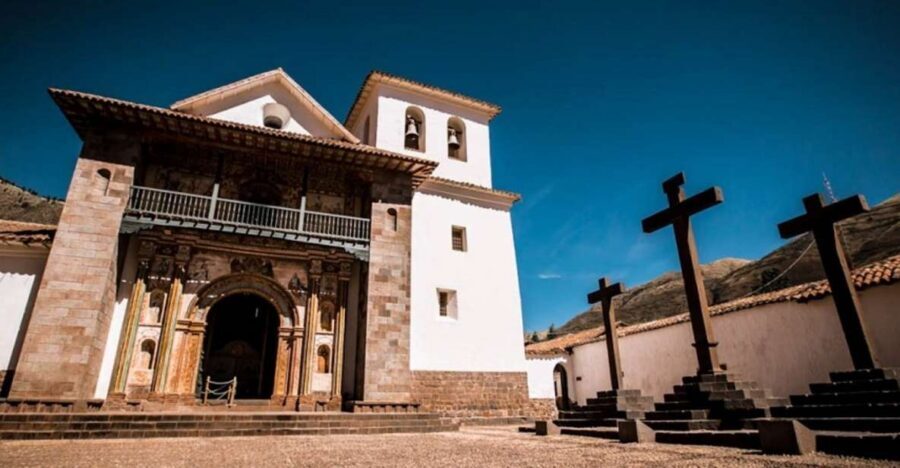
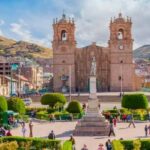
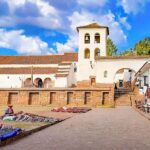
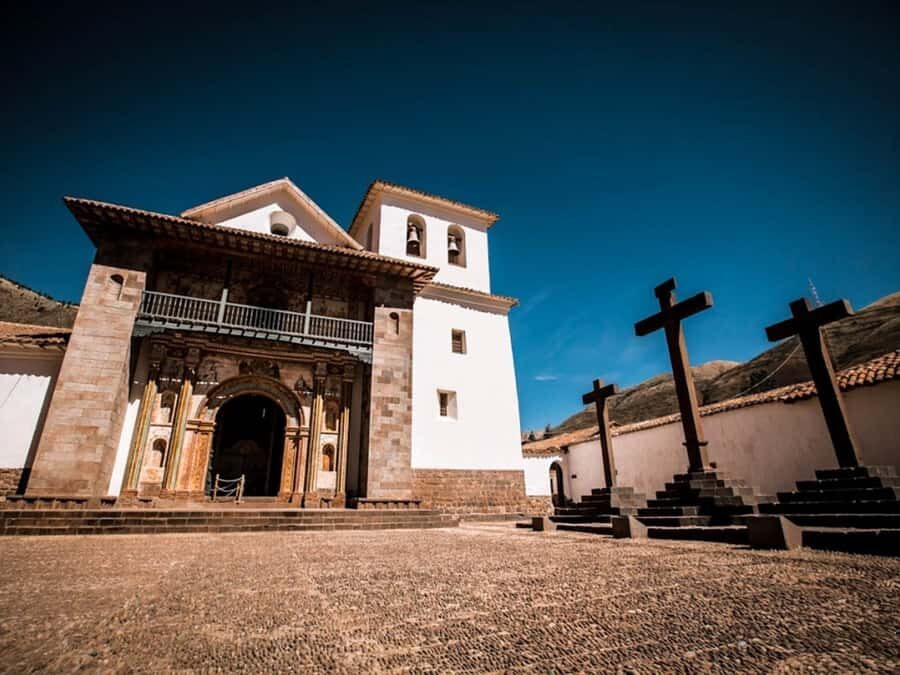
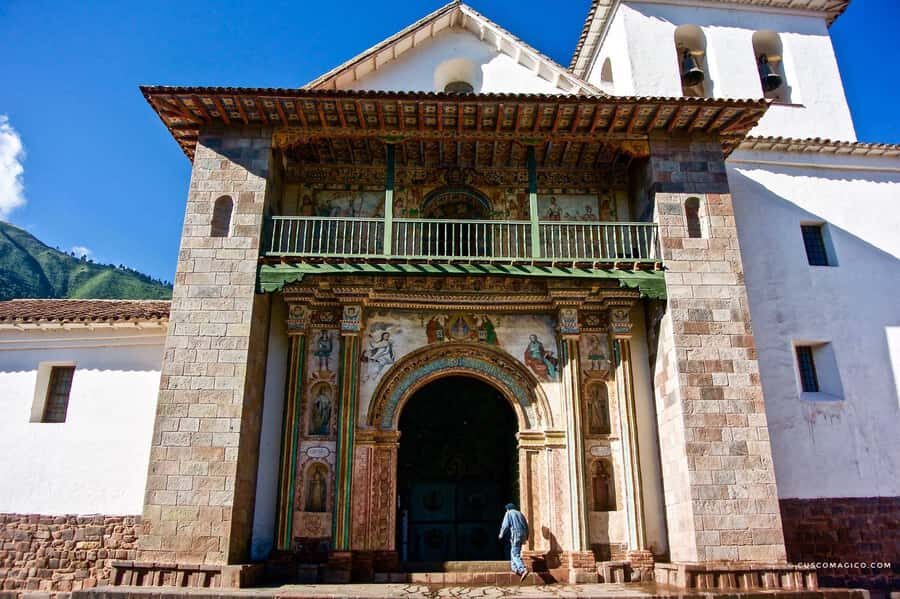
The grand finish for many people is Andahuaylillas Church, famous as the Sistine Chapel of America. This church is from the Colonial period, and inside you’ll find a striking combination of art styles that feel made for staring—especially if you’ve been expecting ruins only.
You’re told to expect an impressive collection including:
- Canvases with gold-plated frames
- Mural paintings
- Baroque altarpieces
Here’s why this matters after the archaeological sites:
- Tipón and Pikillacta are about stone and systems.
- Andahuaylillas is about message and symbolism—church art designed to teach and inspire through visual power.
A helpful planning note: the church entrance is not included in the tour price, and the S/70 tourist ticket is separate. Also, there can be a real-world cash hassle if you’re not prepared. If you only carry plastic, you can end up waiting while someone solves the problem for you—so don’t make the morning harder than it needs to be.
If you want to enjoy the church more, slow down when you enter. Give yourself a minute to look at the overall arrangement first, then let your guide point out details. The art is the main event, not a quick photo-and-go moment.
Lunch and extra stops: where time can get tight
This tour includes a break time of about 1 hour, which usually covers lunch. Some tours in this part of Peru include shopping-adjacent stops or lunch arrangements that feel more structured than flexible. If you’re picky about where you eat or you strongly dislike shopping stops, keep an eye on how the day flows once you leave the ruins.
Two practical habits that help:
- Use that hour to eat something filling, not just quick. You’ll be walking and you’ll still be heading back to Cusco.
- If you want to buy anything small, do it fast—extra stops can feel long if you don’t set your expectations.
Based on past experiences with this kind of route, the bigger “watch out” is not the food itself. It’s the time and the payment method. Bring cash for the tourist ticket and keep some extra on hand in case lunch logistics require it. It’s not fun to run short while everyone else is moving.
Guides and group energy: what makes or breaks the day
The guide quality can be a major factor here, and it can swing the experience from good to excellent. In the past, some guides have been praised for being clear and accessible—for example, Jorge got specific credit for explaining the sites well and being easy to reach. Other guides have impressed people with a calm teaching style and solid language handling, like Magda, who was described as speaking Spanish slowly and clearly and translating into good English when needed.
What you should do as a visitor:
- Ask one question early in each stop. If your guide is good, they’ll build on your interest.
- If your Spanish is limited, still listen—your guide’s English recap (even if short) is often where the most “okay, so what does this mean?” comes out.
- Use visuals. Water channels, walls, and church altarpieces all communicate without heavy vocabulary.
Group size isn’t specified here, so I’ll keep this general: the more you engage, the more you get out of the time you have.
Who should book this tour (and who should skip it)
This is a great fit for:
- First-timers who want a mix of Inca + pre-Inca + colonial art in one morning.
- Travelers who like guided context and don’t want to figure everything out solo.
- People who want history without a big physical grind, since the pacing is built around short guided visits.
It may not be the best fit if:
- You need wheelchair access. This tour isn’t suitable for wheelchair users.
- You travel with large luggage or bulky bags. Large bags aren’t allowed, so you’ll need a small setup.
- You dislike cash-only logistics. You’ll want cash for the S/70 tourist ticket and possibly for lunch-related payments.
Should you book Cusco South Valley: Morning Half Day Tour?
If you’re craving variety—stone engineering at Tipón, Wari walls at Pikillacta, then baroque gold at Andahuaylillas—this is an efficient way to get it. For the price, the biggest win is that you’re not just sightseeing; you’re getting guided meaning at each stop.
I’d book this if:
- You have a half-day window and want maximum payoff from it.
- You can handle a typical guided tour rhythm: short stops, explanations, then move on.
- You bring comfortable shoes and you’re ready with cash for the S/70 ticket and any site fees.
I’d think twice if:
- You’re sensitive to delays or pickup confusion and you hate last-minute schedule stress.
- You want zero shopping-adjacent detours. The route can include extra non-ruin time.
If you’re organized—light bag, shoes ready, cash in hand—and you go in expecting a structured morning, this tour can be a satisfying hit of Cusco’s layered past.
FAQ
How long is the Cusco South Valley morning half-day tour?
The duration is 6 hours.
What time is pickup in Cusco?
You’re picked up around 8:30 AM from your accommodation in Cusco.
Where does the tour finish?
It returns to Cusco, typically around 3 PM at Plaza Regocijo.
Is the Andahuaylillas Church entrance fee included?
No. The entrance fee to Andahuaylillas Church is not included.
Do I need to buy the touristic ticket (S/70)?
Yes, unless you already have the General Tourist Ticket for 10 days, in which case you do not need to buy a new one.
What languages is the guide?
The guide provides live commentary in Spanish and English.
Is the tour suitable for wheelchair users?
No, it is not suitable for wheelchair users.
If you’d like, tell me your rough travel dates and whether you already have the 10-day General Tourist Ticket—I can help you estimate the total out-of-pocket cost before you go.