REVIEW · CUSCO
From Cusco: Manu National Park Tour & Accommodation 3 Days
Book on GetYourGuide →Operated by Uyuni Experience EIRL · Bookable on GetYourGuide
Manu in three days sounds short, but it works. This program takes you from the Cusco region down into the Amazon world with guided wildlife walks and river time that actually feels like you’re moving with the ecosystem. I especially like the way it builds up your day with cloud-forest bird time, then switches gears to boat-based viewing.
Two things I like a lot: the small-group feel (up to 15) and the guide attention that keeps things organized, even when you’re out later on. One possible drawback to plan for: the food can be hit or miss, so don’t expect a top-tier lodge kitchen every day.
If you want a rainforest trip that’s active and flexible—without constant rushing—this Manu 3-day route is a solid fit. And you’ll get enough nights and early starts that wildlife has a chance to show up beyond the usual daytime routine.
In This Review
- Key points to know before you go
- The Cusco-to-Manu Start: A Full Day Before You Even Reach the Amazon
- Day 1 Stops Along the Manu Road: Markets, Waterfalls, and a Cloud-Forest Bird Hunt
- Basical Hostel Day 1: Canyons, Caves, and a Night Walk That Changes Everything
- Day 2 on the River: Alto Madre de Dios Boat Ride and Atalaya Viewpoints
- Day 2 Extra Adventures: Rescue Center Time and the Chance for More Adrenaline
- Day 3 in the Garden and the Medicinal Plant Lesson You’ll Actually Remember
- Wildlife Viewing: How to Think Like a Guide (So You See More)
- Boats, Canoes, and Jungle Walks: The Pace and Physical Demand
- Food, Comfort, and Basical Hostel Reality Checks
- Why the 3 Days Work: Value Compared to Longer Manu Trips
- Who Should Book This Manu 3-Day Tour?
- Should You Book This Manu 3-Day Trip?
- FAQ
- What time is pickup in Cusco?
- How long is the Manu National Park tour?
- Where do I stay overnight?
- Is the group size small?
- What languages is the tour guide available in?
- What wildlife and nature activities are included?
- What time do we return to Cusco on Day 3?
- Can I reserve without paying all at once, and is there free cancellation?
Key points to know before you go
- Small group pace: Limited to 15, with guide and support built into the day.
- Boat time on the Alto Madre de Dios River: You’re not stuck only on trails.
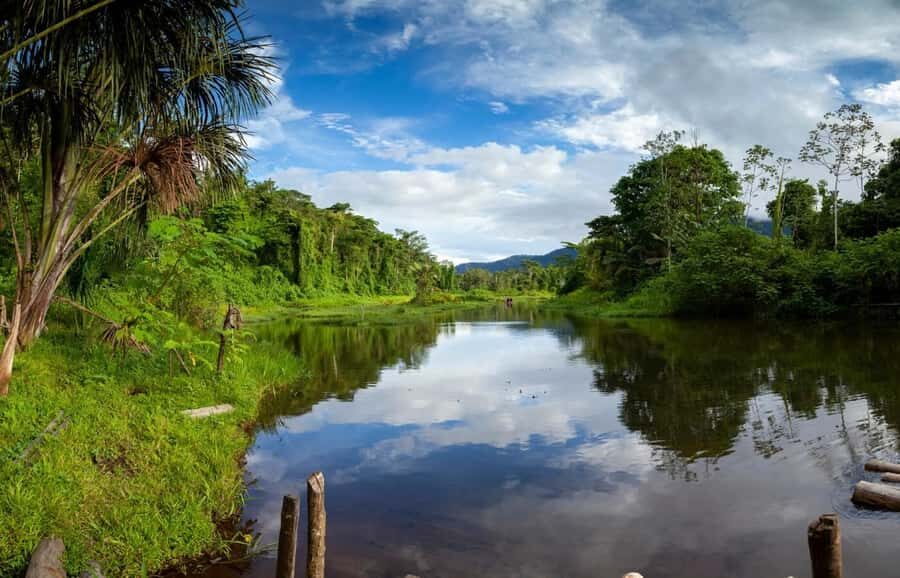
- Oxbow lake channels at Machuhuasi: Good odds for aquatic birds, plus monkeys and caimans in the area.
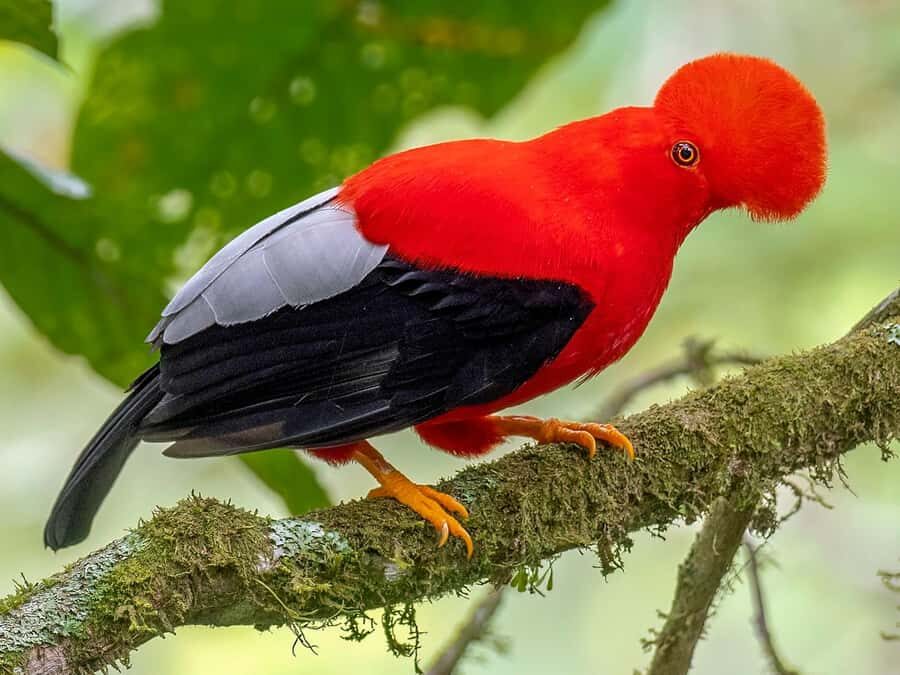
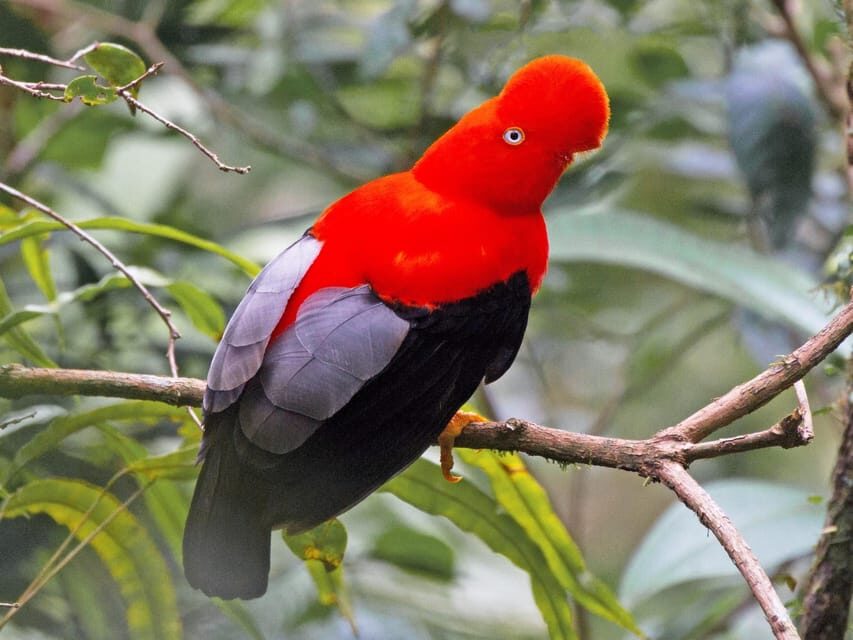
- Cloud forest search mode: Monkeys, cock of the rock, quetzals, and mountain toucans are specifically in the mix.
- Night walk energy: A real chance to see reptiles, spiders, and amphibians when the forest changes gears.
- Basic Hostel location focus: Comfortable enough for a short stay, but food quality may not be for everyone.
The Cusco-to-Manu Start: A Full Day Before You Even Reach the Amazon
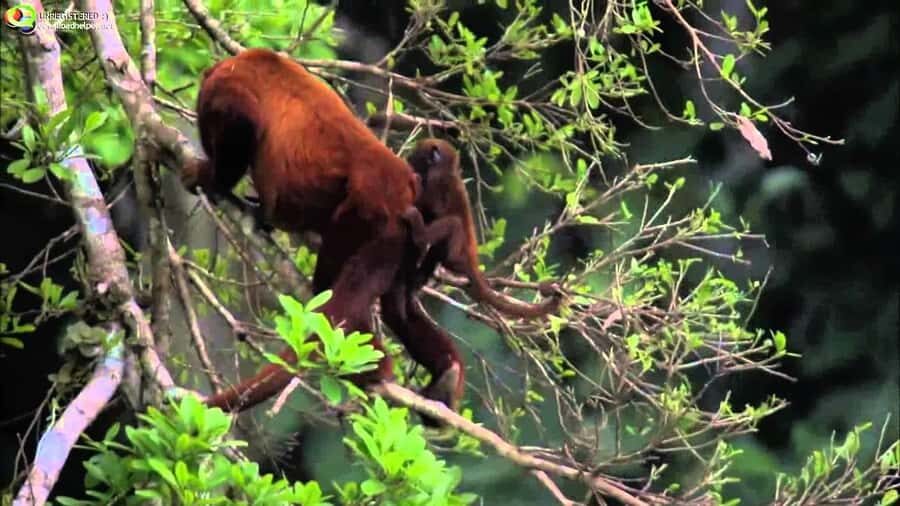
Your day kicks off early, with pickup from your hotel or the airport in Cusco at 6:00 AM. The drive is part education, part reality check: you’re traveling through changing elevations, so expect views, stops, and a gradual shift in what you hear and see outside the windows.
Along the way, you’ll make a short stop in Oropesa, often described as bread town, then keep moving toward the Manu area. You also get a guided touch of local culture at Ninamarca with pre-Incan burials, before the trip slows down for breaks and walking around towns like Paucartambo. This matters because it helps you understand where you are in Peru—not just where you’re going.
If you’re the type who gets restless on long drives, plan to treat the road time as the warm-up. You’ll be walking and searching soon.
A few more Cusco tours and experiences worth a look
Day 1 Stops Along the Manu Road: Markets, Waterfalls, and a Cloud-Forest Bird Hunt
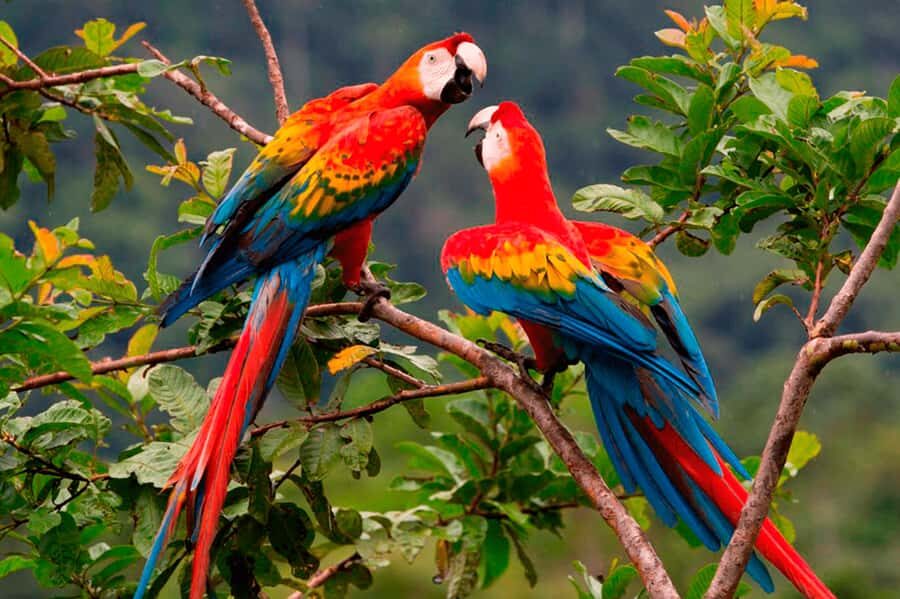
Day 1 is built like a ladder: cultural sites first, then nature. After an included breakfast in Paucartambo, you’ll take a guided walk through the market area, main square, and the colonial bridge. It’s not trying to turn this into a city tour. It’s more about grounding you in local life before the trail work begins.
Next up is a guided walk along the Manu Park border, with ranger-station style illustrations, maps, and explanations. That background pays off later when you start thinking about why certain animals show up where they do, and why the river system and protected areas matter so much.
Then comes the fun part: guided walking along waterfalls and cascades, followed by cloud forest exploration. This is where the program signals its priorities, including targets like monkeys, cock of the rock, quetzals, and mountain toucans. In real terms, you’re looking for bird activity in the canopy, pausing often, and using your guide’s eye to spot movement before you can name it.
You’ll also stop briefly in the local market at Pilcopata, then arrive at Basical Hostel by mid-afternoon.
Basical Hostel Day 1: Canyons, Caves, and a Night Walk That Changes Everything
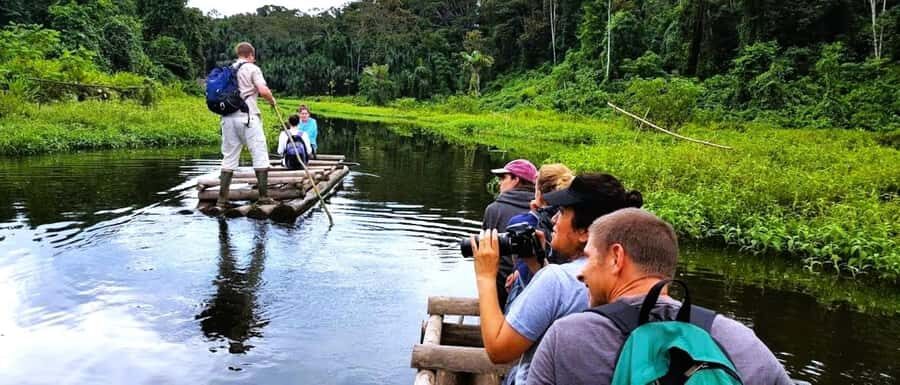
Once you reach Basical Hostel, the day doesn’t slow down much. You’ll visit a canyon and caves where you can look for bats, spiders, and scorpions. It’s exactly what it sounds like: a guided look at the hidden side of the forest.
After that, you’ll explore a palm forest trail, with an emphasis on seeing macaws and monkeys. This is a smart use of time because palms often concentrate fruit and the activity that comes with it. If you’re hoping to see more than just one type of animal, plant-type trails help your odds.
Then you get the important shift: a night walk to search for reptiles, spiders, and amphibians. One reason this is so highly valued is that it gives you a different set of chances. Daytime wildlife can be loud and visible; night wildlife requires patience and a guide who knows where to look and when to stop.
In one recent group experience, the guide’s focus on keeping everyone comfortable and informed was a big reason the trip felt manageable, especially for a solo traveler.
Day 2 on the River: Alto Madre de Dios Boat Ride and Atalaya Viewpoints
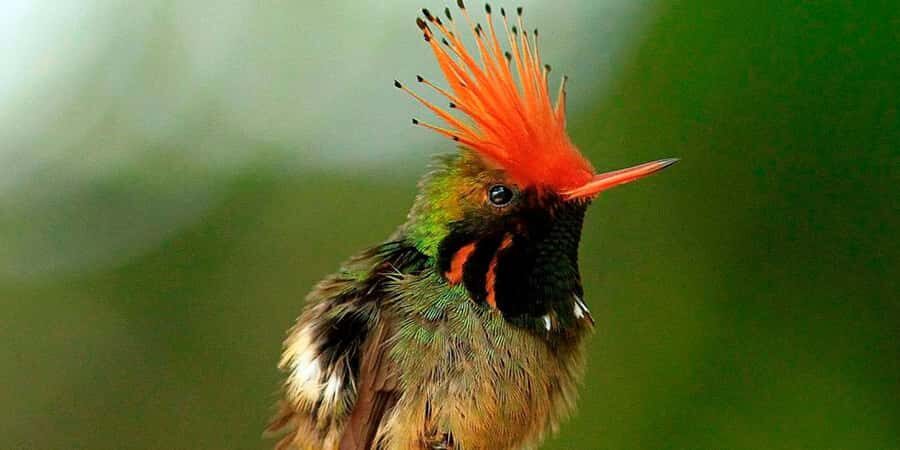
Day 2 starts with an early breakfast at Basical Hostel around 5:30 AM, then transport to Atalaya Port. Along the way, you stop at viewpoints for a chance to take in the terrain and the sense of scale before you go fully river mode.
You’ll take a motorboat ride up and downstream along the Alto Madre de Dios River. This is one of the best ways to see the Amazon without pretending every animal is willing to pop out for a photoshoot. Boat travel helps you cover ground and track where birds and other animals are moving.
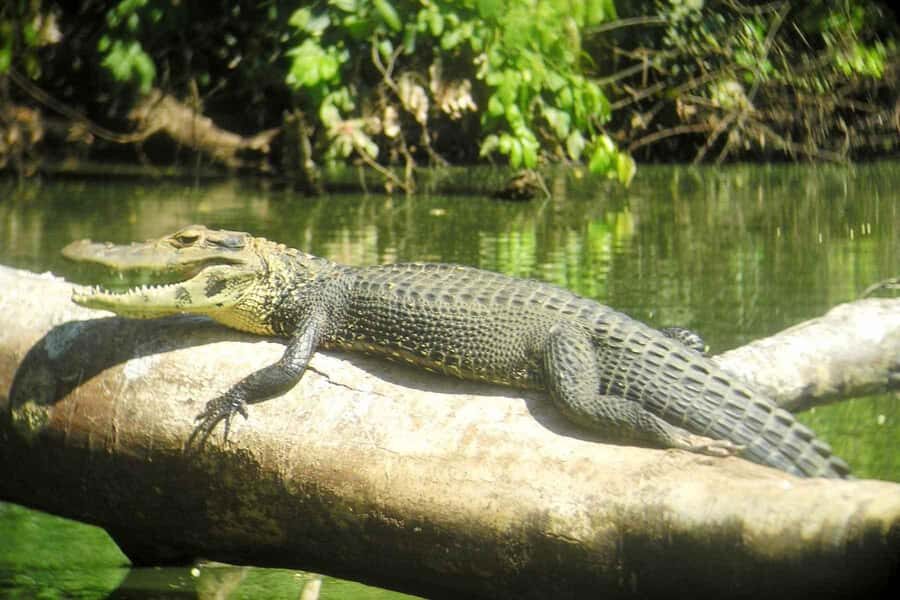
On shore, you’ll do a guided walk along riverine forest to look for monkeys, caimans, and birds. Then you move to the channels of the Machuhuasi Lagoon, specifically searching for aquatic birds, plus monkeys and caimans again. That repeated focus is intentional. Your guide isn’t just guessing; they’re working a few known-value habitats where different species overlap.
You’ll also walk toward the Giant Kapok tree, which works as both a landmark and a pause point for forest interpretation. After that, there’s more boat driving back to Atalaya and a return to Basical Hostel. Dinner is included.
Day 2 Extra Adventures: Rescue Center Time and the Chance for More Adrenaline
After returning to Basical Hostel, there’s an optional stop that can add depth: the wildlife rescue center. You’ll learn and see how injured or displaced animals are handled. Even if you’re not a volunteer-at-heart, it helps connect your wildlife spotting with real-world conservation.
Also, keep an open mind about added activities if they’re offered during your departure. In at least one group experience, participants got a chance to try a zip line. The key is to treat it as a bonus, not the core of why you’re there.
The real day-to-night win is that you’re not just sitting around waiting for something to happen. You’re out early, on the water mid-day, and then you’re back ready for evening discussions about what you saw and where to look next.
Day 3 in the Garden and the Medicinal Plant Lesson You’ll Actually Remember
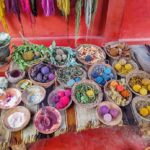
Day 3 is your return-and-reset day. You’ll start by exploring the lodge garden and learn about medicinal plants such as coca leaf, cacao, bamboo water, annatto, and more. This part works best when you treat it like a guided field lesson. You get names, uses, and a reason the rainforest plant knowledge matters beyond trivia.
After breakfast, you head back to Cusco. The drive goes through cloud forest, with opportunities for waterfalls and wildlife searching along the way. This is a good time to stay alert, because animals can appear in the same corridors you’re passing through—especially birds moving between trees and slopes.
You’ll stop in Paucartambo for coffee, then arrive in Cusco around 4:00 PM and be dropped at your hotel.
Wildlife Viewing: How to Think Like a Guide (So You See More)
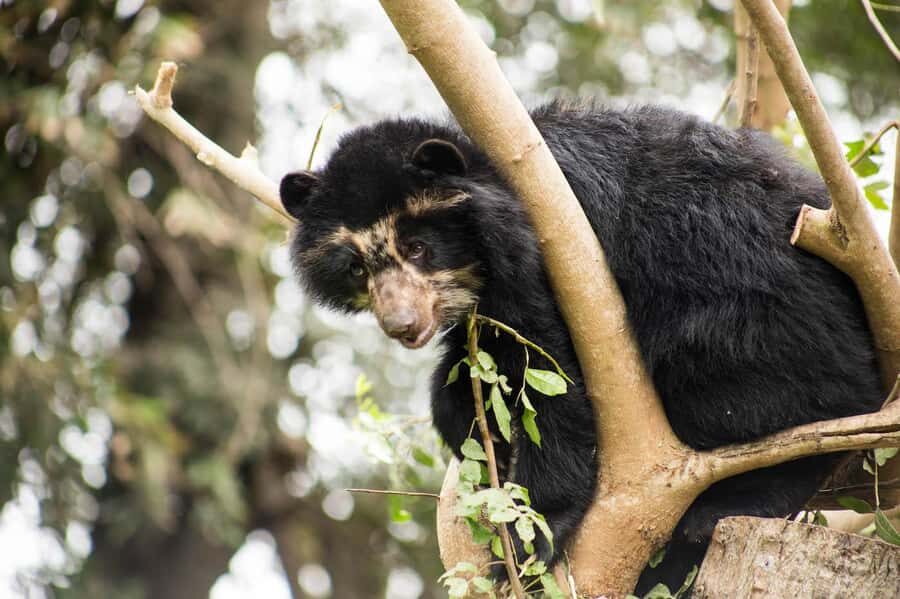
This tour is designed around the idea that you don’t spot everything just by walking faster. You spot more by walking at the right time, listening longer than you talk, and knowing the types of habitats you’re scanning.
Here’s how the structure supports that:
- Clay licks and oxbow lakes (mentioned as part of what you’ll target) are the kind of feeding and movement points where animals concentrate.
- River travel gives you a moving vantage—especially useful for birds and for tracking caimans along the water edges.
- Cloud forest time early and mid-morning gives you the best shot at canopy species like quetzals and mountain toucans.
- Night walking shifts your attention from what’s active in daylight to what’s active after dark.
A practical tip: bring a small flashlight/headlamp for yourself during night walks, and keep your camera ready but your hands relaxed. When you’re too tense, you miss the small motions your guide is reacting to.
Boats, Canoes, and Jungle Walks: The Pace and Physical Demand
This isn’t a couch-and-coffee Amazon trip. You have a boat rhythm and a walking rhythm, and each day mixes both. Day 1 includes multiple walks (market, border area, waterfalls, cloud forest). Day 2 adds a riverboat and additional shoreline walking. Day 3 is mostly the garden lesson and then the long drive.
The good news is that the group is small, and the guiding style described in recent experiences focuses on keeping you informed and comfortable. One solo woman shared that her initial worry about going alone eased once she saw how organized the group was.
Still, you should be ready for uneven ground, humidity, and frequent stopping. Even if you’re not doing long hikes all day, the rainforest environment wears people out in a different way than dry trekking.
If you’re prone to motion sickness on boats, plan accordingly and tell your guide early.
Food, Comfort, and Basical Hostel Reality Checks
Basical Hostel is part of the package, and it’s not trying to be a luxury lodge. You’ll get meals including dinner on Day 2 and breakfast on the mornings. But one important balance note: food quality can be uneven.
One group experience rated the guides highly yet mentioned that the food wasn’t great. That doesn’t mean it’s terrible every time, but it does mean you should expect simple meals and be ready to supplement with snacks if you’re picky.
On the comfort side, the bigger value is location and function: you’re sleeping close enough to the day’s activities that you’re not wasting time transferring around.
If you’re coming from Cusco, also expect a different kind of humidity. Pack clothes you don’t mind getting damp and use layers so you can adjust when the weather shifts.
Why the 3 Days Work: Value Compared to Longer Manu Trips
Three days can feel like the rainforest version of a whirlwind. The trick here is that the schedule packs the right categories of time:
- cultural and park-border context on Day 1
- cloud forest bird time on Day 1
- river and oxbow-lagoon wildlife time on Day 2
- medicinal plant learning and a relaxed return on Day 3
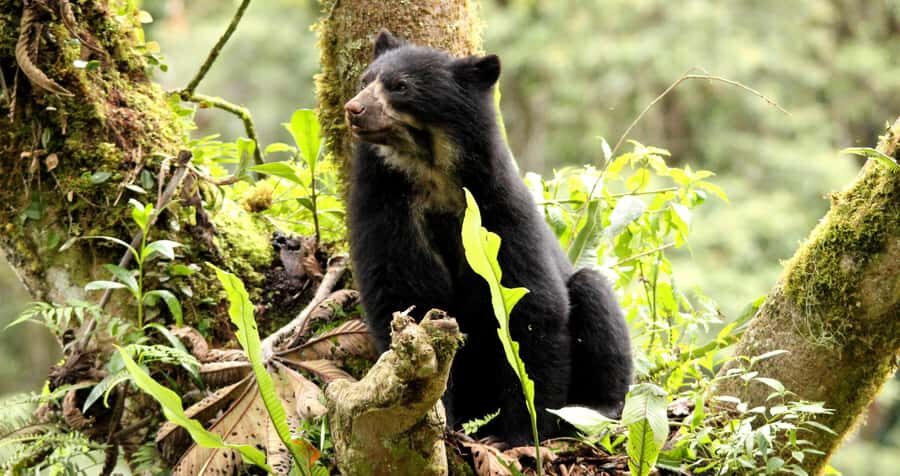
You’re not trying to cover the entire park. You’re focusing on places that support wildlife sightings and a real understanding of how rainforest areas connect. That’s why this feels worthwhile even though it’s short.
In terms of value, you’re paying for guidance, transport, and access to multiple habitats. You’re also getting English/Spanish live guiding, and a small group cap (up to 15). For many people, those factors matter more than a fancy room.
Who Should Book This Manu 3-Day Tour?
I’d point you toward this tour if:
- you want wildlife-first sightseeing, not museum-only travel
- you like early starts and late-night searching for animals
- you want boat time as well as walking time
- you’re comfortable with basic accommodations and you’d rather spend money on experiences
It might not be the best fit if:
- you’re very sensitive about food quality
- you want long stretches of free time with no schedule
- you prefer fully cushy comfort over getting out and looking around
Should You Book This Manu 3-Day Trip?
If your goal is to see real Amazon wildlife habits—birds in cloud forest, water-edge animals on the river, and the night shift in the jungle—this is a strong option for a first Manu experience.
I’d book it if you value organized guiding and you’re excited by oxbow lakes and boat-based viewing. I’d think twice if you’re a picky eater or you expect lodge-level dining every night.
In short: for three days, you’re getting the ingredients that make Manu memorable—guided habitat changes, multiple chances to spot animals, and a return to Cusco that doesn’t wreck your entire day.
FAQ
What time is pickup in Cusco?
Pickup is at 6:00 AM from your hotel or the airport in Cusco.
How long is the Manu National Park tour?
The program runs for 3 days.
Where do I stay overnight?
You stay at Basical Hostel, arriving on Day 1 and returning there on Day 2 before the Day 3 departure.
Is the group size small?
Yes. It’s a small group, limited to 15 participants.
What languages is the tour guide available in?
The live tour guide is available in English and Spanish.
What wildlife and nature activities are included?
You get guided walking and wildlife searching in cloud forest, boat rides on the river, exploration around oxbow-lagoon channels, and a night walk. The plan also includes stops like a canyon/caves area and a palm forest trail.
What time do we return to Cusco on Day 3?
You arrive back in Cusco at about 4:00 PM.
Can I reserve without paying all at once, and is there free cancellation?
Yes. You can reserve now and pay later, and there is free cancellation up to 24 hours in advance for a full refund.