REVIEW · CUSCO
Salkantay Trek Challenge – 3 Days / 2 Nights
Book on Viator →Operated by Salkantay Trekking · Bookable on Viator
This trek starts before sunrise and ends at Machu Picchu. What I like most is the guided safety setup (oxygen, first aid, satellite phones) and the fact you still get a real Salkantay-style day over the pass in just 3 days. The main catch: this is still tough—expect altitude strain and long days, and your sleep will be short.
You get a lot of real Peru in a tight timeline: high Andean glacier views, then warmer jungle edges, then a guided walk through the Inca citadel. I also appreciate how much logistics are handled for you, from meals to transfers to the one-way bus and train back toward Cusco.
If you’re looking for an easy hike or a slow, restful vacation pace, this isn’t it. You’ll want to train a bit first and plan for an early start every day.
In This Review
- Key points before you go
- Cusco pickup at 2:30–3:00 a.m.: the start that makes the whole trip work
- Over Salkantay Pass (4,630 m): glaciers, steep climbs, and controlled breathing
- Collpapampa and Mountain Sky View: one hut night, real recovery time
- Day 2 starts easy-ish: Santa Teresa Valley, waterfalls, orchids, and coffee
- Aguas Calientes: the hotel night before Machu Picchu takes over
- Machu Picchu Circuit: a guided 2-hour tour that makes the site click
- Ollantaytambo train + private transport back to Cusco: how the finish feels
- Price and what $680 buys you (and what it doesn’t)
- Guides, group size, and why this feels organized in real life
- What to pack and how to pace yourself for a 3-day Salkantay hit
- Who this trek suits best (and who should pick something gentler)
- Should you book Salkantay Trek Challenge (3 days / 2 nights)?
- FAQ
- How long is the Salkantay Trek Challenge?
- Where does the trek start, and what time is pickup?
- What kind of lodging is included?
- Is Machu Picchu entrance included?
- How are the meals handled during the trek?
- Do you need to bring trekking poles or a sleeping bag?
- How is luggage carried on the trail?
- What happens if the trek is canceled due to weather or if I cancel?
Key points before you go
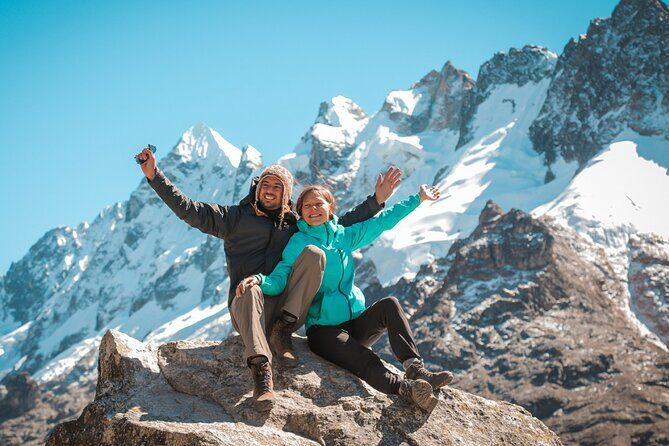
- Small group (max 12) keeps the pace personal and the route feeling more like teamwork than a cattle car.
- Altitude support is real: first aid kit, oxygen supply, walkie talkies, and emergency satellite phones.
- A duffel-bag system means you carry what matters while horses handle up to 5 kg of your gear.
- Two nights, two different sleeping styles: one at a hut/camp (Andean-style) and one in a hotel in Aguas Calientes.
- Machu Picchu entry is included with a guided visit on the circuit assigned for your booking window.
- Train and bus legs are baked in, so you’re not stitching your own itinerary at the last minute.
Cusco pickup at 2:30–3:00 a.m.: the start that makes the whole trip work
This is not a lie-in trek. Your day begins with an early pickup in Cusco—around 2:30 a.m.—and the tour notes a start time of 3:00 a.m. The point is simple: you need the cool early hours to start moving before altitude and fatigue pile up.
From Cusco you head toward Soraypampa (about 3,900 m / 12,795 ft). This is the kind of staging point where you feel the altitude right away. Even if you’ve acclimated well, mornings here can feel sharper—so use that first stretch to get your breath under control. If you’ve been advised to arrive at least 2 days before the trek, take that seriously; it’s one of the easiest ways to reduce drama later.
Practical tip: pack a quick-access layer (light gloves, hat, something for wind). At these elevations, weather can change fast, and your hands will notice before you do.
You can also read our reviews of more hiking tours in Cusco
Over Salkantay Pass (4,630 m): glaciers, steep climbs, and controlled breathing
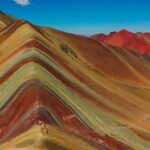
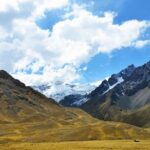
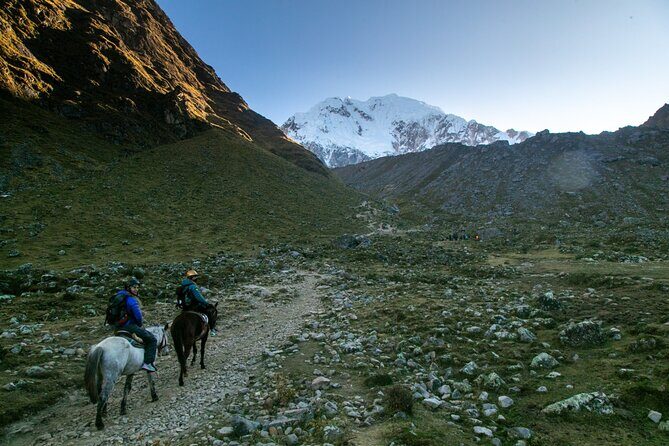
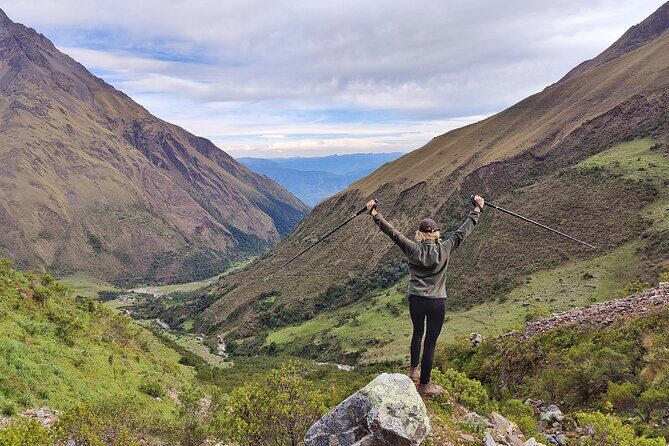
Day 1 is about getting you up and over Abra Salkantay (4,630 m / 15,190 ft). You’ll follow the route along the 7 Serpents Trail, moving from Soraypampa toward the pass. Expect a steady ascent, not a casual stroll. This is the moment most people feel in their legs and lungs.
After breakfast, you start climbing. Then there’s lunch in Wayracmachay, followed by the descent into a very different climate. This is where the trek earns its reputation: the air changes, the vegetation changes, and you start swapping snow-line scenery for warmer, greener terrain.
Why I think this matters for you: a high pass day can crush motivation if it feels like random suffering. Here, you’re traveling through zones. That visual change helps you keep your effort meaningful instead of just guessing what comes next.
After the pass, you descend toward the high Amazon rainforest, and the day turns more humid. You’ll start noticing how water needs increase when the weather warms up.
Collpapampa and Mountain Sky View: one hut night, real recovery time
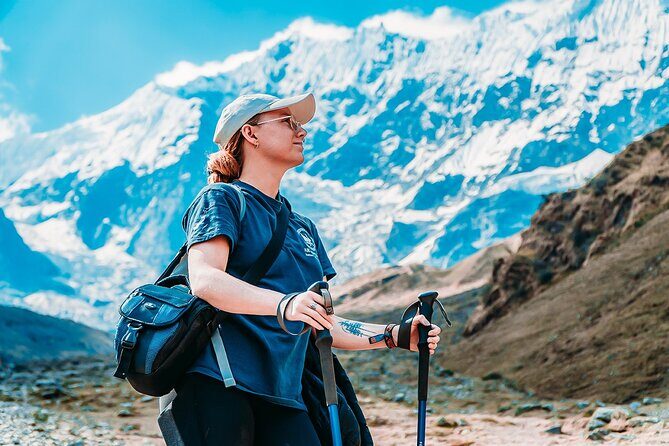
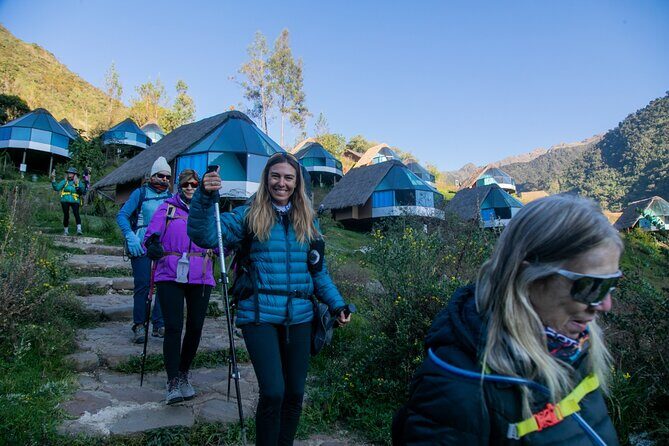
Night lands at Mountain Sky View (Collpapampa, about 2,950 m / 9,678 ft). This is one of your two overnight stays, and it’s not a plush hotel. You’re in camp/hut territory, which is exactly what you want on a trek like this: you’re close to the trail’s rhythm.
The good news is that the trip isn’t leaving you to fend for yourself. There’s a dining setup with tables and chairs, plus a kitchen team, so food is handled. You’ll also have a dinner under the stars, which is one of the reasons people forgive the rougher sleep.
The not-so-fun news: you’ll likely feel the schedule. Starts are early, trekking days are long, and camp mornings come quick. One trip story said you won’t sleep much, and that matches the reality of moving on a tight 3-day timeline. Go in expecting short, functional rest.
Practical tip: use the sleeping bag that’s included, and keep your headlamp handy. Even if nights are calm, camp life runs on early routines.
Day 2 starts easy-ish: Santa Teresa Valley, waterfalls, orchids, and coffee
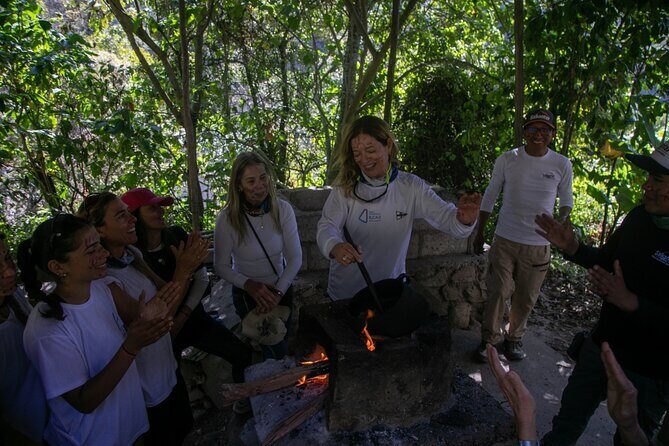
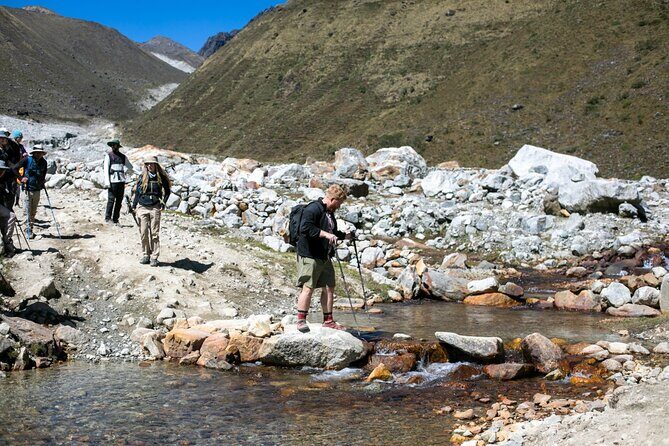
You wake up to forest sounds and get a homemade breakfast at Mountain Sky View. Then the trek turns into a gentler hiking day through the Santa Teresa Valley, with about 1 hour of easy movement before the next big stop.
Next comes Lucmabamba Coffee Experience. You walk through scenery with waterfalls, orchids, and coffee plantations, then reach the village of La Playa for lunch made with local products and a demonstration of artisanal coffee making. This segment gives your body a breather and gives your brain something to latch onto besides altitude.
I love this kind of break because it keeps the trek from turning into only pain and views. You get to interact with local daily life—coffee here isn’t just a souvenir theme, it’s part of how people earn a living.
From there, you travel to Hidroeléctrica and continue on foot along the Urubamba River, with tropical jungle vibes. This is the day’s pace shift: less high-elevation fighting, more steady walking through warmer scenery. If you tend to get restless on long transfers, this portion helps. It keeps you moving rather than sitting in transit too long.
Aguas Calientes: the hotel night before Machu Picchu takes over
By the end of Day 2 you arrive in Aguas Calientes and rest in a comfortable hotel. You’ll also share dinner with the group as you set up for the big day.
This night is where you should treat your body like a project. You’ll be tired, even if you felt okay on the trail. The goal is to wake up functional, not heroic.
Machu Picchu logistics here are also important to understand: you don’t walk from Aguas Calientes. On Day 3 you take a one-way bus from Aguas Calientes to Machu Picchu (included). That saves your legs for the citadel itself.
A few more Cusco tours and experiences worth a look

Machu Picchu Circuit: a guided 2-hour tour that makes the site click
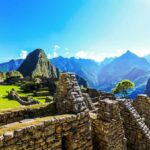
Day 3 starts early again, with a light breakfast, then the bus to Machu Picchu. The climb through mist of the cloud forest can feel like you’re arriving inside a postcard—then you step into stone and terraces that are older than most countries.
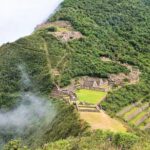
Your entry includes the Historic Sanctuary of Machu Picchu with a two-hour guided tour. You’ll see temples, terraces, and sacred areas, and the guide’s job is to connect shapes to meaning. This matters because Machu Picchu can look confusing if you’re just taking photos. A good guide helps you notice what the builders wanted you to notice.
Important detail on tickets: the tour includes Machu Picchu entry on Circuit 2 for some bookings. If Circuit 2 isn’t available, it uses Circuit 3, and if that isn’t available, Circuit 1. The vibe is the same—what changes is the exact path you take.
After the guided portion, you’ll have lunch in Aguas Calientes, then head back toward Cusco.
Ollantaytambo train + private transport back to Cusco: how the finish feels
Once you finish in Machu Picchu and return to Aguas Calientes, you board a tourist class train to Ollantaytambo. The train is listed as Voyager or Expedition. From Ollantaytambo, private transportation takes you back to Cusco.
This train stop is a smart part of the value. It turns what could be a complicated day into a mostly guided, pre-arranged finish. You’re not trying to solve schedules while exhausted. And on a trek where you’ve already spent three days pushing your limits, that kind of planning matters.
Finish feeling: you’ll probably feel both joy and mild wreckage. Machu Picchu hits hard emotionally. Then the day continues—so hydrate, eat what you can, and let the train bring your system down gently.
Price and what $680 buys you (and what it doesn’t)
At $680 per person, the main question is whether you’re paying for the hike only, or paying for the whole machine behind it. Here, you’re paying for a lot.
Included value highlights:
- Entrance fees for the Salkantay Trek and Machu Picchu entry (with a guided tour)
- Two nights of lodging: one at Mountain Sky View/camp style, one hotel night in Aguas Calientes
- Transfers and transport: pickup and drop-off, one-way bus to Machu Picchu, and train to Ollantaytambo
- Trail operations: experienced mountain guide, experienced cooks, horsemen, and porters
- Food: 3 breakfasts, 2 lunches, 2 dinners (plus water, snacks, and tea time on the trail)
- Gear: sleeping bag and trekking poles, plus a backpack cover and rain poncho
- Safety package: first aid kit, oxygen supply, walkie talkies, emergency satellite phones
- Duffel transport: up to 5 kg / 11 lb carried by horses (your personal pack management stays simple)
Not included (so you can budget without surprises):
- Optional Hidroeléctrica – Aguas Calientes transfer (paid directly to the operator)
- Optional Machu Picchu – Aguas Calientes return bus (paid on site)
- Lunch and dinner on the last day
- Travel insurance (recommended)
- Tips (optional)
What this means for you: the price feels most fair if you compare it to the cost of buying Machu Picchu entry, arranging train/bus legs, and sourcing a guide plus porters/horse support. You’re not just buying a route—you’re buying a system that keeps you moving and safe.
Guides, group size, and why this feels organized in real life
This trek runs with a maximum group size of 12, which is a big deal. Small groups move faster and with more attention. You’re not lost in a crowd, and you can ask questions without feeling rushed.
The guide role matters too. In trip stories tied to this operator, names like Marco, Guido, and Cesar Quispe show up with a consistent theme: organizing the group, keeping people safe on the hard day, and handling altitude pressure with patience. Even when conditions are intense, the guide isn’t just pointing directions—they’re helping you pace, breathe, and get through the pass safely.
Also, this itinerary includes gear and safety tools that sound serious because they are: oxygen supply, first aid kit, walkie talkies, and emergency satellite phones. That safety set is part of the value you should care about, especially on Day 1 when altitude is at its highest.
What to pack and how to pace yourself for a 3-day Salkantay hit
You’ll be given trekking poles, a sleeping bag, rain poncho, and backpack cover, but you still need your own clothing and body prep.
Plan for:
- Cold at high altitude, plus warmth as you descend (layers beat one heavy jacket)
- Lots of walking across changing terrain
- A duffel-bag limit (up to 5 kg) because horses carry your personal gear while you hike
- Water and snacks as a daily non-negotiable
A simple approach that works: treat Day 1 like a breathing training session. Don’t sprint the first uphill segment. Save energy for the pass day, because that’s where people feel altitude most.
If you’ve got beginners in your travel group, focus on comfort and rhythm, not speed. This trek can be doable for people with decent fitness, but it’s not a beginner trek in the sense of being easy.
Who this trek suits best (and who should pick something gentler)
This is a strong match if you want:
- Machu Picchu with a more adventurous approach than just rail and bus
- A trek that feels full and dramatic even though it’s only 3 days
- A guided, organized experience with camp and food handled
- A challenge you’ll remember because it hits altitude and stamina
Choose a different option if:
- You struggle with steep climbs or altitude and you’re looking for a light walk
- You need a long, restful vacation pace
- You’re expecting hotel-like comfort both nights
Because the group size is capped at 12 and meals are handled, this also suits people who want structure. You get less decision fatigue and more trail time.
Should you book Salkantay Trek Challenge (3 days / 2 nights)?
I’d book this if you want the full Andes-to-Machu-Picchu story in a short window and you’re willing to handle tough moments with proper preparation. For the money, you’re not just paying for views—you’re paying for safety support, transfers, guide leadership, meals, and Machu Picchu entry.
Don’t book it if you want an easy hike or if altitude terrifies you. This route goes to 4,630 m, and even with an oxygen kit onboard, your body still has to do its part.
If you decide to go, do two things early: arrive in Cusco at least 2 days ahead to acclimate, and secure your Machu Picchu space well in advance (spots sell out quickly). That way, your trek ends the way it should—at Machu Picchu, not at a logistics scramble.
FAQ
How long is the Salkantay Trek Challenge?
It runs for about 3 days (with 2 nights).
Where does the trek start, and what time is pickup?
Pickup is from Cusco early in the morning (around 2:30 a.m.), and the start time is listed as 3:00 a.m..
What kind of lodging is included?
You get one night at Mountain Sky View (camp/hut style) and one night in a hotel in Aguas Calientes.
Is Machu Picchu entrance included?
Yes. Entry to Machu Picchu is included, and it’s listed as Circuit 2 for some bookings. If Circuit 2 isn’t available, the tour uses Circuit 3, and if that’s not available, Circuit 1.
How are the meals handled during the trek?
Breakfast is included 3 times. Lunch is included 2 times, and dinner is included 2 times. Lunch and dinner on the last day are not included.
Do you need to bring trekking poles or a sleeping bag?
No. Trekking poles and a sleeping bag are included, along with a backpack cover and rain poncho.
How is luggage carried on the trail?
You carry your essentials while horses carry a duffel bag up to 5 kg / 11 lb of your personal gear.
What happens if the trek is canceled due to weather or if I cancel?
This experience is non-refundable and cannot be changed. If it’s canceled due to poor weather, you’ll be offered a different date or a full refund. If it’s canceled because a minimum number of travelers isn’t met, you’ll be offered a different experience/date or a full refund.