REVIEW · CUSCO
Choquequirao Trek 4 days and 3 nights
Book on Viator →Operated by TreXperience · Bookable on Viator
Choquequirao needs less hype and more sweat. This 4-day, 3-night trek from Cusco gets you down into the Apurímac canyon for big views, then turns into real Inca history with sunrise time at Choquequirao and room to explore. I especially like how the trip is run like a well-tuned team: an English-speaking guide (often names like Elias, Sebastian, Abelardo, or Jhon show up in the feedback), plus a chef who keeps meals varied and genuinely satisfying.
One drawback to plan for: you start early—typically leaving Cusco between 4:30 and 5:00 am—and you’ll still earn those views with full hiking days (including an ~8-hour day and a final uphill). If you’re counting on trekking to feel casual, this one will remind you that it’s real country, not a stroll.
In This Review
- Key takeaways before you go
- Why Choquequirao feels different from the big-ticket Inca sites
- Small group, big support: the Cusco-to-camp system
- Day 1: Capuliyoc downhill to Chiquiska lunch, then Santa Rosa camp
- Day 2: Marampata-to-Choquequirao approach with another 6-hour day
- Day 3: Sunrise at Choquequirao, then a long push down and up
- Day 4: Capuliyoc uphill for lunch, then Saywite archaeology before drop-off
- Food on the trail: chef work that holds up after 8 hours
- Choquequirao itself: sunrise time is the real value
- Altitude and pace: moderate doesn’t mean easy
- Gear, camping comfort, and why the porter matters
- Price and value: what you actually get for $698
- Should you book this Choquequirao trek?
- FAQ
- How many days and nights is the Choquequirao trek?
- What time does the tour start in Cusco?
- Is transportation included?
- How hard is the hiking each day?
- Are meals included?
- Do I need an admission ticket for Choquequirao?
- Where do you camp?
- What sleeping and trekking gear is included?
- What passport information is required, and what if weather is bad?
Key takeaways before you go
- Small group feel (12–16 max): better attention on steep sections and easier logistics at camp
- Full-service team: English-speaking guide, chef, and a personal porter for up to 7 kg
- Food that surprises you: multiple reviews highlight chefs like Leandro, Oscar, and Julio César turning trekking into a food experience
- Choquequirao at sunrise: early light + the “lost city” vibe without rushing through
- Daily hiking ranges from 6 to 8 hours: moderate difficulty, but still a commitment
- Saywite stop on day 4: a final archaeological add-on before your drop-off
Why Choquequirao feels different from the big-ticket Inca sites
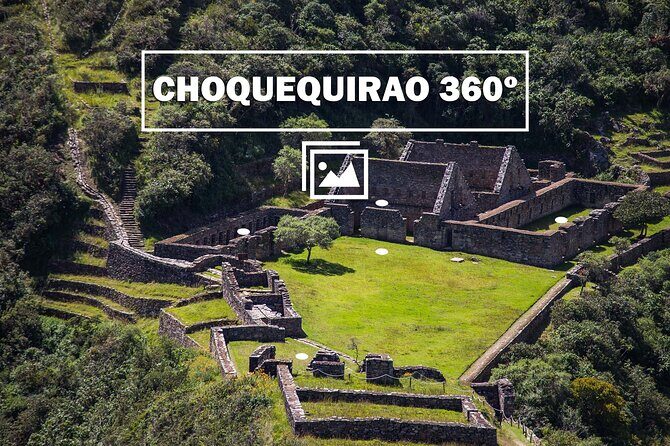
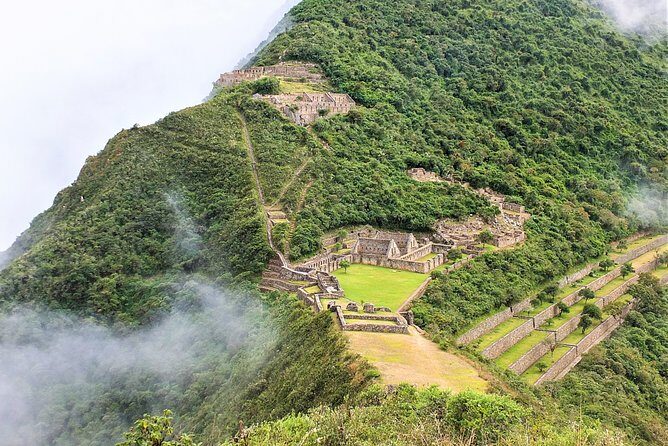
Choquequirao is often described as a “lost city,” and you can feel why. It’s dramatic: steep paths, serious altitude, and an Inca citadel that rewards patience rather than speed.
What makes this trek appealing is the pacing. You’re not just dropping in for photos. You get that key moment at dawn, plus time to walk the site when the day is fresh and the crowds (if any) haven’t fully arrived.
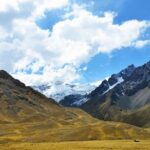
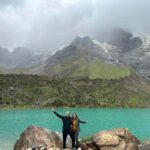
The Apurímac canyon views start early, too. You’ll look out over a deep cut through Peru—highlands giving way to cloud-forest terrain as you move down toward camp.
You can also read our reviews of more hiking tours in Cusco
Small group, big support: the Cusco-to-camp system
Logistics are handled for you from the start. The trip includes pickup from your Cusco hotel (or the airport), plus round-trip transportation from beginning to end. There’s also a pre-departure briefing the night before at 6:00 pm, which helps you confirm timing, gear needs, and what to expect.
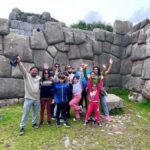
The group is kept small—listed as limited to 12 travelers in the highlights, with a published max of 16. Either way, it means fewer bottlenecks on narrow trails and more human support when the terrain gets steep.
You’ll hike with an English-speaking guide, and the “support crew” matters as much as the guide. Reviews repeatedly praise guides such as Elias (for knowledge and patient encouragement), Sebastian (positive, helpful, and safety-minded), and Abelardo/Jhon (professional and organized). Chefs show up in the same way: names like Leandro, Oscar, Balbino, Julio César, and Valvino get specifically mentioned for producing meals that feel possible even after a long day on the trail. There’s also a mule master/horseman (like Boris in one review) who keeps gear moving smoothly.
Day 1: Capuliyoc downhill to Chiquiska lunch, then Santa Rosa camp
Day 1 starts with an early Cusco departure, typically between 4:30 and 5:00 am. You’ll drive across the Andes and arrive at Capuliyoc around 8:30 am.
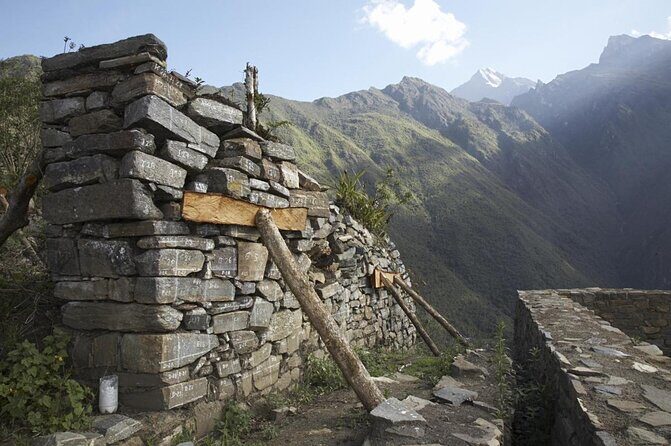
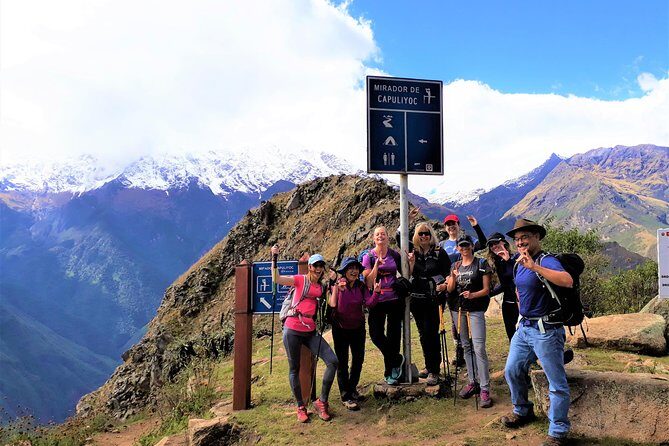
Capuliyoc sits high—listed as 2,911 m / 9,550 ft—and then you shift into a downhill trek. The first hiking chunk is about 4 hours downhill from Capuliyoc to lunch at Chiquiska. Along the way, expect your first real canyon panoramas. This is where the Apurímac “scale” clicks: deep valley views, changing vegetation, and the sense that you’re heading into something remote.
After lunch, you keep descending for about 2 more hours to reach Santa Rosa for your first night’s camp. Day 1 is listed as:
- Distance: 10.8 km / 6.7 miles
- Hiking time: ~6 hours
- Camp elevation: ~1,478 m / 4,849 ft
- Difficulty: moderate
It’s the kind of day that feels long even when the math looks manageable. You’ll likely arrive at camp tired, but in a good way—ready for the next day’s deeper rhythm.
Day 2: Marampata-to-Choquequirao approach with another 6-hour day
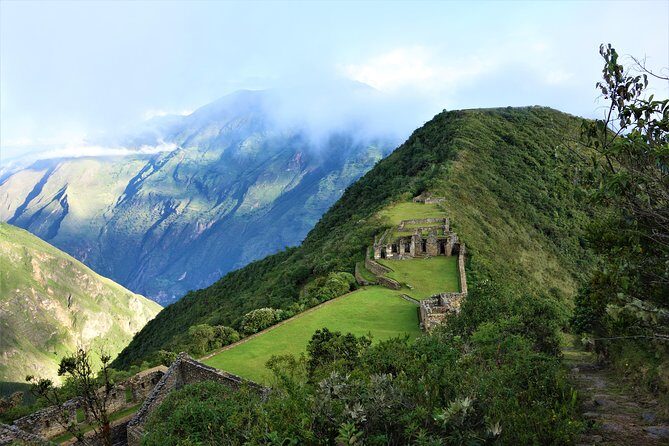
Day 2 is another early start, again with pickup leaving Cusco between 4:30 and 5:00 am and reaching the trailhead around 8:30 am. From there, the day is structured similarly in hike length and elevation range: you’re looking at about 6 hours of hiking and another camp night at Santa Rosa.
Even though the trail mechanics are similar, you still get payoff. This is where the “trek” starts to feel like a real journey rather than a one-day outing. You’ll keep moving through the same canyon corridor and ecosystem shifts—highland air down toward denser vegetation and cloud-forest character.
Day 2 is listed as:
- Distance: 10.8 km / 6.7 miles
- Hiking time: ~6 hours
- Highest elevation crossed: ~2,911 m / 9,550 ft
- Camp: Santa Rosa (~1,478 m / 4,849 ft)
- Difficulty: moderate
If you’re new to hiking at altitude, Day 2 is often the day your body figures out how to cooperate. If you already know your pace, this becomes a “settle in” day before you get to Choquequirao itself.
Day 3: Sunrise at Choquequirao, then a long push down and up
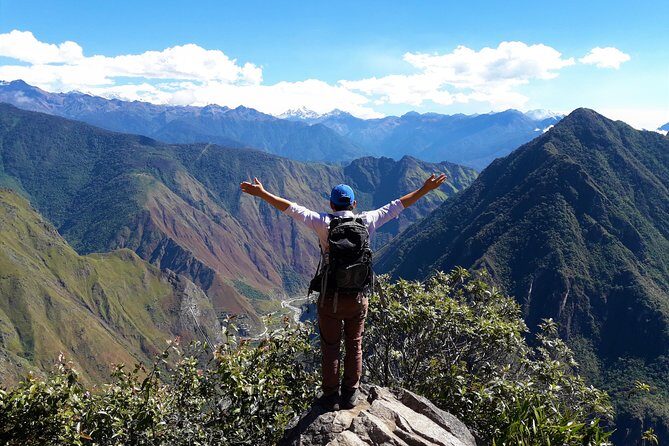
Day 3 is the big one for atmosphere. You’ll wake up watching the sunrise at Choquequirao and then eat breakfast before heading downhill.
The day splits into multiple moves:
- After breakfast, a ~3-hour downhill to Santa Rosa for lunch
- Then later: 2 hours downhill
- Then 2 hours uphill
- Ending at camp in Chiquiska
The listed numbers for Day 3 are:
- Distance: 8 km / 11.32 miles
- Hiking time: ~8 hours
- Highest elevation crossed: ~3,100 m / 9,300 ft
- Camp elevation: ~1,450 m / 4,350 ft
- Difficulty: moderate
This is also a day where nature shows up close. The plan calls out the surrounding area with flowers, birds, and distant waterfalls—the kind of details you only notice when the trek is slow enough to pay attention.
For many people, Day 3 feels mentally different than Days 1–2 because you’ve already earned the main sight. Even if you’re tired, the site is right there and you can take your time.
A few more Cusco tours and experiences worth a look
Day 4: Capuliyoc uphill for lunch, then Saywite archaeology before drop-off
Your final morning begins with breakfast and then a 4-hour uphill trek back to Capuliyoc for lunch. This is the “you’re almost there” climb—shorter than it feels, but still enough to get the legs working.
After that, you say goodbye to the team and take private transportation to Saywite, described as a mysterious rock and included as an archaeological stop. You’ll have time to explore before your drop-off back at your hotel around 5:00 pm.
Day 4 is listed as:
- Distance: 8 km / 11.32 miles
- Hiking time: ~8 hours
- Highest elevation crossed: ~2,850 m / 9,407 ft
- Difficulty: moderate
Saywite is a nice contrast to Choquequirao: same Andean energy, but with a different feel. It also helps break up your “last day = only hiking” mental math.
Food on the trail: chef work that holds up after 8 hours
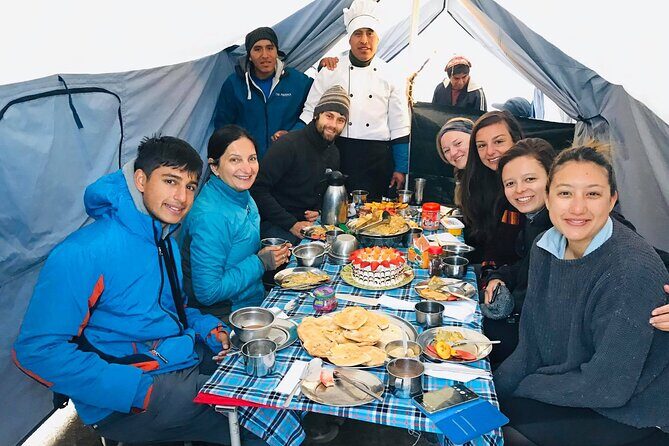
One of the strongest, most repeated praises is the food. This is not just “hot meal, good luck.” The trip includes meals handled by a chef who prepares everything along the way.
You get:
- 4 breakfasts
- 4 lunches
- 3 dinners
Several reviews single out chefs like Leandro, Oscar, Balbino (Chef Ratatouille), Julio César, and Valvino. The common thread: meals you don’t expect to be so varied after trekking. People specifically mention never eating the same dish twice, and they also note the level of care for tastes and dietary needs.
Vegetarian options are available—tell the operator when you book, and note any specific dietary requirements. That matters here because hiking diets can fall apart if you’re forced into the same bland routine for four days.
Practical tip: you’ll be less worried about food logistics than most treks, but you’ll still want snacks for in-between. The included meals are the base. Your extras make the hike feel easier.
Choquequirao itself: sunrise time is the real value
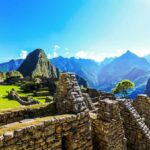
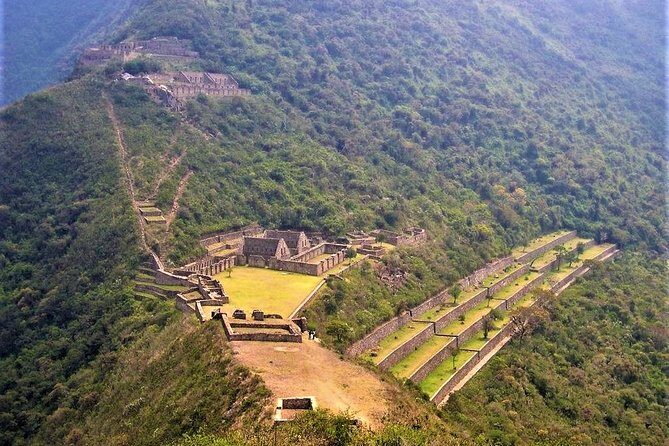
Choquequirao is included with an admission ticket. The key experience moment is sunrise at the citadel on Day 3, which changes how the site feels. Light matters. Shadows show structure. The citadel doesn’t read as a postcard; it reads as a place.
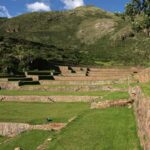
Another value: this trek is set up so you’re not fighting a massive crowd flow. With a small group and the schedule built around early access, you can often explore with fewer distractions and focus on what you’re seeing: terraces, stonework, and the way the site sits inside the canyon terrain.
Is it guaranteed you’ll have it “to yourself”? No. But the structure is built to give you the best shot at that quieter vibe.
Altitude and pace: moderate doesn’t mean easy
This trek is rated moderate and uses a realistic structure: hiking days around 6 to 8 hours, with significant downhill sections and at least one longer day (Day 3 and Day 4).
You’ll cross higher points:
- ~2,911 m on Days 1–2
- ~3,100 m on Day 3
- ~2,850 m on Day 4
So yes, altitude is part of the story. The good news is the daily pace includes breaks with breakfast/lunch/camp structure, and the support crew keeps logistics simple.
What you should do to make it easier:
- Start slow at the beginning of each day, especially on downhill-to-flat transitions
- Dress in layers (morning air can feel colder than midday)
- Plan your water and energy so you don’t rely on willpower alone
Also, the trip starts at a brutal hour. If you’re not a morning person, you’ll adapt. Your alarm clock will not forgive you, but you’ll get used to it fast.
Gear, camping comfort, and why the porter matters
You’ll camp each night on the route—Day 1 at Santa Rosa, Day 2 at Santa Rosa again, and Day 3 at Chiquiska. The trip does not include a mattress, sleeping bag, or trekking poles by default, but the operator says they can help guide you.
Here’s why that matters: if you show up without the right cold-weather sleep setup, you’ll notice it. Camping at these elevations can get chilly, even if daytime hiking feels warm.
The trip includes a personal porter for your gear up to 7 kg. That’s a big deal for your knees and energy. You can pack smart—light layers, essentials, and a small day kit—rather than dragging everything on your back.
Price and value: what you actually get for $698
At $698 per person, this trek isn’t cheap, but it covers a lot of hard-to-diy pieces.
Included:
- All transportation from start to end, plus pickup from your hotel
- Pre-departure briefing the night before (6:00 pm)
- English-speaking professional guides
- Chef-prepared meals (4 breakfasts, 4 lunches, 3 dinners)
- Personal porter up to 7 kg
- Admission ticket included
- Vegetarian option available if you plan ahead
Not included:
- Optional mattress, sleeping bag, and trekking poles (with guidance offered)
For me, the value comes from the “full-service” feel. You’re paying for someone else to handle camp support, meal prep, and daily movement. That’s what lets you focus on the trek—views, walking, and the Choquequirao moment—without turning it into a logistics project.
If you already own high-end trekking gear and you love organizing everything yourself, you might feel you could do it cheaper. But if you want fewer moving parts and smoother execution, this price looks more reasonable fast.
Should you book this Choquequirao trek?
Book it if you want a small-group Choquequirao experience with strong support and real trail meals, and if you don’t mind early starts. This is a good match for hikers who feel comfortable doing 6–8 hours of walking in a day and handling moderate altitude.
Skip it (or consider another option) if you’re chasing maximum comfort or you know you struggle with long hiking days and steep moments—especially the uphill on Day 4 and the long Day 3.
If your travel style is: good guide, good food, fewer crowds, and an honest hike to a major Inca site, this is a solid way to do Choquequirao.
FAQ
How many days and nights is the Choquequirao trek?
It’s a 4-day trek with 3 nights of camping.
What time does the tour start in Cusco?
Departures are scheduled between 4:30 am and 5:00 am from Cusco.
Is transportation included?
Yes. You get pickup from your hotel (or the airport) and round-trip transportation, plus private transportation on the final day to Saywite.
How hard is the hiking each day?
The trek is rated moderate. Hiking time is listed at about 6 hours on the first two days, and about 8 hours on the third and fourth days.
Are meals included?
Yes. The package includes breakfast (4), lunch (4), and dinner (3), all prepared by the chef. Vegetarian options are available if you tell the operator at booking.
Do I need an admission ticket for Choquequirao?
Admission tickets are included as part of the experience.
Where do you camp?
You camp at Santa Rosa on the first two nights, and then at Chiquiska for the third night.
What sleeping and trekking gear is included?
Mattress, sleeping bag, and trekking poles are not included by default. The operator says they can offer guidance on what to bring.
What passport information is required, and what if weather is bad?
A current valid passport is required on the day of travel, and passport details (name, number, expiry, and country) are needed at booking. The experience requires good weather; if it’s canceled due to poor weather, you’ll be offered a different date or a full refund.