REVIEW · CUSCO
4 Day Inca Trail Trek to Machu Picchu Multi day tour
Book on Viator →Operated by Inca Trail Machu · Bookable on Viator
The Inca Trail turns altitude into awe. This 4-day trek from Cusco to Machu Picchu is built around one memorable line: ancient Inca road all the way to the Sun Gate view. You’ll hike about 42 km (26 miles), moving through riverbanks, high passes, cloud forest, and terrace ruins.
I really like that this trip is set up like an actual expedition, not a bare-bones hike. You get organized camping (including tents and mattresses), a real cooking team, and a guide who keeps the trail story clear as you walk. One tradeoff to plan for: you’ll start very early (meeting time 4:30 am), and you should bring a sleeping bag since it’s not included.
In This Review
- Quick take: what matters most
- Why this trek is more than a hike
- Cusco departure and the Km 82 start you should respect
- Day 1: Km 82 to Huayllabamba, and getting your rhythm
- Day 2: Warmiwañusca (Dead Woman’s Pass) to Pacaymayo Valley
- Day 3: Cloud forest ruins, three passes, and Wiñay Wayna terraces
- Day 4: Sun Gate (Inti Punku) to Machu Picchu, then back to Cusco
- The staff side: guides, chef, porters, and why it affects your comfort
- Price and logistics: what $930 really buys you
- What to pack (and why altitude changes everything)
- Who this trek is best for
- Should you book this 4-day Inca Trail trek to Machu Picchu?
- FAQ
- What is the duration of the trek?
- Where does the trek start?
- How far do we hike during the Inca Trail?
- What is the highest point on the trail?
- How many nights do we camp?
- Are meals included?
- Is water provided on the trail?
- How do we get back from Machu Picchu to Cusco?
- What should I bring since it is not included?
- Is there a cancellation option?
Quick take: what matters most
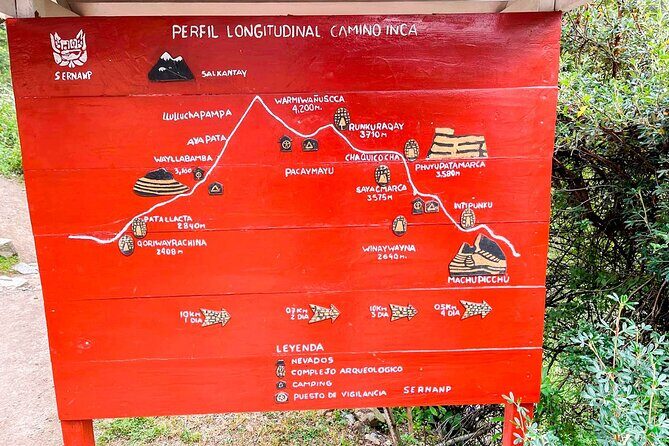
- Real trekking pace, real high point: Day 2 crests Warmiwañusca (Dead Woman’s Pass) at 4,215 m, then drops into the valley.
- You walk the historical route in stages: the trail passes well-known sites like Llactapata, Runkurakay, Sayacmarca, Phuyupatamarca, and Wiñay Wayna.
- Sun Gate is the payoff moment: Day 4 starts with the checkpoint and a first look from Inti Punku, then a guided visit of Machu Picchu.
- Camping logistics are handled: 3 nights of camping with tents (2 people per 4-person tent), dining setup, and a comfortable sleeping roll mattress.
- Chef-made meals in the Andes: you’ll have breakfast, lunch, and dinner during the trek, plus water provided at every campsite.
- Small group feel: max 16 travelers, so it’s easier for the guide to manage pace and questions.
Why this trek is more than a hike
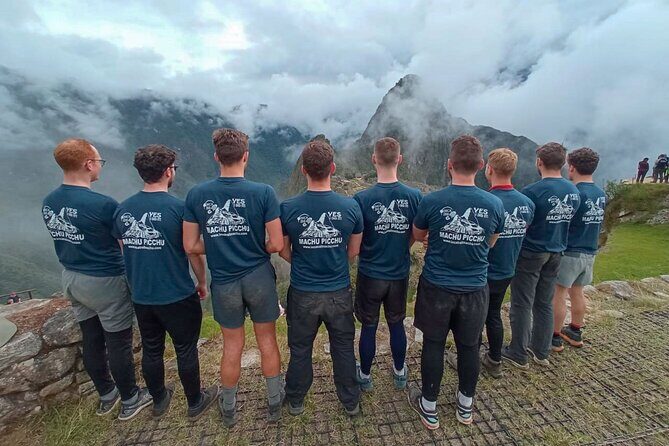
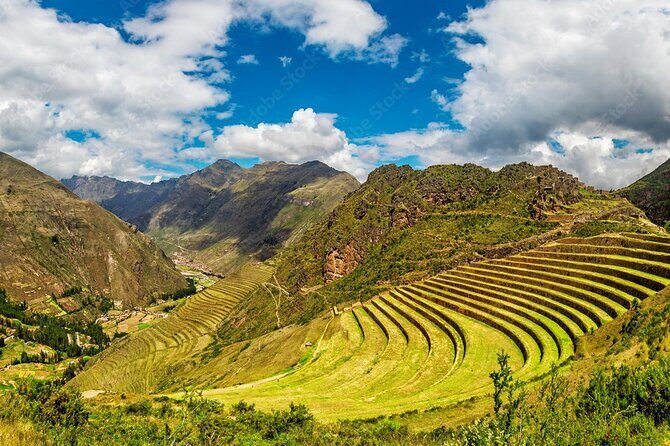
The Inca Trail is famous for a reason, but the best part isn’t the marketing. It’s the rhythm: climb, pause, descend, then hit another ridge where the valley opens up and you can see why this route mattered to the Incas.
This version is practical in a way that’s easy to appreciate when your legs start negotiating with gravity. A big part of the value is that your day bag is mostly yours, while your duffel is carried by a personal porter (up to 7 kg / 11 lbs). That means fewer heavy straps digging into your shoulders for hours at a time. You still do real work, but you’re not also fighting extra weight.
If you like your travel to feel grounded—actual trail, actual camps, actual schedule—this format fits. And if you want a story to go with the view, you’ll have time to connect the ruins to what you’re walking through.
You can also read our reviews of more hiking tours in Cusco
Cusco departure and the Km 82 start you should respect
The trek begins at Kilometer 82, and the day starts early with a pick-up from your hotel in Cusco. After that, you’ll drive through the Urubamba Valley, cross the Vilcanota River, and start hiking along the ancient trail.
You’ll begin with a moderate first day (about 7.5 miles / 12 km). This matters because it sets your pace for the days ahead. You’ll be walking by the Urubamba River, with views over mountains and valleys, and you’ll pass Huayllabamba with a chance to interact with local people.
My advice: even if Day 1 feels manageable, keep your effort controlled. This trail isn’t about sprinting; it’s about arriving in good condition for the high pass later.
Day 1: Km 82 to Huayllabamba, and getting your rhythm
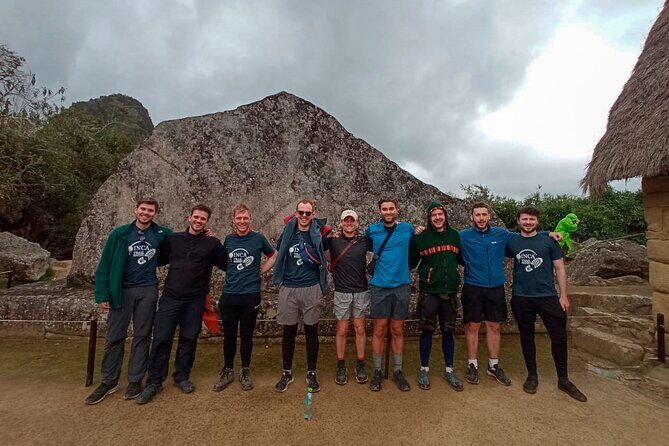
Day 1 is your warm-up in disguise. The distance isn’t huge, but you’re hiking at altitude, and your body learns fast whether you’re pacing smart. The route winds along the Urubamba Riverbanks, so you get lots of visual breaks even when the climbs show up.
Here’s what you can expect that’s useful for planning:
- Time on feet: around 8 hours.
- Difficulty: moderate.
- Trail character: river views, Andean hills, gradual build-up.
By the time you reach camp, you’ll be ready for sleep that actually feels earned. Camping on this trek isn’t luxury, but it’s organized: you’re sleeping in a dedicated camp setup with tents and a roll mattress, not a chaotic overnight stop.
Day 2: Warmiwañusca (Dead Woman’s Pass) to Pacaymayo Valley
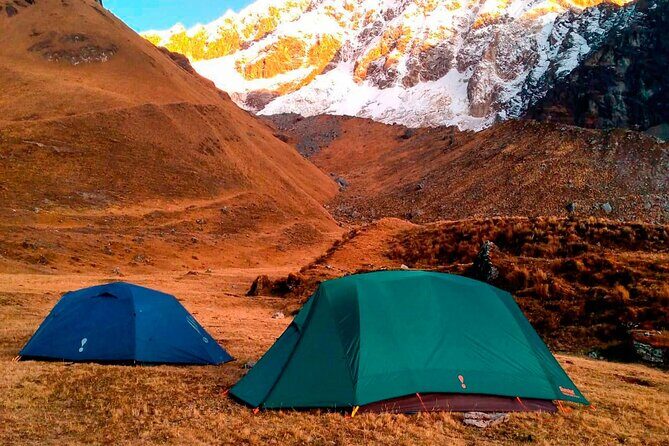
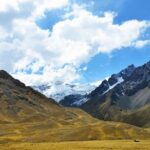
Day 2 is the day people remember. After breakfast, you wake up and start hiking again, then work your way up to Warmiwañusca (Dead Woman’s Pass) at 4,215 m (13,828 ft).
The climb can feel tough, but you get a payoff at the top: wide views over the mountains and valleys. Then comes the part your knees will notice—the descent into the Pacaymayo Valley, where you’ll camp.
The trail tone changes as you go:
- higher grasslands and big sky views,
- then cloud forest as you descend,
- with orchids and bromeliads mentioned along the way.
Practical tip: on a steep descent, short steps are your friend. If you try to control speed with long strides, your quads will burn by lunch.
Day 3: Cloud forest ruins, three passes, and Wiñay Wayna terraces
Day 3 mixes effort and beauty in a way that keeps you from getting bored, which is exactly what you want when you’re hiking for hours. You start with another climb to the second pass, Runkurakay at 3,970 m. Then you go down into the cloud forest and connect the trail to the ruins.
This is a big day for archaeology landmarks:
- Sayacmarca at about 3,624 m
- smaller ruins along the route
- Phuyupatamarca at about 3,670 m
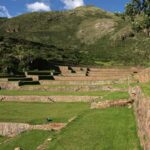
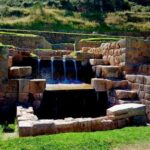
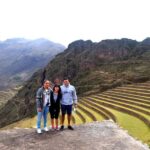
- and then the impressive Wiñay Wayna area, known for agricultural terraces and ritual baths
You’ll finish Day 3 by reaching the campsite near Wiñay Wayna at about 2,650 m (8,694 ft). Expect another strong view from camp because the valley is opening up again.
This is also where you’ll feel the rhythm of the whole trip: hiking during the day, then recovering as a team in organized camp. The guide and porters handle the heavy camp work so you can focus on your stride.
A few more Cusco tours and experiences worth a look

Day 4: Sun Gate (Inti Punku) to Machu Picchu, then back to Cusco
Day 4 starts early again, with breakfast and a walk to the checkpoint where you enter the final stretch of the Inca Trail. This is the day you stop seeing the trail and start seeing Machu Picchu emerge.
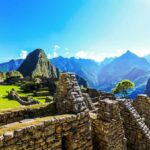
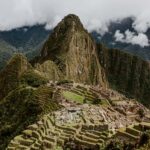
You’ll reach Inti Punku (Sun Gate) first, where you get your first panoramic look at Machu Picchu. That view is the moment the hard parts cash in. After that, you head down to Machu Picchu for a guided visit of the ruins, the kind that turns the site from photos into something you can actually understand.
Later, you take a bus down to Aguas Calientes for a lunch you can enjoy as a celebration. Then you’ll travel by train back to Ollantaytambo, and finish with a bus transfer back to Cusco.
My suggestion: treat Day 4 as two different days—morning awe, afternoon logistics. If you show up slightly worn down, that’s normal. Pace yourself through the final walk so you can actually take in the site, not just survive it.
The staff side: guides, chef, porters, and why it affects your comfort
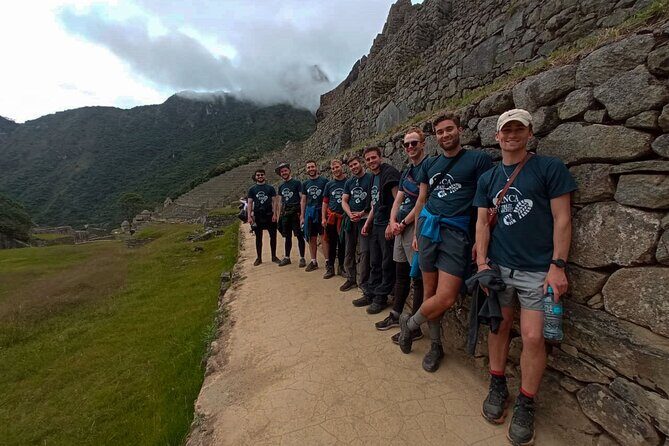
On this trek, the quality of the staff really changes your experience. In the names you’ll see associated with this route, guides like Nico Raul, Josias, César Pérez, Plinio, Pepe (Pinyo), and Juve come up often for being attentive, organized, and encouraging during hard sections.
What I like about this kind of operation is the roles are clear:
- Experienced guide to interpret the trail and history as you hike
- Trekking chef handling meals in camp (yes, people really do notice the food)
- Porters carrying food and cooking gear so the camp runs
- Personal super porter carrying your duffel (up to 7 kg / 11 lbs)
You’re still camping, so don’t expect hotel bedding. But you do get a real camp setup:
- kitchen and dining tents,
- tables and chairs,
- toilet tent,
- and an actual sleeping roll mattress.
Small comfort wins matter a lot when you’ve got altitude and walking fatigue in the mix. The fact that water is provided at every campsite by the chef also helps—you’re not trying to manage water scarcity while you’re tired.
Price and logistics: what $930 really buys you
At $930 per person, this trek is in the middle of the spectrum for a high-demand route. The big question isn’t just the sticker price; it’s what’s included that would cost you extra if you tried to cobble it together yourself.
Here’s what you’re paying for beyond the permit:
- Inca Trail permit + Machu Picchu entrance fee
- 3 camping nights (with tents and a sleeping roll mattress)
- a professional trekking chef and included meals (3 breakfasts, 3 lunches, 3 dinners)
- tour transportation from Cusco to Km 82, plus transport back via train and bus
- shuttle bus from Machu Picchu down to Aguas Calientes
- an emergency oxygen bottle in the first-aid kit
- a plastic rain poncho
- plus a small extra you might enjoy: an opportunity to sponsor planting native trees
Not included is where you need to plan:
- Sleeping bag (listed at U$ 25)
- Hiking poles (listed at U$ 20)
- an inflatable rest mattress add-on (listed at U$ 20)
- the first breakfast and last lunch in Aguas Calientes
- tips and souvenirs
- travel insurance (not included)
One more point you should know: this experience is non-refundable and can’t be changed if you cancel. So only lock it in once you’re comfortable with the fitness, altitude, and timing.
Value check: if you want less planning and more trail time, this package holds up. You’re buying logistics and camp support as much as the scenery.
What to pack (and why altitude changes everything)
The tour provides some items, like the rain poncho and emergency oxygen. But you still need to show up prepared because this is a high-altitude hiking circuit.
Based on what’s not included, I’d plan on:
- your own sleeping bag
- hiking poles if you use them (especially helpful on descents)
- solid layers for cold mornings and changing weather
- footwear you trust for uneven trail
Altitude is the real test here. The highest pass hits 4,215 m on Day 2, and you’ll feel it even if you’re in good shape. It’s not just breathing—it’s energy management. That’s why starting early and keeping a steady pace matters.
If the weather shifts (rain happens on the Andes), the guide may adjust the day’s approach. You’re on a controlled itinerary, but conditions can affect comfort and pace.
Who this trek is best for
This trek fits best if you:
- want to hike on a guided route rather than DIY,
- enjoy camping and can handle basic comfort,
- want the historical payoff of Machu Picchu with a proper first look from Sun Gate,
- and you’re comfortable with long trekking days.
The operator lists that you should have a strong physical fitness level. People in their 50s and 60s have done it, but that doesn’t mean it’s easy. The pass climbs and the descent days are real work.
If you hate early starts, you’ll still manage it, but know you’re signing up for mornings where your alarm feels rude. Meeting time is 4:30 am.
Should you book this 4-day Inca Trail trek to Machu Picchu?
I’d book it if you want the classic Inca Trail experience with less stress than DIY—and you appreciate having a team handle the camp. The combination of permit + guided Machu Picchu + Sun Gate view + chef meals + porters is exactly what makes this trek worth the effort.
I’d think twice if you’re not ready for early mornings, significant altitude, and a sleeping setup that’s camping, not a hotel. Also, don’t book this if you’re unsure about your fitness or your schedule, since the booking is non-refundable.
If your goal is to walk the Inca route to Machu Picchu and get there with your energy intact—this is a solid, well-supported way to do it.
FAQ
What is the duration of the trek?
The trek runs for about 4 days (multi-day tour).
Where does the trek start?
It starts at Km 82.
How far do we hike during the Inca Trail?
The trek covers approximately 42 kilometers (26 miles) over the four days.
What is the highest point on the trail?
The highest pass is Warmiwañusca (Dead Woman’s Pass) at 4,215 meters.
How many nights do we camp?
You’ll camp for 3 nights.
Are meals included?
Yes. The trek includes 3 breakfasts, 3 lunches, and 3 dinners. The first breakfast and last lunch in Aguas Calientes are not included.
Is water provided on the trail?
Yes. Water is provided at every campsite by the chef.
How do we get back from Machu Picchu to Cusco?
After Machu Picchu, you’ll take a bus to Aguas Calientes, then a train to Ollantaytambo, and a bus to Cusco.
What should I bring since it is not included?
A sleeping bag is not included, and hiking poles are also listed as not included. There’s also an optional inflatable rest mattress add-on.
Is there a cancellation option?
This experience is non-refundable and cannot be changed if you cancel or request an amendment.