REVIEW · CUSCO
Ausangate Trek 5 Days
Book on Viator →Operated by Vidal Expeditions · Bookable on Viator
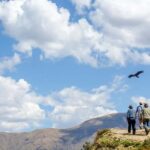
Ausangate hikes feel like you’re stepping into another altitude. This 5-day trek from Cusco mixes big Andean views with small-group attention, plus hot springs and high passes that most people skip. I love the way this route keeps things personal, with the trekking team moving as one unit, not a big cattle line. The one drawback to weigh: this is high altitude hiking, with passes up to 5,200 m, so you’ll want solid breathing stamina and warm gear for evenings.
What I like most is the all-in support built into the trek. You get camping equipment, meals each day (including plenty of lunches and dinners), and even horse help for the equipment, which makes the walking feel more human. You’ll also get real cultural moments, including an Apu Ausangate ceremony on the highest pass and a final day meal and weaving demonstration with a local family. The consideration: a sleeping bag isn’t included, and you’ll also need to plan for an entrance fee you pay separately (20 soles).
In This Review
- Quick Hits: What Makes This Ausangate Trek Different
- Cusco to Ausangate: Why This 5-Day Route Feels More Local
- Price and Value: What $660 Really Covers (and What Doesn’t)
- Your Crew on the Mountain: Small-Group Care You Can Actually Feel
- Day 1 (Cusco Early Start): Tinke, Rondoca, Upis Hot Springs
- Day 2: Arapa Pass, Puqa Q’ocha Lakes, and Apacheta at 4,980 m
- Day 3: Palomani Pass Ceremony at 5,200 m (the High-Meaning Day)
- Day 4: Pacchanta Valley Lagoons and Hot Springs Soak
- Day 5: Local Food and Weaving Lessons Back in the Cusco Orbit
- How Hard Is It, Really? Altitude, Timing, and What to Pack
- Who Should Book This 5-Day Ausangate Trek (and Who Should Think Twice)
- Should You Book This Ausangate Trek with Vidal Expeditions?
- FAQ
- What time does the trek start?
- How many people are in the group?
- What is included in the price?
- What isn’t included?
- Are there hot springs during the trek?
- What happens if weather is poor?
Quick Hits: What Makes This Ausangate Trek Different
- Small group (up to 10) for a calmer pace and more attention on the trail
- Hot springs built in (Upis and Pacchanta) for muscle recovery
- High pass moments with Apu Ausangate ceremony on the Palomani pass
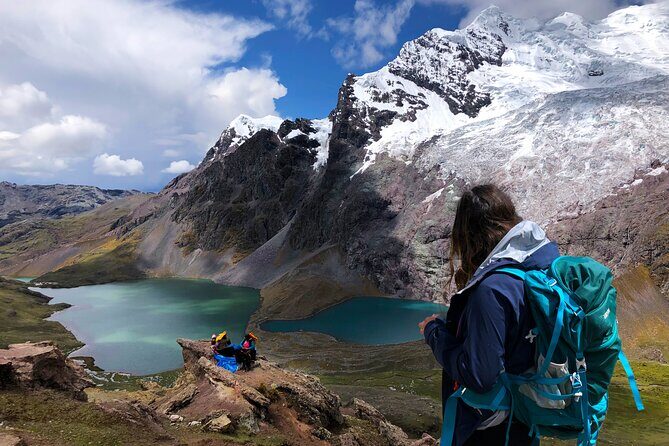
- Turquoise-and-green lagoon variety (Puqa Q’ocha, Jatun Puqa Q’ocha, and more)
- Cook-and-horse logistics that keep you fed and keep loads off your back
- Time away from the usual crowds, with long stretches where the mountains feel close and quiet
Cusco to Ausangate: Why This 5-Day Route Feels More Local
Starting early matters in the Andes. You meet in Cusco at 5:00 am, then go by private transportation to Tinke. There’s a quick stop to buy last-minute items, and you can grab breakfast there before the real trekking begins. I like this approach because you’re not scrambling while already short of breath.
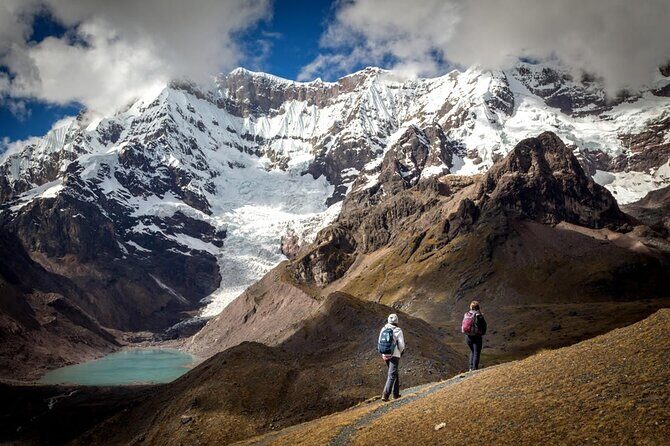
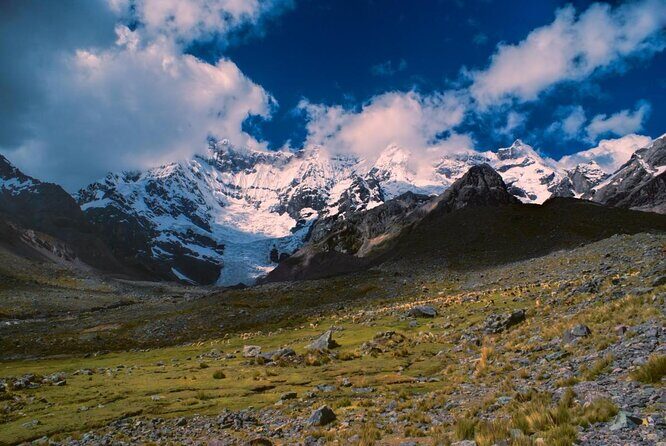
The trek itself centers on Apu Ausangate, a mountain that people treat like a living presence, not a photo backdrop. That shows up in the rhythm of the day: pauses for views, coca tea to steady your system, and ceremonies timed with the passes. If you want a hike that feels guided in both landscape and meaning, this route has that.
At the same time, the trip doesn’t feel like a long “talking tour.” It’s still about walking, altitude, and those gradual changes in color across lakes and ice-fed valleys.
You can also read our reviews of more hiking tours in Cusco
Price and Value: What $660 Really Covers (and What Doesn’t)
At $660 per person, this trek isn’t the cheapest way to do a Cusco high-altitude walk. But it’s also not the barebones model. You’re paying for the whole mountain setup: camping equipment, horse support for gear, and meals throughout the trek.
Here’s the value picture in plain terms:
- Your food is handled: lunch (5 times), dinner (4 times), and breakfast (4 times).
- Your camp logistics are handled: you get camping equipment.
- Your heavy carry is reduced: the horse driver helps transport equipment.
- Guides and crew focus on safety and timing across very real altitude.
Two items to budget separately:
- Entrance fee: 20 soles (not included)
- Sleeping bag: not included
Also, remember that cold is part of the deal at these elevations. Even when the days feel bright, evenings at camp can get sharp. If you’ve only packed for “comfortable hiking,” you’ll likely want to upgrade to something warmer for night.
Your Crew on the Mountain: Small-Group Care You Can Actually Feel
This is max 10 travelers, which changes everything. With fewer people, the guide can read your pace, your breath, and your comfort level. It also makes it easier for the team to keep the schedule smooth—important when the trail climbs to passes where one slow-moving group can throw off the entire day.
The support team is also part of the magic. In reviews, the crew gets credited for three things again and again:
- Guides like Chino (also referred to as Urbano) and Guillermo bring cultural context alongside trail guidance.
- The cook Benigno (and assistant Euden) are repeatedly praised for making mountain meals that actually feel satisfying after a hard day.
- The horseman, like Angel, is described as taking care of gear and camp tasks so you’re not doing circus-level logistics after hiking.
You can also expect the trek to move like a team: hot coca tea in the mornings, lunch planned along the day’s most scenic stretch, and camp reached without chaos.
Day 1 (Cusco Early Start): Tinke, Rondoca, Upis Hot Springs
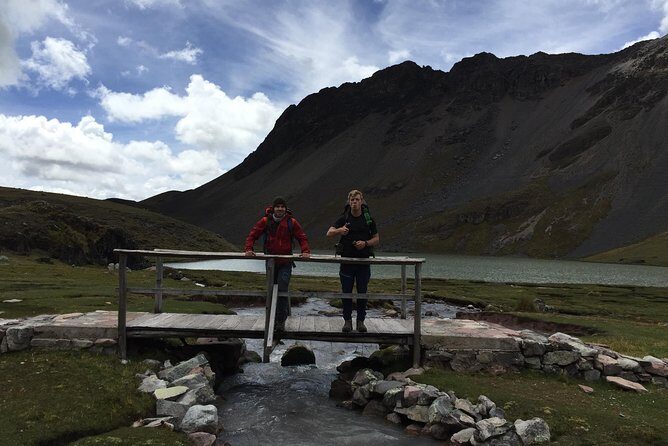
Day 1 is about transition—Cusco life to mountain rhythm. You start with transportation to Tinke and a chance to handle essentials and breakfast before the trek. Then you head onward to Rondoca, where you meet the rest of the trekking team, including the cook and horse driver.
The walking start is manageable: about 2 hours to reach the lunch area along the route where you can appreciate Apu Ausangate. That matters because it sets expectations for the rest of the trek—this mountain is the anchor view.
After lunch, you keep hiking to reach the first camp day. You only hike for a few hours after that longer midday break, arriving at the village of Upis. The payoff is the hot springs: you can soak there, sip coca tea, and relax your muscles before dinner.
Even if you’re tired, day 1 has a “reset” feeling. Camp lands around 4,200 m, so your body will still be adjusting, but the hot springs make it more than just endurance.
How to plan for Day 1: go slow early. At 3–4 hours of hiking total (about 8 km / 3 miles), you’re not chasing speed—you’re getting your breath sorted.
Day 2: Arapa Pass, Puqa Q’ocha Lakes, and Apacheta at 4,980 m
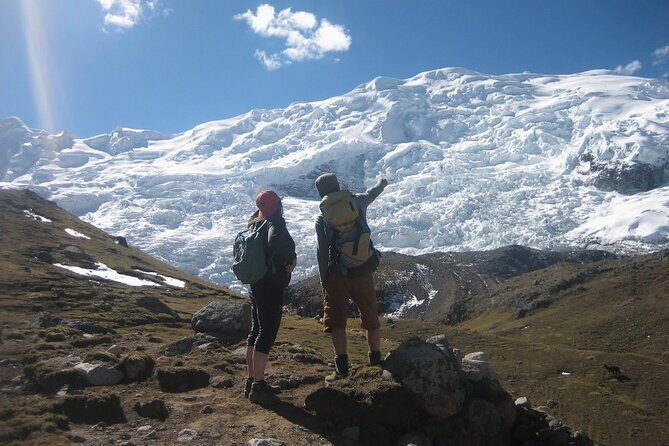
Day 2 is where the trail starts to feel like an actual high-altitude circuit. You wake up with hot coca tea, then breakfast, then head out for a long climbing day.
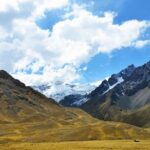
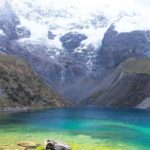
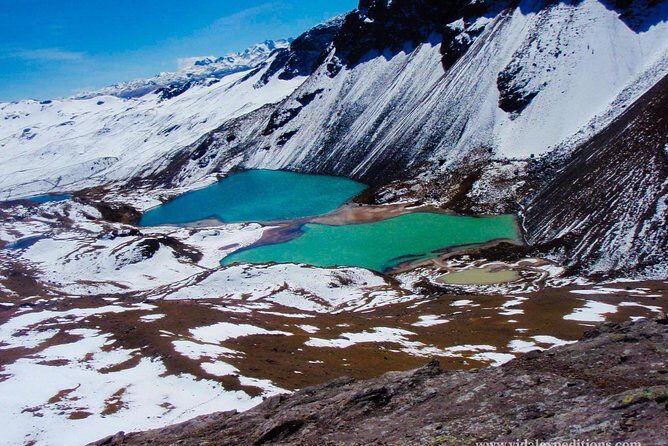
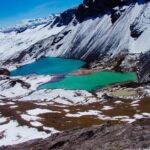
The morning includes crossing the Arapa pass (4,850 m). After that high point, the route drops down the valley and takes you past the green lake of Puqa Q’ocha, then onward to the turquoise Jatun Puqa Q’ocha. Seeing those colors shift in the same day is one of the reasons people love this trek. It’s not just “pretty water”—it’s ice-fed lake life, changing as you move.
Lunch happens near the lakes with stunning views of Ausangate. This is one of those moments where you slow down on purpose. Your camera can’t capture the air thickness or the way the mountains loom, but you can at least capture the colors.
Then comes the second pass: Apacheta (4,980 m). From there, you look back over the turquoise lake below—fed from Ausangate’s melting snow. The detail that it’s snowmelt-fed is useful for understanding why the water stays so striking.
You finish the day by descending about an hour to camp at Ausangate Qocha, with an elevation range roughly from 4,200 m up to about 4,930 m during the day.
What might surprise you: day 2 is only 12 km, but it’s listed around 7 hours of hiking. That’s how mountain passes work. Distance isn’t the whole story—elevation gain changes everything.
A few more Cusco tours and experiences worth a look
Day 3: Palomani Pass Ceremony at 5,200 m (the High-Meaning Day)
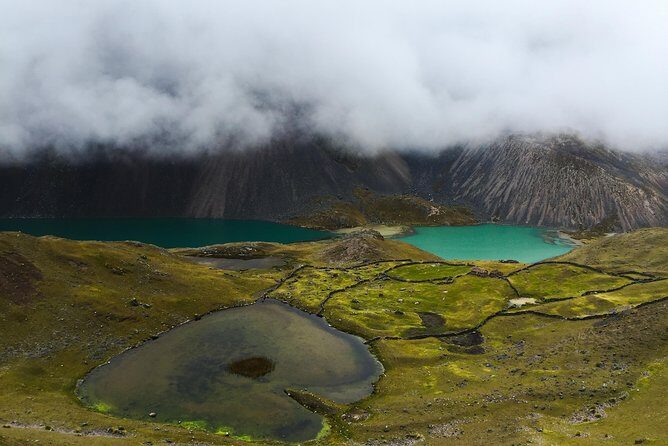
This is the day with the highest pass: Palomani (5,200 m). After breakfast, you climb for about 2 hours toward the pass. Even if you’re fit, this is still “work.” The thinner air makes your steps feel heavier.
At the pass, your guide leads a ceremony for Apu Ausangate. This is one of the standout cultural moments on the whole trek. It also shapes how you experience the pass itself—you’re not just cresting a point on a map. You’re stopping for something the local tradition treats as meaningful.
After the ceremony, you descend for about an hour to Uchuy Phinaya for lunch. The rest of the afternoon is hiking again—just a couple hours—to reach the next campsite.
The overall pattern feels right: climb, pause for meaning, then recover with lunch and descent. It’s a smart rhythm for people who get overwhelmed by “all climbing, all the time.”
Expect around 6–7 hours hiking total and distance around 13 km. Camps sit around 4,500 m on this day.
Tip for your mindset: you’ll feel tired after the pass. Let the ceremony slow you down in a good way. It gives your brain a job besides “survive the next step.”
Day 4: Pacchanta Valley Lagoons and Hot Springs Soak
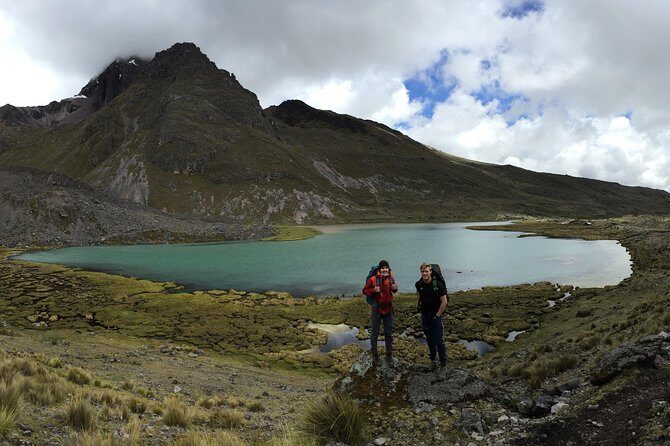
Day 4 is often described as visually addictive, and the plan supports that. You’re crossing only one pass today, so the day has more “time for the views” built in.
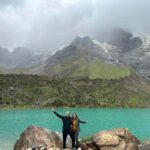
You take your time along deep blue lagoons and ice-colored lakes that come in shades you don’t usually see far from high Andes. If you feel brave, you can even jump into the water to cool off. (If you don’t feel brave, you can still appreciate it. You’re not required to audition for hypothermia.)
Along the way, you get new angles on Ausangate and views into the Pacchanta Valley. This is one reason the trek doesn’t feel repetitive: each day reorients your perspective.
Your goal at the end of the hiking day is the hot springs of Pacchanta. This is the second major recovery moment after day 1. You’ll soak while Ausangate watches from above. For many people, this is where the tiredness finally turns into relief.
You camp around 4,300 m, during a descending phase, and the hiking totals are about 6 hours for roughly 15 km.
Day 5: Local Food and Weaving Lessons Back in the Cusco Orbit
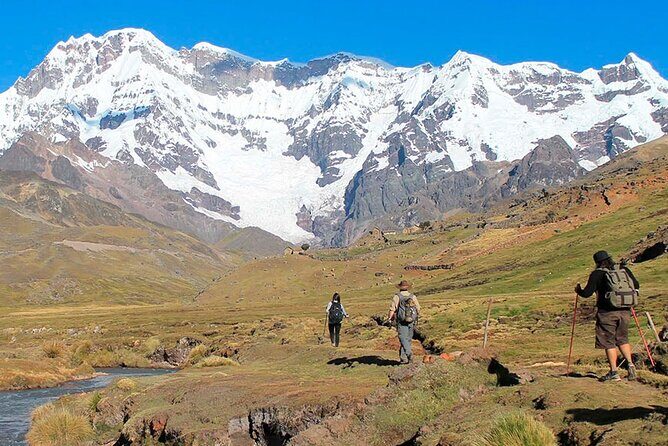
After a final morning hike around Ausangate Mountain, you finish with a more cultural send-off.
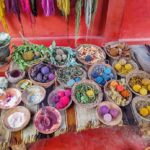
In the morning (after breakfast), you take part in a ceremony with a local family. They prepare local food and share traditions, plus you learn about weaving techniques. This is a different kind of learning than pass ceremonies: it’s hands-on cultural practice tied to daily life.
Then you wrap it up with transport back toward Cusco by bus, about 3 hours.
This last day matters because it helps you land the whole experience. You don’t just return exhausted. You return with stories you can actually repeat—about mountains, food, and how people keep meaning alive in daily work like weaving.
How Hard Is It, Really? Altitude, Timing, and What to Pack
This trek is listed for people with moderate physical fitness. That’s fair—but “moderate” in high altitude still means you should be comfortable with hiking for multiple hours, stepping uphill, and dealing with breath changes.
A few practical notes from the elevation profile:
- You reach very high points: passes around 4,850 m, 4,980 m, and 5,200 m.
- Even camps in the 4,200–4,630 m range can feel demanding if you’re not used to altitude.
- The hiking times often run 3–7 hours depending on the day.
What to pack is where you protect your comfort:
- You must bring a sleeping bag.
- Bring your warmest cold-weather layer for evenings. At these altitudes, warmth at night isn’t optional.
- Comfortable trekking shoes and warm socks matter more than style.
- Plan on sun even when it’s cold: bring sun protection, and don’t assume cloud cover will save you.
One more point: the route is designed with long recovery breaks like hot springs and scheduled lunches. Use them. Treat them like part of the trek, not a bonus.
Who Should Book This 5-Day Ausangate Trek (and Who Should Think Twice)
This trek is a strong fit if:
- you want small-group guidance instead of a big tour pack
- you like culturally guided moments, including ceremonies
- you care more about being out on the route than collecting checkboxes
- you’re excited by lakes and passes at real altitude, not just “pretty walks”
Think twice if:
- you’re not comfortable with high passes near 5,200 m
- you’re unwilling to bring your own sleeping bag
- hot springs are a must-have feature for you but you have cold sensitivity (water can be cold even when it’s hot spring time)
Should You Book This Ausangate Trek with Vidal Expeditions?
If you’re choosing between a “standard” trek and a trek that blends mountain spirituality, real crew support, and hot springs, I’d lean toward booking. The biggest reason is simple: the operation is built around keeping you fed, warm enough to function, and guided in a way that makes Ausangate feel alive instead of distant.
Book this if you want a route that’s tough in the right ways, with time to look up and time to soak your legs. If you’re ready for altitude and you pack thoughtfully, this can turn into one of those trips you remember not just for photos, but for the feeling of moving through the Andes with purpose.
FAQ
What time does the trek start?
The meeting time is 5:00 am in Cusco.
How many people are in the group?
This trek has a maximum group size of 10 travelers.
What is included in the price?
Included are camping equipment, horses for equipment, and meals: 5 lunches, 4 dinners, and 4 breakfasts.
What isn’t included?
You’ll need to bring a sleeping bag. An entrance fee of 20 soles is also not included.
Are there hot springs during the trek?
Yes. There’s a soak in hot springs in Upis on Day 1, and another at the hot springs of Pacchanta on Day 4.
What happens if weather is poor?
This experience requires good weather. If it’s canceled due to poor weather, you’ll be offered a different date or a full refund. Also, you can cancel for a full refund up to 24 hours before the experience starts.