REVIEW · CUSCO
Classic Choquequirao Trek – 5 Days / 4 Nights
Book on Viator →Operated by Salkantay Trekking · Bookable on Viator
Choquequirao feels like a secret the Andes don’t rush to share. I love the way the trek strings together big canyon views with real village life, then saves the best payoff for a full day inside Choquequirao.
I also like how well this trip is run for people hiking at altitude: cooks and muleteers handle the heavy stuff, and you sleep in proper tents with daily meals timed around the trail.
The main drawback is the effort: expect long descents and ascents, an early start around 4:00–4:30 a.m., and a pace that demands solid fitness.
In This Review
- Key Things That Make This Trek Worth Your Feet
- Entering the Apurímac Canyon Through Cachora and Capuliyoc
- $735 Value: What’s Included (and What You Still Need to Bring)
- Day 1: The 4:30 a.m. Start, Cachora Views, Then the Long Descent to Chiquisca
- Day 2: Playa Rosalinas, the Hard Section, and the Ascent to Marampata
- Day 3: The Full Day Inside Choquequirao Inca Citadel at 3,050 m
- Day 4: The Return Route Back to Chiquisca, Plus a Cold Apurímac River Break
- Day 5: Capuliyoc Goodbye Walk, Saywite Monolith, and Hot Springs by Cconoc
- Guides, Cooks, and the Small-Group Pace That Keeps You Going
- What to Pack and How to Prepare for Real Altitude Hiking
- Should You Book Classic Choquequirao Trek?
- FAQ
- How long is the trek and how many nights are included?
- What time does the tour start from Cusco?
- Are meals included?
- What kind of lodging do you get on the trek?
- Is the Choquequirao archaeological entrance fee included?
- Do porters carry luggage?
- What gear is not included?
- What is the cancellation policy?
- What are the main altitude prep tips?
Key Things That Make This Trek Worth Your Feet
- A dawn departure from Cusco that gets you moving before the sun cooks the valley
- Cachora and Capuliyoc viewpoints that frame the Andes with Salkantay and Humantay in the background
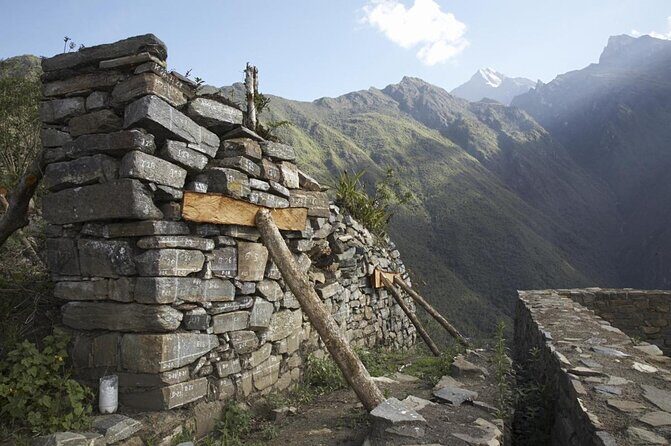
- A guided full day at Choquequirao at 3,050 m, with time for terraces, plazas, and stone-carved llamas
- Camp support that turns distance into survival: porters, cooks, tents for two, snacks, and hot drinks on the trail
- Tough sections with payoff like the descent to Chiquisca and the cold-water break at Rosalina Beach
- Safety and comms included with emergency satellite phones, first aid, and oxygen supply
Entering the Apurímac Canyon Through Cachora and Capuliyoc
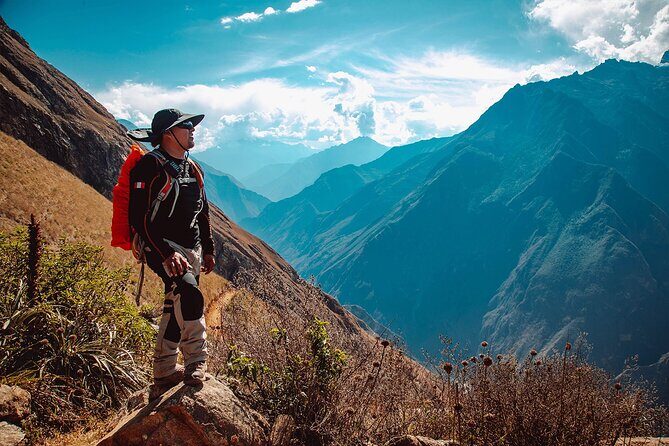
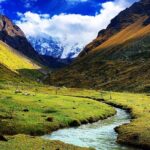
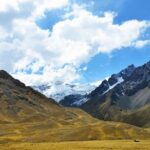
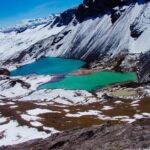
This trek starts with the kind of early alarm that makes Cusco feel extra real. You leave your hotel around 4:30 a.m. and ride in private transport to Cachora, a start point chosen for timing and views. From there, you get a first look at the Salkantay and Humantay glacier scenery that hangs over the region like a quiet warning: this is high Andean country.
You’re not just hiking for photos. You’re hiking through a steep ecosystem of valleys and micro-climates. One stretch feels dry and rocky, another feels greener, then the trail swings back toward open canyon air where the wind can surprise you even on a clear morning.
If you like routes where effort and scenery are tightly connected, this one delivers. If you hate early mornings and long days, you may find it harder than it sounds on paper.
You can also read our reviews of more hiking tours in Cusco
$735 Value: What’s Included (and What You Still Need to Bring)
At $735 per person for 5 days and 4 nights, the value comes from what’s covered, not the headline price. You’re paying for a licensed bilingual guide, private transfers, entrance to Choquequirao, a small-group format (maximum 12), and the whole camping operation.
You also get serious trail logistics:
- Camping gear: high-quality tents for two people, plus extras like an inflatable mattress, bag cover, and rain poncho
- Full team support: cook, dining setup, and porters for equipment
- Daily rhythm: breakfast, lunch, dinner, tea time, and snacks on the trail
- Safety tools: first aid kit and oxygen supply, plus walkie-talkies and emergency satellite phones
- Practical comfort: portable travel toilet and hygiene products (small towel and soap)
- A limited luggage plan: porters move camping equipment, and you get a duffle bag for personal items up to 5 kg / 11 lb carried by porters
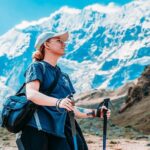
What you must bring yourself is equally important. Sleeping bag and trekking poles are not included, and you’ll need personal hiking clothing and equipment. I also recommend you pack like altitude hiking matters, because it does. Even in the daytime, weather can shift quickly in the Andes, and you’ll be glad you brought layers you can manage on the trail.
Day 1: The 4:30 a.m. Start, Cachora Views, Then the Long Descent to Chiquisca
Day 1 is about getting your legs working early and learning the route’s rhythm right away. After the ride from Cusco, you spend time around Cachora with glacier views of Salkantay and Humantay. This is a great moment to slow down. Take in the scale, then remind yourself that today includes serious downhill walking.
After breakfast, you head toward Capuliyoc. This is where you meet the cooks and muleteers who handle luggage. It’s more than a formality. Knowing your gear is moving with you reduces decision stress, letting you focus on footing instead of bag weight.
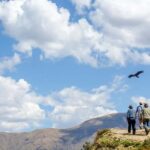
Then the hike begins in earnest with a roughly 3-hour descent to Chiquisca, a small village surrounded by fruit crops. The trail gives you sweeping looks into the Apurímac Valley, with mountains like Padreyoc and Qoriwayrachina framing the route. If the sky cooperates, you might also spot condors gliding over the valley. It’s one of those moments that makes the steep drop feel worth it.
Chiquisca camp lands you in warm surroundings after a long day. You’ll have dinner and sleep in a tent with camp setup handled for you, which matters because fatigue can turn into cold fast once the sun drops behind the canyon.
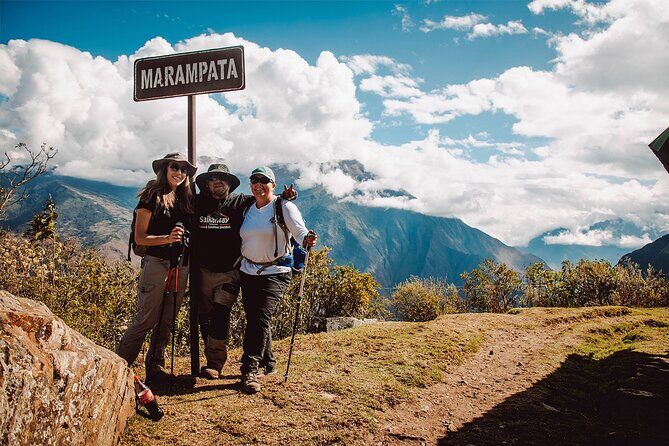
Day 2: Playa Rosalinas, the Hard Section, and the Ascent to Marampata
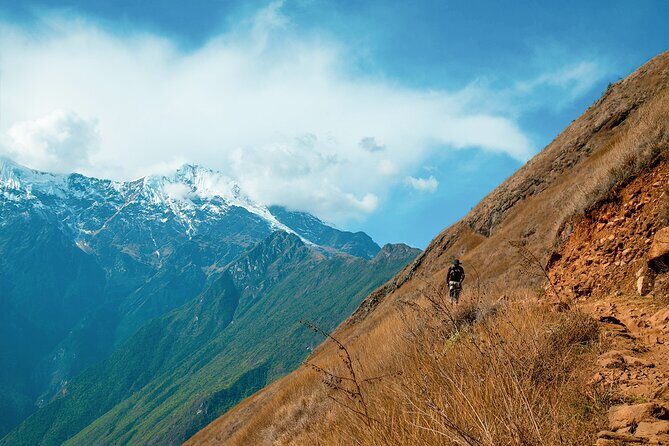
Day 2 is the day you feel the trek’s challenge most clearly. You start after breakfast and move toward Marampata with a sequence of descents and climbs that forces you to adjust your effort often.
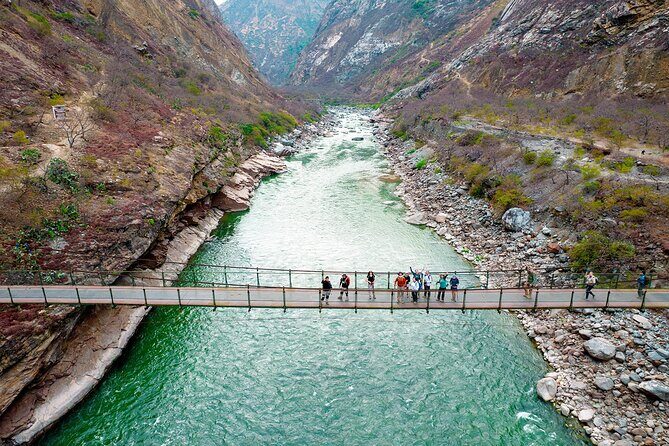
The morning includes a one-hour continuation toward Marampata, then you’re back down toward Playa Rosalina. This is the lowest point in the valley route. After crossing a footbridge, the toughest part of the day begins. Even if the trail is well managed, this is still the section where your legs feel each switchback and each step that eats time.
You’ll pass through the village of Santa Rosa for lunch, then keep climbing for around 3 more hours zigzagging uphill to the Marampata camp. By late afternoon, the light turns dramatic. The sun paints the mountains and the Apurímac Valley in orange tones, and then nightfall brings the kind of starry sky that makes you forget you were counting steps earlier.
Marampata is also where you learn a key trekking truth: your body can be tired, but the sky can still make you feel awake.
Day 3: The Full Day Inside Choquequirao Inca Citadel at 3,050 m
Day 3 is the reason most people sign up. Choquequirao is accessed from camp with an about hour approach, then you spend the bulk of the day exploring the complex with a guide.
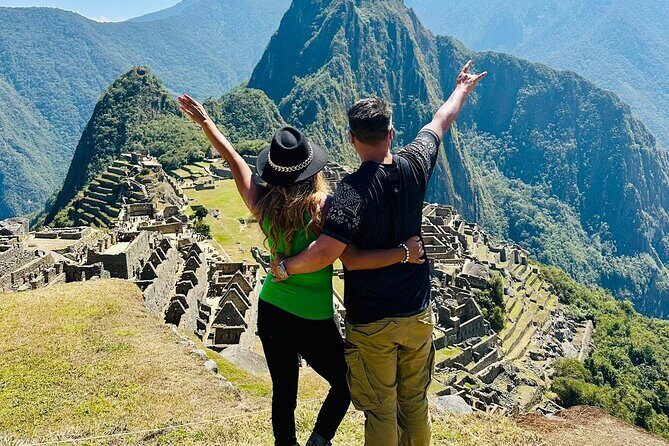
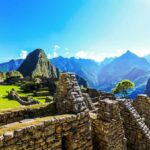
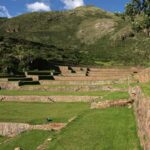
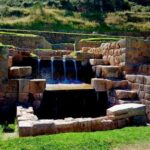
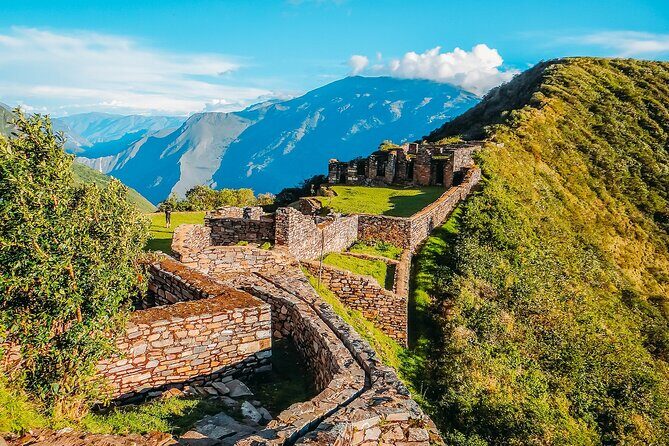
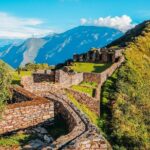
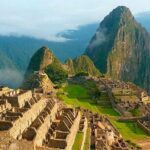
The site sits at about 3,050 m / 10,007 ft and is tucked among mountains near the deepest canyon in South America. The tour framework highlights that Choquequirao is even larger than Machu Picchu, and the comparison helps you understand how expansive it is. What you feel on the ground is different: it’s not crowded city energy. It’s stone terraces, plazas, and agriculture built to work with mountain slopes.
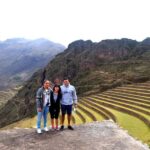
Do not rush the terraces. In this type of ruin, the geometry is the story. The guide’s route helps you notice how Inca planners shaped the land for water, farming, and movement.
You also get a picnic lunch on site, which is practical and smart. When you’re hiking with altitude in your system, food timing can be the difference between enjoying your day and feeling drained.
Two specifics worth keeping in mind:
- You might notice plazas and temples in different zones rather than one straight “main view”
- There’s mention of famous white llamas carved in stone on platforms, and the tour notes that only about 40% of the site is visible, which adds a sense of scale to what you’re actually seeing
If you’re the type who likes understanding architecture instead of just walking through, this is where you’ll feel the guide’s value most.
A few more Cusco tours and experiences worth a look
Day 4: The Return Route Back to Chiquisca, Plus a Cold Apurímac River Break
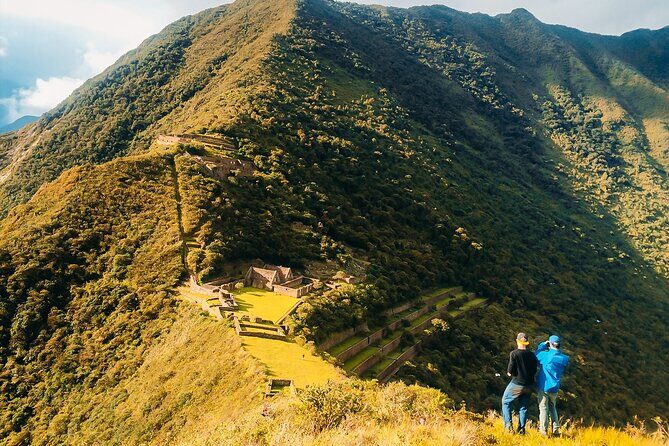
Day 4 turns the experience around: you start your return from Choquequirao, then work your way back toward Chiquisca for a more personal village welcome.
From Choquequirao, you head back toward Marampata and take in another view of the canyon from the same area where you rested. Then you walk about 2 hours to Santa Rosa Alta through lush vegetation, stopping for lunch there. This portion is often easier to mentally handle because you’re no longer heading toward the ruin. You’re moving home with a clear purpose.
Next is Playa Rosalina, and yes, the tone changes fast. You can cool off in the cold waters of the Apurímac River at Rosalina Beach. Even if you don’t go all the way in, standing near the water can reset you for the climb ahead.
After that, you start ascending to Chiquisca for about 3 hours. The most human moment of the trek comes at the end: a local family welcomes you into their home. You’ll learn about Andean customs, and this part of the day is tied to the region’s deep connection to Pachamama.
That welcome matters because it shifts the trek from a “destination day” to a cultural exchange. Dinner with camp afterward, then sleep again under the same organized tent setup, helps your body recover before the final day walk.
Day 5: Capuliyoc Goodbye Walk, Saywite Monolith, and Hot Springs by Cconoc
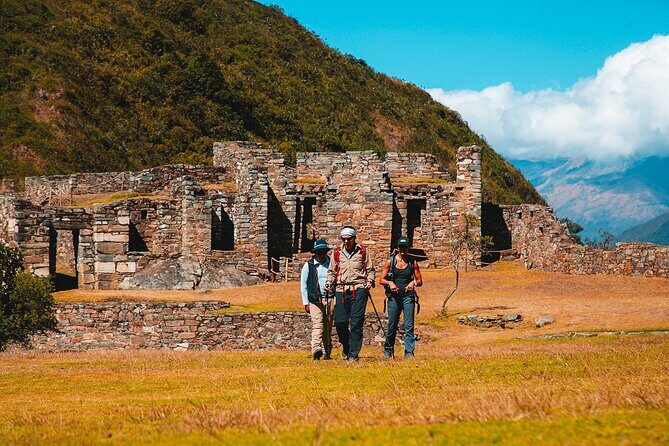
Your last day starts early again to avoid intense sun. You walk for about 2 hours, keeping the pace controlled and letting the Apurímac River sounds do their calming work.
Then it’s the hike to Capuliyoc for roughly 4 hours. This is a “farewell” segment: enough time to see the route’s changing angles one last time, but not so long that you feel smashed before the ride back.
After you say goodbye to the hiking team, you transfer by private transport to Saywite Monolith. This sacred site has more than 200 carved figures, highly valued by the Incas. It’s a nice final culture stop that adds variety beyond just Choquequirao.
The day ends with a soak at Baños Termales de Cconoc. The hot springs are scheduled before lunch, which makes it easier to enjoy them without turning the rest of the day into a comfort trap.
Back in Cusco, you arrive around 6:00 p.m. and are transferred to your accommodation. It’s a full day, but you finish it cleanly: one last view of snow-capped mountains, then rest.
Guides, Cooks, and the Small-Group Pace That Keeps You Going
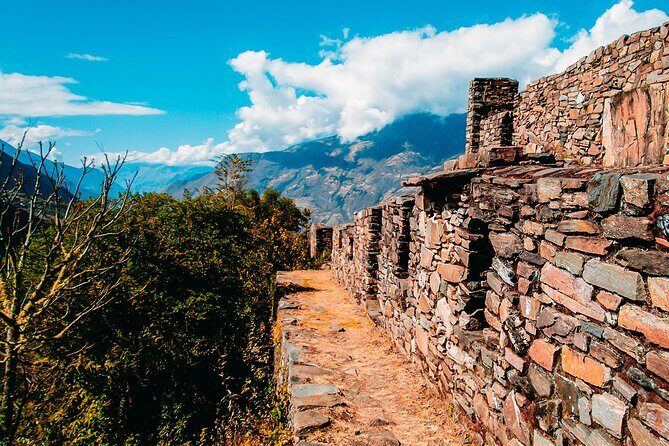
The most repeated theme in successful treks is not just scenery. It’s how the day is run when your energy dips.
This trip uses a licensed bilingual guide and a team structure that includes cooks and muleteers, with porters carrying camping equipment. That setup is what lets the trek feel manageable. You spend less time wrestling with gear. You spend more time listening to the guide and keeping your rhythm.
Some guides you might encounter on this experience are names like Guido, Roman, Franz, George, Carlos, Caesar, Elvis, and Anthony. Across the approaches described, what I like most is the mix of history context and morale management. You’ll likely get frequent encouragement and clear briefings. That matters when you’re walking for hours at altitude and you need to know what comes next.
Food is another big deal here. Meals are timed into the trek day, with tea time and daily snacks on the trail. On long hikes, good food is not a luxury. It’s fuel and a morale reset.
What to Pack and How to Prepare for Real Altitude Hiking
Even though this trek includes support and camp comforts, it still asks your body to handle steep walking. The operator specifically recommends arriving in Cusco at least 2 days before to adjust to altitude. Follow that. If you ignore it, you’ll feel it in your stamina and recovery.
You should also treat this as a fitness test, not a casual stroll. The trek is challenging, with long days and elevation throughout the route. Strong physical fitness is strongly encouraged.
Gear checklist from what’s not included:
- Sleeping bag
- Trekking poles
- Personal hiking clothing and equipment
Beyond the official gaps, think practical. Bring layers for early mornings, something that handles rain, and shoes you trust on uneven trails. You’ll also be grateful for a system to keep small items dry, because in high mountain weather you can go from calm to damp quickly.
Should You Book Classic Choquequirao Trek?
Book it if you want a smaller-group Andes trek that combines a serious hike with a major Inca payoff. If you enjoy architecture, canyon scale, and the feeling of reaching Choquequirao without the crowds, this is a strong match.
Don’t book it if you’re looking for a light hike. Between the early starts, long walking days, and steep ascents/descents, you need stamina and patience. You should be ready to work for the views.
If you’re on the fence, ask yourself one question: can you handle a trek where the best moments come after you’ve earned them with effort? If the answer is yes, this one is worth your time.
FAQ
How long is the trek and how many nights are included?
It runs for 5 days and 4 nights.
What time does the tour start from Cusco?
You depart from your hotel very early, around 4:00 a.m. to 4:30 a.m.
Are meals included?
Yes. Breakfast is included for 5 days, lunch for 5 days, and dinner for 4 days.
What kind of lodging do you get on the trek?
You sleep in tents for 3 nights, with camping accommodation and equipment included (tents for 2 people).
Is the Choquequirao archaeological entrance fee included?
Yes, entrance to the Choquequirao archaeological site is included.
Do porters carry luggage?
Yes. Porters carry camping equipment, and you also get a duffle bag for personal items up to 5 kg / 11 lb that is carried by porters.
What gear is not included?
You need to bring a sleeping bag and trekking poles. Personal hiking clothing and equipment are also not included.
What is the cancellation policy?
It is non-refundable and cannot be changed. If the trip is canceled due to poor weather, you’ll be offered a different date or a full refund. If the trip is canceled because the minimum number of travelers isn’t met, you’ll be offered a different date/experience or a full refund.
What are the main altitude prep tips?
It’s recommended that you arrive in Cusco at least 2 days before the trek to adjust to altitude.