REVIEW · CUSCO
Cusco: Maras and Moray Tour ending in Ollantaytambo
Book on GetYourGuide →Operated by PVTravel · Bookable on GetYourGuide
Moray, Maras, and Ollantaytambo in a single run is a smart way to beat your limited time in Cusco. I like how this tour mixes Inca engineering (Moray and Ollantaytambo) with the still-working salt evaporation ponds at Maras, so you don’t just watch history—you see it in action. The other big win is that the day is kept moving with a small group (up to 15) and a buffet lunch in Urubamba. The only real drawback to plan around is that the schedule is fairly tight, and if your guide is running ahead, you’ll want to be ready to grab photos quickly and know where to regroup.
Pick-up starts around 06:30am in Cusco, and you’ll be dropped off at the Ollantaytambo main square (Plaza de Armas) around 3pm. That timing matters because your train has to be after 3pm, so check your ticket before you book. Also note the tour isn’t wheelchair-friendly, and you shouldn’t bring large bags.
In This Review
- Key Things That Make This Tour Worth Your Time
- A Six-Hour Sacred Valley Loop From Cusco (Pickup to Ollantaytambo)
- Moray Circular Terraces: Inca Farming Experiments With Cosmic Hints
- Maras Salt Evaporation Ponds: 3,000+ Pools Still Producing
- Urubamba Buffet Lunch: Simple Fuel Before More Walking
- Ollantaytambo Ruins and Wiracocha Rock Formations: Why This Site Feels Powerful
- Price and Ticket Costs: Is $49 Good Value?
- Timing, Group Pace, and How to Avoid Getting Rushed
- Who Should Book This Cusco: Maras, Moray, and Ollantaytambo Tour
- Should You Book?
- FAQ
- What time do you pick me up in Cusco?
- How long is the tour, and when do you end?
- Where do you drop me off in Ollantaytambo?
- Is lunch included?
- What extra costs should I expect?
- What languages does the guide speak?
Key Things That Make This Tour Worth Your Time
- Moray’s circular terraces built into natural sinkholes—an Inca agricultural lab that still makes you wonder how they thought
- Maras salt pools with 3,000-plus evaporation ponds used since Inca times and continuing today
- Small-group pace (limited to 15) that helps you move faster without feeling like a cattle car
- Buffet lunch in Urubamba so you’re not scrambling for food between sites
- Ollantaytambo ruins and Wiracocha references, adding a spiritual layer to the day
- Train-friendly drop-off at Plaza de Armas, as long as your train leaves after 3pm
A Six-Hour Sacred Valley Loop From Cusco (Pickup to Ollantaytambo)
This is a classic “Sacred Valley highlights” day, but it’s built for practicality. You’re picked up from your Cusco accommodation at about 06:30am, then you jump straight into the day without a long introductory detour. The whole experience runs about 6 hours, ending around 3pm, and you finish in Ollantaytambo’s main square (Plaza de Armas). That means you can connect easily to onward travel, as long as your train is scheduled for after 3pm.
What I like from a value-and-comfort point of view is that key parts are included: hotel transfer, transport, a bilingual guide (Spanish/English), and a buffet lunch in Urubamba. You’re not expected to navigate between towns on your own while also trying to read signs and figure out timing.
One thing to keep in mind: the day is “sight-focused,” not “wander at your own pace.” That’s good if you like structure. It can be annoying if you want lots of slow photo time or extra explanations at each stop. If you’re the type who loves lingering, plan to take notes fast, then stretch after the tour.
Finally, wear shoes you trust. This kind of route is a lot of walking on uneven ground, and you’ll be glad you brought comfortable footwear and sunscreen.
You can also read our reviews of more tours and experiences in Cusco.


Moray Circular Terraces: Inca Farming Experiments With Cosmic Hints
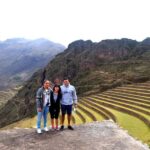
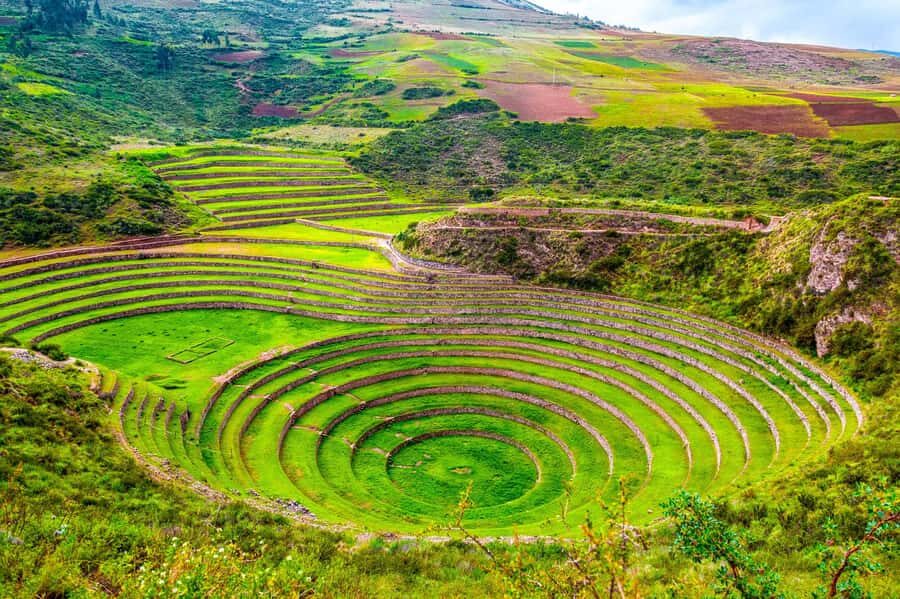
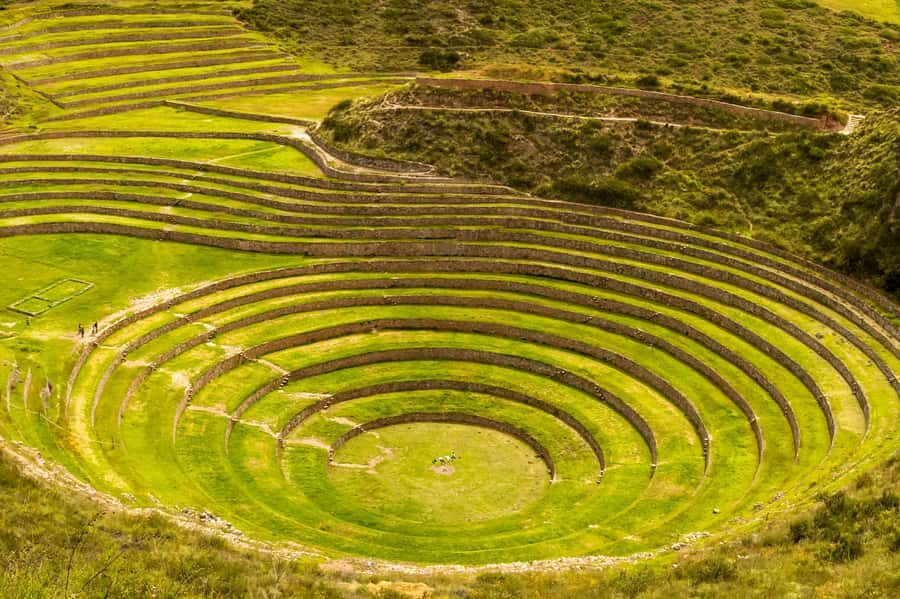
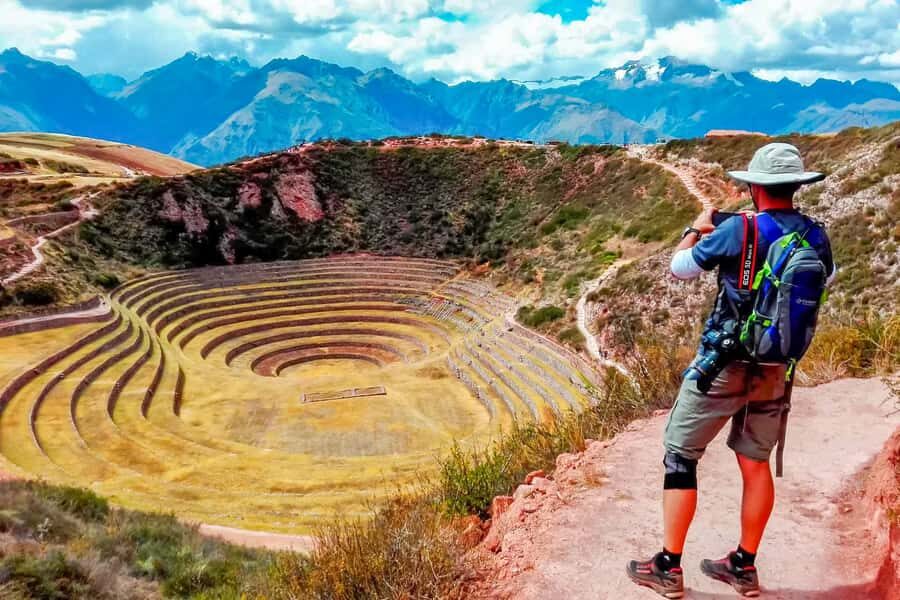
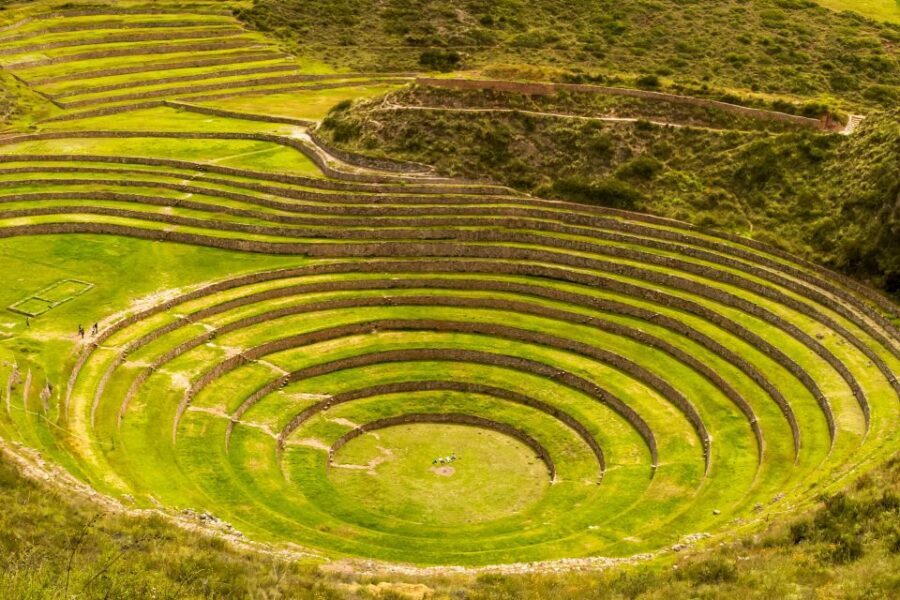
Moray is about 50 km northwest of Cusco, and the moment you see it, you get why it’s famous. The site features circular agricultural terraces built into natural sinkholes on a limestone plateau overlooking the Urubamba Valley. These terraces aren’t random—they’re a carefully arranged system that lets the Incas control conditions for growing crops.
What makes Moray fascinating is that it’s described as an agricultural testing ground. You’ll hear that it may have had cosmological meaning too, but the exact purpose beyond farming remains unclear. That uncertainty is part of the charm. You’re not just looking at ruins; you’re looking at an idea the Incas built into stone—then leaving with questions.
From a practical standpoint, Moray is also a good opener for the day. It gets your mind into “Inca engineering mode” before you move on to Maras and later Ollantaytambo. If you arrive with even a basic curiosity about how the Incas adapted to altitude and microclimates, Moray will click.
The main consideration at Moray is time. Since the whole day is only about 6 hours, you’ll want to be ready when your group moves. If you want specific angles for photos (especially looking down into the terraces), pick a spot early and work fast. It helps to keep your water and sunscreen accessible so you don’t lose time to rummaging.
Maras Salt Evaporation Ponds: 3,000+ Pools Still Producing
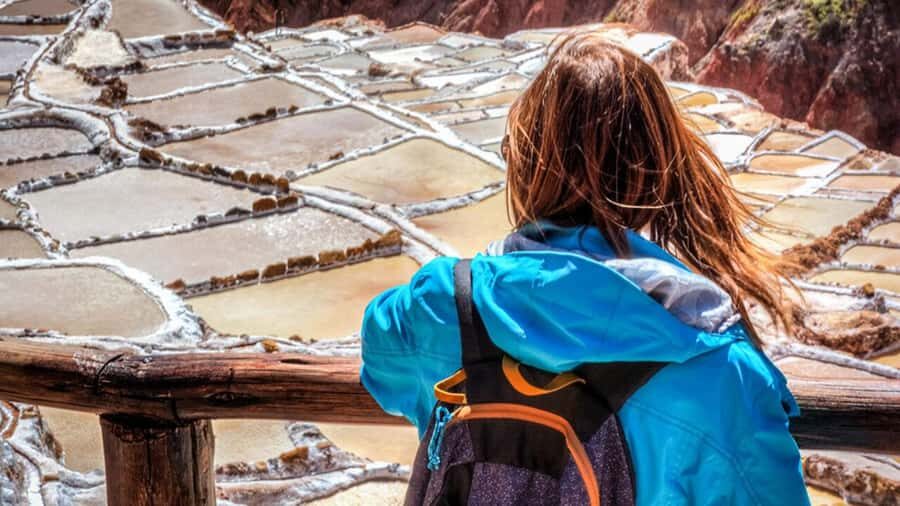
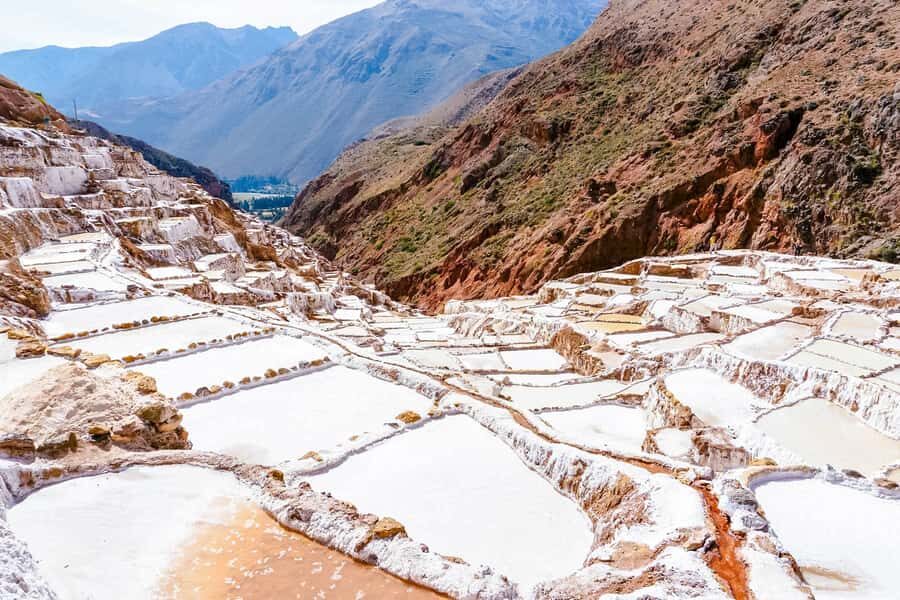
Next up is Maras, a colonial village in the Sacred Valley area, best known for salt. The salt evaporation ponds are about less than 1 km west of the town and sit upslope. In plain terms: you get views, you get geometry, and you get a working landscape made of thousands of small pools.
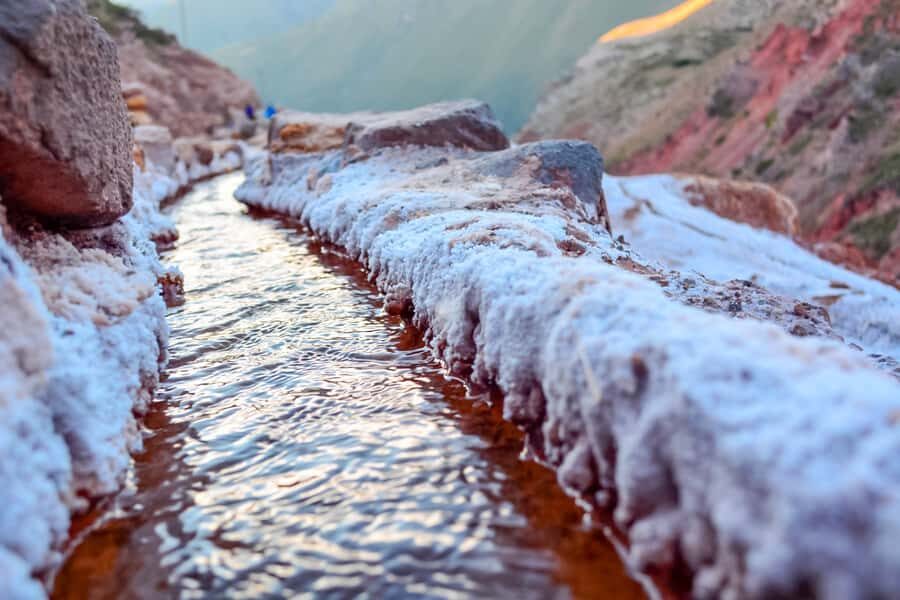
This is one of those places where the “tourist attraction” label feels too small. The ponds have been used since Inca times, then continued through colonial periods, and they’re still used today. So when you look at all those pools—more than 3,000—you’re not just seeing a historical artifact. You’re seeing a system that kept running.
Here’s what to pay attention to while you’re there:
- The way the ponds step upslope, which helps explain how evaporation works with the sun and airflow
- How the site is organized around small, distinct units rather than one big salt field
- The overall scale: 3,000+ pools is hard to fully grasp until you’re standing close
Value tip: plan for the extra costs here. The tour price doesn’t include the salt mine entrance. You’ll also likely need to budget for the touristic ticket fee and then pay the specific salt mine entrance separately. One helpful takeaway from past experiences is this: don’t assume the “70 soles” reference covers everything. Build in extra money for salt mine entry so there’s no stress at the counter.
Urubamba Buffet Lunch: Simple Fuel Before More Walking
After the salt and terrace stops, you’ll have lunch in the nearby small town of Urubamba. This is a buffet lunch, which matters because it keeps you from gambling on finding a good meal on your own with a schedule pulling you along.
I like this lunch stop for one reason: it gives you a real reset. The morning includes driving and two very different kinds of sites—Moray’s quiet, technical terraces and Maras’s busy, visually packed salt pools. A proper meal helps you stay focused at Ollantaytambo later, when you’ll likely do more walking and want your energy.
What I’d do if you’re trying to travel smart: eat earlier in the lunch window if you can. Buffets can get slower as groups arrive, and you’ll want time to digest before the drive toward Ollantaytambo.
Also, remember that lunch is included, but other meals are not. So if you’re hungry before pickup or after the tour ends, plan to eat before you start or afterward in Ollantaytambo.
Ollantaytambo Ruins and Wiracocha Rock Formations: Why This Site Feels Powerful
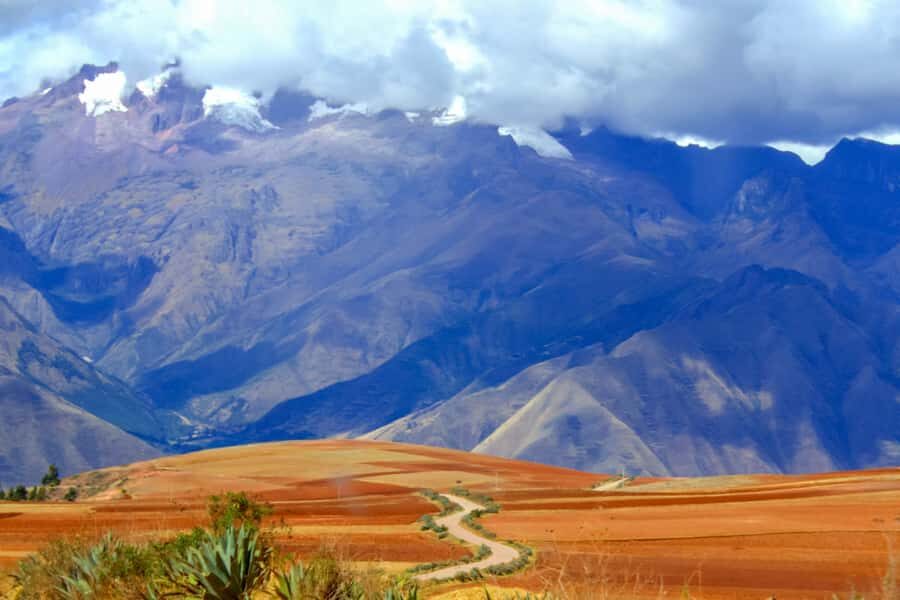
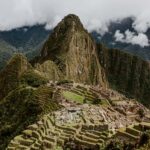
You’ll drive along the Urubamba River toward Ollantaytambo. The drive is part of the experience, because it connects the dots of the Sacred Valley geography. Then you reach the ruins—one of the most important areas of Incan construction, built during the Incas’ heydays.
Ollantaytambo is extraordinary partly because it feels layered. You’re looking at Inca rockwork and architecture, but there’s also a spiritual reading: rock formations are described as representing the Inca god Wiracocha. That matters, because it changes how you look at the stones. Instead of seeing only walls and terraces, you start scanning for shapes and meaning.
If you’re trying to photograph, Ollantaytambo is usually where people slow down. The stones, the angles, and the “reading the scene” feeling make it hard to rush. That said, your tour still ends around 3pm. If you know you want a few signature shots, plan to move with the group early, then spend your energy on the best spots rather than wandering and hoping time will stretch.
One more practical detail: you’re dropped off at Plaza de Armas in Ollantaytambo. That’s convenient. It also means you should sort your next steps soon after the tour, because you’ll want to get to your train station with enough buffer.


Price and Ticket Costs: Is $49 Good Value?
At $49 per person for a roughly 6-hour tour, this is priced in the “budget-friendly but not free” category. The included value is meaningful:
- Transfer from your Cusco hotel
- Transport throughout the day
- A bilingual guide (English/Spanish)
- Buffet lunch in Urubamba
- Drop-off in Ollantaytambo’s Plaza de Armas
But you still need to budget for paid entries. The touristic ticket is listed as S/70.00 per person, and entrance to the salt mines is not included. Based on real-world experience from past guests, you should expect that the “S/70 soles” information might not be the entire fee for Maras. So treat your spending estimate like this: the tour price covers the day with included transfers and guides, while you handle the on-site entries separately.
My take: if you’re okay with paying entry fees on the ground and you want a tight, structured route with lunch handled, this price is fair. If you dislike any uncertainty about cash costs and you want every fee baked in, you may feel friction.
Timing, Group Pace, and How to Avoid Getting Rushed
This is a small group tour limited to 15 people, which helps. But “small group” doesn’t automatically mean “slow.” The day runs from about 06:30am pickup to around 3pm drop-off, and each stop has to fit the schedule.
Here’s how to protect your experience:
- Be ready for pickup at 06:30am, even if it’s around that time rather than exact to the minute.
- At each site, ask your guide clearly where everyone meets next. Use your ears, but also be proactive.
- If you care about photos, focus on what you want most at each stop. Don’t try to photograph everything.
- Keep your belongings light. Large bags aren’t allowed, and luggage can slow you down.
Some past experiences weren’t great due to a guide moving quickly or not giving much direction. That’s not something you can control. You can control how prepared you are: keep an eye on the group, and don’t wait for instruction when the meeting point is critical.
Also, watch your train. The tour ends around 3pm with drop-off at Plaza de Armas. If your train leaves before 3pm, you’re likely out of sync. Build in time to walk, find your platform, and calm down before boarding.
Who Should Book This Cusco: Maras, Moray, and Ollantaytambo Tour
This tour makes the most sense if:
- You want Sacred Valley highlights in one day without coordinating multiple tickets and transport
- You’re comfortable with an organized route and moderate walking
- You like seeing living history, especially the salt ponds at Maras
- You have a train out of Ollantaytambo and need a drop-off timed for later in the afternoon
It’s also a good fit if you enjoy agricultural and engineering stories as much as monuments. Moray and Maras give you that “how the Incas worked with nature” angle.
It may not suit you if:
- You need wheelchair access (the tour is not suitable for wheelchair users)
- You want lots of unstructured time at sites
- You dislike paying separate entrance fees on the day
If you’re traveling with a strict sightseeing checklist and limited time in Cusco, this is a strong use of a single day.
Should You Book?
I’d book this tour if you want a straightforward Sacred Valley day with Moray terraces, Maras salt ponds, and Ollantaytambo ruins—plus lunch and transport handled. The small group cap and bilingual guide add comfort, and the drop-off in Ollantaytambo is train-friendly as long as your departure is after 3pm.
Skip or reconsider if you’re very sensitive to pace, you hate additional entry costs, or you need accessibility support. This isn’t a slow museum day. It’s a “see the key sites and move on” day—good for most people with limited time, as long as you plan around the on-site fees and keep a close eye on timing.
FAQ
What time do you pick me up in Cusco?
Pickup is included from your accommodation in Cusco around 06:30am.
How long is the tour, and when do you end?
The duration is 6 hours, and the tour ends around 3pm.
Where do you drop me off in Ollantaytambo?
You’ll be dropped off at the main square (Plaza de Armas) in Ollantaytambo.
Is lunch included?
Yes. Lunch is included as a buffet in Urubamba.
What extra costs should I expect?
The touristic ticket is listed as S/70.00 per person, and entrance to the salt mines is not included.
What languages does the guide speak?
The guide is bilingual, with Spanish and English.