REVIEW · CUSCO
Private Tour: 2-Day Exploration of the Sacred Valley and Machu Picchu
Book on Viator →Operated by Inkayni Peru Tours · Bookable on Viator
Two days. One big wow in the clouds. This private tour strings together the Sacred Valley and Machu Picchu with pick-up in Cusco, a train down to Aguas Calientes, and a guided visit that’s paced for real people, not a stampede. If you want the highlights without spending days planning logistics, this format is built for you.
What I like most is the practical, built-in transport: round-trip train tickets to Machu Picchu are included, plus the bus rides up to the site. I also love having a private, bilingual guide and vehicle, so you’re not stuck waiting for strangers or losing time to translation gaps.
One thing to think about: you’ll likely pay for some extras. Entrance fees for Chinchero, Moray, and Maras aren’t included, and if you want Huayna Picchu or Machu Picchu Mountain you’ll need that separate ticket too. Also, the overnight base is 3-star and can feel basic in a small-town way.
In This Review
- Key reasons this 2-day plan works
- A fast, private route from Cusco to Machu Picchu
- Day 1: Chinchero, Moray, and Maras Salt Mines in one connected sweep
- Chinchero: Inca walls, a textile center, and the living village feel
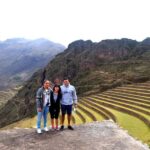
- Moray: circular terraces that feel like science
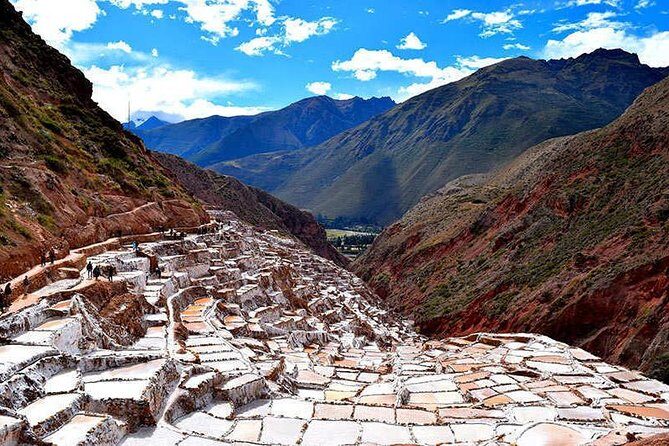
- Maras Salt Mines: thousands of salt pools
- A note on entrance fees for Day 1
- Train down to Aguas Calientes: scenic and a little basic
- Hotel night in Aguas Calientes: what to expect and how to prep
- Day 2: early bus up to Machu Picchu and a guided plan you can actually follow
- Walking the site with trails and timing in mind
- If the weather hits: you still win with the guide
- Lunch and downtime in Aguas Calientes
- Optional peak tickets: Huayna Picchu or Machu Picchu Mountain
- Value and price: is $549 actually a good deal?
- Your guide and small on-the-ground moments (Yeny’s impact)
- Small comfort and practical tips you’ll be glad you packed
- Should you book this 2-day Sacred Valley and Machu Picchu tour?
- FAQ
- FAQ
- What time does the tour start in Cusco?
- Is the Machu Picchu train ticket included?
- Are the Machu Picchu bus tickets included?
- Is the Machu Picchu entrance fee included?
- Are Huayna Picchu and Machu Picchu Mountain included?
- Are meals included?
- Is there an extra cost for Sacred Valley entrances?
- What kind of tour is this: private or group?
Key reasons this 2-day plan works
- It’s private: your guide and vehicle are just for your group, so timing feels calmer.
- You’re not left to figure out trains and buses: round-trip rail plus bus tickets to Machu Picchu are included.
- Sacred Valley has variety: Inca ruins and terraces in Chinchero, Moray, and Maras Salt Mines all in one day.
- You get a guided Machu Picchu entry: the visit is explained, not just self-guided wandering.
- Morning access matters: you board an early bus to Machu Picchu, which helps you beat the worst crowds.
- You can add a second peak: Huayna Picchu or Machu Picchu Mountain are optional upgrades with separate tickets.
A fast, private route from Cusco to Machu Picchu
This is the kind of trip you book when you have limited time but still want the real experience: Sacred Valley first, Machu Picchu second, with transport stitched together for you. The starting point is Cusco, with an 8:00 AM hotel pickup, so your days don’t drift into wasted mornings.
Because it’s private, you get a smoother rhythm. You’re still on the go—this is Peru, not a spa weekend—but it feels controlled: you know what you’re doing next, and your guide can adjust when timing gets tight. That’s a big deal on Machu Picchu days, where buses, entry times, and walking paths can make a group tour feel chaotic.
You can also read our reviews of more private tours in Cusco
Day 1: Chinchero, Moray, and Maras Salt Mines in one connected sweep
Day 1 is all about the Sacred Valley’s mix of everyday Andean life and old Inca engineering. You’ll start with Chinchero, then Moray, then Maras Salt Mines—three stops that each teach you something different about how Incas used the land.
Chinchero: Inca walls, a textile center, and the living village feel
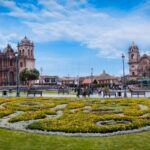
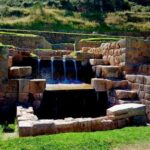
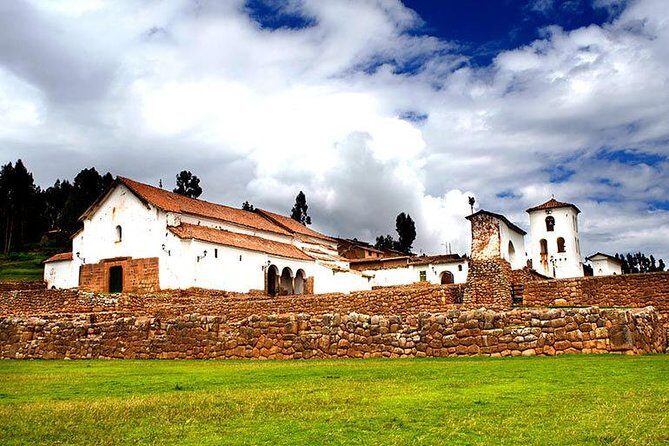
Chinchero sits at about 3,762 masl. It’s a small place with big visual payoff: you’ll see well-preserved Inca walls and altars, plus a lively main square atmosphere. The tone here is more local than “only tourist stage,” which I appreciate.
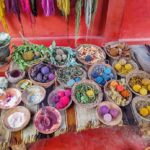
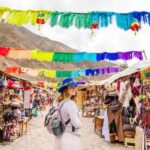
You’ll also visit a textile center where Andean weavers demonstrate ancestral dyeing and weaving techniques. This is one of the best ways to understand why patterns and colors matter in Andean culture. The practical part: if you want to buy, have your budget in mind before things start feeling personal. In my opinion, Chinchero can be a bit commercial compared with the quieter feeling later in the day, and the sales pressure can be noticeable if you’re not in a shopping mood.
Moray: circular terraces that feel like science
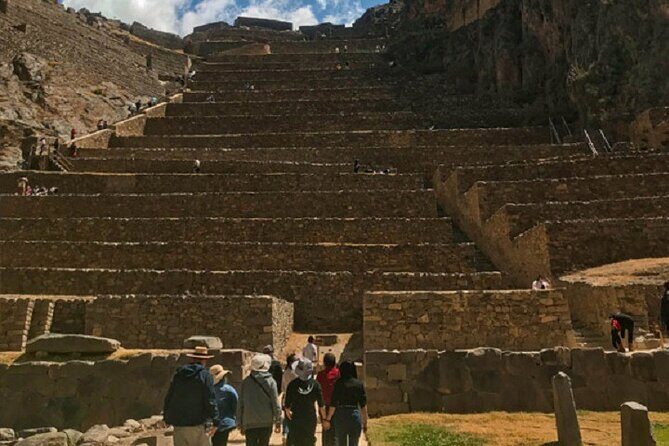
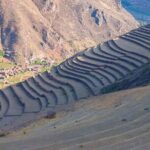
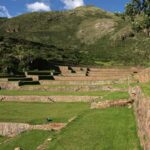
Next comes Moray (around 3,500 masl), famous for its circular terraces. On paper, it sounds like a quirky photo stop. In person, it’s more intriguing. The terraces create different micro-conditions across levels, and that’s the point: the site was used like an agricultural experiment space.
This stop is a good mental break from the sales side of Chinchero. It’s also less hectic, which matters when you’re trying to take in details without feeling rushed.
Maras Salt Mines: thousands of salt pools
Then you head to Maras Salt Mines (around 3,380 masl). This is the “wow” stop, even if you’ve seen pictures. You’re looking at roughly 3,000 salt pools fed by a mineral-rich spring. The view feels like a patchwork—bright, geometric, and surprisingly calm.
The best way to enjoy Maras is to slow down. Stand back for the full pattern, then walk a bit to notice how the pools sit in the slope. It’s the kind of place where your camera can’t capture the full texture of the scene.
A few more Cusco tours and experiences worth a look

A note on entrance fees for Day 1
Entrance tickets for Chinchero, Moray, and Maras are not included. So you should plan for about $25 in total for these stops. It’s not a deal-breaker, but it’s the difference between thinking the tour price is “all in” versus knowing where the gaps are.
Train down to Aguas Calientes: scenic and a little basic
After your day of stops, you board a scenic train in Ollantaytambo and travel to Aguas Calientes (about 2,040 m). The train is included round-trip, and this is exactly what you want if you’d rather not wrestle with schedules.
One reality check: this is not a luxury rail experience. Expect “basic” service and comfort rather than a premium ride. It still gets you where you need to go without hassle, which is the real value.
You’ll arrive in Aguas Calientes and check into your hotel for the night. Your accommodation is 3-star (Golden Sunrise Hotel or similar) based on double occupancy, so your expectations should match the setting: it’s a small-town base used by Machu Picchu visitors, not a big-city resort.
Hotel night in Aguas Calientes: what to expect and how to prep
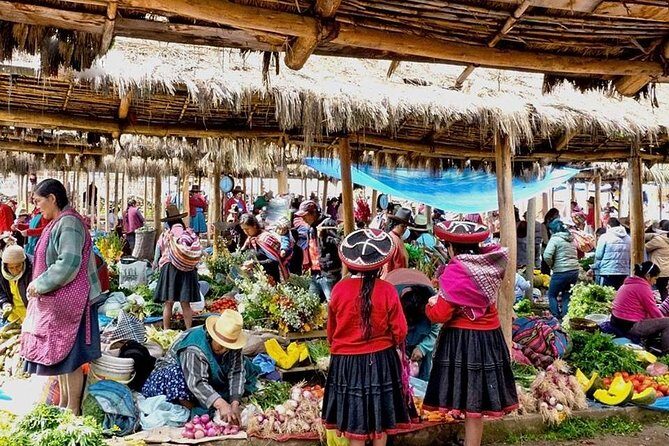
Aguas Calientes is where you sleep before the Machu Picchu morning scramble. The big upside is sleep and convenience—you’re close enough to start early without drama.
The downside is that this town is geared toward short stays. The hotel is 3-star and can feel rustic. In one case, the bathroom situation was described as having ants and bugs, which is the kind of thing that can instantly turn a “fine enough” room into a problem.
So here’s my practical advice: pack light insect protection (even something simple like a basic repellent or wipes). And if you’re sensitive to bathroom hygiene surprises, keep an open mind and bring your own comfort items.
Breakfast is included, and it matters here because the next morning starts early. You’ll want fuel, not just caffeine.
Day 2: early bus up to Machu Picchu and a guided plan you can actually follow
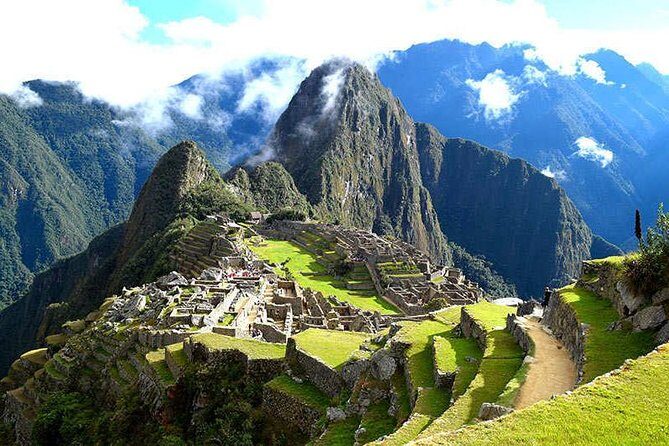
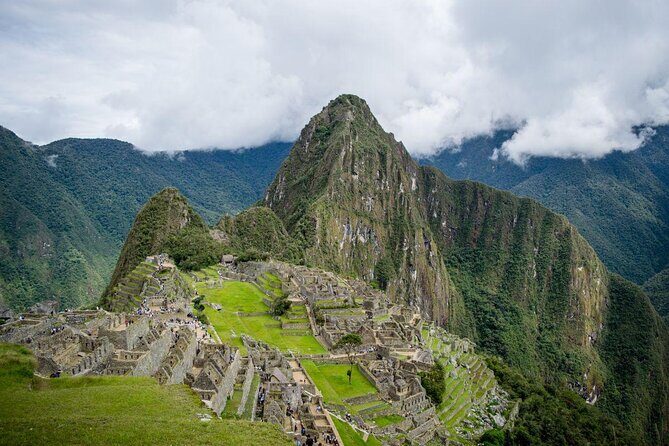
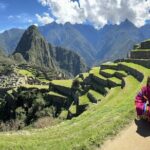
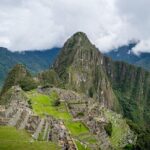
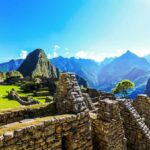
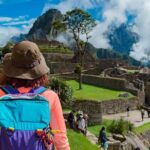
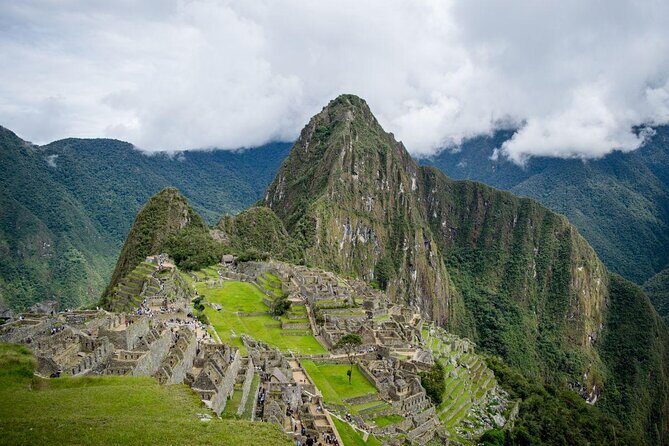
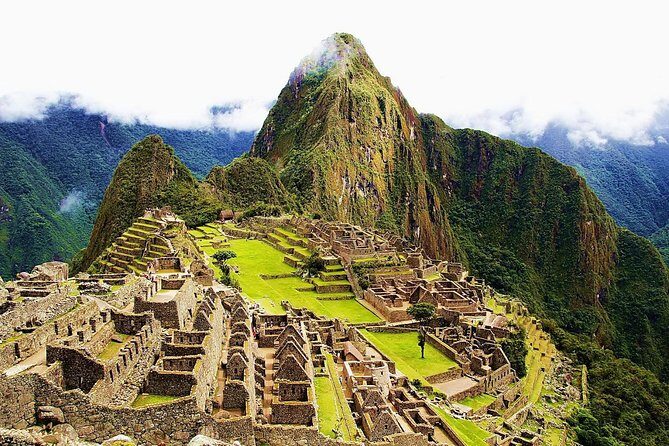
Day 2 starts with breakfast, then one of the morning buses to Machu Picchu. Once you enter the citadel, your guide leads you through an in-depth tour focused on the features that make Machu Picchu more than a postcard.
You’ll cover temples, ceremonial areas, terraces, and storage structures—plus the stories that connect them. The goal is to help you understand what you’re seeing while you’re walking, not after you’ve left.
Walking the site with trails and timing in mind
Machu Picchu is steep, uneven, and full of choices. Having a guide helps you pick smart routes. In one experience, the route used trails 1 and 3, which is useful info if you like knowing that you’ll be walking real paths rather than only skimming the easiest circuit.
Even with a guided plan, bring the right mindset: you’re there for views and discovery, not a leisurely stroll.
If the weather hits: you still win with the guide
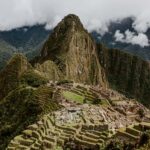
Weather in the mountains is unpredictable. On one birthday day, it rained and clouds hid much of the view. That’s outside anyone’s control. The key difference was that the guide kept things moving and helped the group focus on what Machu Picchu still offers under clouds: stone details, layout, and the logic behind the structures.
So if rain happens, don’t assume the day is ruined. You can’t control the sky, but you can control how prepared you are and how you use your guide’s explanations.
Lunch and downtime in Aguas Calientes
After the guided tour, you return to Aguas Calientes for rest and lunch. You then train back to Ollantaytambo, where a private van brings you back to Cusco.
One practical catch: you might have a longer wait in Aguas Calientes depending on your train schedule. In a real scenario, the tour ended earlier than expected, but the train time meant hanging around until mid-afternoon. Nothing wrong with that, but it’s good to know so you don’t burn energy expecting an immediate departure.
Optional peak tickets: Huayna Picchu or Machu Picchu Mountain
If you secure an additional ticket in advance, you can explore either Huayna Picchu or Machu Picchu Mountain. This is a big upgrade, because these climbs change the feel of Machu Picchu—you’re rewarded with a different perspective and more “above the citadel” views.
Important: those extra entrance fees are not included. So treat this as a planning decision, not an automatic add-on.
If you’re choosing, think about your fitness and comfort with stairs and steep paths. If you’re sensitive to heights or have limited walking tolerance, you’ll want to be realistic about how much climbing you can handle on top of the main Machu Picchu circuit.
Value and price: is $549 actually a good deal?
At $549 per person for about two days, you’re paying for convenience plus coordination. The tour includes:
- 1 night in a 3-star hotel (Golden Sunrise Hotel or similar)
- Breakfast
- Expedition train to Machu Picchu (round trip)
- Hotel pickup and drop-off
- Private transportation for both days
- Buses to Machu Picchu (round trip)
- Entrance fee to Machu Picchu
When you compare that to the cost of booking trains, buses, and a guided entry separately, the price can look reasonable—especially if you prefer not to spend your vacation threading the needle between schedules.
Where the value shifts is in what’s not included. Meals are not included, and entrances to Chinchero, Moray, and Maras add about $25. Huayna Picchu or Machu Picchu Mountain costs extra if you want them.
Also, train class and hotel quality are not “luxury.” That’s fine if your goal is experiences and access, not a plush room and fancy rail service.
One more timing detail: this tour tends to get booked about 86 days in advance on average. That’s your hint to reserve early, especially for the most popular Machu Picchu entry windows.
Your guide and small on-the-ground moments (Yeny’s impact)
A good guide can make Machu Picchu feel like a story you’re inside of, not just ruins you’re photographing. In one account, the guide Yeny stood out for being thoughtful and very good at keeping things smooth through the day’s moving parts.
You might run into small admin hiccups any time you travel. In that same situation, the guide forgot to collect final payments at the end. The practical takeaway: stay aware of what you still need to pay or confirm with your operator so nothing lingers after the trip.
Small comfort and practical tips you’ll be glad you packed
Machu Picchu isn’t only about views—it’s about footing, weather, and energy management. Here are the most useful tips based on how this kind of trip typically plays out:
- Bring walking sticks if you have them. Stairs and uneven stone are real. One small aid can save your knees.
- Plan for rain. A Poncho or light rain layer helps more than you think, especially with clouds and damp stone.
- Expect basic on-train and village-hotel conditions. If you’re the type who gets bothered by bugs, pack accordingly.
- Have cash or a payment plan for extra entrances and meals. Meals aren’t included, and some attractions have separate fees.
If you keep these in mind, the tour stays what it promises: efficient and personal, without you constantly dealing with logistics.
Should you book this 2-day Sacred Valley and Machu Picchu tour?
You should book if you want:
- A time-efficient way to see Sacred Valley and Machu Picchu in one go
- A private guide and vehicle so the pace feels human
- Included train tickets and bus transport, so you’re not juggling schedules
You might think twice if:
- You’re expecting a top-tier hotel or luxury rail experience. This is 3-star and basic by nature of the town.
- You hate extra costs. There are entrance fees on Day 1 and optional peak tickets if you want them.
- You need fully guaranteed weather and clear skies. The day can be cloudy or rainy, though the guide experience still helps.
One more practical note: this experience is non-refundable and can’t be changed for any reason. So only book if your dates are truly set.
If your goal is to get to Machu Picchu without turning your vacation into a logistics project, this 2-day private plan is a strong bet.
FAQ
FAQ
What time does the tour start in Cusco?
The pickup starts at 8:00 AM from your hotel in Cusco.
Is the Machu Picchu train ticket included?
Yes. Round-trip train tickets to Machu Picchu are included.
Are the Machu Picchu bus tickets included?
Yes. Buses to Machu Picchu (round trip) are included.
Is the Machu Picchu entrance fee included?
Yes. The entrance fee to Machu Picchu is included.
Are Huayna Picchu and Machu Picchu Mountain included?
No. Huayna Picchu entrance is not included, and Machu Picchu Mountain is only possible if you have an additional ticket secured in advance.
Are meals included?
No. Meals are not included.
Is there an extra cost for Sacred Valley entrances?
Yes. Entrance fees for Maras, Moray, and Chinchero are not included, and the day 1 estimate is $25.00.
What kind of tour is this: private or group?
It’s a private tour/activity, meaning only your group participates.