REVIEW · CUSCO
Inca Jungle Trail to Machu Picchu in 4 Days
Book on GetYourGuide →Operated by Reserv Cusco · Bookable on GetYourGuide
You’re signing up for jungle motion and Machu Picchu magic. This 4-day Inca Jungle Trail blends hard-earned views, a downhill bike you actually feel in your legs, and a guided arrival at Peru’s most famous ruins.
I especially like how the day-to-day changes fast: high passes and cold wind on the bikes one day, humid forest and hot springs the next. I also like that Machu Picchu comes with a private guide for about 3 hours, so you’re not just herded in and out. One possible drawback: the first night in Santa María can be pretty basic, and in at least one booking it didn’t sound great for cleanliness—so you’ll want realistic expectations.
In This Review
- Key takeaways before you commit
- From Cusco to Abra Málaga: the launch point for your downhill bike
- Santa María to Santa Teresa: coffee, coca, and hot springs time
- Hanging bridges, Vilcanota oroya, and the Inti Watana stop toward Aguas Calientes
- Machu Picchu day: a private guide around 3 hours, then the train back
- Food, lodging, and the jungle reality check
- Price and logistics: is $485 good value here?
- Who should book this, and who should skip it
- Prep tips: pack smart so the jungle days feel fun
- Should you book the Inca Jungle Trail to Machu Picchu?
- FAQ
- How long is the Inca Jungle Trail to Machu Picchu?
- What time do we start in Cusco?
- Is Machu Picchu entrance included?
- Are train tickets back to Cusco included?
- What meals are included during the trip?
- Is bike equipment included?
- Do I need a passport?
- Is this tour suitable if I’m pregnant?
Key takeaways before you commit
- A 40 km downhill bike ride is the headline, with cold wind possible at altitude—pack for it.
- Abra Málaga sits around 4,350 m, then you start descending fast, changing the vegetation as you go.
- Inca trail segments plus ruins (including stops like Wamanmarca) make the hiking feel more than scenic wandering.
- Hanging bridges and a Vilcanota oroya crossing add real adrenaline and jungle-life spotting.
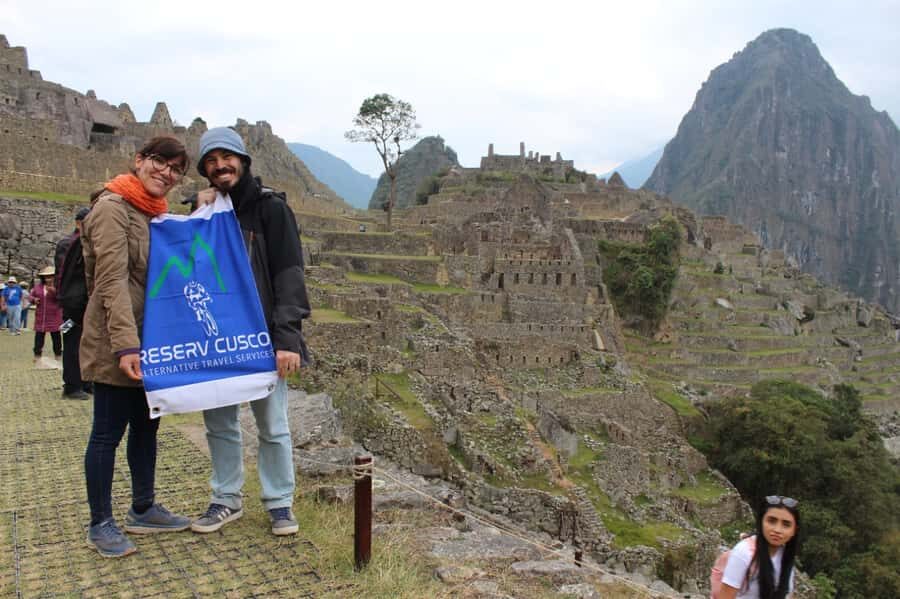
- Machu Picchu entrance is included, plus a 3-hour private guide for better pacing and explanations.
- Hot springs and full meals are included, but the last lunch and optional add-ons cost extra.
From Cusco to Abra Málaga: the launch point for your downhill bike
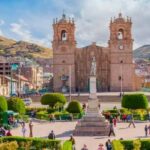
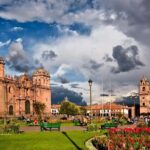
Your day starts in Cusco, with departure time between 7:45 am and 8:00 am and a pickup process that begins with your hotel lobby. You’ll meet at the reservation office as part of the handoff, then roll out with panoramic views of Cusco before you head toward Chinchero / Ollantaytambo.
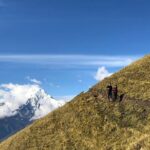
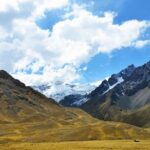
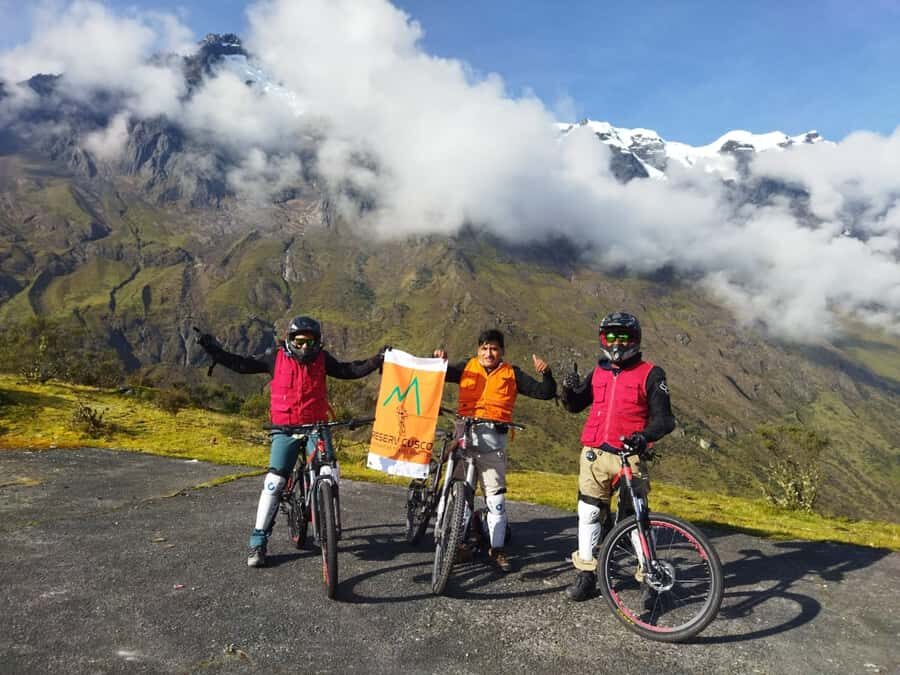
The big moment early on is the climb to around 4,350 m at Abra Málaga. This is where the tour earns its name. You go from the Andean highlands into a steep descent, and—this matters—you’ll feel it right away. At this height, even a day that feels mild in the city can turn cold, and fog can change conditions. The trip is set up so your guide can make judgment calls (especially if fog is around), which is a comfort if you’re not excited about guessing how a mountain morning will behave.
Then comes the bike portion. After descending from the vehicle, you start on bicycles and spend time riding through the valley’s shifting zones. The route is described as starting with dry scrub and haystack-like vegetation at higher elevations, then gradually turning greener as you lower altitude. It’s not just scenery; it’s why this route works. Each drop in elevation is like turning a dial on the ecosystem.
The day also includes an Inca-side cultural stop: you visit ruins at Wamanmarka (described as Wamanmarka-elalmuerzo) along the way. The point here isn’t only the stones. It’s that the ruin stop breaks up the bike ride and gives your brain a “pause button” while you’re moving fast.
After about 3 hours of biking, you reach Santa María at roughly 1,430 m. You’ll settle into a basic service lodge for your first night, with dinner included. One detail worth knowing: this is humid forest country, and you’re moving into a different climate than the dry highlands you started in. That means you may feel damp in your clothes long before night even arrives.
If you’re thinking about gear: I’d treat day 1 like a “layers day.” A lot of the comfort comes from staying warm enough at the start so you can enjoy the ride later.
A few more Cusco tours and experiences worth a look
Santa María to Santa Teresa: coffee, coca, and hot springs time
Day 2 is the warm-up for what the jungle version of Peru feels like. You’ll have breakfast with fruit—bananas, oranges, papayas, and other regional options, plus juices. Then you move early onto trails through thick vegetation where you can see coffee cultivation along the way.
The tour also points out coca as a sacred Inka plant. That’s useful context. Even if you’ve read about coca before, seeing how it’s treated here helps you understand why it’s not only about modern debates—it’s also tied to longstanding Andean culture and tradition.
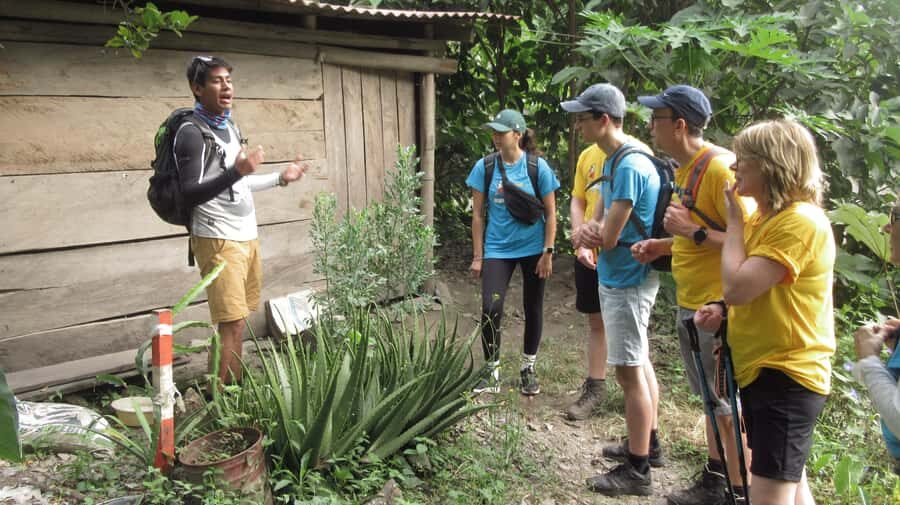
You’ll walk along original Inca trails, and the route is framed as part of the old road system (with modern time doing what modern time does—meaning some historic paths have changed or are no longer continuous for travelers). Expect sweat. Expect a hike that feels like work at the same time it feels like you’re earning the next breath of air.
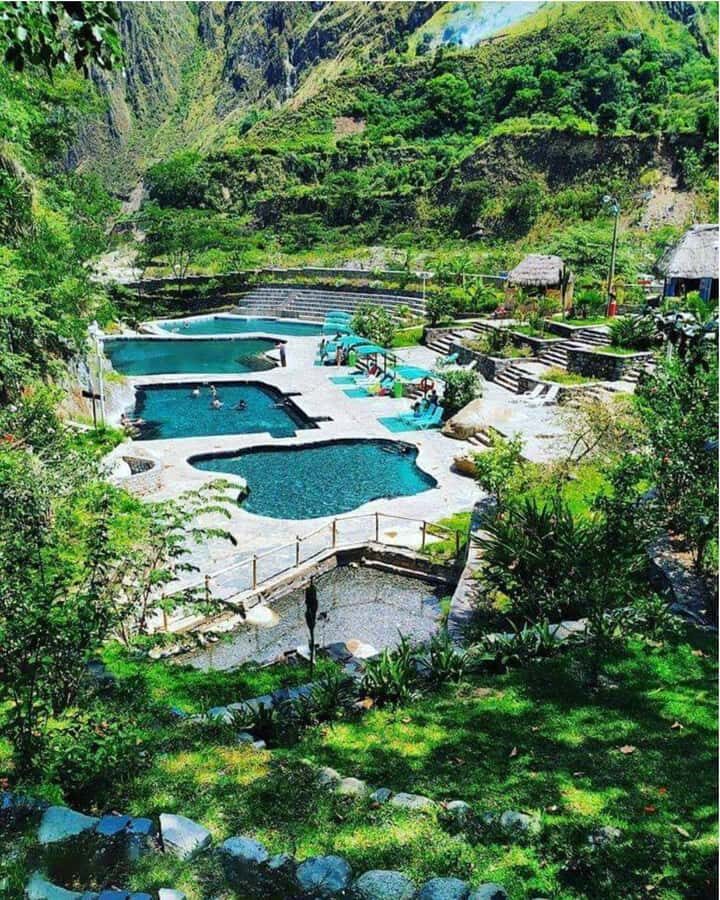
Later, you get your payoff: thermal/medicinal baths at Santa Teresa. These hot springs are one of the few parts of the trip that feels like pure recovery. The logic is simple: day 2 has you hiking and walking, and you finish with water that helps your body stop screaming for a night.
Lunch and rest happen in Santa Teresa, and then dinner is on the plan for the next night. The day is designed to build from “bike-day intensity” into “hike-day rhythm,” which is exactly how you want it if you don’t want to burn out before Machu Picchu.
Hanging bridges, Vilcanota oroya, and the Inti Watana stop toward Aguas Calientes
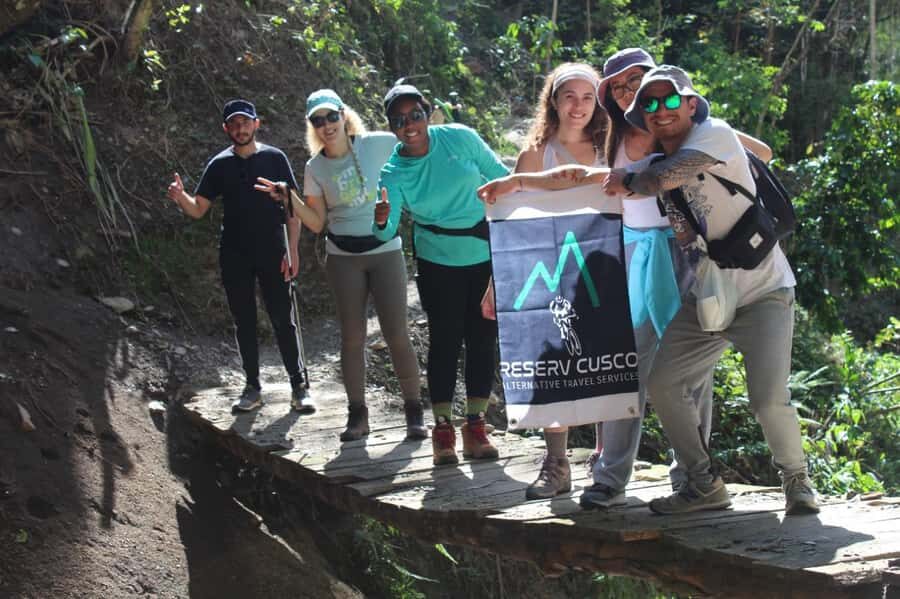
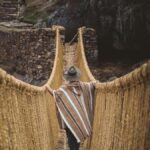
On day 3, the mood shifts to more adventure and more wildlife. You head out looking for hanging bridges and then for the crossing over the Vilcanota River using an oroya (a type of cable crossing). This is the adrenaline piece where you test yourself. It’s not a technical stunt you have to train for in advance, but it is the kind of moment that makes you pay attention—your nerves wake up, and you’ll feel the river below.
And if you like nature, day 3 gives you plenty to watch. You’ll have time to spot a wide variety of butterflies, parrots, birds, and insects. This is why the Inca Jungle concept works better than a straight “walk to a viewpoint” itinerary. You’re moving through living jungle, not just passing through it.
There’s also an Inca-themed landmark: Inti Watana (Solar Clock). This stop helps connect the jungle adventure back to the reason you’re really here: Inca astronomy and ritual thinking, not just hiking bragging rights.
Lunch is included, with special mention of avocado of high quality and typical soups. That matters because after day 1 and day 2, you’ll want a meal that feels like it’s fueling you rather than just filling you.
Then you reach Aguas Calientes, the final base area before Machu Picchu. Dinner and a meeting happen here with the last instructions for your Machu Picchu day. Think of Aguas Calientes as your coordination hub: you’re close enough that your attention should shift from adventure activities to timing, entry, and how you want to see the site.
Machu Picchu day: a private guide around 3 hours, then the train back
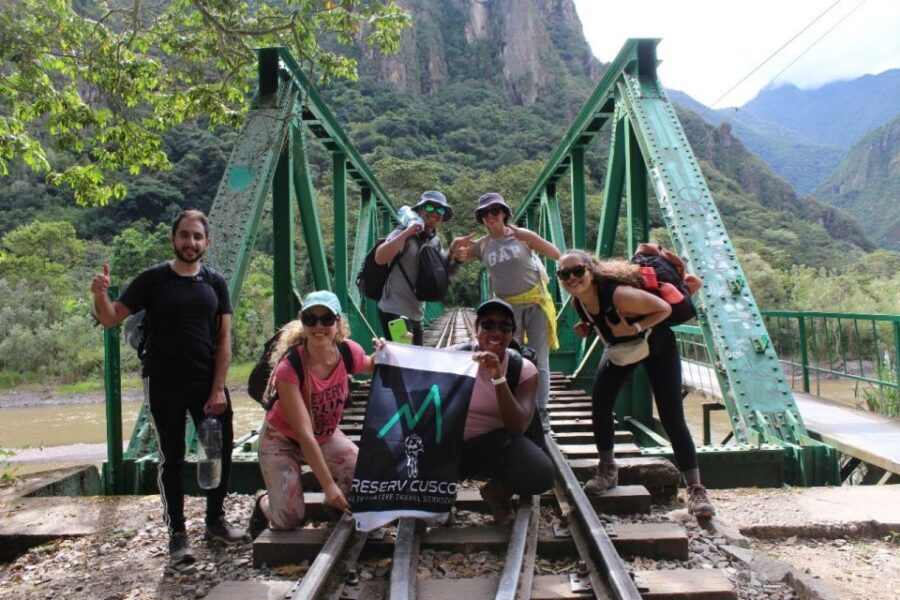
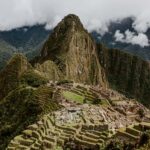
Day 4 is straightforward in concept: you visit Machu Picchu with a private guide for about 3 hours, then you take the train back toward Cusco.
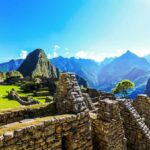
A private guide changes the experience more than people expect. With only a rough group plan, Machu Picchu can turn into photo stops and quick marches. With a guided pace, you can slow down for meaning—why the layout is arranged the way it is, how different areas relate, and what you should notice as you walk.
The tour also includes entrance to Machu Picchu, so you’re not juggling tickets and entry chaos right before your big moment.
One practical note from real-world experiences: if you decide to add an optional activity at Machu Picchu such as a mountain add-on, it can affect whether you stay fully with your original group. That’s not a reason to avoid it. Just plan for extra coordination, and don’t wait until the last minute to ask how it changes your schedule.
After your guided time at the ruins, the train ride back to Cusco comes next. The tour does not include those train tickets, so you’ll need to buy them yourself (a common option is PeruRail).
Food, lodging, and the jungle reality check
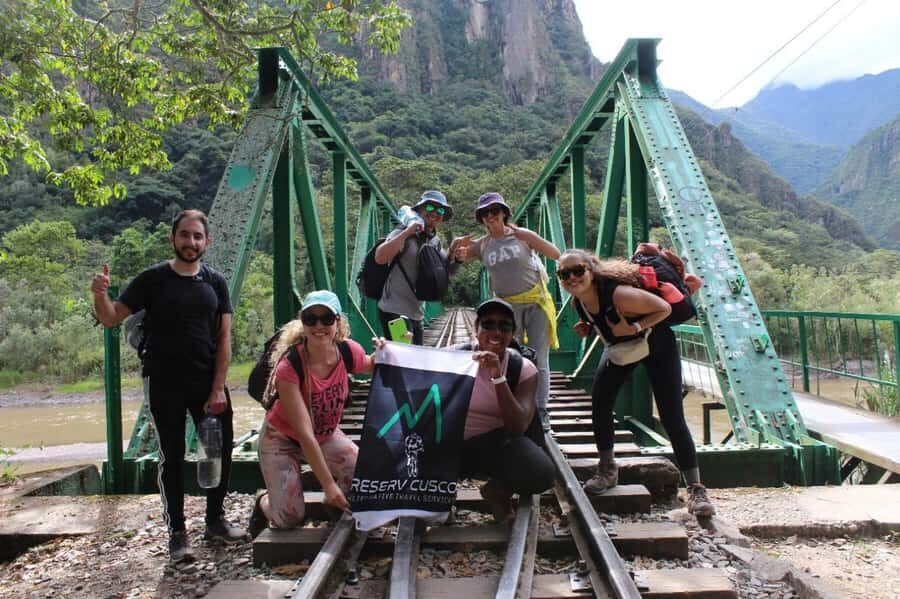
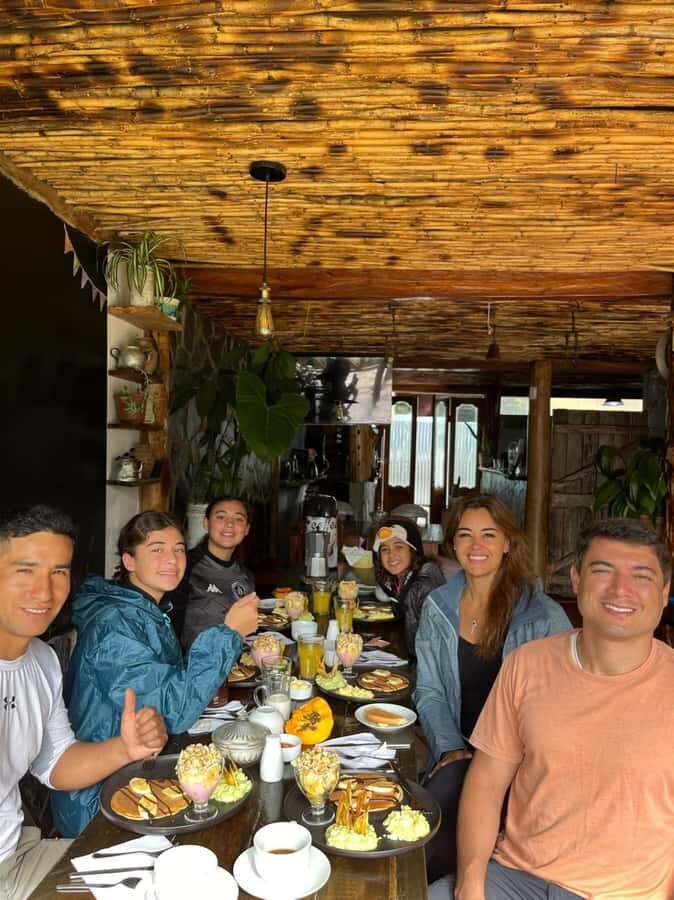
You’ll get breakfast (3), lunch (3), and dinner (3) included. Breakfast is described as fruit-heavy, and lunch and dinner are positioned as satisfying and plentiful. In multiple bookings, the meals get praise for being good and sufficient, so you should feel mostly covered.
The tricky part is lodging expectations. Santa María is described as a basic service lodge, and at least one booking flagged issues like dirt and mold. Another booking suggested the first hotel isn’t ideal for people who are easily stressed by room conditions. After day 1, the other accommodations sound better, but you should still pack with the mindset: this is an adventure route, not a resort.
Also, think about what humidity does to clothes. If your hiking days include dampness, you’ll want a small bag plan for drying things out when you can.
Finally, keep in mind the bike weather. One guide-led group described the bike ride as cold with wind, with advice to keep a jacket and hat handy. That’s exactly the kind of detail that makes the difference between enjoying the downhill and spending it wishing you’d packed better.
Price and logistics: is $485 good value here?
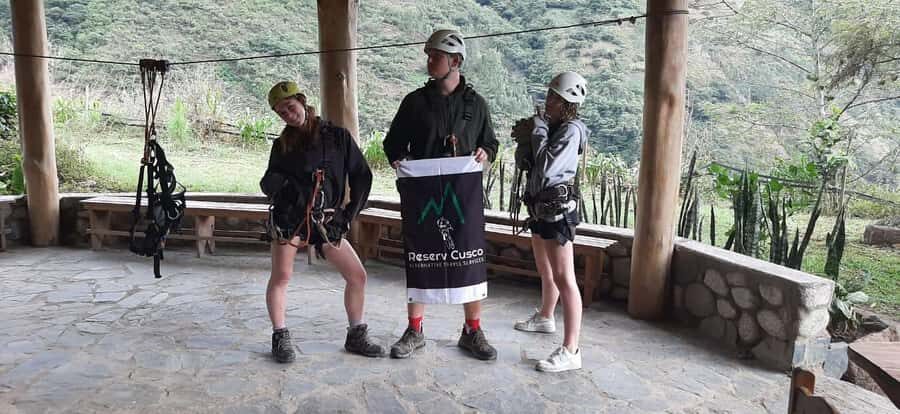
At $485 per person, you’re paying for more than a ticket to Machu Picchu. You’re bundling together:
- Bike equipment
- Private transport on day 1
- A guide (English/Spanish, with other language availability mentioned)
- Entrance to Machu Picchu
- Inca trail segments
- Hot springs stop
- 3 nights accommodation
- Meals: 3 breakfasts, 3 lunches, 3 dinners
The big thing not included is the train tickets back to Cusco, plus your last lunch and any extra activities.
So the value question is: can you handle the tradeoff? If you want the convenience of having logistics handled end-to-end—transport, guide, equipment, Machu Picchu entrance, and most meals—then this price makes sense. If you’d rather control every step yourself, buy train tickets when you feel like it, and pick lodging on your own, then you might find cheaper DIY options.
But this isn’t just “a hike.” It’s also a downhill biking + jungle trek + Inca ruin connections plan that moves you from Cusco into the low jungle, then into Aguas Calientes for Machu Picchu. That combination is where the packaged price earns its keep.
Also worth noting: this is a private group experience, so you’re not sharing the guide and timing with strangers. That matters on a multi-day route where small coordination issues can snowball.
Who should book this, and who should skip it
This is best for you if:
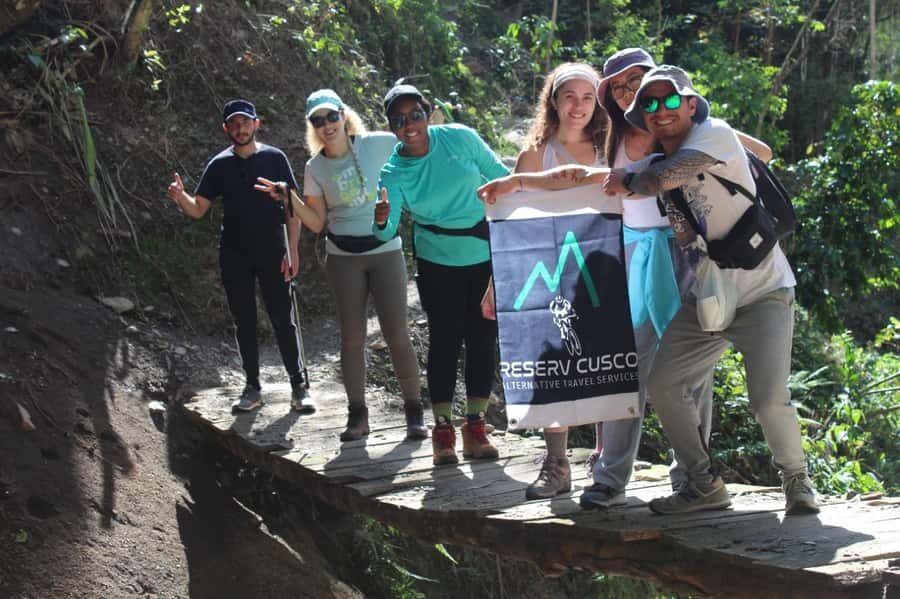
- you’re comfortable with active travel (hiking plus a long ride)
- you like wildlife and jungle walking as much as you like ruins
- you want guided storytelling at Machu Picchu instead of wandering alone
It’s not a good match if:
- you’re pregnant (the tour specifically lists this as not suitable)
- you want an easy, flat hike only
- you expect polished hotel-standard comfort on night one
Fitness expectations aren’t listed in numbers, but you should assume day-to-day exertion. Day 3’s crossing and bridge experience also adds an emotional intensity level: even if you’re physically fine, you’ll be alert.
Language-wise, the experience is available with English and Spanish (and French is also mentioned in the language list). That’s a plus if you’d rather understand the meaning behind what you’re seeing.
Prep tips: pack smart so the jungle days feel fun
Here’s what I’d do to make your trip smoother based on the details you’ve been given:
- Bring your passport (explicitly required).
- Pack a jacket and hat for cold wind during the bike portion.
- Plan for “no extras by default.” Alcohol and drugs are not allowed, and extra activities cost extra.
- Don’t expect baby strollers or pets on the route (not allowed).
- If fog shows up on day 1, trust the guide’s call. The tour already builds in that kind of flexibility.
One more practical idea: if you’re the type who hates uncertainty, ask questions before you choose optional add-ons (like zip line or mountain add-ons). Some add-ons can change how you move on Machu Picchu day, including whether you’re fully tied to your original group schedule.
Should you book the Inca Jungle Trail to Machu Picchu?
I’d book it if you want the full “from high Andes to jungle to Machu Picchu” arc, and you’re excited by the idea of biking downhill for a long stretch. The tour’s biggest strengths are the built-in pacing (rides, hikes, and recovery) and the private guide time at Machu Picchu, which turns the final day into more than a checklist.
I’d pause if you’re very sensitive to lodging conditions, especially on the first night. In that case, ask the operator what to expect for Santa María accommodations, or consider a different route that puts you in better rooms from the start.
If you want adventure with structure, and you’re okay with jungle travel being a little rough around the edges, this one can be a strong value for your time in Peru.
FAQ
How long is the Inca Jungle Trail to Machu Picchu?
The experience runs 4 days.
What time do we start in Cusco?
You leave Cusco between 7:45 am and 8:00 am. You also have a pickup process that involves waiting in your hotel lobby about 10 minutes before the scheduled pickup time, and you’ll meet at the reservation office.
Is Machu Picchu entrance included?
Yes. Entrance to Machu Picchu is included.
Are train tickets back to Cusco included?
No. Train tickets from Machu Picchu back to Cusco are not included, and you’ll need to buy them separately (PeruRail is mentioned as an option).
What meals are included during the trip?
Breakfast is included for 3 days, plus lunch for 3 days and dinner for 3 days. The last lunch is not included.
Is bike equipment included?
Yes. Bike equipment is included for the cycling portion.
Do I need a passport?
Yes. You should bring your passport.
Is this tour suitable if I’m pregnant?
No. It is not suitable for pregnant women.