REVIEW · CUSCO
Ancascocha Trek To Machu Picchu 4 Days And 3 Nights
Book on Viator →Operated by Action Peru Treks · Bookable on Viator
Footprints beat crowds here. This 4-day Ancascocha Trek trades the big Inca trail traffic for a smaller route through mountain valleys, Inca ruins, and working Andean villages. I love the combo of camping and meals included, plus the way a small group means more time with your guide (and fewer standing around moments). The one drawback to plan for: this is real altitude work, starting around 10,512 ft and pushing up near 14,599 ft at Kuychiccasa Pass.
After meeting you at your Cusco hotel, you get a smooth start with a drive to Soqma, then day-by-day hiking that feels guided but not robotic. You’ll also get a guided visit to Machu Picchu, with time to learn what you’re looking at instead of just snapping photos and hoping for the best.
In This Review
- Key things that make this trek work
- Ancascocha Trail: calmer than the headline routes, with real hiking time
- Day 1 from Soqma: Perolniyoc waterfall first, then a cliff-top Inca stop
- The Rayan lunch at 12,139 ft: why the chef matters more than you think
- Kuychiccasa Pass at 14,599 ft: the hardest part, with views worth the grunt
- Camp in the Chancachuco Valley: warm layers and a setup that saves energy
- Two nights camping, one night in Aguas Calientes, then Machu Picchu’s guided payoff
- Guides, cooks, and the crew vibe that keeps the trek running
- Price and value: where the $730 goes (and what to budget separately)
- Fitness and altitude: what you need to be ready for
- A few smart packing and pacing tips before you go
- Should you book the Ancascocha Trek to Machu Picchu?
- FAQ
- What is included in the price for this trek?
- Where do you meet and how do you get started?
- How long is the trek?
- What are the main altitude points during the hike?
- Is a guided tour of Machu Picchu included?
- Are bus tickets from Aguas Calientes to Machu Picchu included?
- How big is the group?
- Are meals included during the camping portion?
- What should I do about cancellation?
- What fitness level is required?
Key things that make this trek work
- Avoids the classic crowd routes by taking the Ancascocha trail instead of the busiest alternatives
- Camping logistics are handled: tents are set up when you arrive, and meals are built into the plan
- You hit big scenic moments early, including the Perolniyoc cascade lookout and Inca ruins nearby
- Kuychiccasa Pass is the test: farmers, llamas, and high views above the Chancachuco Valley
- Guides and crews get named often, with strong praise for the team spirit and food
- Machu Picchu is the payoff, plus an included night in Aguas Calientes for the final approach
Ancascocha Trail: calmer than the headline routes, with real hiking time
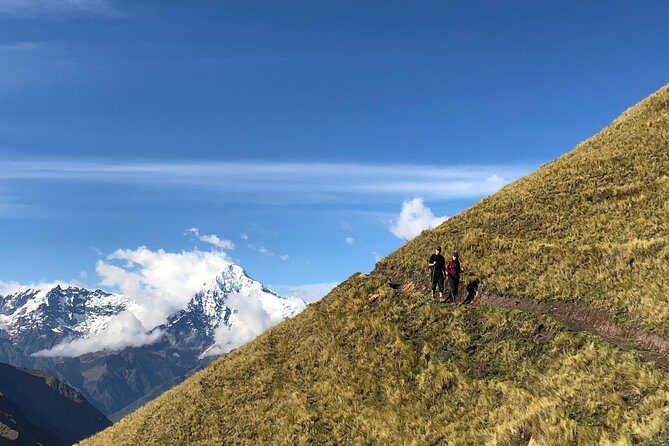
If you’re picturing Machu Picchu but not the elbow-to-elbow lines, this trek’s logic is simple: take a different doorway into the same destination. Ancascocha avoids the crowds that build on the classic Inca and Salkantay-style routes. Instead, you spend your days moving through Andean high country with fewer people in your space.
That difference matters more than it sounds. A smaller group (up to 30 travelers) means you’re not just another number on a long human conveyor belt. Your guide can pace you, answer questions on the spot, and explain the ruins without rushing you out the gate. In practical terms, that makes the trek feel less like a checklist and more like a story you can follow mile by mile.
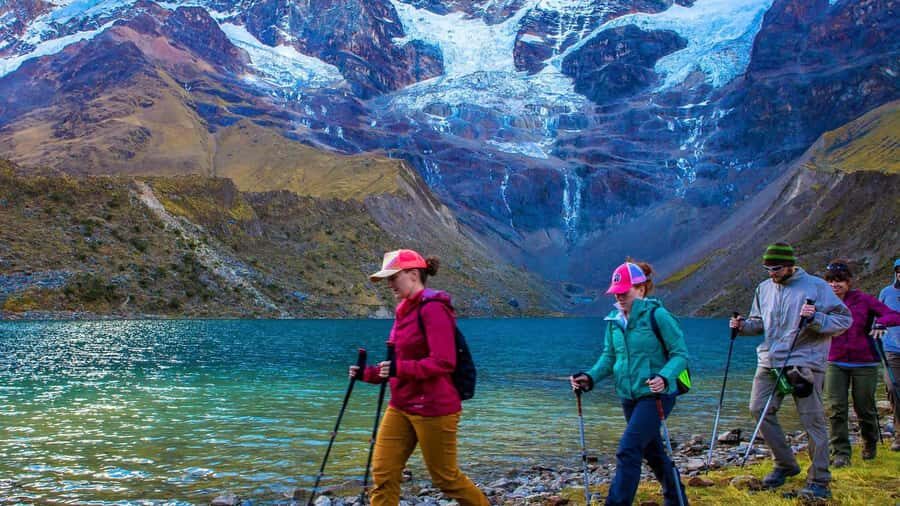
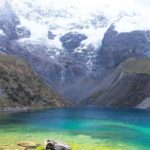
And yes, you still get the big moments: waterfall views, Inca sites clinging to cliffs, snow-capped peaks in the distance, and the dramatic arrival to Machu Picchu. You just earn them at a steadier, more personal pace.
You can also read our reviews of more hiking tours in Cusco
Day 1 from Soqma: Perolniyoc waterfall first, then a cliff-top Inca stop
Your day begins with convenience. After meeting you at your hotel in Cusco, the group drives about 1 hour 45 minutes to Soqma (10,512 ft), the trek’s starting point. The altitude is already in play from the first steps, so this isn’t the kind of outing where you feel like sightseeing starts and hiking comes later.
Right away, you walk about 2 hours to the Perolniyoc cascade lookout. This is a proper wow moment: a waterfall view that breaks up the effort and gives you something beautiful to aim at. It’s also a good mental reset. After you’ve been climbing and adjusting your breathing, it feels good to stop and let the scenery do its job.
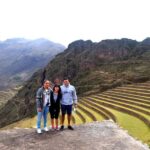
Then you hike another 45 minutes to the Inca site of the same name, Perolniyoc. Your guide shares the history of what you’re seeing, and then you get time to wander through the ruins at your own speed. Cliff-top ruins in this region aren’t just photogenic; they help you understand how the Incas built for views, weather, and defense. Expect big valley views and a sense that you’re standing somewhere meant for watching the world.
If you like your history with context (instead of random facts shouted while people shuffle past), this part is the right kind of slow.
The Rayan lunch at 12,139 ft: why the chef matters more than you think
After the waterfall-and-ruins portion, the route gets steeper. You make a steep ascent for about 1 hour to Rayan (12,139 ft) for lunch. This is one of those segments where the climb isn’t just physical. It’s also about rhythm: you’re working uphill while your body is already dealing with thinner air.
At Rayan, you sample the skills of the trek’s chef. In many Machu Picchu treks, food can feel like an afterthought. Here, lunch is positioned as part of the experience, not just fuel. You’ll eat a buffet lunch, and that matters because you’re about to start another tougher climb later.
A small practical tip: take lunch like it’s training. Eat enough to keep energy up, but don’t overdo it right before a long uphill. The goal is steady progress, not a food coma at altitude.
Kuychiccasa Pass at 14,599 ft: the hardest part, with views worth the grunt
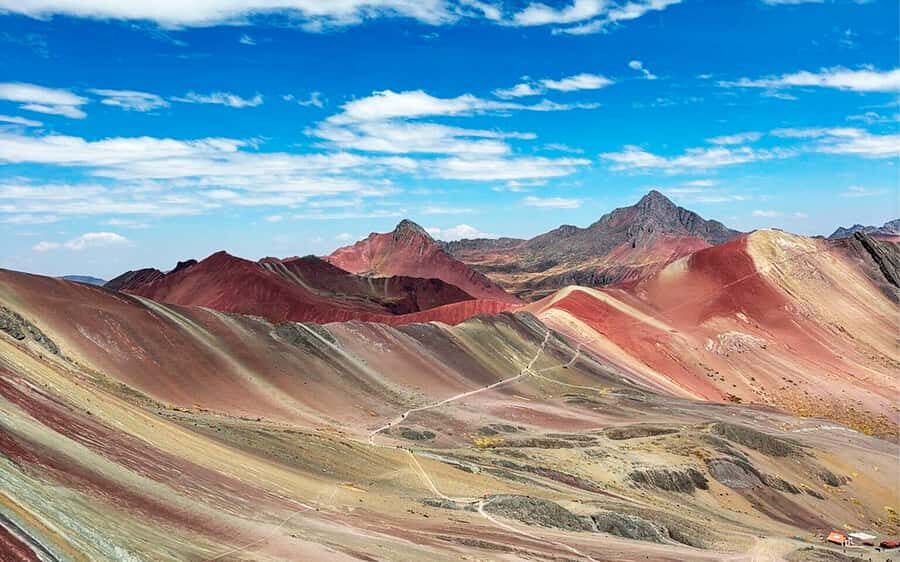
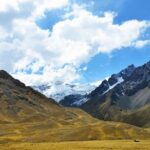
The afternoon begins with a challenging segment: about 3 hours uphill to Kuychiccasa Pass (14,599 ft). This is where the trek earns the word demanding. You pass rustic houses of farmers, and at turns you’re treated to far-off snow-capped peaks (the Nevadas) and animals moving through the high country, including llamas.
Reaching a pass always changes how the air feels and how far your eyes can reach. When you’re climbing, you’re focused on footing, breathing, and staying with the group. When you crest the top, your world expands—suddenly you’re not just moving through mountains, you’re looking out over them.
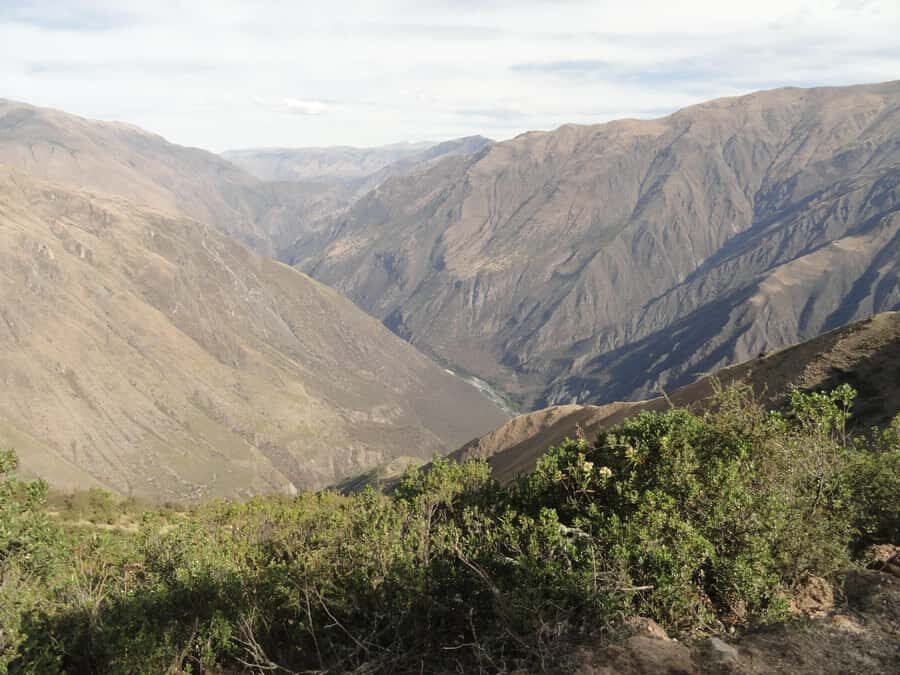
At the top, you take a break to enjoy the Chancachuco Valley views. This is the moment you’ll remember when you’re later thinking about whether the effort was worth it. It’s not just a photo stop. It’s a relief stop, a chance to recover before the next downhill.
Camp in the Chancachuco Valley: warm layers and a setup that saves energy
After the pass break, you get a more forgiving rhythm: a 45-minute downhill to your camp in the Chancachuco Valley (14,147 ft). Even though it’s downhill, your legs will still feel the day. That’s why the next part is important.
When you arrive, the campsite is already prepared. You can change into warmer clothing and reset without spending your limited energy wrestling with tent setup. From there, you’ll enjoy a buffet dinner as part of the included meals.
This is one of the big practical reasons people like this trek format. Your energy goes toward walking and breathing. It doesn’t get swallowed by camp chores. Add in the fact that national park fees are included, and you can focus on the hiking rather than paperwork.
And yes, night in the high Andes can feel chilly. The plan is set up so you’ll have time to get bundled up and sleep without scrambling.
A few more Cusco tours and experiences worth a look

Two nights camping, one night in Aguas Calientes, then Machu Picchu’s guided payoff
This trek runs 4 days (about 4 days total) with 3 nights, including two nights camping on the trail and one night at a B&B in Aguas Calientes. That structure is smart. It keeps you in the mountains for the trekking chunk, then gets you into the Machu Picchu staging area the night before the ruins.
During the trek, the route is designed to show you more than just footpaths. You’ll pass ancient Inca ruins, traditional Andean villages, and sweeping high views. The emphasis stays on being in the countryside and moving through it, not just hopping between landmarks.
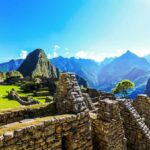
Then, on day 4, the final act is Machu Picchu. It’s a UNESCO World Heritage Site and one of the New7Wonders of the World. You’ll enjoy a guided tour of the ruins, which is a big deal here. At Machu Picchu, it’s easy to see walls and terraces and feel like you’re guessing. With a guide, you get explanations that help you read the site instead of just staring at it.
One logistics point you should plan for: the round-trip bus tickets from Aguas Calientes to Machu Picchu on day 4 are not included. That’s not a dealbreaker, but it is a budget line you’ll want to handle ahead of time so you’re not scrambling in the morning.
Guides, cooks, and the crew vibe that keeps the trek running
The hiking part is the obvious headline. But in my experience, the success of a trek depends heavily on the people behind the scenes. This one has that advantage: the tour team is built around a local guide and a crew that supports the whole day.
You’ll hike with a local guide, and your experience also includes camp support and meals. In people’s write-ups, certain names come up again and again. You might meet guides such as Lino or Christian, or others like Eddy, with strong praise for how they connect with guests and explain what you’re seeing. On the food side, people have mentioned chefs by name too, like Super Mario, and there are also team members who handle animals and logistics along the way.
Even if you don’t catch the same exact names, the pattern matters: the team’s job is to keep everything running so you don’t waste your brain energy on gear problems or confusing timing. When porters and cooks are doing their work well, you feel it most when you arrive somewhere and the campsite is ready, or when lunch shows up like a gift instead of a chore.
Also, this trip is priced with “included” services in mind: hotel pickup and drop-off, meals (breakfast, lunch, dinner), and park fees. That reduces the number of separate purchases you must juggle in Peru.
Price and value: where the $730 goes (and what to budget separately)
At $730 per person, this trek can feel high if you only compare it to casual day tours. But trekking in the Andes has hidden costs: mountain logistics, staff, national park fees, and the simple reality that keeping a group fed and moving takes real work.
Here’s what you get that’s typically expensive to recreate on your own:
- Two nights camping with camping gear included
- Meals: breakfast, lunch, buffet dinner (and lunch on the hike day)
- National park fees included
- Local guide for interpretation and pacing
- Hotel pickup and drop-off in Cusco
- One night at a B&B in Aguas Calientes
Then, the separate costs you should note:
- Round-trip bus tickets from Aguas Calientes to Machu Picchu (day 4) are not included
- Alcoholic drinks are available to purchase, but not included
- Excess luggage charges may apply
- Food and drinks beyond what’s specified are not included
If you hate budgeting line by line, this package approach is the point. You pay once and spend most of your time hiking, eating, and learning. The only “must plan” extra is the bus ticket to Machu Picchu on the final day.
Fitness and altitude: what you need to be ready for
This trek is not marketed for couch athletes. The operator states travelers should have a strong physical fitness level, and the route supports that with real climbs and altitude.
You start at 10,512 ft, you reach 12,139 ft at lunch, and you go up to 14,599 ft at Kuychiccasa Pass. Even if you’ve hiked before, those numbers change how hard everything feels. You’re not just walking distances; you’re working with thinner air.
So here’s the practical way to judge readiness:
- If you can handle uphill hiking for hours, you’ll be in the right zone
- If you need frequent pauses to catch your breath, take it slower, stay with the group, and don’t treat altitude like it’s a minor inconvenience
- Bring warm layers, because you’ll be changing clothing at camp and the evening cool-down happens fast
One more note: there’s guidance for families too. Children must be accompanied by an adult, and service animals are allowed.
A few smart packing and pacing tips before you go
Your itinerary includes cold nights, high altitude exertion, and days where you’ll want comfort so you can keep moving. While the trek includes key services, you’ll still want to show up with the basics that make long hikes manageable.
I recommend you pack for three realities:
- Warmth at altitude: layers you can add quickly at camp
- Foot comfort: shoes/boots that don’t rub, because day 2 onward is when blisters start feeling dramatic
- Day-hike practicality: a small daypack for water, layers, and personal items
Pacing matters too. Don’t sprint your way up early climbs. On pass days, steady breathing beats bravado. Take the breaks you’re given. They exist for a reason, even if your brain is busy trying to prove something.
Should you book the Ancascocha Trek to Machu Picchu?
I think this trek is a strong choice if you want Machu Picchu but prefer a more human-sized adventure. The biggest selling points for me are the crowd avoidance, the small-group feel, and the fact that your logistics are handled: camping gear, meals, and park fees are built in. Add a guided Machu Picchu visit, and you’re not just traveling to a famous place. You’re learning how it works and why it’s there.
I’d hesitate if you know you struggle with altitude or long uphill effort. This route reaches very high points, and it’s designed around active hiking. If you want an easier pace, you may need a different itinerary.
If you’re fit, curious, and happy to trade the big-route crowds for a quieter path, this is the kind of trip that tends to stick with you for the right reasons: waterfall-and-ruins discovery, pass-top views, and a team that keeps things moving.
FAQ
What is included in the price for this trek?
Camping gear, meals (breakfast, buffet lunch, buffet dinner), national park fees, a local guide, hotel pickup and drop-off, and one night at a B&B in Aguas Calientes are included.
Where do you meet and how do you get started?
You meet at your hotel in Cusco, then the group drives about 1 hour 45 minutes to the trek starting point in Soqma.
How long is the trek?
It’s a 4-day trek (about 4 days) with 3 nights total.
What are the main altitude points during the hike?
The trek starts around 10,512 ft in Soqma, reaches 12,139 ft at the lunch stop (Rayan), and reaches 14,599 ft at Kuychiccasa Pass.
Is a guided tour of Machu Picchu included?
Yes. You’ll have a guided tour of the Machu Picchu ruins.
Are bus tickets from Aguas Calientes to Machu Picchu included?
No. Round-trip bus tickets from Aguas Calientes to Machu Picchu on day 4 are not included.
How big is the group?
The tour has a maximum of 30 travelers.
Are meals included during the camping portion?
Yes. Breakfast is included, and you’ll also have a buffet lunch and buffet dinner.
What should I do about cancellation?
Free cancellation is available. You can cancel up to 24 hours in advance for a full refund, and changes within 24 hours are not accepted.
What fitness level is required?
Travelers should have a strong physical fitness level. Children must be accompanied by an adult, and service animals are allowed.