REVIEW · CUSCO
Classic Inca Trail 4 Days to Machu Picchu
Book on Viator →Operated by Vidal Expeditions · Bookable on Viator
This 4-day Classic Inca Trail to Machu Picchu is one of those trips where the effort pays you back fast, with real Inca sites along the way—not just a single big day at the end. I love that the route is paced with multiple archaeology stops (Llactapata, Puyupatamarca, Runkuracay) plus a guided Machu Picchu visit, and I also like the small-group feel capped at 8 travelers. The main drawback to consider is altitude and effort: you’ll climb to a highest pass at 4,216 m, then keep going over other high passes across the four days.
It’s also a camping-style trek with porters and a cook handling the shared gear, so your job is basically to trek and stay smart about comfort and hydration. Weather matters too: this trek requires good conditions, and if poor weather forces cancellation, you’ll get offered a different date or a full refund.
In This Review
- Key highlights to know before you go
- Four Days of Altitude: What the Classic Inca Trail Feels Like
- Day 1 to Llactapata: First Inca Sites and Big Early Views
- Day 2 Over 4,216 m: The Toughest Climb to Pacaymayu
- Day 3 Through Puyupatamarca and Runkuracay: Cloud-Forest Beauty Plus Real History
- Day 4 Inti Punku to Machu Picchu: The First View, Then the Guided Details
- Price and Logistics: Is $820 Good Value for This Much Work?
- Camp Comfort and Food: The Small Details That Make Trek Days Bearable
- Who This Trek Fits Best (and Who Might Struggle)
- Should You Book This Classic Inca Trail with Vidal Expeditions?
- FAQ
- How long is the Classic Inca Trail trek to Machu Picchu?
- What’s included in the price?
- What is not included?
- What kind of fitness level do I need?
- What’s the highest altitude on this trek?
- Is there a limit on group size?
- What happens if the trek can’t run due to weather?
Key highlights to know before you go
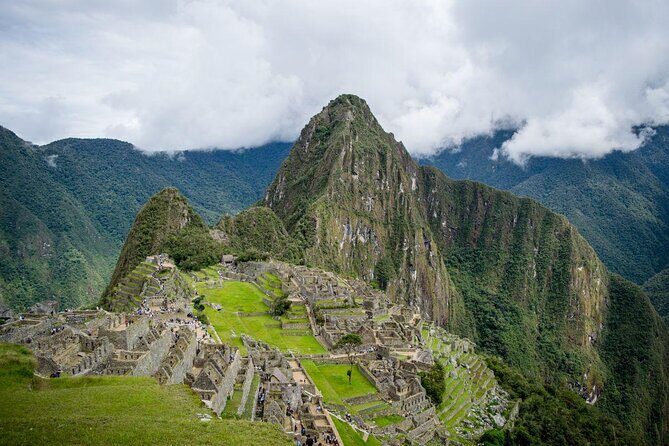
- Four days, 42 km of hiking, and the Sun Gate finale that leads into Machu Picchu
- Highest pass at 4,216 m on Day 2, plus more passes across the route
- Multiple included archaeology stops before you even reach Machu Picchu
- Camping setup included (2-person tent and basic sleeping pad), with porters and cook carrying shared gear
- Small group size (max 8) with a professional bilingual guide on trek and during Machu Picchu
- Train from Aguas Calientes to Ollantaytambo included, followed by bus back to Cusco
Four Days of Altitude: What the Classic Inca Trail Feels Like
This is a serious trekking itinerary, not a stroll. You’re walking long days at higher elevations, and the rhythm is: climb, pause, explore an Inca site, eat, climb again. The good news is you’re not doing it alone—your bilingual guide and the team handle the navigation, timing, and history.
The route moves between high mountain zones and, on the middle days, into a cloud-forest feel. That change in vegetation is one of the things that keeps your brain engaged when your legs get tired. And because the trip finishes at the Sun Gate (Inti Punku), you get a classic first look at Machu Picchu before you dive into the full site.
Your biggest planning challenge is altitude. The trek starts in the Cusco region, and you’ll hit passes ranging from around 3,660 m to 4,216 m. If you rush acclimatization, the trip can feel harder than it needs to be—so plan on arriving in Cusco a few days early to adjust, rest, and hydrate.
A few more Cusco tours and experiences worth a look
Day 1 to Llactapata: First Inca Sites and Big Early Views
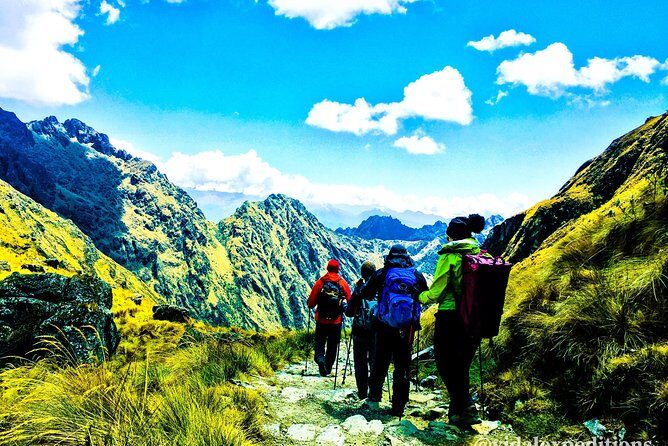
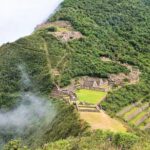
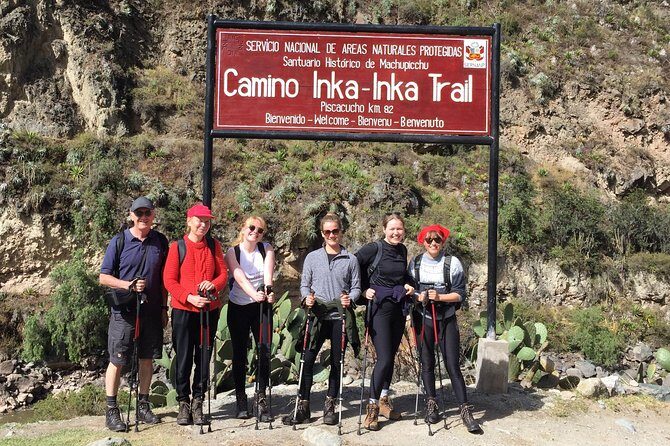
Day 1 begins with pickup from your Cusco-area hotel and a drive out to the trailhead at km 82. After you check in at the checkpoint, you start hiking toward Llactapata, one of the Inca sites that feels made for that first day of motion.
Llactapata is worth paying attention to even if you’re feeling fresh. The site gives you a sense of how the Incas used elevated spaces—views were part of the design, not just a side effect. You’ll have time to explore and hear the guide’s explanation, so you’re not just taking photos. Then you continue to the lunch area and visit another Inca site along the way, with viewpoints that make the early miles feel more like exploration than punishment.
A practical note: Day 1 includes an admission ticket, so you’re set for entry at that stop. Also, Day 1 breakfast is not included, so you’ll want to eat before pickup or plan for food near where you’re staying.
What to watch for: don’t treat Day 1 as “easy because it’s Day 1.” The first miles help set your pace, and keeping a steady effort helps you save your legs for Day 2.
Day 2 Over 4,216 m: The Toughest Climb to Pacaymayu
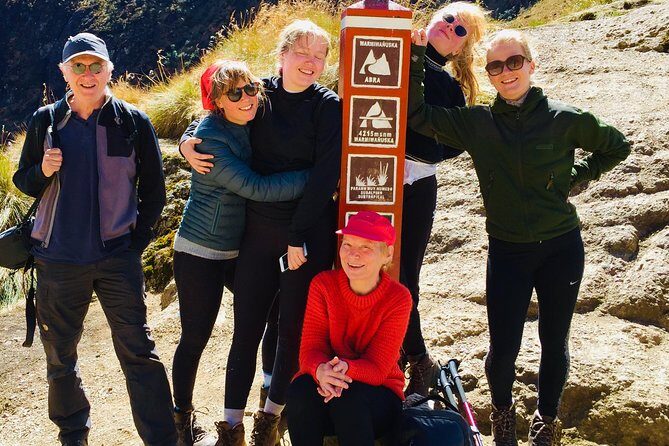
Day 2 is the hardest day on the itinerary, and the numbers tell you why. You hike for about 5 hours up to the highest pass at 4,216 m (13,828 ft). This isn’t just a big climb—it’s a big altitude moment. Expect a slower pace, longer breaths, and more focus on steady movement.
When you reach the summit, you get a rest stop and time to take in the views. That break matters because Day 2 isn’t only about the top—it’s also about the descent. After resting, you go down for a few hours to the lunch spot and then continue to camp.
Your campsite is at around 3,600 m in Pacaymayu for the second night. The altitude there is still serious, but it’s a change from the pass height, and it gives your body a chance to settle. After lunch, you get free time to relax, which is valuable. This is when you’ll want to check your gear, plan your next day’s clothing layers, and let your breathing slow down.
Included comfort factor: camping accommodation is provided, including a tent for two people and a basic sleeping pad. Porters and the cook carry shared camping equipment, so you’re not responsible for hauling the camp setup.
Possible drawback: Day 2 is a true effort day. If you’re not comfortable walking uphill for hours, or if you arrive in Cusco without proper acclimatization, you’ll feel it here.
Day 3 Through Puyupatamarca and Runkuracay: Cloud-Forest Beauty Plus Real History
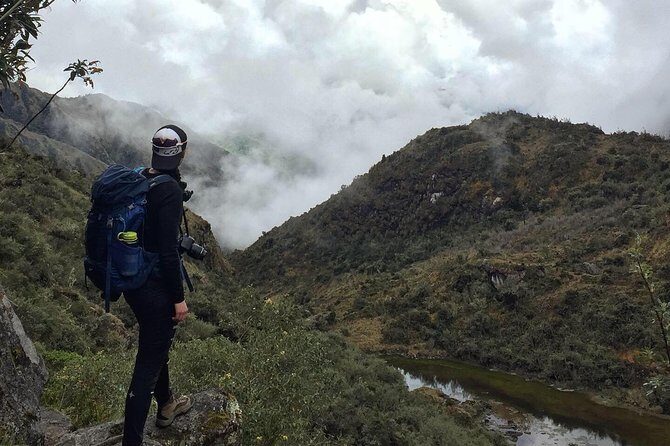
Day 3 is where the trek starts to feel more like a living route through different Inca zones. After breakfast, you head into the most beautiful section of the trail—high mountain terrain blended with cloud-forest conditions. This is the day that often makes people forget the grind, because the scenery and the ruins feel connected.
In the morning, you hike for hours up to a pass at 3,960 m, then descend for lunch. During this stretch, you’ll explore an Inca site and get the guide’s history talk, which turns the walking into something you can actually understand. After lunch, the day becomes a steady climb toward the last pass at 3,660 m.
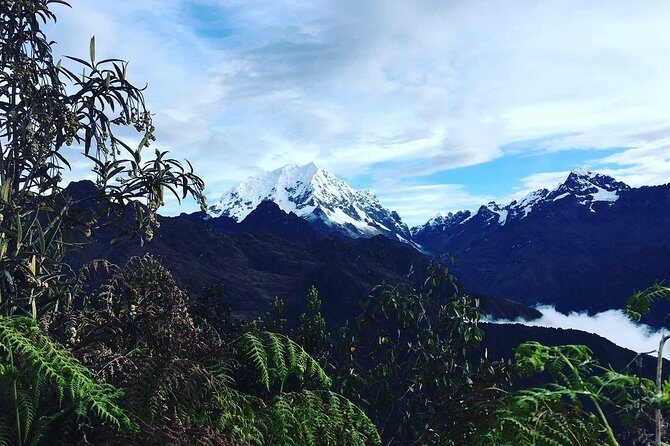
The reward for that climb is huge: from the pass, you can see the Machu Picchu mountain. That sight changes your mental game. After that, you descend for a couple hours to your campsite. Then, in the afternoon, you visit additional Inca areas with impressive views—more exploring, more photo time, and more explanation while the site is still fresh in your mind.
Later, dinner includes a ceremony organized by your guide to thank the team. Even if you’re not big on ceremonies, I like this part because it makes the whole operation feel respectful of the work porters and cooks do—and it reinforces that this isn’t only about reaching Machu Picchu, it’s about the whole trail.
Day 3 also includes Runkuracay. You’ll have time to explore and take photos after the guide explains its history. In practice, that means you don’t just rush through ruins—you pause, look, and learn.
Day 4 Inti Punku to Machu Picchu: The First View, Then the Guided Details
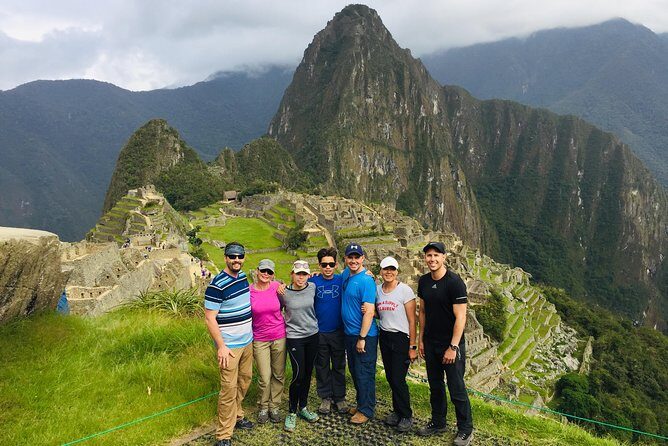
Day 4 starts with a control check, then a hike to Inti Punku (Sun Gate). The trail here runs through dense high rain-forest, so expect humid, green, and often slick footing. It’s a beautiful contrast to the higher, drier sections of the trek.
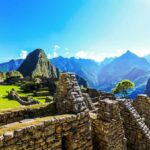
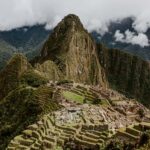
After a few hours, you arrive at the Sun Gate for your first big view of Machu Picchu. You’ll get time for a snack and to breathe in the moment—then you continue down toward Machu Picchu. You’ll stop at the classic photo area, with time to use the restrooms or grab a coffee.
Now comes the part people often underestimate: the Machu Picchu visit isn’t just a quick scan. You return into the site for guided exploration and explanation of outstanding areas. This is where the hours on the trail pay off, because you’re finally matching the ruins you saw earlier to what you’re seeing today.
After exploring for a few hours, you leave Machu Picchu and head down to Aguas Calientes for lunch and a farewell. In the afternoon, the tour includes the train from Aguas Calientes to Ollantaytambo (about 2 hours), followed by bus back to Cusco.
Included admission ticket: Machu Picchu entry time is built in (about 3 hours), so you’re not worrying about access timing.
Price and Logistics: Is $820 Good Value for This Much Work?
At $820 per person, this is not a budget trek. But it’s also not just a hike day with a random guide. You’re getting:
- A professional bilingual guide for the trek and Machu Picchu portion
- Camping accommodation (2-person tent + basic sleeping pad)
- Porters and a cook carrying shared camping equipment
- Meals included: 3 breakfasts, 3 lunches, and 3 dinners
- Train from Aguas Calientes to Ollantaytambo included, plus the transfer back to Cusco
- Admission tickets included for the listed archaeology stops and Machu Picchu
That bundle is where the value comes from. If you tried to piece this together yourself, you’d pay for entry, logistics, guide time, and camp support separately, and you’d still lose the smooth coordination that makes the trek feel manageable.
Where the price can surprise you is what’s not included: bottled water, Day 1 breakfast, and Day 4 lunch. Also, your sleeping bag isn’t included. If you don’t already have gear, that can add cost.
There’s an optional upgrade too: an inflatable sleeping mattress is listed at $15 USD for the trek. If you’re even mildly sensitive to hard ground, it might be worth considering. Comfort on high-altitude camp nights can matter more than you expect.
And yes, tipping is optional, not mandatory. The staff structure here includes porters and a cook, so if you’ve got the means and the experience, you can reward good service.
Camp Comfort and Food: The Small Details That Make Trek Days Bearable
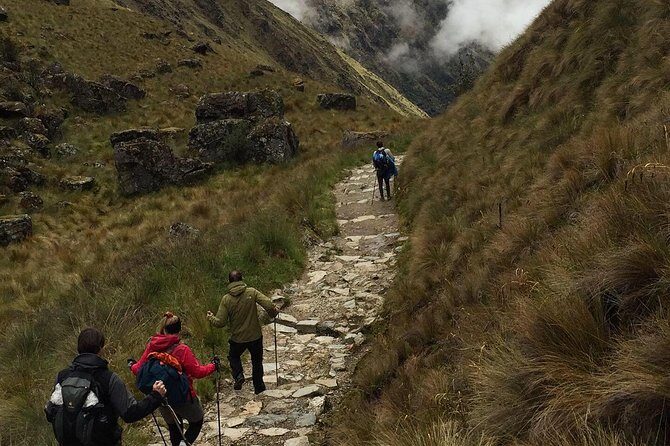
This trek is set up so you can focus on trekking. Porters carry shared camping gear, and you’re provided a tent for two and a basic sleeping pad. That matters because the Inca Trail day rhythm is already intense. If you had to haul camp equipment yourself, you’d burn energy you need for the climbs.
Food is included across the trek: breakfast, lunch, and dinner every day in the itinerary sequence. The operation also includes a cook and team support. One detail I especially like is that the team can do thoughtful touches—there’s an example of a birthday cake being baked for a guest. That’s not required for survival, but it tells you the camp team takes morale seriously.
What you should bring personally: a sleeping bag, plus any extras you want for comfort. Bottled water isn’t included, so you’ll need a plan for hydration.
Also, try not to overpack. When you’re climbing at altitude, every extra item is weight you carry through thin air.
Who This Trek Fits Best (and Who Might Struggle)
This experience is for people with at least moderate physical fitness. If you can walk uphill for hours, take breaks, and keep a steady pace, you’ll be in the right zone. The itinerary is clearly designed with pass heights and multi-day pacing in mind.
This trek is also a good fit if you care about understanding what you’re seeing. The schedule isn’t only about arriving. You get guided explanations at each major stop, plus time to explore rather than sprint through ruins.
It may not be ideal if you’re recovering from injury, struggling with altitude, or expecting a light vacation. Day 2 is the crunch point. If that day scares you, then you’ll likely feel it across the rest of the trek.
If you love small groups, this works well. The cap is 8 travelers, and that tends to keep the experience less crowded and more attentive.
Should You Book This Classic Inca Trail with Vidal Expeditions?
I’d book if you want a well-organized route with real Inca stops, guided learning, and camp support that keeps you from worrying about logistics. The combination of trekking plus a guided Machu Picchu visit makes the whole trip feel connected, not like two separate experiences.
I’d think twice if you hate hard climbs, aren’t ready for high-altitude walking, or you don’t want to manage your own comfort with a sleeping bag and water plan. Also, remember the weather requirement. If conditions are poor, the tour can be canceled and rescheduled or refunded.
If your plan includes arriving in Cusco early to acclimatize, packing for altitude and rain-forest conditions, and keeping your pace steady, this is the kind of trek that rewards patience with one of the most famous sites on Earth—without skipping the journey that gets you there.
FAQ
How long is the Classic Inca Trail trek to Machu Picchu?
It’s about 4 days, with hiking days plus the Machu Picchu visit and the train and bus ride back to Cusco on Day 4.
What’s included in the price?
Included are the Aguas Calientes to Ollantaytambo train (about 2 hours), a professional bilingual guide on the trek and Machu Picchu tour, camping accommodation during the trek (tent for two plus a basic sleeping pad), porters and a cook for shared equipment, and meals (3 breakfasts, 3 lunches, 3 dinners). Admission tickets for the listed stops are also included.
What is not included?
Not included are Day 1 breakfast, Day 4 lunch, bottled water, optional extras like an inflatable sleeping mattress ($15 USD for the trek), tips, and a sleeping bag.
What kind of fitness level do I need?
You should have a moderate physical fitness level. The itinerary includes a hardest day with a highest pass at 4,216 m, plus additional high passes.
What’s the highest altitude on this trek?
The highest pass is 4,216 meters (13,828 feet) on Day 2.
Is there a limit on group size?
Yes. The tour/activity has a maximum of 8 travelers.
What happens if the trek can’t run due to weather?
The experience requires good weather. If it’s canceled due to poor weather, you’ll be offered a different date or a full refund. The booking is non-refundable and cannot be changed for any reason if you cancel.