REVIEW · CUSCO
Cusco: 4-Day Inca Trail to Machu Picchu with Accommodation
Book on GetYourGuide →Operated by Inkas Expeditions E.I..R.L. · Bookable on GetYourGuide
Cusco is your base for a very active route to Machu Picchu. This 4-day Inca Jungle Trail blends Sacred Valley sightseeing with jungle hikes, a big 50 km downhill bike day, and a guided climb-and-tour finish at the citadel. You start early, move often, and still get time to breathe at the right moments.
I especially like the way the itinerary mixes adrenaline with culture: the downhill bike off Abra Málaga is the big wow, but the days also stop for real Andean learning (like coffee roasting with your group). I also like that Machu Picchu logistics are handled for you, including the entrance ticket and the guided 2-hour visit.
One drawback to consider: this is not a slow, comfortable trek. The biking and repeated hiking legs are not ideal if you have back issues, and the lodging gets more basic as you get closer to Aguas Calientes.
In This Review
- Key highlights worth planning around
- A practical take on the Inca Jungle Trail’s real payoff
- Day 1: Cusco pickup, Abra Málaga biking, and a jungle eco-house night
- Day 2: Coffee roasting on Qhapaq Ñan, bird-and-plantation views, then Cocalmayo
- Day 3: Hidroeléctrica to Aguas Calientes via train tracks
- Day 4: 4:00 AM climb, a guided Machu Picchu tour, and the ride back to Cusco
- Accommodations, food, and what “included” really covers
- Who runs the trip matters: guides you’ll want to listen to
- Adventure level, fitness notes, and safety gear
- Price and value at $470: what you’re paying for
- Should you book this 4-day Inca Jungle Trail to Machu Picchu?
- FAQ
- FAQ
- Where do I meet the tour in Cusco?
- What time do we start on the first day?
- Is Machu Picchu entry included?
- Are meals and lodging included?
- Is the Cocalmayo hot springs included?
- Is the tour refundable?
Key highlights worth planning around
- 50 km downhill biking from Abra Málaga with full safety gear (helmet, pads, gloves, goggles)
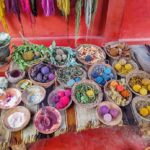
- Coffee roasting hands-on during the day-2 walk on the Qhapaq Ñan Inca network
- Cocalmayo thermal baths option after day 2, with the soak time you actually want
- Forest eco-house night in Pispitayoc, then hostels closer to Machu Picchu
- Small group size (max 9) and a bilingual guide (English-Spanish) to keep timing tight
A practical take on the Inca Jungle Trail’s real payoff
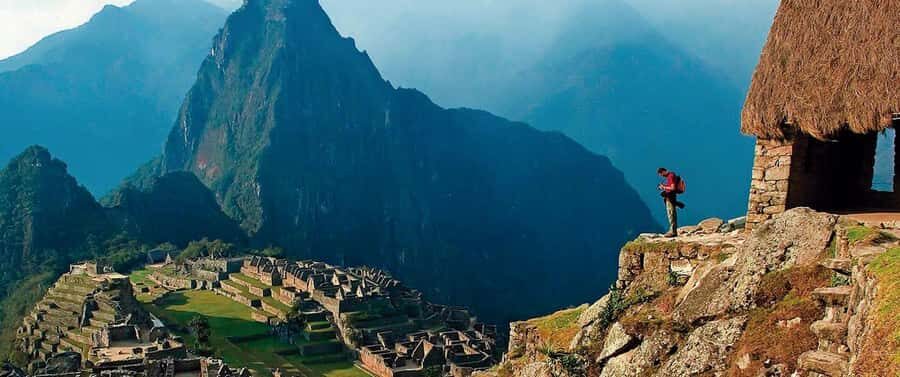
This tour is for you if you want Machu Picchu without the full classic Inca Trail pace. Instead of spending every day grinding uphill on a single high-altitude route, you get a more varied mix: biking, forest walking, plantation scenery, and a final climb to the citadel.
The best part is the rhythm. You’re not just “transported to sights.” You’re actively moving through different altitudes and environments, which makes Machu Picchu feel like the final chapter instead of a random day trip. And because the plan includes train and bus connections, you’re not stuck juggling pieces on your own.
Value-wise, $470 sounds like a lot until you see what’s bundled: guided Machu Picchu entry, bilingual leadership, most meals, safety gear for the bike day, three full days of trekking support, and round-trip train/bus for getting back toward Cusco.
A few more Cusco tours and experiences worth a look
Day 1: Cusco pickup, Abra Málaga biking, and a jungle eco-house night
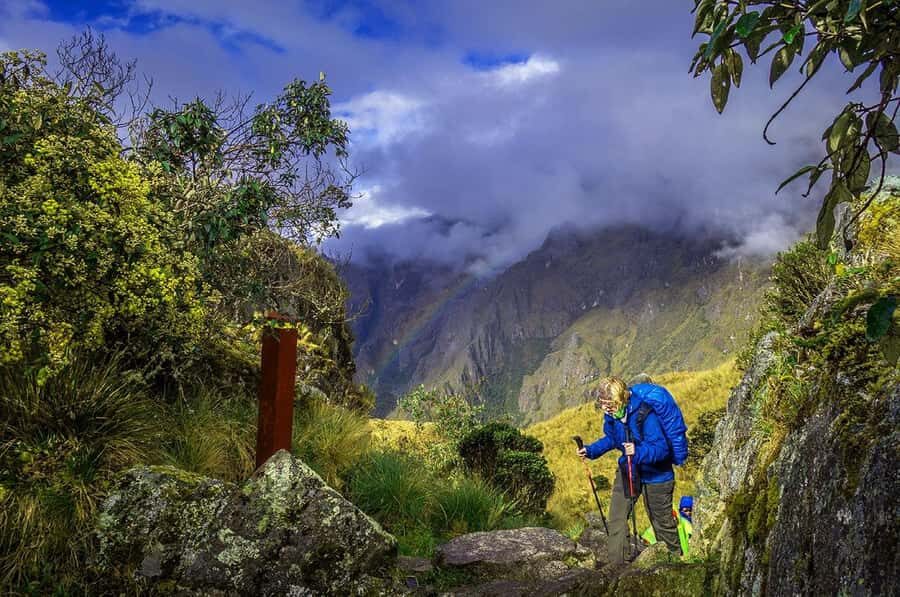
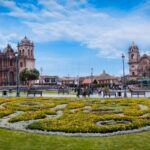
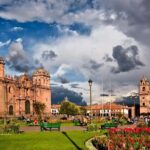
Your day starts at 6:00 AM with pickup from the Cusco Main Square (Plaza Mayor de Cusco). From there, you travel through the Sacred Valley areas of Chinchero, Urubamba, and Ollantaytambo. This matters because it gives you a transition period: you’re not dropping straight into jungle conditions, you’re easing from highland Cusco culture toward lower altitudes.
Next comes the big set piece: Abra Málaga pass. From the pass you get sweeping views toward Huacay Willca, then you’re fitted with Kona bikes plus the protective kit: elbow and knee pads, gloves, goggles, and a helmet. That safety gear is included for a reason. You’re committing to a fast downhill, and your body will thank you for the added protection.
The biking itself is roughly 3 hours and about 50 km, riding through Puna and Cloud Forest zones. You end at the Huaman Marq’a ruins, then switch gears with a short van ride and a walk to Santa María. After that, you travel onward to Pispitayoc village for your first overnight in a forest eco-house with dinner included.
What to expect physically: your “effort” is front-loaded. Even if you’re not an athlete, downhill biking is still time in the saddle and careful control on the road. If you can handle a long morning and want a memorable first-day shock of scenery, this is a strong opener.
Day 2: Coffee roasting on Qhapaq Ñan, bird-and-plantation views, then Cocalmayo
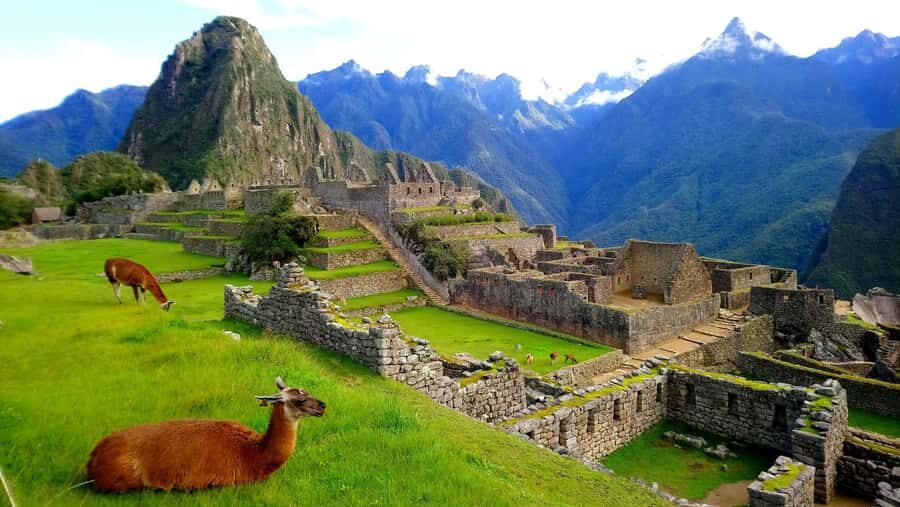
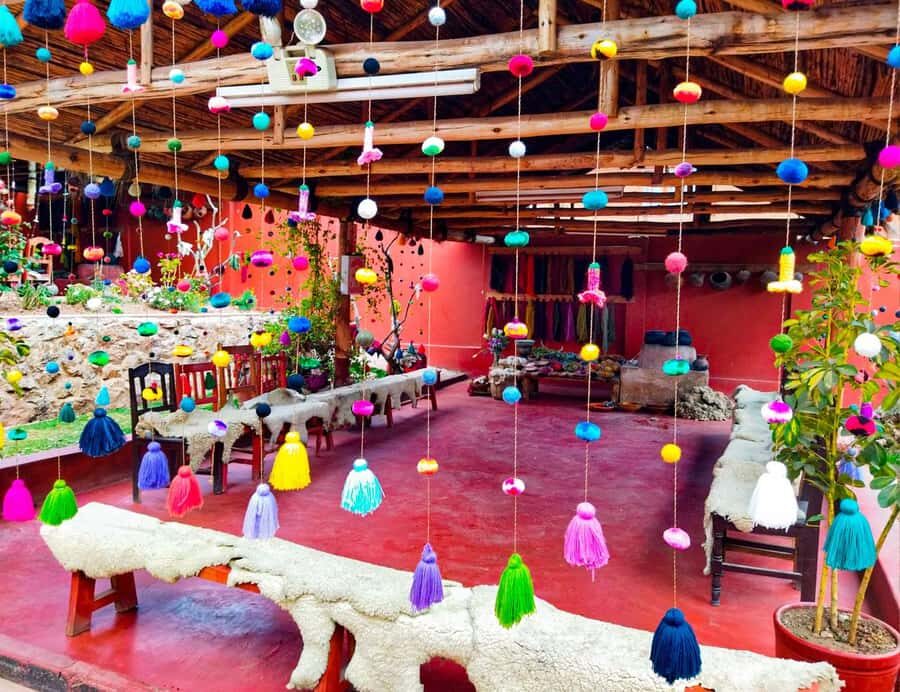
After breakfast, day 2 begins with a hands-on coffee roasting lesson. This is more than a photo stop. You’re learning the work behind a common crop, and you’re doing it in a setting tied to the valley’s everyday life.
Then you head out on a section of the Qhapaq Ñan (the Inca road network). As you walk, you pass plantations including coca, coffee, and fruit trees. You also get stops for bird-spotting, which is a nice change of pace from only looking at rocks and ruins.
At around 1750 meters, you reach the Huancarcasa viewpoint for a panoramic break. This is a good moment to slow down, catch your breath, and take in how quickly the environment changes from yesterday’s high valley feel.
Lunch comes after descending to Qellomayo village at about 1200 meters. The final trekking leg is about 2 hours, and it sets you up for an optional warm-water reward: the Cocalmayo thermal baths at around 1450 meters. The soak is not included, so if this is a priority for you, budget separately for the entry.
Finally, you arrive in Santa Teresa (about 1515 meters) for dinner and an overnight stay. Many people treat this as the evening where the trip becomes more relaxed. You still worked, but your legs are no longer fighting the whole day.
Day 3: Hidroeléctrica to Aguas Calientes via train tracks
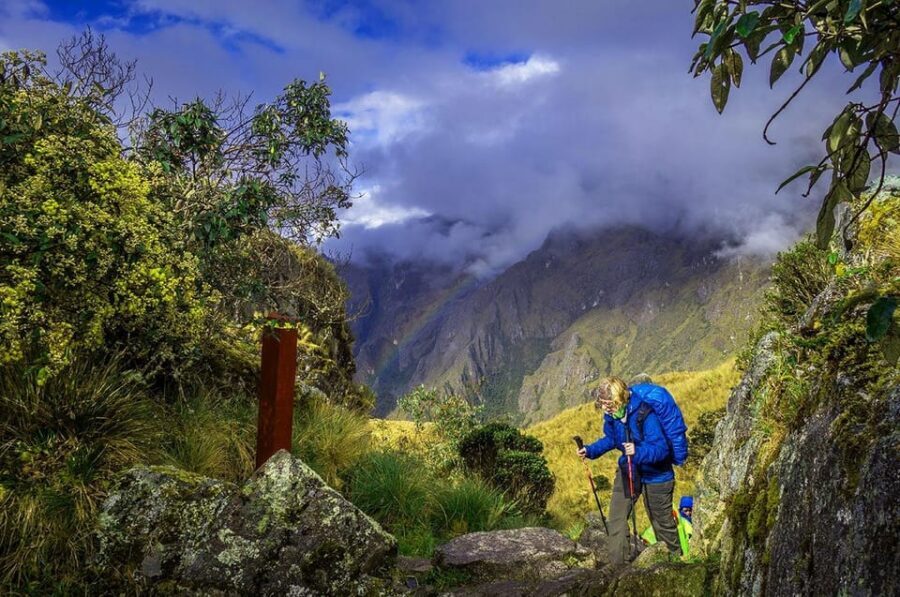
Day 3 starts with breakfast in Santa Teresa at 1515 meters. Your trek continues for about 3 hours through coffee and coca plantations until you reach Hidroeléctrica at roughly 1900 meters. The plan includes lunch and a break there, which helps you reset before the long scenic walking phase.
After lunch, you shift onto a route along the train track, walking for about 3 hours toward Aguas Calientes at around 1950 meters. This part is less about steep climbs and more about steady movement with wide views and steady footing. It also makes a practical difference: you arrive closer to Machu Picchu early enough to enjoy the town instead of feeling trapped in transit.
Once in Aguas Calientes, you get a free afternoon. Use it for a meal, a short stroll, or simply resting. In the evening, the group gathers for dinner and you’ll talk through the next morning’s climb to Machu Picchu.
If you’re sensitive to altitude changes, day 3 is a good time to slow your pace mentally. You’ve already shifted environments once; now you’re preparing your body for an early wake-up.
Day 4: 4:00 AM climb, a guided Machu Picchu tour, and the ride back to Cusco
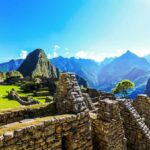
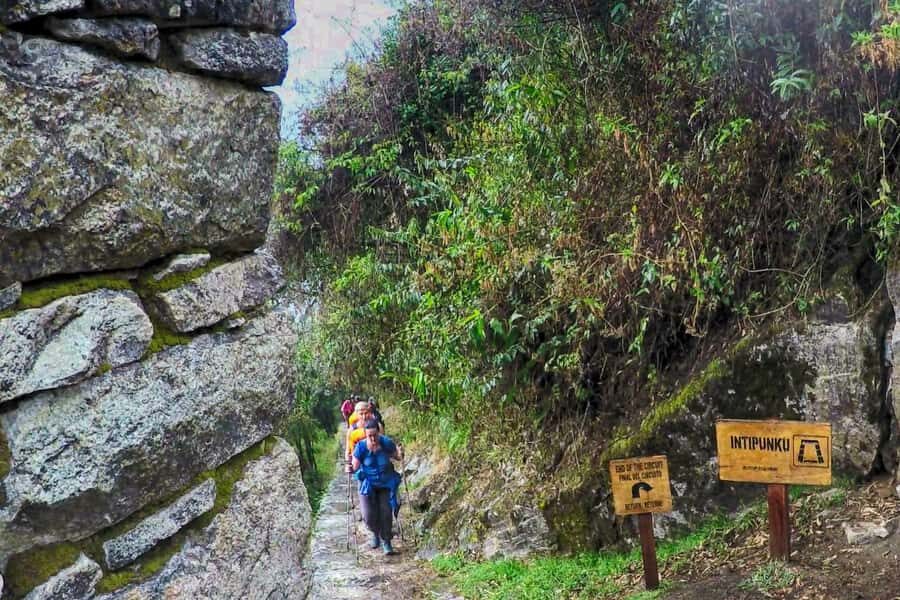
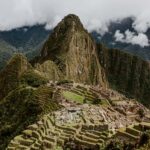
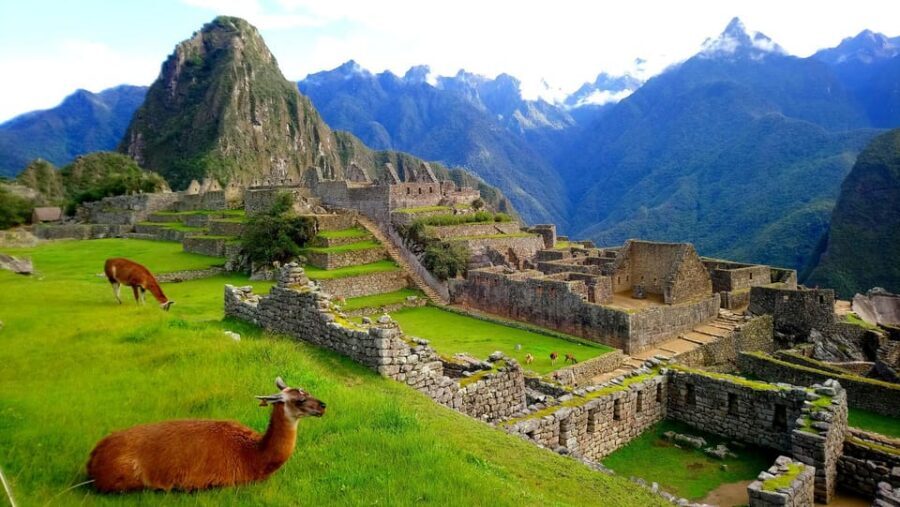
Day 4 begins early at 4:00 AM. You start a hike up to Machu Picchu at about 2400 meters, lasting roughly 1.5 hours. That timing is important. It helps you reach the site before the day’s biggest crowds, and it gives you a calmer first look at the citadel before you get guided through the main areas.
Once inside, you enjoy a 2-hour guided tour focused on the site’s most significant parts. Then you get free time for your own exploration. This is where you can linger by particular structures, chase viewpoints, or slow down for the best light.
After touring, the journey continues back to Aguas Calientes to collect belongings. Then there’s a train ride to Ollantaytambo, followed by a bus back to Cusco, ending the service.
A useful note for decision-making: tickets to Machu Picchu are included, but the tour does not include the optional bus up and down to Machu Picchu. If you’re determined to climb the full way, you can. If you’d rather reduce strain, ask what options are available on the day.
Accommodations, food, and what “included” really covers
You get 3 breakfasts, 3 lunches, and 3 dinners across the four days. The first breakfast and the last lunch in Aguas Calientes are not included, so plan to buy those on your own when you arrive. That usually isn’t a big deal, but it’s good to know so you don’t end up hungry and scrambling.
Lodging-wise, the tour alternates by purpose:
- Pispitayoc eco-house (night 1): forest setting, simple but purposeful.
- Santa Teresa hostel (night 2): basic, practical, good for sleep and recovery.
- Aguas Calientes hostel (night 3): closer to Machu Picchu town, so you’re ready for the early climb.
In the feedback, some people loved the jungle lodge feel, while others noted the later accommodations can feel more basic. If you’re the type who wants a very comfortable bed and a quiet room above all else, you might feel the change. The tradeoff is that you’re paying for activities and access, not luxury hotels.
Also, double-check what you do with your pack. You might find you can pay small extra fees for having bags transported forward rather than carrying everything with you. One past group mentioned extra bag-transfer costs at a couple of points, so it’s worth asking early so there are no surprises.
Who runs the trip matters: guides you’ll want to listen to
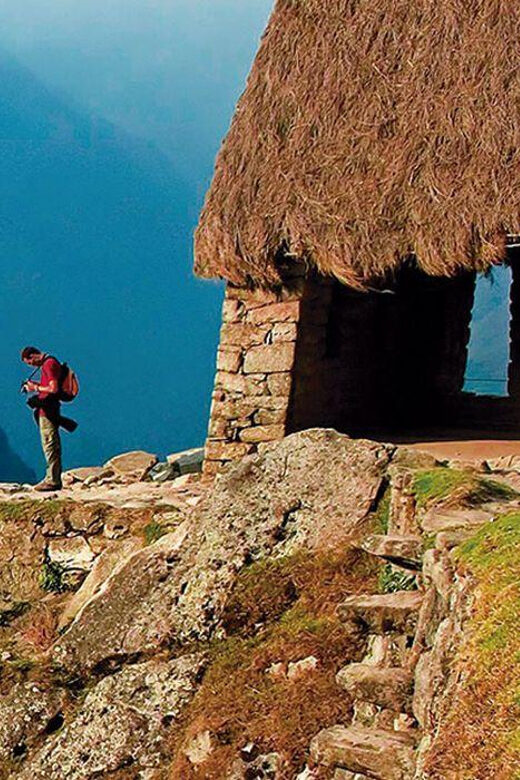
A theme in the feedback is how much your guide shape-shifts the experience. Guides such as Richard, Amaru, Francis, Gerson, and Luis are repeatedly praised for energy, organization, and making the culture parts feel relevant instead of scripted.
For you, that can mean two things:
- Smoother timing. This route has a lot of moving parts: biking, trail segments, meals, and a very early Machu Picchu start.
- Better context. The coffee lesson, plant explanations, and Inca-route interpretation are easier to enjoy when your guide connects it to how people live in the Andes today.
If you’re hoping to understand what you’re looking at, pick this tour because the guides tend to explain the why, not just the where.
Adventure level, fitness notes, and safety gear
This is not a gentle walk-to-viewpoints trip. It’s a full-body, multi-modal adventure with hiking and biking. The good news is that the plan includes gear for the bike day (helmet, pads, gloves, goggles, rain jacket), and the group size stays small (up to 9), which helps with pacing and support.
Still, match the tour to your limits. The activity is not suitable for:
- pregnant women
- people with back problems
- wheelchair users
If you have any mobility concerns, be honest during booking and ask direct questions about how the hiking and biking are handled.
For packing, you’ll want to bring your passport or ID card (a copy is accepted). Beyond that, you’ll likely want the usual trekking essentials: quick-dry layers, shoes with good grip, sun protection, and a small day bag you can manage while walking and biking. (Your guide can help you figure out what’s essential versus what’s just extra weight.)
Weather is variable in the mountains and jungle zones. Since rain gear is included for the bike day, you’re covered there, but you’ll still want to dress in a way that doesn’t soak through quickly.
Price and value at $470: what you’re paying for
At $470 per person, you’re paying for two main things: access and coordination. The entrance ticket to Machu Picchu, the return train ticket from Aguas Calientes to Ollantaytambo, the bus back to Cusco, and bilingual guiding aren’t cheap parts of the puzzle.
You’re also paying for real activities, not just transport:
- a major downhill biking day with full gear
- a hands-on coffee roasting session
- multiple trekking legs that build toward Machu Picchu
- meals and lodging across three nights
If you were to buy these pieces separately, you’d likely spend more time managing logistics than enjoying the scenery. That’s the “value” here: the trip is structured so you show up, move through the days with support, and arrive at Machu Picchu with the hard parts already handled.
Should you book this 4-day Inca Jungle Trail to Machu Picchu?
Book it if you want a balanced adventure: hiking plus a big biking day, a culture stop that isn’t just a demo, and a guided Machu Picchu finish. If you like meeting people in a small group and you’re comfortable with early mornings, you’ll probably find the pace feels like a good use of your time in Cusco.
Skip it (or choose a gentler option) if you need more comfort, less physical effort, or if your back or mobility makes biking and trekking risky. And if you’re counting every penny, remember that Cocalmayo hot springs tickets and optional activities like add-ons (some groups mention zip lining or rafting for extra cost) are not included.
FAQ
FAQ
Where do I meet the tour in Cusco?
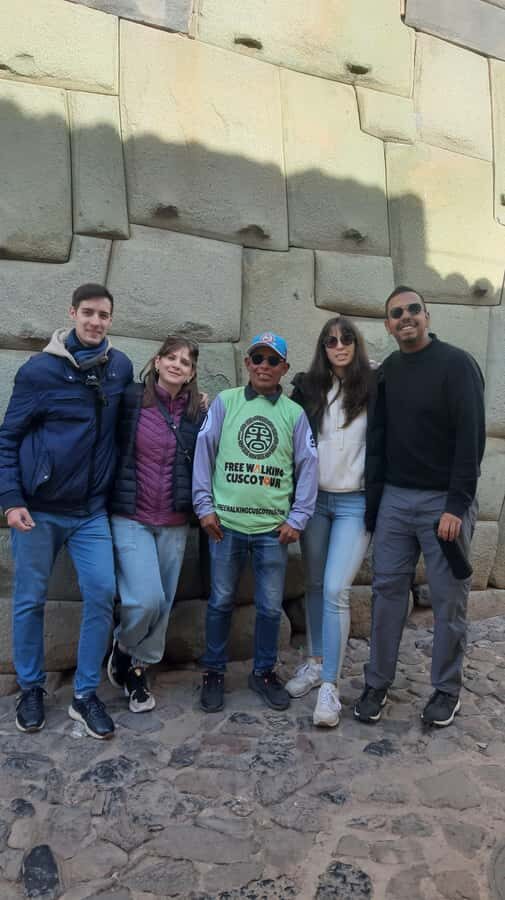
You meet at the Cusco Main Square (Plaza Mayor de Cusco). The guide calls your name and wears the agency jacket.
What time do we start on the first day?
You get picked up from the city center at 6:00 AM on day 1.
Is Machu Picchu entry included?
Yes. Entrance tickets to Machu Picchu are included, along with a 2-hour guided tour on day 4.
Are meals and lodging included?
Yes. The package includes 3 breakfasts, 3 lunches, and 3 dinners, plus three nights of accommodation: one in Pispitayoc, one in Santa Teresa, and one in Aguas Calientes. The first breakfast and the last lunch in Aguas Calientes are not included.
Is the Cocalmayo hot springs included?
The Cocalmayo thermal baths are optional, and tickets are not included.
Is the tour refundable?
The experience is listed as non-refundable.