REVIEW · NAZCA
Nazca: Overflight of the Nazca Lines
Book on GetYourGuide →Operated by Tangol · Bookable on GetYourGuide
One mystery worth seeing from above. The Nazca Lines are hard to understand on the ground, so an overflight turns those faint desert drawings into something you can actually read and appreciate. I like how this tour pairs the flight with an on-the-ground explainer, so you come away with context instead of just staring at dots and lines.
What I love most is the small group size (limited to 6), which helps the experience feel calm even when you’re preparing for takeoff. Second, I like that each person gets panoramic views from the plane, plus you’ll receive a flight certificate and map to take home after.
One thing to consider: the schedule and timing depend on weather, and there’s some waiting involved during the preflight process. If you’re prone to motion sickness, plan for it too, because you may spend a chunk of time looking out the windows while you’re in the air.
In This Review
- Key things you’ll notice on this Nazca overflight
- Nazca Lines from the air: why this overflight actually helps
- The “Maria Reiche” setup: what happens before you take off
- The flight experience: 35 minutes vs. 1 hour over Nazca and Palpa
- The 35-minute option (13 famous figures)
- The 60-minute option (21 figures, including Palpa plains lines)
- A note on pacing and motion
- Understanding what you’re seeing: from calendar theories to other possibilities
- Price and value: what $129 gets you, and what costs extra
- Group size, seats, and guide language: how it shapes your experience
- How the timing works on the day: transfers, briefing, flight, and back
- Who should book this Nazca Lines overflight
- Should you book this overflight?
- FAQ
- What time do the Nazca overflights operate?
- How long is the flight?
- What figures will I see on the shorter flight?
- How many people are required for the 1-hour flight?
- Are airport or air taxes included in the price?
- Do I need passport and cash?
- What language is the guide?
- Are there weight limits or surcharges?
Key things you’ll notice on this Nazca overflight
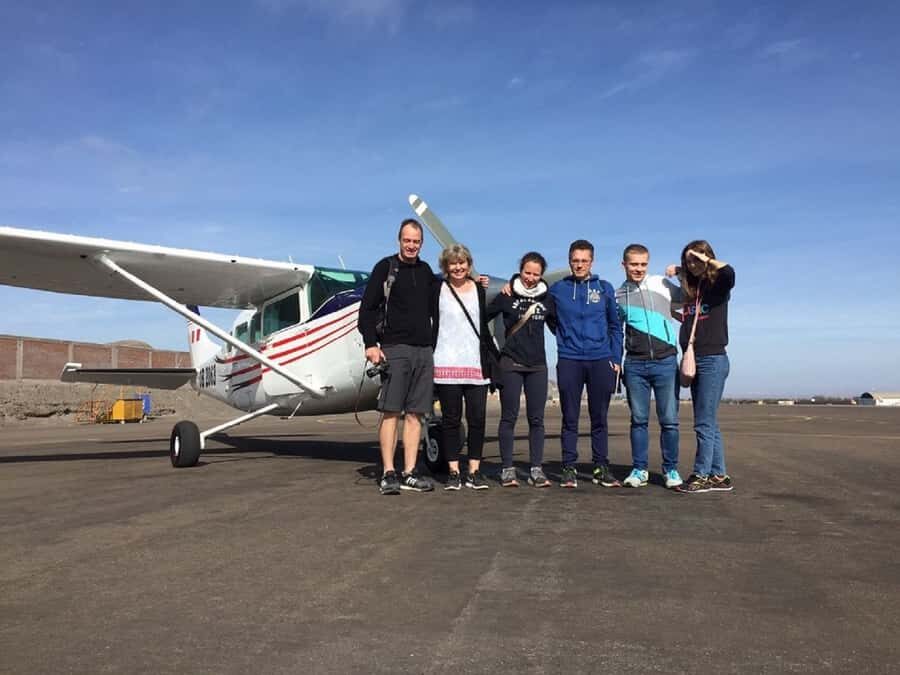
- Small group of up to 6 passengers in an 8-seat aircraft (2 pilots + 6 passengers)
- A long preflight safety + procedure block (about 40–45 minutes) before you soar
- Two flight options: about 35 minutes for 13 figures, or about 60 minutes to see more
- UNESCO-site context from a live guide, plus a documentary and a takeaway map
- Air taxes are extra (paid in cash before boarding), so total cost may be higher than the headline price
- Flights run 9:00 a.m. to 4:00 p.m. and operate by order of arrival, subject to weather
Nazca Lines from the air: why this overflight actually helps
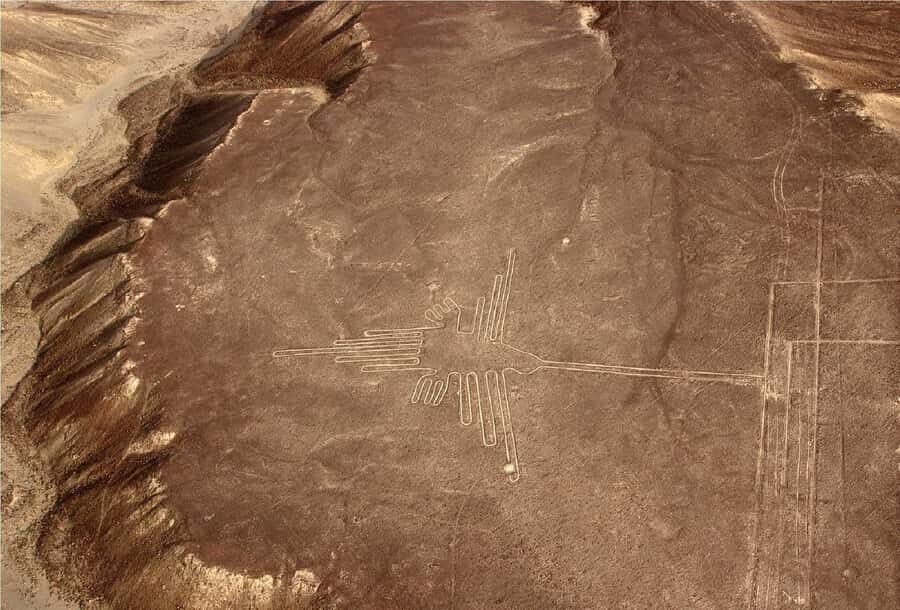
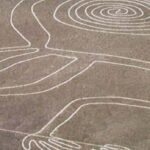
If you’ve ever tried to make sense of geoglyphs from the ground, you know the problem: many drawings are meant to be read from high up. On the desert plain between Nazca and Palpa, the lines can look subtle, fragmented, or just plain confusing—until you’re in the air and the patterns snap into place.
The value of this tour is that you’re not just paying for a flight. You’re getting a guided layer of meaning right before you look down. The guide explains the Nazca culture that created these works between the 1st and 7th centuries AD—especially their strengths in polychrome ceramics, textiles, and metalwork. You also learn about the ceremonial center at Cahuachi in the Nazca River valley, and how their aqueduct network helped fertilize lands and support agriculture. That context matters, because it keeps the Nazca Lines from becoming only a sci-fi story or a puzzle with no grounding.
Then, just when your brain is ready to connect the dots, you go up and see the geoglyphs as intended: as huge drawings laid out across the desert.
You can also read our reviews of more tours and experiences in Nazca.
The “Maria Reiche” setup: what happens before you take off
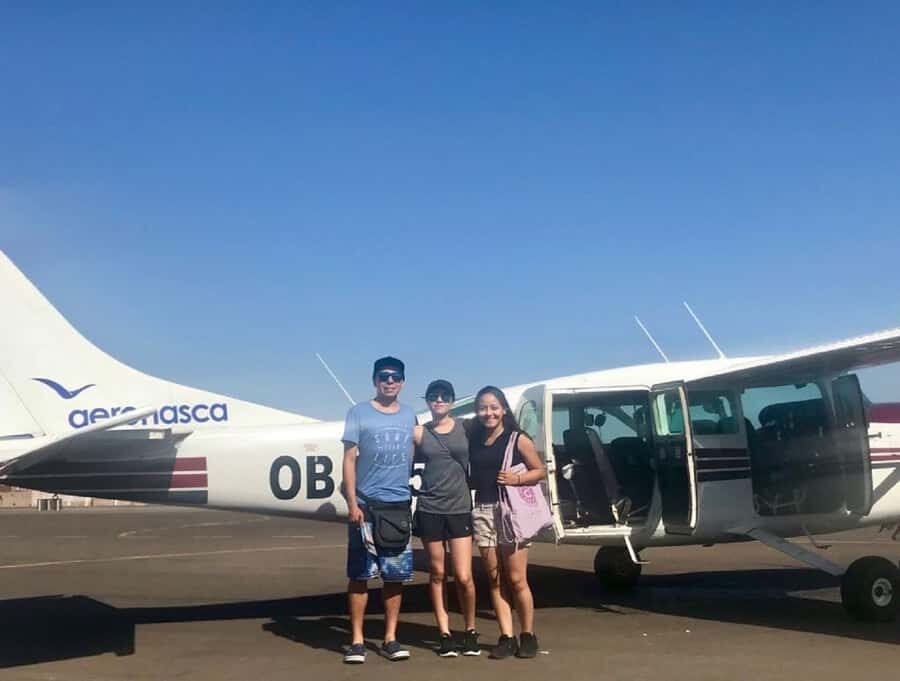
One of the tour’s strengths is how it handles the preflight stage. You’re picked up from the central area of Nazca—either a bus terminal or a hotel—then you’ll ride to the aerodrome. Expect short shared transfers through Nazca, then time at the airport where the process takes a while.
You should plan on roughly 40–45 minutes for the safety briefing and necessary procedures before boarding. This isn’t just bureaucracy. It helps you settle in, understand what to do, and be ready to look for figures without chaos.
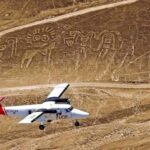
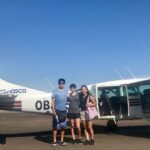
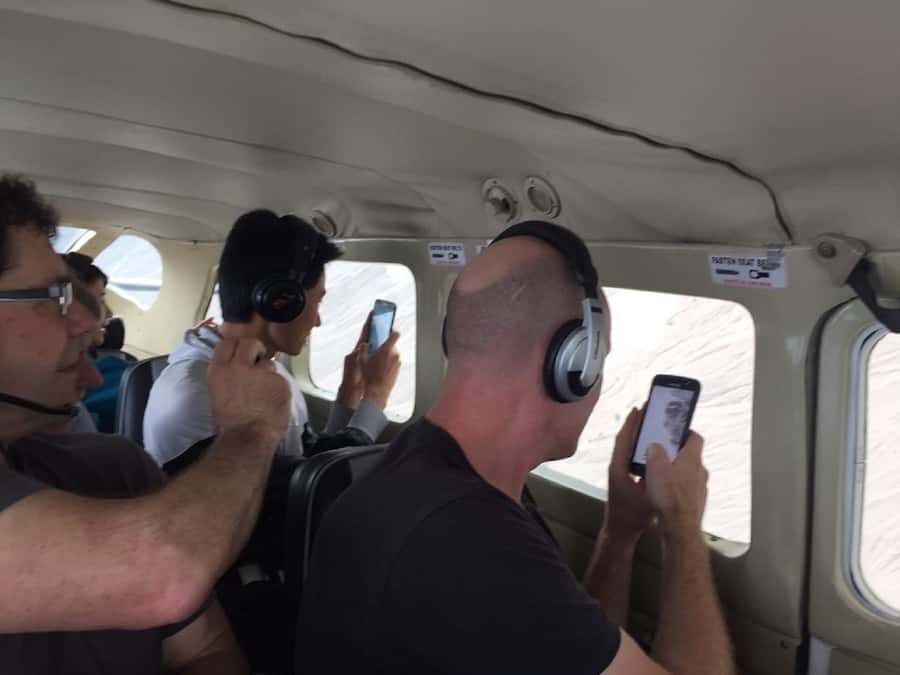
A key detail that reassures me: the aircraft has 8 seats with a small passenger group. That means you’re not crammed into a giant bus-and-plane setup. You also get panoramic sightlines from your seat, which helps whether you’re taking photos or just trying to identify shapes quickly.
Also, the aerodrome is named Maria Reiche, and the tour includes a documentary about the Nazca Lines. Reiche is famous for dedicating her life to study and preservation starting in the mid-20th century, so having her name attached to the airport (and her work mentioned) makes the whole experience feel connected to real scholarship—not just mystery.
The flight experience: 35 minutes vs. 1 hour over Nazca and Palpa
Flights run between 9:00 a.m. and 4:00 p.m., and departures depend on weather and the order of arrival. So even if you book a specific duration, the exact timing can shift. It’s smart to keep your day flexible and not plan tight connections right after your overflight.
The 35-minute option (13 famous figures)
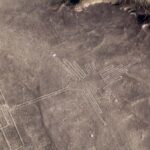
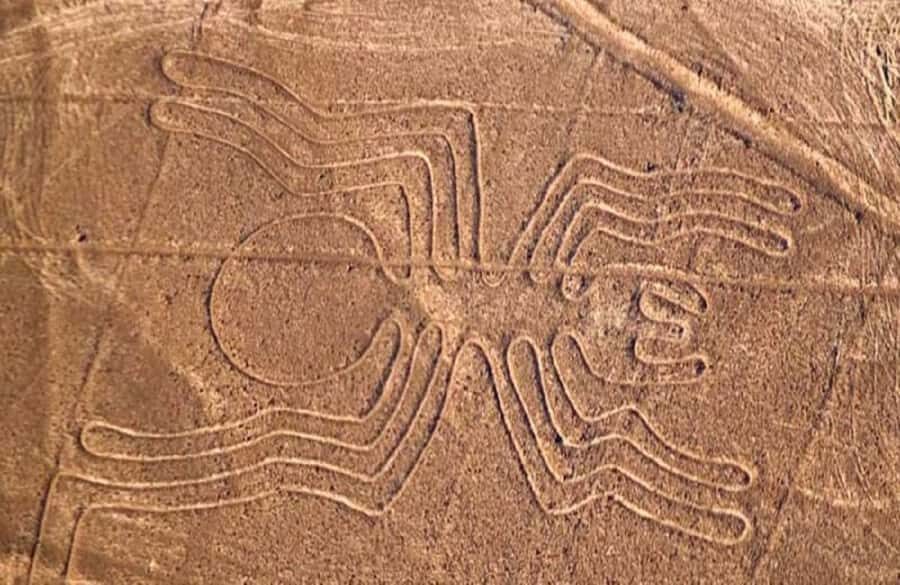
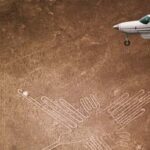
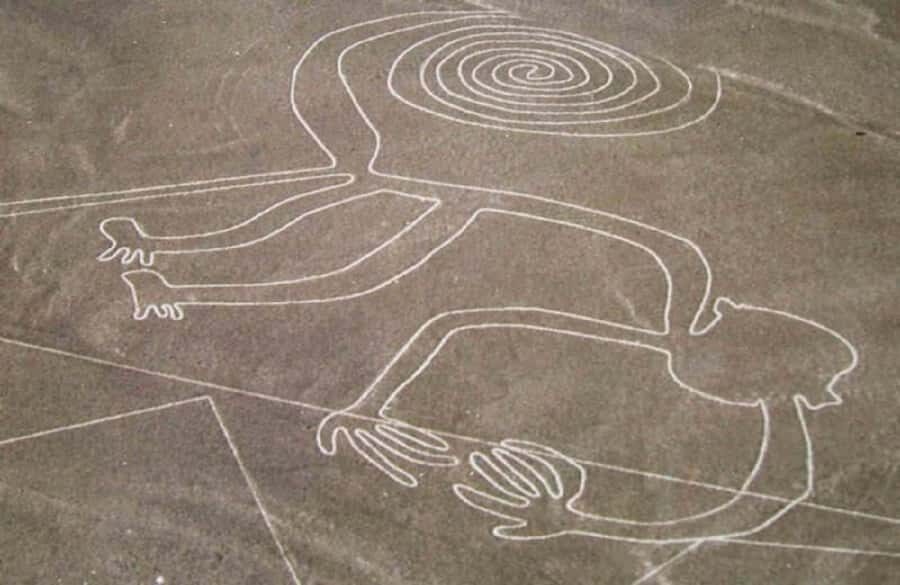
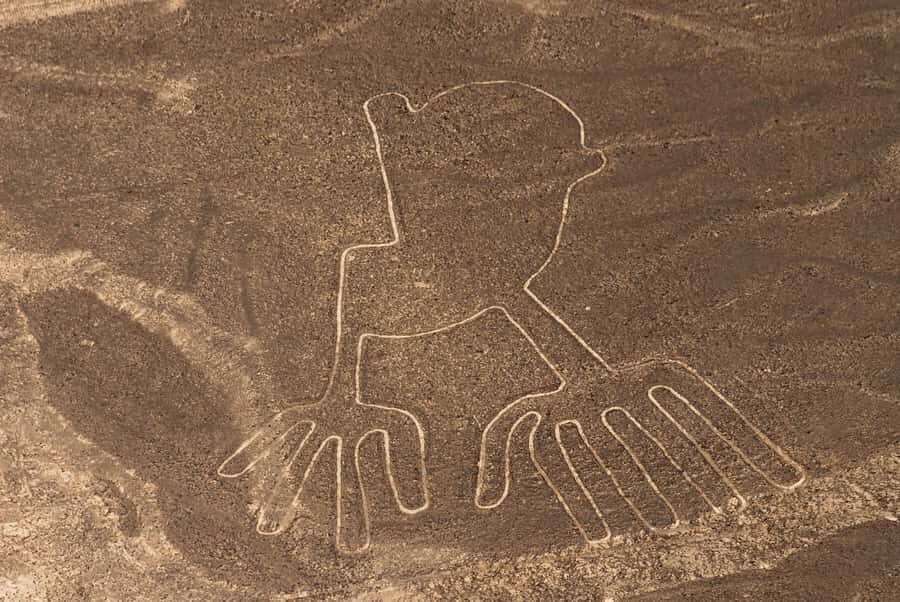
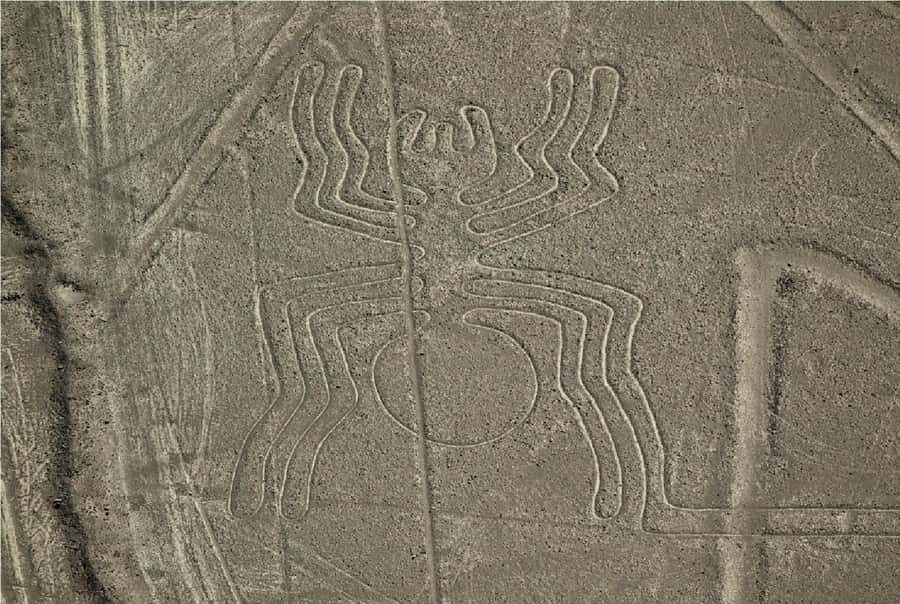
In the shorter flight, you’ll see 13 figures, including well-known shapes such as the whale, condor, hummingbird, spider, monkey, dog, astronaut, compass, trapezoids, hand, tree, parrot, and albatross. You’ll also get those big geometric forms that make the Nazca Lines feel like a system rather than random doodles.
This option tends to work best if you’re visiting on a tight schedule or you’re just trying to get the “I saw it from the sky” moment without committing to longer time.
The 60-minute option (21 figures, including Palpa plains lines)
If you choose the longer flight, you’ll see 21 figures. First you’ll cover the 13 figures listed above, then you’ll fly over the Palpa plains and spot additional figures such as heron, crane, pelican, seagull, snail, parrot, llamas, iguana, lizard, snakes, and various birds.
A practical point: the 60-minute option requires a minimum of 4 people to start. If you’re traveling as a smaller group or solo, you’ll want to check availability early so you don’t end up defaulting to the shorter slot.

A note on pacing and motion
The Japanese review in the set gave a useful reality check: even if you normally don’t get motion sickness, looking out the window, taking photos, and being focused on the air can still trigger nausea during the last minutes. If you’re even a little prone to motion sickness, I’d bring an anti-nausea option you trust. The tour gives you a panoramic viewpoint—great for your photos, but your body might need a little help.
Understanding what you’re seeing: from calendar theories to other possibilities
The guide doesn’t just name the figures. The tour also gives you theories about what the Nazca Lines were for, and that’s where this becomes more than a sightseeing checkbox.
One major theory connected to the work of Maria Reiche is that the lines represent a giant solar and lunar calendar used by ancient astronomers. That idea gives you a “purpose” lens: you look at patterns and lines as clues tied to celestial cycles.
Of course, there are other theories too. Some speculate about links to extraterrestrials, while others suggest the figures were designed to be seen by gods from the sky. The tour keeps it honest: there’s no certain information about the original purpose.
For me, the best way to experience this is to keep your mind open during the flight. Don’t force one explanation. Instead, watch how the figures relate to each other across the plain. The longer you look downward, the more you start noticing that many designs aren’t meant to be understood individually. They’re part of a larger map spread across the desert.
Price and value: what $129 gets you, and what costs extra
The listed price is $129 per person, and it includes a lot of the big-ticket value drivers:
- Round trip shared transfers from bus terminal or hotels in central Nazca
- A documentary about the Nazca Lines
- Flight certificate + a map of the lines
- Permanent English/Spanish assistance
- Panoramic view for each passenger
- A small group format (limited to 6)
That’s why it can feel like good value compared with “just a flight” options. The map and certificate are small, but they make the experience tangible after the landing. The documentary and live guiding help you process what you saw, so it isn’t just a fast thrill.
Now the catch: air taxes are extra. You pay about S/ 77 or USD 25 per person in cash before boarding. So if you budget only the $129, you may be surprised at the airport. Also, transfers aren’t included if your hotel is on the outskirts of downtown Nazca—you’ll need to handle those separately.
If you’re in central Nazca and you want the full package (flight + guidance + takeaway materials), this price is pretty reasonable for what you’re buying: a rare aerial view of a UNESCO World Heritage Site.
Group size, seats, and guide language: how it shapes your experience
This tour is designed for a small group (max 6), and the aircraft has 6 passenger seats. That matters for two reasons.
First, it reduces waiting pressure. In some larger tours, the group energy can become stressful when boarding windows tighten. Here, the small scale makes the whole process easier to manage.
Second, it affects how you can ask questions. The tour includes permanent assistance in English and Spanish, and there’s a live guide. If you’re hoping for French specifically, the materials don’t promise it. One of the reviews in the set noted wishing for a French guide—so if that language matters to you, you should plan based on English/Spanish support.
If you’re comfortable with either English or Spanish—or you don’t need perfect wording to follow the basics—you’ll likely get a lot more from the flight because the guide is teaching you what to look for.
How the timing works on the day: transfers, briefing, flight, and back
Here’s what your clock looks like, in real life terms.
You start with pickup from central Nazca (bus terminal or a centrally located hotel). Then you travel to the aerodrome with a short shared coach transfer. At the aerodrome, you’ll go through the required procedures and safety briefing, which is the longest part of the day before you fly. This is where you’ll feel the “why does it take so long” moment—until you realize it’s part of operating safely for flight over a sensitive site.
Then comes the flight itself: either about 35 minutes or about 60 minutes, depending on the option you book and the minimum group requirements. During the flight, you’re there to identify the figures and enjoy the panoramic views from your seat.
After landing, you’re transferred back to your hotel in Nazca or to the bus station, based on your itinerary. It’s a straightforward loop, which is helpful when you’re trying to fit Nazca into a bigger Peru plan.
Who should book this Nazca Lines overflight
I’d book this tour if you:
- Want the Nazca Lines experience in the most readable way possible (from the air)
- Like having a guide explain the Nazca culture and the main theories before you look
- Prefer small group comfort and seat-level panoramic viewing
- Want a flight certificate and map to remember what you saw
You might think twice if:
- You get motion sickness easily during short flights
- You’re traveling with strict language requirements beyond English/Spanish
- You can’t be flexible with timing due to weather-based scheduling
- You’re staying outside central Nazca and don’t want extra transfer costs
Should you book this overflight?
Yes, if your main goal is to actually understand and enjoy the Nazca Lines—not just stand near them and hope you’ll figure them out. The combination of a live guide, documentary context, small group seating, and the map/certificate makes it more than a ticket for a quick ride.
Book with a little practicality in mind: bring a hat and sunscreen, bring your passport, and have some cash for the air taxes. If you’re even slightly sensitive to nausea, consider taking motion sickness medicine beforehand, because looking down and photographing can do the trick even when you think you’re fine.
FAQ
What time do the Nazca overflights operate?
Flights take place between 9:00 a.m. and 4:00 p.m. Attention is by order of arrival, and schedules can change due to weather.
How long is the flight?
The overflight lasts about 30 minutes to 1 hour, depending on which option you choose (commonly 35 minutes or 1 hour).
What figures will I see on the shorter flight?
In the 35-minute option, you’ll see 13 figures: whale, trapezoids, dog, astronaut, monkey, condor, compass, spider, hummingbird, parrot, tree, hand, and albatross.
How many people are required for the 1-hour flight?
The 1-hour overflight requires a minimum of 4 people to start the tour.
Are airport or air taxes included in the price?
Air taxes are not included. You pay in cash before boarding (about S/ 77.00 or USD 25.00 per person).
Do I need passport and cash?
Yes. You should bring your passport. You’ll also want cash for the air taxes that are paid before boarding.
What language is the guide?
The live guide and assistance are available in English and Spanish.
Are there weight limits or surcharges?
Yes. People weighing more than 95 kilos (209 pounds) pay 50% more. People weighing more than 115 kilos (253 pounds) need an additional seat. You should share your weight when booking.