REVIEW · NAZCA
From Nazca: Flight in a light aircraft over the Nazca Lines
Book on GetYourGuide →Operated by Journey Peru SAC · Bookable on GetYourGuide
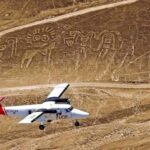
One trip, and the desert starts talking. A flight over the Nazca Lines is one of the rare chances to see ancient geoglyphs from the exact angle they were meant to be read. What I like most is the small Cessna 207A setup (just 6 passengers) and the way you get a real aerial view of famous figures like the condor and spider.
You’ll also appreciate the human part: the pilot speaks English and Spanish, and you’re given a quick guide to what to watch for while the plane does its turns. The main thing to factor in is time on the ground, since waits at the airport and pickup timing can be inconsistent, especially around busy periods.
If you want the Nazca Lines experience without spending all day driving between viewpoints, this is a clean, focused option. Plan for desert sun, bring the right items, and keep your expectations realistic about delays.
In This Review
- Key things to know before you go
- Getting To Maria Reiche Neumann Airport Without Stress (Or With a Plan B)
- Boarding the Cessna 207A: Why This Flight Feels Different
- The 30-Minute Aerial Route: How the 13 Most Important Lines Get Covered
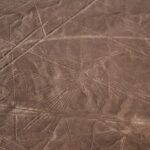
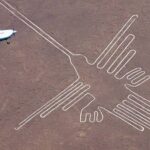
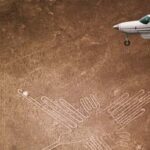
- What You’ll See From Above: Condor, Spider, Monkey, Hummingbird
- Learning the Why: Hypotheses, Not a Single Final Answer
- Price and Value: The Real Cost of Seeing Nazca From the Sky
- Timing on the Ground: Airport Waits and Pickup Mix-Ups
- What to Bring (And What Helps You Get Photos Without Fighting Them)
- Who This Works For (And Who Might Want a Different Plan)
- Should You Book This Nazca Overflight?
- FAQ
- How long is the Nazca Lines flight, and how long is the full tour?
- What’s included in the price?
- Are airport and tourist taxes included?
- What aircraft will I fly in?
- What should I bring for the tour?
- Is the tour wheelchair accessible?
Key things to know before you go
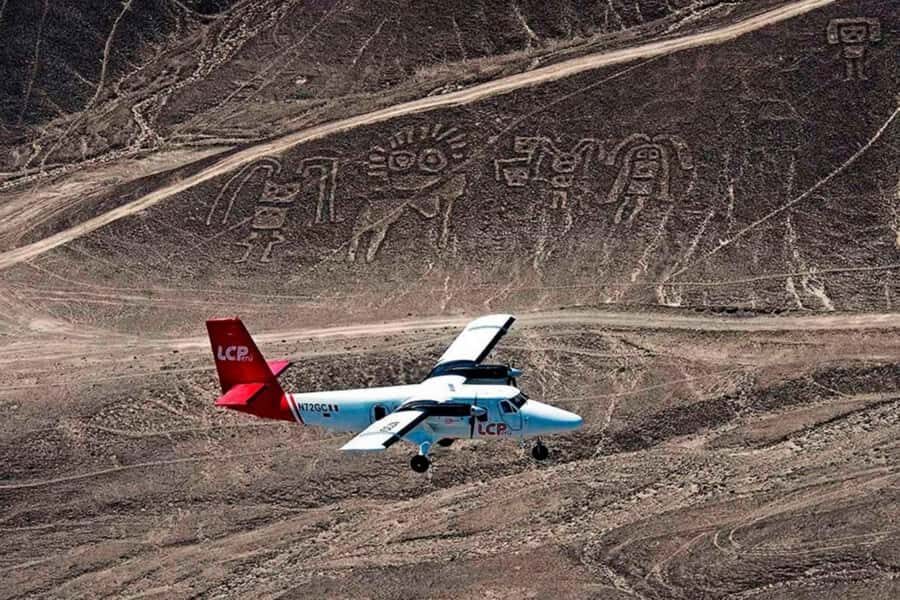
- Small plane, big windows: A Cessna 207A with panoramic side windows from both directions
- 30 minutes in the air: Enough time to spot the most important 13 lines without dragging it out
- Pilot-led spotting: You’ll see figures like condor, spider, monkey, and hummingbird
- Short desert run without extra stops: Transfer from Nazca to Maria Reiche Neumann airport and back
- Certificate at the end: You get a flight certificate to show family and friends
- Budget for taxes: Airport and tourist taxes are extra (77 S/ per person)
Getting To Maria Reiche Neumann Airport Without Stress (Or With a Plan B)
Most days start with hotel pickup in Nazca, then a transfer to Maria Reiche Neumann airport. Once there, you’ll go through the necessary airport and ticket formalities, then it’s time to board. The whole outing is listed as 1 hour, but that number can feel more like a “schedule target” than a guarantee, since waiting time happens on the ground.
Here’s what I find practical for your planning: keep nearby downtime flexible. In real-world operations, some people report waiting at the airport for up to about 1.5 hours before being handled, and pickup sometimes runs late if the timing link between WhatsApp info and on-the-ground taxi arrangements doesn’t match what you expect. If you’re traveling on a tight timetable, this is the part you want to buffer.
Good news: the day usually stays simple. No museum sprint. No extra viewpoints. Just transfer, formalities, flight, and back to Nazca for drop-off.
You can also read our reviews of more tours and experiences in Nazca.
Boarding the Cessna 207A: Why This Flight Feels Different
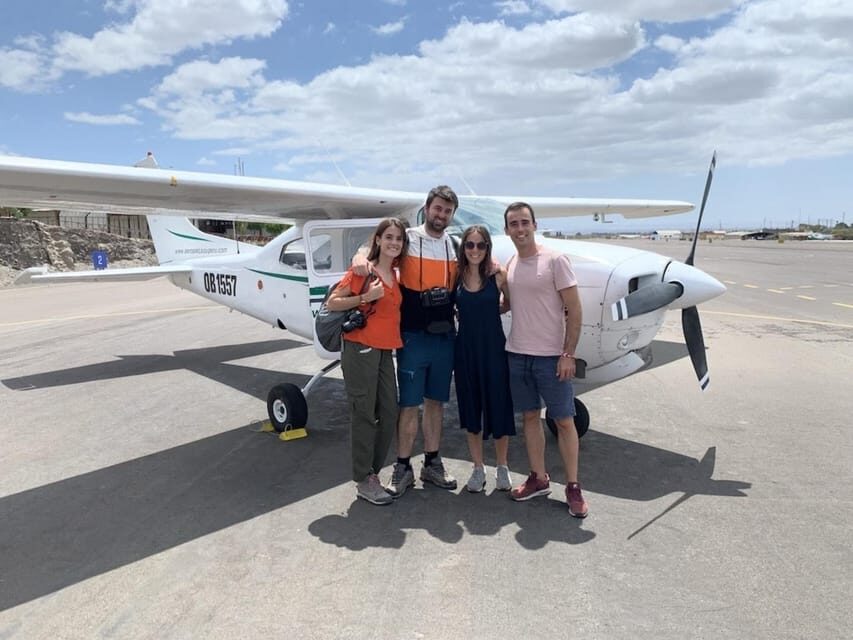
This overflight is on a Cessna 207A with room for 6 passengers and 2 crew members. Each passenger has an individual seat with panoramic windows, and you’ll be able to see the geoglyphs clearly from both sides of the aircraft.
That small-group layout matters. With a big plane you can end up watching through glass without really seeing what you’re looking for. Here, the combination of a smaller cabin and side windows gives you a better chance to track the figures as the aircraft lines up over them.
You should also think about comfort. Even though the aircraft is described as professional, it’s still a light aircraft. Plan for wind noise and quick changes in posture as the plane angles to show each figure.
The 30-Minute Aerial Route: How the 13 Most Important Lines Get Covered
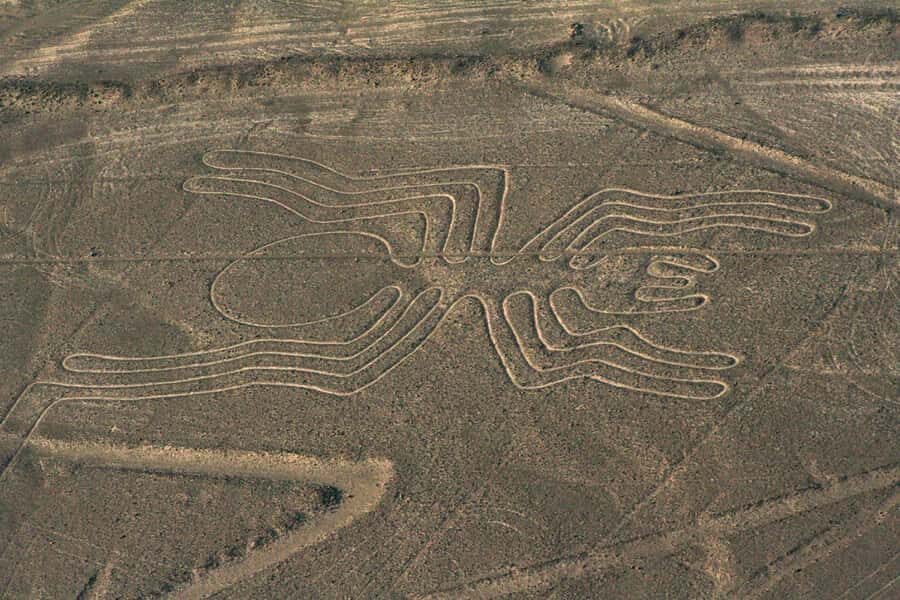
The flight itself is 30 minutes, focused on the 13 most important Nazca Lines. That short window is exactly why this works so well: you don’t need to guess where to stand or how far you can see from a desert viewpoint. You’re above the designs, and the plane’s route does the “navigation” for you.
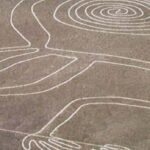
In the air, you’ll fly over a mix of animal figures, plant-like shapes, and human-like (anthropomorphic) designs laid into the desert floor. The briefing is meant to help you recognize what you’re seeing fast, since Nazca shapes can look abstract until you match them to the names and order.
One helpful detail: some people received a card from the pilot with the order of the figures, which makes a huge difference. If you’re the kind of person who likes to know what you’re looking for before it disappears over your shoulder, that little cue system is a real win.
The flight ends with landing at the same airport you departed from. Then you’re transferred back to Nazca and dropped at your hotel, and you’ll receive a flight certificate before you go.
What You’ll See From Above: Condor, Spider, Monkey, Hummingbird
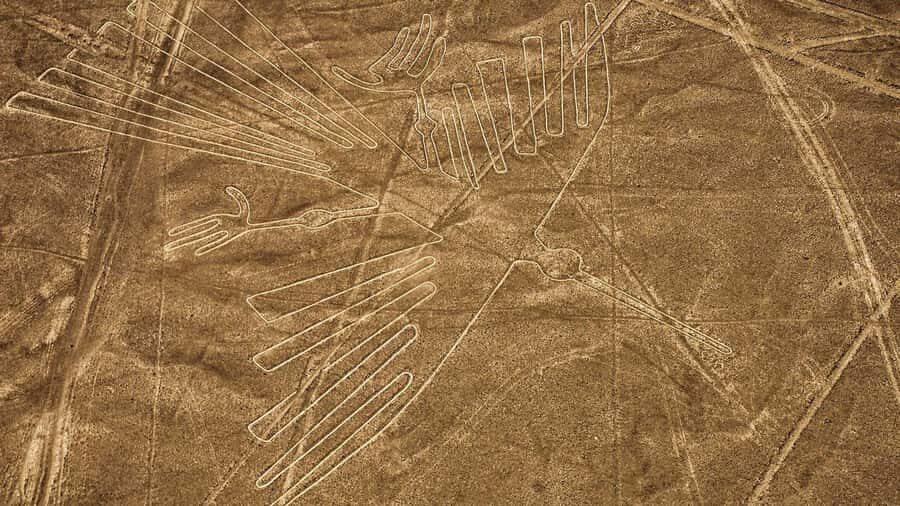
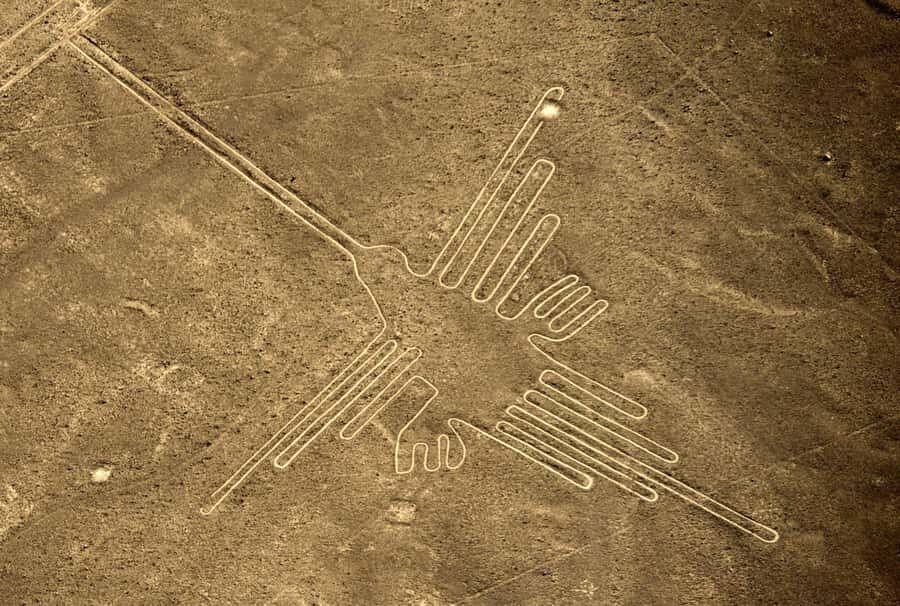
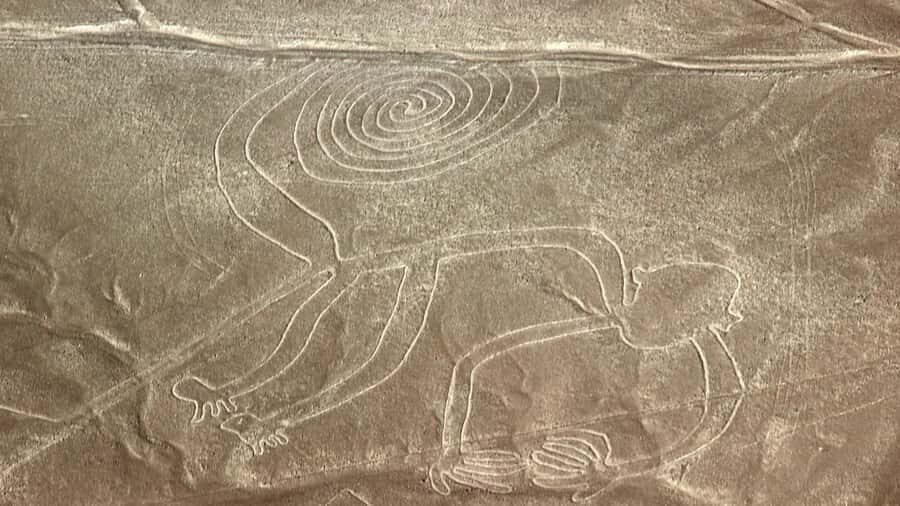
The Nazca Lines can sound like a single big “thing,” but in the air they feel like a set of distinct drawings. The experience highlights animals and some human-like figures that are large enough to read from the sky.
Here’s the key lineup you should be ready to spot:
- Condor: One of the most famous figures; you’ll likely recognize the wing-and-body shape quickly once you’re overhead.
- Spider: Another standout, often framed by the way the lines extend outward.
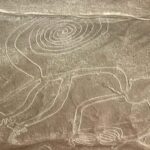
- Monkey: A design that tends to register as a recognizable animal form from the air.
- Hummingbird: Smaller-looking than the condor from the ground, but still legible during the aerial pass.
You’ll also observe other figures tied to plants and anthropomorphic shapes. The aerial perspective is what turns them from “a drawing on sand” into “a real figure with orientation and scale.”
The plane’s side-to-side viewing matters here. Since you can see from both sides, you’re not stuck hoping one figure shows up only on one side of your window. That shared visibility helps the whole cabin stay engaged.
Learning the Why: Hypotheses, Not a Single Final Answer
During the flight, you’ll hear some of the hypotheses about the origin and function of these huge designs. This isn’t presented like a solved mystery with one neat answer. Instead, it’s more like a guided tour through the main theories people discuss around Nazca’s geoglyphs.
That approach is valuable for you because it keeps the experience from becoming a memorization exercise. You’re not just hunting for names like a checklist. You’re building a sense of how the figures might have been used, and why their scale and placement matter.
And because it happens during the flight, learning stays tied to the moment. You see the condor, then you hear what different researchers think it could mean. That timing helps the story stick.

Price and Value: The Real Cost of Seeing Nazca From the Sky
The listed price is $115 per person, plus airport and tourist taxes of 77 S/ per person. So your real “all-in” number depends on the current local currency rate and how you estimate taxes.
Is it worth it? Usually, yes, if you care about seeing the lines from the sky and want a short outing. A ground-only approach can mean long drives and limited sight lines depending on conditions. This flight gives you the aerial angle in a compact package: pick up, 30 minutes of flying over the core figures, drop off, and a certificate.
Also consider what you’re paying for:
- a small aircraft with strong viewing access
- a pilot-led spotting experience with English and Spanish support
- a structured route over the 13 key geoglyphs
The main value-tilter is time on the ground. If you’re unlucky with waits or pickup delays, the experience still stays good in the air, but you may feel like the day dragged a bit.
Timing on the Ground: Airport Waits and Pickup Mix-Ups
The strongest practical lesson from experience reports is simple: the flight may be great, but your comfort comes from how you handle the “before” part.
Some issues show up repeatedly:
- Airport waiting time can run long before the group is taken in.
- Pickup timing can miss the agreed schedule if the taxi timing doesn’t line up with the WhatsApp message window.
- One report mentioned a longer delay related to weather conditions, with the flight still praised for visibility once it happened.
So here’s my advice: treat your confirmation WhatsApp as useful, but don’t treat it like a magic spell. If you’re within reach of the pickup window, be ready. Have your passport or ID accessible. If something feels off, make contact early rather than waiting until the last minute.
Once you’re boarded, the rest tends to follow through: flight over the lines, then landing and return.
What to Bring (And What Helps You Get Photos Without Fighting Them)
You’ll want basic sun and camera prep. Bring:
- Passport or ID card
- Sunglasses
- Camera
- Sunscreen
Add a practical thought: with aerial viewing, you’ll be shooting through windows. That means glare can happen, and quick reflexes matter. Sunglasses help with your eyes during spotting, but for photos you’ll still want to be careful with reflections and angle.
Dress for desert conditions. Even if the flight is only 30 minutes, you’re likely outdoors during pickup and waiting at the airport.
Who This Works For (And Who Might Want a Different Plan)
This overflight is a good fit if you want:
- a short, focused Nazca Lines experience
- a clear aerial view of multiple famous geoglyphs
- an operation with English and Spanish support from the pilot
It’s not suitable for wheelchair users, so if mobility is a factor, you’ll need to look for another format.
If you hate uncertainty and are the type who builds your day down to the minute, you’ll need to plan extra slack. The flight itself sounds smooth when it happens; the on-the-ground waiting is the part you can’t fully control.
Should You Book This Nazca Overflight?
Book it if you want the Nazca Lines experience that actually shows you the designs as they were meant to be seen. The combo of a small group, panoramic windows, English/Spanish pilot guidance, and a route covering the 13 key geoglyphs makes it one of the more efficient ways to do Nazca without turning it into a whole day of guesswork.
Skip or reconsider if:
- you can’t handle possible airport waiting or pickup timing issues
- you need wheelchair access
- your schedule has no flexibility for weather-related changes
If you do book, pack smart, confirm your pickup time in advance, and keep a calm backup mindset for the airport stretch. Once you’re in the air, the Nazca Lines tend to click into place fast—and that’s the whole point of paying for the flight.
FAQ
How long is the Nazca Lines flight, and how long is the full tour?
The flight over the Nazca Lines lasts 30 minutes, and the total tour duration is listed as 1 hour.
What’s included in the price?
Included are hotel pickup and transfer back, the 30-minute flight over the 13 most important Nazca Lines, English and Spanish speaking pilot, and a flight certificate.
Are airport and tourist taxes included?
No. Airport and tourist taxes are 77 S/ per person and are not included in the listed price.
What aircraft will I fly in?
You’ll fly in a Cessna 207A, with capacity for 6 passengers and 2 crew members.
What should I bring for the tour?
Bring passport or ID card, sunglasses, camera, and sunscreen.
Is the tour wheelchair accessible?
No. It is not suitable for wheelchair users.