REVIEW · CUSCO
SOUTH VALLEY CUSCO
Book on GetYourGuide →Operated by Top Inka Travel · Bookable on GetYourGuide
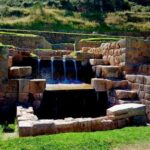
Cusco south of town, in one solid day. I really like the Tipón terraces and its clever irrigation canals, because you can see the Inca water brain at work. I also like the finish at Andahuaylillas, famous for being the Sistine Chapel of this region. The only real catch is that Pikillacta can feel a bit fast, so if you love lingering in ruins, you’ll want to manage your expectations.
This is also one of the better-priced day trips from central Cusco at about $20 per person, with hotel pickup in nearby areas and a guide who works in both English and Spanish. Based on what I’ve learned from past guests (including guide Bernabe, who gets called out for being genuinely kind), the vibe is usually calm and well-paced, with transportation that feels comfortable instead of cramped.
Plan on snacks and cash, because meals are not included and the tour may make a lunch stop only if the group agrees. I’d bring something small like a sandwich so you don’t get hungry waiting for that majority vote, and wear comfortable clothes for several hours of walking on uneven ground.
In This Review
- Key things to know before you go
- A 7-hour South Valley loop with real variety
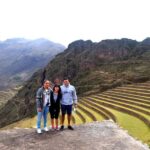
- The Tipón terraces and irrigation canals: Inca engineering you can read
- Pikillacta (Pikillacta): Wari planning before the Inca show up
- Andahuaylillas and its Sistine Chapel fame
- How the day flows: pickup, ride time, and the 16:00 finish
- Price and value: what $20 buys you in Cusco
- Guides, language, and how to make explanations work for you
- What to bring (and what to skip)
- Who this tour suits best
- Should you book South Valley Cusco?
- FAQ
- Where does the tour start and where does it end?
- How long is the South Valley Cusco tour?
- Which places do you visit?
- Is entrance to Andahuaylillas included?
- Are meals included in the price?
- What languages is the guide available in?
- What’s included in the tour price?
- What should I bring?
- Is this tour suitable for wheelchair users?
Key things to know before you go
- Tipón’s Inca water system: agricultural terraces plus irrigation canals you can actually follow.
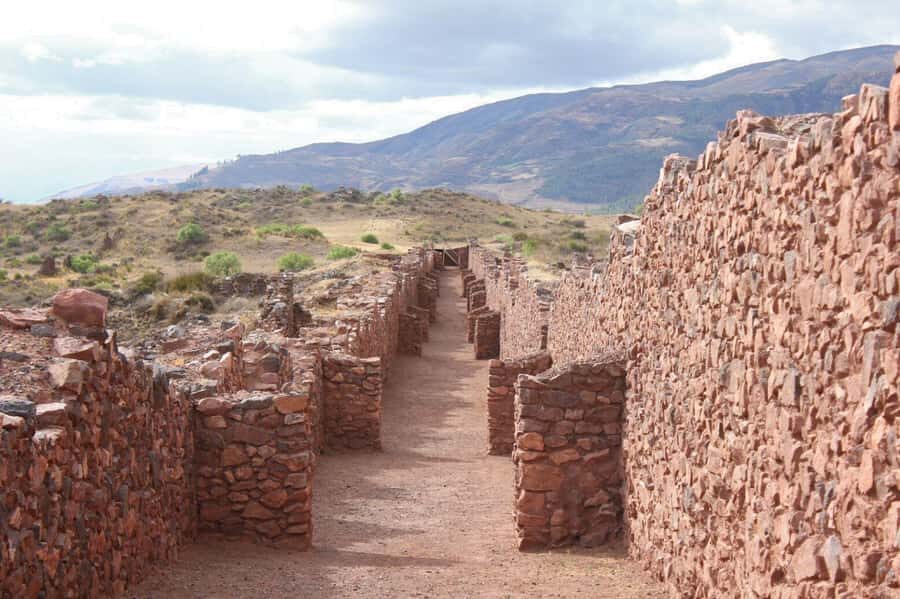
- Pikillacta’s Wari-era urban feel: a pre-Inca city that’s different from the sites you’ll see later in Cusco.
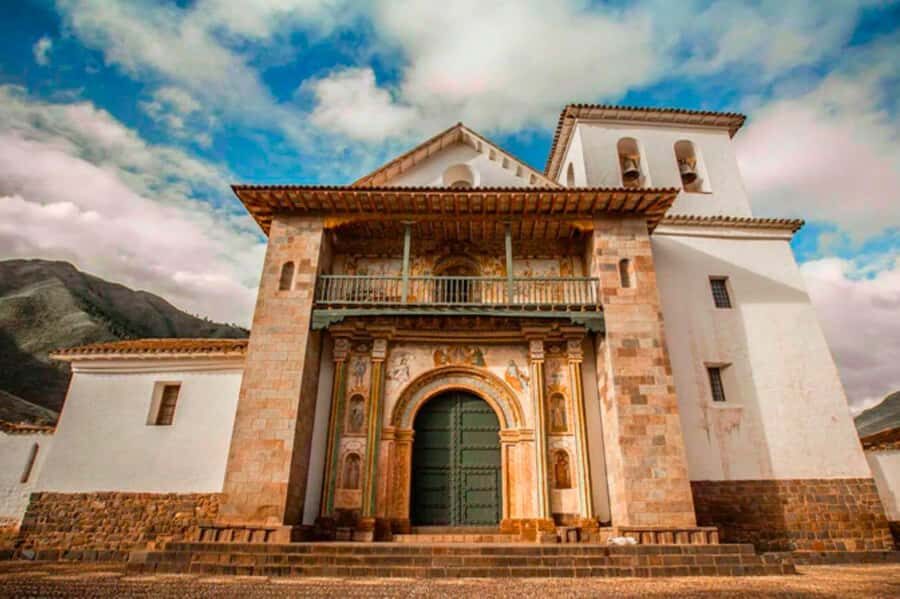
- Andahuaylillas as the Sistine Chapel: an old colonial church stop that anchors the tour.
- Bilingual guiding (English and Spanish): easier explanations even if your Spanish is basic.
- Hotel pickup near Plaza de Armas: less hassle than figuring out bus connections on your own.
- Possible extra roadside stops: some groups add small detours, like a bakery in Oropesa, depending on the day.
A 7-hour South Valley loop with real variety
South Valley Cusco is built like a sampler plate—but a good one. You’re not just bouncing between three ruins; you get three different eras and two different styles of “how people built.” In about 7 hours, you’ll move from Inca engineering and agriculture, to a pre-Inca Wari city complex, then finish at a major colonial church.
What that means for you: you’ll see how the Andes keeps reinventing itself. The Inca handled water and farming with precision at Tipón. The Wari left behind a planned urban site at Pikillacta. Then the colonial era arrives at Andahuaylillas, with the kind of cultural statement people associate with the Sistine Chapel name.
If you’re short on time in Cusco but want more than the obvious day trips, this format works. And because pickup is based around central Cusco, you avoid losing your morning to logistics.
You can also read our reviews of more tours and experiences in Cusco.
The Tipón terraces and irrigation canals: Inca engineering you can read
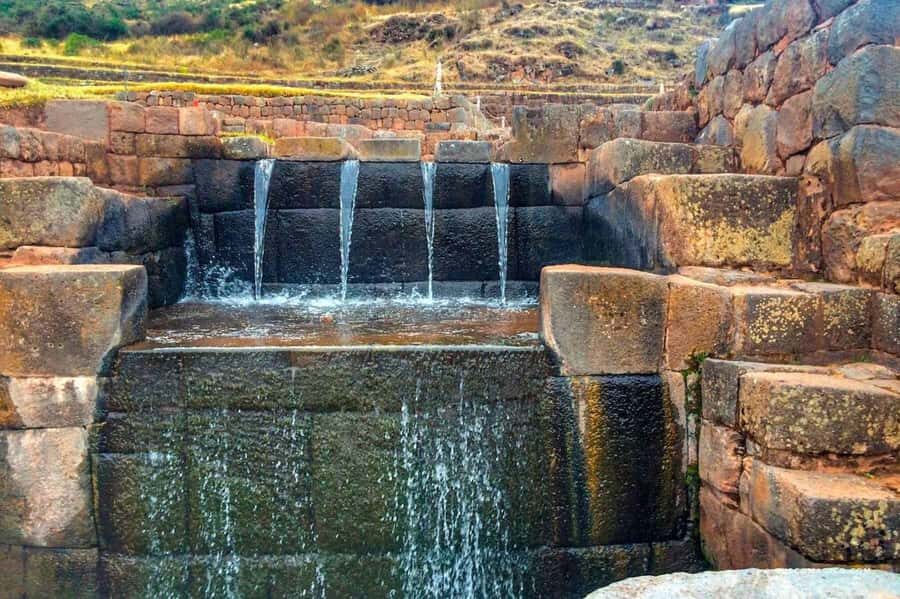
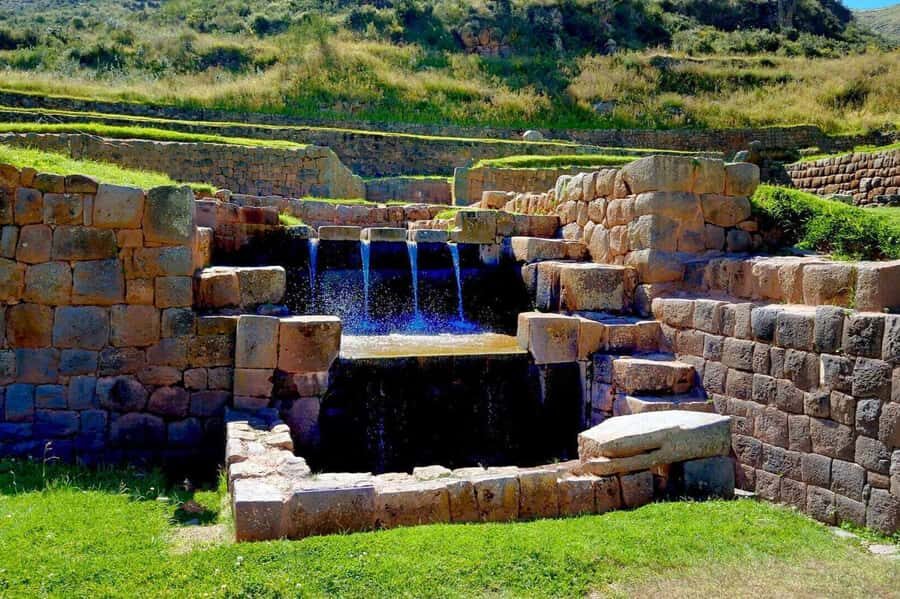
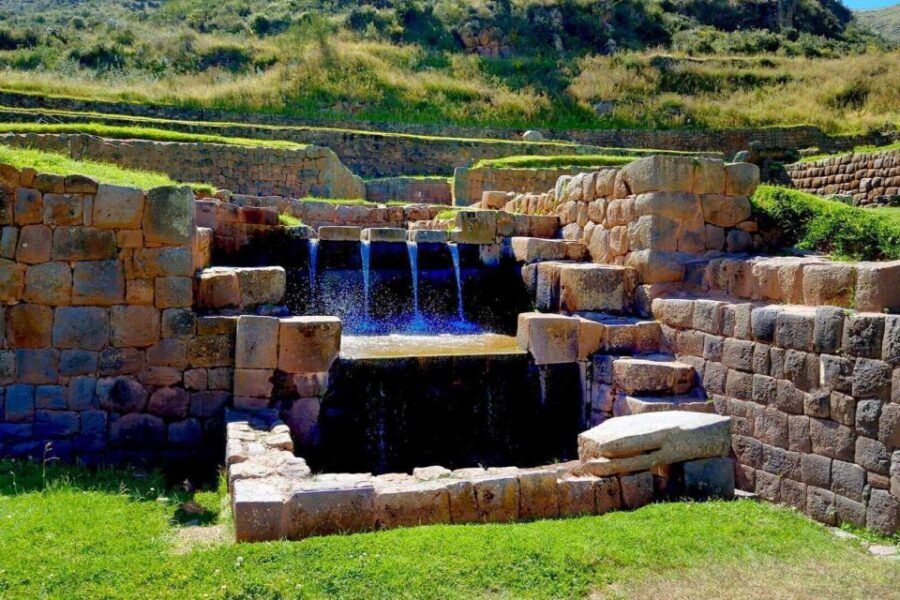
Tipón is the kind of site where your eyes do the learning. The big draw here is the sophistication of the agricultural terraces and the irrigation canals. Instead of ruins that are mostly walls and foundations, Tipón gives you functioning logic: where water goes, how it’s guided, and how the land is shaped to grow food.
Your guide will point out the layout, and once you start linking the terraces to the canal lines, it clicks. This is especially valuable if you don’t have a background in Andean agriculture. You don’t need technical knowledge; you just need to look in the right direction.
Practical note: the site is not just “look and leave.” You’ll want comfortable shoes and the stamina to walk on uneven ground for your guided visit (the time here is about 50 minutes). If you’re expecting a long hike, it’s more of an interpretive walking tour than a trekking day.
One more thing I like: Tipón is a great buffer against altitude fatigue. It’s outdoors, so you get air and views, but it isn’t a long strenuous climb compared with some other Cusco-area options.
Pikillacta (Pikillacta): Wari planning before the Inca show up
Next comes Pikillacta, a pre-Inca archaeological complex linked to the Wari culture. For a lot of visitors, this is where the trip shifts from “Inca marvels” to “wait, people were building like this even earlier.”
The value of Pikillacta is the feeling of planning. Even without detailed study, you can sense that this is an urban complex rather than a single monument. It’s a different kind of architecture story: more about organization of space than one dramatic structure.
The possible drawback is time. Some people have felt the stop moves a little quickly here, and that’s a fair warning. You’ll get guided context, but you may not get the slow, camera-and-quiet exploration you’d like. If Pikillacta is the reason you booked, set your expectations for a guided overview rather than a long roam.
Still, it’s an important stop. It rounds out the day so the trip doesn’t feel like three versions of the same theme.
Andahuaylillas and its Sistine Chapel fame
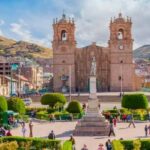
The final major site is Andahuaylillas, home to what’s often called the Sistine Chapel of South America in this context. This matters because it’s not just archaeology. It’s colonial-era sacred architecture—so you end the day with a different kind of cultural layer than the Inca and Wari sites.
The tour includes a guided visit to Andahuaylillas for about 45 minutes, and the church entrance itself is not included in the base price. You should budget 18 soles for entrance to the church (and it’s smart to have cash on hand).
What to expect inside depends on the day and the church’s operating rules, but the main idea is simple: this is a high-attention final stop. It tends to land well with people who want a memorable ending without needing a full afternoon in town.
If you love art, symbolism, or church interiors, this is one of the more satisfying “close the loop” moments in the South Valley. If you’re mainly there for landscapes and ruins, give yourself mental permission that this final stop is different on purpose.
How the day flows: pickup, ride time, and the 16:00 finish
The tour runs about 7 hours and ends at Plaza Kusipata around 16:00. That end point is useful if you plan to continue exploring Cusco afterward—you’re not stuck far from central activity.
Pickup is set for central locations around Plaza de Armas. If you include pickup, you wait in the hotel lobby. If you don’t, the meeting point is at the Mermaid Fountain in Plaza de Armas, Cusco.
Between stops you’ll ride by coach or bus. You can expect roughly 1 hour to get to Tipón, then shorter transfers between the sites. The transport time is part of the rhythm: it keeps the tour from turning into a full-on hike day, and it gives you time to adjust after each site walk.
One small “group day” detail: your guide asks whether the group wants lunch. If the majority says yes, you get a one-hour lunch stop. There’s no guarantee of food on the schedule unless the group votes for it, and meals aren’t included anyway.
Price and value: what $20 buys you in Cusco
At around $20 per person, this tour is positioned as good value compared to many private or half-day options. Here’s what you actually get for the price:
- Hotel pickup in central areas (if you choose it)
- Transportation by coach/bus
- A professional guide in English and Spanish
- Guided visits at Tipón, Pikillacta, and Andahuaylillas (with the church entrance at Andahuaylillas costing extra)
What you don’t get: meals, and the Andahuaylillas church entrance fee. That’s the trade-off. You’re paying for the experience and guidance, not for food.
I think the price works best if you plan smart. Bring a snack or sandwich so you’re covered if lunch doesn’t happen or if the restaurant timing doesn’t match your hunger level. And keep some cash ready for the church fee and any personal costs.
Also, the comfort of the transportation matters at this price point. Several guests have specifically praised the bus as comfortable. That small detail can make the difference between a tour you enjoy and one you just endure.
Guides, language, and how to make explanations work for you
The guide system here is bilingual: English and Spanish. That’s a big help in Cusco where many visitors mix languages. It also means you’re more likely to catch the story behind each site instead of getting lost in quick bullet points.
One guest named Bernabe for being especially friendly and helpful. That kind of rapport matters more than people think. When the guide is patient and kind, you’re more willing to ask questions, and the site details start sticking.
Still, there’s a practical consideration: a couple of people found the English/Spanish delivery a bit hard to follow. If you know your listening skills are shaky—especially with a noisy bus environment—do yourself a favor. Ask the guide to repeat key points once per stop. Most guides will happily do it, and it helps you get value from the limited time at each location.
What to bring (and what to skip)
This is a straightforward day trip, but a few items will make it smoother:
Bring:
- Passport or ID card
- Comfortable clothes
- Cash (for the Andahuaylillas church entrance and any snacks/lunch)
Don’t bring:
- Alcohol and drugs (they’re not allowed on the tour)
My quick advice: wear shoes with grip. You’ll be walking and standing at multiple archaeological stops, and the ground can be uneven.
If you get cold easily in the high-altitude sun (common in Cusco), plan your layers. The tour runs through parts of the day, and the outdoor stops mean you’ll feel weather changes more than you would inside Cusco.
Who this tour suits best
This works well for you if:
- You want three major South Valley stops without the stress of independent transport
- You like the idea of mixing Inca, Wari, and colonial sites in one day
- You appreciate guided context more than long self-guided wandering
- You prefer a calm, organized pace (many guests describe the trip as tranquil)
It’s less ideal if:
- You want a lot of time to linger at Pikillacta specifically (the stop can feel short)
- You’re depending on meals being included (they’re not)
- You need wheelchair access (this tour is not suitable for wheelchair users)
If you’re the type who likes to end with a strong final “wow moment,” Andahuaylillas is a good landing spot. If you’re more into agriculture engineering and water systems, Tipón is the star of the show.
Should you book South Valley Cusco?
If you’re visiting Cusco for a few days and want an efficient cultural route south of town, I’d book this tour. The combination of Tipón’s terraces and irrigation canals, the Wari-era Pikillacta stop, and the dramatic cultural ending at Andahuaylillas gives you real variety without requiring a full day or complex planning.
I’d only hesitate if you strongly want lots of time at Pikillacta or if you’re relying on a built-in lunch. Fix that with one easy move: bring a snack and expect the schedule to be group-based.
If your priority is value plus solid guiding, this is a strong option for the money—especially if you like the idea of understanding how the Andes was engineered, built, and re-built across centuries.
FAQ
Where does the tour start and where does it end?
Pickup is from central locations around Plaza de Armas. If you don’t include pickup, the meeting point is at the Mermaid Fountain in Plaza de Armas. The tour finishes at Plaza Kusipata around 16:00.
How long is the South Valley Cusco tour?
The total duration is 7 hours.
Which places do you visit?
You visit Tipón, then Pikillacta, then Andahuaylillas (the Sistine Chapel of Andahuaylillas).
Is entrance to Andahuaylillas included?
No. Entrance to the Andahuaylillas church costs 18 soles and is not included in the tour price.
Are meals included in the price?
Meals are not included. The guide may ask the group if they want lunch, and if most people agree, there is a one-hour lunch stop.
What languages is the guide available in?
The tour includes a professional guide in English and Spanish.
What’s included in the tour price?
Included are hotel pickup (central locations), tourist transportation, and the professional guide.
What should I bring?
Bring a passport or ID card, comfortable clothes, and cash.
Is this tour suitable for wheelchair users?
No. It is not suitable for wheelchair users.