REVIEW · CUSCO
Cusco: Bean to bar chocolate workshop
Book on GetYourGuide →Operated by Uyuni Experience EIRL · Bookable on GetYourGuide
Chocolate starts as a tree, not a candy bar. In this Cusco bean-to-bar workshop, you learn how cacao becomes chocolate through hands-on steps, plus you get a museum-style look at the history and why Cusco’s cacao is so respected. I particularly love the practical, no-mystery process—roasting, husking, grinding, and refining—and I also like that you finish with chocolates you can actually tailor to your taste. One consideration: two hours moves fast, so if you’re the type who wants slow, lingering time, you’ll want to go with the mindset of learning by doing.
You’ll also have a fun moment deciding how you want your finished product to taste. Along the way, you’ll try drinks like the Maya and the conquistadores, which makes the chocolate lesson feel more like a real cultural experience than a quick demo. If you want everything super hands-on, go in ready to roll up your sleeves and participate.
In This Review
- Key things you’ll notice right away
- Bean to bar in Cusco: what this 2-hour class feels like
- From cacao tree to finished bar: the process you’ll actually master
- Roasting the cacao beans
- Removing the cacao husk
- Grinding on a metate with a mano (Aztec style)
- Refining the cacao paste in a melangeur
- What you’ll taste: hot chocolate, the Maya, and conquistadores
- Hands-on chocolate building: choosing ingredients and making your own bar
- The workshop + museum side: history that actually helps you taste
- Languages and guide support: why English/Spanish matters here
- How to get the most from this class in Cusco
- Logistics you should know before you book
- Should you book the Cusco bean-to-bar chocolate workshop?
- FAQ
- FAQ
- How long is the Cusco bean to bar chocolate workshop?
- What will I learn and make during the class?
- Can I choose ingredients for my chocolate?
- What drinks are included?
- What languages are offered?
- Can I cancel or pay later?
Key things you’ll notice right away
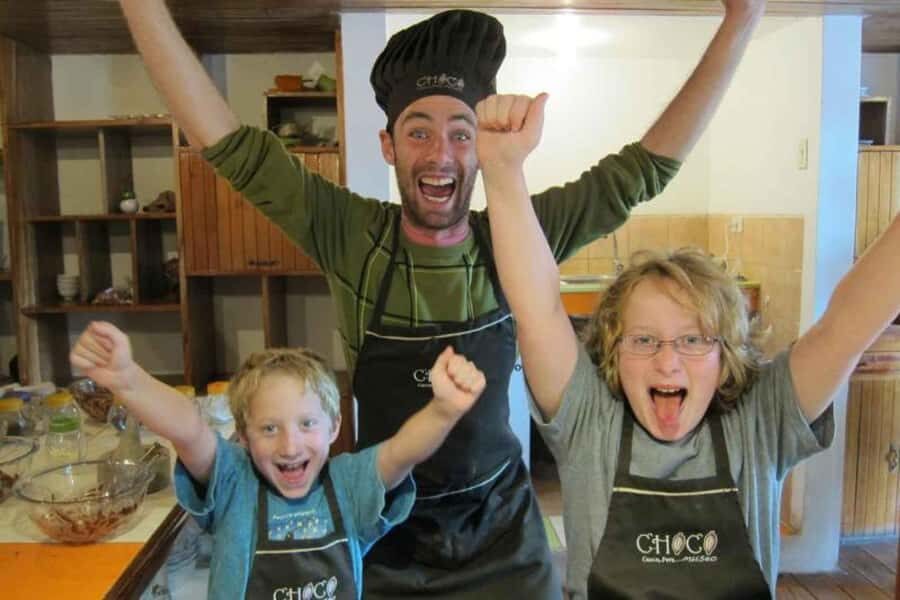
- Real bean-to-bar steps, not just tasting: roasting, husking, grinding, refining
- Aztec-style grinding setup: using a metate and mano like you’ve seen in history
- You control your final bar: choose ingredients and make your own organic chocolates
- A short museum + workshop combo: history and process in the same visit
- Hot chocolate and extra drink tastings: including Maya and the conquistadores
Bean to bar in Cusco: what this 2-hour class feels like
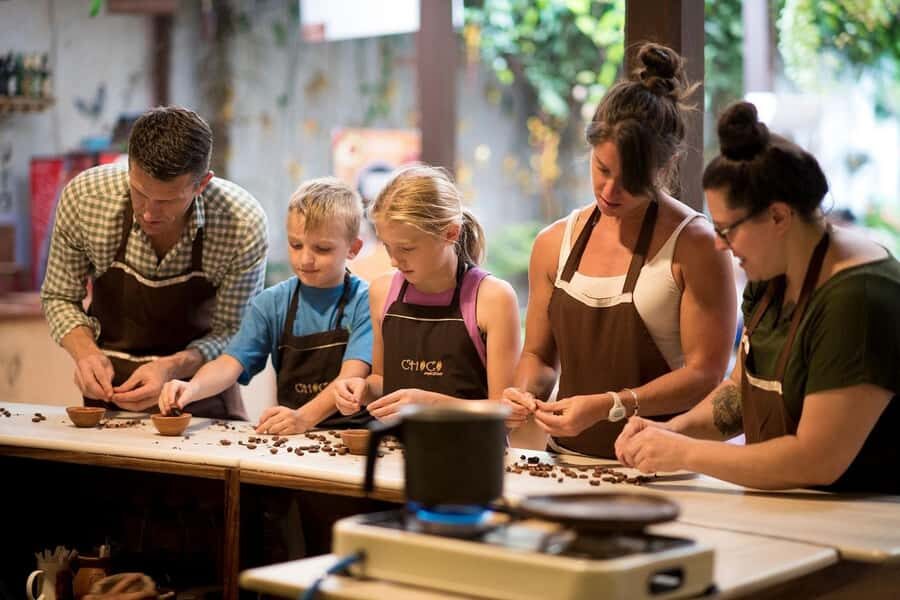
This experience is built around a simple idea: you should understand chocolate by making it. In about two hours, you start from cacao and work through the core transformations that turn bitter beans into something sweet and mixable. You also get a tour of the workshop and museum side of things, so you’re not just repeating steps—you’re learning what’s happening and why.
You’ll work with professional guides in English or Spanish, and that matters. Chocolate making has a lot of small cause-and-effect details, like how roasting changes flavor or how refinement affects texture. Having clear guidance keeps the class from turning into guesswork.
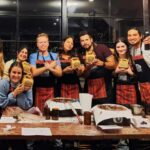
The vibe is active. You’re going to taste, grind, and shape your own chocolates, which is exactly what makes this feel like a value-for-time activity in Cusco. You leave with handmade organic chocolates, and you can take them home unless you snack your way through before you get there.
You can also read our reviews of more drinking tours in Cusco

From cacao tree to finished bar: the process you’ll actually master
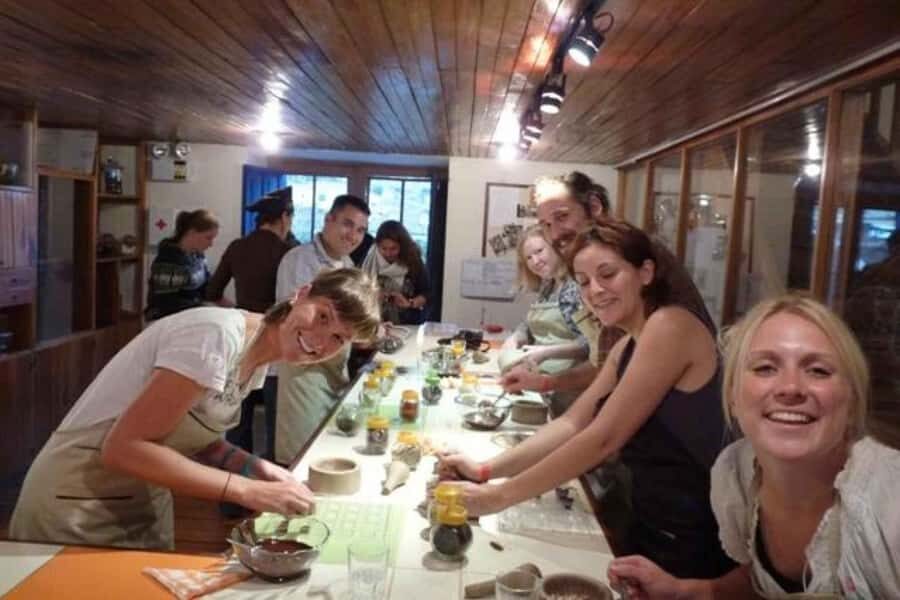
The headline here is the four-process workflow. You’re not just told about it—you learn each step and connect it to flavor and texture.
Roasting the cacao beans
First comes roasting. This is where the raw cacao flavors start to change from flat and bitter into something fragrant and chocolate-like. Roasting also helps develop the notes that later show up in the hot chocolate and the final bar.
In practical terms, think of roasting as the flavor switch. Too little and your chocolate tastes underdeveloped. Too much and it can go too harsh. The class format gives you a chance to see how timing and heat affect what you’re working with next.
Removing the cacao husk
Next you remove the cacao husk. This is one of those steps that sounds simple until you realize it’s about getting the usable inside material—where the real cacao character comes from. You’re learning that chocolate isn’t made from the whole bean as-is; it’s made from what’s inside after husking.
This is also where you start to grasp why cacao can taste very different depending on how it’s handled. The class keeps the focus on the chain of transformation.
Grinding on a metate with a mano (Aztec style)
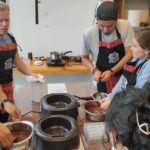
Then you move into the hands-on grinding step on a metate with a mano. This part is especially memorable because it links modern chocolate making to older methods used by Indigenous peoples in the region, including the Aztecs.
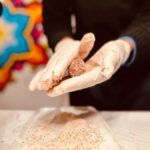
If you’ve ever wondered whether old-school tools were just for show, this is the chance to find out they’re practical. Grinding is what turns cacao nibs into a paste. And when you grind with the traditional setup, you can feel how texture changes from chunkiness toward a smoother mass.
A few more Cusco tours and experiences worth a look
Refining the cacao paste in a melangeur
Finally, the cacao paste gets refined in a melangeur. Refining is about improving smoothness and consistency so the chocolate becomes easier to work with and more pleasant to eat. You’ll connect this step to what you experience at the end: a chocolate bar that tastes more cohesive than something that’s merely ground.
You don’t need to become a chocolatier overnight. But you will walk away understanding the basic chemistry chain behind bean to bar—how each stage affects taste and texture.
What you’ll taste: hot chocolate, the Maya, and conquistadores
Chocolate classes can become repetitive if all you do is nibble small samples. This one builds tastings into the experience, so you get context while you’re working.
You’ll enjoy hot chocolates made from what you produce and/or what you’re taught to expect at each stage. That’s a smart way to learn, because heat highlights aroma. If you want to understand flavor development, warm chocolate shows off what roasting and refining are doing.
You’ll also try drinks called the Maya and the conquistadores. Even without turning it into a trivia quiz, it’s a good sign the workshop treats chocolate as more than dessert. It’s tied to drinks, traditions, and how cacao was historically used.
Hands-on chocolate building: choosing ingredients and making your own bar
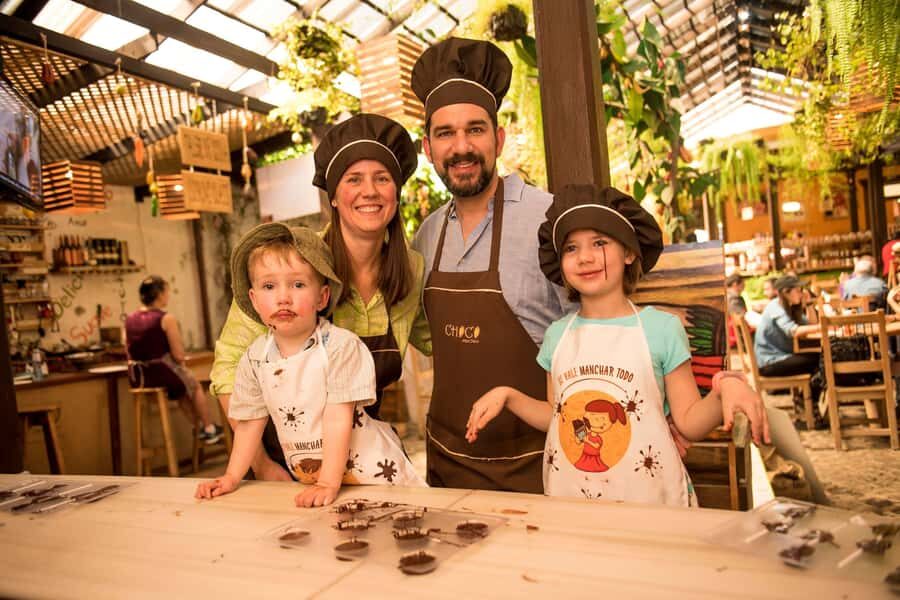
This is the part you’ll remember on day two back home. The class includes time to create your own handmade organic chocolates with ingredient choices based on your preferences. You’re not stuck with a single flavor profile.
That “you choose” component is more than just a fun perk. It changes how you experience the chocolate lesson. When you pick ingredients, you’re no longer receiving information only—you’re applying it, then tasting the result.
After you’ve learned the bean-to-bar steps, you’ll create and mold your chocolates into your own final shapes, and you can take them home. The workshop makes it clear that you’re not limited to one or two bites. You can leave with what you made, unless you manage to eat it all before the visit ends.
The workshop + museum side: history that actually helps you taste
You don’t just get a set of steps. You’ll learn the history behind famous cacao beans and understand why Cusco makes some of the finest chocolate around the world. This matters because chocolate has a reputation, and reputation comes from sourcing, processing, and consistency—not just marketing.
When history and origin are explained during your class, it affects how you judge flavor later. You start noticing things like aroma intensity and how “chocolatey” the taste feels after roasting. You also pay attention to texture after refining, because you now understand that smoothness isn’t magic—it’s processing.
If you like cultural context but hate long lectures, this format is a good compromise. It’s a tour of the workshop and museum, then you’re immediately back to making and tasting.
Languages and guide support: why English/Spanish matters here
The experience is guided in English and Spanish. For a hands-on class, that’s not a small detail. You’re doing several physical steps—grinding, working with paste, shaping chocolates—and you want the instructions to land clearly.
Guides help keep the process practical. They also make sure you understand the reasoning behind each step. That’s how you avoid the classic cooking-class problem: following motions without knowing what you’re producing.
If you’re comfortable in either English or Spanish, you’ll likely feel the class clicks faster because you’re not guessing. You’ll know what you’re aiming for at each stage.
How to get the most from this class in Cusco
Two hours can feel short, but it’s long enough to learn a full chain from bean to bar. To make the most of it, I’d approach it like this:
- Go in hungry, but don’t overdo it. You’ll taste hot chocolate and other drinks.
- Pay attention during roasting and refining. Those steps shape the biggest flavor shifts.
- Pick ingredients with intention. The best souvenir isn’t just the chocolate—it’s knowing what ingredient choices do to taste.
- Don’t treat the grinding as a side activity. It’s central to the “bean becomes chocolate” story.
Also, since the class is active, wear clothing you don’t mind getting a little aroma on. Chocolate smell won’t ruin your day, but it will follow you.
Logistics you should know before you book
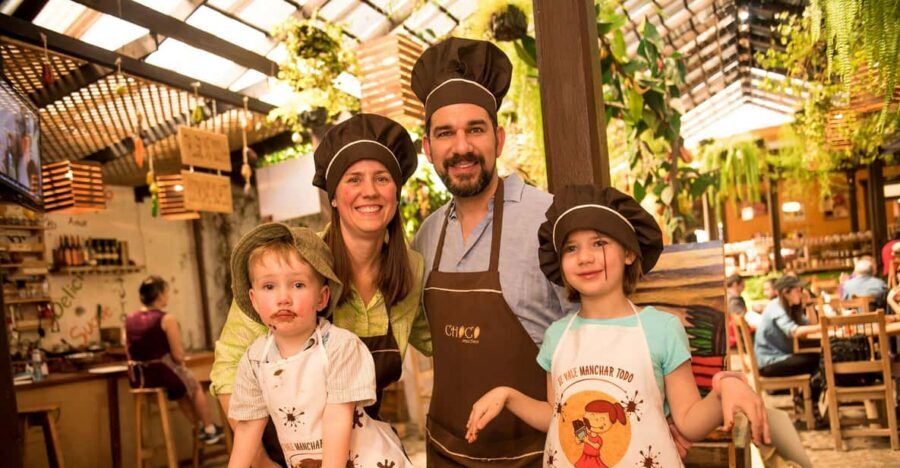
This experience runs for about two hours, with starting times based on availability. If you’re on a tight schedule in Cusco, check what time slots line up with your day, especially if you’re also doing other popular tours.
If you’re making last-minute plans, verify availability by email with the supplier before booking. For contact, you’ll be asked to provide your phone number with your country code and have WhatsApp. It’s a small step that prevents day-of headaches.
Cancellation is free up to 24 hours in advance for a full refund, and you can reserve and pay later, which is useful if you’re still juggling Cusco weather or altitude timing.
Should you book the Cusco bean-to-bar chocolate workshop?
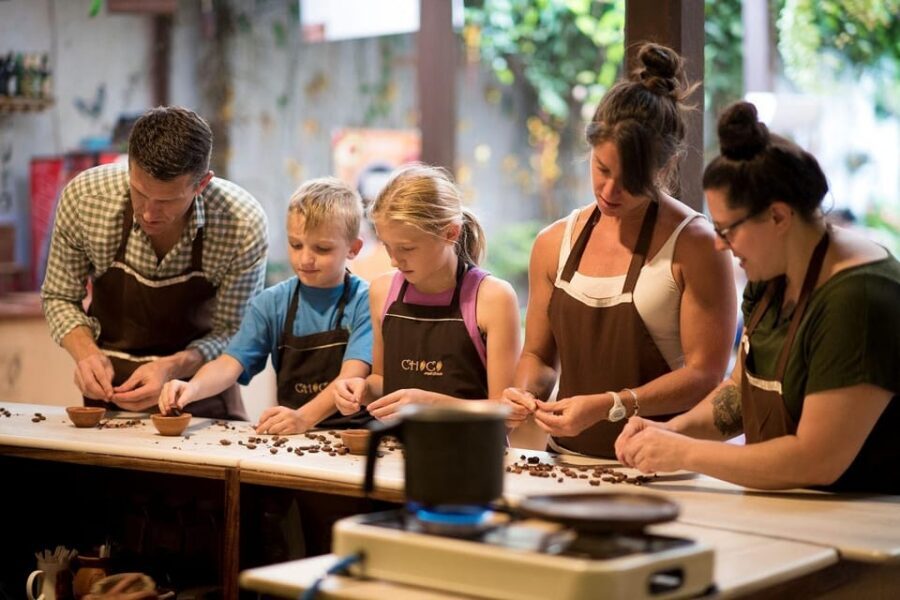
Yes, I’d book it if you want a hands-on activity that teaches real technique in a short window. The strongest reason is the full chain approach: roasting, husking, grinding on a metate with a mano, and refining with a melangeur. That’s not just “make chocolate”—it’s learn how the process works.
It’s also a great fit if you like souvenirs that aren’t mass-produced. You’ll leave with organic chocolates you helped make, and you can tailor them to your tastes. The Maya and the conquistadores drink tastings add extra flavor to the experience beyond the standard hot chocolate routine.
Skip it or think twice only if you hate fast pacing. Two hours is intense, and you’ll be moving from lesson to action rather than stretching out the experience.
FAQ
FAQ
How long is the Cusco bean to bar chocolate workshop?
The workshop lasts 2 hours.
What will I learn and make during the class?
You’ll learn the bean-to-bar process from cacao to chocolate, including roasting beans, removing cacao husk, grinding cacao nibs on a metate with a mano, and refining cacao paste in a melangeur. You’ll also make hot chocolates and create your own chocolate bar and organic chocolates.
Can I choose ingredients for my chocolate?
Yes. You can choose your ingredients when you make your own chocolate and hot chocolate.
What drinks are included?
You’ll try drinks such as the Maya and the conquistadores.
What languages are offered?
The live tour guide offers English and Spanish.
Can I cancel or pay later?
You can cancel up to 24 hours in advance for a full refund. You can also reserve now and pay later.