REVIEW · CUSCO
07 Day Andean Experience Through the Living Culture of the Incas
Book on Viator →Operated by Inkayni Peru Tours · Bookable on Viator
Quietly powerful Inca sites await in Peru. This 7-day Cusco route ties together Sacred Valley wonders and a guided visit to Machu Picchu, with time built in for acclimatizing high altitude and seeing daily Andean life. You’ll move through places tied to farming science, salt production, and fortress building, then finish with a free walk through Cusco’s historic center.
What I like most is the way the plan pairs big-picture “why it matters” context with practical on-the-ground stops. I also like that the logistics are largely handled for you, from pickup options to train/bus connections to Machu Picchu, plus an English-speaking guide for the full run.
One drawback to consider: the schedule is packed, and altitude plus long transit days (especially the Machu Picchu day) can feel like a sprint. Also, while most guide feedback is strong, I did see at least one note about inappropriate behavior affecting comfort for women traveling alone, so it’s worth asking about guide assignments and expectations up front.
In This Review
- Key Highlights You Should Know Before You Go
- Cusco Setup Day: Acclimatize and Get Your Bearings
- Sacsayhuaman and Cusco’s Ceremonial Stops: Stone Fortresses and Sacred Geometry
- Machu Picchu Day: Trains, Morning Bus, and the Optional Peak Ticket
- Sacred Valley Lab and Salt Production: Moray and Maras in One Day
- A Free Day in Cusco: Choose Your Pace and Add-Ons
- Cochawasi, Pisac Ruins, and Pisac Market: Animals, Condor Shapes, and Real Shopping
- Last Morning in Cusco and Your Airport Transfer
- Price and Value: What You’re Paying For (and What You Still Might Need)
- Guide Quality and Comfort: What to Expect From Real Human Service
- Who Should Book This 7-Day Inca Experience?
- Should You Book This Tour?
- FAQ
- What is included in the tour price?
- Is Huayna Picchu included?
- Do I get to choose between Machu Picchu Mountain and Huayna Picchu?
- How long is the Machu Picchu day?
- What about food during the trip?
- Can I cancel and get a refund?
Key Highlights You Should Know Before You Go
- Machu Picchu guided walkthrough plus optional Huayna Picchu or Machu Picchu Mountain (extra ticket needed for Huayna Picchu)
- Sacsayhuaman and the ceremonial Cusco sites that show how Inca engineering used massive stone with precision
- Moray’s concentric terraces used as an agricultural experiment with microclimates
- Maras salt mines with thousands of small pools still harvested by local families
- Pisac ruins and Pisac Market time for textiles, ceramics, and direct interaction with artisans
- Cochawasi Animal Sanctuary for seeing Andean wildlife like condors, pumas, alpacas, and llamas
Cusco Setup Day: Acclimatize and Get Your Bearings
Your trip starts in Cusco, and the first day is purposely gentle. You’ll land at Alejandro Velasco Astete Airport, then get escorted to your lodge at about 3,400 meters (11,000 feet). That altitude fact matters: if you try to hit heavy sightseeing immediately, you’ll feel it.
In the afternoon, you meet your group for a briefing around 5:00 PM. It’s a smart timing choice because it sets expectations for the next days (and helps you stop guessing what comes next). You’ll also have time to settle, get water, and test how your body handles the altitude before the bigger days arrive.
Practical note: Cusco weather can shift fast. The packing list calls out a waterproof jacket or rain poncho, plus strong sunscreen (SPF 35 or higher), and that’s exactly what you want when you’re going from sunny viewpoints to misty mornings.
You can also read our reviews of more tours and experiences in Cusco.
Sacsayhuaman and Cusco’s Ceremonial Stops: Stone Fortresses and Sacred Geometry
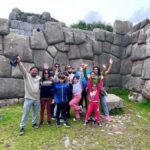
Day 2 hits the Cusco area hard, and in a good way. You start at Sacsayhuaman, sitting around 3,700 meters (12,140 feet) and built during the reign of Inca Pachacutec. The dramatic part is the stonework: massive blocks, some reportedly weighing over 100 tons, fitted so well that the method still draws questions.
Then you visit nearby sites that round out the story beyond one fortress. Qenko, Tambomachay, and Puca Pucara each play a different role, from sacred altars to ceremonial baths and older defensive posts. This is one of those days where a strong guide can change everything, because the “what you’re seeing” becomes a “what it meant” conversation, not just a photo stop.
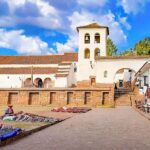
After the Cusco-area sites, the plan shifts toward Ollantaytambo. You get cobbled streets, a living town feel, and the Inca archaeological site there. This matters because Ollantaytambo isn’t just ruins; it still feels like a place people live within, which makes the Inca story feel less museum-like and more current.
Machu Picchu Day: Trains, Morning Bus, and the Optional Peak Ticket
Machu Picchu is the headline, but the best part is how the day is structured. You start early with breakfast, then board a morning bus to Machu Picchu after traveling from Cusco’s region via train. Your tour uses a Voyager (IncaRail) or Expedition train option, then includes round-trip buses to Machu Picchu.
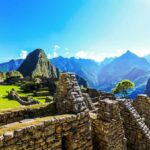
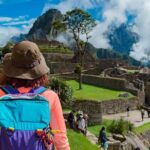
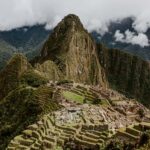
Once you enter the citadel, you get an in-depth guided tour. That’s key for Machu Picchu, because the place is famous, but it’s also complex: temples, ceremonial spaces, terraces, and storage structures all sit inside a layout that makes more sense when explained clearly. Instead of wandering, you’ll get a route and a reason for each section.
If you purchased an additional ticket in advance, you can explore either Huayna Picchu or Machu Picchu Mountain for a broader perspective. The tour data says Huayna Picchu entrance fee is not included, so don’t assume you’re covered unless you add it separately. Even if you don’t do the extra peak, you’ll still get the main citadel time with the group.
You’ll return to Aguas Calientes after the guided portion, with rest and lunch afterward (lunch not included). Expect a long day total, listed at about 12 hours. That’s not bad if you pace yourself, drink water, and accept that you’re visiting one of the top sites in the world under tight timing.
Weather tip: you’ll want your rain layer. One review described Machu Picchu starting in clouds and rain before clearing, which is a reminder that conditions can change quickly in the mountains.
Sacred Valley Lab and Salt Production: Moray and Maras in One Day
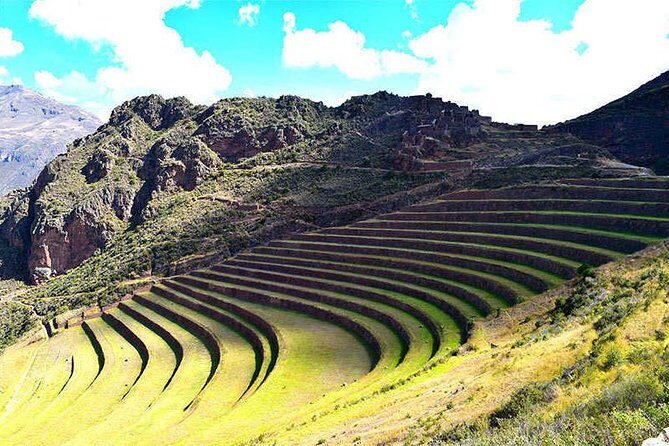
Day 4 focuses on two locations that show Inca science and daily resource use. First up is Moray, where you’ll see concentric terraces around 11,482 feet. This site is described as an agricultural laboratory, built so crops could be grown across microclimates created by the terrace design. When you stand there, it helps to think like an agronomist: different angles and depths create different growing conditions.
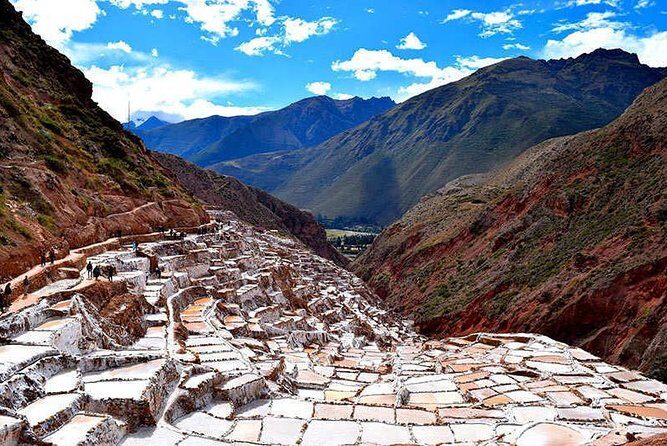
Next you go to the Maras Salt Mines, around 11,090 feet, with over 3,000 salt pools carved into the mountainside. What makes this special is that it’s not just an attraction. The salt pools are still harvested by local families, so you’re seeing a living process, not something frozen in time.
This day is about contrasts: rugged slopes, shimmering salt terraces in the sun, and a place where the activity itself is part of the scene. The trip duration is listed at about 8 hours, so it’s a solid half-day to full-day push. Start hydrated and be ready for changing light as you move between viewpoints and the work areas.
A Free Day in Cusco: Choose Your Pace and Add-Ons
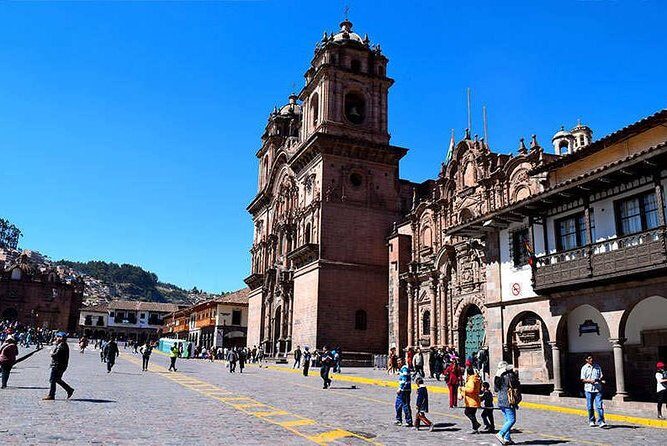
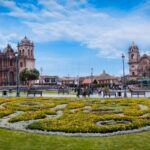
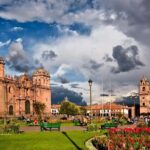
Day 5 is structured as a free day in Cusco, which I think is an underrated part of the experience. After several mornings and long travel blocks, you’ll want breathing room. Here you can wander the cobbled streets where Inca foundations and colonial facades overlap, or sit in plazas and watch Cusco go about its day.
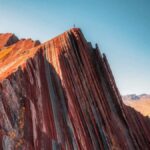
This free day is also where you can add extra experiences if you want them. The tour notes options like Rainbow Mountain Trek (to Vinicunca), a Cusco city tour, a horseback ride near Sacsayhuaman, or an ATV ride to Apukunaq Tianan, described as a hidden gem near Cusco. The big advantage is choice: you can go big on a dramatic day trip, or you can keep it slow and simply enjoy Cusco.
Even if you skip the add-ons, you’ll get value from simply having time. Cusco at this altitude can feel intense at first, and a relaxed day helps you reset your body and mood before the Sacred Valley and Pisac day.
Cochawasi, Pisac Ruins, and Pisac Market: Animals, Condor Shapes, and Real Shopping
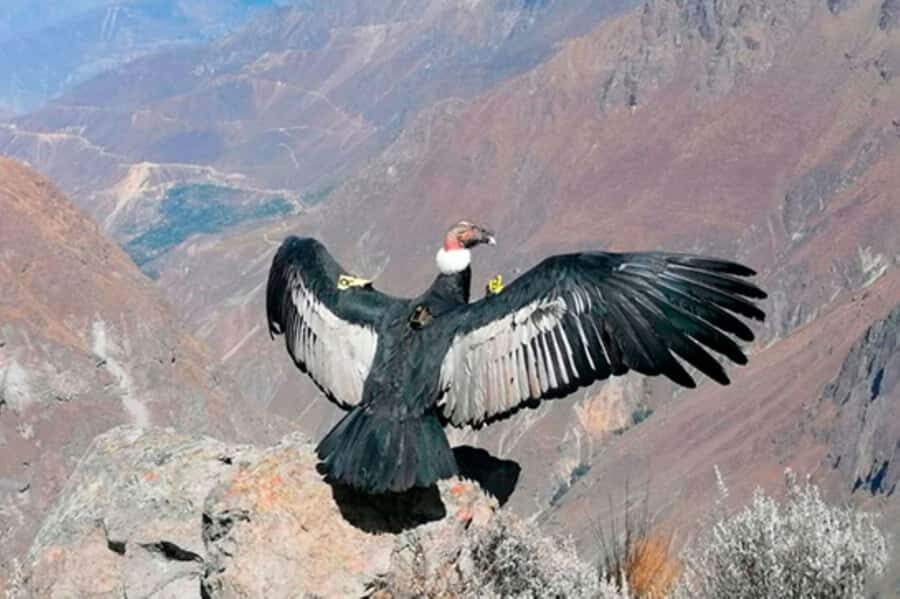
Day 6 is one of the most varied days, and that variety is part of the appeal. You travel to the Cochawasi Animal Sanctuary, where you can see Andean wildlife including pumas, Andean condors, alpacas, and llamas. This isn’t just a “look and leave” stop; it adds a different kind of connection to the Andes than stone sites alone.
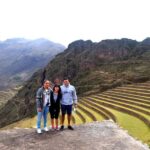
Then you visit Pisac Ruins, around 2,972 meters (9,751 feet). The ruins are described as temples and terraces designed to resemble a condor. That detail is useful because it gives you a way to read the site while you walk. Instead of seeing scattered stonework, you’re looking for shapes and design thinking.
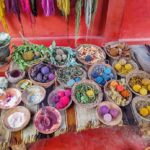
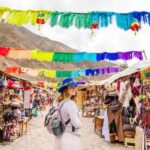
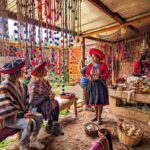
After exploring, you descend to Pisac Market, known for textiles, jewelry, ceramics, and more. This is where your time matters. You’ll get the chance to interact with artisans and browse at a pace that feels human. If shopping stresses you out, come with a plan: pick one or two items to focus on (a scarf, a small textile, something ceramic), then compare.
This day is about both meaning and movement: wildlife and agriculture-minded ruins, then local craft trade. The listed duration is around 7 hours, so wear shoes you trust.
Last Morning in Cusco and Your Airport Transfer
Your final day keeps things light. You get an optional quick tour of Cusco’s historic center, and there’s a free walking tour option mentioned. If you’ve enjoyed Cusco’s street layout, this is a good way to close the loop and see how the city ties together the Inca and colonial layers you’ve been viewing.
Airport transfer timing is scheduled based on your flight time, which is exactly what you want after a week of early starts. It reduces the stress of figuring out schedules on your own, especially when altitude fatigue and rain can make last-day planning feel harder.
Price and Value: What You’re Paying For (and What You Still Might Need)
At $1,299 per person for a 7-day trip, you’re paying for more than entry tickets. The included package covers six nights in 3-star hotels (double occupancy), all entrance fees, all transfers, train service to Machu Picchu (Voyager or Expedition), round-trip buses to Machu Picchu, and a professional English-speaking tour guide for the full trip. Breakfast is included for six mornings.
From a value perspective, the key cost drivers are Machu Picchu transit and guided time. Train plus bus logistics can eat up both money and effort if you DIY it. Here, the intent is that you show up, and the connections are handled.
What isn’t included is also important:
- International and local flights
- Huayna Picchu entrance fee (if you want it)
- Travel insurance
Lunch is not included on the Machu Picchu return portion either, so you’ll want some cash or card for meals during that day. And since the trip is described as private (only your group participates), you’re usually paying a premium versus a big public group, but you tend to get more control of the experience.
Guide Quality and Comfort: What to Expect From Real Human Service
A big part of why this route gets high marks is the guides. In the feedback, names like Yeny, Jonathan, Percy, Saul, Julio, Ronald Ccana Soralero, Herlin Apaza, and Grigio show up with praise for being friendly, organized, and good at handling details like photos and coordinating needs.
I also saw one caution: a note about a tour guide acting inappropriately at times, leaving some women feeling uneasy. That’s not enough for me to toss the whole idea, but it is enough that you should ask about your guide assignment before you commit, especially if you’re traveling solo and want peace of mind.
If you want a simple checklist, I’d do this before departure:
- Confirm your guide name and your group setup.
- Ask how they handle conduct and boundaries within mixed or solo-travel groups.
- If anything feels off during day 1, say something early so it can be corrected quickly.
Who Should Book This 7-Day Inca Experience?
This is a strong fit if you want:
- Machu Picchu with a guide, not just a roam-and-hope plan
- A Sacred Valley route that includes Moray and Maras (two sites many short itineraries skip)
- Some flexibility in Cusco through a free day
- A mix of cultural stops, markets, and wildlife
It’s especially good for first-timers to the area who don’t want to figure out train schedules and entrance timing while also dealing with altitude.
It may be less ideal if you hate long travel days, because the Machu Picchu day is about 12 hours and day 4 is a full 8. If you’re sensitive to altitude, you’ll still have a rest and acclimatization day at the start, which helps.
Should You Book This Tour?
I think you should book if your priority is seeing the Inca story in the right order: Cusco first, then fortresses and ceremonial sites, then Machu Picchu with guided context, then Sacred Valley science and salt production, and finally Pisac with market time. The included logistics are a big part of the value, and the overall guide feedback trend is positive.
I’d pause and ask extra questions if you’re uncomfortable with any uncertainty around guide conduct, especially if you’re traveling solo as a woman. Also pack for rain and sun, plan for long days, and treat the first day as real acclimatization, not a “quick look around.”
If you want a well-run circuit that trades stress for guided context, this one makes sense.
FAQ
What is included in the tour price?
The tour includes six nights in 3-star hotels (double occupancy), all entrance fees, all transfers, train service to Machu Picchu (Voyager/IncaRail or Expedition), round-trip buses to Machu Picchu, a professional English-speaking tour guide during the whole trip, and breakfast for six days.
Is Huayna Picchu included?
No. Huayna Picchu entrance fee is not included. If you want it, you’ll need an additional ticket purchased in advance.
Do I get to choose between Machu Picchu Mountain and Huayna Picchu?
You can explore either Huayna Picchu or Machu Picchu Mountain if you secured an additional ticket in advance. The main Machu Picchu guided tour is included.
How long is the Machu Picchu day?
The Machu Picchu day is listed at about 12 hours, including morning travel, the guided tour, and return to Aguas Calientes.
What about food during the trip?
Breakfast is included for six days. Lunch during the Machu Picchu return portion is not included.
Can I cancel and get a refund?
No. The experience is non-refundable and cannot be changed for any reason, and any amount paid will not be refunded if you cancel or request changes.