REVIEW · CUSCO
Chocolate Workshop in Cusco with Premium Organic Cacao
Book on Viator →Operated by Cusco Chocolate Workshop · Bookable on Viator
Chocolate in Cusco at golden hour is a smart move. This hands-on class lets you work with 100% organic Chuncho cacao from the Sacred Valley and learn classic Belgian praline and mendiant techniques. I love the personal attention from your class leader and the fact that you leave with a ready-to-gift box of sweets, not just a sugar memory. One possible drawback: if you expect to roast and process cacao beans yourself, this workshop may feel more like chocolate crafting than full bean production.
It runs about 2 hours 30 minutes and starts in the early evening, so it fits nicely when you want something fun without committing to a full day. The room and the timing also tend to pair well with Cusco’s night-view energy, and several instructors have a playful, patient teaching style (you might meet David, Abelardo, Randy, or another leader, plus helpers like Damaso).
For $45 per person, you’re paying for guided making: pralines, mendiants, hot chocolate, and ganache, all built around that premium organic cacao. With a small group capped at 15, you’ll actually get your hands involved and ask questions while the chocolate is still fluid and forgiving.
In This Review
- Key things to know before you book this Cusco cacao class
- Cusco at 5 pm: a chocolate workshop with built-in wow factor
- Why Chuncho cacao from the Sacred Valley changes the whole experience
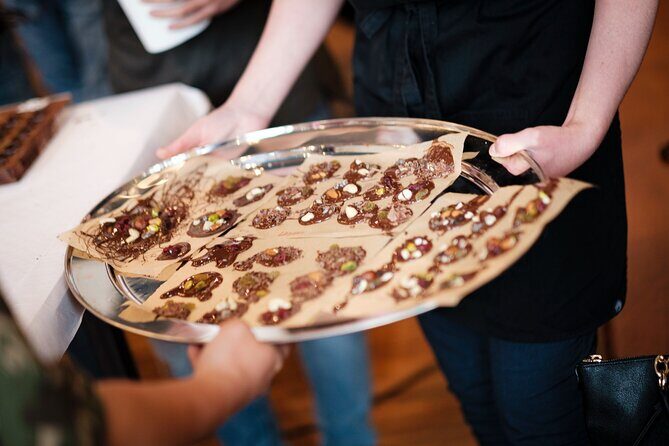
- Belgian pralines and mendiants: what you actually make
- Inside the workshop: how the 2.5 hours usually goes
- Price and value: why $45 feels fair for a hands-on session
- Timing, altitude, and what to wear (practical Cusco logic)
- Who should book this, and who might want a different chocolate experience
- Should you book this Cusco chocolate workshop?
- FAQ
- How long is the Cusco chocolate workshop?
- Where do I meet for the class?
- What time does the workshop start?
- What will I make during the workshop?
- Do I get to take my chocolate home?
- Is the workshop good for kids?
- How many people are in the group?
- Should you book this Cusco chocolate workshop?
Key things to know before you book this Cusco cacao class
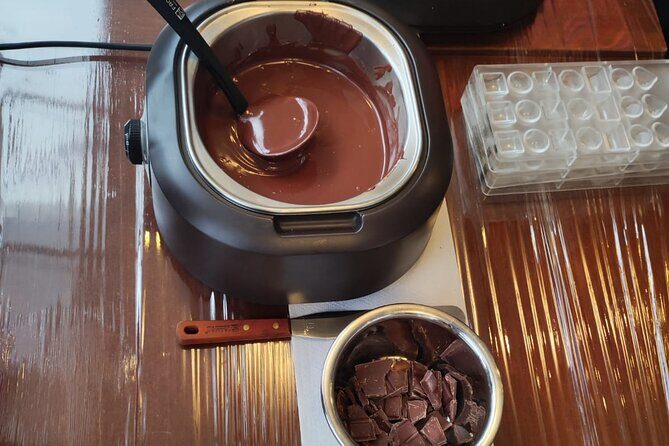
- Organic Sacred Valley cacao (Chuncho): You’re working with 100% organic, artisanal cacao tied to the Cusco region.
- Belgian-style pralines and mendiants: You’ll make about 21 pralines and 10 mendiants in your own flavor combos.
- You learn more than molding: The class includes ganache and how to prepare hot chocolate.
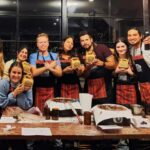
- Small groups, real coaching: Maximum 15 people, and your leader guides each step.
- Take-home packaging included: You get a personalized box for what you make.
- Evening timing often means big views: The venue is set up for skyline/sunset moments in Cusco.
Cusco at 5 pm: a chocolate workshop with built-in wow factor
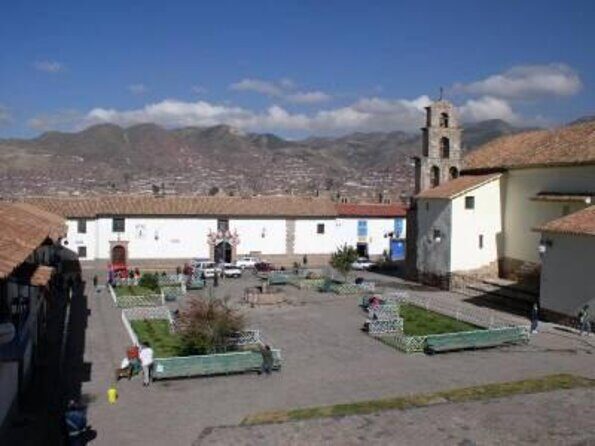
This class starts in the early evening (the schedule commonly lists a 5:00 pm start, with select start times available). You’ll meet at C. Pasñapakana 133, Cusco 08000, and the activity ends back at the same meeting point. For timing, that’s ideal after a daytime Cusco walk, market stop, or museum visit, but before your evening turns into a search for dinner.
The setting is part of the point. Multiple people highlight the view from where the workshop happens, including Cusco skyline and sunset timing. Even if you’re not chasing big views every night, it adds a calm rhythm: you’ll get a seated, social workshop where the city light starts to show through.
Also, small groups matter here. With up to 15 travelers, you’re not stuck watching someone else work while your hands stay clean. You should feel comfortable asking practical questions like how thick to make ganache, how long to wait before topping, and what happens when your chocolate cools too fast.
A few more Cusco tours and experiences worth a look
Why Chuncho cacao from the Sacred Valley changes the whole experience
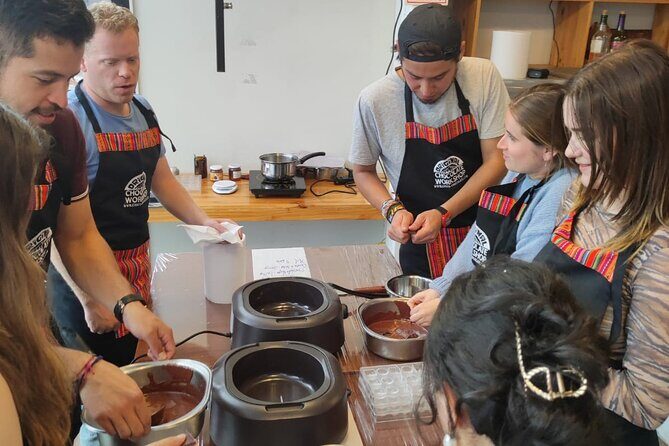
Most Cusco chocolate experiences focus on tasting. This one leans on making, using Chuncho cacao described as artisanal and linked to the Sacred Valley. That’s important because cacao isn’t a generic ingredient here. You’re learning with a specific origin, and that makes the chocolate taste and behavior feel more meaningful.
You’ll get a short intro to the history and culture of chocolate before you start working. That matters because it gives your hands-on steps a reason. Instead of just mixing chocolate and calling it done, you can connect techniques like tempering-style handling, ganache consistency, and topping choices to how Belgian chocolate tradition developed.
A practical note: one review specifically flags that the class may not include processing cacao beans themselves, focusing instead on melting and shaping. So go in expecting chocolate-making with premium cacao—not a full cocoa-bean roast-to-bar lab.
Belgian pralines and mendiants: what you actually make
This workshop is built around two classic categories: pralines and mendiants.
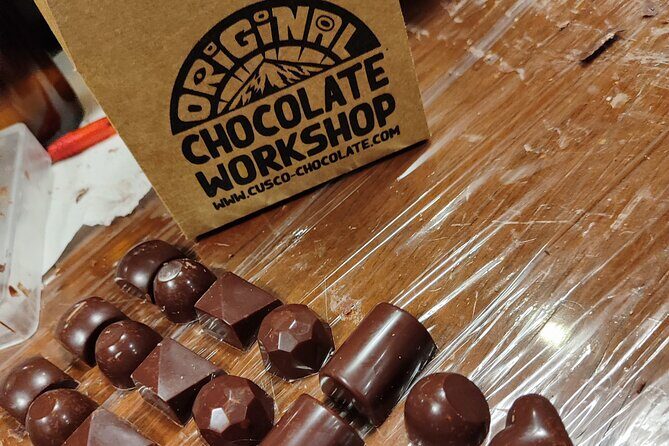
You’ll create roughly 21 pralines and 10 mendiants. That’s a solid amount for a 2.5-hour session, and it’s why this class feels like value rather than a quick demo. You’re not just tasting a couple pieces. You’re building your own box.
The toppings and fillings are where you can customize. You’ll choose from a range of options that includes homemade local jams and an extensive variety of local and organic nuts, plus other topping styles listed in the class materials. Translation for your decision: you can aim for familiar flavors (nuts, fruit-jam sweetness) or go more adventurous with crunchy topping mixes.
You’ll also learn to make ganache. That’s key because ganache is the backbone of many Belgian-style centers and pralines. Get the texture wrong and it’s messy; get it right and your fillings set cleanly.
And you’ll enjoy hot chocolate that you learn to prepare yourself. If you’re trying to remember your Cusco trip with one repeatable skill, being able to make a proper cup of hot chocolate from the same chocolate base is a nice bonus.
Inside the workshop: how the 2.5 hours usually goes
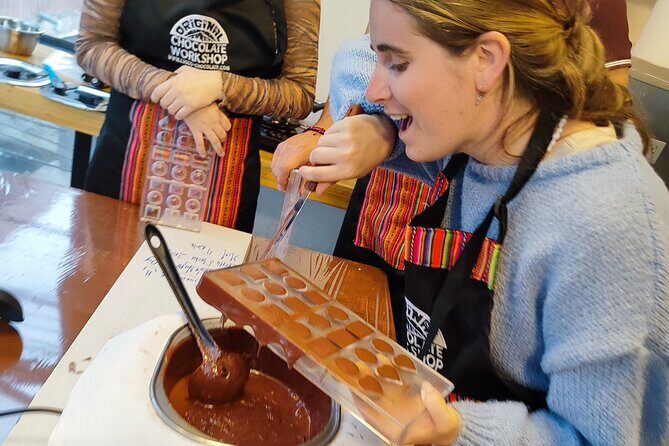
Think of the flow as: orientation → chocolate education → hands-on production → tasting and packaging.
First, you start with an overview in the workshop setting. You’ll learn about the chocolate story and the regional connection to cacao, not just the final sweets. Then the class leader guides you into the work.
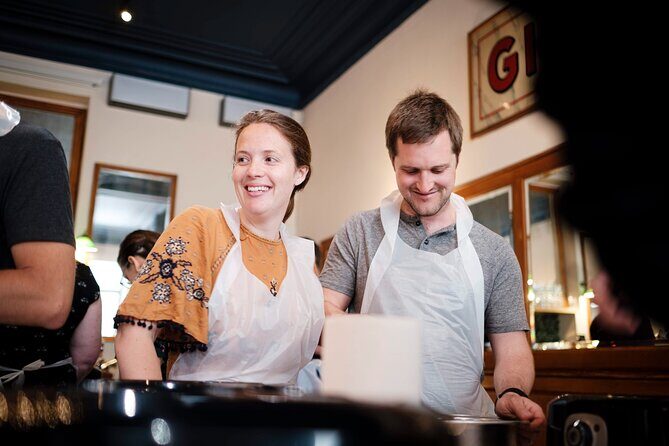
Because the group is small, you’re not left to figure things out alone. People consistently mention instructors with a fun, clear teaching style. You might be taught by David, Abelardo, or Randy, and in at least one group, Damaso shows up as an extra helper. The practical takeaway: when something doesn’t set on time or a filling seems too soft, you can ask and adjust before you waste your batch.
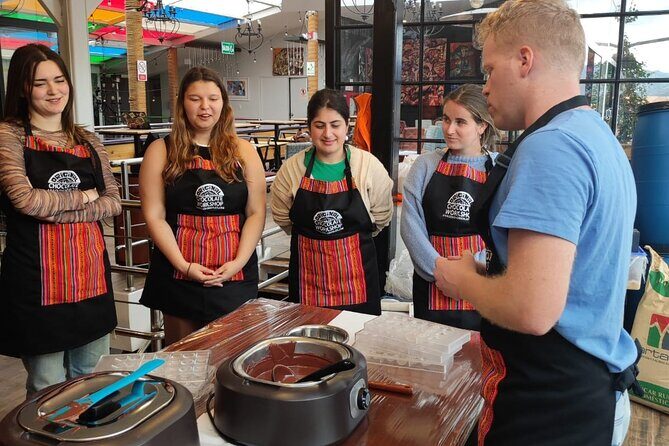
Next comes the making portion. You’ll handle chocolate, prepare centers/fillings, and assemble your pralines and mendiants with your chosen toppings. This part is interactive, so expect a little mess and a little concentration. If you’ve ever melted chocolate at home, you know it cools faster than you think—here, the whole point is learning timing through guided steps.
Then you’ll handle hot chocolate and ganache instruction. This is where you learn repeatable techniques rather than only “press candy into a mold.” You’ll see how to prepare a hot chocolate using the ingredients and flavor logic you used for the sweets.
Finally, you pack everything. You receive a personalized box so you can take your pralines and mendiants home. That matters because it protects what you made and turns the session into a real souvenir you can share.
Price and value: why $45 feels fair for a hands-on session
At $45 per person, this isn’t a bargain in the way a street snack is a bargain. But it also isn’t priced like a show-and-taste.
You’re paying for four main things:
- A guided session with a small class size (max 15)
- You make a meaningful amount: about 21 pralines plus 10 mendiants
- You learn ganache and hot chocolate preparation
- You get packaging for a take-home box
When I look at value, the key is whether the workshop is “mostly watching” or “mostly doing.” The structure here is clearly the second option. Even one person who noted the class focuses on melting and assembling still described it as fun and engaging, which supports the idea that you’re actively producing chocolate pieces throughout the session.
One more value angle: you can learn a skill you’ll use later. Most chocolate tours give you tasting notes. This gives you a technique you can repeat when cravings hit back home.
A few more Cusco tours and experiences worth a look



Timing, altitude, and what to wear (practical Cusco logic)
This is an evening activity, and that can be smart in Cusco. A couple reviews mention it works well while acclimating, and I agree with the general logic: it’s lower-pressure than a long hike, and it’s a social, indoor activity.
You’ll want to plan your day so you’re not rushing. Since you meet at a specific address and the class is about 2 hours 30 minutes, give yourself breathing room to arrive calm. People also mention a beautiful walk to the venue, but I’d still treat that as a nice bonus, not your plan.
What to wear: dress like you’re going to sit indoors and work with your hands. Comfortable clothes beat anything fancy. You likely won’t want thin sleeves if you’re prone to smudges, and you might appreciate layers because Cusco evenings can feel cooler than you expect after a bright afternoon.
If you’re traveling with kids, the workshop allows children 12 years old and up. With that age limit and the hands-on style, it’s best suited to kids who can sit and focus for the full session.
Who should book this, and who might want a different chocolate experience
I think this is best for:
- People who want a hands-on food activity in Cusco, not a passive tour
- Anyone interested in organic cacao and the Sacred Valley connection
- Couples and small groups who want an evening plan with a real payoff
- Travelers who like structured learning, especially when the instructor is funny and patient
It may be less ideal if:
- You’re expecting a full cacao-processing experience (bean roasting, fermentation, and all that). One note specifically points out the class may not include processing the cacao beans themselves.
- You want a strictly tasting-only tour. This one is about making, so you’ll spend time working with chocolate.
Group size and vibe help here. Multiple reviews describe a friendly environment, and people enjoy the view and the teaching personality. It’s not just a craft class; it’s an evening activity that feels like you’re hanging out with a good instructor in a beautiful spot.
If you’re traveling solo, that can be a plus too. A smaller group makes it easier to talk during breaks and ask for tips once you’ve finished assembling your pralines.
Should you book this Cusco chocolate workshop?
Yes, if you want a meaningful Cusco evening that mixes learning, hands-on making, and a take-home souvenir you can actually share. The ingredients (100% organic Chuncho cacao), the structured output (about 21 pralines and 10 mendiants), and the included skills (ganache plus hot chocolate) make it more than a sweet stop.
Book it especially if:
- You like food experiences where you leave with edible results
- You want something lighter than a full-day excursion
- You’re here for quality cacao, not just generic chocolate
Skip it or consider an alternative if you want a cacao-lab bean-to-bar process, or if you’re short on time and only want a quick tasting. Also, because demand seems steady (it’s commonly booked about 18 days in advance on average), I’d secure your time slot when your dates firm up.
FAQ
How long is the Cusco chocolate workshop?
The workshop runs about 2 hours 30 minutes.
Where do I meet for the class?
You meet at C. Pasñapakana 133, Cusco 08000, Peru. The activity ends back at the meeting point.
What time does the workshop start?
The class start time is listed as 5:00 pm, and you may be able to choose from several start times to fit your schedule.
What will I make during the workshop?
You’ll make around 21 pralines and 10 mendiants in Belgian style, and you’ll also learn to make ganache and prepare hot chocolate.
Do I get to take my chocolate home?
Yes. At the end of the workshop, you receive a personalized box with your creations to take home.
Is the workshop good for kids?
It’s available for adults and children aged 12 years old and up.
How many people are in the group?
The workshop has a maximum of 15 travelers.
Should you book this Cusco chocolate workshop?
Yes, if you want a guided, hands-on evening with organic Sacred Valley cacao and enough chocolate output to feel like you truly participated. If you want only tasting or you’re hoping for a full cacao-bean processing session, then read your expectations carefully and consider another option.