REVIEW · CUSCO
Sacred Valley Textile Workshop – Dyeing & Weaving in Cusco
Book on Viator →Operated by Peru Private Tours · Bookable on Viator
If you like real craft work, not just photos, this is for you. A day at the Sacred Valley Textile Workshop turns Cusco into color, fiber, and hands-on weaving with Ruth Pimentel and master weavers who carry living textile traditions forward.
Two things I love right away: you actually help make the materials, not just watch. You pick seasonal botanicals and work with hand-dyeing baby-alpaca yarn using ancestral methods, and then you weave on a backstrap loom yourself with patient guidance. Second, you leave with proof of what you did: your piece is finished on-site and packed nicely with a signed provenance card, so it feels like a real keepsake, not a souvenir with no story.
One drawback to plan for: this is a full-day outing. Between the countryside drive and the hands-on workshop time, you should expect it to eat most of your day, and the weaving part can feel physically tricky since you sit on the floor for stretches.
In This Review
- Key things to know before you go
- Ruth Pimentel’s Loom: Why this is more than a craft class
- Cusco pickup at 8:30 and the full-day reality check
- From seasonal botanicals to natural dye: what you do with your own hands
- Spinning and yarn prep: the step that changes how you see weaving
- Backstrap weaving on a real loom: what to expect and how hard it is
- Lunch, coffee or tea, and the social side that feels natural
- Your finished piece, provenance card, and what you take home
- Price and logistics: is $420 per person good value?
- Who should book this workshop, and who might want a different day
- Should you book the Sacred Valley Textile Workshop?
- FAQ
- What time does the workshop start?
- How long does the experience take?
- Is this a private tour?
- What will I make during the workshop?
- Is lunch included?
- How far is it from Cusco?
- What if weather is bad?
Key things to know before you go
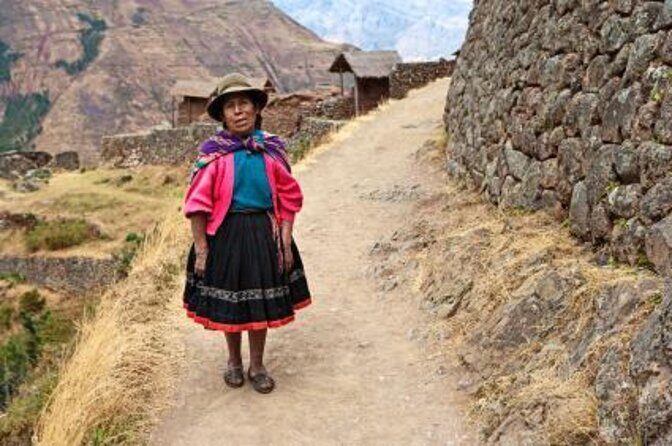
- Ruth Pimentel + UNESCO recognition: you start with a personal introduction to her textile lineage and role in preserving Andean weaving.
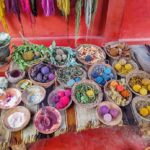
- You work with natural dye ingredients: you select seasonal botanicals and get hands-on with the dye process.
- Backstrap weaving is real weaving, not a demo: you use the loom and learn step-by-step.
- Your dyed alpaca yarn is part of your final work: you’re not just dyeing in theory.
- Lunch and coffee or tea are included: you’ll eat together with the weaving team.
- Be ready for a long sit: the weaving session takes time, and you’ll be seated during instruction.
Ruth Pimentel’s Loom: Why this is more than a craft class
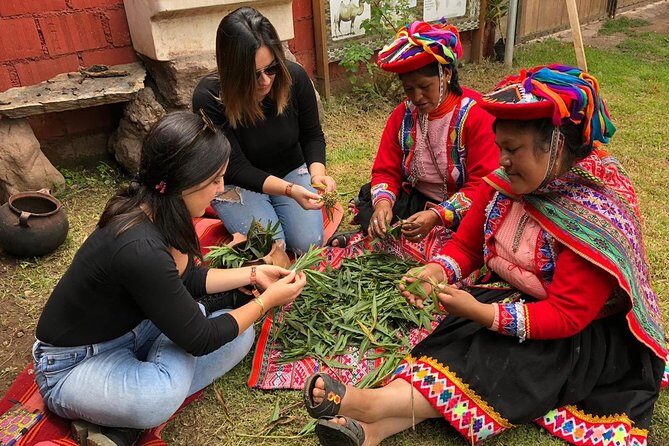
This workshop is anchored by Peru’s textile heritage, and it shows in how they run the day. You begin at a private atelier in the hills near Cusco, where Ruth Pimentel welcomes you personally. She’s described as a guardian of Peru’s living textile heritage and as Peru’s only UNESCO-awarded Indigenous master weaver.
That matters because it sets the tone: this isn’t a performance. It’s a working practice with lineage behind it. In the workshop, you hear about how the techniques were passed down through Andean women, and you connect the steps you’re learning to the culture that created them.
If you’re the kind of person who hates feeling like a tourist in someone’s living room, this feels different. The day is built around teamwork: the master weavers from Parobamba (and other community members you’ll meet) guide your hands, but you’re also given real time to try. You’re treated as a learner, not a spectator.
A few more Cusco tours and experiences worth a look



Cusco pickup at 8:30 and the full-day reality check
Start time is 8:30 am, with hotel pickup by private transport. This is an easy start: you’re not hunting taxis or timing buses. One practical thing, though: the day is long, largely because you travel away from central Cusco.
In real terms, plan for about an hour and a half each way in many cases, plus workshop time. People end up feeling like it’s an entire day from door-to-door, and that’s exactly what it is. If you’re scheduling other Cusco plans on the same date, protect the rest of the day. Treat this like your main activity, not an add-on.
What to wear: comfy layers. You’ll be outside at least part of the time (especially for dye-plant foraging), and you’ll also sit for a while during weaving. Closed-toe shoes help if you’re walking on uneven ground. Bring a light layer you can keep on during the dyeing walk and then remove later if it warms up.
From seasonal botanicals to natural dye: what you do with your own hands
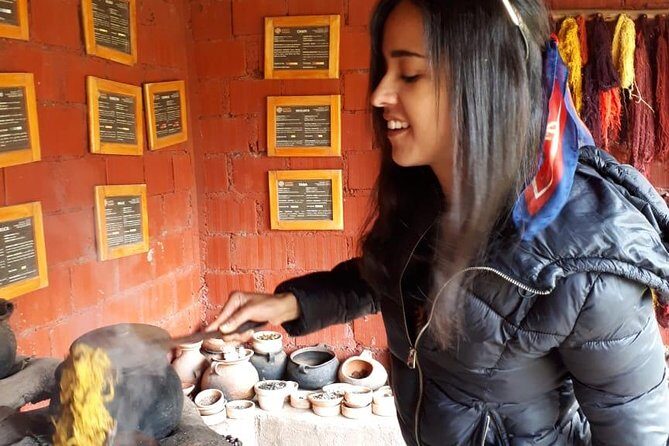
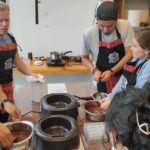
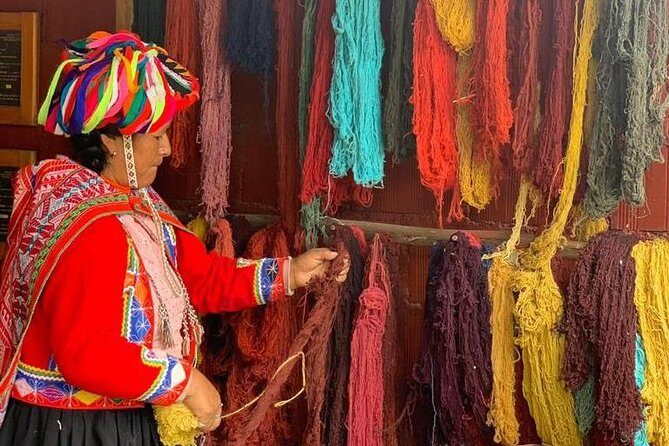
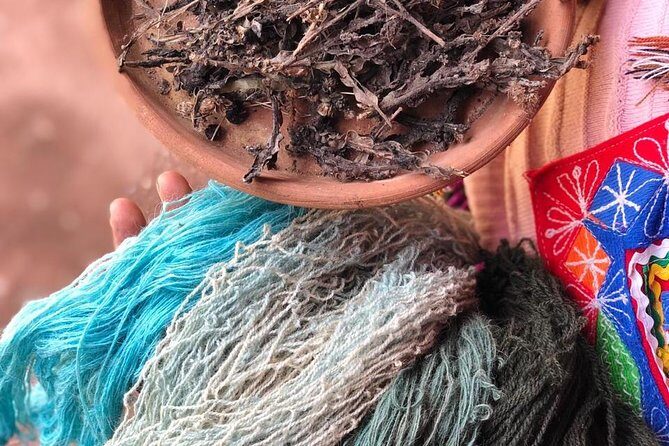
The dye process is where this workshop earns its reputation. You’re not just picking a color at the end. You’ll select seasonal botanicals and learn how plants become dye, then you hand-dye premium baby-alpaca yarn using ancestral techniques.
Here’s the practical flow you can expect:
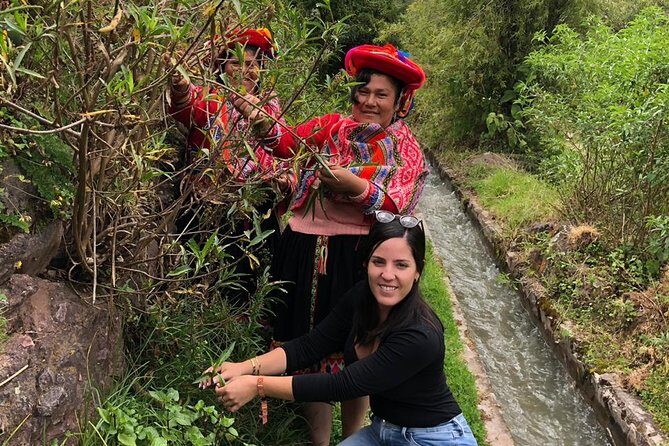
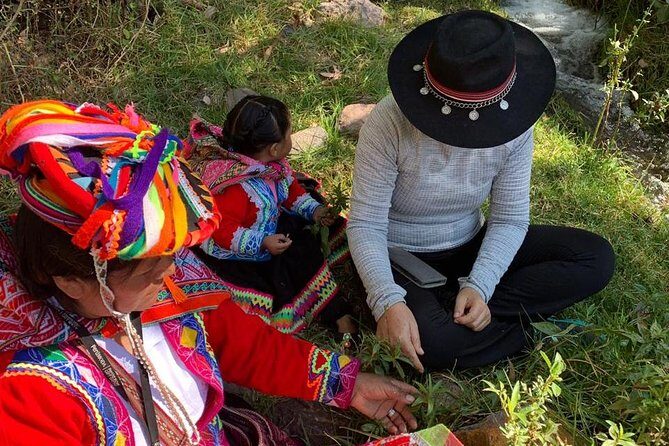
- You start by learning which plants or leaves are used and how they’re gathered.
- You may take a short walk to collect dye materials.
- You prepare and use the dye bath with your yarn.
- You then move forward while the yarn is ready for weaving steps.
One reason people love this part so much is that it gives you an instant appreciation for labor. Natural dye isn’t magic. It’s a system: plant choice, preparation, timing, and handling. Even when you only do parts of the process, you see how careful people have to be.
Also, this is one of those days where details you might never notice at home start to matter. Color consistency. Yarn preparation. Heat and soaking time. Everything affects the result.
And yes, the day can include small taste moments, depending on the day and the household. Some people have mentioned local snacks and even guinea pig as a delicacy. If that’s not your thing, just tell your guide what you prefer, and they’ll guide you from there.
Spinning and yarn prep: the step that changes how you see weaving
After dyeing comes spinning or yarn prep, depending on the way the workshop is paced that day. The goal is to show you how Andean textile makers get from fiber to usable yarn, and why this isn’t just a craft skill but a whole chain of work.
In practice, you’ll spend time learning techniques used before weaving ever happens. People often leave surprised by how much effort is involved in even reaching the loom.
If you’re a textile nerd, this is the part you’ll want photos of. Not because it looks flashy, but because it explains the craft. If you’re not a textile person, it’s still valuable. It helps you stop thinking of the finished textile as a random pattern and start seeing it as hundreds of tiny decisions.
Backstrap weaving on a real loom: what to expect and how hard it is
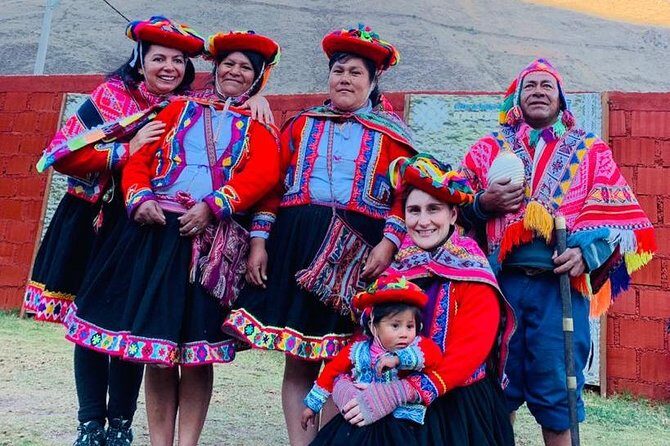
Now for the main event: backstrap weaving. The workshop emphasizes the meditative art of backstrap weaving, using the same technique passed through generations of Andean women.
You’ll learn how to set up and use the loom, and then you’ll work on your own creation on-site. Many people leave with small, wearable pieces like bookmarks, bracelets, or headbands, and dyed yarn they created during the day.
Be realistic about difficulty. Several participants describe weaving as genuinely challenging in a good, educational way. It takes coordination and patience. Your first attempt may feel slow and awkward. That’s normal. The best part is that the weavers and guides don’t rush you.
One review experience that’s useful for your planning: weaving happens while you’re seated for a number of hours, and you should expect to be on the floor during parts of the instruction. If you have back or knee issues, tell the guide early. They can usually help you adjust and find a comfortable way to work.
Also, the guide support matters. You’ll have translation and instruction through the day. Names that show up in experiences include Nayda as a facilitator/translator, and the workshop team also includes master weavers and community members like Delia, Ruth, Dahlia, Julia, Maria, Martina, Natividad, Lucia, and Selena (you may meet some of them depending on the day and group).

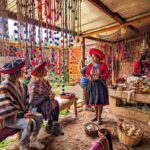

Lunch, coffee or tea, and the social side that feels natural
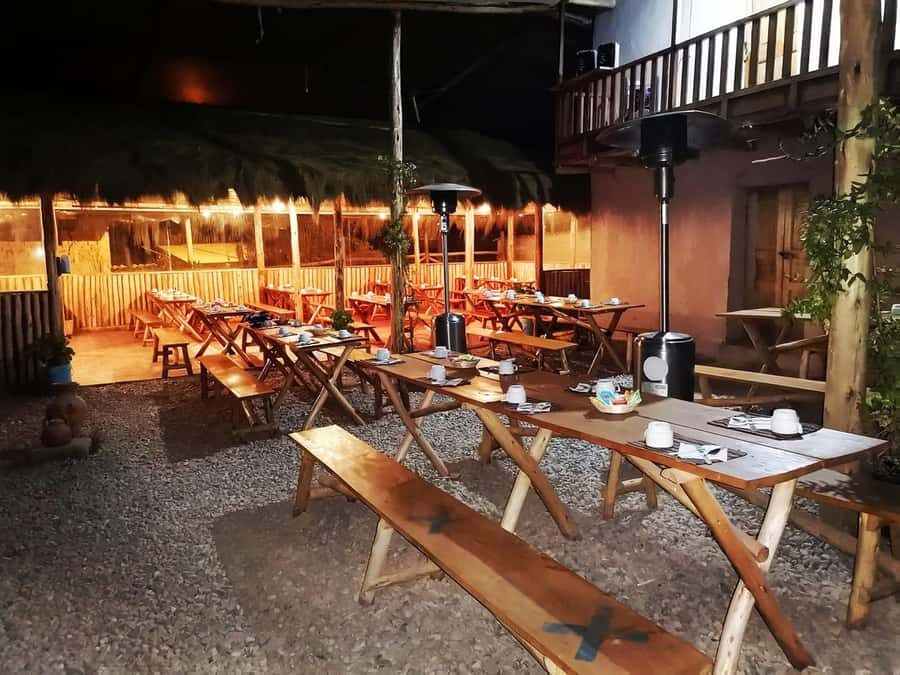
The workshop includes lunch and coffee or tea, and it’s not an afterthought. You eat together with the weaving team, which changes how you experience the day. You’re not sent off to a separate restaurant while the craft magic happens elsewhere.
Food notes from experiences include homecooked meals and produce like pineapple, passion fruit, papaya, avocado, yucca, and other items mentioned as coming from the yard. That gives the meal a place in the story of the day, not just fuel between activities.
Some people also mention a cultural exchange element, like learning a little Quechua and chatting about what weaving means in daily life. A few experiences include a short dance at the end, which adds a celebratory feeling when you finish your weaving work.
If you’re worried about it feeling touristy or extractive, pay attention to the pacing. The day gives you time with the weavers and time to try steps yourself. That’s the difference between watching someone work and learning how work is done.
Your finished piece, provenance card, and what you take home
One of the best practical perks is that your work is finished on-site. You’re not handed a take-home kit and told to figure it out later. You’re guided through the process, and your final textile piece is completed in the workshop.
You’ll also get elegant packaging and a signed provenance card. That’s more than decoration. It turns your souvenir into something with context: who taught you, what you made, and the steps tied to the craft.
Many people take home pieces like:
- dyed yarn they helped prepare
- woven bookmarks, bracelets, or headbands made with guidance
- a small finished item created from your own dyed alpaca yarn
If you enjoy buying directly from artisans, this day can also work as a chance to shop thoughtfully. Several experiences mention that the shop time isn’t overly pushy and that items can be reasonably priced relative to expectations. I’d still suggest budgeting a little extra if buying a few textile goods is part of your plan.
Price and logistics: is $420 per person good value?
$420 per person sounds steep until you break down what you’re actually buying.
You’re paying for:
- hotel pickup and private transport to the Sacred Valley area
- a full working day led by a master weaver, with additional master weavers from the community
- hands-on instruction through multiple steps (botanical collection, dyeing, and weaving)
- lunch plus coffee or tea
- the materials and finishing of your piece
- packaging and a signed provenance card
In many Cusco tours, you pay for a guide and a bus ride. Here, you pay for skilled instruction and real materials, and you leave with something you made with your own hands. That’s the value equation.
Also, the tour is private for your group. That tends to mean more direct help at the loom when you hit the tricky parts.
If you’re only interested in taking quick photos or watching from the sidelines, this price won’t feel worth it. If you want to learn, try, and take home a meaningful textile, it starts to look fair.
Who should book this workshop, and who might want a different day
This is a strong match if you:
- care about craft processes and want to learn how natural dyes work
- want a calmer cultural day away from major crowds
- like workshops where you actually do the work, especially backstrap weaving
- want something different from ruins and city walks
It may be less ideal if you:
- can’t handle sitting on the floor for long stretches
- want a very short activity (this is a full day)
- aren’t interested in a hands-on skill and prefer mostly sightseeing
If you’re traveling as a couple or solo, the day still works well. People have described feeling welcomed and supported, even when they were the only person on the booked day.
One last thought: some visitors have said this kind of schedule helped them acclimate to Cusco because it gives you a steady, structured day rather than jumping from one intense activity to another. Don’t treat that as a medical plan, but as a pacing strategy, it can feel good.
Should you book the Sacred Valley Textile Workshop?
I’d book this if you want a real skill and a real story. The workshop’s strongest ingredient is that you don’t just get a lesson about Andean textiles. You do the work: selecting dye botanicals, dyeing baby-alpaca yarn, and then learning backstrap weaving on-site with master weavers.
You’ll also likely enjoy it if you like meeting artisans as people, not as background to your vacation. The guide support and the included lunch help the day feel human and balanced.
Before you commit, make sure you can spare a full day and that you’re okay with weaving being challenging. If you’re fine with that, the outcome is great: you come home with dyed yarn and a finished textile tied to a provenance card, plus a new respect for how much patience and technique go into every pattern.
If your trip has room for one hands-on cultural workshop in the Sacred Valley, this is one of the best kinds of choices you can make.
FAQ
What time does the workshop start?
The start time is 8:30 am, with hotel pickup by private transport.
How long does the experience take?
Plan on about 8 hours (approx.).
Is this a private tour?
Yes. It’s a private tour/activity, and only your group participates.
What will I make during the workshop?
You’ll be involved in dyeing and weaving your own textile piece. Depending on the day and what you choose with guidance, people commonly end up with items like bookmarks, bracelets, or headbands made with the alpaca yarn they dyed.
Is lunch included?
Yes. Lunch is included, and coffee or tea is also included with the textile workshop experience.
How far is it from Cusco?
Expect a significant drive. Some experiences mention about an hour and a half each way, so it becomes a full-day outing.
What if weather is bad?
This experience requires good weather. If it’s canceled due to poor weather, you’ll be offered a different date or a full refund.