REVIEW · CUSCO
From Cusco: Half-Day Zip Line Adventure
Book on GetYourGuide →Operated by PVTravel · Bookable on GetYourGuide
Flying into the Sacred Valley is a rush. This half-day zip line from Cusco takes you out to Racchi for gliding runs above the Incas’ region, with big views of canyons and mountains.
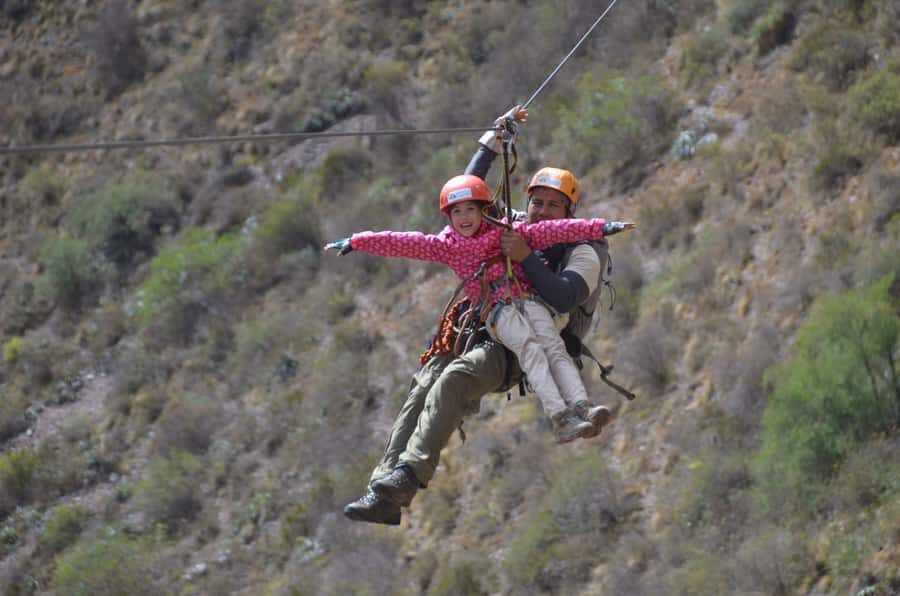
I especially like the four cable runs with different speeds, so you get both a confidence start and the more extreme sensations later. The longest line is 600 meters, and the deepest section reaches up to 2000 meters, which is what turns this into more than a quick thrill.
One drawback to consider: it is not for everyone. If you have certain medical limits, are pregnant, or have mobility challenges, this activity won’t work for you—and sandals or flip flops are not allowed.
In This Review
- Key highlights at a glance
- From Cusco to Racchi: the 50-minute transfer that sets the tone
- Four cables, four sensations: how the runs are staged
- The views that matter: Chinchero, the canyon, and snowy peaks
- What the guide and gear do for you (and why it’s a smart setup)
- Timing and flow: why it feels half-day, not all-day
- Price and value: is $85 a good deal for this in Cusco?
- Who this zip line is best for (and who should skip it)
- Practical tips: what to wear and how to feel ready
- Should you book this Cusco half-day zip line?
- FAQ
- How long does the Cusco half-day zip line adventure take?
- Where do you travel from in Cusco?
- How many zip lines are included?
- What are the cable lengths and depth?
- What languages are the guides available in?
- How big is the group?
- What’s included in the price?
- What is not included?
- Is footwear restricted?
- Can I cancel and get a refund?
Key highlights at a glance
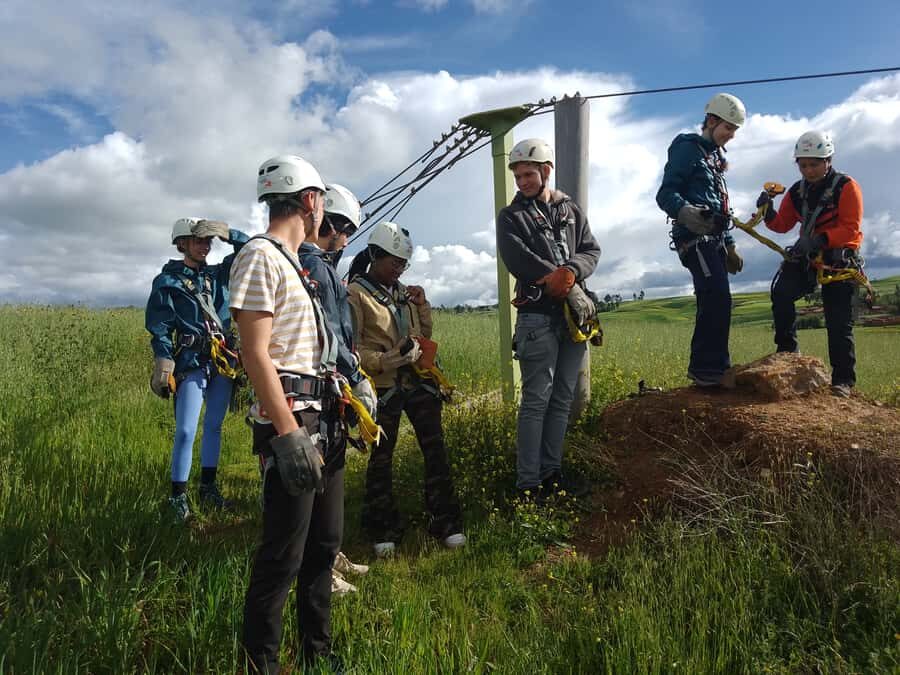
- Four cables with different speeds: a slow start, then faster runs for peak adrenaline.
- 600 meters longest cable: long enough to really feel your glide time.
- Up to 2000 meters drop: the final run focuses on canyon and valley views.
- Small group (up to 10): more personal attention on the platform and during safety checks.
- English or Spanish guide: you’ll have clear instructions in the language you choose.
- Drop-off at Plaza Regocijo: easy return point near the center of Cusco.
From Cusco to Racchi: the 50-minute transfer that sets the tone
This is built as a true half-day outing, starting with pickup from your accommodation in central Cusco. You then travel for about 50 minutes to the town of Racchi, where the zip line activity takes place in a dramatic natural area.
Why this ride matters: Cusco altitude and excitement can make timing feel tricky. Getting transported together keeps things simple—no hunting for the start point, no guessing where to park or wait. It also means you arrive with everyone ready for safety instructions at the same time.
You’re also getting a taste of the region before you fly. The ride-to-area is part of the experience because the zip line viewpoints are framed around the Sacred Valley of the Incas, plus sights toward Chinchero and nearby canyon terrain.
One practical note: you’ll return afterward to Cusco with drop-off at Plaza Regocijo, about two blocks from the main square area. That’s handy if you want to keep the rest of your afternoon flexible.
A few more Cusco tours and experiences worth a look


Four cables, four sensations: how the runs are staged
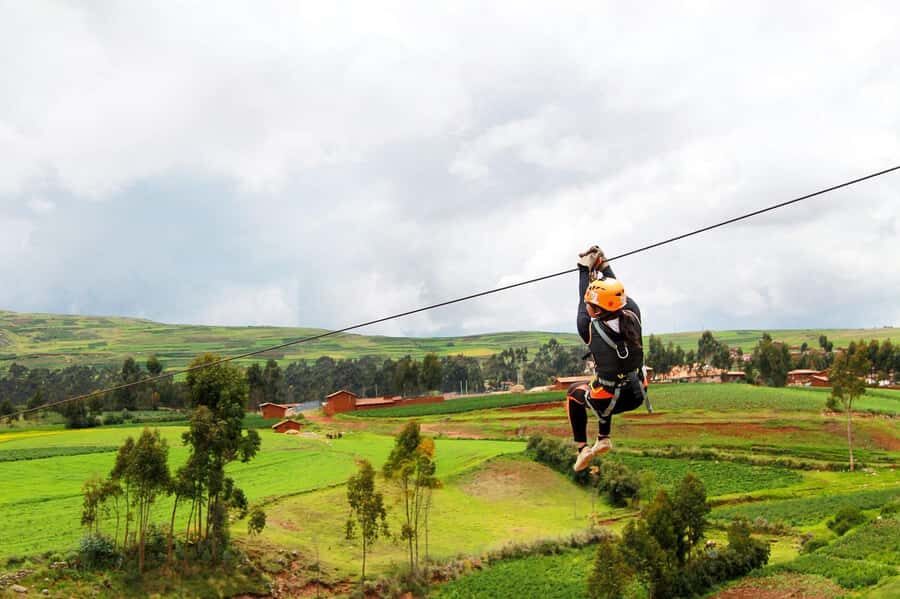
The big idea here is not just flying—it’s flying in stages. Cusco Zipline has 4 different cables, and each one is designed with a different pace and feeling.
The first cable is the “learn it” run. It’s described as very soft, with a gentler feel so you can gain confidence and get familiar with how the harness and pulley movement work.
The second cable turns up the speed. This is where you start to imagine the maximum sensation of flying, because it’s faster and more thrilling in motion.
The third cable is longer, which changes the vibe again. With more time in the air, you can perform movements or positions more freely—within what your guide allows and what feels safe for you.
The fourth cable is the finale focused on views. It’s described as the deepest run, with the best sightlines over the canyon, the Sacred Valley, and surrounding mountains. If you’re aiming for that last-run wow factor, this one is the payoff.
This staged structure is one reason the experience rates so strongly as a fun adrenaline activity. You’re not thrown straight into the most intense section without a warm-up.
The views that matter: Chinchero, the canyon, and snowy peaks
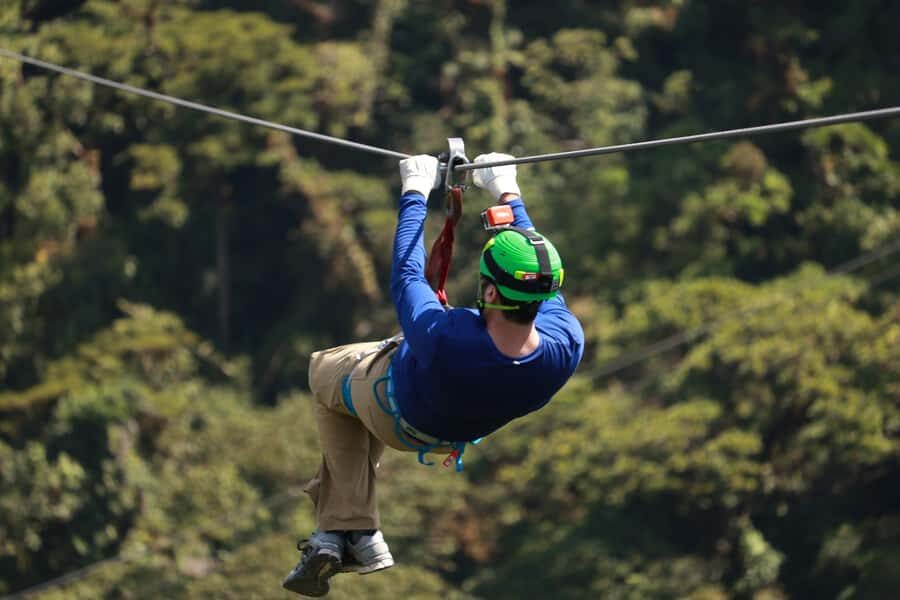
Your flight paths are framed around some very specific reference points in the Cusco region. From the area near Chinchero and the Pj’acchayoc canyon, you get sweeping perspective over the Sacred Valley of the Incas.
The description also points to visible mountain features, including Chicón and Pitusiray. Even if weather softens mountain edges, you’ll still get that sense of altitude and distance—because the activity literally pulls you away from ground-level perspective.
Here’s what I think is the real value of these views: they make the adrenaline feel purposeful. Instead of the flight being only about speed, you’re gliding with the geography unfolding beneath you, which makes the memory last longer after the buzz fades.
And because the final run emphasizes the deepest viewpoint, you’ll likely remember that one the clearest—views and depth together tend to stick in your head.
What the guide and gear do for you (and why it’s a smart setup)
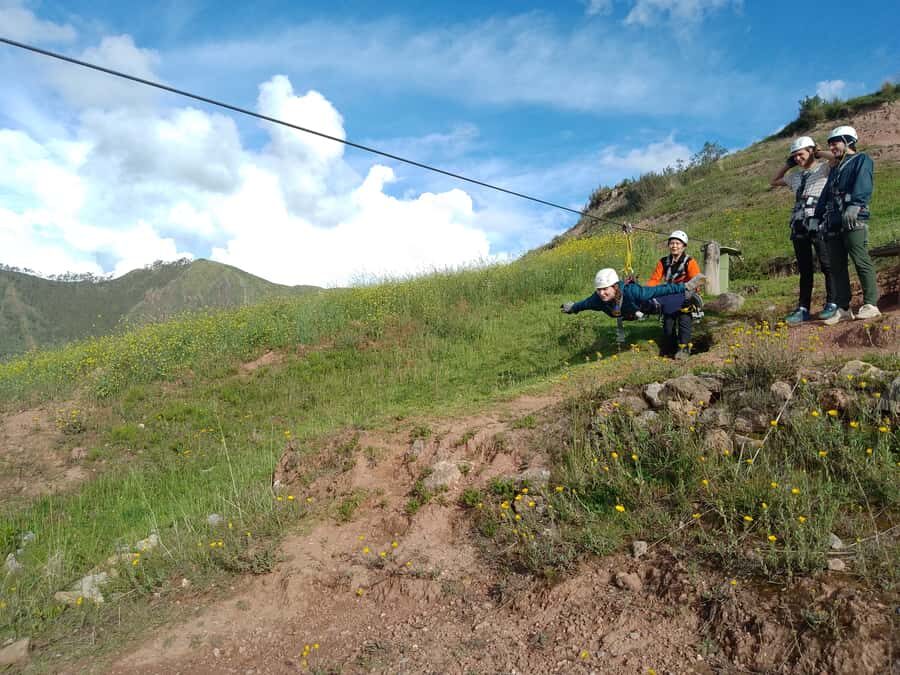
This experience includes the key safety pieces: equipment to carry out the activity, an on-site guide in English or Spanish, and a first aid kit.
The practical win is how the run sequence supports different comfort levels. Since the first cable is designed to be softer, you get an in-air “practice moment” before faster and deeper runs. That matters if you’re excited but not used to heights.
The group format helps too. The tour is a small group limited to 10 participants. With fewer people, it’s easier for the guide to manage pacing, explain positioning, and check gear without long waits.
I also like that you get language options. When instructions are in English or Spanish, you spend less brainpower translating and more on simply listening, moving when told, and enjoying the ride.
Timing and flow: why it feels half-day, not all-day
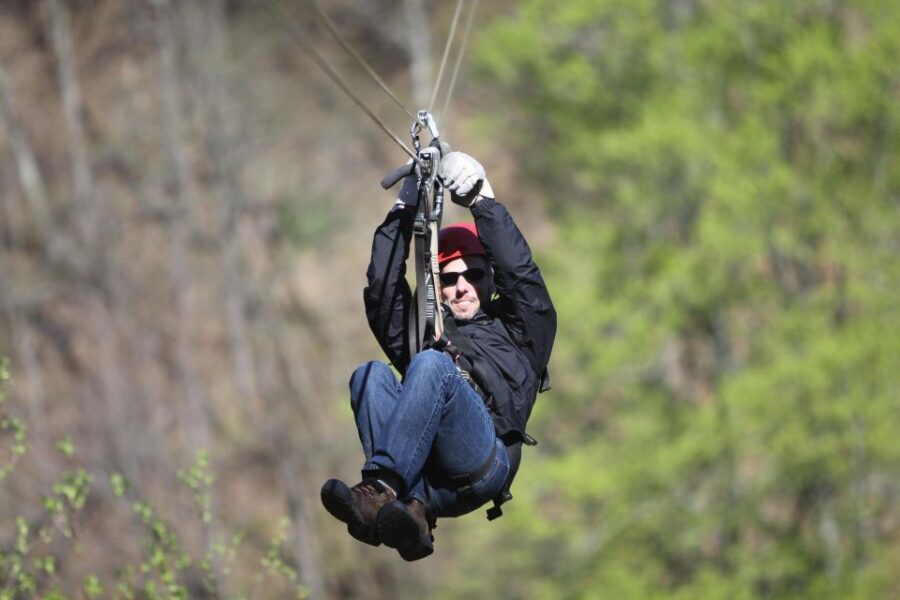
The total duration is listed as 3 hours. The actual zip line activity is approximately 1 hour 30 minutes, with the rest of the time built around transportation and transition.
That breakdown matters for planning your Cusco afternoon. You don’t have to rearrange your entire day around one long activity. If you’re pairing this with a food crawl, a museum visit, or even just time to walk near the center, the 3-hour frame makes it much easier.
Expect the day to be structured: pickup, travel, safety and gear checks, then the four cables, then back to Cusco for drop-off at Plaza Regocijo.
One timing consideration: if you’re coming off a heavy altitude day, plan a calmer schedule later. Even though this isn’t an all-day hike, it is still adrenaline + concentration, and it can be tiring in a different way.





Price and value: is $85 a good deal for this in Cusco?
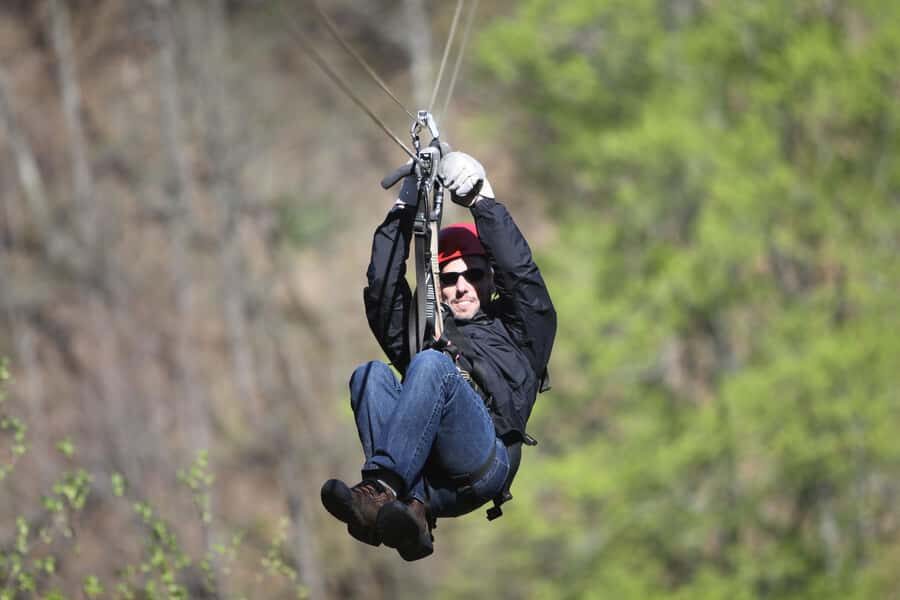
At $85 per person, this sits in the category of paid adventure experiences where value comes from three things: time efficiency, included safety setup, and how many distinct runs you get.
You’re not paying for one short zip. You’re paying for four separate cable experiences, each with different speed and length, and the tour includes the guide, equipment, transport from your hotel area, and drop-off back near the center.
Also, the small group cap (up to 10 participants) is a real value factor. A bigger group often means more waiting. Here, the format supports faster turnover and a more hands-on feel.
What isn’t included is straightforward: meals and accommodation in Cusco. If you’re on a tight schedule, grab a snack or plan a meal before or after so you’re not hungry during the main action.
Overall, I’d call this a good value if you want a true multi-run zip line experience with serious views, not a quick photo-only stop.
Who this zip line is best for (and who should skip it)
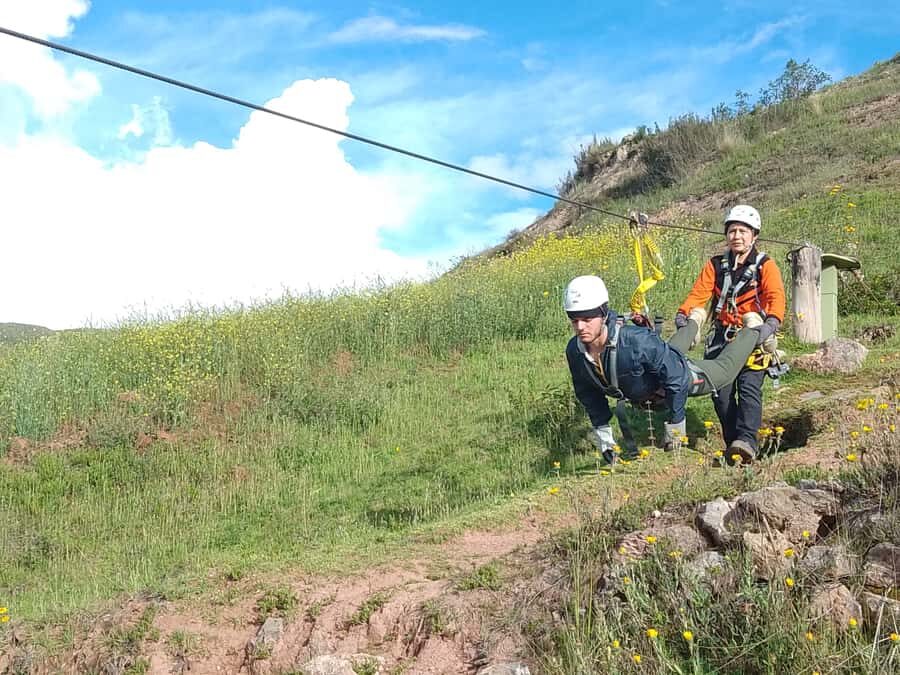
This activity has clear suitability limits. It is not allowed for certain situations and is not suitable for:
- Pregnant women
- People with mobility impairments
- People with heart problems
That’s not just legal wording. A harness-based activity with strong motion and height exposure needs the right physical and medical comfort level.
It also comes with a practical gear rule: no sandals or flip flops. You’ll want proper footwear that can grip and support you through the platform and boarding process.
Who should love it most:
- You want an adrenaline activity that still has a built-in confidence start
- You like scenery that’s tied to specific places like Chinchero and the Pj’acchayoc canyon
- You want a small-group adventure with a guide who can explain instructions in English or Spanish
If you’re the type who gets anxious at heights, you might still feel okay because the run order begins softer. But if you know you’re not comfortable with heights at all, don’t force it.
Practical tips: what to wear and how to feel ready
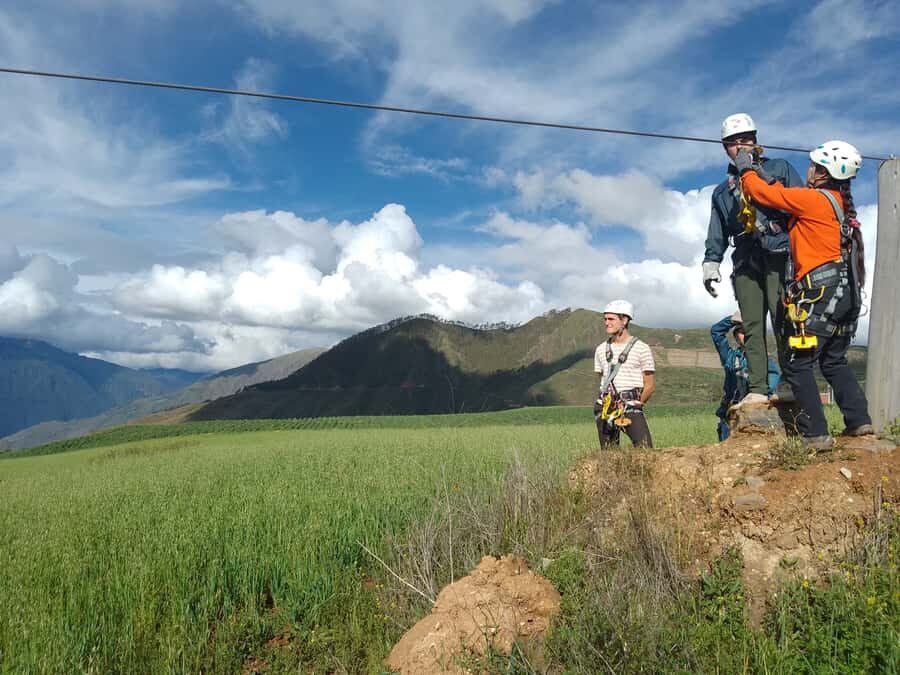
Because sandals and flip flops are banned, plan on wearing shoes with good traction. That’s the simplest way to avoid discomfort during boarding and movement on the platform.
Bring your usual day-of-adventure mindset too. You’ll be in harness gear and moving when instructed, so avoid anything that feels overly loose or hard to manage.
And since it’s small group and guided, follow directions quickly. The smoother you are with the safety routine, the faster the fun starts.
If you’re traveling with camera gear, keep expectations realistic. The key thing is doing the zip line safely and comfortably. You might find it easier to focus on the flight itself rather than fiddling with gear mid-activity.
Also, plan to hydrate before you go and keep your energy steady. Even with only 3 hours total, it’s still a physical adrenaline experience.
Should you book this Cusco half-day zip line?
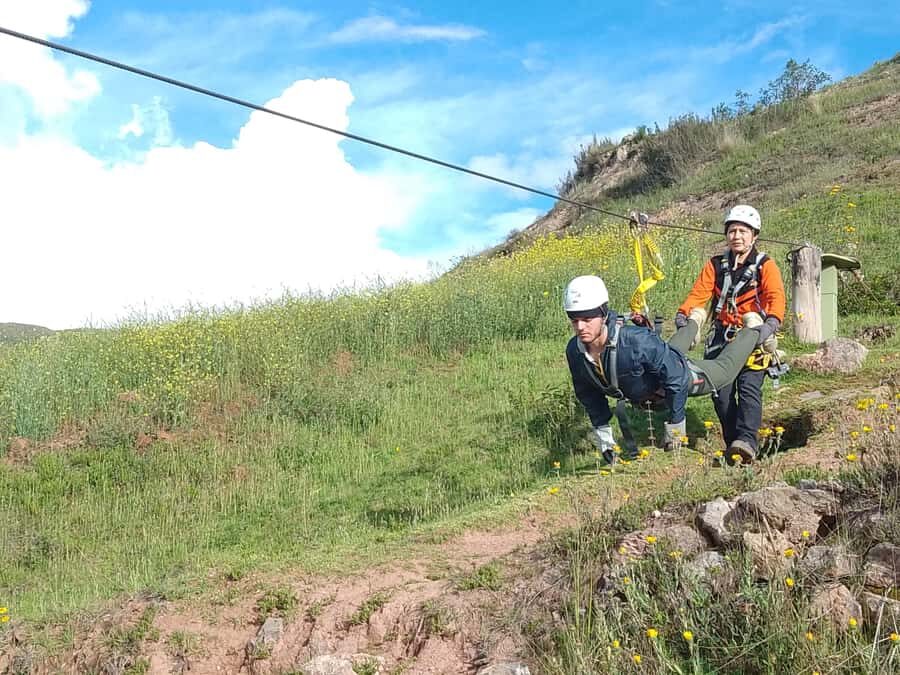
If you want a 3-hour adventure that delivers multiple runs, different speeds, and big-region views, I’d say this is a strong pick. The four-cable design is especially good for people who want thrills but appreciate a confidence-building start.
Book it if:
- You’re excited by adrenaline and heights
- You want both action and scenery tied to the Cusco region
- You prefer small-group guidance (up to 10)
Skip it if:
- You’re pregnant, have mobility impairments, or have heart-related concerns
- You’re only interested in a very gentle activity and dislike any height exposure
FAQ
How long does the Cusco half-day zip line adventure take?
The full experience is about 3 hours, with the zip line activity lasting approximately 1 hour 30 minutes.
Where do you travel from in Cusco?
You’re picked up from your accommodation in Cusco city centre and transported for about 50 minutes to the town known as Racchi.
How many zip lines are included?
You’ll fly on 4 cables (4 wires) during the activity.
What are the cable lengths and depth?
The longest cable is 600 meters. The deepest section reaches up to 2000 meters.
What languages are the guides available in?
The guide is available in English or Spanish.
How big is the group?
This is a small group limited to 10 participants.
What’s included in the price?
Pickup at your hotel, transportation, 4 cables to fly, equipment, an English or Spanish guide, a first aid kit, and drop-off at Plaza Regocijo are included.
What is not included?
Meals and accommodation in Cusco are not included.
Is footwear restricted?
Yes. Sandals or flip flops are not allowed.
Can I cancel and get a refund?
Yes. You can cancel up to 24 hours in advance for a full refund.