REVIEW · CUSCO
From Cusco: Moray, Maras Salt Mines & Chinchero Weavers Half-Day
Book on Viator →Operated by Apu Ausangate Trek · Bookable on Viator
Sacred Valley, three stops, one smart half day. I love the chance to see Quechua weaving up close and understand how natural dyes come from plants. I also love the logic of Moray’s terraced microclimates, where the Inca landscape feels like real science, not just scenery. The only catch is that it’s a packed 6 to 7 hours with no included lunch, so you’ll want to plan snacks.
You’ll get picked up from your hotel in Cusco around 8:20–8:40am, then you’ll roll out to the Sacred Valley with a bilingual guide and transportation. Groups are capped at a max of 16 travelers, and you’ll return around 3:15pm near Plaza de Armas for your own lunch plans.
In This Review
- Key things to love about this Cusco half-day
- A Practical Sacred Valley Half-Day from Cusco
- Chinchero Market and Weavers: Dyes, Clothes, and Bartering
- Moray Agricultural Terraces at 3,450m
- Maras Salt Mines and Salineras Pools in Action
- Timing, Travel Comfort, and How Long 6–7 Hours Really Feels
- Cost Breakdown: What $15.20 Covers (and What Tickets Add Up To)
- Tips to Make the Day Smoother
- Should You Book This Cusco to Moray, Maras, and Chinchero Tour?
- FAQ
- What time is pickup in Cusco?
- When do we return to Cusco?
- How long is the tour?
- Are the entrance tickets included?
- How much are the entrance tickets?
- Is breakfast or lunch included?
- Is the guide bilingual?
- How many people are in the group?
- What do you do in Chinchero?
- What happens if weather is bad or I cancel?
Key things to love about this Cusco half-day
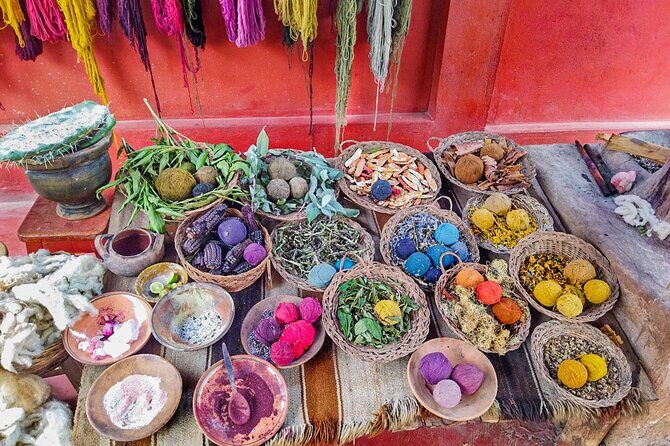
- Quechua weaving workshop with natural color explanations and great photo ops
- Bartering market energy in Chinchero, where tradition still shows up in daily life
- Moray’s bowl-shaped terraces and the irrigation puzzle of how the Inca tested crops
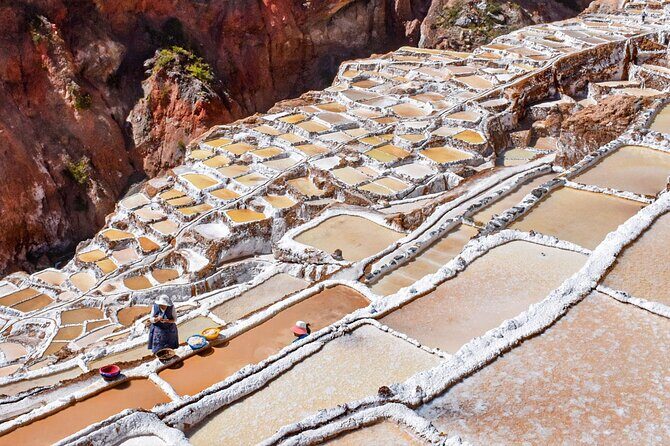
- Maras Salineras pools: thousands of small salt pans fed by hot springs
- Small-group pacing that keeps the day from dragging too long
- Easy return to Cusco around mid-afternoon, useful if you have other plans
A Practical Sacred Valley Half-Day from Cusco
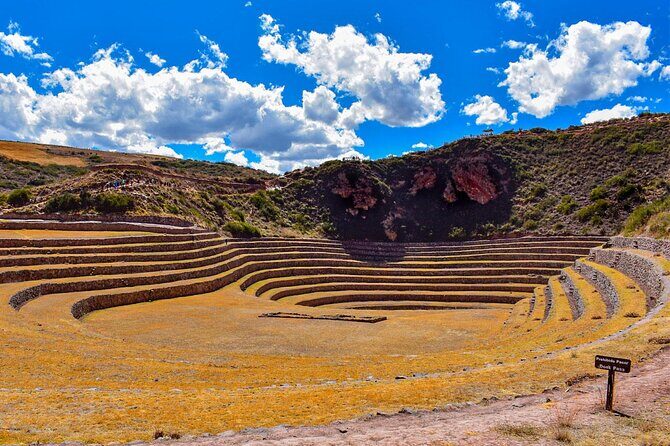
This is a solid way to sample the Cusco region’s big themes without committing to a full day (or a long hike). You’re visiting three standout places tied to everyday life and Andean engineering: textile traditions in Chinchero, agricultural experiments in Moray, and salt-making in Maras.
What makes it feel “worth it” for the money is that the tour includes more than just entry tickets. You get hotel pickup, transportation, and a bilingual guide who connects what you’re seeing—market stalls, dye plants, irrigation terraces, and working salt pans—into a single story. The half-day timing also means you can still enjoy Cusco afterward, instead of feeling stuck in a remote spot until evening.
One note: this day runs on tight timing. Even though it’s sold as a half-day, expect the full commitment of 6 to 7 hours due to driving between sites and the altitude changes. If you’re someone who needs long meal breaks, bring snacks and keep your expectations realistic.
A few more Cusco tours and experiences worth a look

Chinchero Market and Weavers: Dyes, Clothes, and Bartering
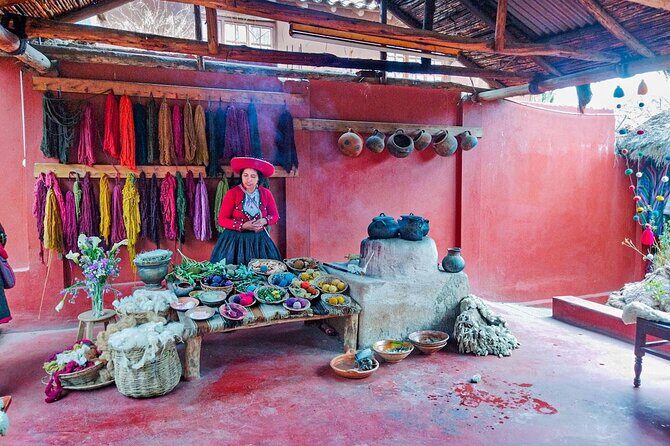
Chinchero is where the tour starts building character fast. You’ll head there from Cusco and arrive at about 3,762 meters, so dress for cool air and sun glare. The first stop focuses on the traditional market and the way bartering still happens—less “tour bus shopping,” more a glimpse of how people negotiate and trade locally.
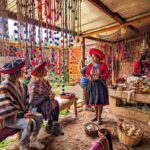
Then you’ll shift to a weaving workshop where the emphasis is on process. You get to see how local families continue Quechua traditions, and you’ll learn about the colors used in textiles. The standout detail here is that the pigments are tied to natural plants, which is exactly the kind of practical information that makes the textiles feel more than just pretty souvenirs.
You may also have a chance to take photos dressed in Andean clothing. That’s fun, and it also helps you understand the visuals behind the patterns you’re seeing in the workshop and market.
Two balanced reality checks:
- This isn’t the whole town. You visit part of Chinchero and an Andean textile center, so keep it in your mind as a sampler.
- There can be a sales focus once you’re inside the textile area. You’ll still learn, but if you hate being guided toward purchases, keep your budget clear and ask questions early.
Moray Agricultural Terraces at 3,450m
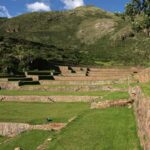
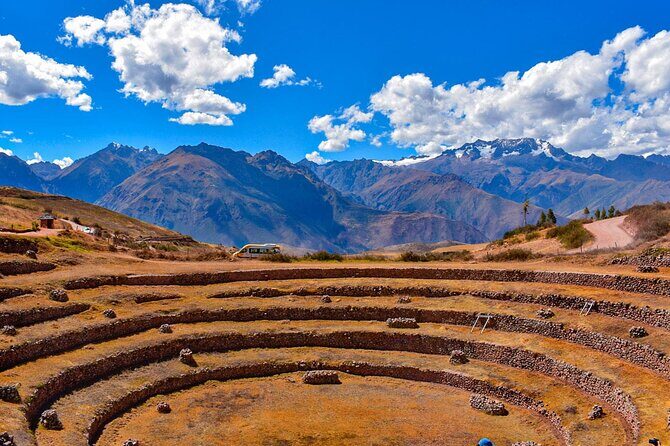
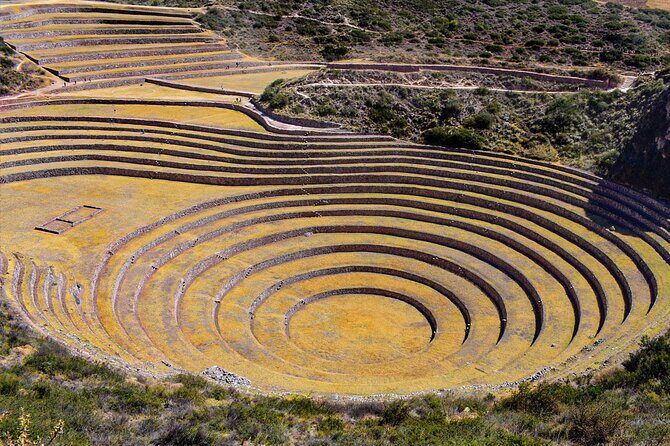
Moray is the “wait, the Inca were doing experiments” stop. You’ll drive from Chinchero to Moray around 3,450 meters, where you find terraces carved into a huge bowl shape. The terraces are connected to an irrigation system, and that design matters: it’s not random beauty; it’s an engineered setup.
Here’s the big idea you should expect to understand by the time you walk around: the different terrace levels create different growing conditions. People think the Incas used Moray as a natural greenhouse to test crops in sub-climates that would otherwise be difficult at that altitude. In other words, you’re looking at landscape used as a research tool—multiple micro-environments in one location.
Also, Moray is a great place to slow down. You’re surrounded by a structure that makes you look sideways across the terracing. It’s the kind of site where a good explanation changes how you see it. If your group moves fast, still take a few minutes to stand back and picture the irrigation logic.
Practical tip: entrances here cost extra, and you’ll pay on the ground. That’s common on this route, so factor it into your day’s budget and keep a little cash or soles handy.
Maras Salt Mines and Salineras Pools in Action
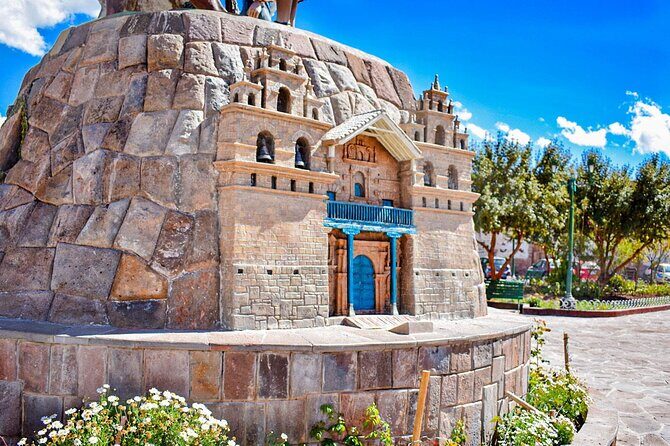
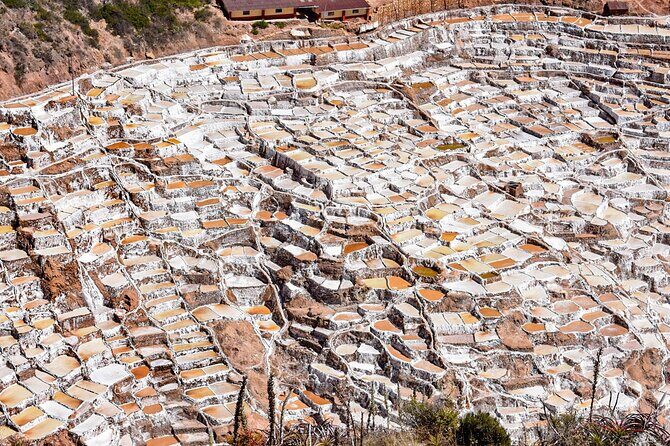
Then comes the wow factor. Maras Salt Mines (Salineras) are famous for a reason: there are around 3,000 small pools where salt is produced. You’ll travel through the Maras village area first, and you’ll notice the thin-stone colonial architectural look that still feels intact.
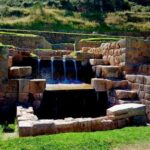
At the salt mines, the mechanism is straightforward and fascinating. During the dry season, workers fill the pools with salt water from natural hot springs roughly every three days. Over time, the water evaporates and leaves salt behind. The operation has been working since pre-Inca times and continues today.
When you’re standing among the pools, the place doesn’t feel like a museum. It feels like a living workplace, with layers of tradition and modern packaging. The tour also explains that the salt is ground, treated with iodine, and then packaged for regional markets.
A couple things to plan for:
- The site can involve uneven ground and lots of steps between viewpoints, so comfortable walking shoes beat sandals.
- Sun and wind can hit hard in this altitude zone, so bring layers even if Cusco feels warm earlier in the day.
Like Moray, the entrance ticket for the salt mines is not included in the tour price, so treat it as part of the “you’re really doing this” cost of the day.
Timing, Travel Comfort, and How Long 6–7 Hours Really Feels
The day starts with hotel pickup in Cusco between 8:20am and 8:40am. You’ll move to Chinchero first, then head to Moray, then to Maras. The schedule is designed to keep each stop short enough for a mid-afternoon return, usually around 3:15pm near Plaza de Armas.
Because it’s a shared tour, your comfort level depends on your vehicle and group load. One thing to know: when the minibus is full, it can feel tight. So if you’re sensitive to cramped seats, choose your spot early when you get in, and bring water to stay comfortable.
Also, don’t underestimate the altitude rhythm. You’ll climb to Chinchero at 3,762 meters, then drop slightly toward Moray and Maras. If you take it easy, hydrate, and dress in layers, this route is usually manageable for most people. But if you’re already struggling with altitude in Cusco, make sure you pace yourself at each stop rather than rushing between photos.
The other timing reality: there’s no included lunch. You’ll have time to grab something on your own when you return, but plan for a snack during the morning and early afternoon so you don’t end the day cranky.

Cost Breakdown: What $15.20 Covers (and What Tickets Add Up To)
The tour price is $15.20 per person, and it includes hotel pickup, transportation, and a bilingual guide. That’s a pretty efficient setup if you don’t want to coordinate buses or taxis between Sacred Valley stops.
The two main add-ons are entrance tickets:
- Moray: $19 (70 soles)
- Salt mines: $6 (20 soles)
So if you do both sites, the paid entries can add roughly $25 on top of the base tour cost. That puts your total closer to about $40 for the day, depending on exchange rate and how you handle any on-site rounding.
Is it good value? For me, yes—because you’re paying for guided context and smooth logistics across multiple sites in one run. If you only care about one stop, you might spend less going directly to that location on your own. But if you want Chinchero + Moray + Maras in one day, this route saves time and effort.
Tips to Make the Day Smoother
A few small choices can make a big difference on a day like this.
- Bring water and snacks. There’s no included breakfast or lunch, and the day moves fast.
- Dress in layers. Altitude + wind at Moray and Maras can feel colder than you expect.
- Wear comfortable shoes. Terraces and salt pools mean uneven ground and lots of walking.
- If you’re hoping to buy something in Chinchero, go in with a plan. The textile workshop can be sales-forward, so decide what you want before you get swept up in it.
- Bring a light layer for evening plans in Cusco. You return around 3:15pm, but temperatures can shift.
This is also a good tour if you’re using Cusco as your base and you want real Sacred Valley culture without losing the whole day. It’s an especially nice fit if your schedule includes a flight later or you want a second activity in town after returning.
Should You Book This Cusco to Moray, Maras, and Chinchero Tour?
Book it if you want a guided sampler of the Sacred Valley that includes Chinchero weaving, Moray terraced agriculture, and the Maras salt mines—all with pickup, transport, and bilingual explanations. It’s one of the easiest ways to understand how the region’s people adapted food and materials to harsh mountain conditions.
Skip it (or choose a different format) if you hate long days without food built in. Since there’s no included lunch, you’ll need to manage your energy. Also, if you’re extremely seat-sensitive in shared vans, consider how much discomfort you can tolerate on a full ride.
If you do book, I’d plan for a realistic half-day: not rushed, but busy. Bring snacks, wear layers, and let the guide connect the dots—you’ll leave with a much clearer idea of why these three places matter together.
FAQ
What time is pickup in Cusco?
Pickup is from your hotel between 8:20am and 8:40am.
When do we return to Cusco?
You return around 3:15pm near Plaza de Armas.
How long is the tour?
It runs about 6 to 7 hours.
Are the entrance tickets included?
No. Moray and the Salt Mines have separate entrance tickets.
How much are the entrance tickets?
Moray costs $19 (70 soles), and the Salt Mines cost $6 (20 soles).
Is breakfast or lunch included?
No. Breakfast and lunch are not included, and you’ll have time to eat on your own after you return.
Is the guide bilingual?
Yes, the tour includes a bilingual tour guide.
How many people are in the group?
The tour has a maximum of 16 travelers.
What do you do in Chinchero?
You’ll visit the traditional market area with bartering, then a weaving workshop that explains natural plant dyes, with opportunities for Andean-clothing photos.
What happens if weather is bad or I cancel?
The experience requires good weather. If canceled due to poor weather, you’ll be offered a different date or a full refund. Free cancellation is available up to 24 hours in advance for a full refund.