REVIEW · HUARAZ
Tour Climbing Nevado Mateo | Your First 5,150 m Summit | 12 Hours
Book on Viator →Operated by GRUPO ALPAMAYO TOURS · Bookable on Viator
Ice starts before breakfast.
This Nevado Mateo outing from Huaraz is a classic first-high-summit day: glacier moraine hiking, crampons and rope-up support, and a guided ascent to a first 5,150 m top in Huascarán National Park. I like that it’s structured and practical, not just a “good luck” hike.
I especially like the fact that you get personal technical equipment (boots, crampons, harness, ice axe, helmet) and you’re never left guessing what to do. I also like the group size cap (up to 30) and the coaching style people describe from guides such as Lucho and Fredy—steady step-by-step help in English or Spanish.
One consideration: it’s a long day with an early start, and while most people can participate, you still need stamina for altitude near 5,100 meters. Bring your own headlamp and snow goggles, plus the right layers, because those items aren’t included.
Key highlights before you go
- 3:30 AM hotel pickup: A very early start so you’re moving while the mountain is at its best.
- Huascarán access includes a fee: You’ll pay the park entrance (30 soles per person) on the ground.
- Crampons and rope-up: You’ll put on gear and rope up at the glacier base before the final push.
- Step-by-step guide support: English/Spanish guidance with personalized help when sections get tricky.
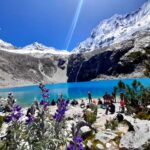
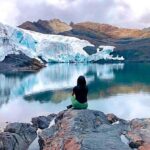
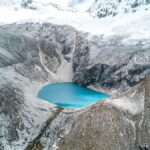
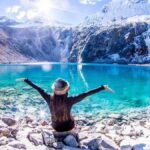
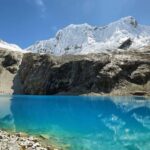
- Summit views from San Mateo: Expect big views of Contrahiervas Mountain remnants and the Cancora Lagoons.
- Back to Huaraz by ~2:30 PM: Same route down, then you’re headed home for the rest of your day.
In This Review
- Why Nevado Mateo is a smart first 5,150 m summit
- The early start: Huaraz pickup, the drive north, and Punto Olimpia
- Glacier moraine hiking at the start (and why it matters)
- Gear up: crampons, harness, ice axe, and rope-up confidence
- The summit push from San Mateo: about an hour, big rewards
- Getting back to Huaraz around 2:30 PM
- Price and value: what $140 actually buys you
- Who should book this climb—and who should pause
- The guide experience that makes the difference
- Should you book Nevado Mateo with Grupo Alpamayo?
- FAQ
- How long is the Nevado Mateo climb?
- What height will I reach on this tour?
- What’s included in the $140 per person price?
- Do I have to pay an entrance fee for Huascarán National Park?
- Is breakfast or lunch included?
- What personal items should I bring?
- How many people are in the group?
- What is the cancellation policy?
Why Nevado Mateo is a smart first 5,150 m summit
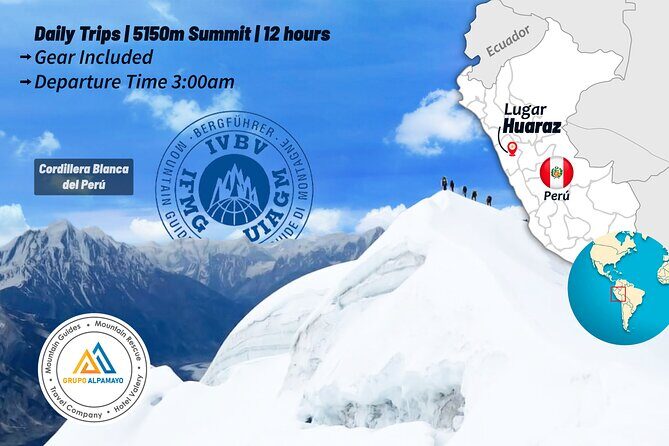
If your goal is a first real high-altitude summit in the Huaraz area, Nevado Mateo is built for that. You’re not just walking a trail at elevation—you’re doing a guided glacier climb where the focus is technique and confidence. You start with lower-elevation hiking, then transition to glacier conditions where crampons, ropes, and proper footwork matter.
What makes it feel achievable (without being easy) is the pacing. The itinerary keeps the climbing in short, guided chunks: about an hour along the glacier moraine, then an hour-ish ascent once you’re at the glacier base and gear is on. That structure helps first-timers manage energy and focus on the mechanics of the climb rather than panicking about distance.
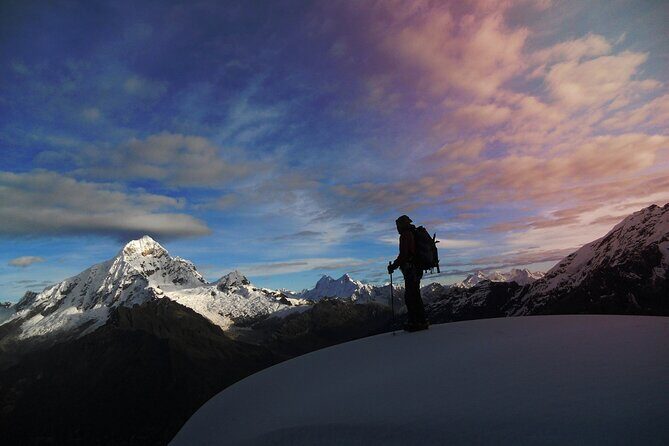
And the motivation piece is real. At the top (from San Mateo), you get time to relax and take in the view—specifically the remains of Contrahiervas Mountain and the Cancora Lagoons. It’s the kind of reward that makes an early start feel worth it.
Just remember the altitude is the altitude. The tour is designed so most people can participate, but you still need real physical readiness. This isn’t a casual stroll; it’s a climb where your breath and legs will be working hard.
The early start: Huaraz pickup, the drive north, and Punto Olimpia
The day begins at 3:30 AM with hotel pickup in Huaraz. Then you’ll ride about 2.5 hours north, passing through Carhuaz and Shilla before entering Huascarán National Park.
That drive does two useful things. First, it gets you out of town before the busy daylight rush. Second, it sets expectations: you’re heading into a park environment where the climb is tied to glacier terrain, not a standard paved-to-trail setup.
Once you arrive, you’ll park at Punto Olimpia, which is where the climbing day really starts. The park entrance fee is 30 soles per person and isn’t included in the tour price. It’s not a huge added cost, but it’s worth keeping in mind so you don’t get stuck at the last second without cash.
You can also read our reviews of more tours and experiences in Huaraz.
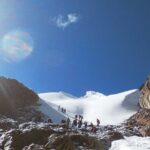
Glacier moraine hiking at the start (and why it matters)
At around 6:00 AM, you start hiking along the glacier moraine for about one hour. This is a big part of the experience even though it isn’t the “summit push.” It’s where you build rhythm and learn how the terrain feels underfoot.
Moraine terrain can be awkward: it’s not smooth trail. You’re walking on rock and uneven ground shaped by glacier movement. That’s exactly why this start is valuable. You’re getting your body warmed and your brain focused before the climb turns more technical.
It also helps the team process everyone’s pacing early. A good guide can spot who needs extra coaching on steps, and later, that same support becomes a confidence boost when you’re at crampon level and the rope-up begins.
Gear up: crampons, harness, ice axe, and rope-up confidence
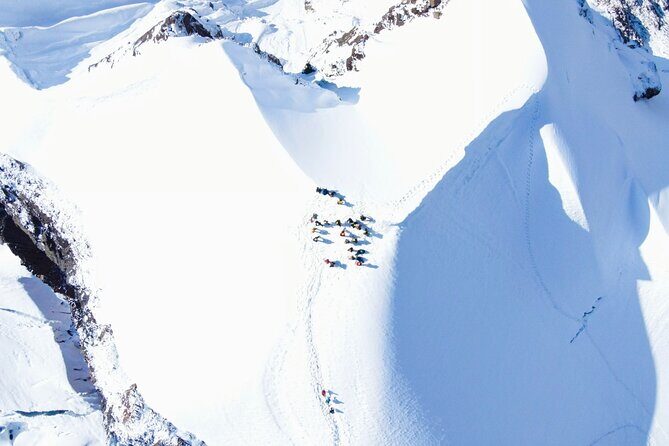
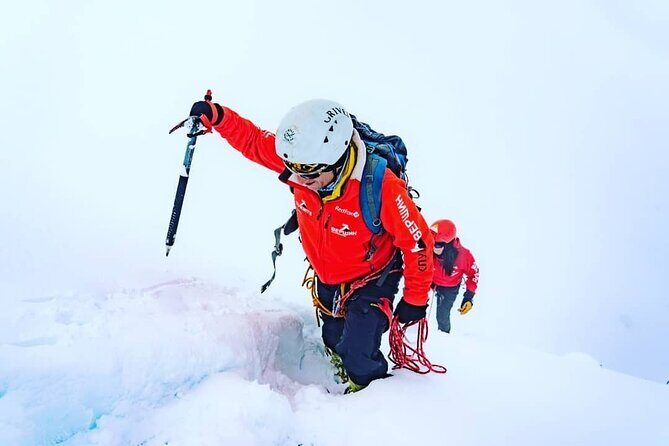
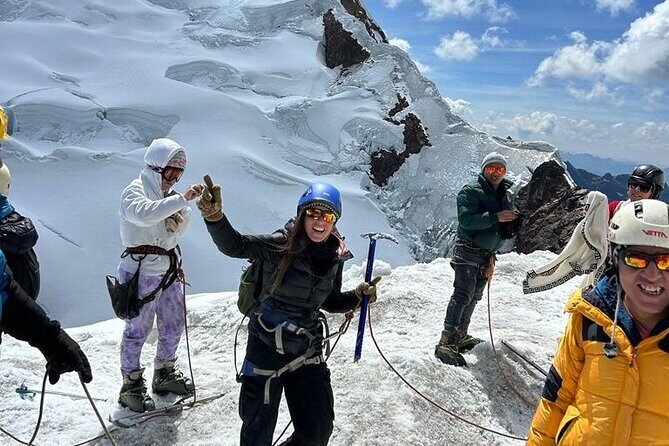
After the moraine walk, you reach the glacier base. This is where you put on your technical kit: crampons, harness, ice axe, and helmet, and then you rope up before starting the ascent toward the summit.
The best part here is that the tour includes your gear. You’re not trying to rent the right system in a rush, or guessing whether the boots fit properly. The downside is that you still need to show up prepared with personal items that aren’t provided, like your headlamp and snow goggles—both are practical for early starts and bright icy conditions.
Guides are a major part of why this works well for first-timers. People describe guides speaking English (and Spanish options exist), and helping in real time—pointing out the path to follow and, when necessary, using the rope system to stabilize you in trickier sections. In other words, the rope isn’t just there for drama. It’s there for safe progress.
If you’re nervous about the “ice” part, that’s normal. This is the moment where nervous energy becomes useful focus—think small steps, stable foot placement, and listening closely when your guide talks you through the technique.
The summit push from San Mateo: about an hour, big rewards
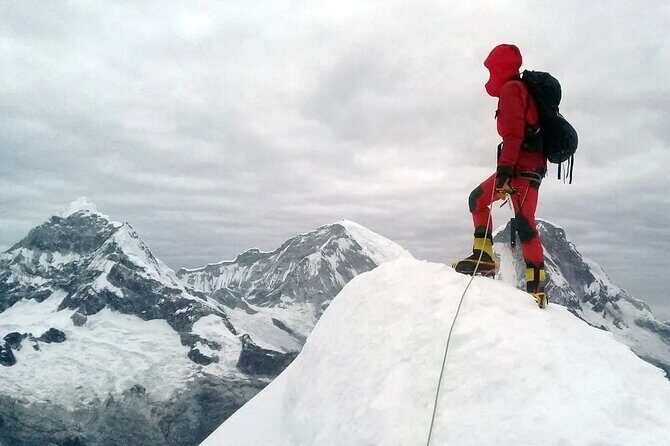
Once you begin the ascent, you’re looking at roughly one hour to reach the summit (from the described plan). It’s not a slow uphill grind for hours. It’s a focused effort: climb, settle into the rhythm, and keep your attention on safe movement.
From the top of San Mateo, you get a pause to relax and take in views—especially the remains of Contrahiervas Mountain and the Cancora Lagoons. Even if you’re not the type to stare at maps, it helps to take a breath here. This is the part where the mountain becomes more than “work.”
That pause also matters psychologically. It turns the summit from a checkbox into an experience. You’ve earned it, and you’re not rushing straight back down without processing what you just did.
Then you descend the same route back to the glacier base, back through the moraine area, and ultimately to the vehicle. Expect the descent to feel different from the ascent: you’ll still be careful, but the focus shifts to control and clean steps so your feet land confidently in crampons.
Getting back to Huaraz around 2:30 PM
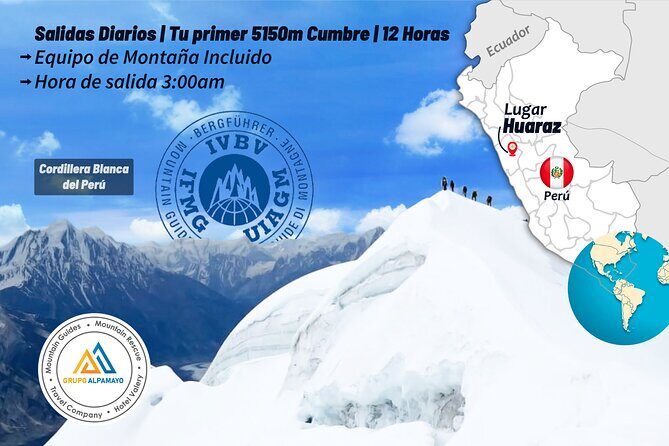
After you return to the vehicle, you’ll pack up and head back to Huaraz. The plan lists arrival back in town at about 2:30 PM, which is a nice finish time for a full-day adventure.
This timing is practical. A summit day can erase an entire day if you’re out late. Here, you usually still have daylight and time to eat something warm, shower, and plan your next stop in the area.
Price and value: what $140 actually buys you
The tour price is $140 per person for an approximately 11 to 12-hour outing. That price includes shared transport, a certified mountain guide (English, Spanish), and the technical equipment for the climb.
Where it gets interesting is what you don’t pay separately beyond the park fee. You don’t need to find your own crampons, harness, ice axe, or helmet. You also get a basic first aid kit on hand (and it’s still smart to bring your own personal supplies, since the tour kit may not cover everything you prefer).
What isn’t included:
- Park entrance (30 soles per person)
- Breakfast, lunch, dinner
- Headlamp, snow goggles
- Personal clothing, medications, and other personal expenses
- Optional tips if you want to thank your guide
So is it good value? For a first high-altitude glacier summit, yes—because the equipment and guide support are the expensive and complicated parts. You’re paying for safety systems and real instruction, not just a scenic bus ride. The only “hidden” cost is meals plus the park fee, and your own personal cold-weather items.
Who should book this climb—and who should pause
This climb is aimed at people who want a first 5,150 m summit experience with real technical support. It also fits solo travelers who are comfortable joining a shared group day.
It’s especially suitable if you:
- want a structured day with crampons and rope-up coaching
- appreciate having gear handled for you
- like learning technique rather than just “pushing through”
From the information provided, it’s also important to be honest with yourself. Most people can participate, but the tour requires physical strength at altitude. If you know you struggle with breath control on steep hikes, or you’re unsure about your acclimatization, you should consider whether another acclimatization-first day in Huaraz would better prepare you.
Also, bring what you’re responsible for. Headlamp and snow goggles aren’t included, and cold-weather layering is on you. If you show up underprepared, the guide can’t fix that for you.
The guide experience that makes the difference
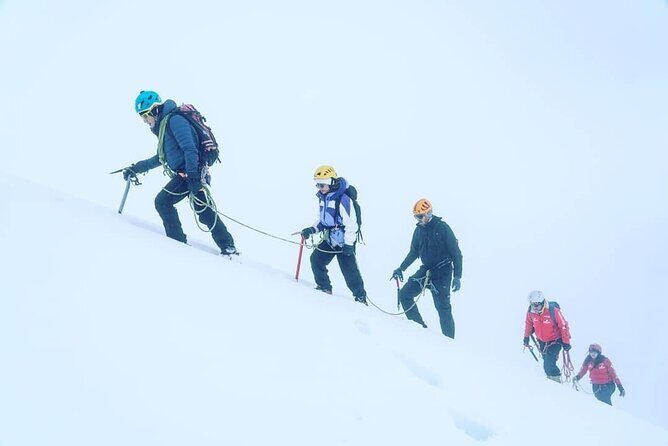
One reason this tour gets consistent praise is how guides coach the “in-between” parts: not just when things are steep, but when confidence dips.
People specifically highlight:
- helpful rope support on slippery/tricky sections
- English-speaking guides who explain clearly
- patient step-by-step encouragement, including holding hands or tethering when someone is nervous
- a guide who knows the mountain and adapts support to the group
Names mentioned in feedback include Richard, Lucho, Eric, and Fredy. You may not get the same person, but the pattern is clear: this provider leans into calm coaching. That’s the kind of guide energy that turns a scary moment into a solvable moment.
And the equipment setup is part of that. When your boots and crampons are correctly fitted and you’re taught how to place your feet, the climb stops feeling random.
There’s also a small note from feedback about a surprise during the descent. It isn’t something you should plan around, but it hints that the day isn’t only “work and go.”
Should you book Nevado Mateo with Grupo Alpamayo?
Book it if you want your first real high-altitude glacier summit and you value instruction. The combination of included technical gear, certified guide support in English/Spanish, and a short, structured summit push is a strong match for first-timers who want safety and technique.
Think twice (or prep more) if:
- you’re not confident at altitude
- you hate early wake-ups and long, intense days
- you don’t want to manage your own cold-weather gear like headlamp and snow goggles
If you do book, plan your day around the reality that you’ll be climbing hard in the morning and back down by mid-afternoon. Bring the essentials, pace yourself, and let the rope-up and crampon technique work for you. This is one of those experiences where the summit is the reward, but the guided process is the win.
FAQ
How long is the Nevado Mateo climb?
The tour runs about 11 to 12 hours, from early pickup until return to Huaraz around 2:30 PM.
What height will I reach on this tour?
This is the tour for your first 5,150 m summit.
What’s included in the $140 per person price?
Shared tourist transport, a certified mountain guide (English and Spanish), and personal technical equipment including boots, crampons, harness, ice axe, and helmet. A basic first aid kit is also included.
Do I have to pay an entrance fee for Huascarán National Park?
Yes. Entrance to Huascarán National Park costs 30 soles per person and is not included in the tour price.
Is breakfast or lunch included?
No. Breakfast, lunch, and dinner are not included.
What personal items should I bring?
You should bring a headlamp and snow goggles, plus appropriate clothing for snow and ice conditions, personal medications if needed, and any other personal gear you prefer.
How many people are in the group?
The maximum group size is 30 travelers.
What is the cancellation policy?
You can cancel for a full refund if you cancel up to 24 hours before the experience’s start time.