REVIEW · LIMA
Lima: Villa El Salvador Shanty Town Tour
Book on GetYourGuide →Operated by Tangol · Bookable on GetYourGuide
Lima has another side, and it matters. I like this tour for how it turns history into real conversations with people living the story, and for the panoramic photo stops that show Lima, the Lurín Valley, and even the Pacific on a clear day. The goal is not just sightseeing. It is also understanding how a community works.
One catch: this is still a walk with stairs (about 70 minutes on foot), and you have to be comfortable climbing and descending, so it is not a good fit if you need step-free access.
In This Review
- Key things I’d lock in before you go
- Villa El Salvador: Why this Lima tour feels different
- Pickup and van ride: 45 minutes each way that you’ll want for orientation
- Arriving at Villa El Salvador: the walk starts with a story, not a lecture
- The yellow stairs and the urban project idea
- Panoramic viewpoints: where the city actually makes sense
- Meeting neighbors: houses, children, and real conversation energy
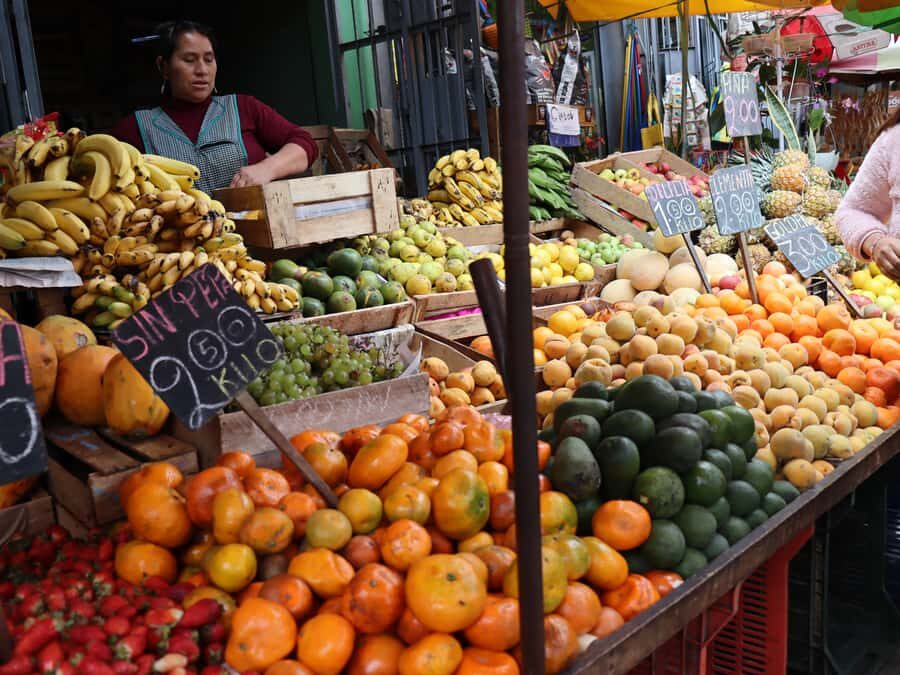
- Local market stop: practical look at everyday products
- Community kitchen: how help works on a daily schedule
- Kindergarten visit (limited days) and meeting kids playing
- Logistics that matter: time, stairs, and what to bring
- Price and value: why $61 can be fair for what you get
- Who should book this tour (and who should skip it)
- Should you book the Villa El Salvador shanty town tour?
- FAQ
- How long is the Lima: Villa El Salvador Shanty Town Tour?
- How much does the tour cost?
- Where are the pickup locations?
- How long is the van transfer to Villa El Salvador?
- Is food included in the tour?
- What language options do you get for the guide?
- Is there a lot of walking?
- Is the tour suitable for wheelchair users?
- What should I bring?
- Is the kindergarten visit always included?
Key things I’d lock in before you go
- Small group (up to 8) means you get more time with the guide and with the community stops.
- Guides fluent in English and Spanish help the stories land clearly, even when topics get complex.
- Hilltop views come with a reason: they connect what you see to how the neighborhood developed.
- Yellow-stairs urban project gives you a tangible look at how access and infrastructure improved.
- Community kitchen + market stop show daily needs and local solutions, not just the big story.
- Kindergarten access varies by day (Monday to Friday only), so your visit depends on your schedule.
Villa El Salvador: Why this Lima tour feels different
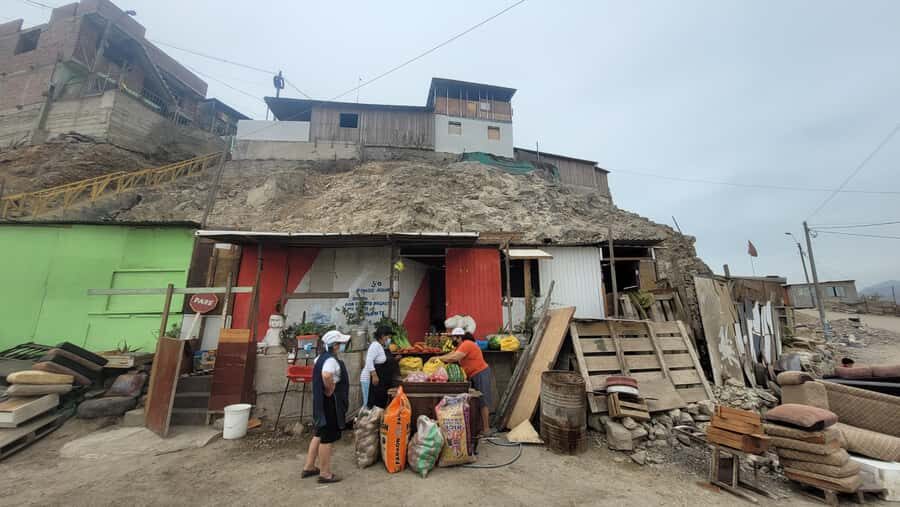
Most Lima tours focus on the usual postcard route. This one takes you to Villa El Salvador, about 16 miles south of the city, where the story starts with people arriving in 1971 without basic services like water, drainage, or electricity. Over time, the area grew with an urbanization plan that helped residents build a more organized district.
What makes this tour stand out in a good way is how it connects “shantytown” as a label to the actual mechanics of daily life. The guide explains the community system, history, and even how politics and religion show up in the neighborhood. You do not just hear a timeline. You get the why.
If you want Lima as more than a city of monuments, this is the “other side” that helps your brain sort the city into something real and human.
You can also read our reviews of more tours and experiences in Lima.



Pickup and van ride: 45 minutes each way that you’ll want for orientation
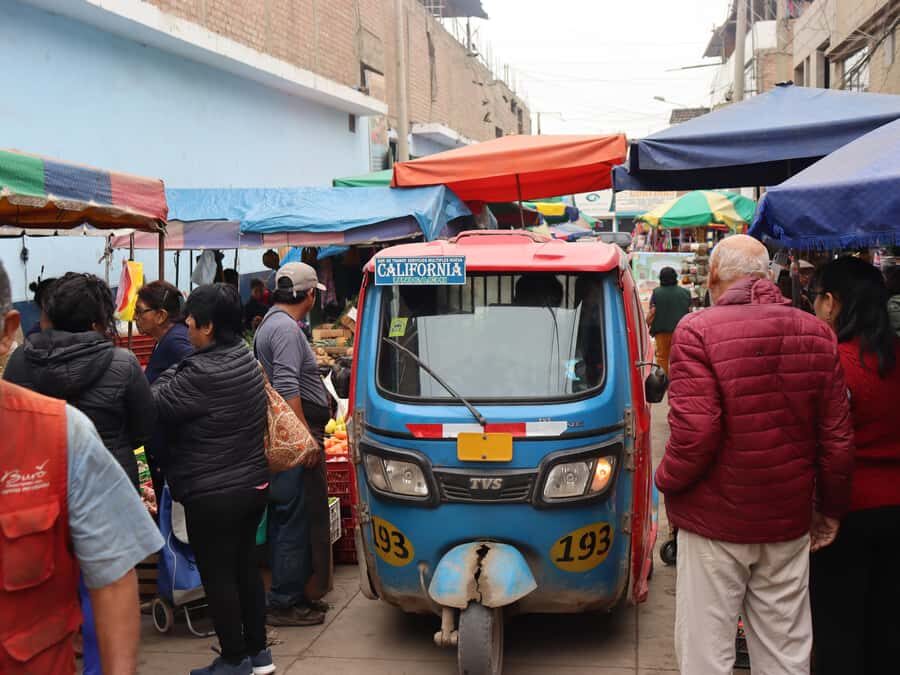
Your day starts with hotel pickup in Miraflores, Barranco, or San Isidro. From there, you ride in a van for about 45 minutes toward Villa El Salvador. On the way, you are not just commuting. This is when you get your bearings for what you will see later on the hillside.
The round-trip structure matters for two reasons:
- It keeps the experience focused. You are not hunting transport across districts.
- It gives the guide a chance to frame the place before you start walking.
You will do the return drive after the community portion, with drop-off in Miraflores, San Isidro, or Barranco.
Arriving at Villa El Salvador: the walk starts with a story, not a lecture
Once you reach Villa El Salvador, the experience shifts into walking mode for about 70 minutes. The guide leads the route down and around the area, and as you get closer to the bottom of the hill, the explanations turn more grounded.
This is where the tour’s tone matters. The pacing is designed so you are learning as you move, not sitting in one spot for a long time. The guide describes how the settlement formed, then how the community developed over the years. You also get context on how residents built their way into something closer to a district with planning and services.
One of the smartest parts here is that you are not treated like you are only there to observe. You are there to learn how the neighborhood organizes itself, and that changes what your eyes notice.
The yellow stairs and the urban project idea
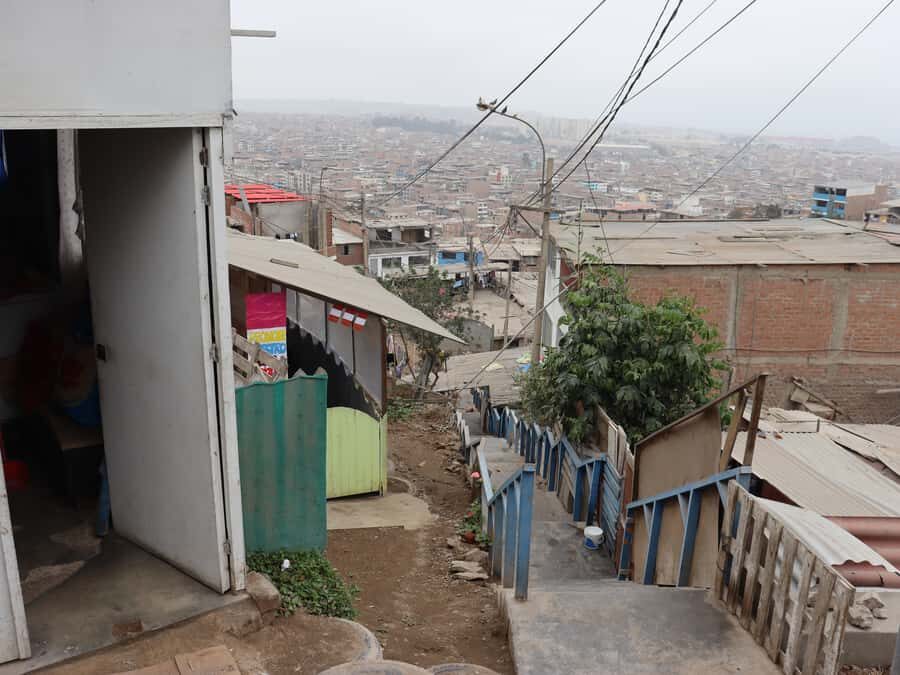
At some point, you reach the yellow stairs, part of an urban project meant to improve access to homes. It is one of those places where you can see infrastructure as something practical, not abstract.
You might think, ok, stairs. But in a hillside neighborhood, stair access affects everything:
- how easily people move to school or work
- how families manage daily routines
- how connected different parts of the district feel
- how safe and predictable movement becomes
The guide will explain why the project exists and what it changed for inhabitants. Even if you are not a construction nerd, it helps you understand why community development is not just about funding. It is about access.
Panoramic viewpoints: where the city actually makes sense
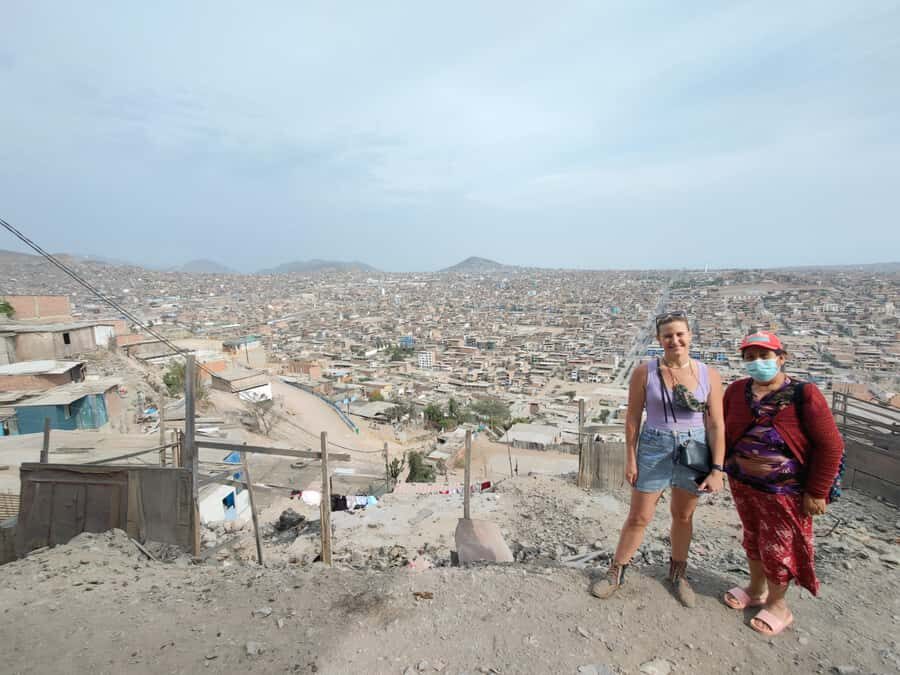
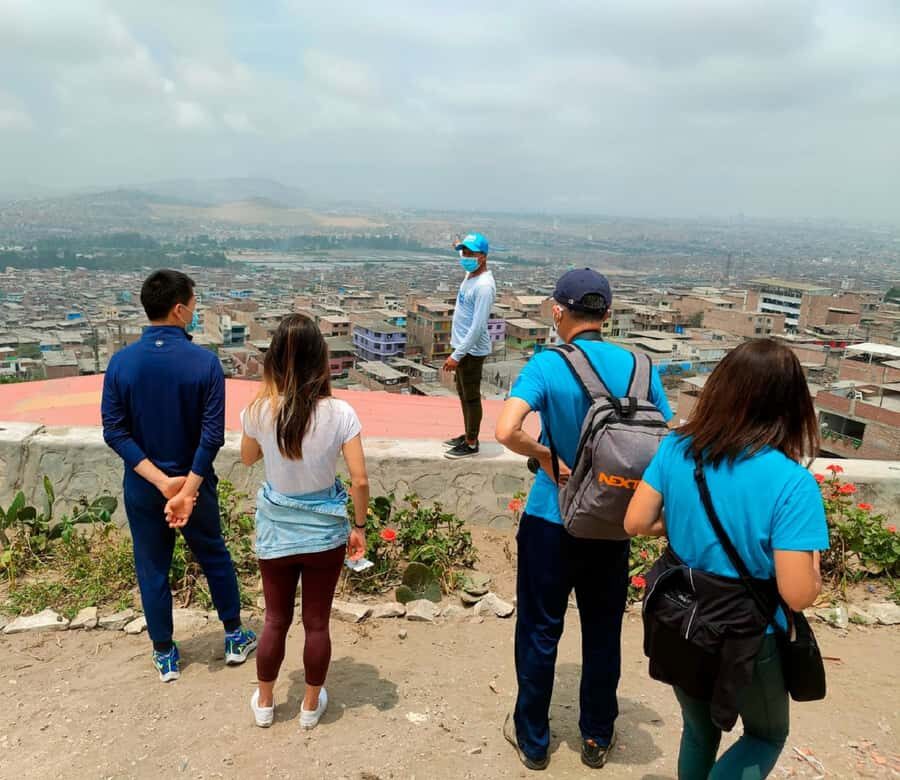
After walking, you get time for amazing panoramic pictures. The views reach across Lima and extend toward the Lurín Valley and the Pacific Ocean.
This is more than a photo break. It is a chance to connect the geometry of the place to the stories you heard on the walk. Hillside communities can be hard to picture from street level. A view from higher up helps you understand why certain parts developed the way they did, and why movement and access matter so much.
Bring sunglasses and sunscreen. You will likely feel the sun more than you expect once you’re out walking.



Meeting neighbors: houses, children, and real conversation energy
A key part of the experience is spending time in the community and meeting residents in a more personal way. You visit houses so you can meet neighbors and see day-to-day life up close. You also take photos with residents in their traditional homes and see smiling children along the route.
This is the part I think many people find most meaningful, because the tour is designed around interaction rather than only observation. When you talk with someone, the history shifts from a one-way story to something shared. You learn what people consider important now, not only what happened then.
If you are the kind of traveler who likes to ask simple, respectful questions, this is your sweet spot.
Local market stop: practical look at everyday products
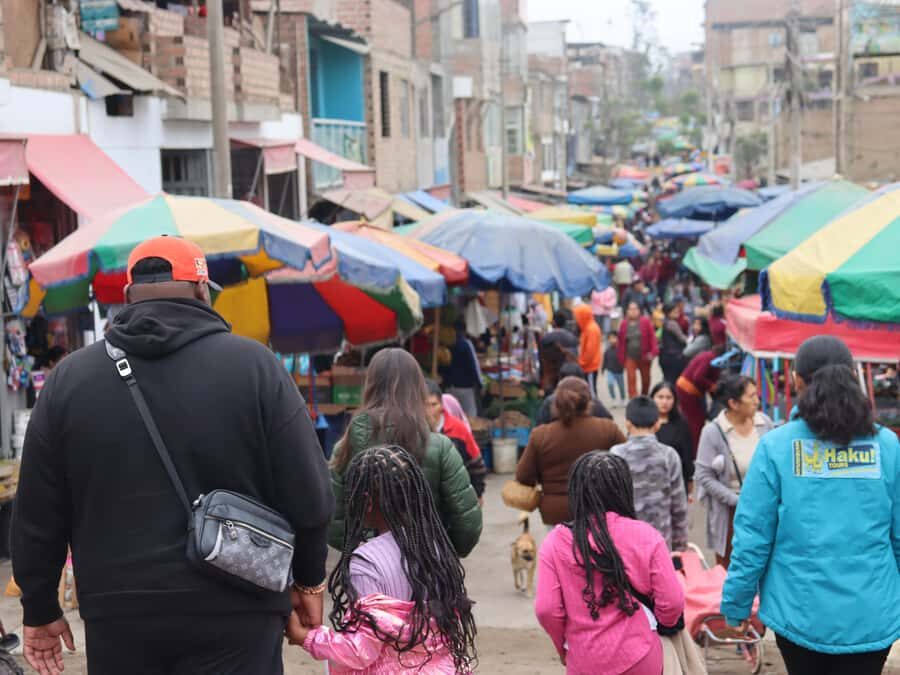
The tour includes time at a local market. Here, you see basic products and get a feel for daily commerce in the neighborhood.
I like market stops because they cut through “tour mode.” You can learn without needing a big speech. Even just watching what people buy and how they shop gives you a more accurate picture of the neighborhood’s routine.
If you have a sweet tooth, do not count on it being a dessert stop. Food is not included on this tour, so if you want snacks, you’ll need to plan ahead.
Community kitchen: how help works on a daily schedule
Next up is a visit to a community kitchen where people without resources get fed every day. This is a heavy but important stop. It does not treat need as a vague concept. It shows the system at work.
For me, this is one of the most valuable parts because it explains the difference between seeing poverty as a headline and understanding it as a daily reality that communities respond to. The guide connects this to the broader community story, so it fits into the tour rather than feeling random.
You do not get food included, but you do get perspective. If you go in expecting a “cute” photo op, you might feel the mood shift here.
Kindergarten visit (limited days) and meeting kids playing
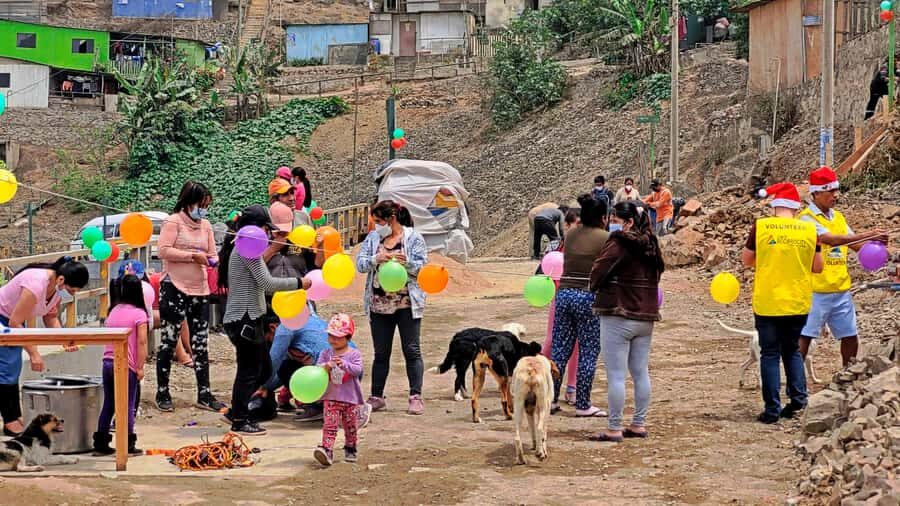
The tour also mentions a kindergarten visit, but access is Monday to Friday only. On weekends, the plan changes so you can meet children while they are playing in the streets instead.
Either way, this part is about connecting with local life—education on weekdays, community play on weekends. It is also a reminder that this is not an abstract experience. Families live here, children grow up here, and the rhythm of the day shapes what you see.
Because this varies by day, check your tour date before you expect to see a classroom.
Logistics that matter: time, stairs, and what to bring
This experience runs 210 minutes, and much of that time is planned: van rides plus the guided community walk. It is just enough time to feel connected to the neighborhood without turning into an all-day grind.
One practical note: you must be able to climb and descend stairs, and it is not suitable for wheelchair users. If you have knee issues or limited mobility, this is where you should be honest with yourself. You might have photo stops, but you still need the stamina for the walking portion.
What to pack is simple and smart:
- Water
- Comfortable clothes
- Hat, plus sunscreen and sunglasses
- Passport or a copy accepted
Also, bring a calm mindset. This is a tour where questions will come up. You may hear about history, politics, and religion, and even if you don’t agree with every angle, it helps to listen first.
Price and value: why $61 can be fair for what you get
At $61 per person, the price is not just for a walk. You also get:
- round-trip hotel transfer by van
- a professional guide in English and Spanish
- the planned community stops and interactions
- tolls and parking handled by the tour
Food and drinks are not included, so think of this as a guided, human-focused experience rather than a “meal tour.” If you add up the cost of private transport, guide time, and the small-group attention, the value starts to make more sense.
Small group size (up to 8 participants) is also part of the value. In a crowd, community visits can feel rushed. Here, you have more room for questions and for respectful interaction.
Who should book this tour (and who should skip it)
This tour is best for you if:
- you want Lima beyond the classic sightseeing route
- you like meeting locals and hearing the story directly through conversation
- you can handle a moderate walking route with stairs
- you want a small-group format
I’d skip it if:
- you need step-free access or you cannot climb/descend stairs
- you want a purely relaxed, passive experience with minimal walking
- you are not comfortable with stops tied to need and community support
If you’re traveling with teens or adults who enjoy real-life learning, it can work well since the tour is listed as suitable for all ages—provided mobility is manageable.
Should you book the Villa El Salvador shanty town tour?
If you want Lima with context, not just views, I’d say yes. This tour is built around real interaction, guided explanations (including community history and systems), and the kind of hilltop perspective that makes the city’s geography click.
Book it if you are ready for a walking-focused morning/afternoon with meaningful stops, and if you pack for sun and stairs. Skip it if mobility is limited or if you only want a light, no-thought tour. This isn’t about collecting checkmarks. It is about understanding how people live, organize, and improve their world.
FAQ
How long is the Lima: Villa El Salvador Shanty Town Tour?
It lasts about 210 minutes.
How much does the tour cost?
The price is $61 per person.
Where are the pickup locations?
Pickup is available from centrally located hotels in Miraflores, Barranco, and San Isidro.
How long is the van transfer to Villa El Salvador?
The van ride is about 45 minutes each way.
Is food included in the tour?
No. Food and drinks are not included.
What language options do you get for the guide?
The guide is available in English and Spanish.
Is there a lot of walking?
Yes. There is about 70 minutes of walking as part of the guided community route.
Is the tour suitable for wheelchair users?
No. It is not suitable for wheelchair users.
What should I bring?
Bring sunglasses, sunscreen, a hat, comfortable clothes, water, and your passport (a copy is accepted).
Is the kindergarten visit always included?
The kindergarten visit is available Monday to Friday only. On weekends, the plan shifts to meeting children playing in the streets.