REVIEW · LIMA
Lima: Shanty Town Exploration
Book on GetYourGuide →Operated by Kultour Perú · Bookable on GetYourGuide
A trip starts with a climb, not a cathedral. This Lima shanty town exploration is built around real daily life: an Inca-era archaeological stop, time in a traditional market, a school visit, and a viewpoint over the neighborhoods most people only see from afar.
I especially like how the day mixes everyday connections (fruit, photos, chatting with locals) with real context (students at school and the way the area is structured). One thing to consider: it involves walking and a climb to a high point, so if you want a fully flat, low-effort day, this may not fit.
You’ll also want to think about comfort and culture. Comfortable shoes matter, and you’ll be outdoors in sun. Plus, there’s a local-style request to wear colorful clothes for happiness (and dark clothes are thought to bring bad luck), so pack something bright if you can.
In This Review
- Key points worth knowing before you go
- How this Lima shanty town tour helps you see daily life, not just scenery
- The early pickup: leaving Miraflores, San Isidro, and Barranco by 7:00
- Inca ruins stop: context you’ll appreciate before the community views
- Traditional Peruvian market: fruit, conversation, and a real slice of routine
- School visit: the emotional anchor of the day
- Climbing to the highest point: where the view makes sense of everything
- Price and value: what $79 buys in a 6-hour private format
- What to bring (and what to pack light) for comfort and respect
- Who should book this Lima shanty town tour, and who should skip it
- Should you book Kultour Perú’s Lima shanty town exploration?
- FAQ
- What time does the tour pick me up?
- How long is the Lima shanty town exploration?
- What’s included in the price?
- Is food and drink included?
- Which languages does the tour guide speak?
- What should I bring?
- Are pets or large bags allowed?
Key points worth knowing before you go

- A 7:00 am start that gets you out of modern Lima early and into the neighborhoods with less tourist glare
- Inca-built ruins as a grounding stop, so the day isn’t only about today, but also about long-term history
- A traditional market visit with a friendly, hands-on feel—expect to see and taste local produce
- A public school experience that helps you understand daily education in the community
- Climbing to the highest point for sweeping views over the shanty town area
- A private group format that makes questions and respectful conversations easier
How this Lima shanty town tour helps you see daily life, not just scenery
Lima can feel like two cities in one day: the shiny parts people post online, and the neighborhoods where most people live day to day. This tour is designed to help you move between those worlds in a way that feels human, not staged.
What makes it work is the pacing. You’re not dropped off with a checklist and a driver. You’re guided to several small moments that add up: you’ll see homes and everyday life as you travel out of the modern districts, then you’ll step into a market where food is the center of life, and later you’ll visit a local school where education is the center of the day. The final climb gives you a view that puts everything into spatial context.
I also like that the tone is practical. It’s not “look from a distance.” You meet people. You take photos when invited or when it’s appropriate. You learn what daily life looks like from the ground up.
That said, keep expectations grounded. This is a real community setting, and the experience is shaped by walking, sun, and the kind of interaction that takes patience. If you want comfort-first tourism with minimal contact, this won’t be your vibe.
You can also read our reviews of more tours and experiences in Lima.



The early pickup: leaving Miraflores, San Isidro, and Barranco by 7:00
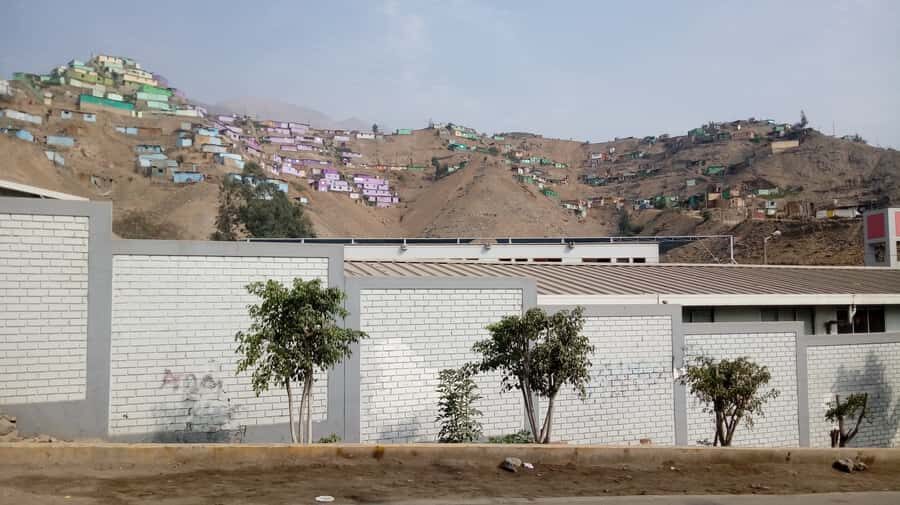
The day starts with pick-up from hotels in Miraflores, San Isidro, and Barranco at 7:00 am, and the tour runs about 6 hours total. The early start isn’t just for logistics. It changes the feel of the day because you leave the modern Lima rhythm while it’s still calm and easier to read.
As you drive out, you’ll notice the shift in housing and everyday routines. That transition matters, because it sets the mental map before you start visiting places. By the time you reach the stops—ruins, market, school, and the final viewpoint—you’re not just reacting to each location. You’re understanding how the day fits together in one area of Lima.
Practical note: this is an active day. You’ll want to be ready for walking from stop to stop, plus a climb near the end. Plan to bring a water bottle, and if you get hangry (many of us do), consider a simple snack before you go since food and drink aren’t included.
Inca ruins stop: context you’ll appreciate before the community views

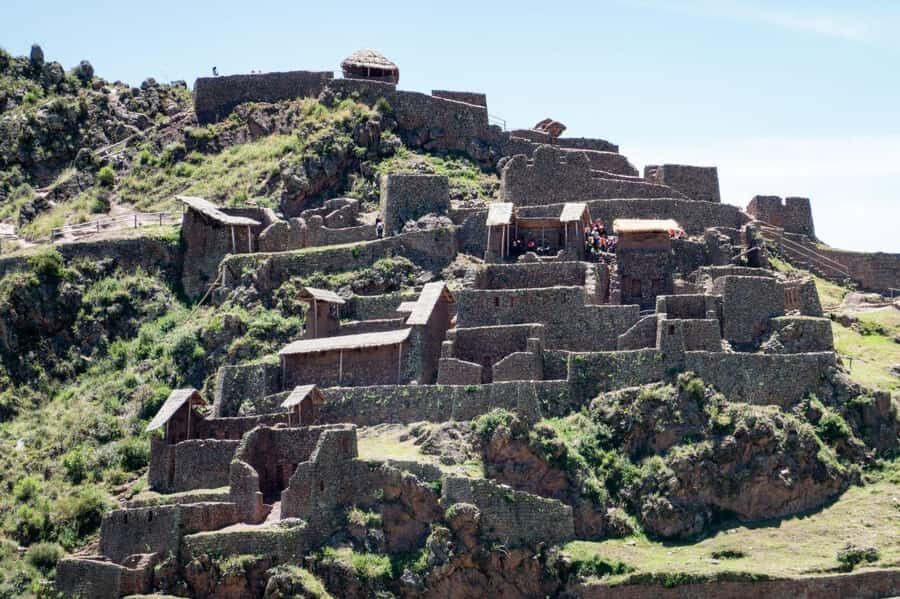
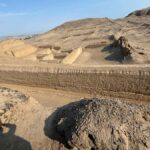
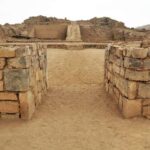
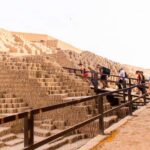
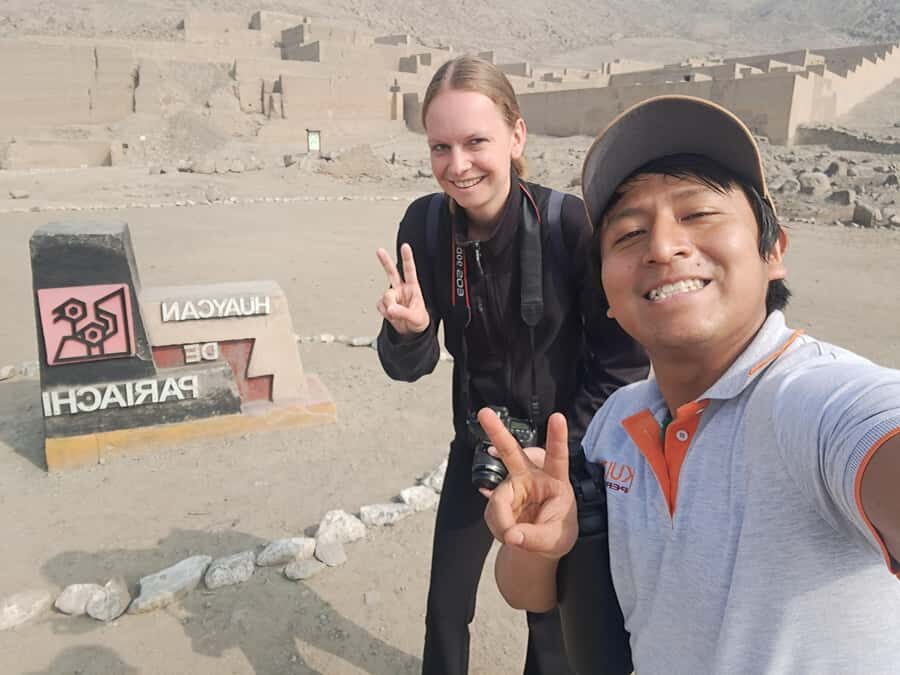
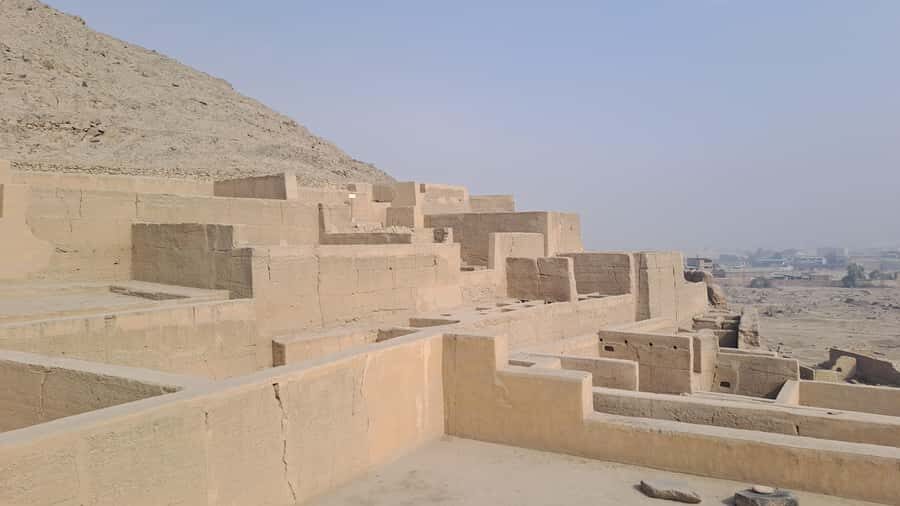
One of the smartest parts of this itinerary is the archaeological stop built by the Incas. You’ll stop at a famous Inca site, explore the ruins, and use that time to connect Lima’s present with a deeper timeline.
Why it matters: people often see shanty towns as something only modern. The ruins remind you the area has long been shaped by settlement, movement, and culture. Even if you’re not a hardcore archaeology person, this stop helps you read the terrain and the location differently once you’re later looking down from the highest point.
You also get a break from the intensity of the human-interaction stops. Ruins give you a chance to slow down, take photos of stone and structure, and regroup before you head into the market and school environment.
What to watch for: you’ll still be walking around. Wear shoes you trust. If you’re prone to sore feet, treat this as a full-day walking plan, not a quick photo stop.
Traditional Peruvian market: fruit, conversation, and a real slice of routine
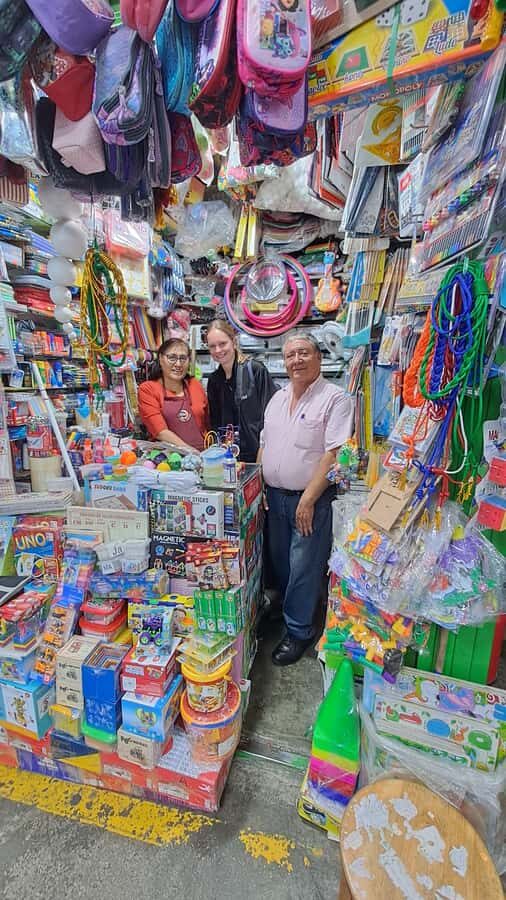
Next comes a traditional Peruvian market, the kind where produce is front and center and people’s lives show up in small details. This is where the tour becomes less about “sites” and more about daily rhythms.
In one highlight, the guide Jordan is praised for bringing people through the market with attention and warmth—showing what to look at, explaining what’s available, and even encouraging fruit tasting. That’s a great sign for you if you like hands-on travel. When a guide helps you taste and understand rather than just point, the market becomes more than a backdrop.
What you should expect:
- Fresh fruits and vegetables on sale, with enough variety to make you want to stop and smell everything
- A friendly atmosphere where meeting locals is part of the experience
- Photos happening naturally, when people are comfortable and it’s appropriate
A market is also where you’ll learn what matters in the community. Produce isn’t just food here—it’s livelihoods, timing, and local preference. Even if you don’t buy much, you’ll start noticing how people shop, what looks best that day, and how the market feels at street level.
One consideration: markets can be busy and busy means you’ll move at a guide’s pace. If you’re sensitive to crowds, you may want to keep your camera accessible and your plan flexible.
School visit: the emotional anchor of the day
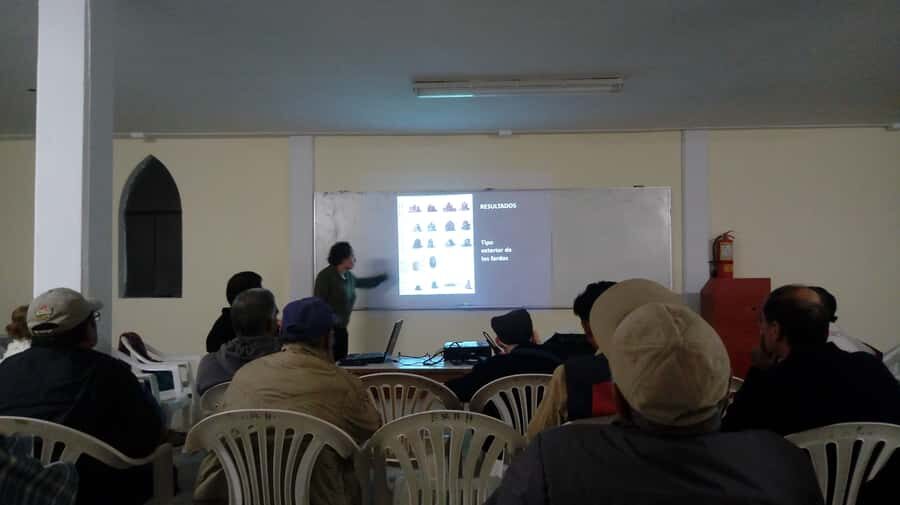
After the market, you visit a local school. This is the stop many people remember most, because it shifts the focus from shopping and views to what the community is building for the future.
A key detail from the experience is the ease of connection. Jordan is specifically highlighted for helping visitors meet students and teachers in a way that feels natural. You’re not just standing at a distance taking pictures. You’re seeing the public school environment from the inside and learning how education works day to day.
Why this matters: seeing a shanty town from a viewpoint can turn people into a picture. A school visit brings you back to individuals—students, teachers, daily structure, and the real meaning of schooling in that community.
Keep your mindset respectful. Ask before photographing. Move calmly. Listen more than you talk. A school visit isn’t the place to turn everything into a spectacle.
Also, remember this is still part of an active walking day, so plan your attention around both your feet and your emotions.



Climbing to the highest point: where the view makes sense of everything
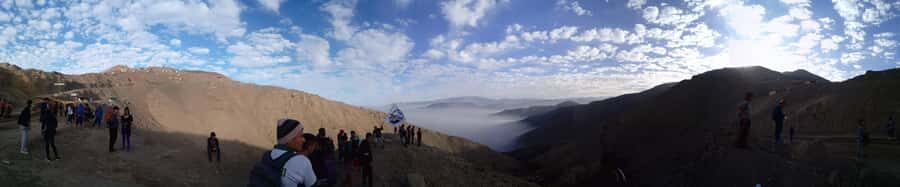
The final act is the climb to the highest point in the shanty town area. This is where the tour’s structure pays off.
From above, you’ll see the layout of the community and how the different places connect. The day becomes clearer: the drive out of Lima, the market routines, the school context, and the lives below. Even people who don’t love photography often find this viewpoint useful because it turns a patchwork you didn’t understand into something you can finally “read.”
What to expect physically: the tour includes a climb, so it’s not just a stroll. Bring comfortable walking shoes and expect some uneven surfaces depending on where you stop.
Sun is another big factor. You’re outside during parts of the day, and the tour explicitly tells you to bring sunscreen and a sun hat. If you run hot or burn easily, this is the time to be most prepared.
If you’re pregnant or have mobility limits, note the tour’s restrictions: it’s listed as not suitable for pregnant women and not suitable for wheelchair users and people with mobility impairments. Even if you’re comfortable with walking earlier stops, the climb can be the dealbreaker.
Price and value: what $79 buys in a 6-hour private format
At $79 per person for a 6-hour private tour, the value comes from what’s included and how the day is guided.
Included:
- Hotel pick-up and drop-off
- A local tour guide
- Entrance tickets
- Skip the ticket line
Not included:
- Food and drink
Here’s how I’d think about the value. You’re paying for transport out of Lima’s central tourist zones, guided interpretation, access to multiple stops (including ticketed entrances), and a private format that usually means fewer time-wasters. A market visit, a school visit, and a ruins exploration all take coordination. That coordination costs money, and $79 can be a fair price when it’s bundled with guide time and entry fees.
The biggest “value multiplier” is the guide quality. Jordan is singled out for being caring, knowledgeable, and for going the extra mile to help connect with locals. That kind of guidance makes interactions smoother and helps you leave with context, not just photos.
If you’re traveling solo and want a more personal pace, this private setup can also reduce stress. If you’re on a tight schedule, the 6-hour duration is long enough to feel substantial but short enough to keep your whole day from getting swallowed.
What to bring (and what to pack light) for comfort and respect
This tour gives you a clear packing checklist, and it’s worth following.
Bring:
- Comfortable shoes (you’ll be walking and there’s a climb)
- Sun hat
- Sunscreen
And one cultural tip to remember: wear colorful clothes. It’s described as an expression of happiness, while dark clothes are thought to be bad luck. You don’t need to go full costume, but if you have a bright outfit, bring it.
Not allowed:
- Pets
- Oversize luggage
- Luggage or large bags
So pack like you’re going for movement, not heavy gear. A daypack works best. Keep valuables secure and camera-ready, especially for the market and viewpoint.
Who should book this Lima shanty town tour, and who should skip it
This is a strong choice if you want a more grounded Lima experience—one that connects history, daily life, education, and community geography in a single morning-to-afternoon flow.
You’ll probably enjoy it if you:
- Like guided context and respectful conversation
- Want to see more than tourist highlights
- Are comfortable with walking and outdoor sun
- Appreciate market and school visits as real cultural moments
You should consider skipping it if you:
- Need a low-walking day (there’s a climb at the end)
- Are pregnant
- Rely on wheelchair access or have mobility impairments
There’s also a small “fine print” wrinkle worth checking: the tour mentions wheelchair accessibility, yet it also lists not suitable for wheelchair users and people with mobility impairments. If this affects you, confirm directly with the provider before you book.
Should you book Kultour Perú’s Lima shanty town exploration?
If your goal is to understand Lima as it’s lived by most people—not only as it’s marketed—this tour is a smart booking. The mix is unusually well thought out: Inca ruins for historical context, a traditional market for everyday routine, a public school visit for human scale, and a final viewpoint so the whole day clicks into place visually.
Book it if you’re ready for a real community setting, patient interactions, and a climb. Skip it if you’re not comfortable with outdoor walking and uneven terrain.
If you do book, I’d do one simple thing: pack light, wear the brightest outfit you own that still works for walking, and bring good shoes. That’s how you set yourself up to appreciate the experience instead of fighting discomfort.
FAQ
What time does the tour pick me up?
Pick-up starts at 7:00 am from your hotel in Miraflores, San Isidro, and Barranco.
How long is the Lima shanty town exploration?
The tour lasts about 6 hours.
What’s included in the price?
Hotel pick-up and drop-off, a local tour guide, and entrance tickets are included. You also get skip-the-ticket-line service.
Is food and drink included?
No. Food and drink are not included, so plan accordingly.
Which languages does the tour guide speak?
The tour guide can speak Spanish, English, French, Portuguese, and Quechua.
What should I bring?
Bring comfortable walking shoes, a sun hat, and sunscreen.
Are pets or large bags allowed?
No pets are allowed. Oversize luggage and luggage or large bags are also not allowed.