REVIEW · LIMA
Lima: Tour to Huaca Pucllana and Huaca Mateo Salado
Book on GetYourGuide →Operated by Tangol · Bookable on GetYourGuide
Waking up Lima with archaeology is a great idea. This tour stitches together Huaca Pucllana in Miraflores and Huaca Mateo Salado in Pueblo Libre, with a real guide helping you read what you’re seeing instead of just snapping photos. I especially like the scale and setting of Huaca Pucllana, plus the way Mateo Salado ties Lima culture to later Inca routes. One thing to consider: it’s a short 4-hour run, so you’ll want to ask questions early if you tend to go slow.
You also get a very practical setup: hotel pickup and drop-off from Miraflores, San Isidro, and Barranco, plus tickets to both sites. The van timing matters here, because you’re visiting two different neighborhoods without the hassle of figuring out transport between them. My only caution is simple: food and drinks aren’t included, so plan your meal timing to avoid being hungry during the guided stretches.
In This Review
- Key things to know before you go
- Lima archaeology, not just a stop
- Getting picked up in Miraflores, San Isidro, or Barranco
- Huaca Pucllana: Miraflores and the 25-meter adobe pyramid
- What to watch for here
- Mateo Salado in Pueblo Libre: Ychsma roots and Inca reuse
- What the site includes
- Guided time and included tickets: why it feels efficient
- Price and value: $217 for two sites and hotel pickup
- What to bring and how to plan your day
- Who this private Huaca tour is best for
- Should you book Huaca Pucllana and Huaca Mateo Salado?
- FAQ
- How long is the Huaca Pucllana and Huaca Mateo Salado tour?
- Where does the tour start and end?
- Which archaeological sites are included?
- What is included in the price?
- Is food and drinks included?
- What languages are the guided tour offered in?
- Is this tour private or group-based?
- What should I bring with me?
- Is the tour suitable for children or older travelers?
- Can I cancel and get a refund?
Key things to know before you go
- Two huacas, one city: You’ll connect Miraflores and Pueblo Libre through Lima-area archaeology.
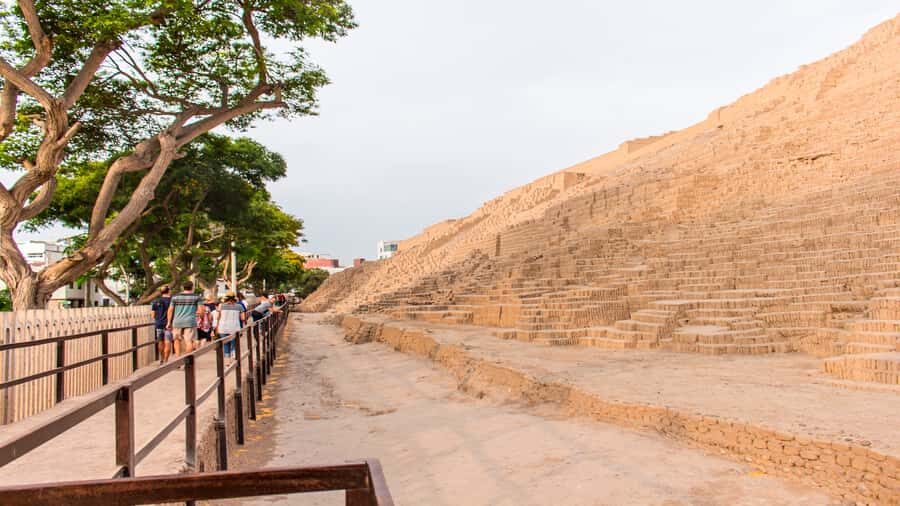
- Huaca Pucllana’s 25-meter adobe pyramid: You see how a ceremonial-administrative complex shaped daily life for centuries.
- Mateo Salado’s Middle Horizon story (600–900 A.D.): You’ll learn how Lima people built it and how later groups reused it.
- A guide in English, Spanish, or Portuguese: You’ll get explanations tied to what’s in front of you.
- Tickets included for both sites: Less waiting, more time listening and looking.
Lima archaeology, not just a stop
Lima can feel like it’s all city blocks and traffic until you step inside an archaeological complex. What I like about this tour is that it treats the huacas as living context, not as random ruins you pass by. You get the chance to understand why these places mattered, even though they’re surrounded by modern neighborhoods.
The short, guided format also fits real-world travel. In 4 hours, you cover two sites in two districts, with transport handled for you. That’s a big deal if you don’t want to spend your day coordinating buses or taxis.
You can also read our reviews of more tours and experiences in Lima.



Getting picked up in Miraflores, San Isidro, or Barranco
You start with pickup from hotels in Miraflores, San Isidro, and Barranco, then transfer by van between stops. The schedule is built to keep the day moving: you head to Huaca Pucllana first, then drive to Mateo Salado, then return you to your drop-off area.
This matters because Lima neighborhoods can be far apart in practical terms, even when they look close on a map. With pickup and drop-off, you can focus on the sites instead of logistics. It also helps you avoid the common travel rhythm of “one site is great, the rest takes forever.”
Huaca Pucllana: Miraflores and the 25-meter adobe pyramid
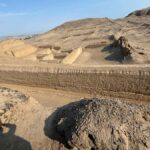
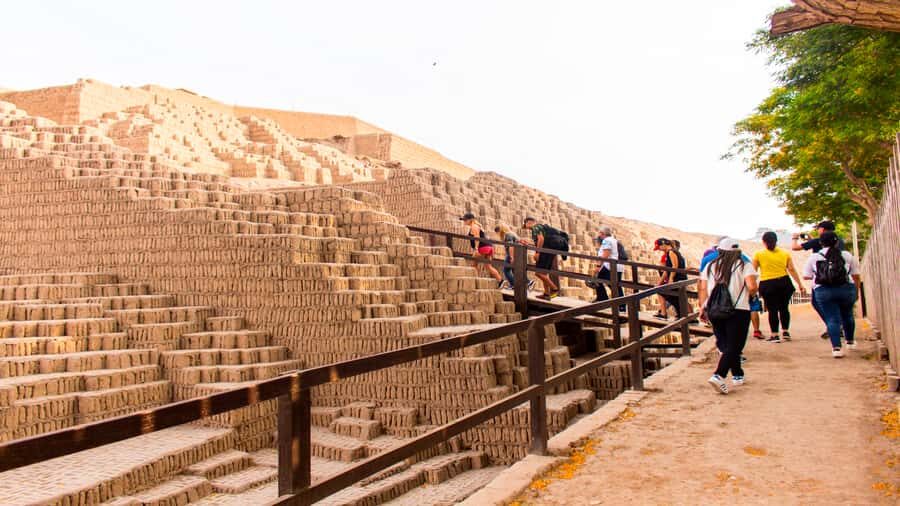
Huaca Pucllana sits in Miraflores, and the first impression is hard to forget. You’re looking at a truncated adobe pyramid that rises about 25 meters. That shape is part of why the site feels so strong: it’s not a flat ruin, it’s a landmark you can read with your eyes even before the guide starts explaining.
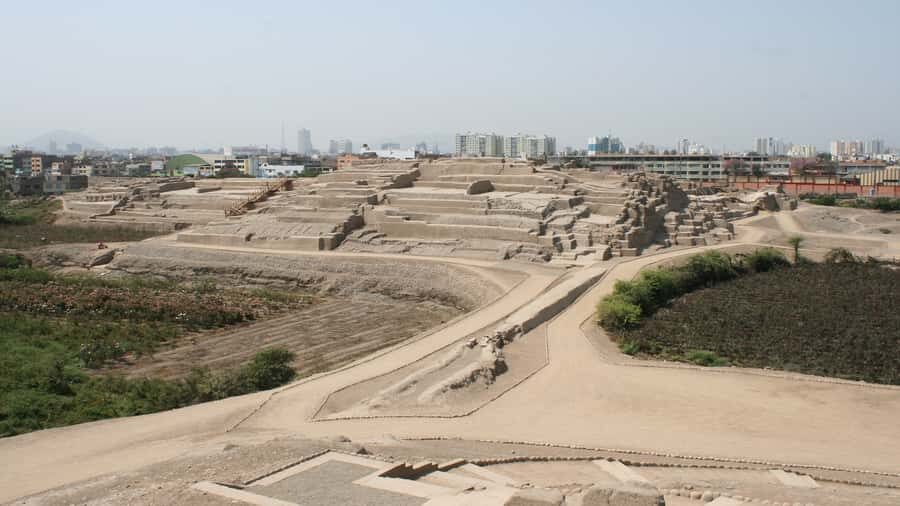
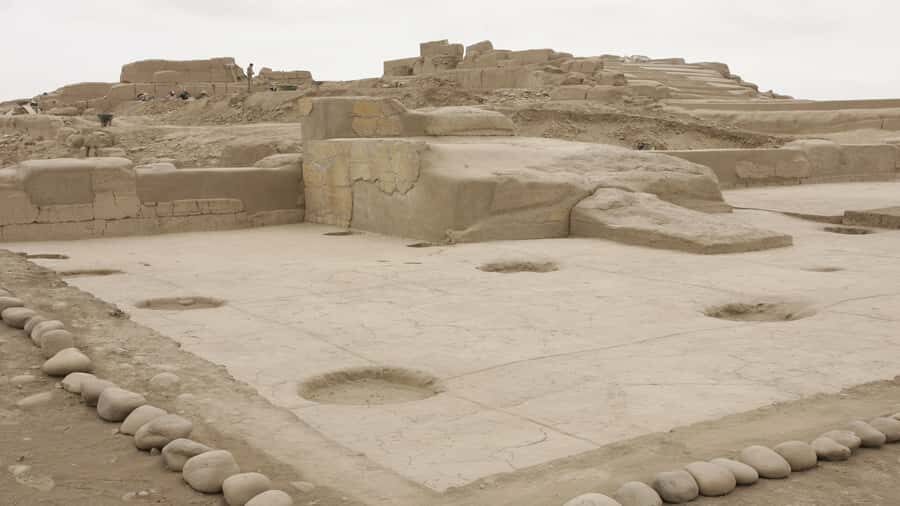
During the guided visit, you’ll move through courtyards and squares within the archaeological complex. This is where your brain starts connecting dots. The site isn’t just scenery; it was built as a ceremonial and administrative center for people of the Lima culture (roughly 200 to 700 A.D.).
One more useful piece is the exhibition hall, which helps you frame what you see outside. If you like understanding how archaeology is interpreted, this is a smart addition. The site’s modern story is part of the meaning too: Huaca Pucllana was discovered in the 1980s during urbanization work, and since then excavation and restoration have worked to preserve it.
What to watch for here
Pay attention to the way adobe structures create boundaries and movement. Even if you don’t know the terminology, you can often feel which spaces were meant for gatherings versus administration. Your guide can connect those clues back to the Lima culture’s role on the central coast of Peru.
Mateo Salado in Pueblo Libre: Ychsma roots and Inca reuse
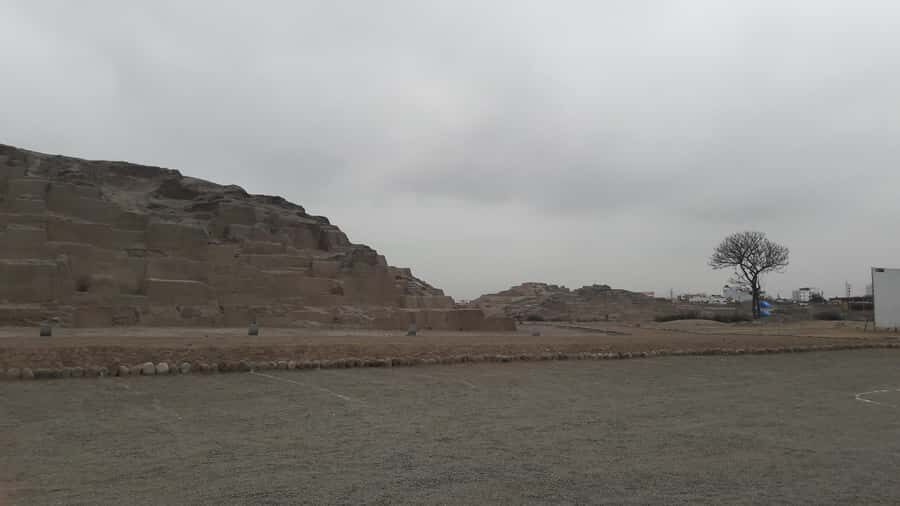
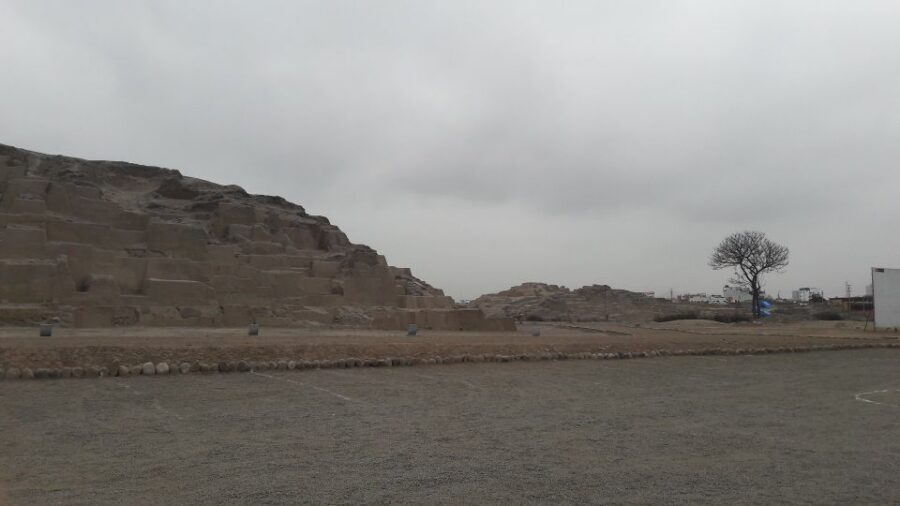
After Huaca Pucllana, you head to Huaca Mateo Salado in Pueblo Libre. The big theme here is continuity and reuse. The complex is linked with the legendary Qhapaq Ñan (also known as the Inca Trail), which stretched across the Inca Empire and connected major places.
This archaeological complex is described as about 1,400 years old, built by the Lima people during the Middle Horizon period (600 to 900 A.D.). But the guide also frames it as an administrative-ceremonial center connected to the Ychsma culture, and then shows how the Incas later reused it to connect this huaca with Pachacamac south of Lima.
In plain terms: you’re not just looking at one culture’s handiwork. You’re seeing how later powers adopted and adapted earlier sacred infrastructure.



What the site includes
Mateo Salado includes a truncated pyramid and a ceremonial plaza, plus various auxiliary structures around it. Archaeological findings include that the main pyramid was covered in adobe and decorated with reliefs and mural paintings showing human figures, animals, and deities tied to Lima mythology.
That mix matters because it turns the site from a simple shape into a visual world. If you’re the kind of traveler who enjoys reading symbolism, you’ll get more out of this stop if you take your time with what the guide points out.
Guided time and included tickets: why it feels efficient
This tour is built around guided visits with official tickets for both Huaca Pucllana and Mateo Salado. That combination makes a difference. With tickets included, you avoid the common friction of buying entries on the fly. With a live guide, you get explanations timed to your walking route.
The schedule is also fairly tight but not rushed. You spend about 80 minutes at Huaca Pucllana, then about 1.5 hours at Mateo Salado. That’s long enough to hear the story, ask a question, and still have time to look around without feeling like you’re sprinting.
Because it’s a private group, the pace can be more comfortable than you might expect from a city tour. If you’re traveling with family or you prefer to ask follow-ups, this format is usually easier than joining a crowded group where your questions get squeezed.
Price and value: $217 for two sites and hotel pickup
At $217 per person for a 4-hour tour, the value depends on what you’d otherwise do. If you’re planning to see two archaeological sites in different districts, pay for transportation, and hire a guide, the cost starts to make sense quickly.
Here’s what you’re getting for that price: hotel pickup and drop-off in Miraflores, San Isidro, and Barranco, a van for the transfers, an official English/Spanish/Portuguese guide, and tickets to both huacas. When those pieces are bundled, you’re essentially paying for convenience plus interpretation, not just entrance fees.
My practical take: this tour is a good fit if you want a guided explanation and you’d rather spend your time learning than figuring out logistics.
What to bring and how to plan your day
You’re visiting outdoor archaeological areas, so pack for the sun. The tour’s recommended items are passport, sunglasses, sunscreen, and comfortable clothes. That’s a short list, which is nice, and it matches what you’d expect for Lima weather while walking around adobe structures and plazas.
Also note: food and drinks aren’t included. That doesn’t mean you’ll be stuck, but it does mean you should plan to eat before you go or after you return. If you tend to get cranky when hungry, treat this as a firm schedule item, not an optional detail.
Who this private Huaca tour is best for
This experience is suitable for all ages, which makes it a solid option for mixed groups. It’s also a good match if you want “Lima archaeology” without committing to a full-day expedition.
I’d especially recommend it if you:
- Want to see both Huaca Pucllana and Mateo Salado rather than choosing just one
- Like history explained in context, not as a list of dates
- Prefer a guided route in Lima’s neighborhoods instead of DIY planning
- Appreciate the Inca-era connection to earlier Lima/Ychsma roots
If you’re the kind of traveler who expects to wander completely on your own for hours, this may feel structured. But if you like a clear path and smart interpretation, it should hit the sweet spot.
Should you book Huaca Pucllana and Huaca Mateo Salado?
Book this tour if you want an efficient, guided introduction to Lima’s pre-Columbian presence without jumping through transport hoops. The best part is how the guide helps you understand what you’re seeing at Huaca Pucllana’s 25-meter adobe pyramid and then carries that logic into the Middle Horizon / Ychsma / Inca reuse story at Mateo Salado.
Skip it only if you’re committed to self-guided wandering and already know exactly what you want to research at each site. With this format, you’re paying for clarity, timing, and included tickets, so it shines when you want the “why” as much as the “what.”
FAQ
How long is the Huaca Pucllana and Huaca Mateo Salado tour?
The tour lasts 4 hours.
Where does the tour start and end?
Pickup and drop-off options are available in Miraflores, San Isidro, and Barranco.
Which archaeological sites are included?
You visit Huaca Pucllana and Huaca Mateo Salado.
What is included in the price?
Included: hotel pickup (in Miraflores, San Isidro, and Barranco), an official guide in English/Spanish/Portuguese, tickets to both sites, and van transport.
Is food and drinks included?
No. Food and drinks are not included.
What languages are the guided tour offered in?
The live guide is available in English, Spanish, and Portuguese.
Is this tour private or group-based?
It’s listed as a private group tour.
What should I bring with me?
You’re advised to bring passport, sunglasses, sunscreen, and comfortable clothes.
Is the tour suitable for children or older travelers?
Yes. The tour is suitable for all ages.
Can I cancel and get a refund?
Yes. Free cancellation up to 24 hours in advance for a full refund is offered.