REVIEW · LIMA
Lima: Marcapomacocha | Lakeside Route | Full Day from Lima
Book on GetYourGuide →Operated by www.iziperu.com · Bookable on GetYourGuide
A long day in the Andes can pay off fast, if you plan it right. I like how this route blends lakeside scenery with real Andean culture, not just photo stops. I also like the spiritual thread of the Pachamama payment ceremony, which adds meaning to the high-country views. The main drawback to consider is the long day and big road time—one review complained it felt like mostly bus riding, so your expectations matter.
I also appreciate the practical safety touches for altitude touring: ponchitos, coca tea in a thermos, and even an oxygen balloon plus a first-aid kit. And yes, guide quality seems to make a huge difference; one traveler highlighted a guide named Aaron as fantastic, which is a good sign if you want the day to feel organized. Still, be aware that the timing can vary—another review said they were back in Lima earlier than the stated return window.
In This Review
- Key highlights you’ll actually care about
- Marcapomacocha Lakeside Route: what this day trip is really about
- Getting out of Lima: early start, long hours, and altitude preparation
- Checta Petroglyphs: seeing ancient rock art in the Andes
- Carispaccha Waterfall walk: breathing exercises and a multi-drop cascade
- Marcapomacocha lagoons: Yantac and Chuchun for cold-air reflections
- The Pachamama payment ceremony: why this moment matters
- Canta’s market and the sanctuary mood: two different sides of the day
- Huaros trout farming: sustainable food production you can learn from
- What’s included: the small stuff that can save your day
- Price and Logistics: is $59 actually fair?
- What to bring so you’re comfortable (and not miserable)
- Who should book this Marcapomacocha day trip?
- Should you book it?
- FAQ
- Where does the tour meet in Lima?
- How long is the Lima to Marcapomacocha day trip?
- What does the price include?
- Is food included?
- Do I need to pay for the Carispaccha Waterfall?
- What language is the tour in?
- What should I bring for the hike?
- Is there an oxygen or first-aid option?
- What is the cancellation policy?
Key highlights you’ll actually care about
- Checta Petroglyphs: ancient rock art you can see up close, not just hear about
- Carispaccha Waterfall walk: a breathing-focused hike toward a multi-drop cascade
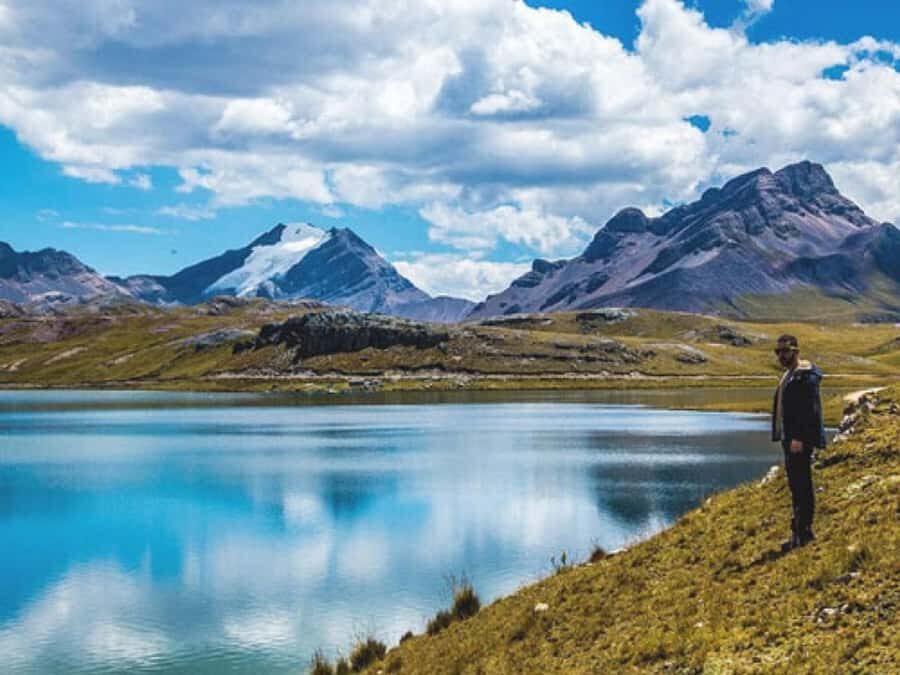
- Marcapomacocha lagoons: Yantac and Chuchun for cold-air, lake-mirror photos
- Pachamama ceremony: a cultural moment tied to the land you’re visiting
- Huaros trout farming: learn how the community practices sustainable fish farming
- Canta + Santa Rosa de Quives: market energy and a sanctuary for calmer, spiritual vibes
Marcapomacocha Lakeside Route: what this day trip is really about
This is a full-day Andes circuit starting in Lima and aiming for the Marcapomacocha area in the heights of Junín (around the Jauja region). The promise is simple: you’ll see high-altitude lagoons, get culture (rock art and community life), and mix in a short hike toward the Carispaccha waterfall. You’ll also get a spiritual stop at a sanctuary and a Pachamama payment ceremony.
The big question for me is value: at $59 per person, you’re not just paying for viewpoints. You’re paying for transportation all day, an official guide, and altitude-focused extras like coca tea plus an oxygen balloon. That matters because this kind of route is harder than a normal city tour, and the logistics can make or break your day.
A few more Lima tours and experiences worth a look

Getting out of Lima: early start, long hours, and altitude preparation
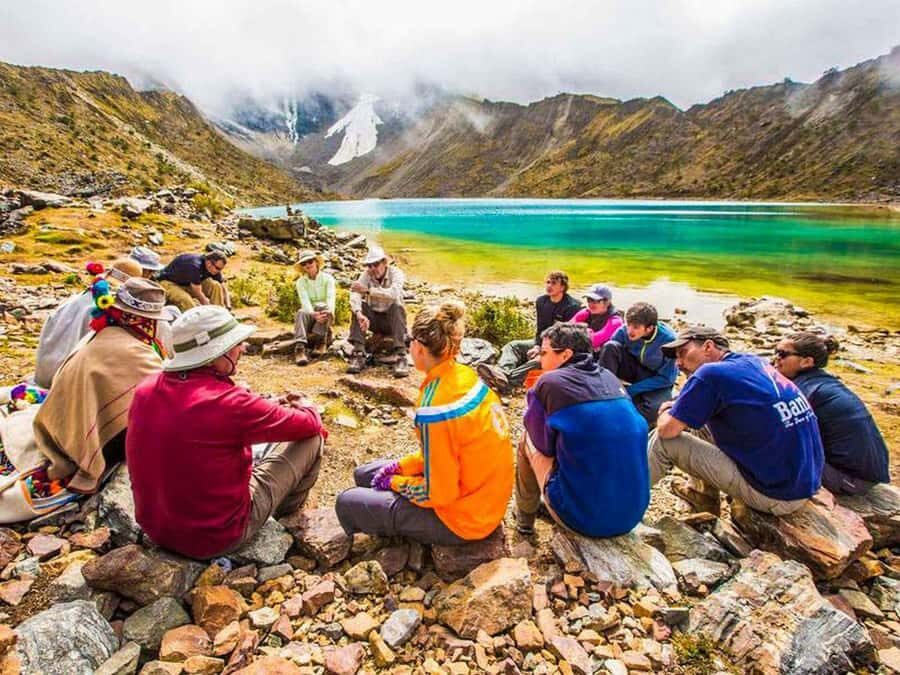
You leave Lima at 5:00am and plan for a 16-hour day (with an approximate return around 9:00pm). That early start isn’t just a marketing detail—it’s how you actually get time in the high country and still have a full circuit. If you’re the type who hates long transit days, this might feel like a grind. If you’re okay with an early alarm and want more than one scenic stop, it fits.
The route includes acclimatization stops and time to adapt to altitude changes. In plain terms: you’re going up into big elevations where “rushing” can make you feel lousy. The added benefit is that those stops break up the day, so you’re not staring at a bus window the whole time.
One smart thing to do before you go: plan to move slowly once you step out. Even if you’re athletic, high altitude can trick your breath and pace.
Checta Petroglyphs: seeing ancient rock art in the Andes
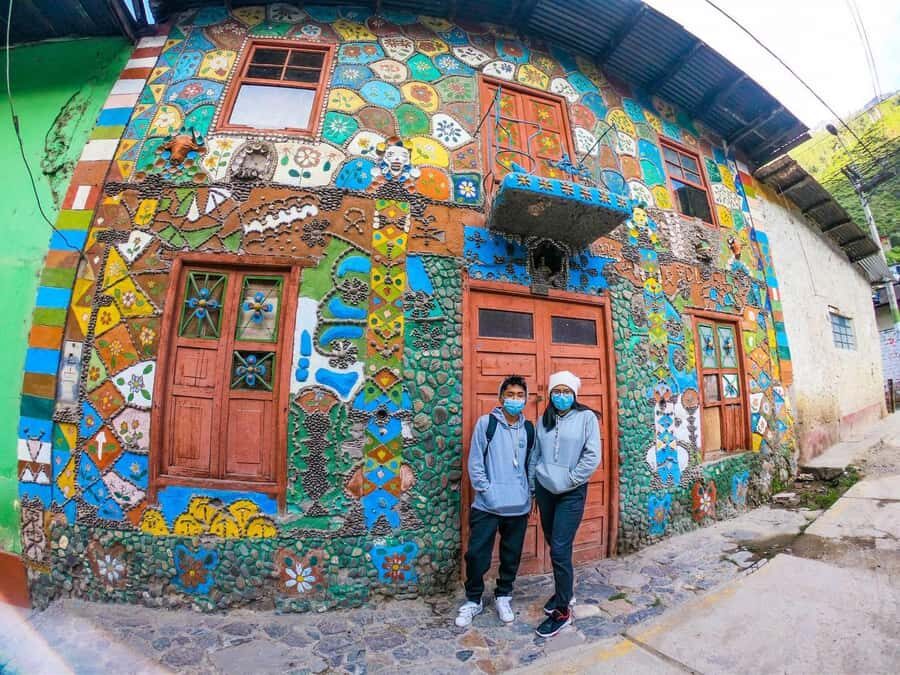
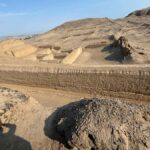
One of the most meaningful parts of this route is Checta Petroglyphs. This isn’t just a quick roadside stop where you pass by with a shrug. It’s an opportunity to look at ancient markings on rock and connect them to the landscape that carried meaning long before modern maps.
Rock art works best when you slow down. Take time to notice placement, repetition, and the way marks are shaped by the rock surface. Your guide can help you interpret what you’re seeing, but you can also do the simple thing: spend a few extra minutes with your eyes before you rush to the next photo.
If you care about history, this is your anchor moment. Even people who mainly came for lagoons tend to remember this stop because it feels different from scenic viewing.
Carispaccha Waterfall walk: breathing exercises and a multi-drop cascade
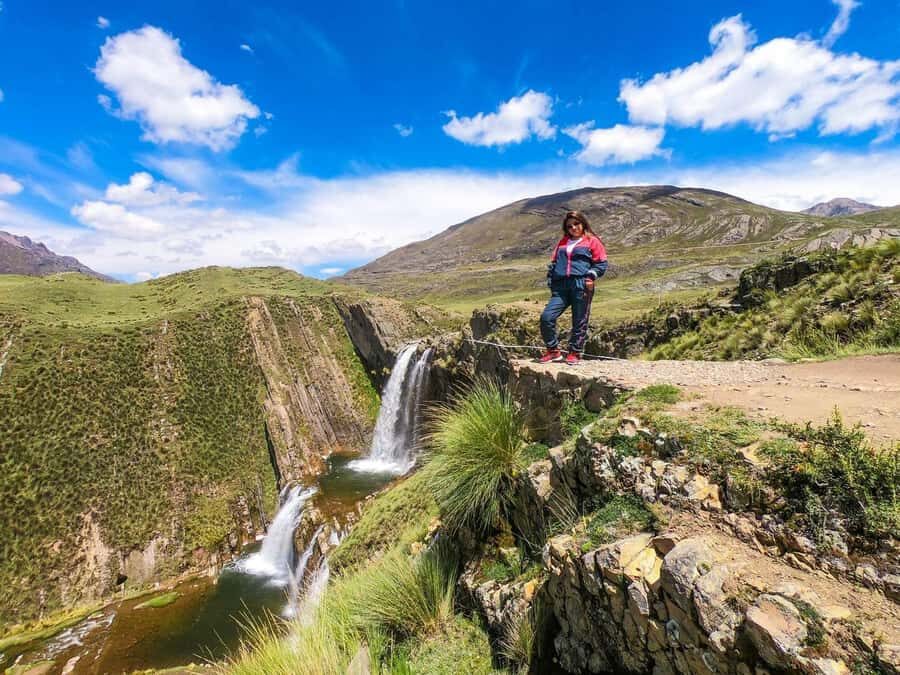
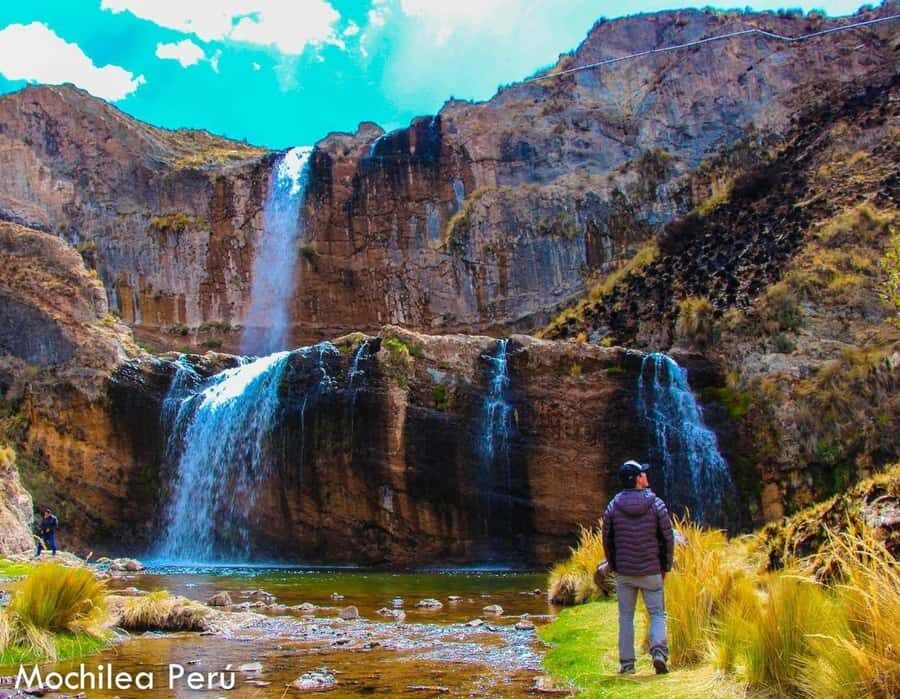
The hike section centers around the Carispaccha Waterfall. Before you even get to the falls, you do breathing exercises while you walk toward the area—an altitude-friendly habit that can also make the day feel calmer and more intentional.
On the way, you’ll watch for Andean animals like alpacas, llamas, vicuñas, and sheep. You might not spot every type every time, but this kind of route is built for those sightings. And even when you only see a few, it adds life to the trek beyond rocks and water.
You have the option to descend (optional) to the first part of the waterfall. The falls have three drops and measure more than 30 meters total, so even the first viewpoint can give you satisfying movement and photo angles. Entrance to Carispaccha is not included, with an indicative fee of S/3.
Practical tip: wear your hiking shoes and take your time on the descent option. Optional is good—but only if you’re honest about your energy at altitude.
Marcapomacocha lagoons: Yantac and Chuchun for cold-air reflections
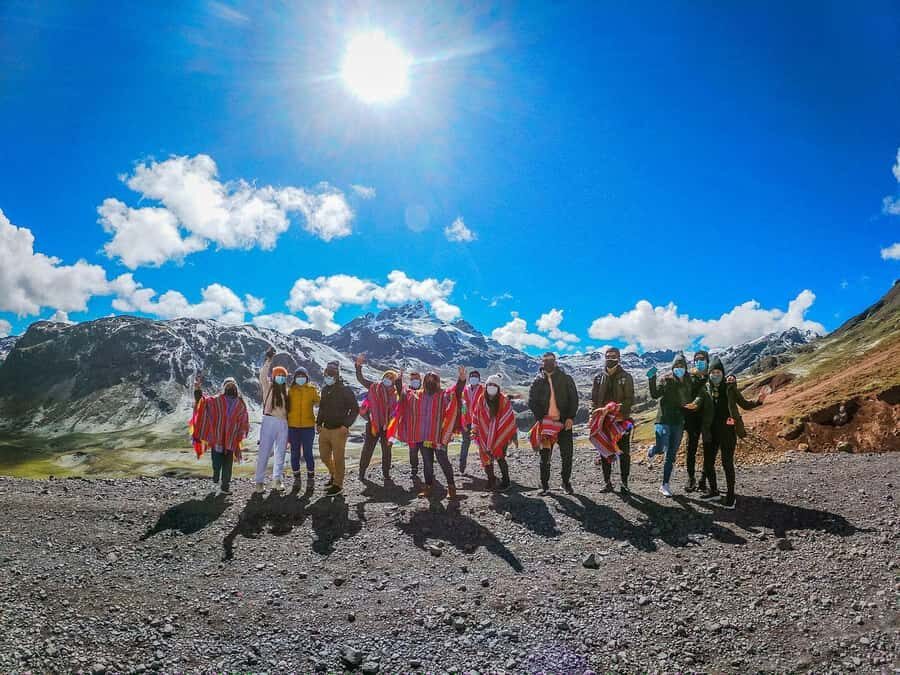
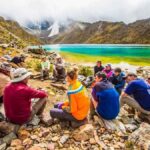
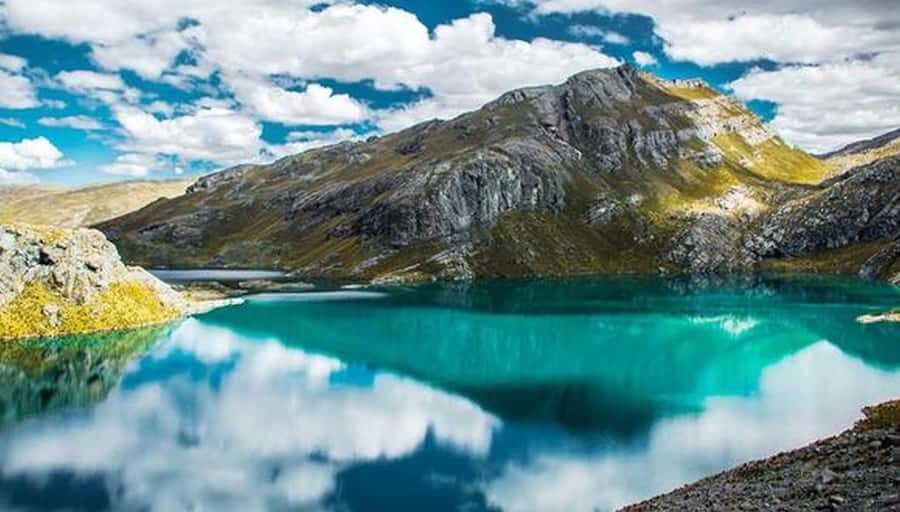
This is the part most people come for: the Marcapomacocha lagoons, including Laguna de Chuchun and Laguna Yantac. Lagoons at altitude have a special look—often quiet, often wide, and perfect for photos where the sky and water do half the work.
The tour takes you through stops where you can admire the impressive range and learn the origin of the mountain range name. That kind of explanation matters because it turns a view into a place with context. You’re not just collecting pictures; you’re learning why the area has a name tied to local meaning.
Plan for cold: even if the sun is out, high-country temperatures can surprise you. You’ll want layers you can manage during stops and while you move.




The Pachamama payment ceremony: why this moment matters
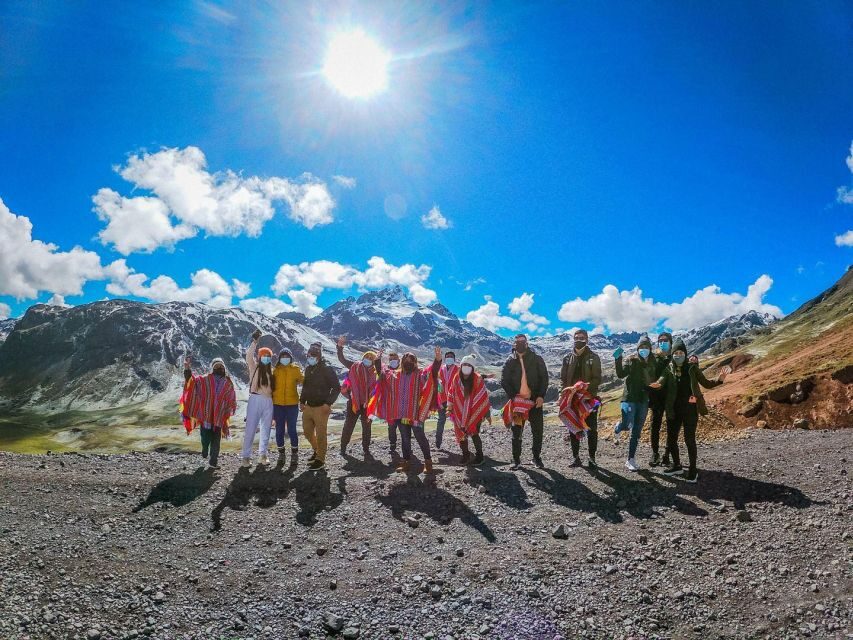
A standout cultural element is the payment ceremony to the Pachamama. If you’re the type who likes simple sightseeing, this might feel unfamiliar at first. But that’s also why it can be powerful: it’s not about performance for visitors—it’s about acknowledging land, water, and altitude realities in a tradition that predates modern tourism.
How to get the most out of this part:
- Be respectful and follow your guide’s instructions closely.
- Keep your camera ready, but don’t treat the ceremony like a photo shoot.
- Pay attention to what’s happening and why, even if you don’t catch every word in Spanish.
From a value perspective, this is part of what you’re paying for beyond transit. It turns the trip from a checklist into an experience with intent.
Canta’s market and the sanctuary mood: two different sides of the day
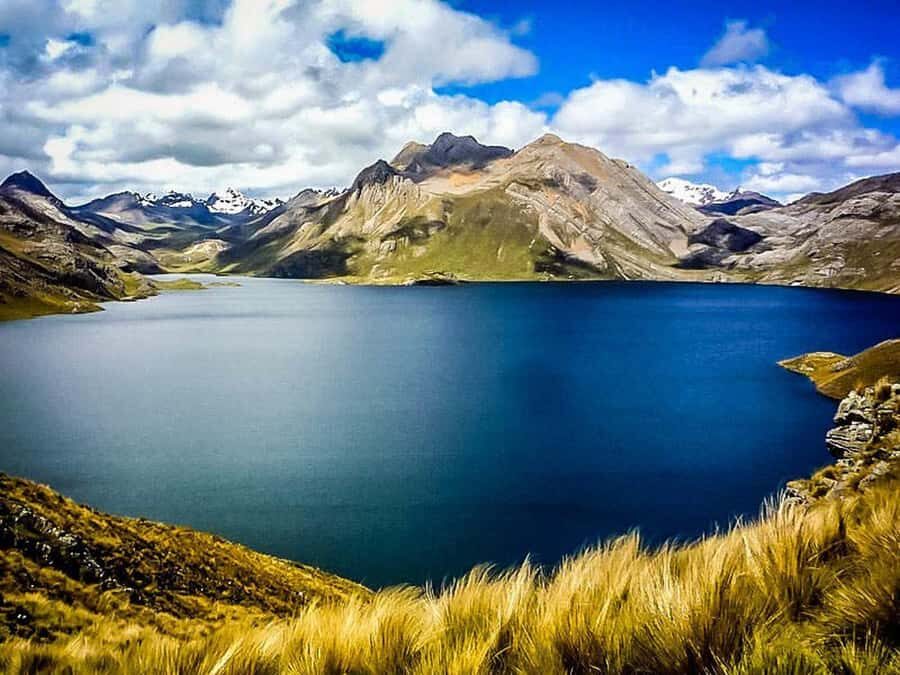
After the high-altitude lagoons and waterfall area, the experience shifts toward community and spirituality.
You’ll explore Canta, including its historic charm and a local market. Markets can be lively without being overwhelming, and they’re a good place to see daily life beyond the main scenic stops. If you enjoy chatting with vendors, this is your moment. If you prefer quieter travel, you can still enjoy the variety of goods and the simple act of walking through the space slowly.
Then you’ll visit the Santa Rosa de Quives sanctuary. A sanctuary visit changes the pace. It’s a calmer, reflective stop that contrasts nicely with the long hike-and-lagoon rhythm earlier in the day. Think of it as emotional recovery time for your brain.
Huaros trout farming: sustainable food production you can learn from
One of the more practical highlight stops is Huaros community trout farming. This isn’t just scenery—it’s a look at how people in the Andes manage water and food systems. Trout farming in a high-country setting is an example of adapting to local conditions rather than relying on outside resources.
You’ll come away with a better sense of how communities relate to the land in everyday terms: water management, sustainable practices, and local livelihoods. Even if you’re not a fish-farming nerd, it’s a refreshing change from the usual “view, photo, leave” rhythm.
What’s included: the small stuff that can save your day
This tour includes several items that make a difference when you’re far from town and moving between heights.
Included:
- Tourist transport (you’re not driving yourself)
- Official tourist guide
- Ponchitos and a thermos with coca tea
- Oxygen balloon
- First aid kit
Ponchitos matter if weather shifts. You might start bright and sunny and then hit clouds or mist. Coca tea is a comforting touch that also helps you feel like the day is being managed for altitude comfort.
And the oxygen balloon plus first aid kit is not a gimmick. Altitude touring adds risk, and having basic medical support on hand is reassuring—especially when your day includes both hiking and high elevation stops.
Also included: skip-the-line style express security check, which helps when you’re dealing with an early departure.
Price and Logistics: is $59 actually fair?
At $59 per person, you’re paying for a full-day vehicle ride, an official guide, and a mix of stops that go beyond one scenic viewpoint. If the alternative is paying separately for guides and transportation, this starts to look like decent value—especially because altitude touring can become expensive when you have to scramble for help.
That said, there’s a trade-off: this is a long day. One review called out the experience as mostly bus riding, which is the risk with any remote route from Lima. If you’re the kind of traveler who needs frequent walking and active stops, you’ll want to mentally budget for travel time and choose your pace.
Timing is another logistics reality. One traveler reported being back in Lima earlier than expected. That’s not necessarily good or bad—it just means you should stay flexible. When you book, treat the schedule as an estimate, not a clock.
What to bring so you’re comfortable (and not miserable)
The basics are exactly right for this trip:
- Hiking shoes (non-negotiable for the waterfall walk)
- Sunscreen (altitude sun is strong)
- Insect repellent (for stops where animals and vegetation show up)
Add a sensible layer plan in your mind: pack for sun and cold. Many high-altitude days feel warm while you’re moving, then chilly when you stop to look at lagoons.
If you’re sensitive to altitude, go easy with exertion. The day includes breathing exercises, but your body still sets the pace.
Who should book this Marcapomacocha day trip?
Book it if you want:
- A single-day way to experience the Andes around Marcapomacocha and nearby communities
- A mix of lagoons + waterfall + culture (petroglyphs, market, sanctuary)
- A tour that includes altitude support basics like coca tea and an oxygen balloon
Consider a different option if you:
- Hate long transit days and need constant movement
- Prefer a shorter day trip with fewer remote stops
- Are very strict about exact timing and hate schedule surprises
Guide quality can matter a lot. One review specifically praised a guide named Aaron, and that fits what you want on this kind of route: clear Spanish guidance, smooth pacing, and good judgment about when to stop and how to handle altitude.
Should you book it?
I’d book this route if you’re excited by high-altitude lagoons and you also care about culture and context, not just scenery. The price feels reasonable when you factor in transportation, an official guide, coca tea, ponchitos, and the altitude support items. And if you get a strong guide, the day can feel well shaped instead of rushed.
Before you go, be honest with yourself about the main downside: it’s a long day with big road time. If you can handle that and you bring solid shoes plus sun protection, this trip has enough variety to justify the effort.
FAQ
Where does the tour meet in Lima?
You’ll meet at the Shopping Mall La rambla. The exact GPS location is sent to you.
How long is the Lima to Marcapomacocha day trip?
It runs about 16 hours, starting at 5:00am and returning around 9:00pm (approx).
What does the price include?
It includes tourist transport, an official tourist guide, ponchitos, a thermos with coca tea, an oxygen balloon, and a first aid kit.
Is food included?
No. Food is not included.
Do I need to pay for the Carispaccha Waterfall?
Entrance to Carispaccha Waterfall is not included. The indicative price is S/3.
What language is the tour in?
The live tour guide speaks Spanish.
What should I bring for the hike?
Bring hiking shoes, sunscreen, and insect repellent.
Is there an oxygen or first-aid option?
Yes. The tour includes an oxygen balloon and a first aid kit.
What is the cancellation policy?
You can cancel up to 24 hours in advance for a full refund.