REVIEW · AREQUIPA
From Arequipa: Colca Canyon Day Trip with Transfer to Puno
Book on GetYourGuide →Operated by BABY LAMA · Bookable on GetYourGuide
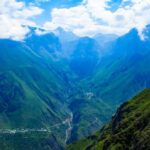
Waking up at 3 a.m. pays off. This day trip is built around Colca Canyon viewpoints and the run across the Andes to Puno, with colonial-era villages, terraces still farmed today, and plenty of chances to spot Andean wildlife. I especially love the real-feeling condor watching at the canyon edge and the way you move through working highland landscapes with llamas and alpacas. The trade-off is a very early start and a full day at altitude, including a 1-hour hike.
My other big win is the rhythm of culture plus recovery. You get breakfast early, a Chivay moment with coffee and a traditional dance show, then a volcanic hot springs break (with a separate entrance fee) before you continue toward Puno with scenic stops along the way. One thing to watch: lunch and key entrance fees aren’t included, so you’ll want extra cash and a flexible budget.
In This Review
- Key things I’d bank on before you go
- Colca Canyon to Puno in one day: why this route is smart
- Getting moving at 3 a.m.: the early start reality check
- Breakfast, Chivay, and the cultural layer (not just scenery)
- The Canyon Edge hike and Mirador Cruz del Cóndor
- Colca River, terraces, and Maca/Caylloma: where the day gets local
- Chacapi hot springs: the reset your legs need
- Salinas and Aguada Blanca reserve plus Alto Lagunillas
- The drive into Puno: arriving tired but informed
- Price and value: what $65 covers, and what to budget
- Who this day trip suits best
- Should you book this Colca Canyon day trip to Puno?
- FAQ
- What time is pickup in Arequipa?
- Is there any hiking on this tour?
- Are park entrances and hot springs included?
- Is lunch included?
- What should I bring?
- Who should avoid this tour?
Key things I’d bank on before you go
- 3 a.m. pickup means you’ll beat the crowds and chase the clearest morning light for viewpoints.
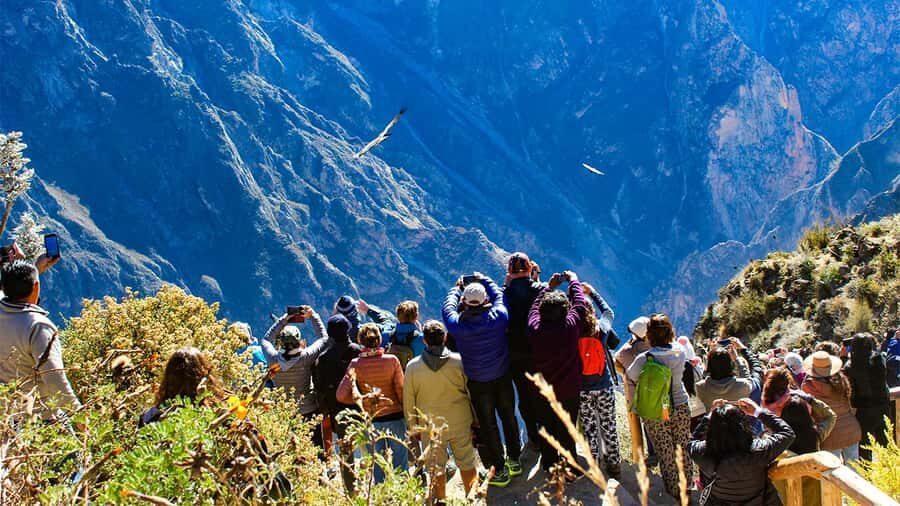
- Mirador Cruz del Cóndor is the headline stop, with a guided setup and a canyon-edge hike.
- Chivay culture isn’t just a photo stop: you’ll also have coffee/breakfast time and a traditional dance show.
- Hot springs at Chacapi give you a real reset between canyon time and the drive to Puno.
- Market and craft time in the Maca, Caylloma area gives you a chance to snack and browse local goods.
- Salinas and Aguada Blanca reserve stops add wildlife spotting time on the way to Puno.
Colca Canyon to Puno in one day: why this route is smart
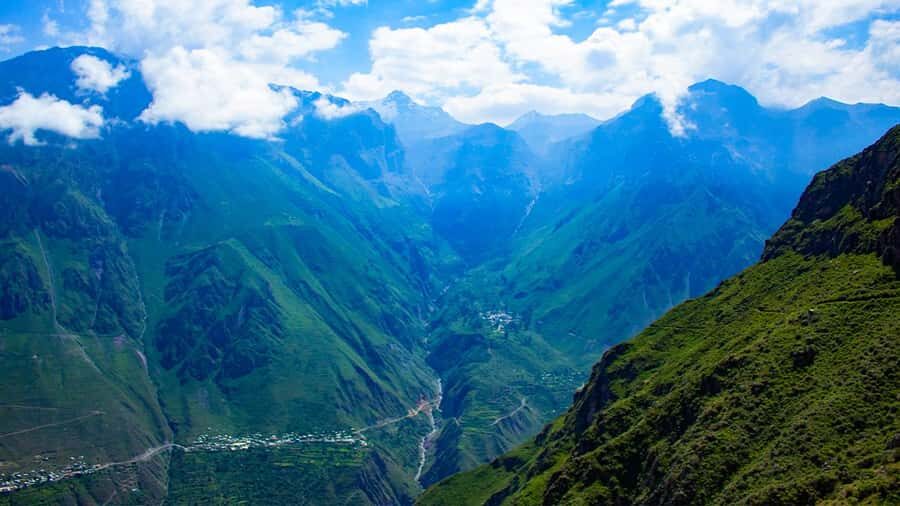
If your goal is maximum scenery with minimal hassle, this works. You start in Arequipa, spend the morning and midday focused on the Colca area, then finish in Puno (around 7 p.m. on average) so you don’t have to plan a second day just to get to the next region.
What I like most is that the day isn’t only about looking down from a bus window. The route is designed around actual stopping points: a canyon-edge viewpoint, river and village moments, a hot springs break, and then a couple of reserve-and-lagoon style scenic stops before you arrive in Puno with time for a short guided introduction.
It also helps that the experience is run with an emphasis on environment and local culture preservation, and that the operator is directly connected with native people. In practical terms, that usually means you spend less time doing generic tourist theater and more time moving through places that still matter to the people who live there—like terraces that continue to be used.
A few more Arequipa tours and experiences worth a look

Getting moving at 3 a.m.: the early start reality check
You’ll be picked up between 3:00 and 3:30 a.m. You need to be ready from 3:00 a.m. in the reception of your central Arequipa hotel. That’s not optional; the schedule is built around it.
Then you drive roughly 3 hours toward the start of the day’s activities. The payoff is that you’re up for sunrise conditions on the Andes side, and you have the kind of timing that helps when you’re trying to spot birds gliding on updrafts. The downside is fatigue. Bring a layer you can tolerate for sitting in cool early-morning air, and plan for a long day without expecting frequent restroom breaks beyond what the stops provide.
A quick tip: since food in the vehicle is not allowed, you’ll want to rely on breakfast and the scheduled food moments along the route. Pack only what you’re comfortable having outside the bus, during permitted stop times.
Breakfast, Chivay, and the cultural layer (not just scenery)
The day begins with breakfast at the beginning of the excursion. This matters because you’ll be rising fast, climbing quickly in altitude, and heading into viewing stops where you don’t want an empty stomach.
One of the most useful stops comes in Chivay. Here you’ll have coffee and breakfast time, plus a traditional dance show (about 1 hour). This isn’t just entertainment. It’s a fast way to understand that the Colca area isn’t frozen in time; it’s living culture you’ll see expressed in movement, music, and community gatherings.
Logistically, Chivay is also a helpful buffer point. You’ll go from sunrise-and-driving time into a more structured break with food and a show. If you’re the type who gets shaky when you’re underfed, this stop is one you’ll appreciate.
The Canyon Edge hike and Mirador Cruz del Cóndor
This is the stop most people come for, and it’s planned with a real reason: the best views of Cruz del Cóndor happen when you position yourself correctly and have time to scan.
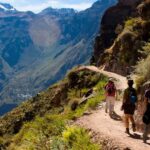
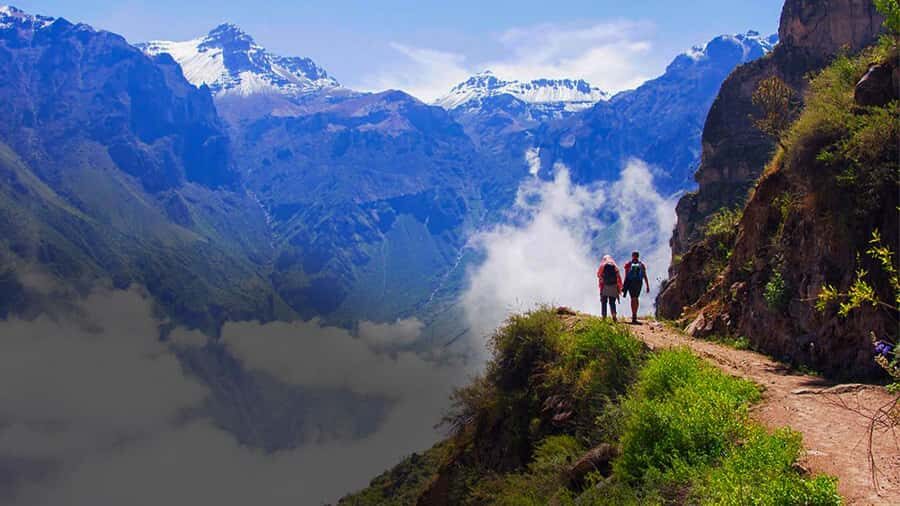
You’ll reach the canyon viewpoint after driving, and you’ll have about 1 hour at Mirador Cruz del Cóndor, including guided context. Then comes the key physical piece: the tour includes 1 hour of hiking. Even if you’re not trying to summit anything, plan on moving at an altitude where your breathing slows down fast.
Bring binoculars if you have them. The tour description lists them for a reason. At this kind of viewpoint, a small jump in visibility can turn a distant dot into something you can actually follow with your eyes.
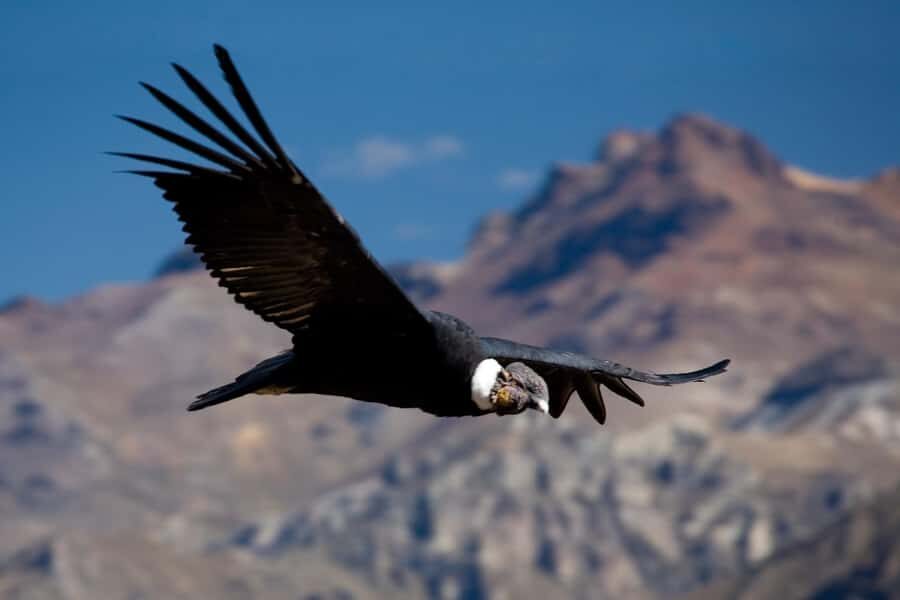
What you’re looking for is the Andean condor in flight. The canyon edge is famous because these birds ride wind currents, and your chances improve when the conditions are right and you’re watching instead of constantly repositioning.
Practical drawback: if you have claustrophobia concerns, this route may not feel comfortable. The itinerary doesn’t describe tight spaces, but it does involve early morning crowds, buses, and viewpoint edges where anxiety can spike. If that’s you, take the suitability note seriously.
Colca River, terraces, and Maca/Caylloma: where the day gets local
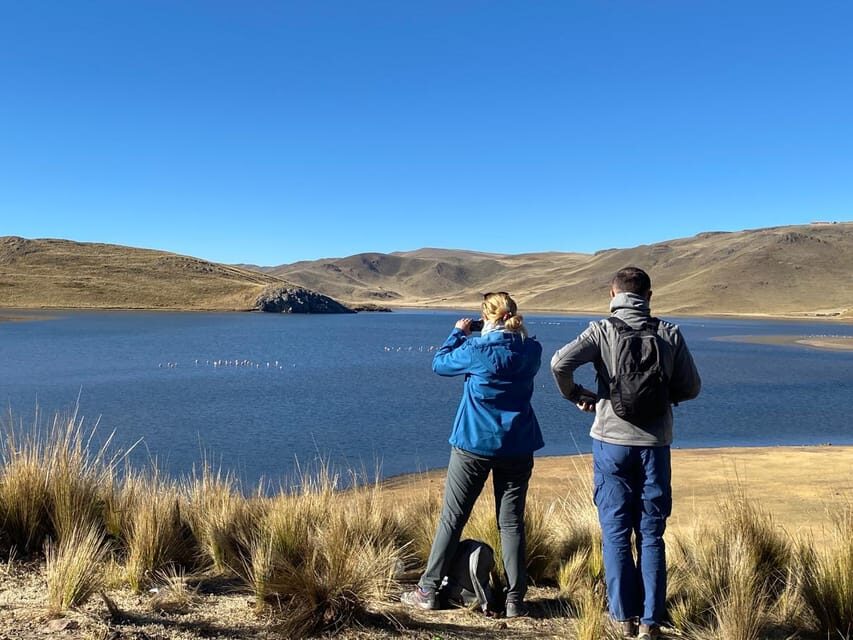
After the main condor moment, you’ll have a Colca River stop for photos and quick guided context (about 15 minutes). It’s short, but it changes the texture of the day—from cliff-edge bird watching to the river’s role in shaping the valley.
Then you move into the Maca, Caylloma area. This is one of the stops that feels most like being among the people rather than just passing through. You’ll have a photo/visit moment and then around 30 minutes of free time with options like shopping, food market visit, and food tasting, plus time for a quick drink (a cocktail is mentioned) if you want it.
This is where I’d slow down and pay attention. The tour lists agricultural terraces still used by local people, with llamas and alpacas along the route. Those details aren’t just decoration. They explain why the canyon region has such distinctive farming patterns, and why villages here keep strong ties to the land—patterns that stretch back to older highland traditions, even alongside newer colonial-era touches you’ll see on the way.
The caution: if you hate shopping stops, this part might feel like a distraction. But even if you skip buying, the food tasting and market glance can add a lot of context to what you’ve been seeing from viewpoints.
A few more Arequipa tours and experiences worth a look
Chacapi hot springs: the reset your legs need
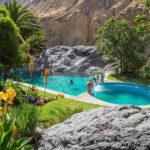
At Chacapi Hot Springs, you get a break time and about 1 hour for swimming. The tour describes them as volcanic hot springs, and that makes them a smart mid-day choice: your body has been working since pre-dawn, and even a moderate hike plus altitude can leave your calves angry.
Entrance to the hot springs is not included (there’s a stated fee of 15 soles), so you’ll want cash ready. Pack beachwear if you plan to get in the water, and keep your other essentials easy to access.
One more practical note: the tour also lists biodegradable sunscreen and biodegradable insect repellent. Even if it’s cool early, sun exposure at altitude can still bite. And you’ll often be outside longer than you expect when condor timing forces you to stay put.
Salinas and Aguada Blanca reserve plus Alto Lagunillas
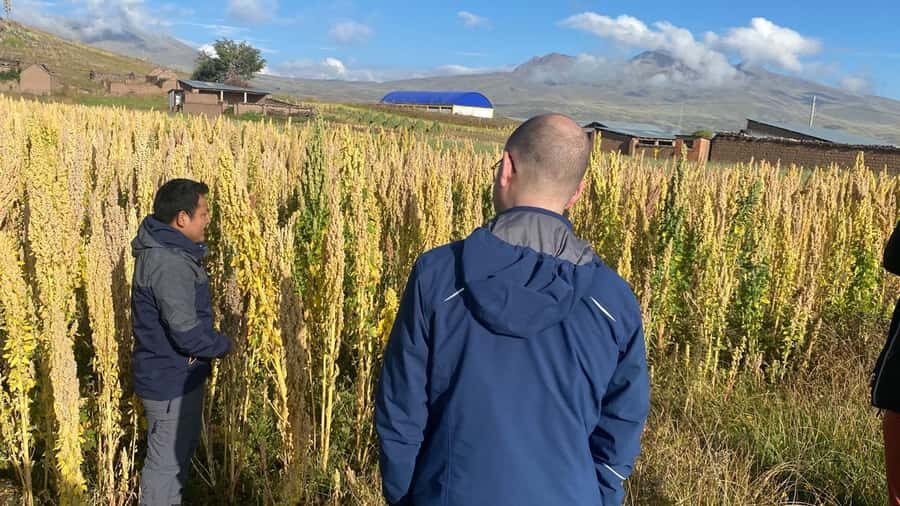
After the Chacapi reset, you continue with more scenic stops and breaks that help fill the long drive into Puno.
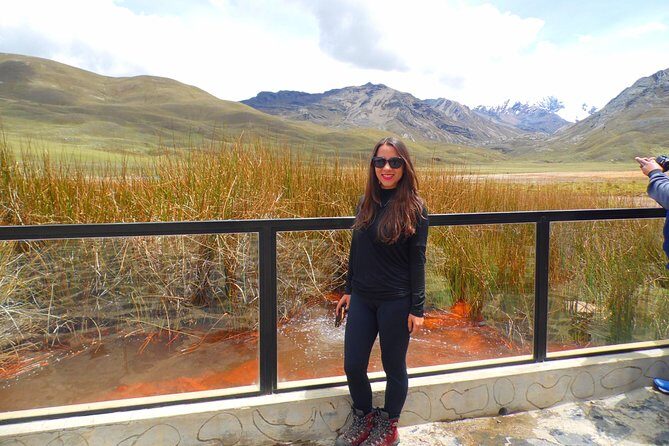
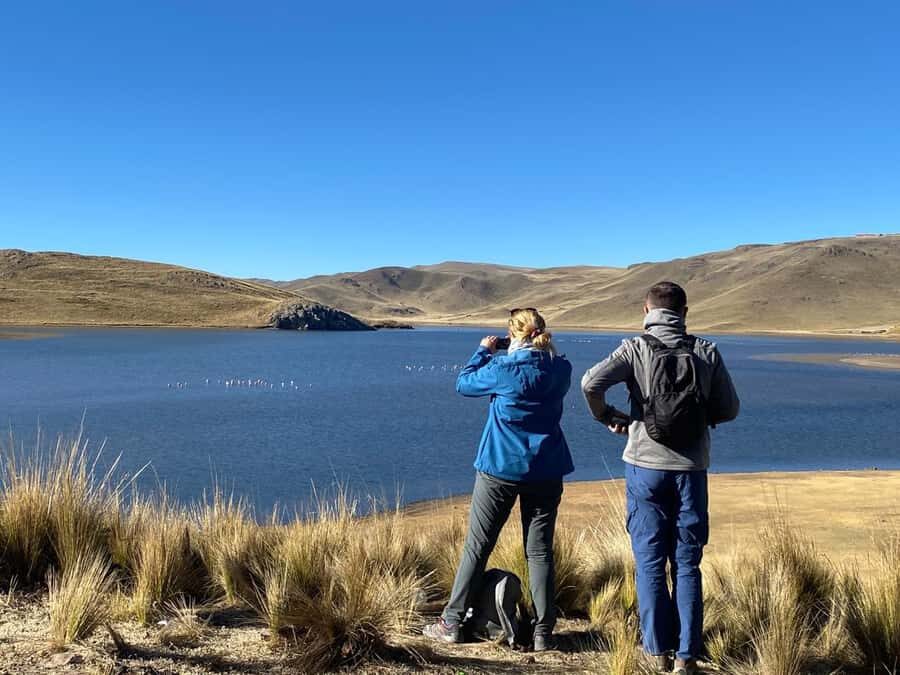
There’s a stop at Salinas and Aguada Blanca National Reservation, with about 15 minutes for wildlife viewing and a break. This is short on purpose. You’re not here for a long hike. You’re here for a look—salt-and-highland scenery, animal spotting if conditions are right, and a bit of perspective as the day shifts away from the canyon.
Then you reach Mirador Alto Lagunillas. You’ll have a brief stop (around 15 minutes) with a coffee/tea moment, local snacks, and food and arts & crafts market time. Even when it’s brief, this is another chance to pick up small handmade items and see how people continue to earn money from tourism without turning everything into a factory.
At this stage of the day, I find it helps to think of the stops as chapters. The canyon is the big story. These reserve-and-lagoon viewpoints are the closing scenes that keep you moving, fed, and entertained while the drive back fills out.
The drive into Puno: arriving tired but informed
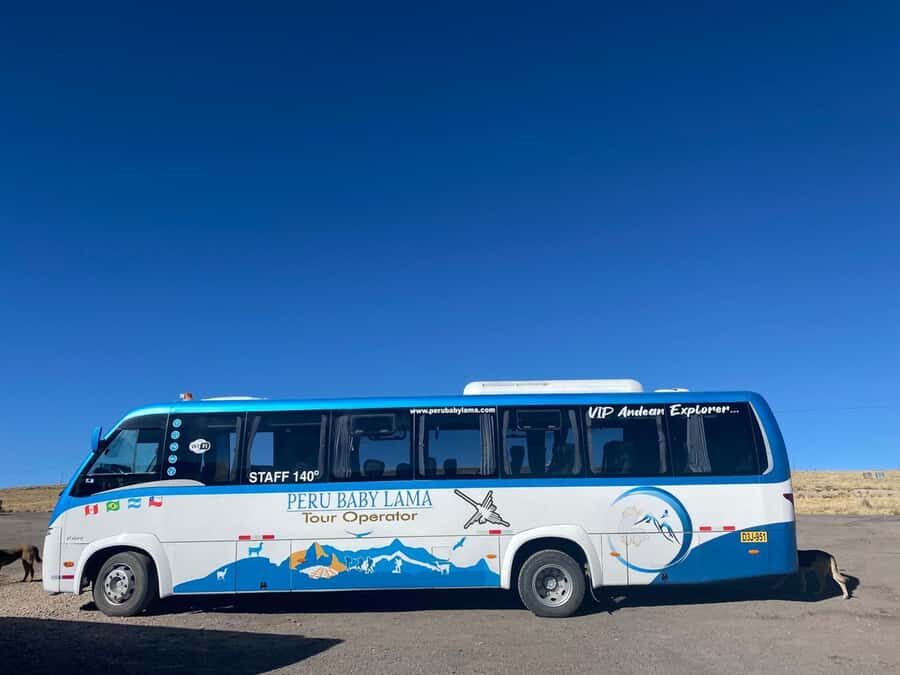
You’ll take a bus segment of about 2 hours, and then arrive in Puno. There’s a short visit with a guided component and scenic views on the way (about 10 minutes).
This isn’t a full sightseeing day in Puno. It’s enough to help you orient: where key areas feel located, what the vibe is like, and what kind of weather you’re stepping into. Since the tour ends around 7 p.m. on average, you’ll likely want dinner and an early night rather than trying to cram in big plans.
One confusing detail worth flagging: the information provided lists the finish as both Puno and also names Av La Marina, Arequipa as a finish point. Before you book, confirm the actual drop-off location for your date so you don’t arrive expecting Arequipa when the route is designed to finish in Puno.
Price and value: what $65 covers, and what to budget
At $65 per person, this is priced like a true full-day transfer plus guiding, not just a canyon viewpoint ticket. You’re getting:
- hotel pickup in central Arequipa
- approved tourist transportation
- an English-speaking tour guide
- breakfast at the beginning
- first aid equipment
- personalized assistance
That’s the big value. You’re not just paying to look at the canyon; you’re paying for the early logistics, the guide’s timing, and the multi-stop structure that gets you to Puno the same day.
What costs extra:
- National park entrance: 70 soles
- Hot springs entrance: 15 soles
- Lunch: not included
So even if you’re focused on the $65 number, plan for additional spending. The good news is you’ll have multiple breaks where food and snacks are available, including regional food mentions in Chivay. The bad news is you can’t count on lunch being included in the base price, so keep a cash buffer.
If you travel on a tight budget, this one is still often worth it because it bundles the transfer to Puno. If you’re the type who enjoys slow independent travel, you might prefer splitting the journey. But for time-squeezed itineraries, this route can be a solid deal.
Who this day trip suits best
This trip is a great match if:
- you want condors plus culture in one long day
- you’re okay with early mornings and altitude timing
- you like having structure: guided points, meals, and set breaks
- you’re continuing onward to Puno and want to avoid another transfer day
It may be a poor match if:
- you have high blood pressure or breathing concerns (altitude and early pace are factors)
- you’re sensitive to edges and viewpoint stress (claustrophobia note is listed)
- you’re over 70 years old or traveling with a baby under 1 year (both suitability notes are listed)
- you dislike hikes (the tour includes 1 hour of hiking)
Should you book this Colca Canyon day trip to Puno?
If your plan is Arequipa → Colca → Puno and you want the “big sights” without building your own schedule, I’d book it. The combination of condor viewpoint time, a real cultural stop in Chivay, and a hot springs reset makes the day feel like more than a long bus ride. Plus, the guide and transportation remove a lot of uncertainty from a route that can otherwise feel intense.
Just do two things before you commit: confirm the actual drop-off for your date (Puno vs the listed Arequipa finish address), and budget for 70 soles park entrance, 15 soles hot springs entrance, and lunch. If you can handle that, you’ll likely love the payoff of canyon views, working terraces, and that early-morning energy that makes the Andes feel alive.
FAQ
What time is pickup in Arequipa?
Pickup starts between 3:00 and 3:30 a.m. You need to be ready from 3:00 a.m. at the reception of your central accommodation.
Is there any hiking on this tour?
Yes. The tour includes 1 hour of hiking.
Are park entrances and hot springs included?
No. Entrance to the national park is listed as 70 soles, and hot springs entrance is 15 soles, and both are not included.
Is lunch included?
No. Lunch is listed as not included.
What should I bring?
Bring a camera, hiking shoes, biodegradable sunscreen, biodegradable insect repellent, cash, and a passport copy (a copy is accepted). Binoculars are also recommended, and beachwear is helpful for the hot springs.
Who should avoid this tour?
It’s listed as not suitable for people with claustrophobia or high blood pressure. It also lists restrictions for babies under 1 year and people over 70 years old.