REVIEW · AREQUIPA
2 Day Trek Including Transfer to Puno / Colca Canyon
Book on Viator →Operated by Trek The Colca · Bookable on Viator
Two days through Colca Canyon can change your pace. This short trek packs in big views, a real descent into the canyon, and then a one-way ride to Puno so you’re not stuck backtracking. Add the chance to see Andean condors at Condor’s Cross, plus a warm swimming pool stop at Sangalle, and you’ve got a smart “two birds, one canyon” setup.
What I like most is the in-depth Colca Canyon time—not just a quick photo stop. I also like the small group size (up to 12 people), which helps you get more attention when the hike gets steep or slow. You’ll feel like you’re moving with a plan rather than rushing with a crowd.
The main catch is that this is not a casual walk. You start very early, and the second day includes a tough uphill push of about 1,200 meters.
In This Review
- Key highlights you’ll feel right away
- Why this Colca-to-Puno trip makes sense
- Arequipa to Chivay: breakfast time and condor odds
- Descending into Colca Canyon: the part you’ll remember
- Sangalle overnight: warm pool time is real value
- Day two at 05:00: torch-lit uphill and sunrise views
- Hot springs Chacapi and the ride toward Puno
- Food and lodging: decent fuel, not five-star comfort
- Price and value: what $179 covers (and what it doesn’t)
- Who should book this trek, and who should pause
- Quick practical tips for smoother days
- Should you book this 2-day Colca Canyon trek with transfer to Puno?
- FAQ
- What time does pickup start in Arequipa?
- How long is the trek?
- Do I get a transfer to Puno?
- What meals are included?
- Are entrance fees included?
- How hard is the hiking?
- What’s the group size?
Key highlights you’ll feel right away
- Condors at Condor’s Cross: A prime viewpoint to watch Andean condors with huge wingspans.
- A true canyon descent: You trek downhill from around 3,300 masl toward the canyon floor area.
- Sangalle’s warm pool: After hiking, you get time to soak in warm water around 1,900 masl.
- A tough day-two climb: Sunrise start, torch lights, and a steep uphill to Cabanaconde.
- Transfer from Chivay to Puno: You finish in Puno around 18:30, dropped off in the center.
Why this Colca-to-Puno trip makes sense
This tour is built for travelers who want the Colca Canyon experience without doubling back. Instead of hiking and then spending hours returning to Arequipa, you trek, sleep in the canyon area, then take a one-way transfer from Chivay to Puno. That matters because it saves you time and keeps the overall route moving forward.
You also get a good mix of “move your legs” and “take your eyes out.” Day one starts with views and viewpoint stops in Chivay, then drops into the canyon for real hiking time. Day two starts with an early uphill climb, then shifts to hot springs as an option, and ends with a scenic ride through high-Andes wildlife country before you arrive in Puno.
One more thing I appreciate: it’s organized around a clear rhythm—early departure, steady hiking blocks, lunch/rest breaks in villages, then a clean finish. If you like structure (and you don’t want to guess schedules at high altitude), this style fits.
You can also read our reviews of more hiking tours in Arequipa
Arequipa to Chivay: breakfast time and condor odds
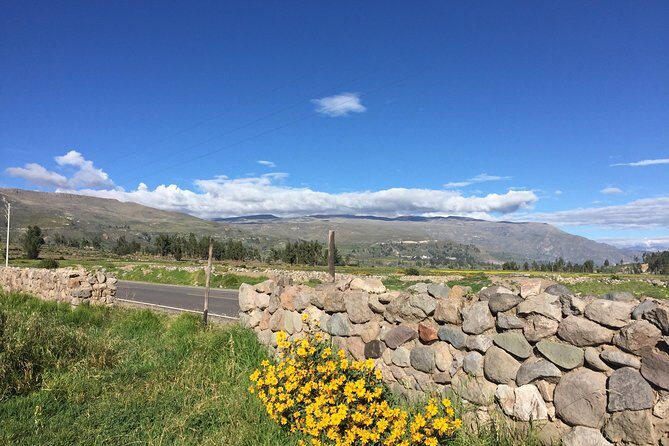
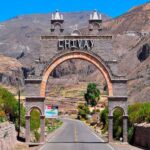
Your day kicks off at 3:00 am, with pickup from your Arequipa hotel or hostel. From there, it’s a direct transfer to Chivay, arriving around 7:30 am. That arrival time is useful—you get breakfast in town, not hours later. Chivay itself is known for its traditional houses and colorful setting, so even the early part feels like more than just waiting.
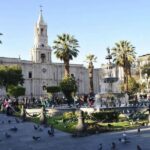
Next up is Plaza de Armas de Chivay, a simple but nice way to orient yourself after the drive. It’s also where the tour’s “this is Peru, not a theme park” feeling shows up: local town life, real architecture, and mountains right there.
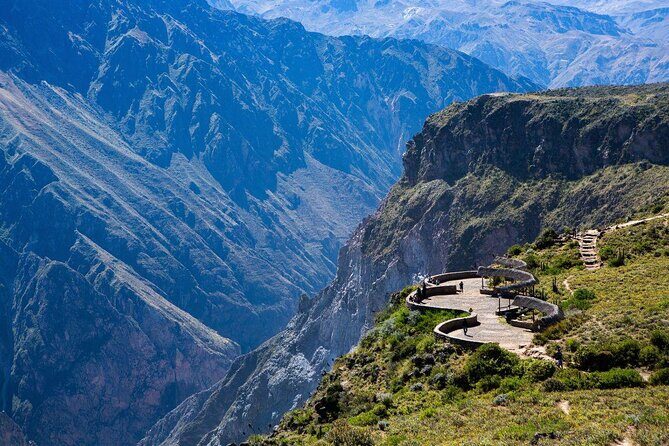
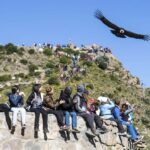
Then you go to Condor’s Cross (Mirador Cruz del Cóndor), widely seen as one of the best places in South America to spot Andean condors. The facts in the plan are dramatic for a reason: these birds can weigh up to about 12 kg, and their wingspan can top 3 meters. When the thermals are right, you can get long, effortless glides—exactly what you hope for after a 3 am start.
Descending into Colca Canyon: the part you’ll remember
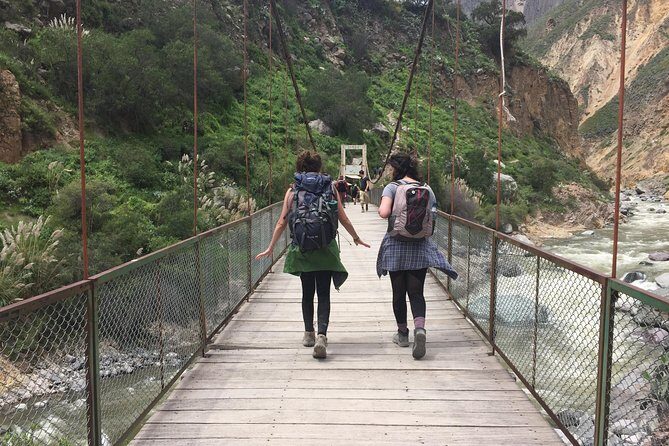
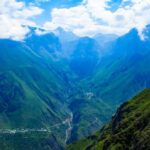
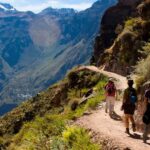
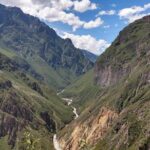
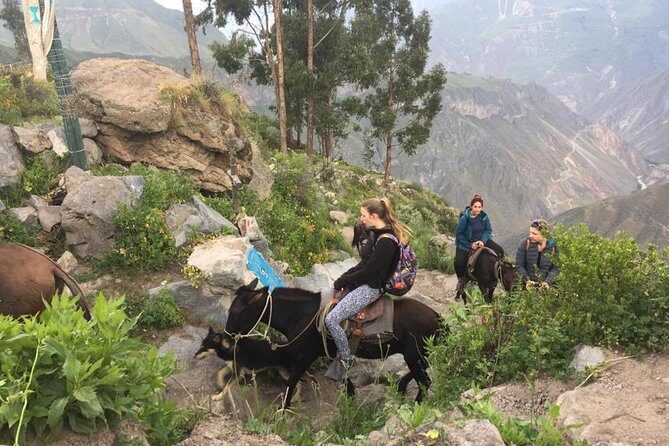
After the viewpoint stops, the pace shifts. You’ll continue toward the hiking start area, then begin a downhill trek from about 3,300 masl toward roughly 2,100 masl. The tour frames this as around a 3-hour downhill stretch. Going down can feel easier at first, but it can also be hard on knees and calves. If you have even mild knee trouble, take this portion seriously.
Along the way, the tour includes time to rest and refuel in the canyon’s village rhythm. After arriving, you have lunch, then you continue with a break in San Juan de Chuccho, a village known for vegetation and fruit trees—an important detail because it signals you’re not hiking through a barren, grey cutout. There’s life down there, and it helps your brain reset from “extreme altitude views” to “human scale.”
Then the route moves through smaller towns like Cosñirhua and Malata before heading deeper into the trek to reach Sangalle at about 1,900 masl. You arrive around 17:00, which is a realistic finish time for day one: enough daylight to arrive, then settle into overnight.
The canyon itself is the star, but the structure is what makes it work. You’re not stuck sprinting between points. You hike, eat, rest, and keep your energy for the next block.
Sangalle overnight: warm pool time is real value
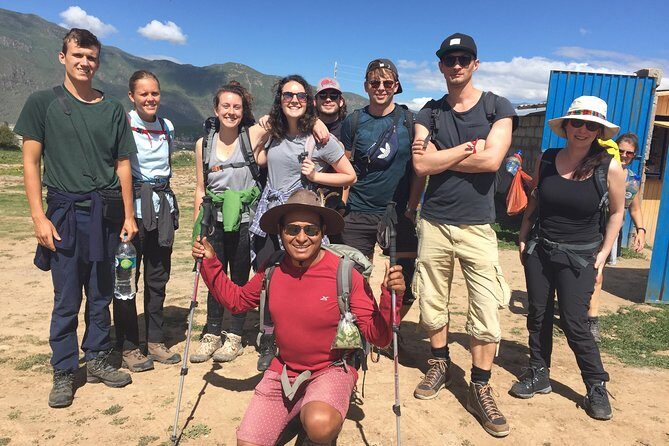
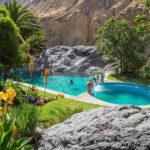
By the late afternoon, you’re in Sangalle and you’re not just “there,” you get a payoff. Sangalle is built around a warm swimming pool, and the tour specifically highlights time to relax there. That’s not a random add-on. After hours hiking at altitude, warm water helps you recover faster than just sitting on a bench.
You’ll have dinner and sleep in the area at Cielo Azul Lodge. Overnight stays here are basic by nature—this is a canyon village environment, not a city hotel. Still, it’s part of the charm: you’re going to feel the difference between spending one night in a lodge and spending one night “passing through” on a long bus route.
From a practical angle, I’d plan for simple comfort. One past guest described the lodge portion (named Oasis ecolodge) as a little shabby for the price, and another noted basic services like limited hot water. That doesn’t mean your stay will be identical, but it does mean you should lower your expectations for luxury and focus on the views and the recovery time.
A good night’s sleep is what lets you face day two. If you’re someone who gets cranky when comfort is modest, keep that in mind. If you can trade comfort for experience, this is a strong part of the whole trip.
Day two at 05:00: torch-lit uphill and sunrise views
The second day starts early: around 05:00, you begin trekking uphill for about 3 hours to Cabanaconde with the help of torch lights. That early start is not just for timing—it’s for sunrise conditions and cooler air. It also means your day-two experience is very different from day one. Day one is long downhill walking. Day two asks you to climb.
A key detail: one review singled out day two as especially challenging, citing about 1,200 meters of uphill. I’d treat that as the true challenge level of the trek. Even if you’re fine with altitude, the uphill grind is a leg burner. Keep your effort steady; you don’t need to race.
After reaching Cabanaconde, you get breakfast. From there, the plan shifts away from hiking. You head back toward Chivay and you’ll pass by views like pre-Inca terraces, plus archaeological ruins and colonial towns along the route. This is when your brain can finally breathe without worrying about putting one foot in front of the other.
A few more Arequipa tours and experiences worth a look
Hot springs Chacapi and the ride toward Puno
Around midday you arrive back in Chivay. Then you have an option: Hot Springs Chacapi near Chivay. The entrance costs 15 soles and it’s not included in the tour price. This is worth considering if your body feels beat up from the uphill day. The pools are described as ranging from about 30ºC to 60°C, so you can go from gentle soak to serious melt.
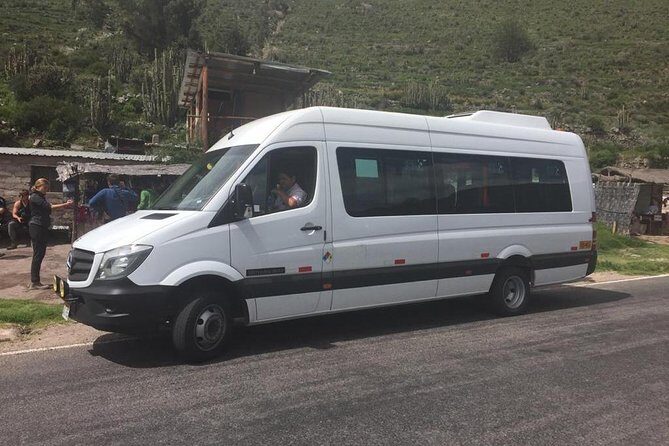
After that, you shift into the one-way transfer to Puno. The ride includes major altitude change: descending from about 4,830 masl down to around 2,325 masl. That’s also why this transfer feels more than just transport. It’s part of your acclimatization rhythm—going down gradually while getting scenery and breaks.
On the way, you stop in Salinas y Aguada Blanca National Reserve at Pampa Cañahuas. The stop is short (about 10 minutes), but the point is clear: you’re there for volcano views and camelids like alpacas, llamas, and vicuñas. You don’t go deep into wildlife viewing here, but you do get the high-Andes version of the experience.
You arrive in Puno at about 18:30, dropped off at your hotel/hostel if it’s in the city center.
Food and lodging: decent fuel, not five-star comfort
The included meals are straightforward: dinner and lunch, plus breakfast (2) across the two days. You also get lunch during the trek’s main day-one meal block and breakfast after the climb on day two.
The food is best understood as practical rather than fancy. One person described the included food as okay but not great. Another praised a home-cooked lunch in a local family house, mentioning fresh natural juices. That tells me one thing: you should expect a mix depending on the stop and what’s available, but you can still end up with one of those memorable, simple meals in the middle of the canyon.
Lodging is similar: simple, functional, and aimed at recovery. Your overnight is in the Sangalle area at Cielo Azul Lodge, and some past feedback points to uneven comfort, including reports of limited hot water and the property feeling a bit shabby. So I’d pack your mindset accordingly: you’re paying for location, views, and the trek logistics, not for a polished resort.
If you’re the type who needs hot showers and plush beds to sleep well, budget for that disappointment. If you can handle basics and you want the canyon experience, you’ll likely be happy.
Price and value: what $179 covers (and what it doesn’t)
At $179 per person, this is not cheap, but it can still represent good value because the price bundles real components: a 2-day trek, overnight accommodation, included meals (dinner, lunch, and two breakfasts), and the crucial transfer from Chivay to Puno.
The extras you’ll want to budget separately are clear:
- Colca Canyon entrance: PEN 70 per person (not included)
- Hot Springs Chacapi: PEN 15 if you choose to go
- Any extra meals in Chivay (there’s a mention of a last lunch in Chivay not being included)
One important warning for value-minded buyers: a past guest said booking online led to an overcharge compared to what people paid at a local office in Arequipa. I can’t verify your exact outcome, but it’s a strong cue. If you book ahead through a big reseller, do the math in Peruvian soles terms and double-check the final price breakdown so you’re not surprised by local differences.
Also, remember what you’re really buying: not just “a hike,” but a tight route plan that starts at 3 am, moves down and up the canyon, and ends in Puno the same day. That alone saves time and reduces planning stress.
Who should book this trek, and who should pause
This trip fits best if you’re comfortable with altitude and you can handle a long hike with a steep second day. The tour notes a moderate physical fitness level, and the day-two climb is the main test.
You’ll likely enjoy it if:
- You want the Colca Canyon experience rather than a quick viewpoint circuit.
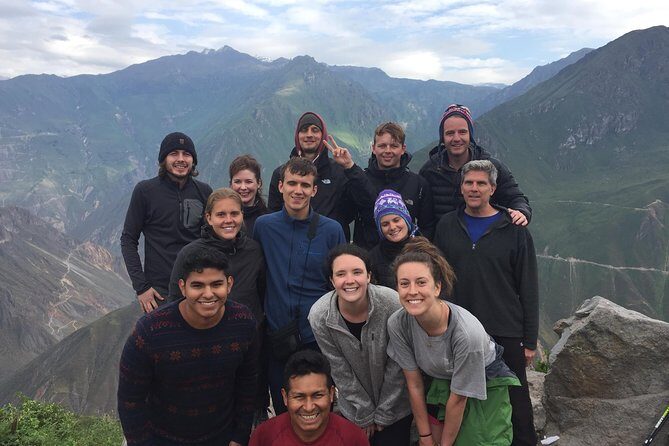
- You like small groups (up to 12 people) and prefer a guide who can keep an eye on you.
- You can wake up early without turning it into a drama film.
You should pause if:
- Steep uphill hiking is a deal-breaker, especially with about 1,200 meters of climbing on day two.
- You have knee issues and you don’t manage downhill well.
- You expect hot showers as a given—lodging feedback suggests “basic” is more realistic.
Quick practical tips for smoother days
A few things can make this trek feel a lot better:
- Plan for an early wake-up and a full day. Starting at 3:00 am changes the whole vibe.
- Bring cash for Colca Canyon entrance (PEN 70) and the optional Hot Springs Chacapi (PEN 15).
- Wear footwear you trust for downhill walking. Downhills can be rough on joints even if the altitude feels manageable.
- Keep your pace controlled on the day-two climb. Sunrise hiking is beautiful, but you’ll want your breathing steady.
Also, this experience requires good weather. If conditions are poor, the operator may offer a different date or a full refund—but if you cancel for personal reasons, the payment is non-refundable and can’t be changed.
Should you book this 2-day Colca Canyon trek with transfer to Puno?
If your goal is the Colca Canyon with condors and real walking—and you also want to finish in Puno without extra backtracking—this is a strong option. The biggest strengths are the canyon time, the condor viewpoint stops, the Sangalle recovery moment with a warm pool, and the fact that you end your trip in Puno.
Book it if you can handle early mornings and the hard second day. Don’t book it if you’re looking for an easy scenic stroll or you need consistently comfortable lodging and hot water.
If you do book, price-check the totals carefully and set your expectations: this is an authentic high-altitude trek with basic comforts, not a luxury lodge weekend.
FAQ
What time does pickup start in Arequipa?
The start time is listed as 3:00 am. You’re picked up from your hotel or hostel in Arequipa.
How long is the trek?
It runs for 2 days (approx.), including the trek, overnight stay, and the transfer from Chivay to Puno.
Do I get a transfer to Puno?
Yes. The tour includes a one-way transfer from Chivay to Puno, arriving in Puno at about 18:30.
What meals are included?
You get dinner, lunch, and breakfast (2) across the two days. A last lunch in Chivay is listed as not included.
Are entrance fees included?
No. The Colca Canyon entrance is PEN 70 per person and is not included. Hot Springs Chacapi entrance is PEN 15 per person and is also not included.
How hard is the hiking?
Day two includes an uphill trek that can be demanding. The plan describes about 3 hours uphill from Cabanaconde, and one key detail noted is roughly 1,200 meters of uphill climbing.
What’s the group size?
The group is limited to a maximum of 12 travelers, which should help you get more attention from your guide.