REVIEW · AREQUIPA
4-hour excursion: Sillar Route with Hiking in Culebrillas
Book on GetYourGuide →Operated by Latitudes · Bookable on GetYourGuide
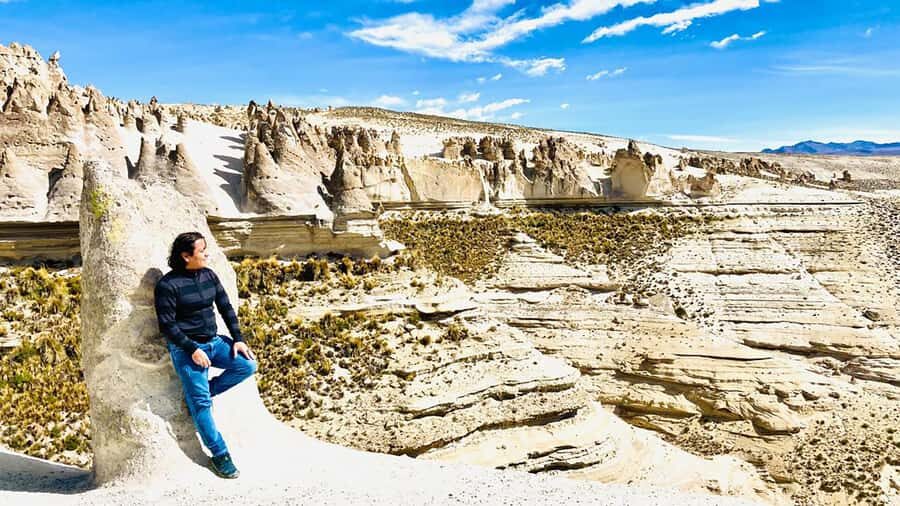
Stone and canyon walls in Arequipa. The appeal here is that you’re not just looking at Sillar stone like it’s museum stuff—you see how it’s quarried, hear the story behind it, and then you step into Quebrada de Culebrillas for a quick walk with ancient petroglyphs. I especially like the Ruta del Sillar stops because they connect Arequipa’s volcanic stone to real daily work, and the views help you understand why people built their culture around these valleys and heights.
The main drawback is that this is called hiking, but it’s really a short canyon walk plus viewpoint time. If you want an all-day trek in wild terrain, set your expectations for a guided route with a couple of active moments, not a long hike.
You’ll ride between sites in tourist transport with a professional guide in English or Spanish, starting at 09:15 and returning to Arequipa around 13:30. One practical thing to budget: entrance tickets to the places are listed as 10 soles and aren’t included.
In This Review
- Key points that make this tour worth your time
- The Ruta del Sillar: why this “stone route” feels more alive than expected
- Añashuayco Quarries: seeing megascale carving inside a working operation
- A reality check: the “hike” isn’t the main event
- Mirador de los Volcanes and Andenerías: the view stops that help the rest make sense
- The Quebrada de Culebrillas walk: 20 minutes that actually feels like a change of world
- Petroglyphs and photos: how to enjoy it without turning your brain off
- Apachetas: the quiet ritual stop that changes the mood
- Price and timing: what $20 gets you (and what you still need to budget)
- One more practical note: your enjoyment depends on guide audio
- Who should book this tour—and who might feel it’s not for them
- Should you book the Sillar Route with Culebrillas hiking?
- FAQ
- How long is the excursion?
- What time does the tour start and end?
- What does the tour cost?
- What is included in the price?
- Are entrance tickets included?
- Is there any walking or hiking?
- What languages are the guides?
Key points that make this tour worth your time
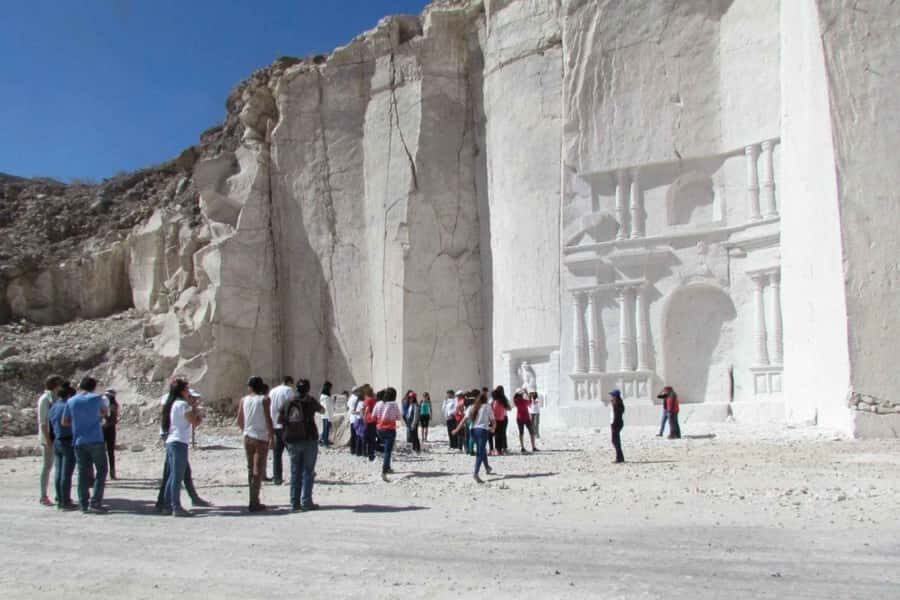
- Working quarry views at Añashuayco: you’ll see the immense indimbrite walls where ashlar (sillar) comes from.
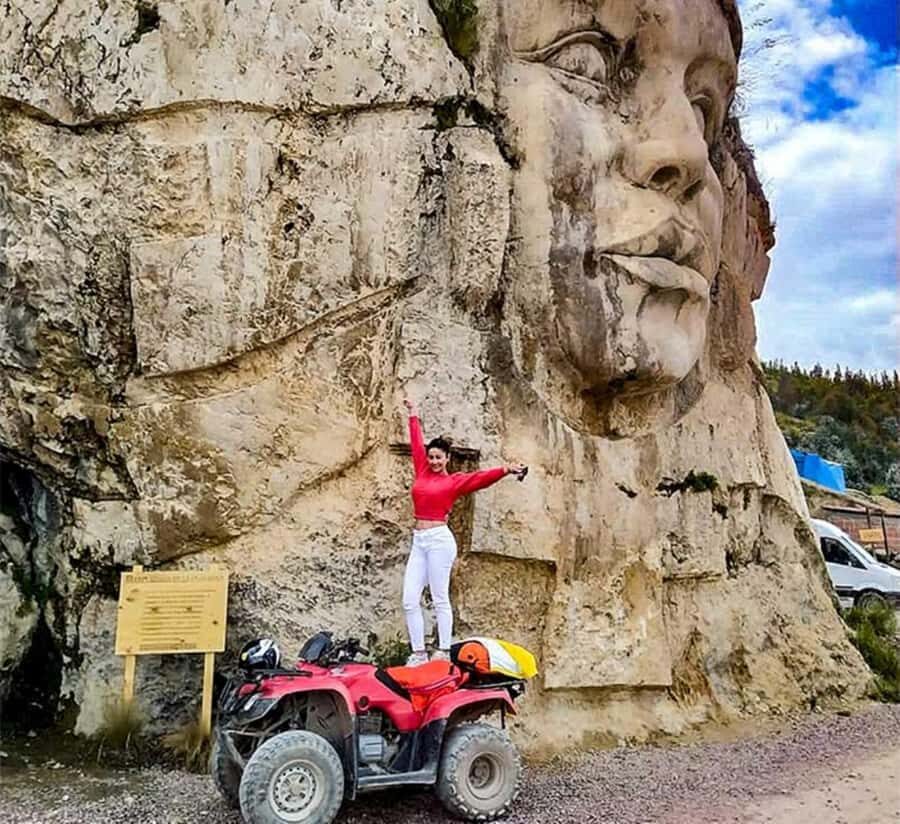
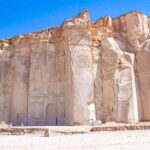
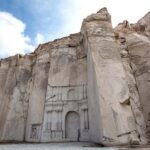
- A giant stone carving: a Mega carving of the Church of the Company of Jesus, made by stonemasons themselves.
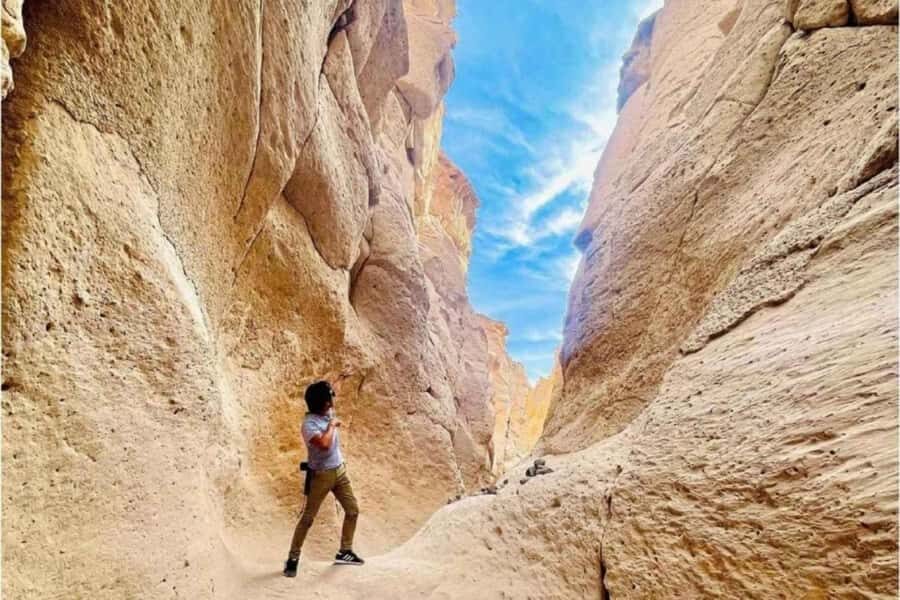
- A short but real canyon walk: about 20 minutes through walls roughly 15 to 20 meters high, with the height increasing as you go in.
- Wari-era petroglyphs: you’ll reach petroglyphs made more than a thousand years ago.
- Apachetas at the end: stacked stones linked to gratitude toward nature and good luck.
- Not just photos: there’s a chance to meet/learn from stonemasons and even try cutting a stone block.
The Ruta del Sillar: why this “stone route” feels more alive than expected
Arequipa’s identity is tied to sillar—light, workable volcanic stone that shaped how locals built and repaired their city. That’s why I like the Ruta del Sillar format: it connects geology to people, with stops that explain where the stone came from and how it was turned into buildings.
On this tour, you start at 09:15 and head toward the Ruta del Sillar, which includes quarry areas and historically significant points tied to how the ashlar/sillar was produced. Before you get to the main quarry, you also pause at a strategic viewpoint where you can see the volcanoes and the Chilina Valley. Depending on the time of year, you may swap the first viewpoint with another traditional spot with volcano views.
You’ll also cover highlights like Mirador de los Volcanes and Andenerías along the way. The key value here isn’t that each stop is a long stop—it’s that the route is designed so you gradually build a mental map: valley first, terraces/views second, and then the quarry where the stone comes out.
You can also read our reviews of more hiking tours in Arequipa
Añashuayco Quarries: seeing megascale carving inside a working operation
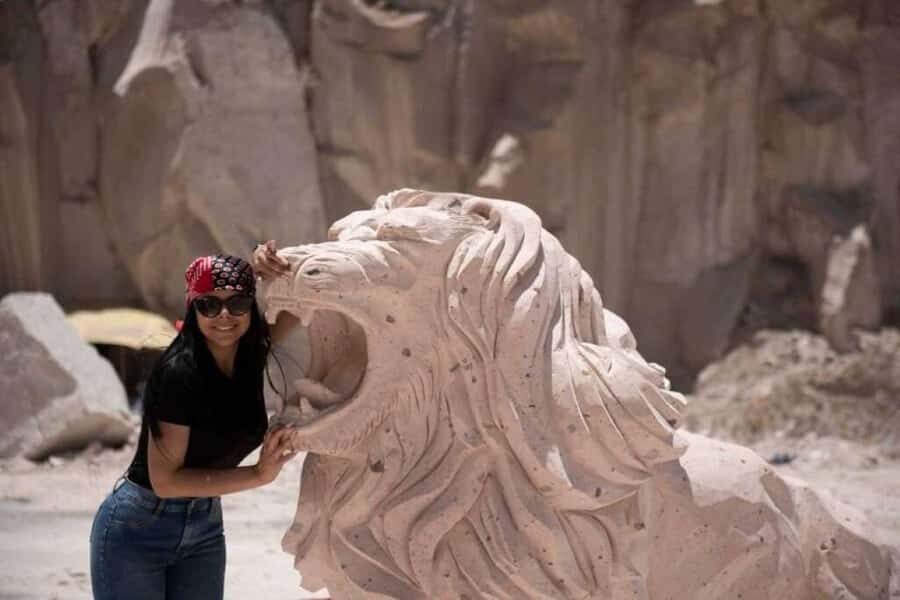
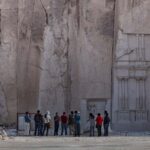
The big anchor stop is Añashuayco Quarry, reached about 45 minutes after departure. This quarry is still in operation, which changes the vibe a lot. Instead of standing around a frozen scene, you’ll see stonemasons working very early, with the quarry walls showing the scale of the excavation.
The scenery is made of cliffs formed by extraction—massive ignimbrite walls several meters high. Your guide should explain what you’re seeing: how sillar/ashlar forms, how production works, and why this material became so important for Arequipa’s architecture. Even if you don’t remember every detail, the visuals do the teaching—this is stone at the size and strength that built an entire city’s look.
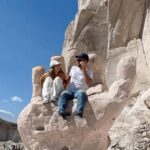
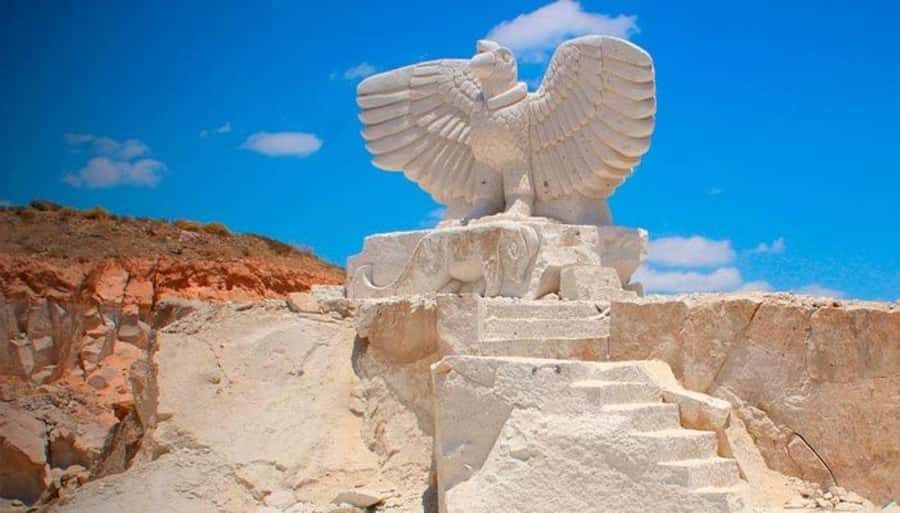
One of the most memorable moments is the Mega carving of the Church of the Company of Jesus. It’s not just a finished artwork you admire from a distance; it was made by stonemasons themselves. That matters because it turns the quarry into a workshop story: the same hands doing daily cutting also produce symbolic, skilled work.
You may also be able to visit with a stonemason for a look at daily routines, and there’s an opportunity to try cutting one of the stone blocks yourself. If you’re the hands-on type, this is where the tour earns its keep. You’ll walk away with a better feel for how labor becomes architecture here.
A reality check: the “hike” isn’t the main event
This is worth saying clearly because the tour title can mislead. Most of your time is spent riding and sightseeing. The quarry portion is active and interesting, but it’s not a trek through remote terrain.
If your ideal day in Arequipa is slow, rugged walking, you’ll likely feel this is shorter and more tour-paced than you hoped. If you want a guided route that ties sights together with stone history and real craft, it fits nicely.
Mirador de los Volcanes and Andenerías: the view stops that help the rest make sense
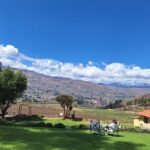
Between Arequipa and the quarries, the route includes viewpoint stops that connect what you see on the ground to what you’re seeing in the distance.
You’ll make a brief stop at an emblematic point where you can see volcanoes and the Chilina Valley. If the timing and conditions line up, the tour may start with another traditional viewpoint with volcano views. Either way, this is your chance to get your bearings: once you’ve seen the valley and volcano positions, the later stops feel less like random sightseeing and more like parts of one system.
You’ll also observe Andenerías from the route. The value of these terraces/viewpoints is practical: they provide visual context for how people used land, water, and elevation in the area. Even if you don’t get a long lecture at each spot, the combination of viewpoint + quarry + canyon is a good way to understand how landscapes shaped culture and construction.
The Quebrada de Culebrillas walk: 20 minutes that actually feels like a change of world
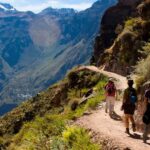
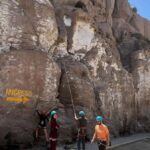
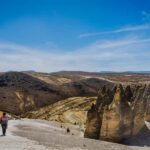
After Añashuayco, you head to Quebrada de Culebrillas, about 30 minutes away. When you arrive, you’ll start a walk of around 20 minutes through the interior of a small canyon.
This canyon was formed by the passage of water, and the walls are roughly 15 to 20 meters high. As you enter, the walls increase in height, so the walk feels more enclosed rather than like a casual stroll outdoors. That shift—open views earlier, then a corridor-like feel inside the canyon—is one reason this portion lands well on a 4-hour itinerary.
At the end of the walk, you’ll see petroglyphs attributed to the Wari culture, created more than a thousand years ago. You’ll likely spend a few minutes orienting yourself with what you’re looking at. The best way to enjoy petroglyphs is to slow your eyes down. Let the guide’s explanations give you a framework, then stand back slightly so you can take in the shapes in context with the canyon setting.
If you’re hoping for a long immersive hike, remember: the walk is short. But it’s short in a good way—this tour gives you an ancient-feeling moment without burning half the day.
Petroglyphs and photos: how to enjoy it without turning your brain off
A common problem on short cultural walks is that people treat everything like a backdrop. In this canyon, that’s a shame, because the setting is doing half the work. The walls are high, the space narrows, and the petroglyphs show up best when you pause and look carefully.
If you want photos (you will), I’d still plan to split your attention. Take a few photos early for your memory, then switch to a slower mode once you reach the petroglyph area. You’ll get more out of it even if your walking time is limited.
Also, don’t expect the canyon to feel like a movie set in daylight. It’s an indoor-feeling space. Your phone’s camera may struggle with contrast, so saving your best shots for after the guide points out key spots can help.
Apachetas: the quiet ritual stop that changes the mood
Before heading back to the city, the route includes Apachetas—stone formations made by stacking stones on top of each other. These are described as symbols of gratitude toward nature, with a theme of good luck.
This part is less about strict history lessons and more about atmosphere. Even on a short day, a stop like this can reset you from quarry-craft mode into something more reflective. If you’re someone who likes small rituals and meaning-in-the-land, you’ll likely appreciate it more than you expect.
If you’re rushing because you want to squeeze in a lot of photos, slow down here. Apachetas are one of those things where you get more from a brief pause than from sprinting through.
Price and timing: what $20 gets you (and what you still need to budget)
At $20 per person for a 4-hour excursion, this is positioned as an affordable, guided taste of Arequipa’s stone culture and nearby natural sites. The value comes from two big ingredients: transportation between multiple locations and a professional guide who connects the dots between quarry, viewpoints, and canyon.
What’s not included is the entrance ticket to the places, listed as 10 soles. So your real budget is the $20 plus that extra cost. In practical terms, you’re paying mostly for guided time and transport, then topping up small site fees.
Timing is fairly tight but workable:
- You start at 09:15.
- You reach Añashuayco Quarry in about 45 minutes.
- You then move roughly 30 minutes to Culebrillas.
- The canyon walk is about 20 minutes.
- You begin returning to Arequipa around 12:30.
- You arrive in Arequipa at about 13:30.
This schedule matters because it keeps the day from feeling like a half-day commitment that ruins your afternoon plans. It’s also why the canyon hike is short: the route is designed to fit into 4 hours without leaving you exhausted.
One more practical note: your enjoyment depends on guide audio
One downside you should keep in mind is communication. On some tours, the microphone can make it harder to hear, and if a guide seems nervous or has a heavy accent, the explanations may not land as smoothly. You can usually fix this by leaning in, asking a question when you can, and not relying only on audio. If you’re sensitive to hearing clarity, this is the one area where your experience can swing.
Who should book this tour—and who might feel it’s not for them
This tour is a strong match if you want:
- A guided, short day around Arequipa that combines viewpoints, craft, and nature.
- The chance to see a working sillar/ashlar quarry instead of just reading about it.
- A short canyon experience with Wari petroglyphs and Apachetas.
- Good value without committing to a long hike or a full-day trip.
You might feel less satisfied if you:
- Want a true hiking day with lots of time on foot.
- Prefer a quieter, less tourist-focused flow. The Sillar Route can feel more like a structured attraction than a secret spiritual path.
- Need very crisp audio to enjoy explanations.
If you fall into the first group, this is a smart way to spend a morning and still have time for lunch, museums, or a longer walk later.
Should you book the Sillar Route with Culebrillas hiking?
I’d book it if you’re visiting Arequipa for the first time and want a compact day that teaches you how the region’s volcanic stone connects to the city’s buildings and craft traditions. The Añashuayco Quarry stop, the Mega carving, and the short canyon walk to Wari petroglyphs are the trio that makes the itinerary work.
If you’re the type who wants an all-out hike or expects something very remote and mystical from start to finish, you may feel the route is too tour-paced. But for a 4-hour guided loop with real quarry action and an ancient-feeling canyon moment, it’s a solid value choice.
FAQ
How long is the excursion?
It lasts about 4 hours.
What time does the tour start and end?
You begin at 09:15 and typically arrive back in Arequipa at around 13:30, with the return starting about 12:30.
What does the tour cost?
The price is $20 per person.
What is included in the price?
It includes tourist transport and a professional guide.
Are entrance tickets included?
No. Entrance ticket to the places is not included and is listed as 10 soles.
Is there any walking or hiking?
Yes, there’s a walk of about 20 minutes through the interior of the Culebrillas canyon.
What languages are the guides?
The guide provides live commentary in English and Spanish.