REVIEW · AREQUIPA
Arequipa | Ascent to Chachani Volcano 2 days / 1 night
Book on GetYourGuide →Operated by NalasTrips · Bookable on GetYourGuide
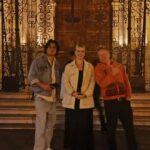
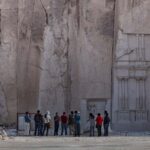
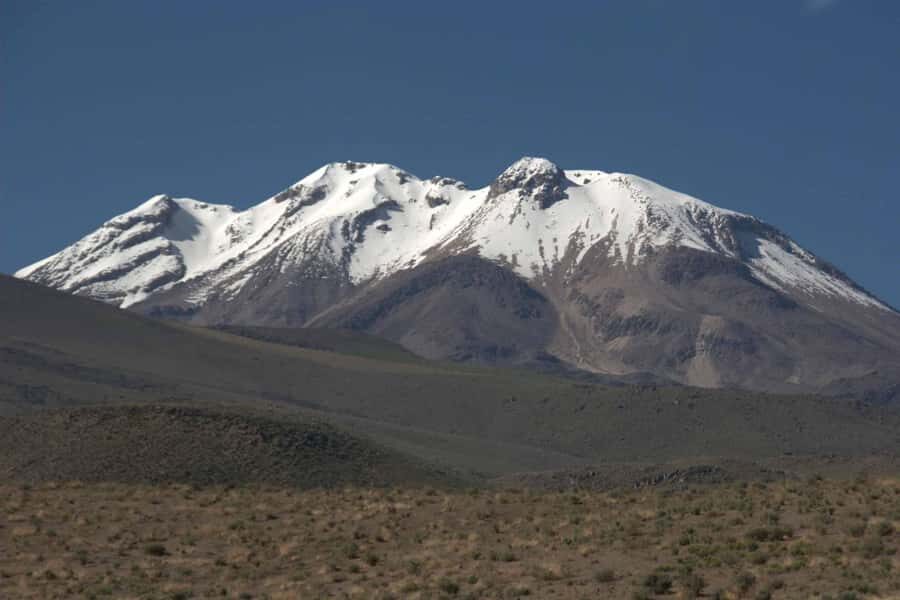
Chachani starts with a white-city morning. Arequipa’s famous white volcanic stone (used for churches) frames a trip that’s equal parts logistics and real mountain time. You go by 4×4 to the Pampa Cañahuas area, then climb on foot in a small group built for people who want the mountain, not a performance.
One of the things I like is how personal it feels: small group size (limited to 10) and a guide working in both English and Spanish. Another thing I like is the way the trip is structured around altitude, with a clear base camp stop and an overnight that sets you up for the early push.
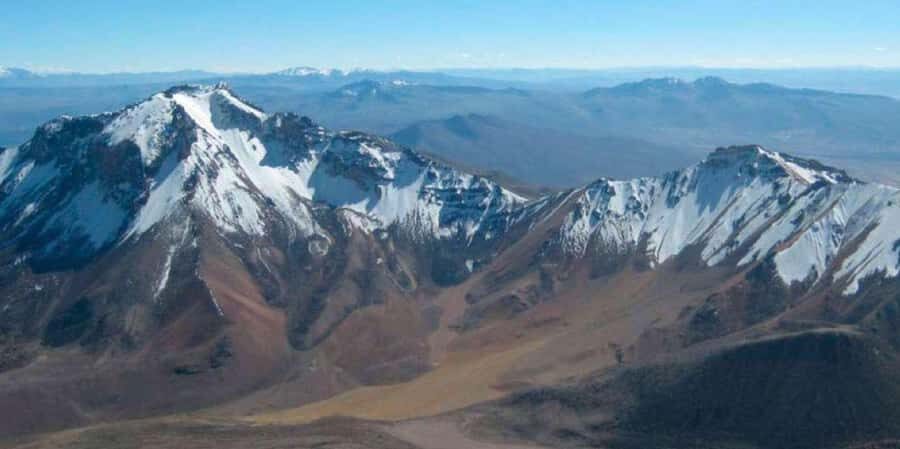
What I’d call the sweet spot here is the pacing. You do gradual ascent for about two hours to base camp at 5,200 meters, then you eat and reset before the night shift. And if the weather is kind, you’re aiming to be on the summit around 5:00 a.m., with views over several major Andean volcanoes.
One possible drawback: the trip is intense, and snacks and trekking gear aren’t included, so you’ll want to plan your water and food carefully and show up with the right footwear (or borrow/confirm options before you go).
In This Review
- Key Things That Make This Chachani Ascent Worth Your Time
- Arequipa’s White City Makes the Volcano Climb Feel Even More Real
- Day 1: 7:30 a.m. Pickup to 5,200m Base Camp (Real Altitude Time)
- Day 1 stops you’ll feel (and what to watch for)
- Day 2 at 2:00 a.m.: The Summit Push to Around 5:00 a.m.
- Why that summit timing is a big deal
- The Guide Factor: Small Group Support Without the Circus
- Packing and Altitude Reality Check (What You Must Bring)
- Trekking gear: the important gap
- Price and Value: Is $144 Fair for a Summit Attempt?
- Who Should Book This (and Who Should Skip It)
- What the Trip Feels Like Day to Day
- Should You Book the Chachani 2 Days / 1 Night?
- FAQ
- What time is pickup in Arequipa?
- Where are the pickup and drop-off locations?
- How big is the group?
- What languages will the guide speak?
- Where do you sleep overnight?
- What time do you start the second day climb?
- What meals are included?
- Is trekking equipment included?
- Is the tour suitable for everyone?
- When is the briefing?
Key Things That Make This Chachani Ascent Worth Your Time
- Arequipa’s White City vibe pairs with a real mountain hike, so your trip isn’t stuck in just one kind of scenery.
- Base camp at 5,200m gives you a meaningful acclimatization break and a proper overnight in tents.
- Small group (max 10) means you’ll get support without getting swept along with a crowd.
- Early summit attempt around 5:00 a.m. is built for visibility, with big-name volcano views if weather cooperates.
- Bilingual guide team (English/Spanish) keeps the technical parts understandable and the pace manageable.
Arequipa’s White City Makes the Volcano Climb Feel Even More Real
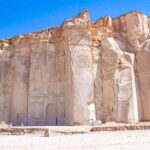
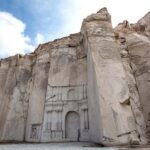
Arequipa has that look that makes you pause: light-colored volcanic stone, often used in the buildings around the city center. Even before you head out, the color theme sets you up for Chachani. This matters because it makes the whole day feel cohesive—you’re leaving a place that looks “crafted by stone,” then going to a volcano that’s literally shaped the region.
You’ll pick up in Arequipa in the morning (7:30 a.m.), typically from either the Historical Centre near Plaza de Armas or from any hotel you’re staying at. That early start helps because you’re not just “going trekking,” you’re getting an actual run at the schedule that makes a summit attempt possible in a two-day format.
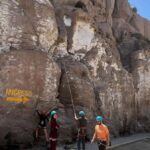
And yes, this is a hiking-style climb. The guide leads the ascent in stages, and you’re on foot for the main work. There’s no mystery: you’ll be walking uphill, taking breaks, and moving as a team. If that sounds like a straightforward plan to you, you’ll probably like this tour.
You can also read our reviews of more evening experiences in Arequipa
Day 1: 7:30 a.m. Pickup to 5,200m Base Camp (Real Altitude Time)
Day 1 starts with pickup at 7:30 a.m. from your hotel in Arequipa. You travel in a 4×4, which is the right kind of vehicle for this kind of terrain and approach road timing. You’re aiming to arrive at Pampa Cañahuas at about 10:00 a.m., which sits behind Chachani.
Once you arrive, you get ready while the guide gives basic recommendations. This isn’t just “tour talk.” At these heights, simple advice can save you from wasting energy early—especially around pacing and how you breathe once your body starts to work harder than usual.
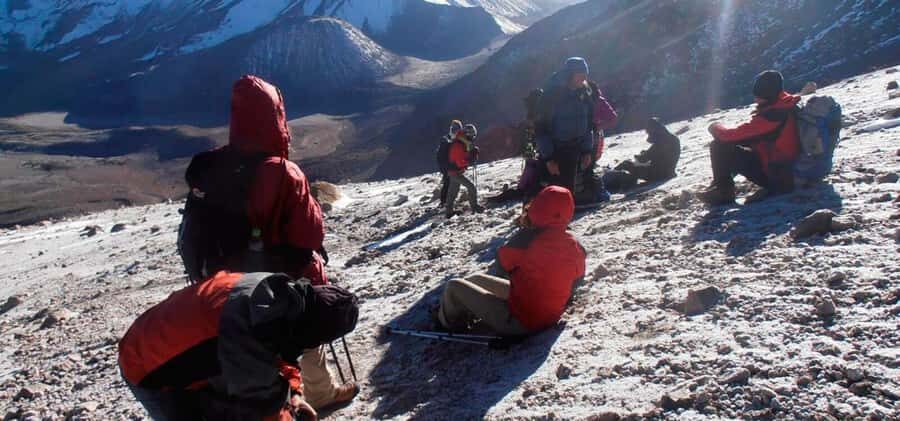
Then the climb begins: about two hours of gradual ascent. The intensity is described as low at first, which is smart. It’s the kind of start that helps you warm up without burning matches. In practice, it means you should expect to work, but you shouldn’t feel like you’re sprinting out of the gate.
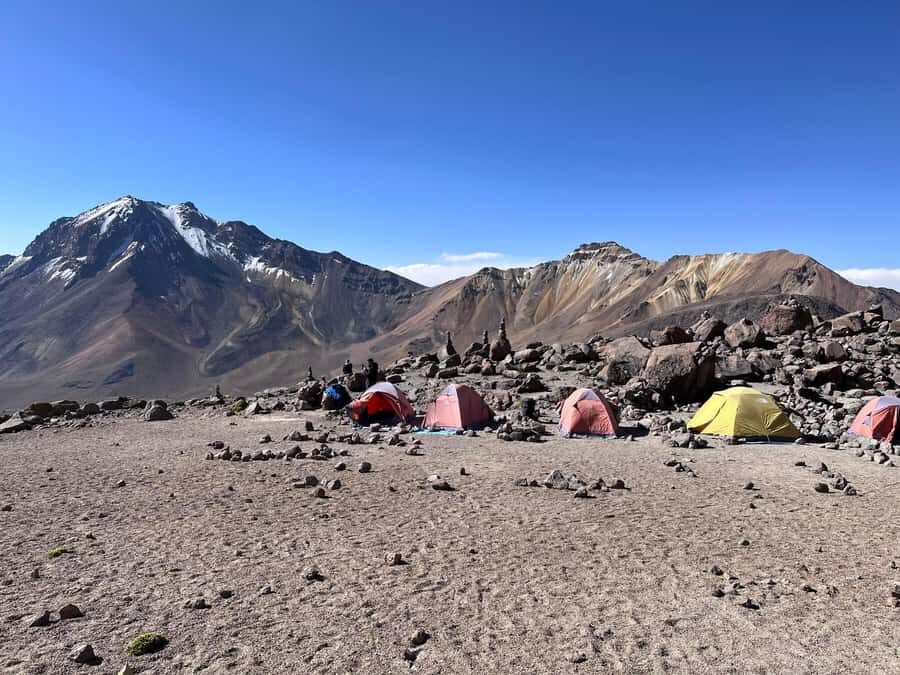
You reach base camp at 5,200 meters, set up tents, and switch from “walking mode” to “camp mode.” That’s a key part of why this itinerary works for many people. You get a lunch break at base camp with soup and pasta or canned food, which is exactly what you want after a climb: something warm and not fussy.
As night comes in, you’ll have tea before sleeping. That tea detail isn’t small. Cold + altitude + a long day can drain you, and a warm drink gives your body an easier transition into rest.
Day 1 stops you’ll feel (and what to watch for)
- The Pampa Cañahuas arrival is about getting organized fast. If you need to use the toilet, do it here and don’t wait until you’re already climbing.
- The base camp setup is a morale reset. You’re at height, but you’ve arrived—so you can slow down and eat.
- The tea and sleep portion matters more than you think. Your summit start is early, and you’ll need sleep to make it survivable.
Day 2 at 2:00 a.m.: The Summit Push to Around 5:00 a.m.
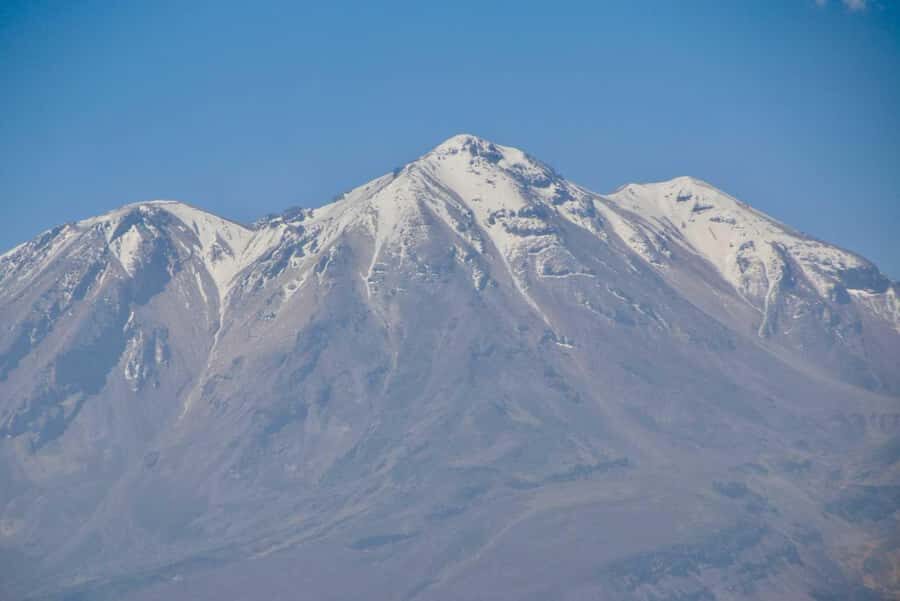
Day 2 starts at 2:00 a.m. You’ll get up, get ready, and verify everything is set. After that, you have breakfast designed to warm you up before the climb. This part of the schedule is intense, but it’s also what makes a sunrise-style summit possible.
Then comes the headline: the climb from base camp to the summit of Chachani. The hiking description here is “intense,” and that’s honest. You’re going from resting at camp to pushing uphill before the sun is fully up, when your body is still half-asleep.
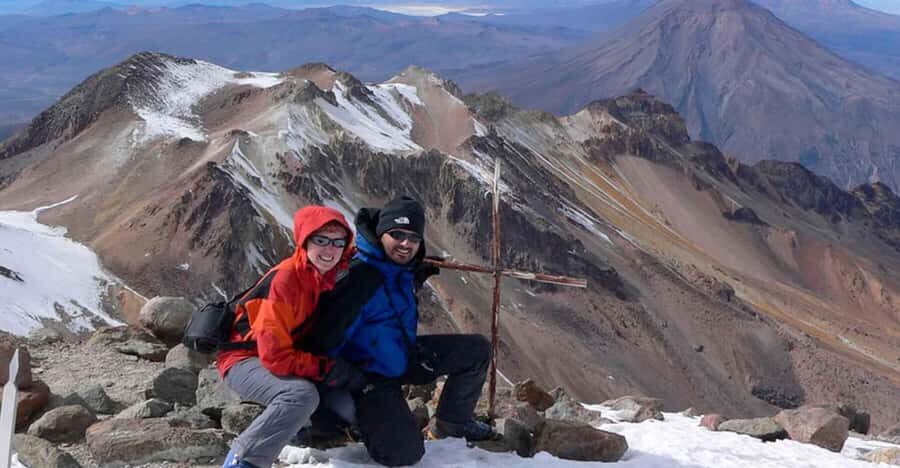
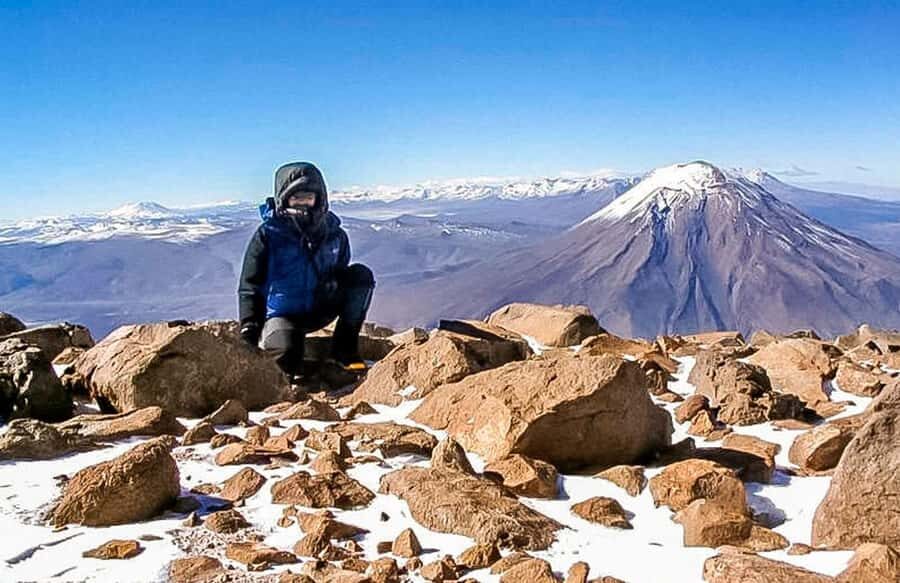
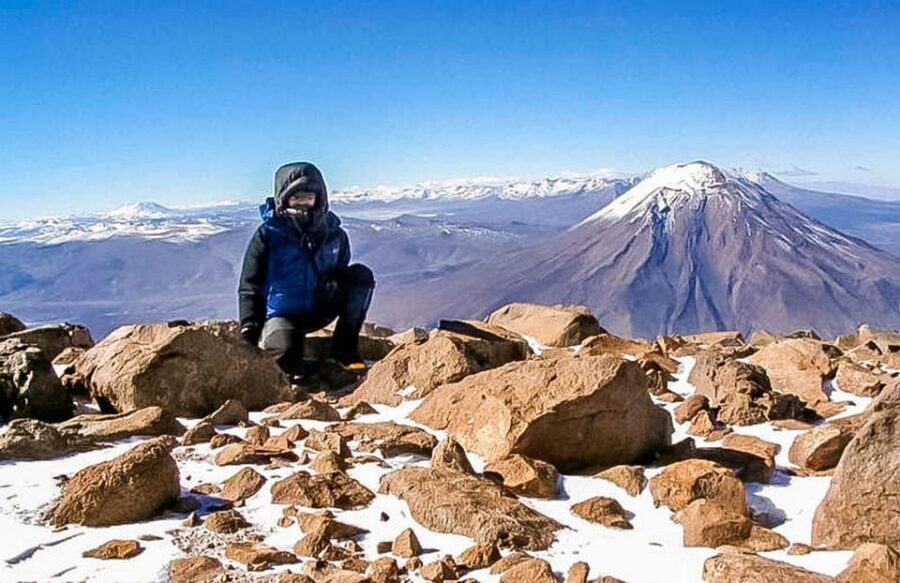
If the weather is good, you should reach the summit around 5:00 a.m. After an intense hike, you get free time. This is your moment to regain strength and actually take in what you climbed for—views over multiple volcanoes, including Coropuna, Ampato, Hualca Hualca, Sabancaya (active), Misti, and Ubinas.
Why that summit timing is a big deal
Early summit times aren’t just “cool for the photos.” They’re practical:
- You often get clearer visibility before clouds build.
- The air can be calmer and the light can be better for seeing far across the region.
- You’re less likely to lose your day to weather delays when the group still has daylight margins.
Once the summit stop is done, you descend back toward base camp. Descent usually feels faster, but it can still be hard on your legs. You’ll make several rest stops on the way down, then head back to the starting point where the 4×4 is waiting to take you back to Arequipa.
A few more Arequipa tours and experiences worth a look
The Guide Factor: Small Group Support Without the Circus
This is one of those trips where the guide makes or breaks the experience. The plan is straightforward—walk, rest, eat, climb again—but at altitude the smallest coaching points can help you avoid getting overwhelmed.
You’ll have a live guide in English and Spanish, and the group stays small (limited to 10 participants). That size matters because you’re not an anonymous number in a line. You can ask questions and get attention when your pace slows, especially during the later sections on Day 2.
I also like that the tour’s approach is built around support rather than showmanship. The focus is on getting you moving safely, not keeping you entertained. In other words: you get the kind of “help” that actually affects your climb—breathing rhythm, pacing, and adjustments when people are tired.
If you’re the type who feels stressed by unclear instructions, this bilingual setup can be a relief. If you speak Spanish or English, you’ll get the meaning fast. If you don’t speak either fluently, you’ll still benefit from the guide’s basic recommendations and team rhythm.
Packing and Altitude Reality Check (What You Must Bring)
The tour lists what to bring, and you should treat that list as the minimum, not a suggestion. For Chachani, being underprepared is more painful than you think.
Bring:
- Passport
- Change of clothes
- Jacket
- Personal medication
And don’t ignore what isn’t listed but still matters in real life: comfortable layers under the jacket, gloves if you run cold, and clothes that dry fast. Day 2 starts in the dark. You’ll want to stay warm while you’re waiting and moving.
Trekking gear: the important gap
The tour does not include trekking equipment like poles, shoes, and backpacks. So do not assume you’ll be borrowing everything at the last minute. If you already have proper hiking shoes, bring them. If you’re relying on fragile footwear, this is a bad place to find out it doesn’t work.
Also, snacks aren’t included. Lunch and breakfast are provided, but between meals you’ll likely want something small to keep your energy steady.
One more practical note: water management. The hike is described as intense, and even on days that go smoothly, you may feel like you could use more water than you brought. Plan for your own needs, not for luck.
Price and Value: Is $144 Fair for a Summit Attempt?
$144 per person for a two-day, one-night Chachani ascent can feel like a bargain—until you think about what it includes. Here’s what you are getting for that price:
- Hotel pickup in Arequipa
- Transportation in a 4×4
- English/Spanish guide
- One night accommodation in tents
- Lunch on Day 1
- Breakfast on Day 2
That’s not just “a guide walking with you.” It’s transport, time commitment, food, and an overnight setup in a remote setting. The small group cap (10 people) also helps justify the price, because it keeps the service closer to a personal experience.
Where you need to add your own costs:
- trekking equipment (shoes/poles/backpack)
- snacks
So the real value equation is: if you’re already equipped and ready to hike, this can be a strong deal for a guided summit attempt. If you need to rent or buy gear last minute, your true cost rises. Do the math before you book.
Who Should Book This (and Who Should Skip It)
This tour is not for everyone. The activity is specifically marked as not suitable for:
- pregnant women
- people with back problems
- people with heart problems
- wheelchair users
- people over 60 years
That list is not “fine print.” It’s a signal that the climb and altitude demands are serious. If any of your health considerations make you unsure, treat this as a question to ask a doctor first.
This is also best for people who:
- can handle early starts (Day 2 begins at 2:00 a.m.)
- are comfortable hiking uphill for long stretches
- want sunrise views and volcano panoramas
- prefer small-group guiding over a big bus-and-line setup
If you’re more into leisurely strolls, this won’t match your pace.
What the Trip Feels Like Day to Day
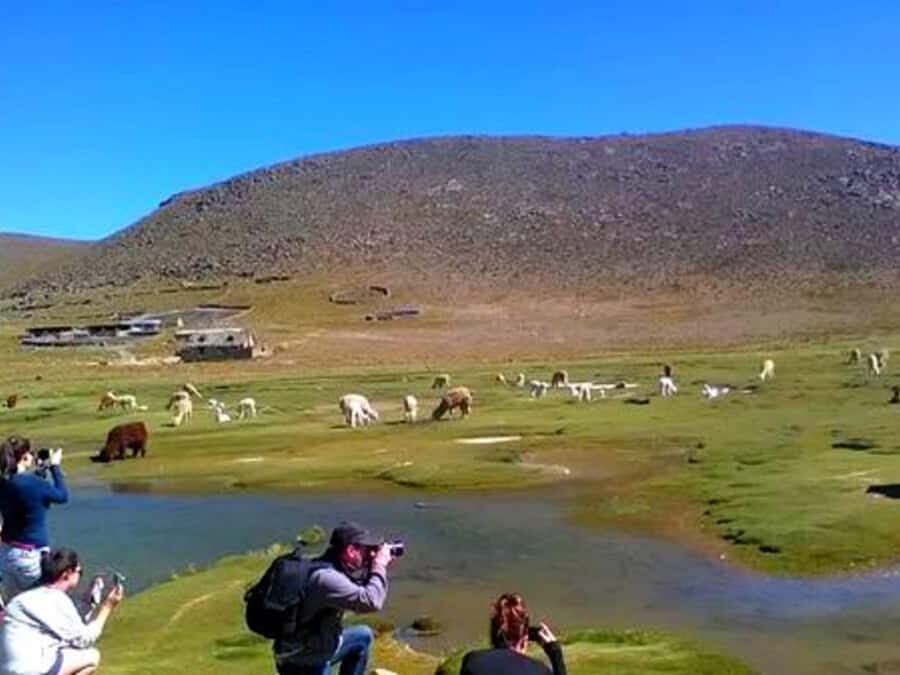
A good way to picture the experience is in three modes.
Mode 1: Morning logistics. You’re picked up and transferred by 4×4. The trip is designed to get you to the trailhead on time.
Mode 2: High-altitude work. Day 1 includes a gradual ascent to base camp at 5,200m. You’re walking, resting, eating warm food, and settling in.
Mode 3: Pre-dawn intensity. Day 2 is early, then you climb intensely to the summit (weather permitting). You pause to absorb views, then you descend with rest stops until the ride back to Arequipa.
If that rhythm sounds like your kind of adventure, you’ll probably feel satisfied after two days. You’ll have both the effort and the payoff.
Should You Book the Chachani 2 Days / 1 Night?
If you want a real mountain hike with a guided structure and a realistic summit attempt, I think this is worth considering. The value is strong when you already have hiking shoes and a plan for snacks and water. The small group size and bilingual guidance help keep the trip focused and manageable, especially on the hardest part of the climb.
I would book it if:
- you’re fit enough for an early pre-dawn summit push
- you can handle altitude and uphill hiking without shortcuts
- you want dramatic volcano views over a short, efficient timeframe
I would hesitate if:
- you need a gentle pace
- you’re not set up with proper trekking footwear and layers
- your health situation falls into the tour’s not-suitable categories
One final practical tip: show up for the briefing the day before at 6:00 p.m.. At altitude, small mistakes add up. Use the briefing to get your questions answered, confirm your gear plan, and you’ll start Day 1 feeling calmer.
FAQ
What time is pickup in Arequipa?
Pickup is at 7:30 a.m. from your hotel in Arequipa. You should wait in the hotel lobby about 10 minutes before the scheduled pickup time.
Where are the pickup and drop-off locations?
You can be picked up from any hotel in Arequipa, and there are also two pickup options: the Historical Centre of Arequipa near Plaza de Armas. Drop-off is back at the Plaza de Armas area in the Historical Centre.
How big is the group?
The group is limited to 10 participants.
What languages will the guide speak?
The guide speaks both English and Spanish.
Where do you sleep overnight?
Overnight is in tents at base camp.
What time do you start the second day climb?
Day 2 starts at 2:00 a.m.
What meals are included?
Lunch is included on Day 1, and breakfast is included on Day 2. You’ll also have tea at nightfall.
Is trekking equipment included?
No. Trekking equipment such as poles, shoes, and backpacks is not included.
Is the tour suitable for everyone?
No. It is not suitable for pregnant women, people with back problems, people with heart problems, wheelchair users, or people over 60 years.
When is the briefing?
There is a briefing one day before the trip at 6:00 p.m.