REVIEW · AREQUIPA
Excursion: Lagoon and National Reserve of Salinas and Aguada Blanca in Arequipa.
Book on GetYourGuide →Operated by Collahua Tours · Bookable on GetYourGuide
Salt flats with flamingos and camelids—yes, really. This one-day trip out of Arequipa brings you from a traditional Andean village to Laguna de Salinas and salt mines in the national reserve, then finishes with warm-up time at Logén’s thermal waters and a mini-volcano. I like how the day is built around living wildlife in the high Andes, including flamingo watching, not just distant photos. I also like that you actually hike and walk through the salt-flat scenery instead of only looking from a window. One thing to consider: the drive includes stretches of unpaved road, and some vehicles may feel hot and let in dust.
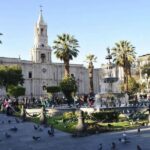
You start early, with pickup around 06:00–06:30 a.m. from the Plaza de Armas area (and central hotels). If you hate early alarms, this will be your test. The tour includes a guide who speaks English and Spanish, plus transport and constant support during the day.
Plan around practical costs and altitude reality. Entrance fees for the salt mines (6 soles) and Logén (10 soles) are not included, and breakfast and lunch are also not included, so you’ll want cash ready. Most importantly, the tour is not suitable if you have altitude sickness, since you’ll be operating in a high-elevation setting.
In This Review
- Key points I’d mark before you go
- Getting Out of Arequipa Early: the 6:00 a.m. start
- Chiguata Village and its terraces: a short culture stop that still matters
- The three-volcano viewpoint plus Pichupichu-area trees
- Laguna de Salinas and the salt flats: hike, guided walk, and real wildlife time
- Logén thermal waters and the mini-volcano: warm up after the salt air
- The lunch rhythm in Chiguata and how to plan your meals
- Price and value: what $27 really buys you
- Comfort and altitude reality check: dust, heat, and who should skip
- Who this day trip suits best
- Should you book this Lagoon, Salinas, and Logén tour?
- FAQ
- What time does the tour start in Arequipa?
- What time will we return to Arequipa?
- Is the cost of the salt mines and Logén included?
- Are meals included?
- Do I need cash during the trip?
- Is this tour suitable for people with altitude sickness?
Key points I’d mark before you go
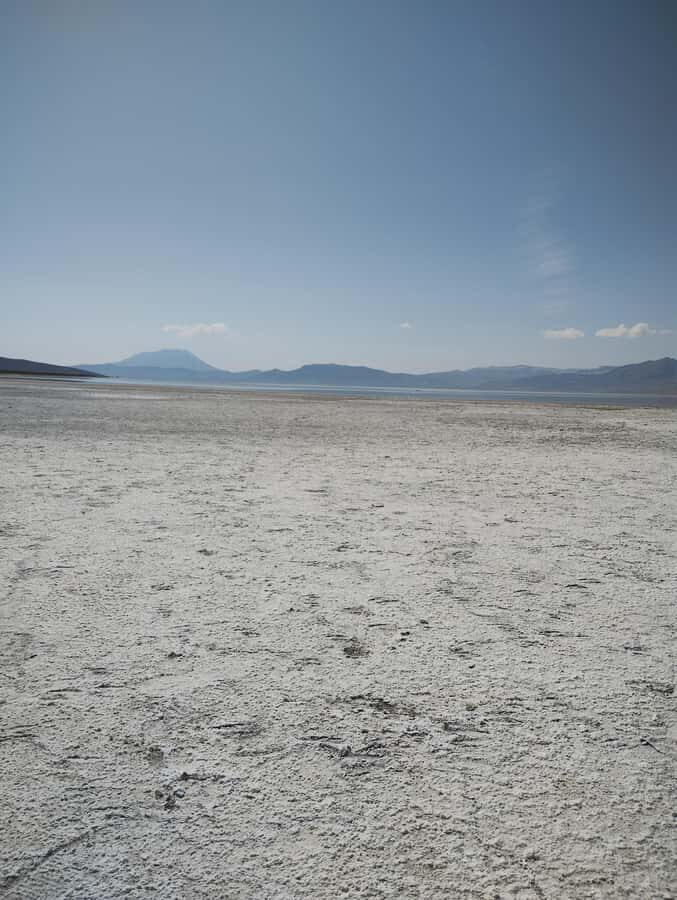
- Wildlife you can spot close up: llamas, alpacas, vicuñas, plus high-Andean birds like flamingos.
- Laguna de Salinas + salt flats time: you get guided viewing and a walk/hike portion, not just a stop.
- Salt mines in the national reserve: you’ll see how the salt environment shapes everything around you.
- Volcano viewpoint and Andean farming terraces: a short look at Chachani, Misti, and Pichupichu.
- Logén hot springs and the mini-volcano: a warm break after the cold-and-bright salt flats.
- Worth budgeting cash: entrance tickets and meals are extra.
Getting Out of Arequipa Early: the 6:00 a.m. start
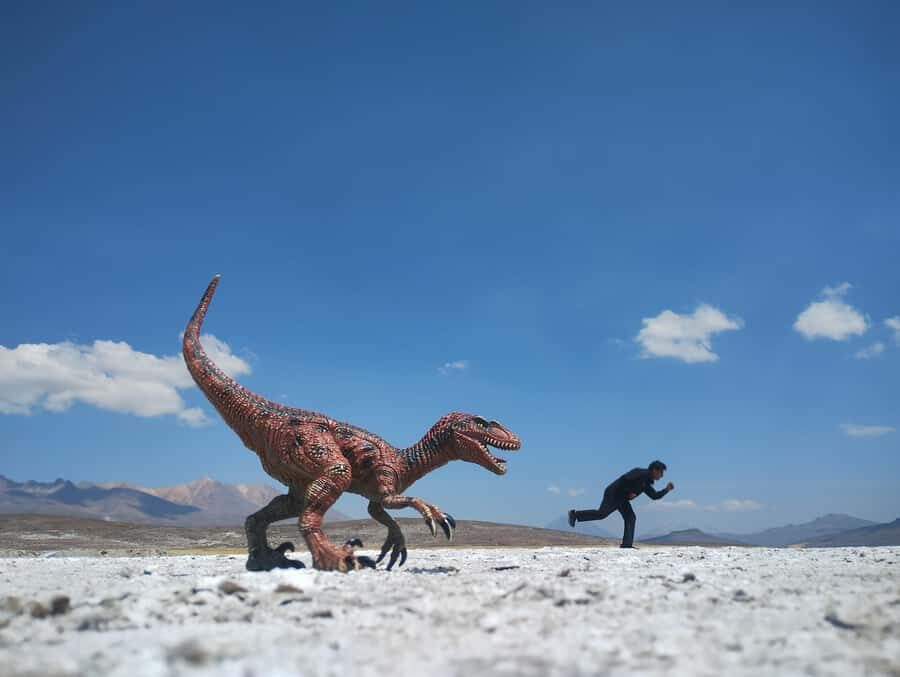
This is a true early-day outing. Pickup runs from about 06:00 to 06:30 a.m. at the Plaza de Armas area, with hotel pickup if you’re staying downtown. The reason I like this timing is simple: you reach the high-Andes stops while the day is still calm and the light is good for both wildlife spotting and wide views.
The tour runs most of the day, with the return to Arequipa around 05:00 p.m. (including a tourist stop on the way back). Between the pickup and the final drop-off, you’re mostly on a coach with short photo stops and guided windows where it matters.
What that means for you:
- You should dress for big temperature swings. Mornings in the Andes can feel crisp, and salt-flat air can be sharp.
- Bring patience for long seats. This tour is structured to pack multiple zones into one day, so the transit time isn’t optional.
You can also read our reviews of more tours and experiences in Arequipa.
Chiguata Village and its terraces: a short culture stop that still matters
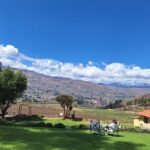
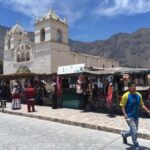
You’ll stop in the traditional village of Chiguata for a photo stop early in the morning, and you’ll return there later for lunch. Expect a quick, practical window: take photos, look at the terraced farming around the village area, and then get back on the bus.
Chiguata is the kind of stop that helps the day feel anchored in daily life, not only in nature viewing. The andenerias (terraces) show you how locals farm on steep ground and how water management matters in high altitude areas. Even if you only have minutes, it gives context for why the salt flats and volcano zones are part of a bigger human-and-environment system.
A drawback: because the time is short, you won’t get a deep cultural immersion here. If you’re hoping for long conversations or an in-depth village walk, this tour won’t satisfy that. But it does a good job giving you a taste before the focus shifts back to scenery and wildlife.
The three-volcano viewpoint plus Pichupichu-area trees
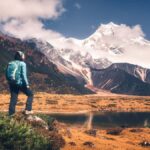
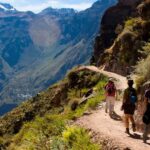
One of the nicer “stretch your legs and reset your brain” moments comes at a viewpoint stop. You’ll pause to see the three volcanoes of Arequipa: Chachani, Misti, and Pichupichu, along with terraces in the broader view. It’s a short stop, but it’s the kind of framing that makes the rest of the day click.
You also pass through areas where you can see queñuales and yaretales trees near Pichupichu. These are high-Andes plants, and seeing them helps you understand why the region has its own look and rhythm. The vegetation is part of the altitude story: it’s not just scenery, it’s adaptation.
Practical tip: bring sunglasses and a sun layer even if the morning feels cool. At high elevations, the sun can be intense, and the viewpoint time is basically outdoors the whole way.
Laguna de Salinas and the salt flats: hike, guided walk, and real wildlife time
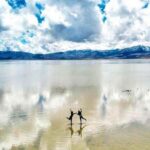
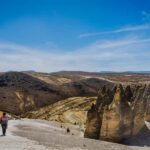
This is the heart of the day for many people. You’ll head to Laguna de Salinas, where there’s a guided tour plus time for sightseeing and walking through the area. The stop is about 1.5 hours, and it’s built for you to actually be present in the setting rather than only taking photos from a single spot.
This part of the experience is valuable because it combines three things that usually don’t happen together:
- Water and high-altitude wildlife (lagoon area)
- The stark salt-flat environment
- The salt-mining landscape in the reserve
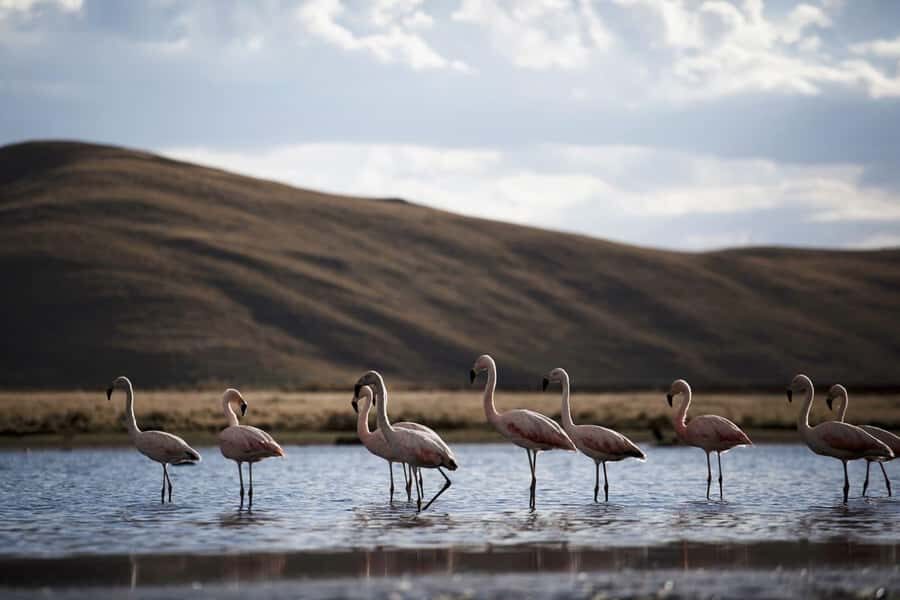
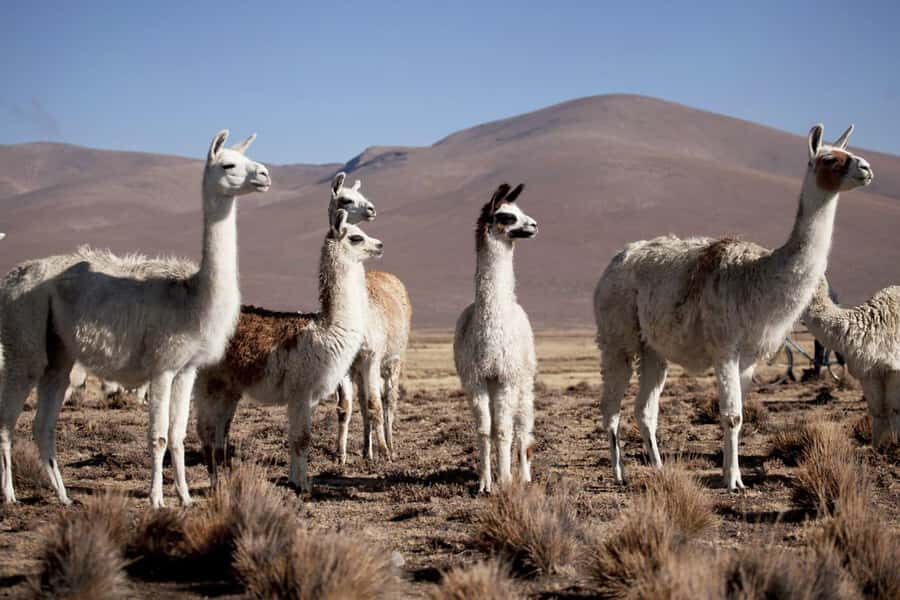
The highlight list calls out South American camelids in their natural habitat—llamas, alpacas, and vicuñas—and that’s exactly the kind of wildlife encounter that feels more meaningful when you’re near them while they’re simply living their day. You’re also looking out for high-Andean birds, including flamingos.
What to consider:
- You’ll be moving on salt-flat terrain. Wear shoes you trust, and expect surfaces that can feel uneven.
- The environment can get windy and bright. Keep an eye on your hat and anything that could blow away.
Also remember: the entrance ticket to the Salineras is not included (6 soles). If you arrive without cash, you can end up losing time at the moment you want to start enjoying the area.
Logén thermal waters and the mini-volcano: warm up after the salt air
After the salt flats, the tour shifts to a very different vibe: heat. At Logén, you get a photo stop and then a guided visit of about 45 minutes. Entrance to Logén costs 10 soles, and this is where you’ll see the eye of the thermal water in the area called Logén, along with a mini-volcano. You’ll also use the hot springs.
I like this contrast because it solves the main problem with all-day Andean cold: by the time you reach the thermal stop, you’re ready for a reset. The mineral warmth also makes the day feel less like pure sightseeing and more like a body-friendly experience.
A couple things to keep in mind:
- You’ll be switching from salt-flat conditions to a thermal environment. Keep an eye on your personal belongings so they don’t get damp or dusty.
- If you’re sensitive to heat, treat the hot springs like a slow warm-up, not a competition. Take breaks when you need them.
The lunch rhythm in Chiguata and how to plan your meals
Lunch is scheduled during the day as a stop in Chiguata, with about 50 minutes allocated. Breakfast and lunch are not included in the tour price, so you’ll need cash for meals.
This timing is practical, because it prevents you from getting trapped eating super late or super early. Still, it means you should plan for energy before the tour starts. If you’re the type who skips breakfast, this is the day to reconsider.
Also, remember you’re dealing with high elevation. Big, heavy meals can sometimes feel less comfortable than simple food. If you can, choose something easy to digest and drink water when you can.
Price and value: what $27 really buys you
The listed price is $27 per person, and what you’re paying for is the structure: transport out of Arequipa, a live English/Spanish guide, pick-up at centrally located hotels, and permanent assistance during the day.
What’s not included is the cost of two key entry experiences and your meals:
- Salineras entrance ticket (6 soles)
- Logén entrance ticket (10 soles)
- Breakfast and lunch
So the value equation for you is whether you want a guided, single-day “see a lot without stress” package. For many people, that’s exactly the point. You get wildlife time, salt-flat walking, a thermal-water stop, and volcano viewpoints in one day.
If you’re comfortable arranging transport on your own, you might be able to lower the price. But the tradeoff is time and hassle. This tour earns its money by doing the driving and timing for you, plus keeping the day moving with guide-led stops.
Comfort and altitude reality check: dust, heat, and who should skip
One comfort issue you should take seriously is the road conditions. Some departures involve unpaved stretches, and vehicles may not have air-conditioning. When that’s the case, you might feel heat in the morning and end up opening windows—then dust becomes part of the experience. The tour can still be great, but you should expect the possibility of dust and plan accordingly.
My practical advice:
- Wear long sleeves you can live with in sun and wind.
- Bring something to protect your face from dust (even a simple light layer helps).
- Keep your phone and camera secure when you’re near dusty airflow.
Altitude matters even more. The tour is not suitable for people with altitude sickness. If you know altitude hits you hard, don’t gamble with a long day in high terrain. Pick an easier plan or ask a medical professional first.
Who this day trip suits best
This is a strong match if you want:
- Wildlife-focused sightseeing with real chances to see llamas, alpacas, vicuñas, and flamingos.
- A one-day itinerary that includes both cold, dramatic salt environments and hot springs.
- A guided experience with enough structure to avoid decision fatigue.
It’s not as good if you want:
- A slow, deep cultural experience in Chiguata (time is limited).
- A fully comfortable ride the whole way, especially if you’re sensitive to heat and dust.
- An itinerary that works for altitude sickness (it doesn’t).
Should you book this Lagoon, Salinas, and Logén tour?
If you’re excited by salt flats, lagoon wildlife, and the contrast of hot springs after cold high-Andes walking, I’d book it. The day is efficient, the guide-led pacing makes the stops easier to enjoy, and the nature mix is exactly what makes this route memorable: camelids, flamingos, salt mining surroundings, then thermal water with a mini-volcano.
Skip it if altitude sickness is a concern, or if you know dust and rough road conditions will ruin your mood. In that case, choose a different format or a more comfortable base-day plan.
If you do go: pack cash for the entrances and meals, dress for big temperature swings, and bring a small dust plan. With that, this one-day circuit turns into a very worthwhile Arequipa-region taste of the Andes.
FAQ
What time does the tour start in Arequipa?
Pickup is scheduled around 06:00–06:30 a.m. at the Plaza de Armas area, with hotel pickup if you’re staying downtown.
What time will we return to Arequipa?
You’ll return around 05:00 p.m. with a tourist stop on the way back.
Is the cost of the salt mines and Logén included?
No. The Salineras entrance ticket costs 6 soles, and Logén entrance costs 10 soles.
Are meals included?
No. Breakfast and lunch are not included in the tour price.
Do I need cash during the trip?
Yes. The tour specifies bringing cash.
Is this tour suitable for people with altitude sickness?
No. It is listed as not suitable for people with altitude sickness.