REVIEW · CUSCO
Cusco: 3-Hour Peruvian Cooking Class
Book on GetYourGuide →Operated by ChocoMuseo · Bookable on GetYourGuide
Cusco smells like dinner and citrus. In 3 hours at ChocoMuseo, you tour the Peruvian Central Market and come back to cook with an expert, finishing with a hands-on pisco sour lesson.
I also like that the class is designed for real learning, not just watching someone else work. You’ll shop, cook, and then sit down with what you made.
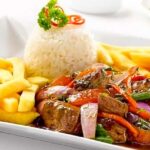
I love the menu structure because it’s classic and practical: you’ll start with ceviche, then move into a Peruvian main course that you can influence. If you have strong preferences, pick between Lomo Saltado and Ají de Gallina (and yes, the first booking decides if you don’t coordinate).
The small-group size (limited to 10) also matters. You get more attention while you’re chopping, cooking, and plating.
One consideration: timing can be tricky in any short class, and one past participant noted that some rice/potato elements were served cooler than expected. If hot food at the moment matters to you, go in with the mindset that the kitchen rush is real.
In This Review
- Key Points You’ll Care About
- Market First: Why This Class Starts in the Right Place
- ChocoMuseo Meeting Point and the Small-Group Advantage
- The 3-Hour Flow: Market, Kitchen, and Dinner Without the Guesswork
- What You’ll Cook: Ceviche, Your Main, and Chocolate Fondue
- Starter: Ceviche
- Main Course: Lomo Saltado or Ají de Gallina
- Dessert: Chocolate Fondue with Local Seasonal Fruits
- Choosing Between Lomo Saltado and Ají de Gallina (How to Get Your Pick)
- The Pisco Sour Lesson: A Drink You Can Actually Replicate
- Vegetarian Requests and Swaps: How Flexible Is This Class
- Price and Value: Is $49 Worth 3 Hours in Cusco?
- Who This Cooking Class Suits Best
- Practical Tips Before You Go
- Should You Book This Cusco Cooking Class?
- FAQ
- How long is the Cusco Peruvian Cooking Class?
- Where does the class meet in Cusco?
- How big is the group?
- What menu items will I cook and eat?
- Can I choose between Lomo Saltado and Ají de Gallina?
- Is the Pisco Sour included, and can it be replaced?
- Are vegetarian options available?
- What is included in the $49 price, and is wine included?
- Is there free cancellation?
Key Points You’ll Care About
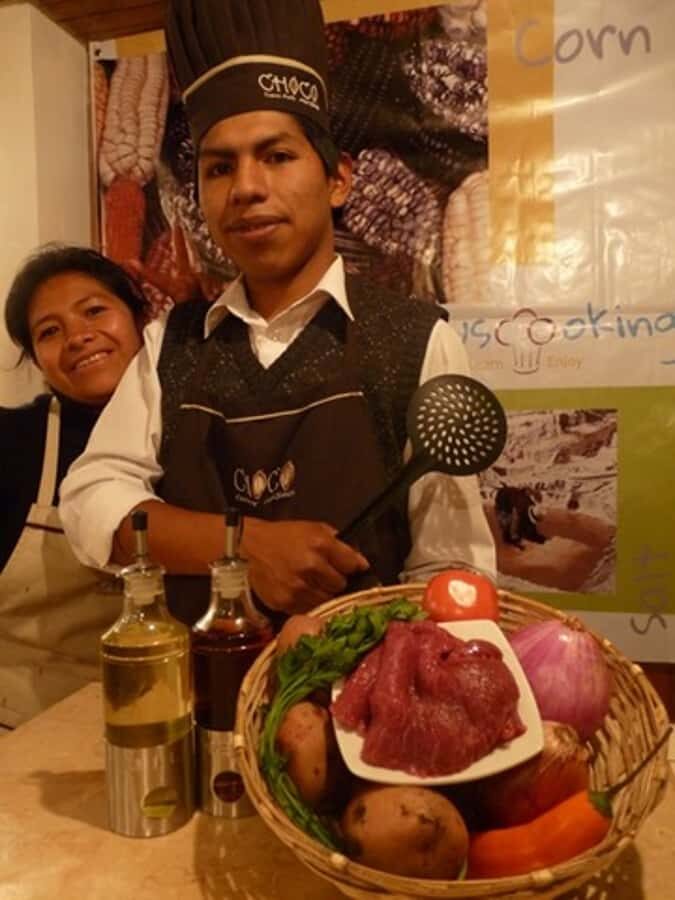
- Peruvian Central Market shopping to understand ingredients before you touch a stove
- A hands-on cooking flow with a starter, a main choice, a drink lesson, and a fruit dessert
- Expert instruction in English or Spanish, with step-by-step guidance
- Small group limits (10 people) so you’re not stuck on the sidelines
- Real request options: vegetarian substitutions and possible fruit-juice swap for the pisco sour
Market First: Why This Class Starts in the Right Place
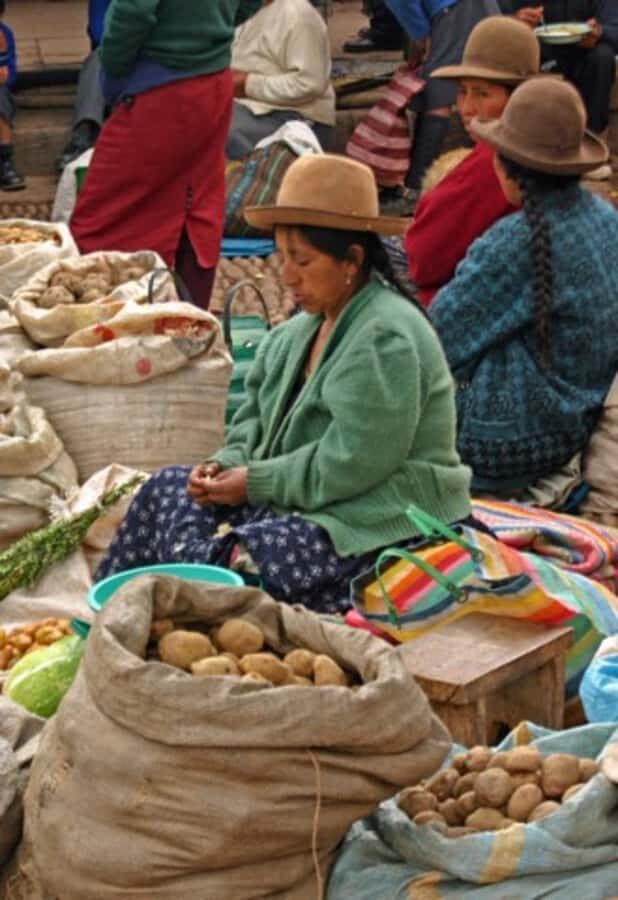
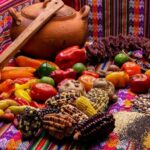
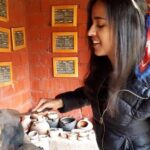
This experience is built around one smart idea: you understand the food faster when you see the ingredients in front of you. You’ll visit a local market to explore Peru’s range of produce, then use those ingredients back in the kitchen. That order makes a difference. It’s the same meal, but you’ll remember it in a more useful way because you learned what it’s made from, not just what it tastes like.
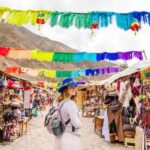
Cusco is already full of food cues, from signage to snack stands. This class gives you the framework. You’ll walk past the ingredients that shape Peruvian cooking and get an explanation of how those items show up in dishes you know. The payoff is that when you later taste your ceviche and your main course, you can connect flavors to ingredients instead of guessing.
And because it’s a guided market tour, you’re not wandering and hoping you picked the right stalls. You’re getting direction. One past participant specifically liked how the instructor explained vegetables and potatoes, which are key players in Cusco-region cooking and in the broader Peruvian palate. If you tend to travel by curiosity rather than by checklist, this market start will feel like a win.
You can also read our reviews of more cooking classes in Cusco
ChocoMuseo Meeting Point and the Small-Group Advantage
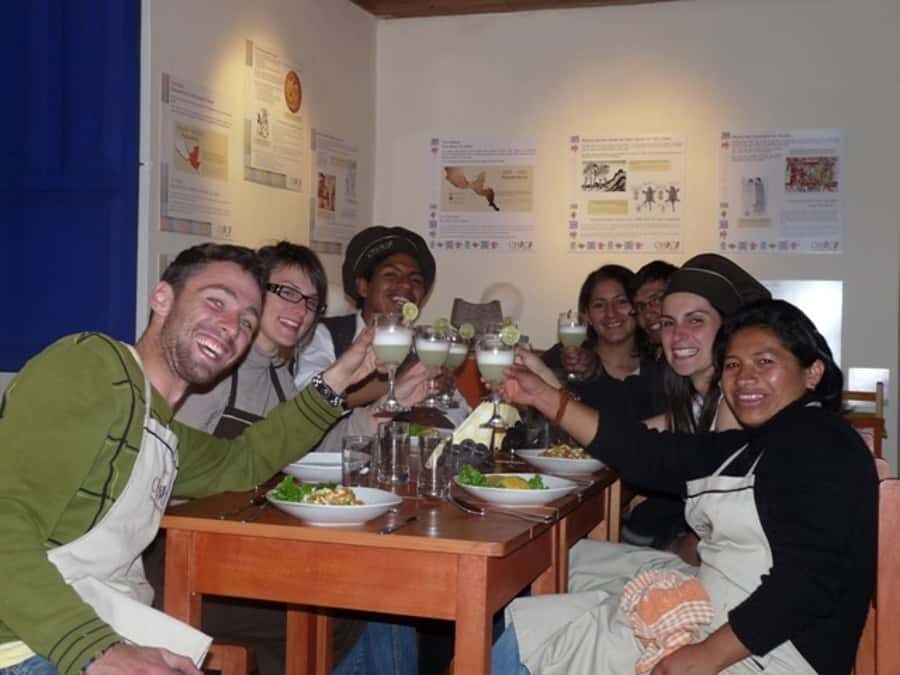
The class happens inside ChocoMuseo, on the corner of Plaza Regocijo. Look for the green and orange flags hanging from the balconies. It’s a small but clear landmark. When you’re in an older city center, a visible flag matters.
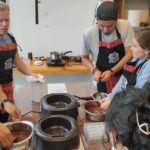
Once you’re in, the small-group format keeps things practical. Limited to 10 participants, the instructor can actually see what you’re doing while you cook. That means you’re more likely to get feedback on technique (like knife work) and on timing (like when to add ingredients). In one account, people mentioned handy knife skills, which fits the lesson style: you’re not just watching; you’re helping.
The instructor can work in Spanish or English, so you’re not stuck if your Spanish is rusty. Still, if you’re comfortable with a few key food words, you’ll get more out of the explanations while you shop and cook.
Also, remember the class is only 3 hours. That’s short enough to fit into a busy Cusco schedule, but long enough to do real cooking and eating. In other words, you won’t leave with a cookbook and a vague memory. You’ll leave with a full meal and a process you can repeat.
The 3-Hour Flow: Market, Kitchen, and Dinner Without the Guesswork
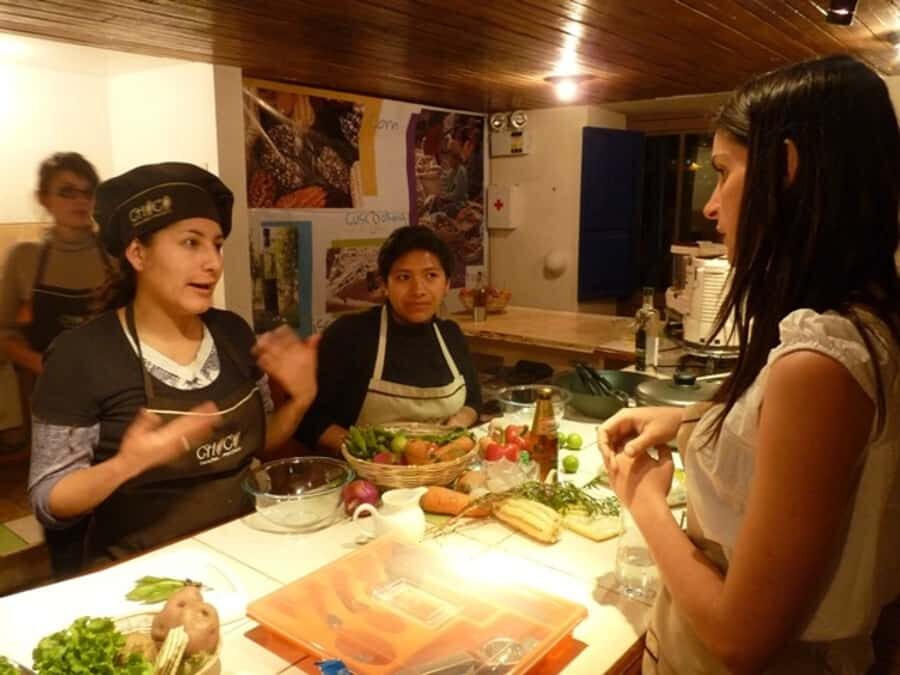
Here’s what the time is really for: you’re compressing the whole cultural experience of Peruvian cooking into a single evening. You’ll start with the market, come back to the kitchen, cook multiple items, learn the pisco sour method, and then eat in a relaxed setting.
A typical flow looks like this:
1) Guided market stop
You explore produce and ingredients used in Peruvian dishes. The point isn’t to memorize everything. It’s to see what’s common and understand what those ingredients bring to flavor.
2) Back in the kitchen: hands-on cooking
You’ll prepare your menu items with guided tuition. You’ll work through your starter, then your main course selection, and you’ll also learn the drink.
3) Plating and tasting
At the end, you sit down and taste what you made. The included dinner includes a Pisco sour, plus courses that align with the menu you cooked.
This structure is efficient and friendly. You get a whole “from ingredient to plate” story in a single sitting, without feeling like you need to know advanced cooking terms. You just follow the steps, ask questions, and taste as you go.
One small note on the meal: the description includes a 4-course cooking highlight, but the included dinner lists a 3-course meal with a Pisco sour. Practically, what matters is that you’ll cook and then eat your starter and main, plus a dessert course described as chocolate fondue with local season fruits. The drink is part of the end experience either way.
What You’ll Cook: Ceviche, Your Main, and Chocolate Fondue
The menu is the heart of why this class is worth your time. You’ll cook a set of dishes that represent Peru without getting so complicated that you can’t repeat it later.
Starter: Ceviche
You’ll begin with ceviche, a dish that’s famous for its bright, acidic bite balanced by seafood and seasoning. In a cooking class, ceviche is a good first step because it teaches you to respect freshness and timing. You’ll likely learn how flavors come together quickly, which helps you understand why Peru’s seafood dishes taste so clean and sharp.
A few more Cusco tours and experiences worth a look


Main Course: Lomo Saltado or Ají de Gallina
Then you’ll cook one main course, chosen by preference (when possible) or by what the first booking locks in. Your options are:
- Lomo Saltado: sauteed beef, often associated with hearty, savory comfort
- Ají de Gallina: chicken in a yellow pepper sauce, known for its creamy, spiced character
If you love bold, savory stir-fry energy, Lomo Saltado is the pull. If you want something smoother and pepper-forward, Ají de Gallina is your move. Either way, this main choice is one of the most useful things you can learn, because Peru has a lot of pepper depth and sauce texture. You’ll taste that difference.
Dessert: Chocolate Fondue with Local Seasonal Fruits
You end with chocolate fondue and local seasonal fruits. It’s a fun finish, and it also shows something important about Peruvian flavors: fruit isn’t just an afterthought here. It’s part of the taste system. The class gives you the sweet ending plus the idea of pairing chocolate with fruit, not just serving chocolate by itself.
Choosing Between Lomo Saltado and Ají de Gallina (How to Get Your Pick)
You’re encouraged to inform the organizers of your favorite main option ahead of time: Lomo Saltado or Ají de Gallina. But there’s an important rule: the first booking gets the final say if schedules fill.
So here’s the practical move. If your preference is strong, do two things:
- Book early enough to improve your odds of getting your preferred main.
- Send your preference in advance, even if you think it’s obvious.
That sounds obvious, but in short classes, these menu choices can be fixed once the kitchen plans quantities. You’ll enjoy the class more if you’re excited about the main you cook, not just willing to eat whatever’s available.
If you’re flexible and happy to learn both in theory, you’ll still have a great time. The cooking process will still teach you core techniques and how sauces and seasoning work.
The Pisco Sour Lesson: A Drink You Can Actually Replicate
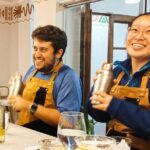
You’ll learn how to prepare the famous pisco sour during the class. That’s a big part of the experience because it ties Peru’s identity to something you can make at home later, even if you don’t have all the same ingredients instantly.
The lesson isn’t described as a simple taste session. It’s instruction, which is what makes it practical. You’re not just sipping. You’re learning the steps behind the drink.
There’s also flexibility. Upon request, the Pisco Sour might be swapped with a fresh fruit juice. If alcohol doesn’t fit your plans, this option gives you a way to participate fully in the lesson without forcing the drinking part.
As a practical tip: if you want the fruit-juice swap, request it ahead of time. In a class where the menu and shopping list are planned, changes are easiest before ingredients are bought and prepped.
Vegetarian Requests and Swaps: How Flexible Is This Class
If you eat vegetarian, the class does offer a potential adjustment. The meat can be replaced with vegetarian options upon request. That’s a meaningful detail because Peruvian cooking often relies on meat, especially in mains like the ones listed here.
Still, keep your expectations realistic. The information says vegetarian options are available on request, not automatically. So if you’re vegetarian (or avoiding specific ingredients), message ahead. This keeps the kitchen from scrambling at the last minute.
Also, if you’re requesting both a vegetarian swap and a pisco sour swap to juice, do it early. When multiple changes are involved, earlier notice tends to make things smoother in any cooking setup.
Price and Value: Is $49 Worth 3 Hours in Cusco?
At $49 per person for a 3-hour experience, this class competes well because so many costs are folded into the price. You’re paying for:
- Guided market time
- Ingredient prep for the menu items
- Instructed cooking class
- Dinner with your courses and a Pisco sour
- Water and cooking supplies
That’s not a small package. A basic cooking class might cover instruction only. Here, you also get the market portion and a meal at the end, which means you’re not spending extra money just to eat after the cooking session.
The small-group limit (10 people) also affects value. You’re more likely to get feedback and hands-on time, which is what you actually want if you’re paying to learn.
Wine isn’t included. Wine is available for purchase, but it’s optional. You can keep costs stable by skipping it, or add it if that’s your travel rhythm.
One more value note: because it’s only 3 hours, this is easier to fit into a day than longer food tours. If you want one solid food-focused block instead of multiple fragmented meals and tastings, this class gives you a clean structure.
Who This Cooking Class Suits Best
This is a strong pick if you want more than eating. You want context, techniques, and the kind of learning that helps you cook later.
You’ll like it most if:
- You enjoy food travel that starts with ingredients, not just restaurants
- You want a small-group class where the instructor can guide you
- You’re interested in Peruvian classics like ceviche, Lomo Saltado, Ají de Gallina, and pisco sour
- You want a fun evening in Cusco that ends with a meal you made yourself
It’s less ideal if:
- You hate being rushed in kitchens (3 hours is brisk)
- You’re extremely sensitive to food temperature at serving time
- You’re looking for a quiet, sit-and-watch experience (this is hands-on by design)
If you fall somewhere in the middle, you’ll still probably enjoy it. The overall format is friendly and relaxed, and the pacing is built for learning without overwhelm.
Practical Tips Before You Go
A few small things will help you get the most out of your evening.
- Think about your main course choice: Lomo Saltado vs Ají de Gallina. If you have a preference, plan it and send it early.
- If you need swaps (vegetarian or fruit-juice instead of pisco sour), request them ahead of time. Short classes depend on prep.
- Bring an open attitude about learning technique, especially knife work. One instructor-led class was specifically praised for step-by-step guidance, and that usually means you’ll do real prep tasks.
- Wear comfortable shoes. Market time and kitchen time can mean lots of standing and quick movement.
Should You Book This Cusco Cooking Class?
I think you should book this if you want a high-value food experience with real instruction, not just a meal out. The market-to-kitchen flow makes the learning stick, and the menu covers big Peruvian touchstones: ceviche, a main you can choose between Lomo Saltado and Ají de Gallina, pisco sour, and a fruit-and-chocolate finish.
Skip it if you’re only chasing nightlife-style entertainment or you’re looking for a long, leisurely meal. This is a compact cooking lesson, and the kitchen moves fast.
FAQ
How long is the Cusco Peruvian Cooking Class?
It lasts 3 hours.
Where does the class meet in Cusco?
It takes place inside ChocoMuseo, on the corner of Plaza Regocijo. Look for the green and orange flags hanging from the balconies.
How big is the group?
It’s a small group limited to 10 participants.
What menu items will I cook and eat?
You’ll cook ceviche as a starter, prepare either Lomo Saltado or Ají de Gallina for the main (your preferred option is requested), learn how to prepare a Pisco Sour, and finish with chocolate fondue with local seasonal fruits.
Can I choose between Lomo Saltado and Ají de Gallina?
You should inform the team of your favorite option (Lomo Saltado or Ají de Gallina), but the first booking will rule.
Is the Pisco Sour included, and can it be replaced?
Yes, a Pisco Sour is part of the experience. Upon request, it might be swapped with a fresh fruit juice.
Are vegetarian options available?
Meat can be replaced by vegetarian options on request.
What is included in the $49 price, and is wine included?
The price includes the guided market tour, ingredients, instructed cooking class, dinner with a 3-course meal and a Pisco Sour, water, and cooking supplies. Wine is available for purchase, but it is not included.
Is there free cancellation?
Yes. You can cancel up to 24 hours in advance for a full refund.