REVIEW · AREQUIPA
From Arequipa: Colca Canyon Full-Day Guided Tour with Meals
Book on GetYourGuide →Operated by BABY LAMA · Bookable on GetYourGuide
Condors put on a show at dawn. This one-day Colca Canyon trip is built around that moment, plus a smart mix of high-altitude viewpoints, hot springs, and Andean wildlife time. You’ll leave Arequipa very early, then spend the day looking for Andean condors at the classic viewpoint.
I also like the way the day is fed and paced: you get a simple breakfast before the canyon and a sit-down buffet lunch featuring traditional Andean dishes. One drawback to know up front: it’s a long day with big altitude jumps, so if high elevations hit you badly, this isn’t the outing for you.
In This Review
- Key Highlights You’ll Feel Immediately
- Morning Start: Why 2:50 a.m. Is Part of the Deal
- Breakfast in Chivay: Fuel Before the Altitude Hits
- Antawilke Terraces and the Road Stops That Actually Matter
- Chivay Area Hot Springs: A Reset, Not the Main Event
- Salinas and Aguada Blanca Reserve: Alpacas, Vicuñas, and Real Breathing Room
- Cruz del Cóndor: How You Actually Spot Andean Condors
- Lunch at the Local Buffet: Traditional Andean Food, Simple and Filling
- Patapampa Viewpoint: Andes Views Beyond the Canyon Edge
- The Drive Time: What to Do With the Long Ride
- What to Bring (So You Don’t Spend the Day Miserable)
- Altitude Reality Check: Who Should Skip This Tour
- Value for $42: What You Really Get in One Day
- Who This Tour Fits Best
- Should You Book This Colca Canyon Full-Day Guided Tour?
- FAQ
- What time do I need to be ready for pickup?
- How long is the tour, and how much time is there for the condors?
- Is breakfast and lunch included in the price?
- Are entrance fees included?
- What altitude should I expect?
- Is this tour suitable if I get altitude sickness?
Key Highlights You’ll Feel Immediately
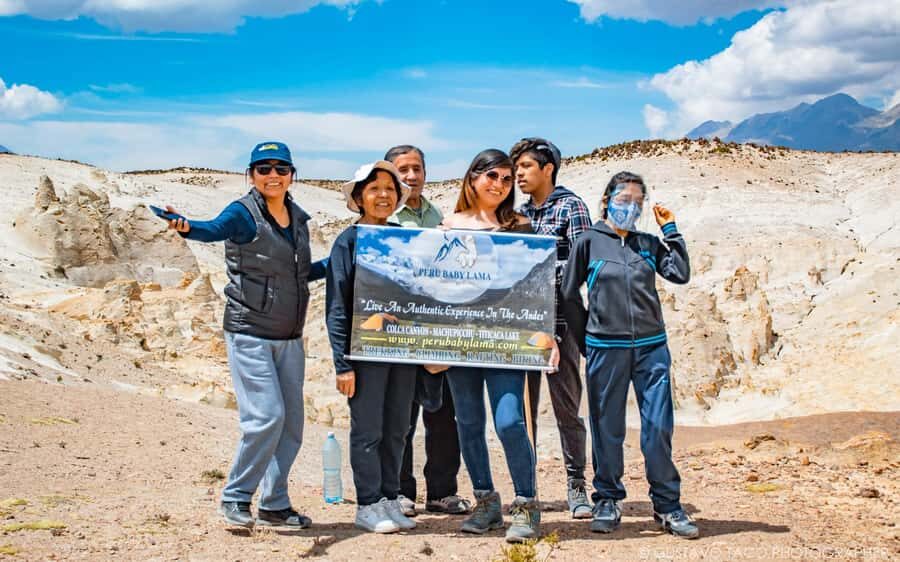
- Early start from Arequipa to maximize your odds for condors at the canyon viewpoints
- Cruz del Cóndor gets about an hour, with time to walk and scan for circling birds
- Alpacas and vicuñas at Salinas and Aguada Blanca National Reserve, plus possible wildlife sightings
- Antawilke terraces and other photo stops that break up the drive with real scenery
- Hot springs swim option at Chacapi, a welcome reset after hours on the road
- Patapampa viewpoint for wide Andes views beyond the canyon edge
Morning Start: Why 2:50 a.m. Is Part of the Deal
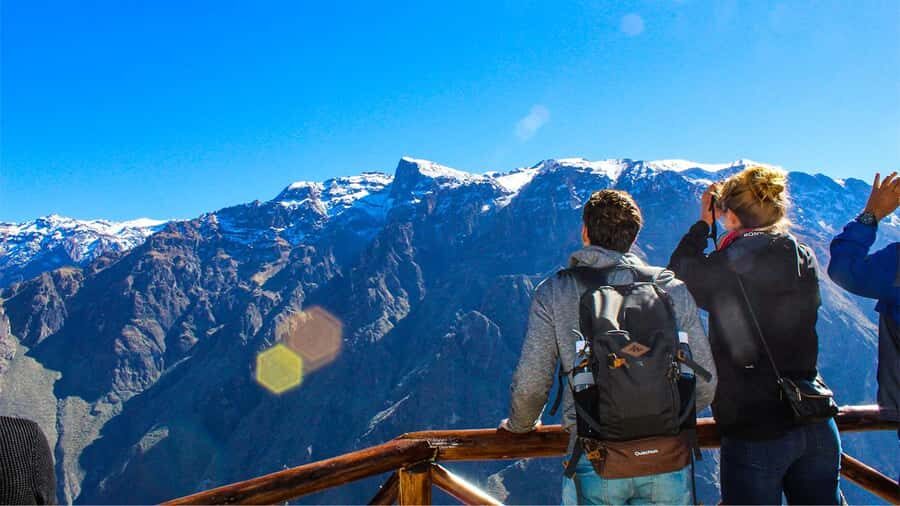
This tour really runs on one rule: you go early or you go home sad about condors. If your hotel is on the pick-up list, you’ll be collected right from there. Otherwise, the meeting point is the Plaza de Armas area, and it’s an extremely early start (around 2:50 a.m.), with coordination by WhatsApp.
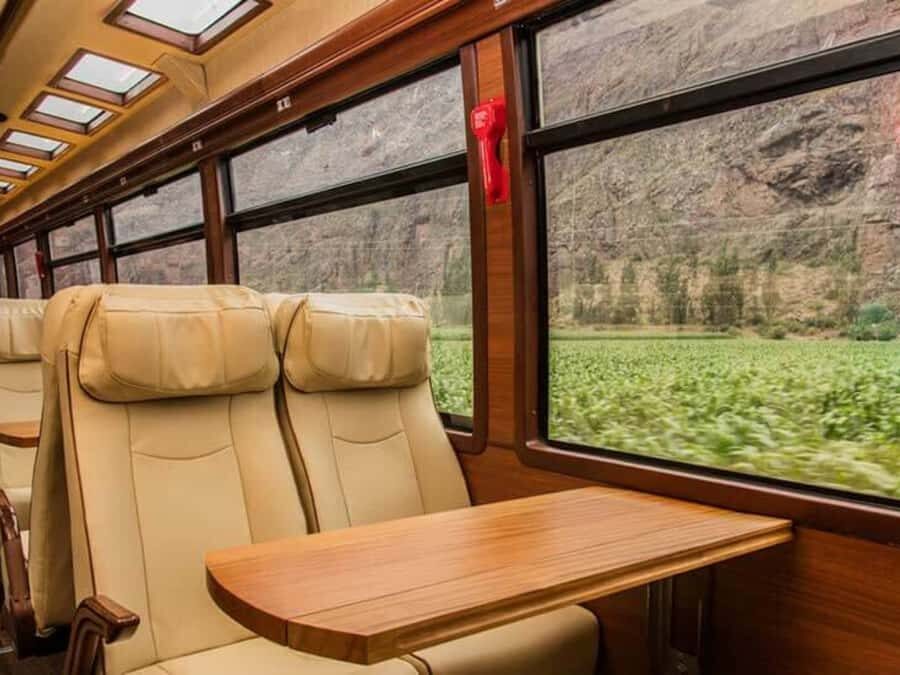
Expect the first part to feel like travel more than sightseeing. You’ll board an air-conditioned vehicle and begin the climb toward the Colca region. Then, somewhere along the way, you’ll get short scenic pauses—enough to stretch your legs, snap photos, and refuel your brain for the canyon day.
The upside? By the time you reach the main viewpoints, you’re not battling crowds or missing the calm morning air that helps spotting wildlife.
You can also read our reviews of more guided tours in Arequipa
Breakfast in Chivay: Fuel Before the Altitude Hits
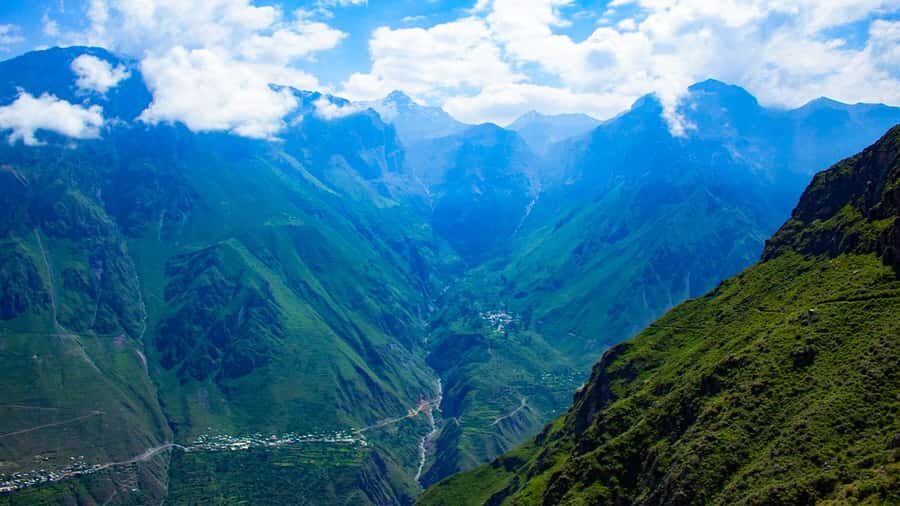
You’ll stop in Chivay for breakfast, and it’s not a fancy hotel buffet. Think bread, scrambled eggs, jam, butter, tea/coffee/juice, plus fruit. The point isn’t gourmet. It’s practical: eat, drink something warm, and be ready for cold air at higher elevations later.
This is also the moment to decide how you’ll handle altitude. Even if you feel fine in Arequipa, the canyon area climbs to roughly 16,000 feet (about 4,900 meters) at a key viewpoint. That can feel like someone turned the dial up on breathing, energy, and patience.
If you’re sensitive to height, slow down, sip water, and don’t treat this as a day for rushing.
Antawilke Terraces and the Road Stops That Actually Matter
Once you’re underway, the day includes a chain of short stops designed to give you context, not just quick photo ops.
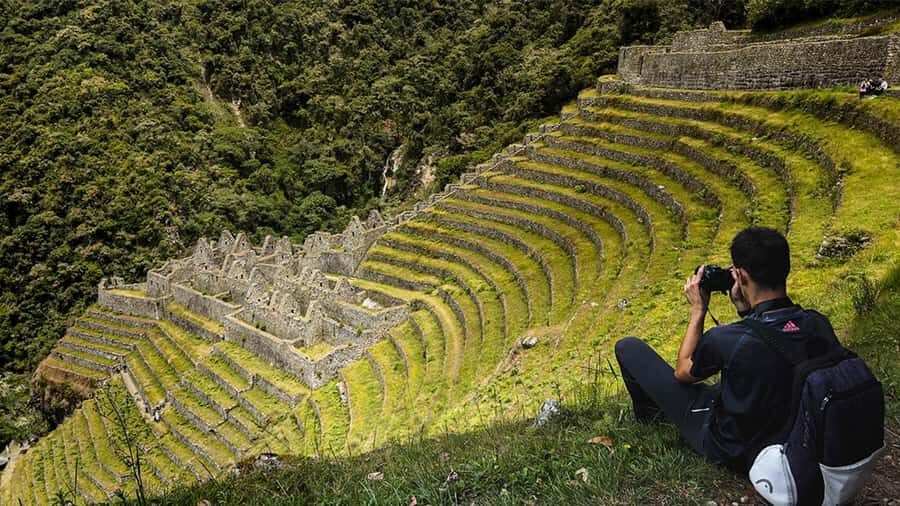
One key stop is Antawilke, where you’ll see pre-Inca terraces. These are the kind of places where you start understanding why people settled here in the first place—terracing was about surviving and farming in tough conditions. Even if you only get a brief look, it gives the canyon trip depth instead of making it feel like only a drive to a viewpoint.
You’ll also have other photo stops along the way. The goal is simple: break up the long ride so the day doesn’t turn into one long bus nap contest. (Though, yes, you’ll probably still nap on the ride back. You’re not doing anything wrong if you do.)
Chivay Area Hot Springs: A Reset, Not the Main Event
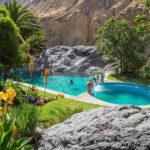
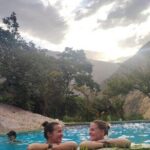
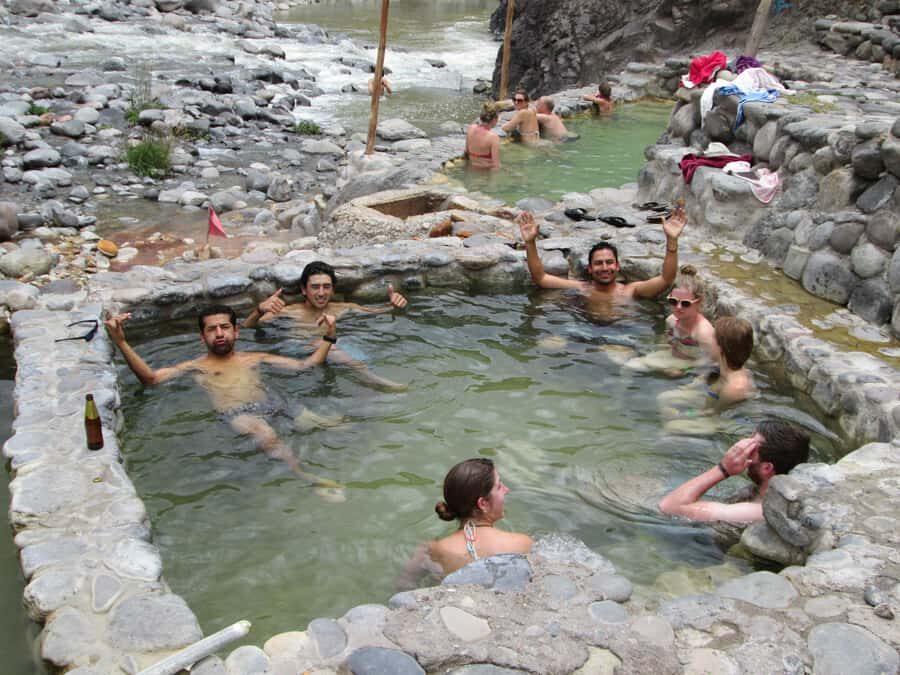
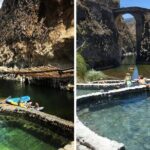
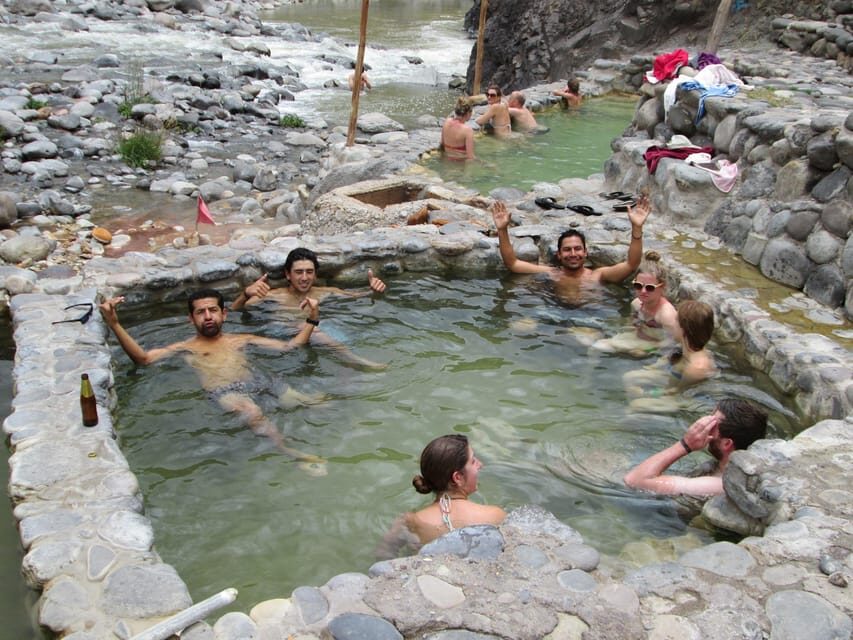
The hot springs stop is at Chacapi, with about an hour to swim. This is your “reset button” day part—warm water after cold air, and a little time where your body stops thinking about trekking and starts thinking about relaxing.
A few notes for reality:
- Bring a towel and plan for damp gear afterward.
- If you want a proper soak, you’ll want time and slow movement, not rushing through it.
- There are hot springs entrance fees that aren’t included (15 soles per person, and it’s optional), so budget for that if you plan to swim.
Also, the tour description includes Yanque hot springs as part of the broader day context. Either way, you’re getting the same idea: the Colca area isn’t only about altitude and cliffs. It’s also about geothermal warmth and local use of the land.
Salinas and Aguada Blanca Reserve: Alpacas, Vicuñas, and Real Breathing Room
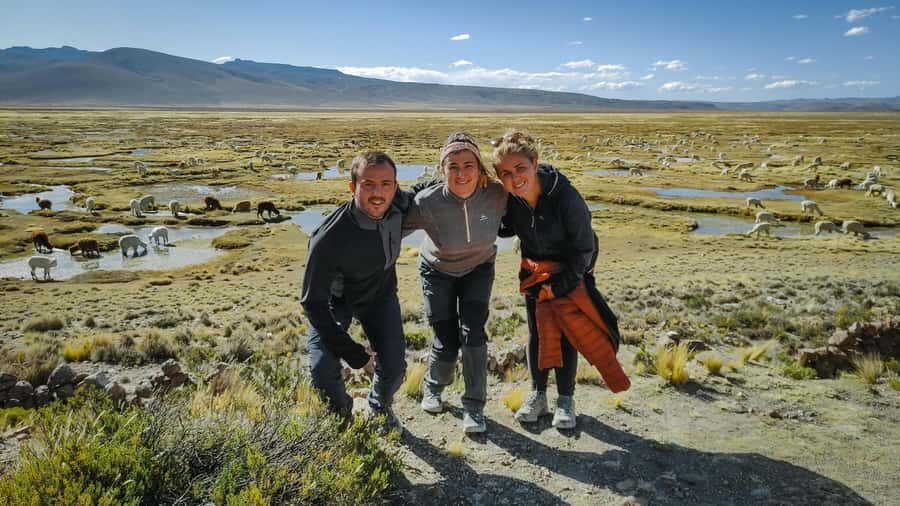
After the main canyon portion, you’ll head to Salinas and Aguada Blanca National Reserve. This is where the day shifts from canyon drama to high Andean grazing life.
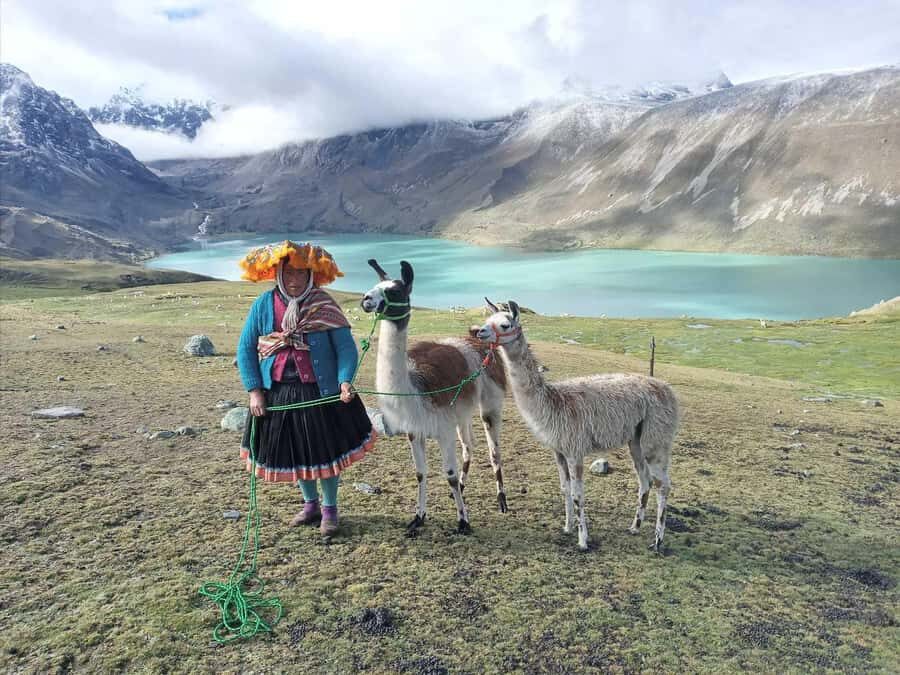
You’re looking for alpacas and vicuñas in their natural habitat. If you’re a wildlife person, this is a satisfying stop because it’s not staged. You’re watching animals move and graze in a landscape shaped by altitude and weather.
You may also spot other wildlife depending on conditions. The route notes include a chance to see Andean foxes and other animals. In practice, you’ll also likely see llamas and alpacas hanging out near viewpoints and areas where people stop.
One practical consideration: you get only short photo time here. So don’t expect a full safari-style wander. Bring your camera, keep your eyes open, and enjoy the fact that this is a wildlife-focused stop even though it’s still one-day tour timing.
A few more Arequipa tours and experiences worth a look

Cruz del Cóndor: How You Actually Spot Andean Condors
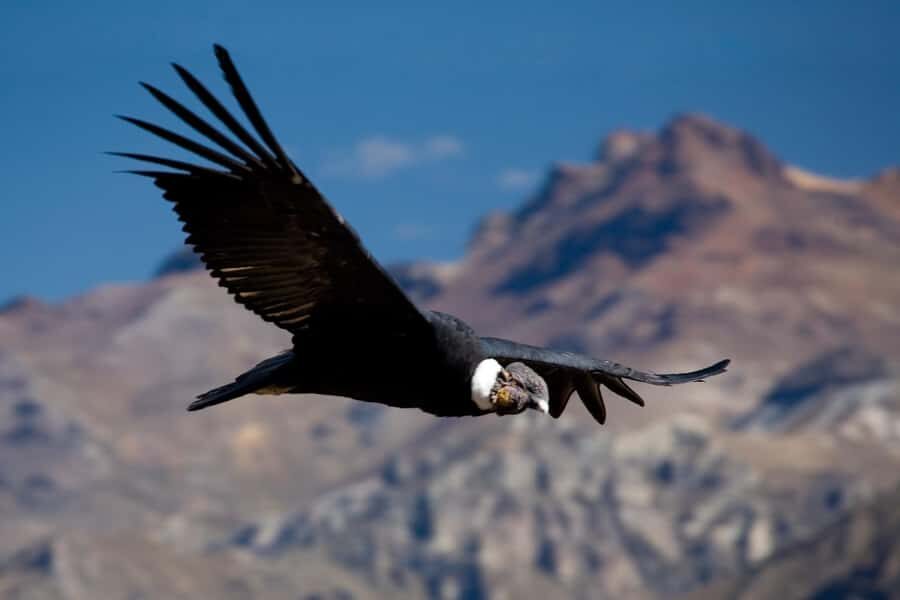
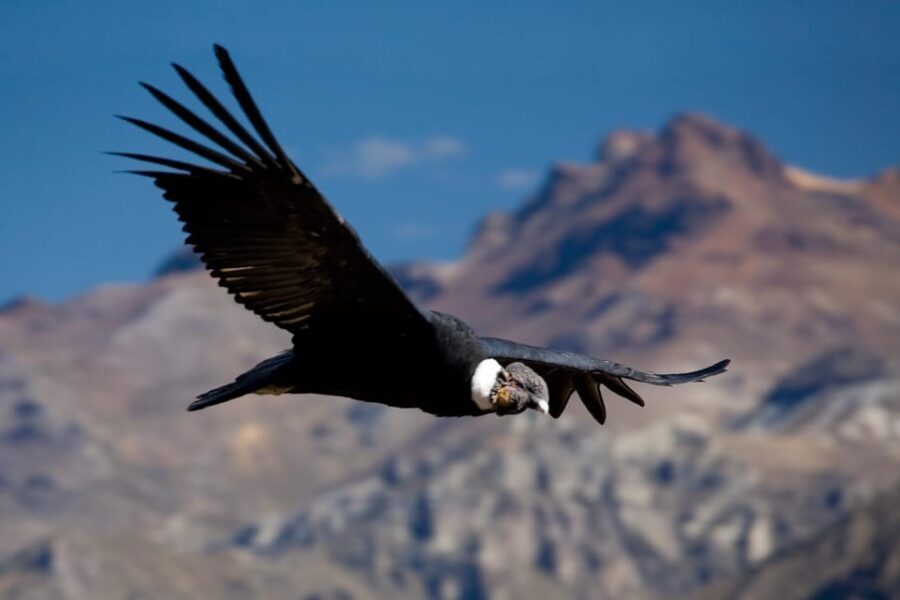
This is the big moment. At Mirador Cruz del Cóndor, you’ll get about an hour for walking, scanning, and free time. The group walks along the edge, and it’s very much a slow observation game.
Nearby, there’s a condor nesting site, and the canyon can produce multiple birds flying overhead at once. If the day is clear and conditions are right, this is where you can get that wow feeling people come for.
A few tips that help:
- Dress warm. It’s not just chilly here—it can feel sharp.
- Give your eyes a chance to adjust. Condors often appear after you’ve stared a while.
- Keep movement slow. When you walk constantly, you miss the birds that glide in on the thermals.
Also, the tour starts early and keeps returning you to key points with enough time to wait. That matters, because condors don’t show on a schedule.
Lunch at the Local Buffet: Traditional Andean Food, Simple and Filling
Lunch is buffet style, served for about an hour in the Chivay area. This is one of the stronger value parts of the day because it’s included and it’s not only snacks.
You’ll see traditional Andean dishes made from local products. The buffet format matters for two reasons:
- You can eat what you’re comfortable with (important at altitude).
- You can adjust your meal intensity. If you feel lightheaded, you don’t need a huge plate.
In the feedback, people mention standout items like alpaca dishes served as part of the buffet options, plus options that include sauces and regional flavors. Vegetarians may find some options, but it’s still a Peruvian buffet, so I’d plan to ask the staff what’s available and be ready to choose sides and grains if needed.
If you’re the type who gets hungry fast, you’ll be glad lunch is a full meal stop rather than a “grab a cookie and go” situation.
Patapampa Viewpoint: Andes Views Beyond the Canyon Edge
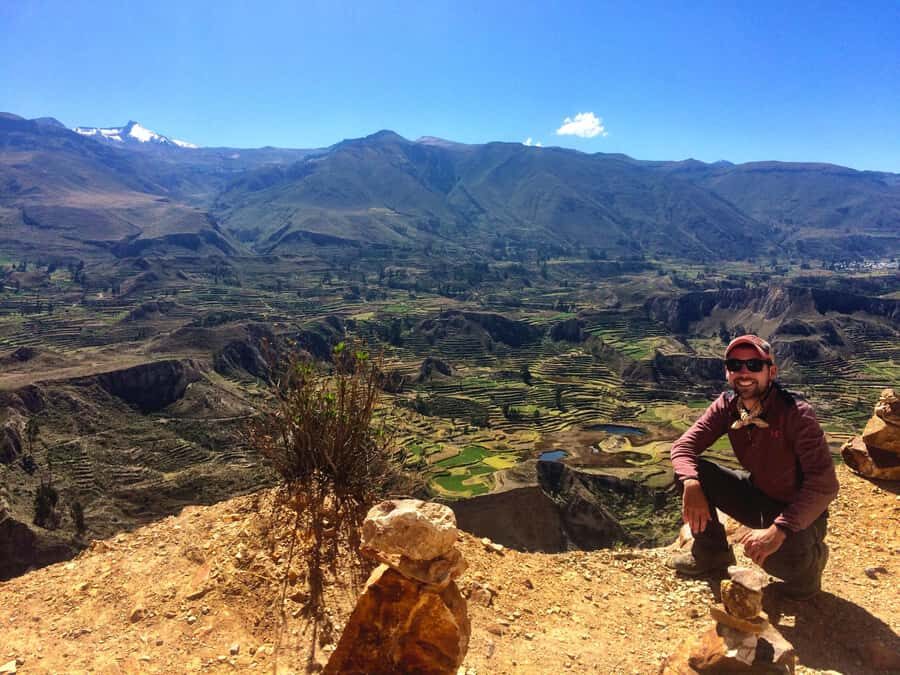
The tour also includes a viewpoint stop at Patapampa, built for wider Andes views. This is a good palate cleanser after the canyon scan and wildlife watching.
At viewpoints like this, your job is easy: stand, look, breathe, and understand scale. The canyon edge gives drama. Patapampa gives context—how the mountains connect, how high the region really is, and why condors can use the thermals like highways.
This is also another moment where cold and sun can surprise you. Bring sunglasses and sunscreen. You’ll thank yourself later.
The Drive Time: What to Do With the Long Ride
Yes, it’s a long day. Duration is listed at around 14 hours. You’ll spend a lot of time on the road, including multiple bus segments through mountain roads.
But the itinerary is built to reduce boredom with frequent short stops and meaningful “off the bus” moments:
- a scenic pause with Andes views
- terrace and cultural stops
- hot springs reset time
- condor scanning time with a real walk
- reserve viewing after the canyon
On the drives back, you’ll probably feel warm in the vehicle but chilly when you step out. Layering is the move. If you only bring a single jacket, you might end up trading comfort for photos.
Also, bring cash. Some small purchases may be cash-only, and people mention using coins for bathroom access at stops. Don’t make this a surprise expense on an already early start day.
What to Bring (So You Don’t Spend the Day Miserable)
Based on what the tour asks you to bring, and what tends to matter in high Andean weather, I’d pack like this:
- Warm clothing and a jacket (the canyon area can feel brutally cold)
- Sunglasses and sun hat (high altitude glare is real)
- Sunscreen
- Water and a reusable bottle (don’t rely on being able to buy every drink)
- Camera
- Towel if you plan to swim at the hot springs
- Cash for small purchases
One small planning tip: if you’re prone to altitude discomfort, move slower than you think you need to. This is a day where pacing is part of the sightseeing.
Altitude Reality Check: Who Should Skip This Tour
The tour operates at high altitude, and it notes a viewpoint at about 16,000 feet (4,900 meters). It also specifically says it’s not suitable for people with altitude sickness.
So if altitude makes you feel nauseated, dizzy, or unusually weak, don’t test your luck. Choose something lower elevation in Arequipa instead. This is the kind of outing that feels amazing right up until it doesn’t, and your health has to come first.
If you handle altitude well, still expect the first half to feel harder than the second. Your body usually adapts somewhat as the day goes on.
Value for $42: What You Really Get in One Day
At $42 per person, this tour looks like a bargain on paper—especially because transportation and a live guide are included, along with breakfast and a buffet lunch.
Here’s the math that matters:
- Included: air-conditioned vehicle, guide, breakfast, and lunch.
- Not included: the national park entrance fee (70 soles per person).
- Hot springs fee: 15 soles per person, optional.
So your total cost isn’t just the $42. But even with entrance fees, it can still be good value because you’re paying for a tightly timed day that covers multiple major stops: the canyon viewpoints, terrace area, hot springs, and a national reserve for alpacas and vicuñas.
Also, your guide matters here. The day is early, long, and full of scanning for wildlife. People mention guides like Nelson, Angel, Walter, Paola, and Marcos as examples of how the guiding experience can make the day fun and information-rich, from condor behavior tips to culture and geography.
Who This Tour Fits Best
This is ideal if:
- you have limited time in Arequipa
- you really want a one-day hit of Colca Canyon highlights
- you want condor watching without committing to a multi-day trek
- you like structured days with stops that keep you moving but not rushed
It’s less ideal if:
- altitude issues are a concern
- you hate long drives and prefer slow, independent sightseeing
- you want a lot of time at just one location (this is many stops, not one long stay)
Should You Book This Colca Canyon Full-Day Guided Tour?
I’d book it if your top priority is seeing the Andean condor at Cruz del Cóndor plus getting alpaca/vicuña time at the reserve. The included food helps, and the tour’s pacing is designed for the reality of one day: early pickup, enough waiting time for wildlife, then a sensible sequence of viewpoints.
I wouldn’t book it if altitude sickness is on your list of concerns. And I’d plan for a day that feels long even when it’s great—because the best moments happen when you arrive early and you’re willing to wait.
If you go in prepared—warm layers, sunscreen, water, and cash—you’ll get a memorable Colca Canyon day with a lot packed in, without needing to coordinate anything yourself.
FAQ
What time do I need to be ready for pickup?
If your hotel is on the pick-up list, you’ll be collected from there. Otherwise, you’ll meet at Plaza de Armas around 2:50 a.m., and the provider coordinates by WhatsApp.
How long is the tour, and how much time is there for the condors?
The full day runs about 14 hours. At Mirador Cruz del Cóndor, you get about one hour for walking and wildlife viewing.
Is breakfast and lunch included in the price?
Yes. Breakfast is included (bread, scrambled eggs, jam, butter, tea/coffee/juice, and fruit). Lunch is included as a buffet with traditional Andean dishes.
Are entrance fees included?
No. The national park entrance fee is not included (70 soles per person). Hot springs entrance is optional and costs 15 soles per person.
What altitude should I expect?
The tour notes high-altitude stops, including a viewpoint at approximately 16,000 feet (about 4,900 meters). It recommends preparing for altitude sickness.
Is this tour suitable if I get altitude sickness?
The tour says it is not suitable for people with altitude sickness. If you’re prone to symptoms, you should consider an alternative at lower elevations.