REVIEW · AREQUIPA
Full Day Tour / Colca Canyon
Book on Viator →Operated by Trek The Colca · Bookable on Viator
A pre-dawn drive to condors sounds wild. This full-day outing is built around a 3:30 a.m. departure from Arequipa, aiming to get you at the best viewpoint before daytime heat makes wildlife harder to spot. I like that you get pickup from your Arequipa accommodation and a guide who explains what you’re seeing in the Andes. The main trade-off: the day runs long, and the included breakfast is small, so you’ll want to plan around extra costs and hunger timing.
You’ll spend real time at the canyon’s high-altitude viewpoints and then balance it with calmer stops in the Chivay area and the Salinas y Aguada Blanca National Reserve for camelids. The best part for value is that several of the most scenic stops don’t charge entry, while the paid ones are clearly optional (like the hot springs) or clearly priced. One drawback to keep in mind: condor sightings aren’t guaranteed, and the operation can feel chaotic when buses mix different trip types.
In This Review
- Key Things I’d Focus On Before You Go
- The 3:30 a.m. Condor Timing That Actually Changes the Odds
- Arequipa Pickup, the Long Drive, and Why 14 Hours Feels Like Two Trips
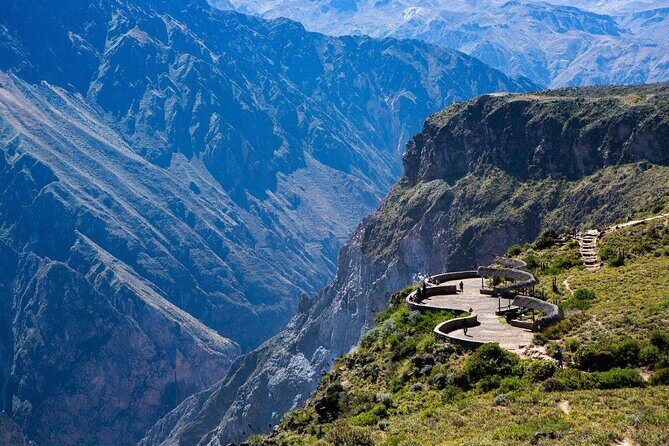
- Condor’s Cross: Where You Go First for Real Wildlife Viewing
- Colca Canyon: Big Numbers, Real Views, and the Limits of a One-Day Stop
- Chacapi Hot Springs: A Nice Optional Reset, Not a Guaranteed Highlight
- Pampa Cañahuas and the Reserve Stop: Camelids and Volcano Views for a Short Hit
- What You Actually Get for $52: Value vs. the Extras That Add Up
- Guides, Language, and Group Size: How to Get the Most Out of 16 People
- Should You Book This One-Day Colca Canyon Tour?
- FAQ
- What time does the tour start in Arequipa?
- How long is the full-day tour?
- Is breakfast included in the price?
- What entrance fees and meals are not included?
- Do I need to pay to visit Condor’s Cross?
- Are the hot springs Chacapi optional?
- How many people are in the group?
- What happens if the tour is canceled due to poor weather?
- Can I bring a service animal?
- Is the tour non-refundable?
Key Things I’d Focus On Before You Go
- The very early start (3:30 a.m.) is what gives you a shot at Andean condors at peak activity.
- Condor’s Cross is ticket-free and designed as your main wildlife viewpoint.
- Colca Canyon reserve entry costs extra (PEN70), so budget for it up front.
- Hot springs Chacapi are optional (PEN15), with pools reportedly running roughly 30°C to 60°C.
- Max group size is 16, but vehicle comfort can vary and may include bus changes during the day.
The 3:30 a.m. Condor Timing That Actually Changes the Odds
This tour is built on one big idea: timing. You depart Arequipa at 3:30 a.m. after pickup, and you reach the main viewpoint area well before sunrise. That matters because condors tend to be most active in the early hours, and you also avoid the thick crowd energy that shows up later.
Is this a guarantee? No. One key reality from real-world feedback: even in prime months, there can be days with few or no condors. A guide warning was mentioned for the period of November to April, when condors may migrate. The practical move: if condors are your top reason for booking, ask the operator ahead of time what current sightings are like and be mentally flexible if the birds stay out of view.
Also, that early morning chill is real. In cold, high-altitude air, you’ll feel it—especially if your vehicle has limited heating. Bring layers you can actually move in: warm jacket, hat, gloves, and a small scarf or buff.
A few more Arequipa tours and experiences worth a look
Arequipa Pickup, the Long Drive, and Why 14 Hours Feels Like Two Trips
The day is long—about 14 hours—and a big chunk of that is driving between elevations and viewpoints. The tour includes private transportation, but don’t expect “tour bus comfort” to be identical for everyone. Some feedback described starting in a larger coach and then switching to a smaller, more packed van. Another note mentioned an older, noisy vehicle and limited heating.
Here’s how to turn the long drive into something manageable:
- Eat something before pickup time if you can. The tour includes breakfast, but it may not arrive until later.
- Bring a snack you trust. Reviews point out that the included breakfast can be minimal.
- Have a plan for your phone battery. Early starts plus photos in the dark can drain a device quickly.
The upside of the drive: Colca Province isn’t a quick hop. You’re watching Andean towns come into view as you climb and descend, and even the “in-between” moments can feel like you’re getting a fast lesson in how people live at altitude.
Condor’s Cross: Where You Go First for Real Wildlife Viewing
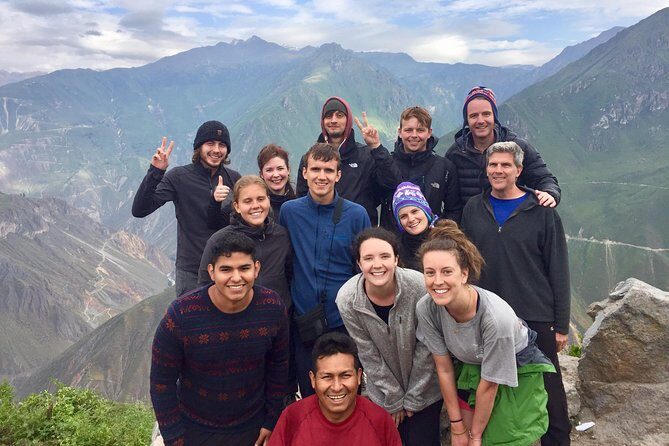
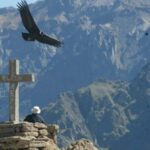
Your first major stop is Condor’s Cross, reached after a breakfast stop in Chivay. This viewpoint is why people book: it’s aimed at spotting the Andean condor in flight and perched on the thermals.
Good to know: Condor’s Cross has free admission. You’re not paying another entry fee just to stand where the birds might appear. The stop is set for about 40 minutes, which is a short window, but that’s also why arriving early matters. At that hour, you’re competing with fewer moving parts—fewer delays, fewer weather shifts, and fewer crowds.
What to watch out for is crowd behavior and logistics. There’s at least one account of mixed groups with different itinerary types, leading to confusion at the viewpoint and wait time for the correct van. My advice: when you arrive, confirm two things immediately—where your vehicle will be at departure time, and who your guide is. If your Spanish is limited, this matters even more. On language, one guide named Melissa was praised for helpful explanations, and that kind of clear guidance can make the whole stop feel smarter.
Finally: remember that condors are weather- and season-dependent. If you don’t see anything at first, don’t panic. Keep scanning the slopes and the upwind air. Flight patterns can change quickly as thermals form.
Colca Canyon: Big Numbers, Real Views, and the Limits of a One-Day Stop
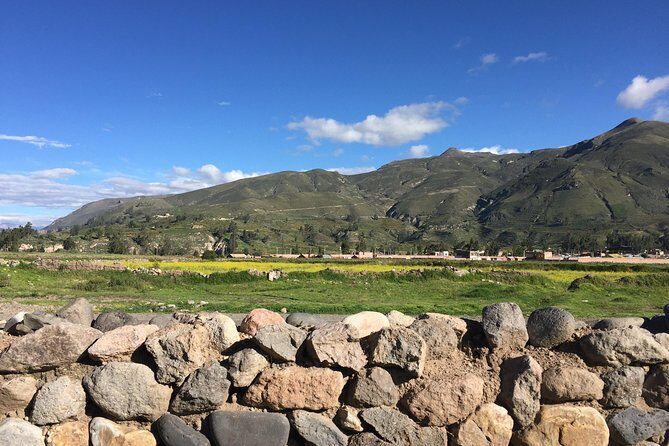
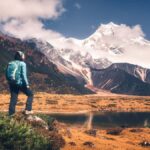
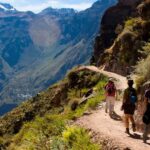
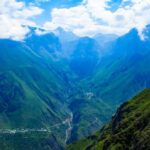
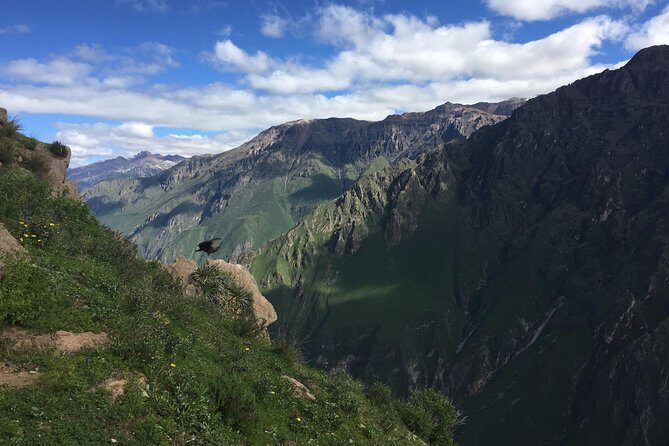
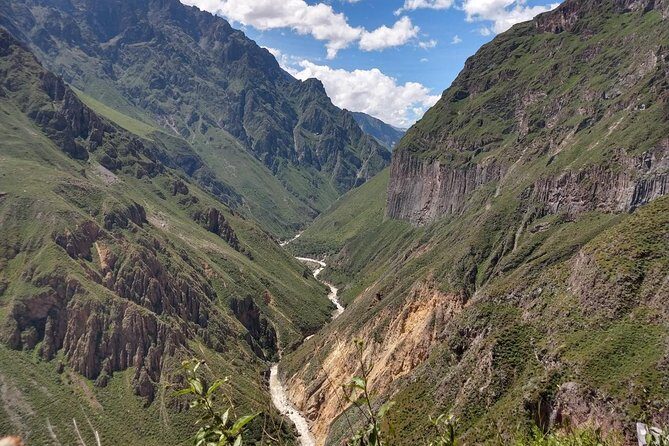
After the viewpoint, you head into Colca Canyon with a dedicated long stop. The canyon is famous for scale—often compared as twice as deep as the Grand Canyon—and the surrounding region is biologically rich, with the area described as having over 100 bird types, over 300 plant types, and more than 30 cactus types. You’ll also see the dramatic peaks that frame the canyon, including Ampato (6388 meters).
But here’s the practical truth: this is a one-day tour, so you’re not getting a full hiking experience inside the canyon. You’re going for viewpoints and highlights that show you the canyon’s size. One piece of feedback summed up this feeling bluntly: the tour doesn’t put you deep into the canyon, so the canyon may look impressive more than intimate.
What you can expect from this stop:
- Your time is focused on high points and canyon-facing perspectives.
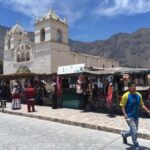
- You’ll pass through traditional towns on the road in and out, adding color and context beyond just the gorge itself.
- You’ll likely get photo opportunities, but the canyon-time depends heavily on how the day is running.
Also budget for the paid entry. Colca Canyon National Reserve entry costs PEN70 per person and is not included. If you want the smoothest experience, you’ll want cash or card readiness before you reach this stage—no last-minute scrambling.
Chacapi Hot Springs: A Nice Optional Reset, Not a Guaranteed Highlight
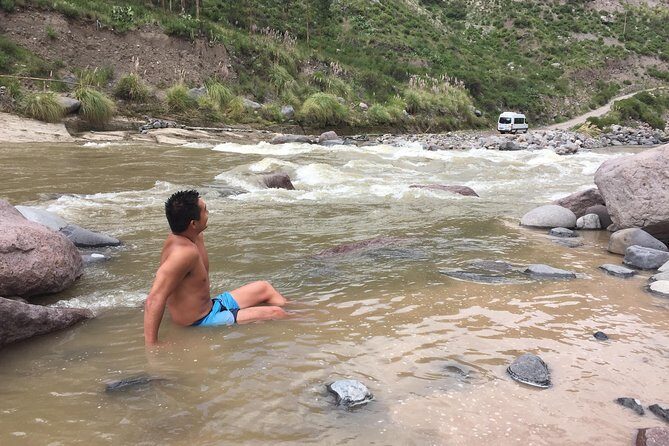
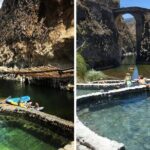
After Condor’s Cross, the tour goes to Hot Springs Chacapi near Chivay. Entry costs PEN15 per person and is not included, and the soak time is about 1 hour if you choose to go in.
This is a smart stop to consider because it breaks the day’s intensity. Pool temperatures are described as ranging from about 30°C up to 60°C. That means you can usually find something comfortable even if you’re arriving cold and tired.
The main drawback is simple: it’s paid extra, and it can feel mismatched for some people’s energy level. One account described a situation where the group wasn’t interested, and the schedule didn’t allow everyone to simply stay relaxed by the road while waiting. In other words, treat the hot springs as a real activity, not a free lounge.
If you do go, bring a small towel if you can. One review mentioned towel rental as an extra cost. Even if you don’t plan to rent, it’s safer to be prepared than to depend on last-minute availability.
Pampa Cañahuas and the Reserve Stop: Camelids and Volcano Views for a Short Hit
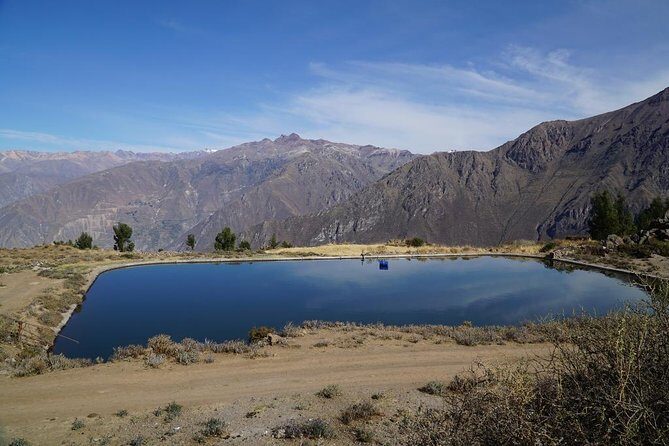
On the return toward Arequipa, you stop in Salinas y Aguada Blanca National Reserve, with a key area named Pampa Cañahuas. This part is designed for quick wildlife spotting and big scenery cues—especially camelids like alpacas, llamas, and vicuñas.
Timing is listed as short—about 15 minutes—but the experience can feel longer once you’re actually out at the lookout and scanning for animals. Plan on at least an hour of active looking if the group stays engaged and the guide is finding good angles.
Admission here is free. That’s a great value detail. You’re paying nothing extra for a stop that can deliver memorable wildlife moments, especially if you haven’t seen camelids in the Andes before.
Volcano views are also part of this stop, but keep your expectations realistic. It’s not a long scenic drive with endless overlooks. It’s a concentrated photo-and-scan moment.
What You Actually Get for $52: Value vs. the Extras That Add Up
The price is listed at $52 per person, and what you get included is:
- Private transportation
- Breakfast
Then there are the major extras:
- Colca Canyon National Reserve entry: PEN70
- Hot Springs Chacapi: PEN15 (optional)
- Lunch in Chivay: PEN30 buffet (not included)
When you look at value, the math depends on what you do at the paid stops. If you pay for the canyon entry (most people will) and optionally do the hot springs and lunch, the day becomes more like a mid-priced all-in day rather than a single cheap ticket.
Now the breakfast. Included breakfast has been described as a single scrambled egg and a small amount of toast and jam. That’s fine if you eat quickly and have snacks later. It’s not fine if you want comfort-food satisfaction before a very long day. My practical take: bring a snack you like, plus water if allowed by your group’s comfort level.
Food quality is the other pain point. Several reviews called lunch and breakfast basic or worse than expected. So go in hungry and plan to manage it rather than hoping the included meals will carry the day.
Guides, Language, and Group Size: How to Get the Most Out of 16 People
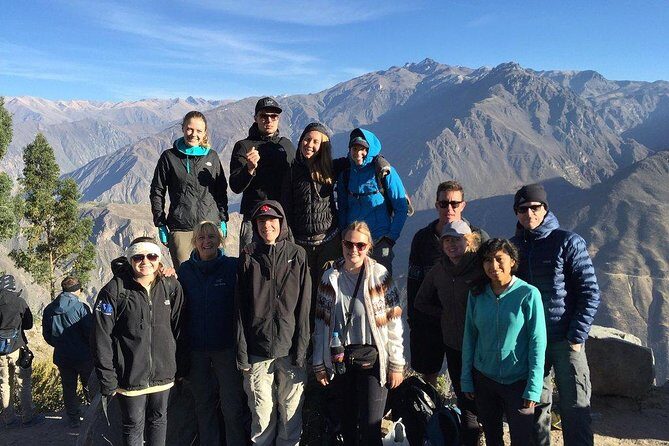
The group is capped at 16 travelers, which is a meaningful limit. Smaller groups can mean less time waiting and more time for questions. And good guides can turn quick stops into something you remember.
One name came up strongly: Melissa was praised as informative and helpful. That matters because Colca isn’t just “pretty views.” A good guide can explain how altitude affects birds, why certain slopes matter, and what you’re seeing with alpacas and llamas out in the reserve.
Language is a real factor. If you understand Spanish, you’ll likely catch more of the historical context and local explanations. If you don’t, you should still be okay for the main facts, but you may miss some of the background color that makes the canyon feel personal rather than distant.
Finally, vehicle and pacing can vary. Some people reported delays and late returns, while others said the day didn’t feel rushed. Since the total day is already long, any extra timing issues stand out.
Should You Book This One-Day Colca Canyon Tour?
Book it if:
- You want a simple, organized day from Arequipa without figuring out early transport.
- Condor viewing is a top goal and you’re willing to work with the reality that sightings aren’t 100%.
- You’re happy with a viewpoint-focused canyon experience, not a deep-hike day.
Skip or choose a different format if:
- You hate long bus hours and prefer fewer stops.
- You’re very sensitive to vehicle comfort and cold (bring layers either way).
- You want meals that feel like a full travel-food experience. Breakfast and lunch have been criticized, and big canyon costs are extra.
My final advice: if you book, go prepared with layers, snacks, and cash for the canyon entry. That small prep turns a long day into a smoother one.
FAQ
What time does the tour start in Arequipa?
The start time is listed as 3:00 a.m., and the drive to Chivay begins shortly after pick-up, with departure from Arequipa at 3:30 a.m..
How long is the full-day tour?
The duration is about 14 hours.
Is breakfast included in the price?
Yes. Breakfast is included, and it is served during the morning after pickup.
What entrance fees and meals are not included?
The tour lists these extras: Colca Canyon National Reserve entry (PEN70), Hot Springs Chacapi entry (PEN15), and lunch in Chivay (PEN30 buffet per person).
Do I need to pay to visit Condor’s Cross?
No. Condor’s Cross has free admission on the schedule.
Are the hot springs Chacapi optional?
Yes. Entry to the hot springs costs PEN15 per person, and it’s described as optional.
How many people are in the group?
The maximum group size is 16 travelers.
What happens if the tour is canceled due to poor weather?
If it’s canceled because of poor weather, you’ll be offered a different date or a full refund.
Can I bring a service animal?
Yes. Service animals are allowed.
Is the tour non-refundable?
Yes. The experience is listed as non-refundable and cannot be changed for any reason.