REVIEW · AREQUIPA
Tour to the Sillar Route from Arequipa | Half Day
Book on GetYourGuide →Operated by MachuPicchu Peru tours · Bookable on GetYourGuide
Arequipa’s Sillar Route feels like geology with answers. I like that this half-day tour mixes real working stonecraft with dramatic canyon views, then closes with petroglyphs that still don’t have clear meanings. The other big win for me is the built-in focus: a viewpoint for volcano views, then a tight route that explains why Arequipa earns the nickname The White City.
One thing to think about: the canyon stop is short, so if you want lots of solo time, you may wish you had just a bit more. Also, the experience includes entrance fees at two sites that aren’t included in the base price.
In This Review
- Quick Highlights You Should Know Before You Go
- Picking Up in Arequipa at 8:50 a.m. (and Why That Matters)
- Volcano Viewpoint: A Quick Start Before the Stone Lessons
- Añashuayco Quarry: See Sillar Being Cut and Carved
- Quebrada de Culebrillas Canyon: 20 Minutes Inside the Walls
- Petroglyphs Stop: Mysterious Figures in the Stone
- Why Arequipa Is Called The White City (And How This Tour Explains It)
- Guide Quality, Timing, and How Much Time You’ll Have to Wander
- Price and Entrance Fees: What You’ll Really Spend
- Included vs. Not Included: Pack Smart for the Canyon
- Who This Half-Day Sillar Tour Works Best For
- Should You Book This Tour?
- FAQ
- How long is the Sillar Route half-day tour from Arequipa?
- What time is the pick-up in Arequipa?
- Does the tour include a guide?
- What is the price of the tour?
- Are entrance fees included?
- How much are the entrance fees?
- What transportation is provided?
- What stops are included on the route?
- How long is the canyon walk in Quebrada de Culebrillas?
- What should I bring with me?
- Is cancellation possible after booking?
Quick Highlights You Should Know Before You Go
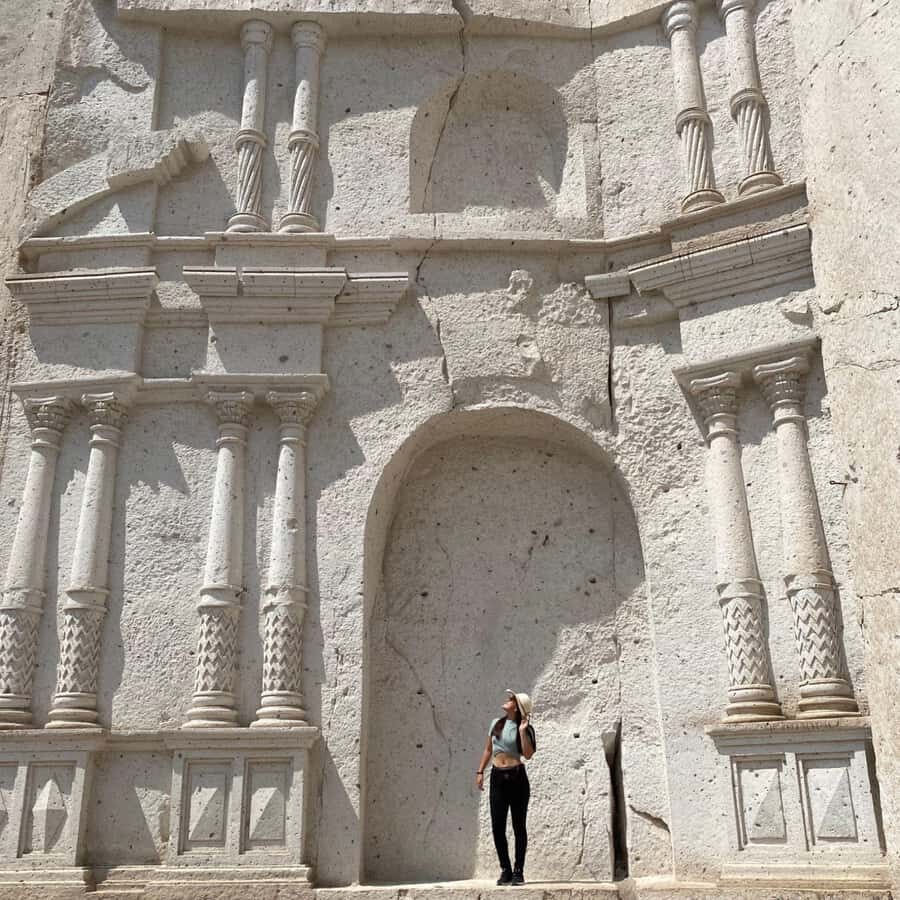
- Intangible Cultural Heritage recognition: This tour’s theme isn’t random rocks; it’s tied to nationally recognized cultural value.
- Añashuayco Quarry in action: You’ll see local artisans working the stone and learn how the carving process works.
- A 20-minute canyon walk: You get inside Quebrada de Culebrillas without it turning into a long trek.
- Canyon walls up to 20 meters: The scale is the point, especially when you’re walking through the stone corridor.
- Petroglyphs with undeciphered meaning: You’ll end the route with mysterious figures carved into the stone.
Picking Up in Arequipa at 8:50 a.m. (and Why That Matters)
Your day starts with pick-up from your accommodation in Arequipa at 8:50 a.m. The timing is smart for a half-day: you get to the first viewpoint and quarry while the light is still working in your favor for photos. You’ll be back around 13:00 h, so you don’t lose your whole day to the logistics of a full excursion.
You’re also not stuck waiting around. The itinerary is built like a road trip with stops: viewpoint first, then stone, then canyon, then petroglyphs. That flow helps you connect what you’re seeing—especially once you understand what “sillar” actually is.
You can also read our reviews of more tours and experiences in Arequipa.
Volcano Viewpoint: A Quick Start Before the Stone Lessons
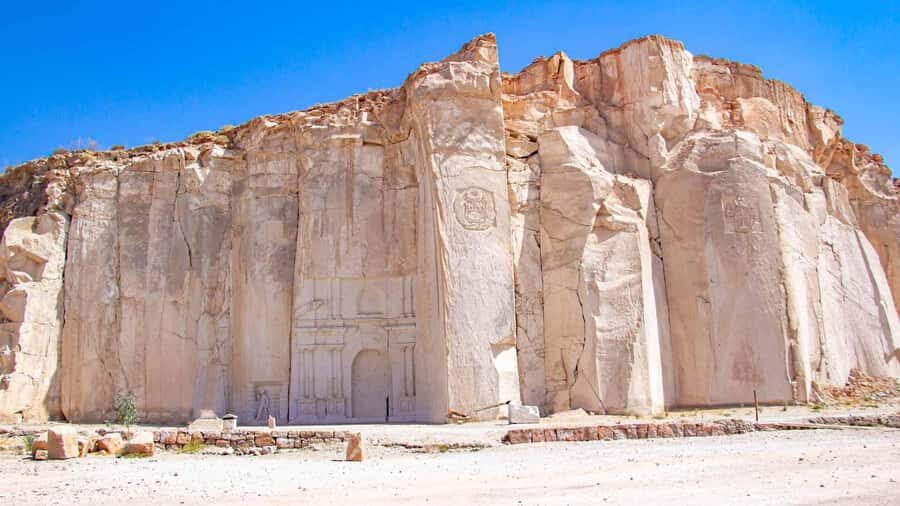
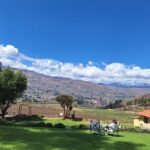
After you leave Arequipa, you’ll head toward the Sillar Route, stopping first at a viewpoint to take in the volcanoes around Arequipa. This is more than a photo break. It sets the context for why the region’s stones look the way they do and why Arequipa’s architecture carries that bright, pale look.
From there, you continue on toward the quarry areas. You’re basically switching gears from “big sky views” to “hands-on stone work,” and the order matters. If you start at the quarry first, you miss the bigger reason it all exists; start with the viewpoint and the day clicks faster.
Añashuayco Quarry: See Sillar Being Cut and Carved
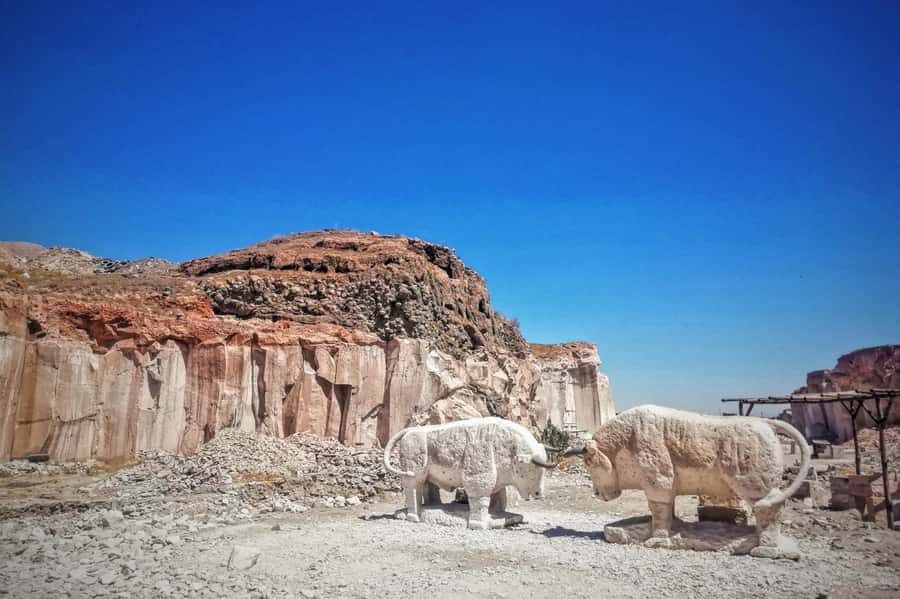
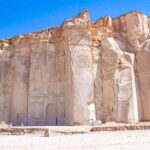
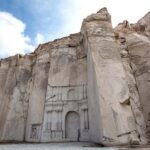
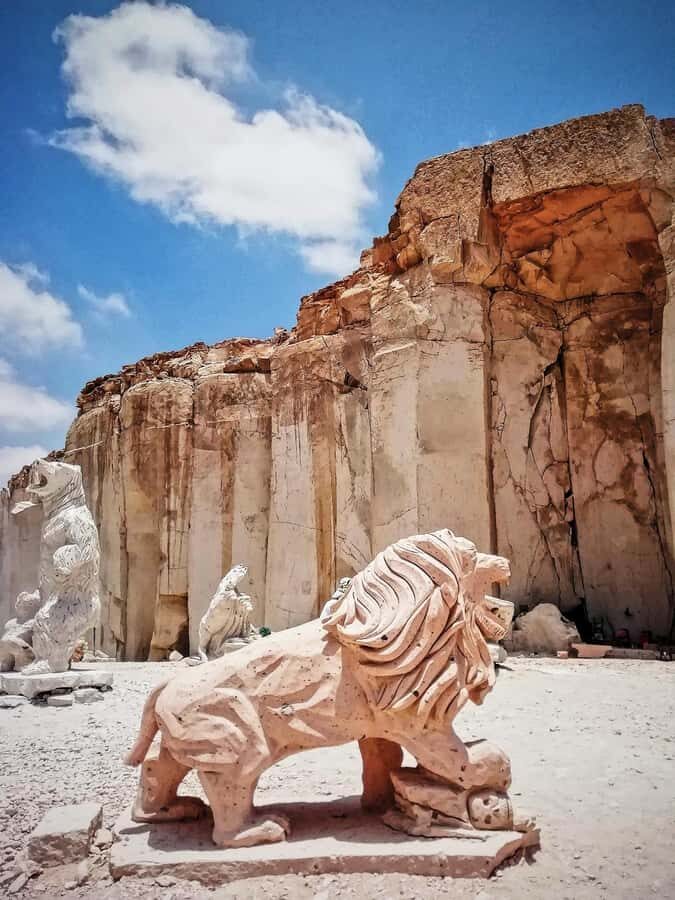
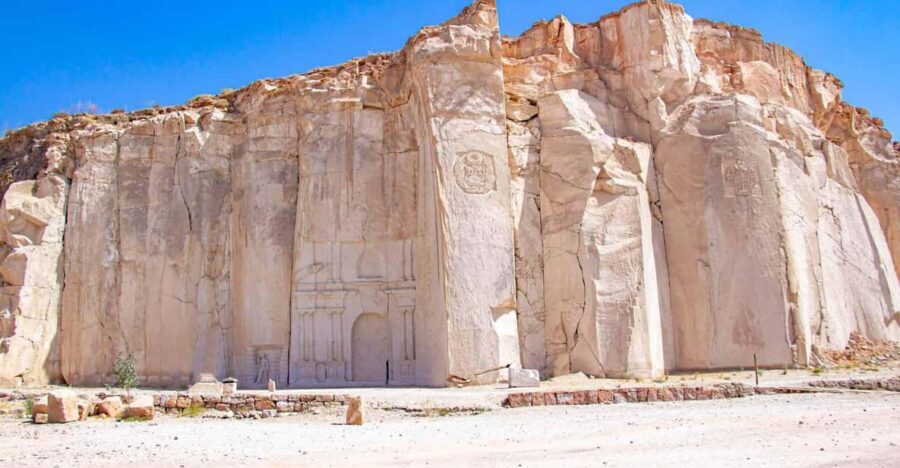
The first major stop is Añashuayco Quarry, where you’ll learn about the origins of sillar stone. This is where the tour earns its name as a culture route, not just a sightseeing route. You’ll observe local artisans working the stone and see how the carving process works in a real quarry setting.
Why I like this stop: you don’t just hear a description of the stone. You watch people work, which makes the material feel tangible. You also get the “why it looks like this” feeling as you see the deep canyon of cliffs formed by quarrying.
What to expect in practical terms is straightforward: you’ll spend time looking, listening, and absorbing details that most people would otherwise miss from a distance. If you’re the type who likes to understand the craft behind what you see, this is the part that will probably stick with you longest.
Quebrada de Culebrillas Canyon: 20 Minutes Inside the Walls
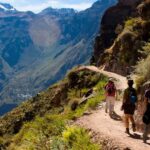
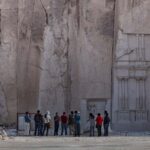
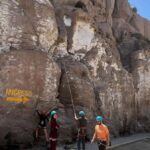
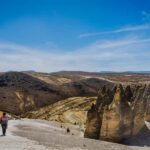
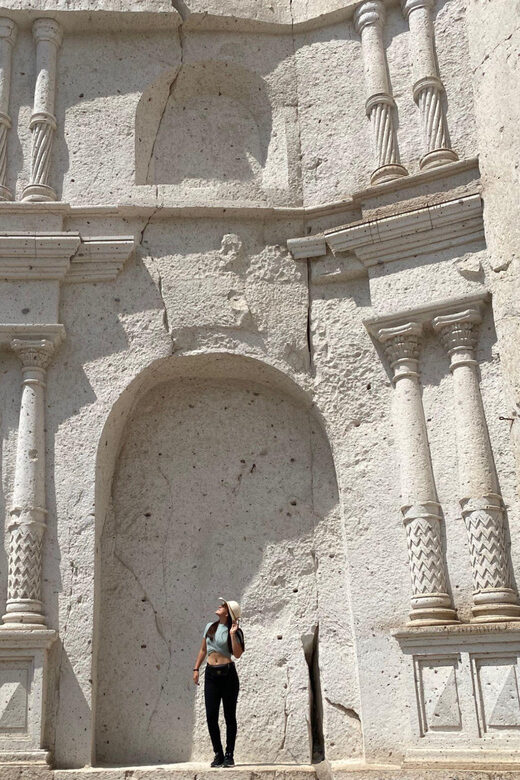
From Añashuayco, you drive about 30 minutes to Quebrada de Culebrillas. This canyon is the “wow” segment of the route, with walls reaching up to 20 meters high. Instead of just viewing from the outside, you’ll walk into the canyon for about 20 minutes.
This walk is short enough to keep the tour moving, but long enough for the canyon to feel like its own world. Walking inside those stone walls does something the viewpoint can’t: it changes your scale perception. The cliffs feel closer. Shadows shift across the rock. Suddenly the geology isn’t a backdrop—it’s a room you’re moving through.
One note for your comfort: canyon areas can feel buggy, and one past group wished the guide had highlighted mosquito protection more clearly. I’d plan on packing insect repellent anyway, even if it isn’t emphasized in the materials you read.
Petroglyphs Stop: Mysterious Figures in the Stone
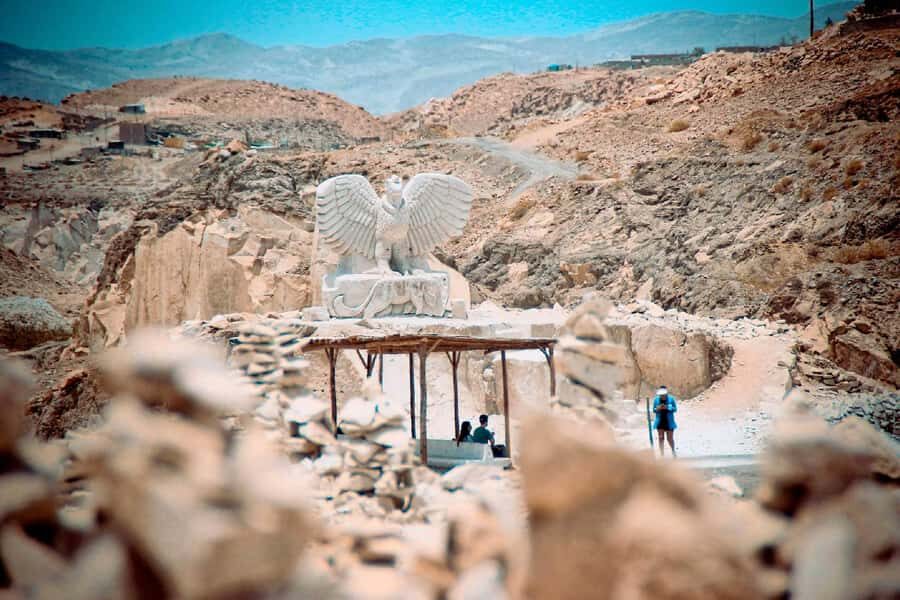
Your last stop on the Sillar Route focuses on the canyon’s petroglyphs—mysterious figures carved into the stone. The key detail here is that their meaning is still not deciphered, which keeps the stop from turning into a simple fact lecture.
This is also a good place to slow down. Even with a time limit, you can still use the moment to look carefully and compare shapes. If you’re into symbolism, ancient marks, or just unusual rock art, you’ll likely feel satisfied even if you can’t “solve” it.
Because the petroglyphs are part of the canyon experience, you’ll notice the contrast between the tight walk and this more still, observational stop. It’s a nice balance.

Why Arequipa Is Called The White City (And How This Tour Explains It)
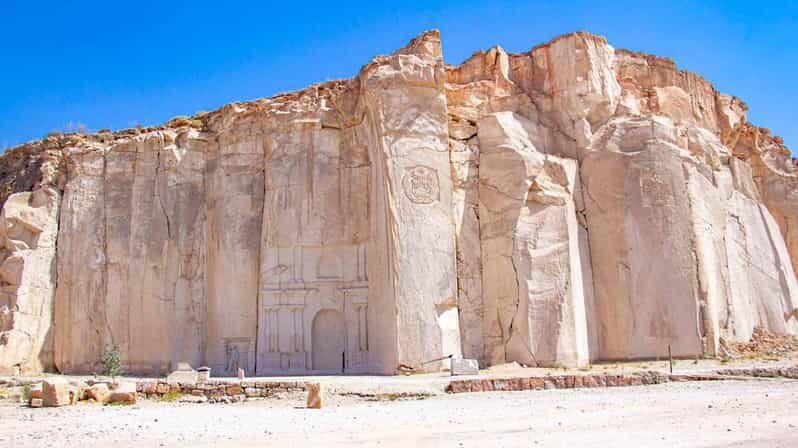
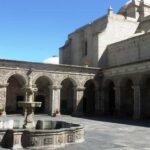
You come to the Sillar Route to see more than scenery. The tour is built to answer why Arequipa is known as The White City. The link is the sillar stone itself—light-colored, workable, and used in local construction—plus the human craft around shaping it.
The quarry visit helps you understand where the material comes from and how people shape it. The canyon stops then show you the geological “source” and what quarrying did to the terrain over time. By the end of the day, the nickname starts to feel less like a marketing line and more like a logical outcome of local stone and local skill.
This is also where the heritage recognition fits. The highlight about recognition as Intangible Cultural Heritage of the Nation tells you the route isn’t only about rocks. It’s about knowledge, craft, and cultural practices connected to the stone.
Guide Quality, Timing, and How Much Time You’ll Have to Wander
You’ll travel with a bilingual guide in English and Spanish. That’s a big deal for this route because the value isn’t only in the photos—it’s in the explanations of sillar and the meaning (or lack of meaning) behind the petroglyphs.
Still, there’s one realistic consideration: the itinerary is tight. Your canyon walk is about 20 minutes, and the quarry and petroglyph stops are scheduled to keep you on track. One earlier experience noted that the time left for exploring on your own felt limited, and that the guide’s voice was hard to hear at moments. If clear audio is a big deal for you, ask questions early and stand where you can hear well.
In short: this is a structured half-day with set stops, not a slow ramble.
Price and Entrance Fees: What You’ll Really Spend
The base price is $25 per person, for roughly 5 hours of transport and guided time. But two important entrance fees are not included: $5 per person for the Sillar Route and $5 per person for the Culebrillas Canyon.
So the typical “add-on total” is $10 more, putting your likely outing at about $35 per person, before any optional costs like travel insurance. For what you get—two major site visits plus a quarry stop plus a canyon walk—that’s a fair value if you want a focused taste of Arequipa’s signature stone culture without losing a full day.
Also consider what you’re paying for beyond tickets: transport by bus or minibus, and a guide who can connect all the dots between geology and craft. That explanation time is part of the product.
Included vs. Not Included: Pack Smart for the Canyon
This tour includes:
- Hotel pick-up
- Transport by bus or minibus
- A bilingual guide (English/Spanish)
Not included:
- Entrance fees: $5 + $5
- Travel insurance
- Any additional personal costs
What to bring (this matters for comfort and smoothness):
- Passport or ID card
- Biodegradable sunscreen
- Personal medication
- A pen
I’ll add one practical item based on canyon reality: insect repellent. It wasn’t listed in the provided packing notes, but it’s a sensible precaution for canyon walks, especially if your guide doesn’t cover it clearly.
Who This Half-Day Sillar Tour Works Best For
This is a good fit if you want an organized, explanation-led introduction to the white-stone story behind Arequipa. It also suits people who don’t want a long hike but still want a real walk inside a canyon.
You’ll probably enjoy it most if you:
- Like history and craft when it’s tied to what you can actually see
- Want a half-day activity that ends by early afternoon
- Prefer a guided route with set timing over self-driving or wandering
If you’re the type who needs lots of free time at every stop, you might feel a pinch. The route is designed to cover several key points, so your “wander time” will be limited by the schedule.
Should You Book This Tour?
Book it if you want a tight, meaningful taste of Arequipa’s sillar culture: quarry work, canyon scale, and petroglyphs with an air of mystery. The price works better once you factor in the two entrances and the value of a bilingual guide tying it all together.
Skip it—or choose a different option—if you know you struggle with hearing guides in crowded or echoing spaces, or if you want long stretches of independent exploration. In that case, plan to stand close, ask questions early, and bring what you need for comfort.
If you’re happy with a structured half-day and you’re curious about why Arequipa looks the way it does, this is a solid choice.
FAQ
How long is the Sillar Route half-day tour from Arequipa?
It lasts about 5 hours.
What time is the pick-up in Arequipa?
Pick-up starts at 8:50 a.m. and you return to Arequipa around 13:00 h.
Does the tour include a guide?
Yes. You’ll have a live bilingual guide in English and Spanish.
What is the price of the tour?
The tour price is $25 per person.
Are entrance fees included?
No. Entrance fees are not included.
How much are the entrance fees?
Entrance fees are $5 per person for the Sillar Route and $5 per person for the Culebrillas Canyon.
What transportation is provided?
Transport is by bus or minibus.
What stops are included on the route?
You visit a viewpoint, Añashuayco Quarry, Quebrada de Culebrillas (including a walk), and a petroglyphs stop.
How long is the canyon walk in Quebrada de Culebrillas?
The walk is approximately 20 minutes.
What should I bring with me?
Bring your passport or ID card, biodegradable sunscreen, personal medication, and a pen.
Is cancellation possible after booking?
Yes. You can cancel up to 24 hours in advance for a full refund.