REVIEW · AREQUIPA
Arequipa|| The Sillar Route+Culebrillas Canyon
Book on GetYourGuide →Operated by Transporte Chullos Travel · Bookable on GetYourGuide
One afternoon in Arequipa, you trade streets for stone. This Sillar Route + Culebrillas Canyon tour mixes the work behind the city’s famous ashlar stone with a short canyon walk where rock art still lingers.
I really like the way the route connects craft and geology—sillar comes from volcanic lava around Arequipa, and you’ll learn how stonemasons shape ashlar blocks by hand. I also enjoy the photo-ready setting of Culebrillas Canyon, especially with its tall (15 to 20 meter) walls and the chance to spot petroglyphs.
One consideration: the description can sound like you’ll watch artisans actively carving in the quarry, but that may not always happen in full “live workshop” form. If you’re hoping for constant hands-on carving to observe, I’d set expectations for guided explanations plus scenic viewing.
In This Review
- Key things to know before you go
- From Plaza de Armas to Uchumayo: how the timing really works
- Uchumayo quarries and the ashlar craft you can actually picture
- What to watch for (based on real expectations)
- The quick 30-minute walk that sets the mood for Culebrillas Canyon
- Culebrillas Canyon: 15–20 meter walls, photography, and Wari petroglyphs
- How to make the most of the petroglyph time
- Returning to Arequipa: ending near the Plaza de Armas
- Price and value: what the $35 covers, and what it doesn’t
- Who should book this tour (and who should think twice)
- Small practical tips that make the afternoon smoother
- Should you book the Sillar Route + Culebrillas Canyon tour?
- FAQ
- FAQ
- What time should I be at the meeting point?
- How long is the tour?
- Where does the tour start and end?
- What language is the guide?
- How do you get to the quarries and canyon?
- What is included in the price?
- What entrance fees are not included?
- Is food included?
- How much walking is involved?
- What will I see at Culebrillas Canyon?
Key things to know before you go
- Ashlar stone and sillar basics: learn how these blocks are carved so they don’t crack
- Volcanic origin of the material: sillar is linked to lava from volcanoes around Arequipa
- A short transfer: after the quarries, you’ll walk about 30 minutes toward the canyon
- Culebrillas Canyon photo time: walls rise roughly 15–20 meters, good for angles and framing
- Wari-era petroglyphs: rock symbols more than a millennium old, with meaning left unclear
From Plaza de Armas to Uchumayo: how the timing really works
This tour runs about 4 hours, in the afternoon. Plan to meet near the Cathedral Door, Main Square (Plaza de Armas)—and if you’re arriving for that midday handoff, aim to be there between 1:45 and 1:55 PM.
You’ll head out along the Uchumayo road toward the ashlar stone quarries. Transportation is handled by bus or minibus, depending on group size, which matters because it changes how crowded it feels and how quickly you’ll settle in for the day’s first stop.
You can also read our reviews of more tours and experiences in Arequipa.
Uchumayo quarries and the ashlar craft you can actually picture
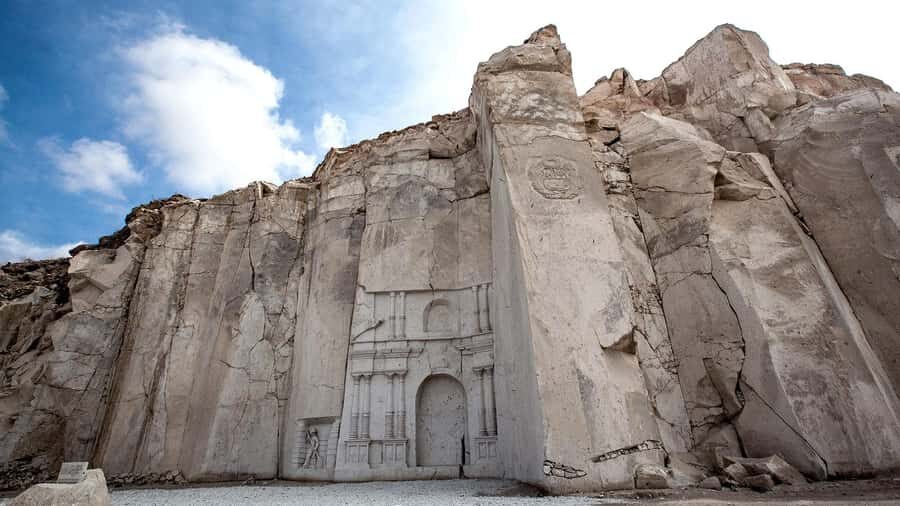
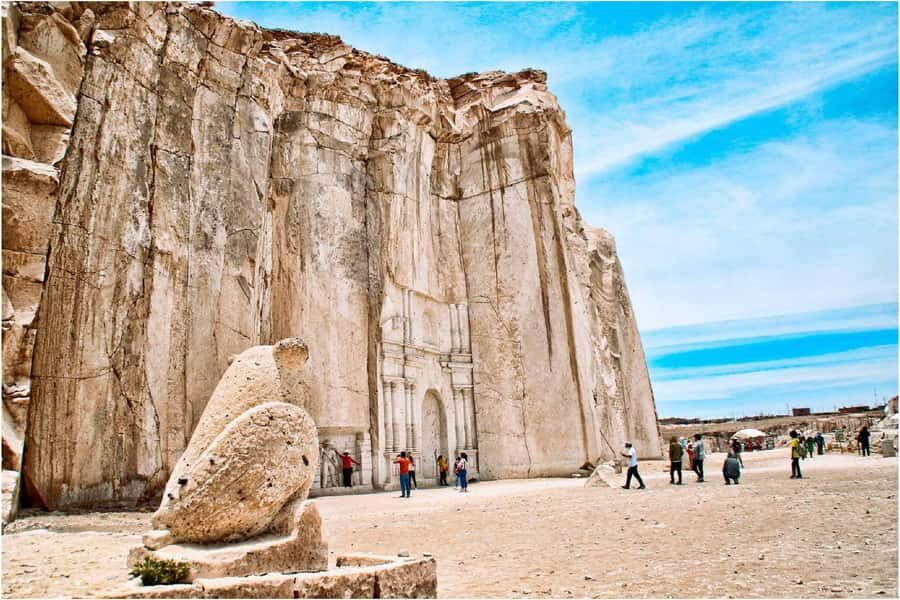
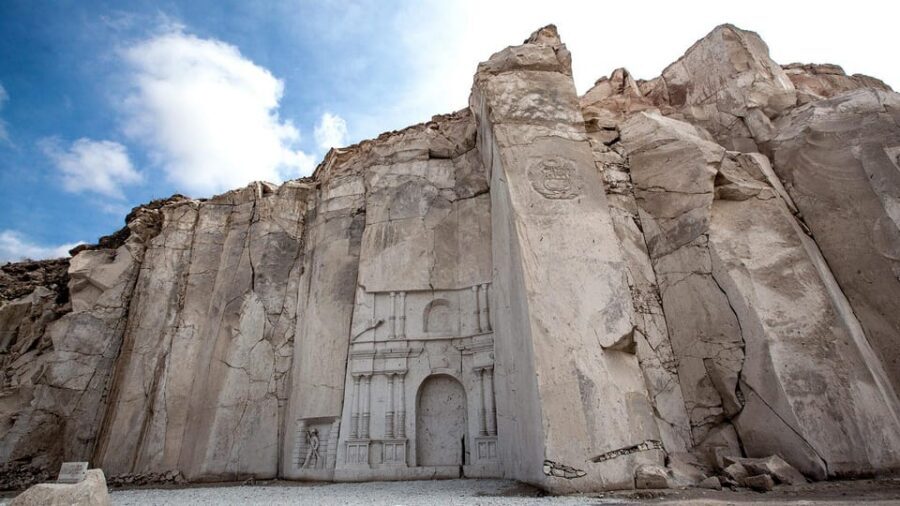
The first big moment is the quarry zone, where a guide explains the stonework tradition behind the buildings you see across Arequipa. You’ll explore the ancient ashlar stone operations and learn what makes the material special: the blocks require exclusive manual work, since other methods can cause the stone to break.
What I find useful here is that the tour doesn’t treat the stone as just decoration. It gives you the practical reason behind the style—why these blocks are made the way they are, and why the labor has a long shelf life in the region’s architecture.
You’ll also get the geological context. Sillar is tied to the lava of volcanoes surrounding Arequipa, so you’re basically looking at building material that started as molten rock, then turned into the pale stone artisans shaped over generations. That mental picture helps when you later notice sillar facades and the overall look of the historic center.
What to watch for (based on real expectations)
The tour can feel more like guided explanation plus quarry sightseeing than a nonstop, hands-on carving show. In one case, the expectation of seeing stonemasons actively at work didn’t match what was visible to participants. So if your dream is to watch artisans sculpt in real time, I’d keep your mindset flexible and focus on what the guide teaches you about the process, not only what you see happening moment-to-moment.
The quick 30-minute walk that sets the mood for Culebrillas Canyon
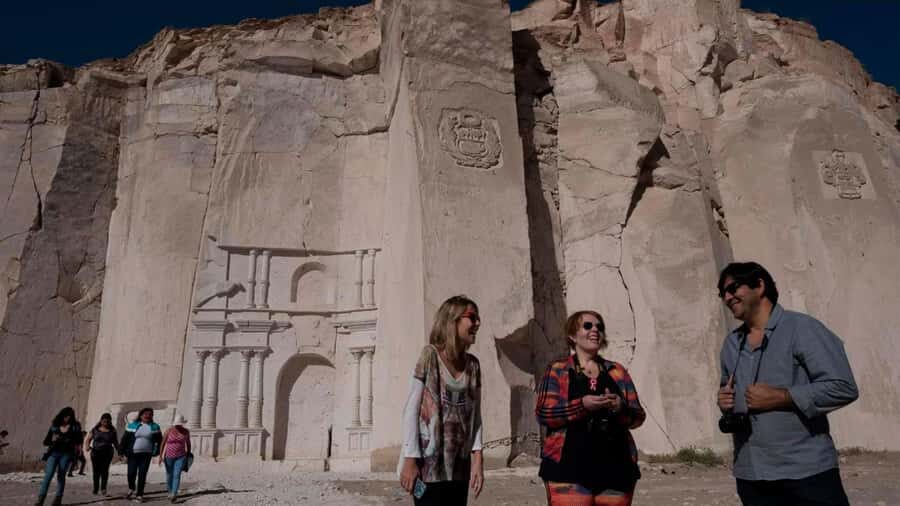
After the quarry visit, you’ll walk for about 30 minutes to the next destination. Even though it’s not a long hike, it’s long enough to shift your body and attention from industrial stone spaces to a natural corridor carved by water.
This is also where you’ll likely start thinking about photos and angles. The canyon is the main event, and the route transition is the time to get your camera ready, check your footing, and settle into the rhythm of the walk.
Culebrillas Canyon: 15–20 meter walls, photography, and Wari petroglyphs
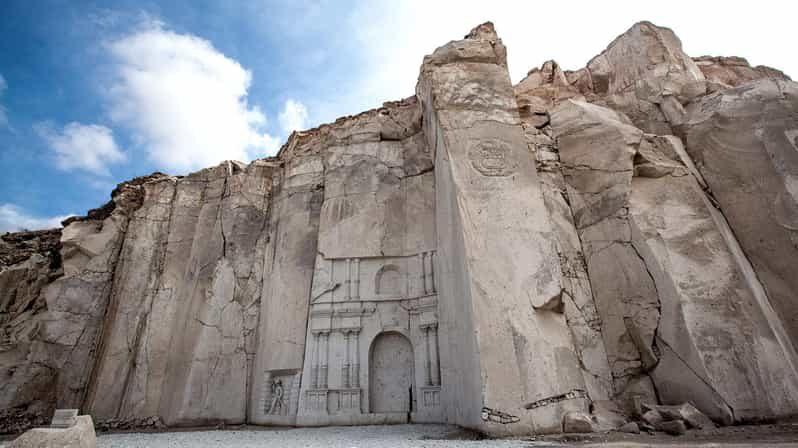
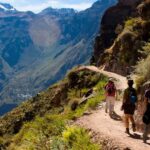
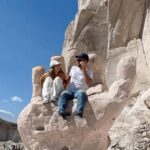
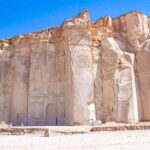
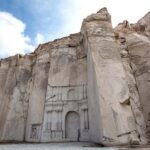
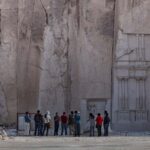
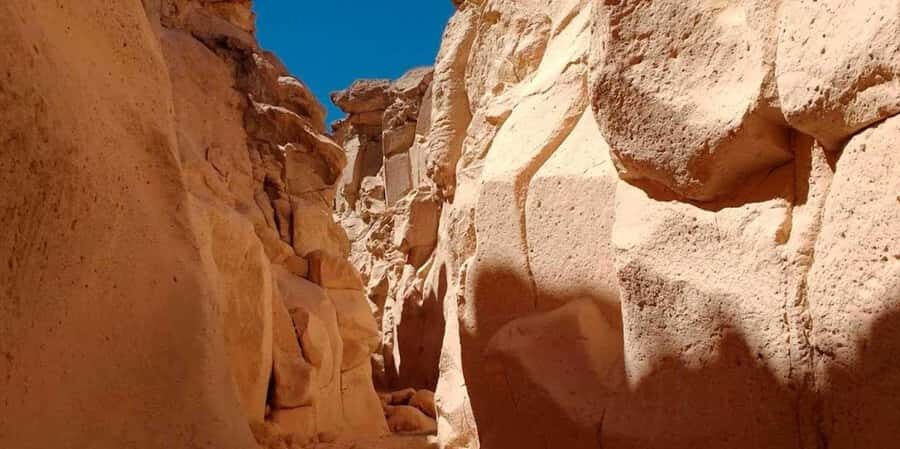
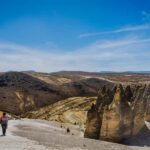
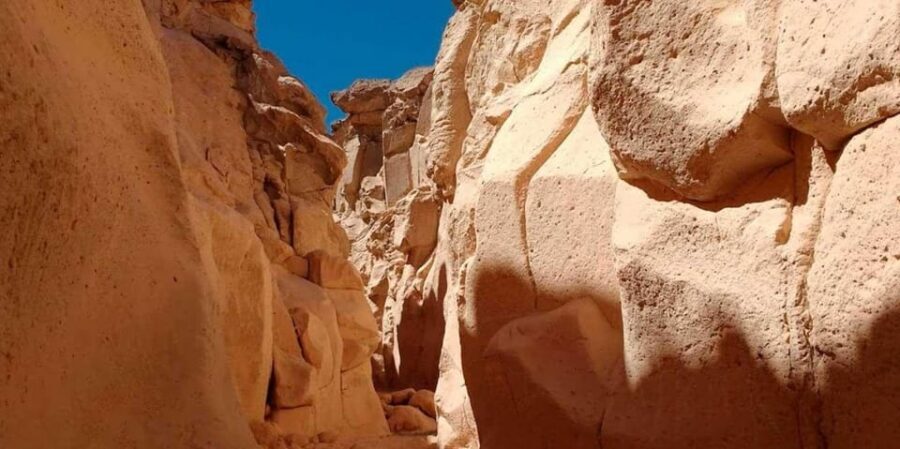
Then comes the standout stretch: Culebrillas Canyon. This isn’t a museum-like stop. It’s a gorge shaped by nature and water over time, and you’ll walk between towering canyon walls about 15 to 20 meters high.
I like this part because it makes your understanding of geology feel physical. You aren’t just hearing that water sculpted rock—you’re moving through the corridor where that shaping is still visible. For photography, the canyon walls give you strong vertical lines and natural framing, which is great for quick shots and more thoughtful compositions.
The guide will also help you contemplate ancient petroglyphs—symbols engraved in the rock by the Wari culture, more than a millennium ago. Here’s the tricky beauty: the meaning remains an enigma. That uncertainty isn’t a flaw; it’s part of what makes rock art compelling. You’re not trying to “decode” a perfect answer—you’re looking at a human mark made so long ago that it still survives where wind and water can’t erase everything.
How to make the most of the petroglyph time
The petroglyphs may not feel obvious at a glance. Pay attention to what your guide points out, and take your time to re-check angles. In a canyon, lighting can be deceptive—what looks faint in shadow can suddenly become clearer when you shift positions by a step or two.
Returning to Arequipa: ending near the Plaza de Armas
After about four hours of exploration, the tour returns to the center of Arequipa. The conclusion is near Plaza de Armas, which is convenient because it makes it easy to keep your afternoon going—coffee, lunch, or wandering the historic streets while you’re still thinking about the stone and the rock art.
If you’re planning other reservations later that day, give yourself a little buffer. Quarry-to-canyon routes plus a guided pace can stretch slightly depending on group flow, especially because the walking includes both transfers and the canyon section.
Price and value: what the $35 covers, and what it doesn’t
The stated price is $35 per person for roughly 4 hours. What makes it feel reasonable is that it includes the “core service” items: hotel pickup and return transfer to the center of Arequipa, transportation by bus or minibus, and a guide who speaks both Spanish and English.
What you need to budget separately is entrance to quarries:
- Añashuayco Quarries: S/. 10.00 per person
- Culebrillas Quarries: S/. 5.00 per person
So your all-in cost is basically the $35 + the local entrance fees (plus any personal spending like snacks). Food isn’t included either, so decide whether you’ll eat before you go or plan a meal after you return near Plaza de Armas.
For me, the value equation comes down to this: you’re paying for two different experiences in one afternoon—stonecraft education and a canyon walk with petroglyph viewing. If that pairing matches what you want (not just “a canyon” or “just quarries”), then the price works.
Who should book this tour (and who should think twice)
This tour is a good fit if you want:
- a practical lesson on why Arequipa buildings look the way they do
- a guided walk through Culebrillas Canyon with photo time
- context for Wari petroglyphs without needing to be a specialist
It’s also a solid choice for first-timers who want an organized way to get out of the center and see what’s behind the city’s signature stone.
You might think twice if you’re expecting a constant, hands-on demonstration where you watch artisans carving for the whole time. Based on what I’ve seen people expect versus what’s sometimes visible on-site, it can lean more toward guided interpretation than live workshop spectacle.
Small practical tips that make the afternoon smoother
- Wear sturdy shoes since you’ll do quarry walking and a canyon section with uneven ground typical of natural areas.
- Bring sun protection and water. You’ll spend time outdoors with limited shade.
- Have some cash soles ready for the separate quarry entrances (S/. 10 and S/. 5).
- If you want the best photos, plan to take your time at the canyon sections where your guide points out petroglyph areas.
Should you book the Sillar Route + Culebrillas Canyon tour?
I’d book this tour if you like the idea of connecting craft, volcanic stone, and rock art in one afternoon. The route gives you both education (how ashlar and sillar are worked) and a strong sense of place (canyon walls that are visibly shaped by water).
I would hesitate only if you’re specifically chasing a guaranteed “watch artisans at work” experience. If you’re okay with guided explanations and scenic viewing, you should leave feeling like you understood something real about Arequipa’s stone—then backed it up with strong canyon photos and petroglyph time.
FAQ
FAQ
What time should I be at the meeting point?
You should be at the Cathedral Door, Main Square of Arequipa between 1:45 and 1:55 PM.
How long is the tour?
The tour lasts about 4 hours.
Where does the tour start and end?
It starts near the Cathedral Door, Plaza de Armas and ends near Plaza de Armas in the center of Arequipa.
What language is the guide?
The guide speaks English and Spanish.
How do you get to the quarries and canyon?
You’ll travel by bus or minibus, depending on group size.
What is included in the price?
The price includes hotel pickup and return transfer to the center of Arequipa, transportation, and a Spanish/English-speaking guide.
What entrance fees are not included?
Entrance to the Añashuayco Quarries costs S/. 10.00 per person, and entrance to the Culebrillas Quarries costs S/. 5.00 per person.
Is food included?
No, foods are not included.
How much walking is involved?
After the quarries, you walk for about 30 minutes to reach the canyon, then you take a walk inside Culebrillas Canyon between tall canyon walls.
What will I see at Culebrillas Canyon?
You’ll see the gorge with 15 to 20 meter walls, and you can contemplate Wari petroglyphs engraved in the rock.