REVIEW · AREQUIPA
From Arequipa: Climbing in the Chilina Valley
Book on GetYourGuide →Operated by Uyuni Experience EIRL · Bookable on GetYourGuide
Rock walls and big views start at 10:00. I love how the guide, Joshua, keeps a first-time climber calm and confident, and I love the payoff: Chilina Valley views from the top that make the effort feel real. The main trade-off to know is that this is active climbing—if you’re not comfortable with heights and doing 3 hours of upward work, you may find it more tiring than expected.
It’s a great way to add something hands-on to an Arequipa visit without turning it into a full-day ordeal. You get instruction, harness time, and a real route challenge, not just a quick photo stop. And you finish back in Arequipa by 2:00 p.m., ready for lunch and downtime.
In This Review
- Key Highlights You’ll Actually Care About
- Climbing in the Chilina Valley: What Makes It Worth Your Time
- The 10:00 a.m. Start: How the Morning Sets You Up
- Harness On: Turning Nerves Into Movement
- How High Will You Climb? The Real Meaning of 10–25 Meters
- The Three-Hour Climbing Block: What Fills the Time
- Reaching the Top: Why the View Feels Like a Payoff
- Recovery Break: Cookie, Fruit, and Water
- Language and Comfort: English or Spanish Instructions
- Who This Tour Fits Best (and Who Should Think Twice)
- Value for Your Arequipa Trip: Half-Day Adventure With Real Memory
- Should You Book This Chilina Valley Climbing Tour?
- FAQ
- What time does the tour pick me up?
- How long is the experience?
- Do I climb right away or do I get an explanation first?
- How high will I be able to climb?
- Will I climb for the whole time?
- What will I see at the top?
- Is the guide available in English and Spanish?
- What’s included after the climb?
- How do I handle last-minute reservations?
Key Highlights You’ll Actually Care About
- Guidance for your level: Routes can be adjusted so you’re climbing with your abilities in mind.
- Real height options: You can climb 10 to 25 meters, depending on comfort and skill.
- Three hours on the wall: The main climbing time is long enough to learn and try meaningful sections.
- Views from the top: The best part hits once you’re up—watch the Chilina Valley spread out below.
- Fuel after the climb: A simple break with cookie, fruit, and bottled water helps you recover.
- English and Spanish live guide: You can follow instructions clearly in the language you choose.
Climbing in the Chilina Valley: What Makes It Worth Your Time
This is a short, focused adventure that hits the sweet spot: you’re not just sightseeing from the ground—you’re working your way up a rock wall and earning the view. Chilina Valley sits close enough to Arequipa that it feels like you’re stepping into a different world without losing half a day to travel.
What makes this tour especially appealing is how it treats climbing like a skill, not a stunt. You start with a brief technical talk, then you actually climb for about three hours. That structure matters. It means you’ll likely spend less time guessing and more time moving—plus you get feedback as you go. In plain terms: you can enjoy it even if you’re new.
The other big reason I’d pick this over a random outdoor activity is the pacing. You get out at 10:00 a.m., you finish around 2:00 p.m. That lets you keep your Arequipa plans intact. You can still do other classic Peru stuff the same day because you’re not stuck until evening.
You can also read our reviews of more tours and experiences in Arequipa.
The 10:00 a.m. Start: How the Morning Sets You Up
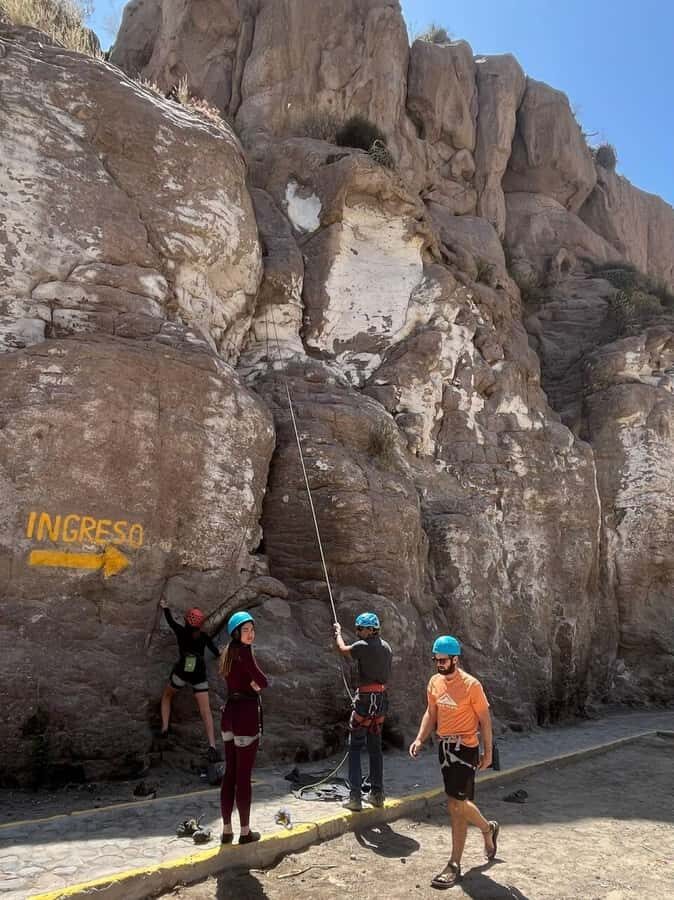
Pickup starts at 10:00 a.m. in Arequipa. That timing is useful if you like getting moving before your energy dips. It also means you’re not scrambling to figure out “when” to do something active while you’re already tired from travel.
On the way to the Chilina Valley, you’ll get a quick orientation rather than jumping straight onto the wall. That brief technical talk is where you learn how the climbing session works—how you’ll be guided and what to focus on. If you’re nervous at the start, this matters a lot. You’re not thrown in; you’re prepared.
One more smart detail: the tour is guided live in English or Spanish. Clear instruction isn’t a luxury in a sport like this—it’s what helps you stay calm, understand your options, and keep moving safely and confidently.
Harness On: Turning Nerves Into Movement
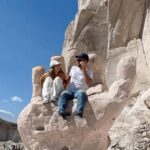
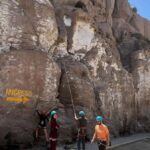
At the climbing area, you’ll put on the harness and begin your climb. That moment is where a good guide earns their keep. In the feedback for this experience, the guide Joshua is specifically praised for making first-timers feel at ease and supported. That’s not just nice to hear—it’s the difference between freezing up and actually enjoying the process.
Here’s what you should expect your body to feel like: early in the climb, it’s all about getting your rhythm. Your arms, legs, and core all share the work. Your brain does, too. You’re constantly deciding where your next handhold and foothold will be. That mix—physical effort and problem-solving—is why climbing can feel strangely satisfying even when it’s hard.
You’ll be climbing on routes chosen to fit your level. If you’re comfortable, you’ll likely try the higher end. If you’re not, you still get a meaningful experience that doesn’t feel pointless.
How High Will You Climb? The Real Meaning of 10–25 Meters
The climbing height ranges from 10 to 25 meters, depending on your level. That range is important because it translates into two different experiences:
- At the lower end, you can focus on learning movements and building confidence.
- At the higher end, you’ll feel the height more clearly and the route choices may ask more from your coordination and stamina.
Either way, this isn’t “just touch the wall and go back down.” Even 10 meters is high enough to make you pay attention. And 25 meters is enough to make the view feel like a reward, not a bonus.
If you’re weighing whether this is “too much” for your comfort, use this simple rule: climbing is only as scary as you let it be, and a supportive guide helps you manage that. If you communicate your comfort level early, you’re more likely to climb something that feels challenging but still enjoyable.
The Three-Hour Climbing Block: What Fills the Time
The core of the tour is about three hours of climbing activity after the initial technical talk. That length is a sweet spot. It gives you time to try different sections, get coaching as you climb, and actually improve during the experience instead of just completing one brief attempt.
During those hours, expect two things:
First, you’ll probably go through a learning curve. Early climbs teach you how the route feels. Later climbs are where you start to move more smoothly, not just more slowly.
Second, guidance isn’t one-time. A good session keeps adjusting as you go. The route can be guided so you’re not stuck on a move that doesn’t match your strength or technique. In the reviews, that kind of adjustment is part of what made the experience feel safe and worth repeating.
For many people, this is the part that turns a “nice idea” into a real memory.
Reaching the Top: Why the View Feels Like a Payoff
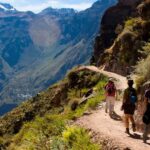
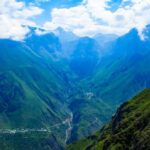
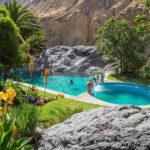
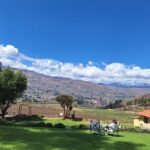
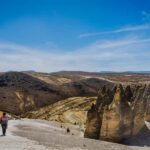
Once you climb up, you’ll enjoy a beautiful view of the whole Chilina Valley. This is the tour’s emotional moment. You’ve worked for it, and suddenly the world below looks different.
From the top, you’re not just admiring scenery. You’re getting perspective on where you are in relation to the valley and the surrounding terrain. That sense of scale can make the climb click as something more than exercise—it becomes sightseeing with effort built in.
And since the views happen after you’ve climbed, your brain remembers the route and the height. It’s not just photos; it’s a spatial memory. That’s why people tend to describe the moment as something they’ll remember clearly.
Recovery Break: Cookie, Fruit, and Water
After you come back down, you’ll return to dry land and get a small recovery break: a cookie and fruit, plus bottled water. It’s simple, but it’s smart.
Climbing uses muscles you may not train regularly. Even if you’re not totally wiped out, you’ll likely feel it in your arms and legs. The food and water are there so you’re not walking away hungry and shaky right after the physical effort.
It also gives you a chance to talk through what you climbed. The guide may comment on the route you enjoyed, and that kind of wrap-up helps you understand what you did right and what to try differently next time.
Language and Comfort: English or Spanish Instructions
This tour runs with a live tour guide in English and Spanish. Clear language matters most during instruction moments—especially when you’re about to put on gear and climb.
If you’re choosing between languages, pick the one that makes you feel fully “in the loop,” not just “able to get by.” When you understand what to do, your climbing gets calmer and smoother. That’s also how you get better faster, without forcing yourself through confusion.
Who This Tour Fits Best (and Who Should Think Twice)
This climbing tour is a strong match if you want an active Arequipa experience with real structure. It’s particularly good for people who want to try climbing without feeling thrown into the deep end. The guide support for first-timers is a major part of the positive feedback around this activity.
You might want to think twice if:
- You don’t enjoy physical challenges or you’re expecting something passive.
- Heights and the harness experience make you anxious.
- You want a longer full-day itinerary rather than a focused half-day block.
The good news is the tour’s height range and route options are designed for different levels. That helps you avoid the frustrating situation where you’re either bored or overwhelmed.
Value for Your Arequipa Trip: Half-Day Adventure With Real Memory
Even without getting into numbers, the value here is pretty clear. You get:
- Harness time and real climbing, not just a look at the wall
- A session lasting about 4 hours total, including pickup and finishing in town
- A view payoff that’s tied to your effort
- A guide who supports comfort and confidence, especially for newcomers
- A quick recovery stop so you’re not left to figure things out on your own
For many visitors, the biggest value is time. Arequipa has plenty to do. This tour adds something hands-on while still giving you your afternoon.
Should You Book This Chilina Valley Climbing Tour?
I’d book this if you want a guided climbing experience near Arequipa that’s active, scenic, and designed to keep you progressing. The combination of three hours on the wall, height options from 10 to 25 meters, and coaching that helps first-timers feel comfortable is exactly what makes this kind of tour click.
I wouldn’t book it if you’re looking for a purely relaxed day. This is work—good work—but work. If you’re okay with that, you’ll likely come away with a strong sense of accomplishment and a view you’ll remember.
FAQ
What time does the tour pick me up?
Pickup is at 10:00 a.m. from Arequipa.
How long is the experience?
The total duration is 4 hours.
Do I climb right away or do I get an explanation first?
You’ll have a brief initial technical talk before the climbing begins.
How high will I be able to climb?
You can climb between 10 and 25 meters, depending on your level.
Will I climb for the whole time?
The tour includes about three hours of climbing activity after the initial talk.
What will I see at the top?
Once you reach the top, you’ll enjoy a beautiful view of the entire Chilina Valley.
Is the guide available in English and Spanish?
Yes. The live tour guide is available in English and Spanish.
What’s included after the climb?
You’ll have a short break with cookie and fruit, plus bottled water.
How do I handle last-minute reservations?
For last minute reservations, it’s recommended that you check availability with the supplier by e-mail before booking.
—
If you tell me your climbing experience level (totally new, a few times, or regularly climbing), I can help you judge whether you’ll likely feel happiest aiming closer to 10 meters or pushing toward 25.