REVIEW · CUSCO
Classic Inca Trail 4 days to Machu Picchu
Book on Viator →Operated by Quechuas Expeditions · Bookable on Viator
Four days, one big Inca finish. This classic trek links Cusco to Machu Picchu with a guided jungle hike, Inca sites along the way, and arrival by Sun Gate.
What I like most: the tour does real work for you. Permits, tickets, camping gear, porters, and meals are included, plus round-trip transport back from the Machu Picchu area to Cusco. I also love having a guide who knows Quechuan culture—Freddy’s style of explaining what you’re seeing makes the trail feel like more than just steps.
One possible drawback: the experience can be uneven on the support side. The guide and cook (Armando) can be excellent, but there have been serious complaints about basic comfort and pacing details—think toilet conditions and whether you’ll get treated or filtered water without planning ahead.
Key highlights and what to watch for
- Freddy as guide: strong culture context, not just route directions
- Armando’s camp cooking: camp meals that land closer to restaurant quality
- Gear + porters included: you’re hiking while others handle tents and food
- Sun Gate arrival to Machu Picchu: the day you came for, delivered by a classic route
- Small group cap (16 travelers): easier flow on a busy world-famous trail
- Support can vary: bring your own water plan and be ready for basic trail facilities
In This Review
- What You’re Really Paying For on the Classic Inca Trail
- Cusco Pickup and the Km 82 Trailhead: The Start Matters
- Days on the Inca Trail: Dense Jungle Hiking and Inca Sites
- Camp Life With Porters and Armando’s Cooking
- The Big Moment: Sun Gate to Machu Picchu
- Water, Toilets, and the Comfort Reality Check
- The Return Route: Train Back From Aguas Calientes to Cusco
- Fitness Level and Group Size: What You Need to Succeed
- Packing for the Classic Trail: Match the Gear List, Not Wishful Thinking
- Quick Reality Check: When This Tour Works Best
- Should You Book This Classic Inca Trail Tour With Quechuas Expeditions?
- FAQ
- How long is the Classic Inca Trail to Machu Picchu tour?
- What is the price per person?
- Where does the trek start?
- What meals are included?
- Are permits and tickets included?
- Is round-trip transport included?
- Are porters included?
- What is the maximum group size?
- What should you bring for cold nights and rain?
- What is the cancellation policy?
- When is the meeting point available?
What You’re Really Paying For on the Classic Inca Trail
At $1,050 per person, this isn’t a budget hike. It’s the full, classic package. That matters on the Inca Trail because the expensive pieces aren’t the hiking part—they’re the permissions, the tight scheduling, the camping infrastructure, and the transport puzzle at the far end.
Here’s the value math you should do: you’re paying for more than a guide. You’re also getting Machu Picchu and Inca Trail permits and tickets, camping setup (tents, air mats, cooking tents), meals across the trek, and the return routing by train and bus. Porters carry “the heavy stuff,” including camping equipment and food, which changes how the days feel. Less load on your body usually means more energy for altitude, climbs, and enjoying the sites.
The one thing that can spoil value fast is when small operational details slip. In one case, the guide and cook shined while other parts of the company did not. So yes, you may be buying a classic, high-profile itinerary—but you’re also buying consistency. I’d treat it like: the trek can be amazing, and your job is to manage the few real friction points (water, bathroom, and handoffs).
Cusco Pickup and the Km 82 Trailhead: The Start Matters
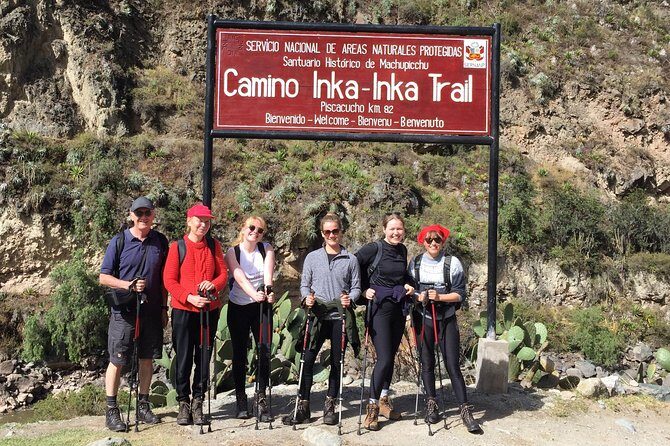
The trek begins with pickup from your Cusco hotel and a transfer to km 82, the trailhead. That sounds simple, but it’s a big deal. On the Inca Trail, timing and coordination matter, and scrambling for the right transport on your own would be stressful on day one.
You’re also dealing with altitude right away. Even if you’ve been in Cusco, you’ll still want a calm first day. The included transport helps you start with less chaos, and it puts you on the trail without wasting precious energy on logistics.
Also note the tour runs within a wide operational window (meeting point hours listed for the service period). You won’t be choosing a departure “style” like on some generic treks. This is built around the Inca Trail’s strict scheduling, so plan around the fixed dates and keep your arrival in Cusco steady.
A few more Cusco tours and experiences worth a look

Days on the Inca Trail: Dense Jungle Hiking and Inca Sites
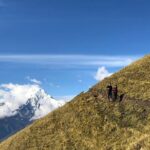
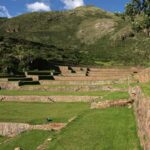
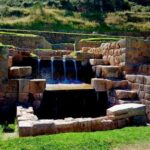
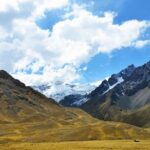
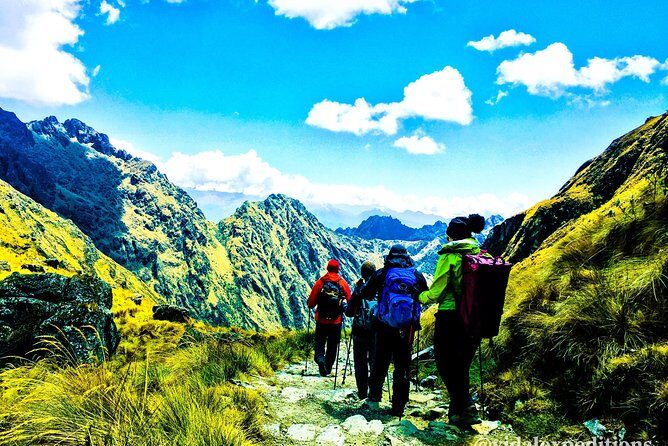
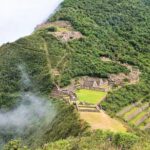
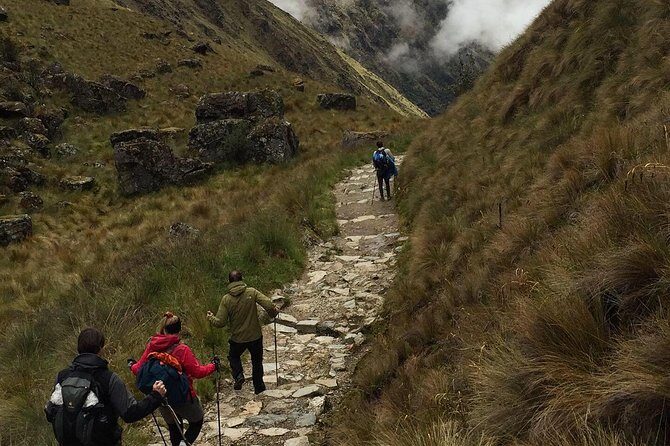
What you should picture is a classic multi-day hike through dense jungle with periodic moments that feel like time-travel. The route is famous for a reason: you’re not just walking through scenery. You’re walking through a living timeline of Inca engineering and settlement patterns.
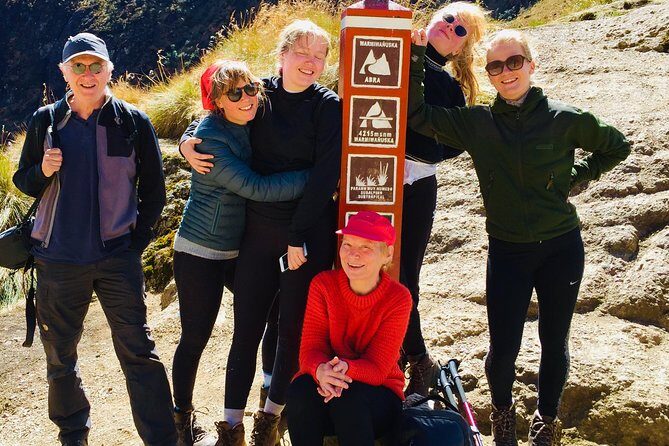
Your guide leads the way, and this is where the tour can feel special. Freddy’s strength was explaining Quechuan history and culture, and that kind of commentary tends to matter most when you’re standing in front of Inca stonework and trying to understand why it’s where it is.
A practical note: “classic” doesn’t mean easy. You’re trekking for four days with camping at night. The tour is clear that you should have a strong fitness level. That doesn’t mean you need to be an elite athlete. It does mean you need a steady pace, good endurance, and the ability to keep moving on uneven ground.
Camp Life With Porters and Armando’s Cooking
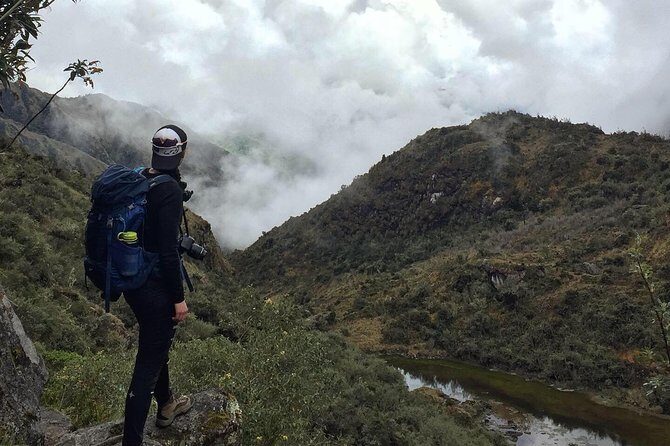
This is one of the best parts of a guided Classic Inca Trail. Porters carry camping equipment and food, and the tour includes the camping setup: tents, air mats, cooking tents, plus portable chairs and tables. That’s the difference between roughing it and actually resting between trekking days.
Then there’s the food. Meals included are 4 breakfasts, 4 lunches, and 3 dinners. A vegetarian option is included with no extra cost. In the best-case version of this trip, you’ll get camp cooking that feels like it belongs in the Andes, not the afterthought category. Armando’s meals were described as excellent—worthy of a fine restaurant even with camp gear.
What that means for you: you’ll start and finish days less wiped out. When you’re hiking in altitude and humidity, fuel and recovery aren’t optional. They decide whether day three feels heroic or punishing.
The Big Moment: Sun Gate to Machu Picchu
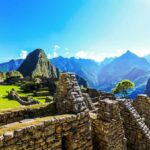
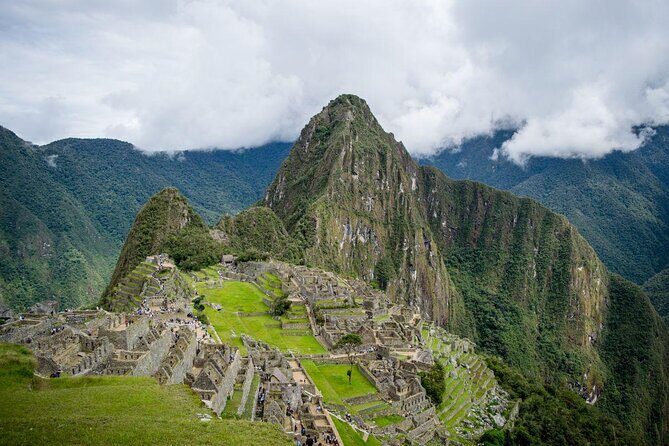
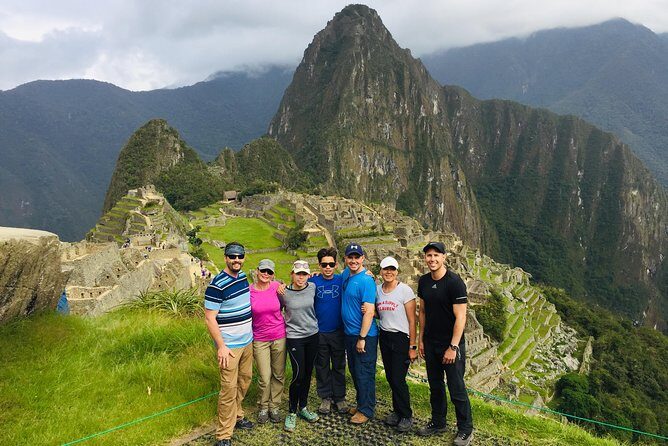
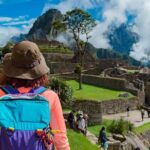
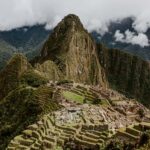
The final day is built around one of the most satisfying endgames in trekking. The tour is designed for arrival at UNESCO-listed Machu Picchu by Sun Gate. That approach is one of the iconic ways to enter the site, and it changes the feeling. You’re not arriving after a van ride. You’re arriving after days on foot, which makes the stone city hit harder.
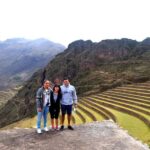
Machu Picchu itself is the payoff, but the route to get there matters. Because you’re traveling with your guide through the last stretch, you’re more likely to understand what you’re looking at—terraces, structures, and the way the city sits in the mountains.
One logistics detail to keep in mind: you may not be guaranteed that your guide stays with you the entire time from Machu Picchu to your hotel. There was a complaint about a handoff that happened at Machu Picchu, requiring the traveler to manage part of the onward route. In a best scenario, your guide stays with you smoothly. In a worst scenario, you’ll want to be ready to advocate for yourself and understand your next steps.
Water, Toilets, and the Comfort Reality Check
This is the area where I’d be most cautious. One strong review praised the guide and porters, but flagged issues with basic comfort: no clean portable toilet and reliance on trail bathroom facilities that were described as atrocious. Another issue: the tour did not provide treated or filtered water in that situation, and the traveler had to rely on a personal water filter.
Even though the trek includes items like water sterilizing tablets (Micropur) in the packing guidance, you shouldn’t assume your campsite or support team will handle every water need perfectly.
So here’s your best move:
- Bring your own water filter and/or sterilizing tablets.
- Have a backup plan for water treatment even if others tell you it’s fine.
- Don’t plan your day around luxury bathrooms. Plan around reality.
This isn’t to scare you off. It’s to protect you. In mountains, small comfort failures multiply fast—especially when you’re tired.
The Return Route: Train Back From Aguas Calientes to Cusco
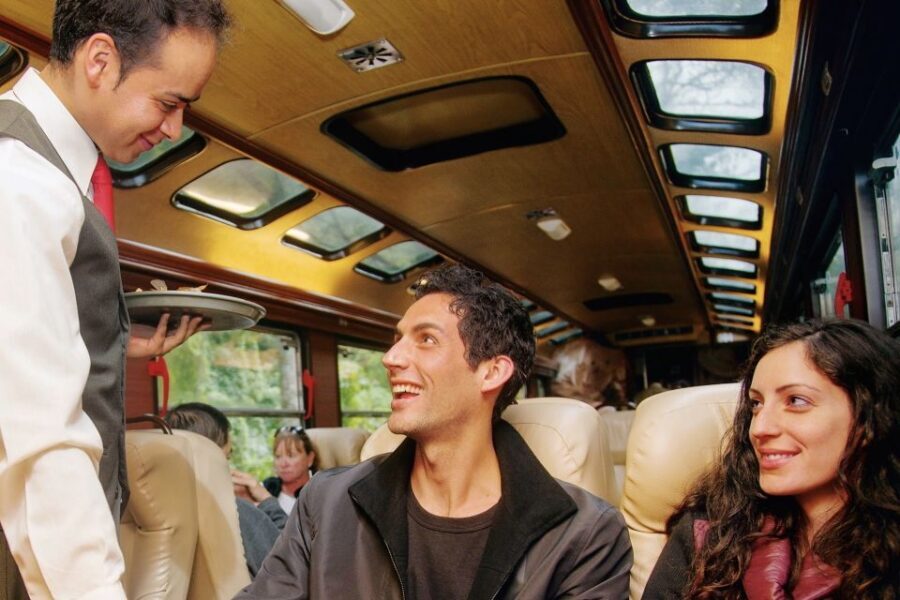
After Machu Picchu, the tour routes you through the standard rail-and-road connection. You take the train expedition back from Aguas Calientes to Ollantaytambo, then a bus back to Cusco.
This is a big part of why packaged tours are worth considering. The logistics in the Machu Picchu area can be confusing, especially when you mix schedules, equipment pickup, and getting everyone onto the correct transport.
One note from the reported issue: the guide wasn’t scheduled to accompany the traveler the whole way to Cusco, so the handoff included managing bus/train steps and finding porter-loaded equipment. The good news is that the guide agreed to stay through boarding in that case. Still, this is a place where you should keep your head and confirm the plan clearly before leaving Machu Picchu.
Fitness Level and Group Size: What You Need to Succeed
This trip sets an expectation: you should have a strong physical fitness level. Four days on the Inca Trail is not a stroll. You’re hiking with elevation and long effort days, then camping each night.
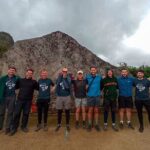
The group size is capped at 16 travelers. That matters because it usually means less jostling for guide attention and better pace control. With bigger groups, you can end up waiting more or feeling rushed at viewpoints. With a smaller group, your experience tends to flow better.
If you’re the type who likes structure and wants people to handle permits, tickets, and camp logistics, you’ll likely like this tour style. If you’re the type who hates any uncertainty around basic support, you might prefer a different operator. This one sounds like it can deliver an A-level hiking experience with variable operations on comfort details.
Packing for the Classic Trail: Match the Gear List, Not Wishful Thinking
The tour guidance is specific, and you should take it seriously. For cold nights, you’ll want a sleeping bag rated to -11 C / 12 F. For rain and wind, plan for a rain poncho (preferable) or rain jacket and wind/rain pants.
Here’s a practical way to interpret their packing list so you don’t overthink it:
- Dress in layers. You’ll want the poly/fleece wind-stopper jacket plus a lightweight sweater.
- Rain is not optional. Bring a poncho or jacket, and ideally wind/rain pants.
- Nights can be cold. The sleeping bag rating is part of the safety plan.
- Bring trekking tools. Two walking poles can save your knees and help you keep steady on uneven trail.
- Light enough, solid enough. A good day backpack is more useful than a heavy carry.
Also recommended: a headlamp, UV-protecting sunglasses, gloves, a hat, and a sunhat. And yes, bring insect repellent and sunscreen. When you’re moving through dense jungle, bugs and sun both show up.
Quick Reality Check: When This Tour Works Best
If you care about the trail itself—if you want the full classic arc from trailhead to Sun Gate to Machu Picchu—this tour has the core ingredients. The included gear, porters, and permits take a lot of stress off your plate. The guide’s cultural explanations (Freddy, as named in the feedback you were given) and Armando’s camp cooking can turn the trek into a story you’ll still remember months later.
But take the comfort complaints seriously. This tour is not a hotel experience. Bathrooms and water treatment might not match your expectations unless you bring your own systems.
Should You Book This Classic Inca Trail Tour With Quechuas Expeditions?
I’d consider booking it if:
- You want a classic 4-day Inca Trail with permits, tickets, camping gear, and meal coverage handled for you.
- You value a guide who explains what you’re seeing, not just where to step next.
- You’re willing to plan for trail realities around water and bathrooms.
I’d skip or rethink it if:
- You need dependable comfort support as part of your vacation priority.
- You don’t want to manage water treatment yourself.
- You’re the type who gets stressed by schedule handoffs near Machu Picchu and onward travel.
My advice to make the call: go in armed. Bring a water filter and your own treatment plan. Confirm exactly how the Machu Picchu-to-next-steps handoff works for your day. If the logistics check out for your specific booking, this can be one of those once-in-a-lifetime routes that earns its fame.
FAQ
How long is the Classic Inca Trail to Machu Picchu tour?
It runs for 4 days (approx.).
What is the price per person?
The price is $1,050.00 per person.
Where does the trek start?
You’re transferred from Cusco to km 82 (trailhead).
What meals are included?
The tour includes 4 breakfasts, 4 lunches, and 3 dinners. Breakfast day 1 and lunch day 4 are not included. A vegetarian option is included at no extra cost.
Are permits and tickets included?
Yes. Inca Trail and Machupicchu permits and tickets are included.
Is round-trip transport included?
Yes. You get pickup from your Cusco hotel and transfer to the trailhead, plus return travel via train from Aguas Calientes to Ollantaytambo and then bus back to Cusco.
Are porters included?
Yes. Porters carry all camping equipment and food.
What is the maximum group size?
The tour has a maximum of 16 travelers.
What should you bring for cold nights and rain?
The guidance includes a sleeping bag rated to -11 C / 12 F, plus rain protection like a rain poncho or rain jacket, and wind/rain pants.
What is the cancellation policy?
The experience is non-refundable and cannot be changed for any reason.
When is the meeting point available?
The listed service hours are 9:00 AM to 8:00 PM, Monday to Sunday, within 11/21/2025 – 01/31/2027.