REVIEW · AREQUIPA
Arequipa: Peruvian Cooking Class
Book on GetYourGuide →Operated by Tangol · Bookable on GetYourGuide
Purple corn turns into a street-food lesson. This hands-on Arequipa class is interesting because it mixes a guided cooking experience with real Peruvian flavors, starting right away with a welcome drink. I also like that you get to cook as a group with a professional chef, rather than just watch, and that the meal includes what you make at the end. One thing to consider is that menus are selected in advance, so you’ll want to double-check your chosen menu if you have allergies or strong preferences.
I like the practical rhythm of the session: apron and chef’s hat, step-by-step instruction, then sitting down to taste your own dishes. You’re also in a small group (up to 12), which makes it easier to ask questions in Spanish or English when you get stuck. The main drawback is that the timing and final dessert can feel tight if the class runs ahead, and it may help to mentally plan your night around a full 2 hours.
In This Review
- Key highlights (what makes this class worth your time)
- Arequipa’s Historic Center + A Cooking Class That Starts Fast
- Chicha Morada: Your First Taste of Peru’s Purple-Corn Tradition
- Picking Your Menu: Andean, Traditional, or Sea Food
- Andean Menu: Solterito and Rocoto Relleno
- Traditional Menu: Causa and Lomo Saltado
- Sea Food Menu: Ceviche and Pescado a lo Macho
- The Cooking Flow: What You’ll Do During the 2 Hours
- Chef Instruction in Spanish and English (and Why That Matters)
- What You’ll Eat: A Two-Course Meal Plus Dessert
- Price and Value: Is $63 a Fair Deal?
- Logistics That Actually Affect Your Experience
- Who This Class Fits Best in Your Arequipa Plan
- Final Advice: Should You Book It?
- FAQ
- Where is the meeting point for the cooking class?
- How long is the cooking class?
- How much does it cost?
- Do I get to eat what I cook?
- What does the class include?
- What is Chicha Morada?
- What menus are available?
- Are vegetarian options available?
- What should I bring and wear?
- Is it wheelchair accessible, and is it suitable for children?
Key highlights (what makes this class worth your time)
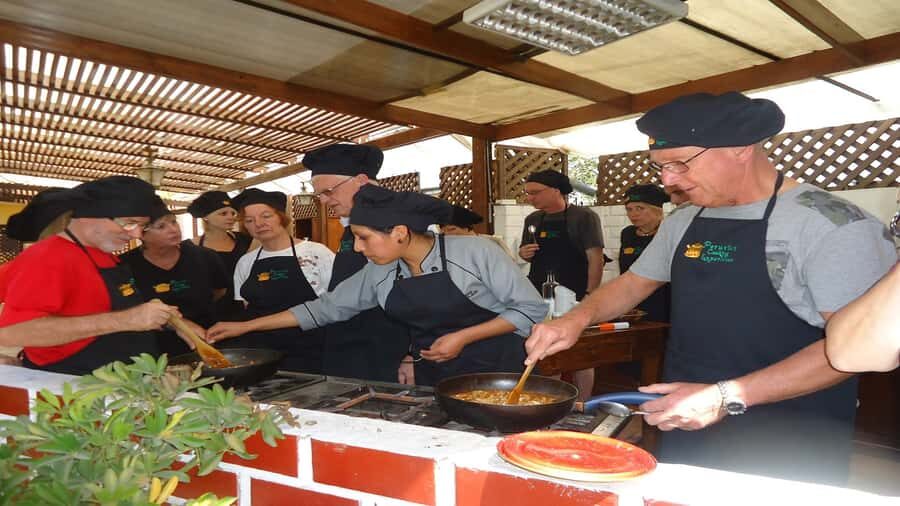
- Chicha Morada welcome: a nonalcoholic drink made from purple corn that sets the tone fast
- Pick your menu style: Andean, Traditional, or Sea Food options, chosen after confirmation
- Hands-on cooking with a pro: step-by-step guidance in Spanish and English
- Small-group feel: maximum group size is 12, so you’re not lost in a crowd
- You eat what you cook: 2-course lunch or dinner included, plus dessert
- Value for $63: ingredients, cookware, and instruction are included, not extras
Arequipa’s Historic Center + A Cooking Class That Starts Fast
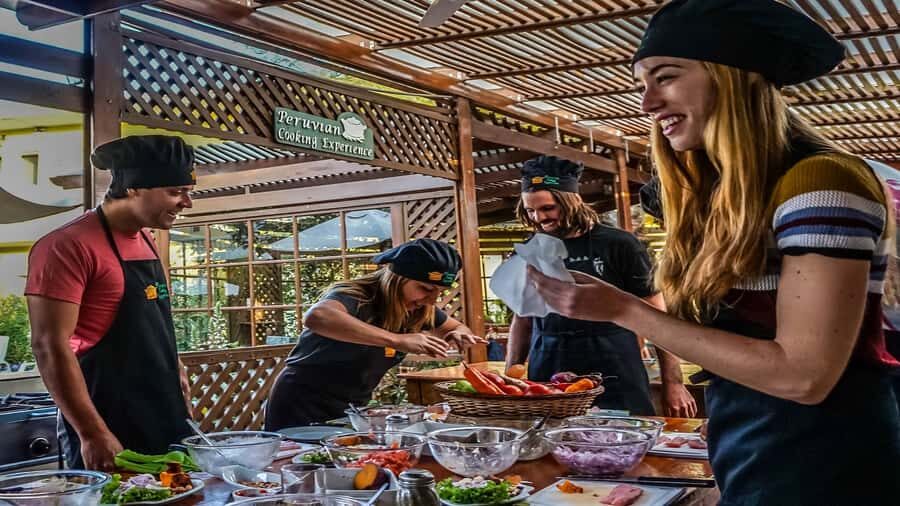
This class is anchored in Arequipa’s historic center, which matters more than it sounds. If you’re short on time, you get to do something local and practical without needing a long commute across town. The meeting point is at Casa de Avila Hotel, so it’s easy to find once you’re already exploring the center.
The session is only 2 hours, and it moves with purpose. You arrive, get a welcome drink, put on the chef look (apron and hat), and you’re cooking before you fully catch your breath. That “start now” approach is great for travelers who don’t want a half-day workshop.
One more plus: the group is capped at 12. That’s the sweet spot for learning—small enough to ask questions and not get ignored, but big enough to keep energy up.
You can also read our reviews of more cooking classes in Arequipa

Chicha Morada: Your First Taste of Peru’s Purple-Corn Tradition
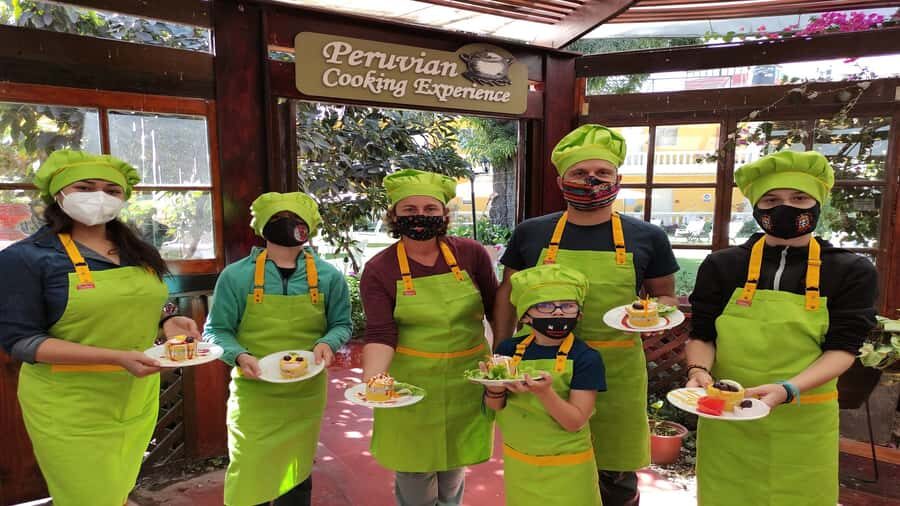
The tour kicks off with Chicha Morada, a sweet, refreshing drink made with purple corn and served without alcohol. It’s an easy first step into Peruvian food culture, because it’s familiar as a drink but distinct in flavor. The class treats it like a warm-up, not a gimmick.
For me, the smart part is how they use it to “set the table” emotionally. After that first sip, the rest of the session feels like a guided food story—ingredients, techniques, and flavors—rather than just chopping and frying.
Picking Your Menu: Andean, Traditional, or Sea Food
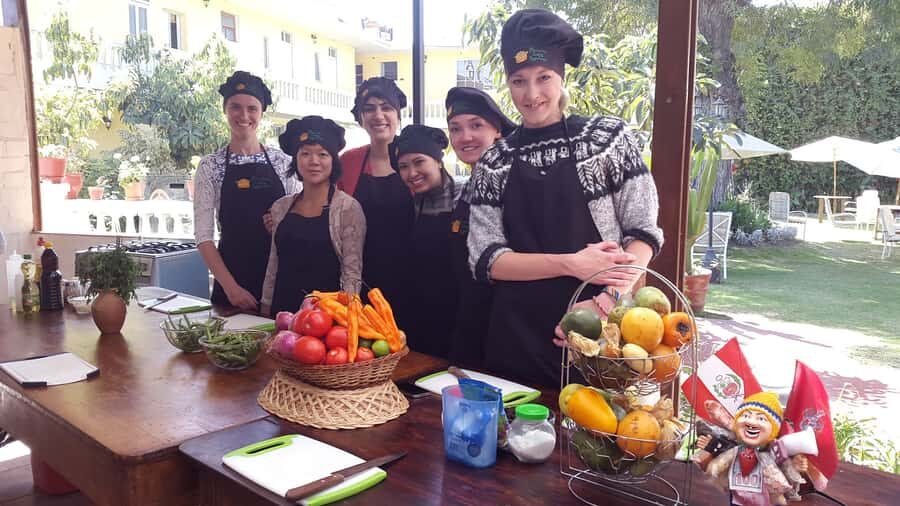
After booking, you’ll be contacted to confirm which menu you’ll cook. That’s important because the two dishes you make depend entirely on your selected menu.
Here’s what each option includes, so you can choose based on the flavors you want most:
Andean Menu: Solterito and Rocoto Relleno
You’ll start with Solterito, a fresh salad made with onion, tomato, corn, beans, cheese, and potatoes. It’s the kind of dish that teaches you how Peruvian meals often balance cool freshness with hearty ingredients.
For the second course, you cook Rocoto Relleno. This one features rocoto, a hot pepper with a strong personality—often described as a strong spicy red fruit—and you’ll stuff it with seasoned ground meat, plus cheese and raisins. Rocoto is typically not a mild pepper, so if you like heat, this is the menu that really shows you what Peruvian comfort food can mean.
Traditional Menu: Causa and Lomo Saltado
The Traditional Menu starts with Causa, made from mashed potato seasoned with yellow pepper and lemon. It’s filled with avocado and tuna or chicken, then decorated with black olives and vegetables. The yellow pepper-lemon mix is a key lesson: Peruvian flavors often have bright edges even when the base is comforting.
Then comes Lomo Saltado, a popular wok dish described as a Chinese-Peruvian fusion. You’ll cook beef, onion, yellow pepper, and tomato, plus French fries and serve it with white rice. The teaching value here is how technique and timing matter—wok cooking is fast and you learn why things need to stay moving.



Sea Food Menu: Ceviche and Pescado a lo Macho
If you want something lighter and citrus-forward, the Sea Food Menu is the one. You’ll make Ceviche as the first course—fresh fish marinated with lemon juice, then paired with onion, sweet potato, and corn.
For the second course, you cook Pescado a lo Macho, a fried fish fillet topped with a sauce of onions and tomatoes. It’s served with white rice. This menu teaches you two different sides of seafood: acid-marinated freshness, then fried comfort with a savory topping.
The Cooking Flow: What You’ll Do During the 2 Hours
Even though the dishes change, the structure stays consistent, and that’s what makes the class feel organized.
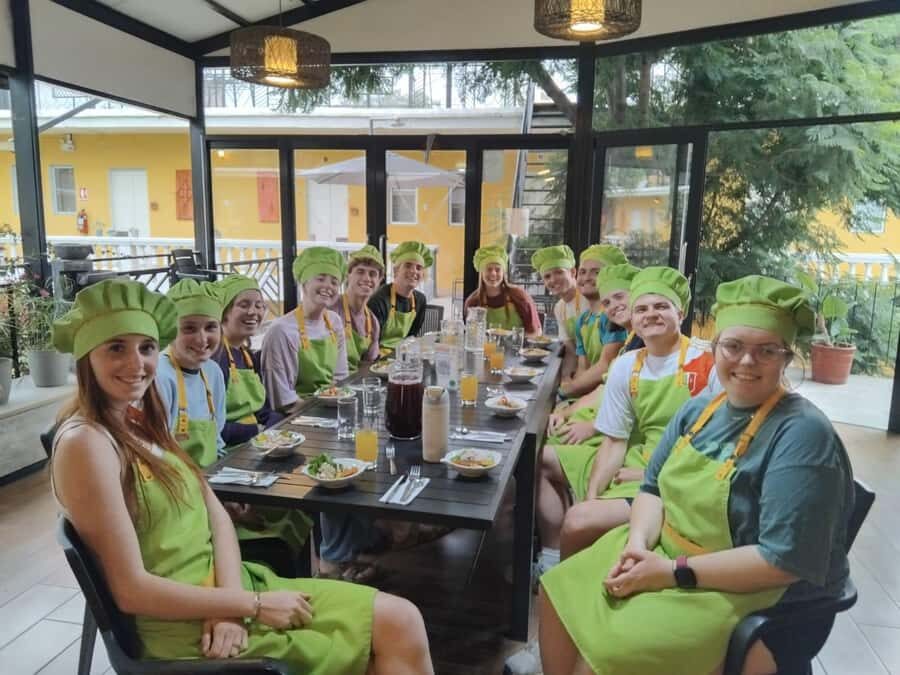
You begin at Casa de Avila Hotel and get your welcome drink. After that, the chef guides you through prep and cooking step by step. You’ll wear the apron and chef’s hat, and you’ll work with ingredients and cookware provided for the class—so you don’t need to bring tools or hunt down supplies.
One thing I like about the approach: it’s teaching-first. The chef explains what you’re doing and why. That means you leave with more than a memory of flavors—you leave with a repeatable sense of how these dishes come together.
Group energy matters here too. The class includes time for sharing travel experiences with both the group and the chef. In a class of up to 12, that turns into more than small talk; it’s a chance to ask what to order later in Arequipa.
Chef Instruction in Spanish and English (and Why That Matters)
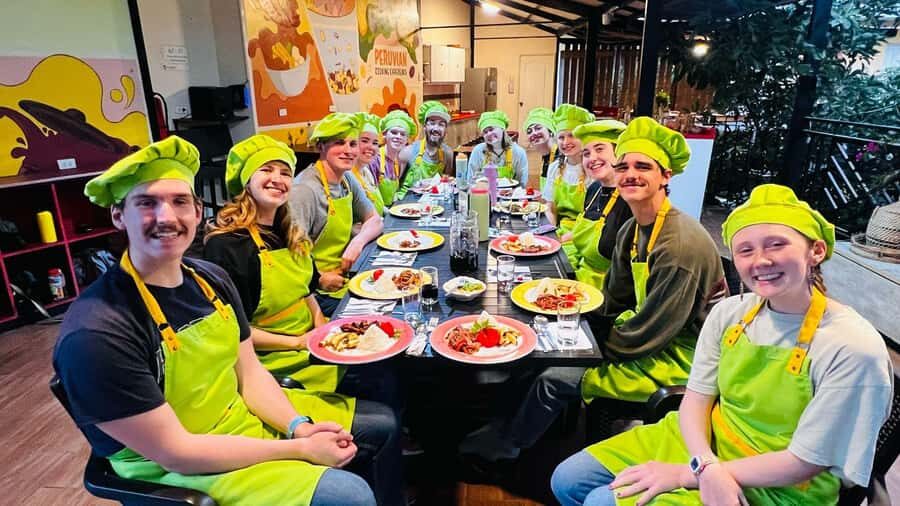
The class is led by a professional chef who speaks Spanish and English. That’s a big deal if you’re traveling with friends of different languages or if you just want to be sure you understand the steps clearly.
In one of the highlighted experiences, the instructor Diana is described as a perfect teacher with clear instructions and a great vibe. That’s exactly the kind of teaching style you want for a hands-on class: structured, patient, and confident.
That said, if you’re very sensitive to noise, keep this in mind. One earlier experience mentioned loud music made it harder to talk at the table. If conversation and explanations are your priority, you might prefer a seat where you can hear clearly.
What You’ll Eat: A Two-Course Meal Plus Dessert
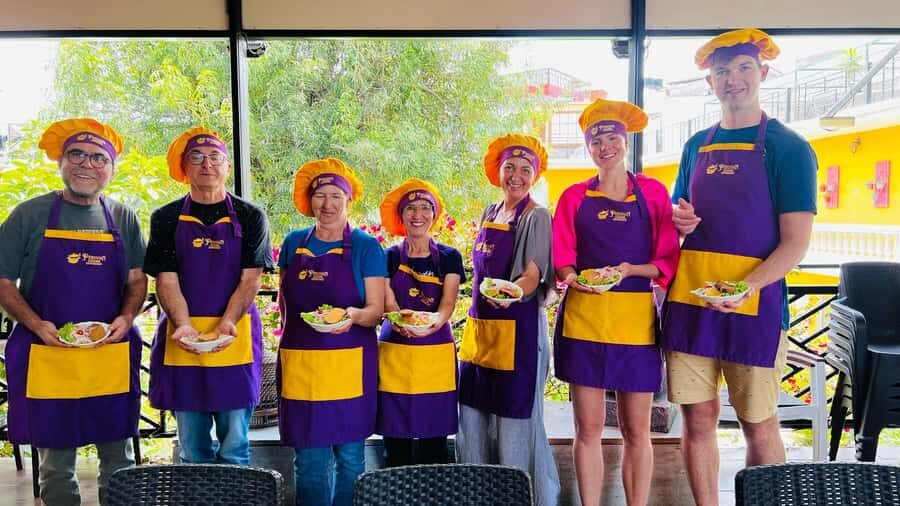
At the end, you eat the dishes you prepared. The class includes a 2-course lunch or dinner, depending on the selected time when you book. That detail matters. If you’re deciding between lunch vs dinner, remember you’re not just tasting snacks—you’re getting an actual meal out of it.
Dessert is included as well, but timing can affect how smoothly the end of the session lands. If you’re booking this right before a dinner reservation or a show, I’d give yourself breathing room. The session is planned for 2 hours, yet a course that runs quickly can feel rushed at the very end.
Price and Value: Is $63 a Fair Deal?
$63 for a 2-hour, hands-on Peruvian cooking class sounds reasonable once you see what’s included.
You’re getting:
- a guided cooking class
- 2-course lunch or dinner (based on menu)
- the Chicha Morada welcome drink
- all ingredients and cookware
- a professional chef in Spanish and English
- Wi-Fi
What’s not included is roundtrip transport from your hotel. Still, you’re meeting in the historic center, so many people can walk in or use local transit without stress.
Where the value is strongest is this: you’re paying for instruction plus a full meal you made yourself. That’s different from a tasting or a food tour where the cost is mostly for guided eating. If you want to bring home real technique—something you can repeat at home—this format justifies the price.
Logistics That Actually Affect Your Experience
A few practical points can make or break the day:
- Minimum group size: the class requires at least 2 people to start. If you’re traveling solo, you may want to check the departure status before assuming it will run on your day.
- Menu choice confirmation: after reservation, you’ll be contacted to indicate the menu you’ll cook. If you care about a specific set of dishes (or you need vegetarian modifications), confirm clearly and early.
- Vegetarian options: there are vegetarian choices, but you have to request them when booking.
- Allergies and dietary restrictions: let them know at the time of booking so the menu can be adapted.
One earlier experience highlighted the frustration that can happen when the intended menu doesn’t match what gets cooked. You can avoid that headache by taking a minute to confirm your menu in the message they send after booking.
Also, the class is wheelchair accessible. Children under 8 aren’t suitable, so it’s better for adults and older teens who can handle a longer active session.
Who This Class Fits Best in Your Arequipa Plan
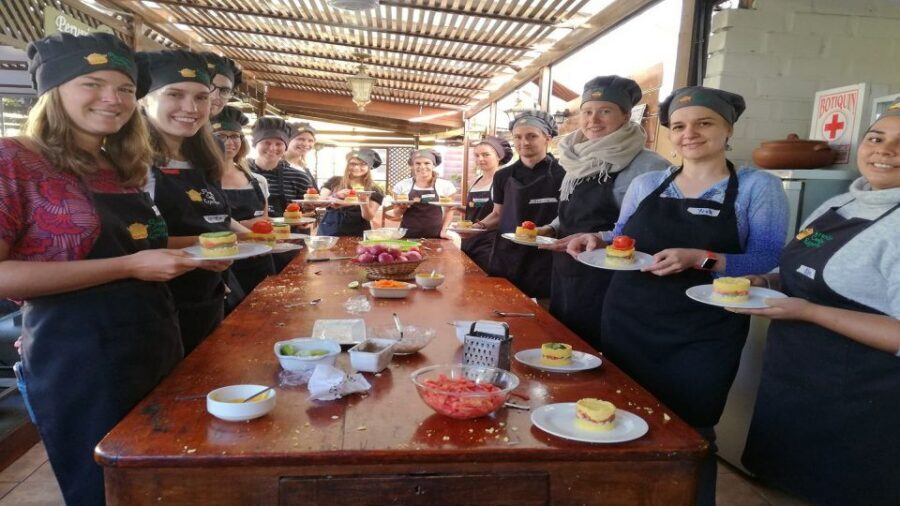
This cooking class works especially well if:
- you want a hands-on activity that doubles as a meal
- you like learning food culture through techniques, not just tasting
- you’re staying in or near the historic center and want something easy to plug into your day
It’s also a solid choice for couples and small groups, since the class size is limited and you’ll be actively involved.
It might be less ideal if:
- you need strict allergy handling and can’t risk menu confusion, so you’ll want extra confirmation before the day
- you hate loud music, since audio levels can affect conversation
- you’re traveling with very young kids (under 8)
Final Advice: Should You Book It?
Yes, I’d book it if you want a practical, learn-by-doing experience and you’re excited to cook real Peruvian dishes. The value is strong because you get a professional chef, cookware, ingredients, a drink, and a full 2-course meal tied directly to the class.
Be strategic, though. Pick your menu carefully, request vegetarian options early if needed, and message about allergies or restrictions right away. If you’re sensitive to sound, plan to sit where you can hear the chef clearly. With those small precautions, this is a fun, genuinely food-focused way to experience Arequipa’s flavors—without wasting time on complicated logistics.
FAQ
Where is the meeting point for the cooking class?
The meeting point is at Casa de Avila Hotel in Arequipa’s historic center.
How long is the cooking class?
The class lasts 2 hours.
How much does it cost?
The price is $63 per person.
Do I get to eat what I cook?
Yes. At the end, you eat the dishes you prepared, and the meal includes 2 courses plus dessert.
What does the class include?
It includes a guided cooking class, a 2-course lunch or dinner (based on your selected time), Chicha Morada, all ingredients and cookware, a professional chef in Spanish and English, and Wi-Fi.
What is Chicha Morada?
It’s a sweet nonalcoholic drink made with purple corn.
What menus are available?
There are three menu options: Andean, Traditional, and Sea Food. Each menu includes two dishes.
Are vegetarian options available?
Yes, vegetarian options are available, but you need to request them when booking.
What should I bring and wear?
Wear comfortable clothes.
Is it wheelchair accessible, and is it suitable for children?
The activity is wheelchair accessible. It is not suitable for children under 8 years.