REVIEW · AREQUIPA
Sillar Route and Culebrillas Petroglyphs
Book on Viator →Operated by Puriy Perú Expeditions · Bookable on Viator
Seeing Arequipa’s white building-stone up close feels personal. This half-day outing strings together three stops that explain how sillar shaped the city and then sends you into a canyon where ancient rock markings sit on the walls.
I especially love the combo of views from Yanahuara plus hands-on quarry explanations at Canteras de Sillar. And the walk through Culebrillas’ curving ravine is short enough for most people, yet it still feels like you’re getting out beyond the city.
One consideration: the Culebrillas canyon walk is a bit rugged and bumpy, and dust can be a real factor—so bring the right gear and don’t ignore the guidance if you’re prone to dust issues.
In This Review
- Quick hits before you go
- Yanahuara arches and volcano views over Arequipa’s white stone
- Canteras de Sillar at Añashuayco: the quarry behind the city’s signature look
- Culebrillas serpentine ravine and petroglyphs: a short hike with real personality
- The drive, the pace, and why guides matter here
- Price and value: what $19 really buys in Arequipa
- What to bring: dust control, shoes, and photo angles for petroglyphs
- A practical sense of who should book and who should skip
- Should you book Ruta del Sillar and Culebrillas?
- FAQ
- How long is the Sillar Route and Culebrillas petroglyphs tour?
- What’s included in the $19 per person price?
- Are entrance fees included for the quarry and the petroglyph canyon?
- Is there hiking in Culebrillas?
- Who might want to avoid this tour?
- Will the tour bring me back to my hotel?
- Can I cancel for a full refund?
Quick hits before you go
- Yanahuara viewpoint and ashlar arches: quick, scenic Arequipa introductions with nearby volcano views
- Añashuayco sillar quarry explanations: see the stone that built the city and learn how it’s used
- Culebrillas petroglyph canyon walk: about 20 minutes on uneven ground plus a short slope
- Apachetas stone mounds at the end: a small cultural stop that adds meaning to the walk
- Included entrances (S/5 + S/5): your $19 price covers key site fees and a certified guide
- Small group size (max 18): easier movement and photo stops than on mega-buses
Yanahuara arches and volcano views over Arequipa’s white stone
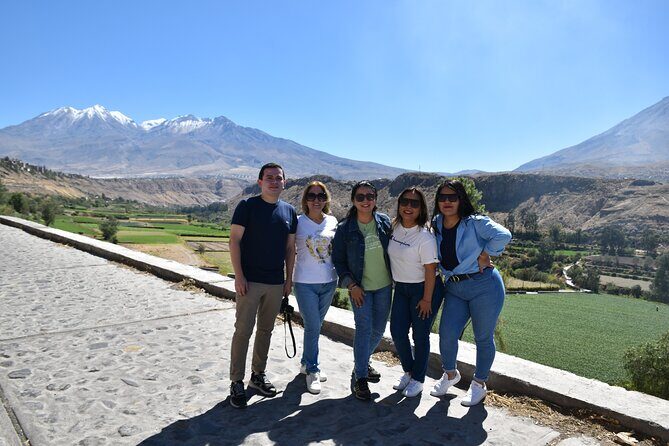
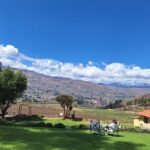
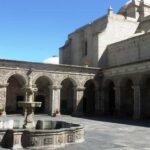
You start in Yanahuara, a traditional neighborhood known for its ashlar arches built in Arequipa’s signature white volcanic stone. It’s the kind of place where you can connect the city’s look to the geology without needing a classroom. You get a viewpoint over Arequipa, and on a clear day the surrounding snow-capped peaks—Chachani, Pichu Picchu, and Misti—sit in the background like big white anchors.
This stop is short (about 20 minutes), but it works as a warm-up. You’ll get your bearings fast: where the city spreads, where the mountains line up, and why sillar matters. If you’re jet-lagged or just want a low-effort start, this is the gentlest part of the route.
Potential drawback: because this is outdoors, bright sun can make it harder to notice small details in stonework and signage. Bring sunglasses and don’t plan on long “study time” here—think quick observations and photos.
You can also read our reviews of more tours and experiences in Arequipa.
Canteras de Sillar at Añashuayco: the quarry behind the city’s signature look
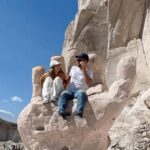
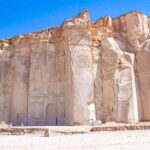
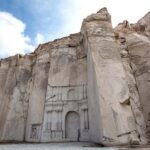
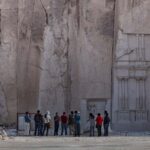
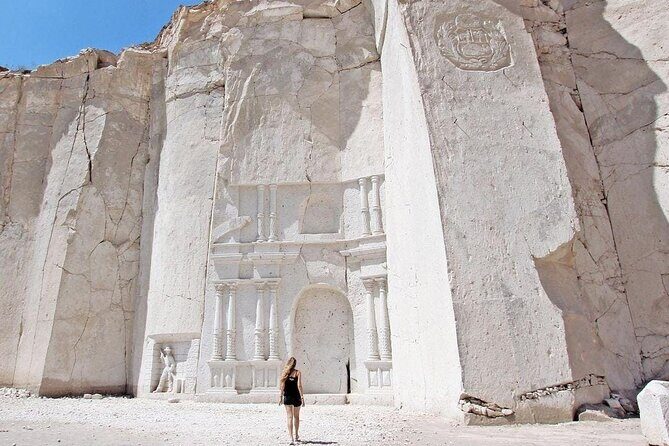
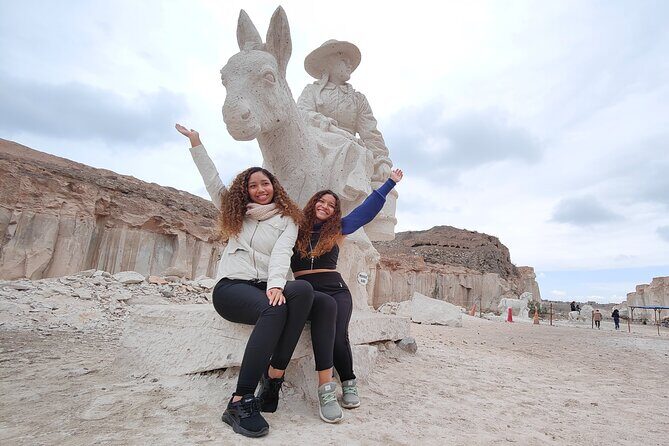
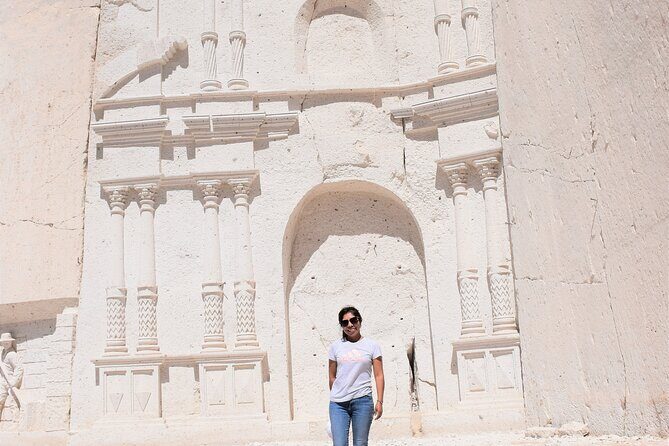
Next comes the big “aha” moment: Canteras de Sillar near Arequipa. This is where sillar is extracted, and it’s the reason colonial-era buildings across town look the way they do. Instead of just viewing finished stone, you see the quarry environment and hear explanations about how volcanic stone is worked and why it’s valued for construction.
Your time here is about an hour—enough to take it in without feeling rushed, but not so long that you lose patience in dust and sun. The quarry experience is practical: you’ll likely notice how pale the stone is, how it breaks, and why it’s so common in local architecture. It’s also one of the best stops for photography, because you get texture, cutting marks, and the color contrast that makes sillar look almost chalky.
One thing I’d plan for: dust. The quarry area can be hot and dry, and face coverings help more than you’d think. Even if you’re not sensitive, a little dust protection can keep you comfortable for the rest of the tour.
Culebrillas serpentine ravine and petroglyphs: a short hike with real personality
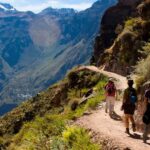
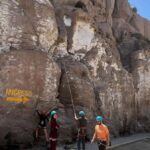
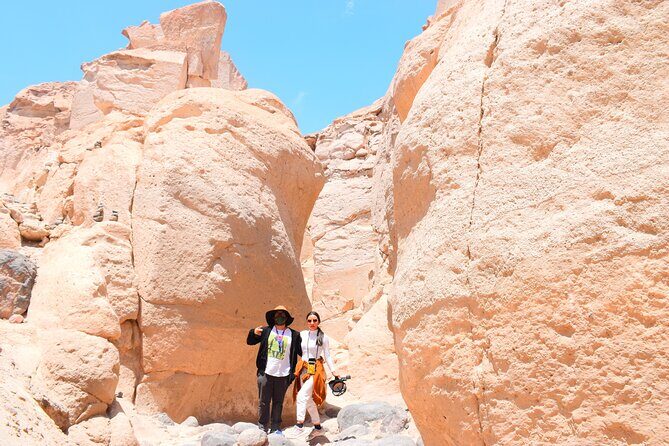
Culebrillas is the tour’s more adventurous chapter. You drive to the ravine area (about 15 minutes from the quarry area), then start a walk of about 20 minutes through a canyon with curvy formations. The ground is described as a bit bumpy, and the route includes a short climb (around 5 minutes). It’s not a long trek, but you’ll want good traction on your shoes.
The main payoff is the petroglyphs—rock markings you’ll see directly on the ravine walls. This is the stop where imagination helps, because some figures are easier to notice when you change angles or when the guide helps you focus on shapes. Midday light can flatten contrasts, so don’t expect every carving to jump out at first glance. Work with the lighting, and take your time when your guide points things out.
At the end, you also get to observe apachetas, stone mounds connected to local tradition. This small moment adds context to the walk, turning it from just a “cool canyon” into a place with meaning for people who live nearby.
Who should be cautious: this is not the tour for older adults or anyone who struggles with uneven ground, because the walk and short slope are part of the experience. If you have a dust allergy, you’ll want to rethink this day—this route can involve dusty outdoor conditions.
The drive, the pace, and why guides matter here
This is a group tour, with a maximum of 18 travelers, so you’re not packed like sardines. Still, your experience depends on how smoothly the guide manages timing and how clearly directions are communicated—especially when you’re moving between three separate sites.
Guides can make or break the day. In the guide names that have come up, I’ve seen several strong examples: Mike, Tony, Alexandra, Christina, and Sandra. The common theme in the best experiences is simple: clear explanations, good pacing, and a friendly handoff when you’re switching locations. If you struggle with hearing (or if there’s noise from the van), ask for clarification right away rather than waiting until you feel lost.
Pacing is another key factor. Yanahuara is brief, the quarry is one longer stop, and Culebrillas includes walking time plus viewing time. If the group runs late due to traffic, you might lose minutes at one of the sites. That’s not unique to this tour type—short half-days are always sensitive to delays—so it helps to arrive in a flexible mood.
Transport note: the tour uses a group van or minibus. Some people reported comfortable air conditioning and seatbelt safety, but you shouldn’t assume every vehicle function will be perfect. If you’re sensitive to comfort or temperature changes, dress accordingly and keep expectations realistic.
Price and value: what $19 really buys in Arequipa
At $19 per person, this tour is trying hard to be good value. The big “math” is that the key site fees are included: Añashuayco entrance (S/5.00) and Culebrillas admission (S/5.00). Those admissions alone can narrow the gap between booking a tour and paying for transport plus entry separately.
What else you’re paying for is the day structure. The route gives you a guided introduction to sillar and a guided interpretation of petroglyphs—especially useful because these carvings can be hard to see without help. A local guide also reduces decision fatigue: you don’t have to coordinate timing, find the sites, or figure out where you should stand for photos.
Is it perfect value for everyone? If you already know how to navigate independently and you only care about one stop, you might do better self-guiding. But if you want a compact half-day route that connects viewpoints, quarry technique, and the petroglyph canyon, this is priced to work.

What to bring: dust control, shoes, and photo angles for petroglyphs
For a canyon-and-quarry day, packing matters more than usual. Here’s what I’d bring based on the way this route tends to feel:
- Sturdy shoes with grip for the bumpy canyon walk
- Water (you’ll be outdoors in sun, and the quarry stop especially can feel long)
- A face covering or mask for dust
- Sunglasses and a hat because Yanahuara and the quarry are sun-facing
- Insect protection just in case: the area can have small biting bugs, and it’s easier to be prepared than to scramble for repellent
Photo advice, too, because the petroglyphs aren’t always “obvious” in harsh light. If the sun is strong, try stepping slightly to adjust the angle. Look for contrast along carved grooves rather than expecting a bright outline. And don’t assume you’ll notice everything in the first minute—use the guide’s pointing moments as your “where to look” cue.
A practical sense of who should book and who should skip
This works best if you want a half-day that goes beyond the city center with minimal planning. It’s also a good fit if you like geology, architecture, or cultural details you can see with your own eyes. The small group size helps with movement, and the itinerary is designed so you’re not hiking for hours.
I’d suggest caution or skipping if:
- you’re an older adult who struggles on uneven ground
- you have dust allergies, since quarry and canyon conditions may trigger symptoms
- you prefer a slow, deep museum-style experience—this is time-structured and outdoors
If your travel style is active-but-manageable, you’ll probably enjoy it. If you want a very relaxed day with no walking, choose a more leisurely option.
Should you book Ruta del Sillar and Culebrillas?
I’d book this tour if you want the best kind of Arequipa connection: see the white sillar stone, learn how it’s used, then walk into the canyon where ancient markings sit on volcanic rock. The included entrances and the tight half-day format make it a practical pick for limited time.
Skip it if you’re sensitive to dust or you don’t do well with bumpy, uneven paths—even though the hike is short. And go into it knowing it’s a moving day: brief stops, photo moments, and guide cues.
FAQ
How long is the Sillar Route and Culebrillas petroglyphs tour?
The tour lasts about 4 hours (approximately), including transfers between the three main stops and the return to the city center.
What’s included in the $19 per person price?
You get a certified guide, a group tour, entrance to Añashuayco (S/5.00), and admission to Culebrillas (S/5.00).
Are entrance fees included for the quarry and the petroglyph canyon?
Yes. Añashuayco entrance is included, and Culebrillas admission is included.
Is there hiking in Culebrillas?
Yes. You’ll walk about 20 minutes through the ravine (described as a bit bumpy) and then climb a slope for about 5 minutes.
Who might want to avoid this tour?
It’s not recommended for older adults due to the rugged canyon walk. It’s also not recommended for travelers with a dust allergy.
Will the tour bring me back to my hotel?
The return takes about 40 minutes to reach the city center, and the tour returns to a set stop rather than necessarily back at your hotel door.
Can I cancel for a full refund?
Yes. You can cancel up to 24 hours in advance for a full refund.