REVIEW · CUSCO
Inca Jungle Premium to Machu Picchu 4-Day and 3-Nights
Book on Viator →Operated by Conde Travel · Bookable on Viator
Adrenaline meets Machu Picchu on this 4-day route. I like how this tour stacks active Inca-era adventure with included comfort like lodging and meals, so you spend less time figuring logistics and more time moving. The hot springs stop is a real highlight after long trekking days, and the small group size (max 15) keeps it personal instead of chaotic.
One thing to consider: you’ll start early, with a 5:30 am meeting time, and the itinerary expects moderate physical fitness. If you want a slow, lazy pace, the packed schedule and frequent walking might feel like a lot.
In This Review
- Key things to know before you go
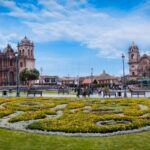
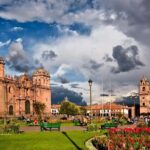
- Cusco at dawn: what this Inca Jungle tour feels like
- The Day 1 ride over Málaga Pass and down toward Santa Maria
- Urubamba rafting and Bella Victoria dinner with a native family
- Day 2 in the high forest: Inca route walking and Cocalmayo hot springs
- Day 3: the trek to Aguas Calientes and where the adventure fits
- Day 4 sunrise at Machu Picchu: guided time plus your own pace
- Rooms, meals, and what “included” really covers
- Price and value: what $550 buys you (and where it won’t)
- Who this tour is best for (and who should pass)
- Guide support and group size: why it feels personal
- Quick prep checklist so you don’t suffer unnecessarily
- Should you book Inca Jungle Premium to Machu Picchu?
- FAQ
- What time does the tour start in Cusco?
- What accommodations and meals are included?
- Is rafting included, and is it optional?
- How physically demanding is it?
- Do you get Machu Picchu entry and the return trip to Cusco?
- What do I need to bring or prepare?
Key things to know before you go
- Málaga Pass bike ride: You’ll reach about 4,350 masl and descend to Santa Maria (about 1,890 masl).
- Urubamba rafting is optional: Built in as a fun add-on, described as not too dangerous and not too boring.
- High-forest Inca route walk: Around 4 hours through humid forest with plants, orchids, birds, and wildlife potential.
- Cocalmayo hot springs: Your prize after a jungle hike, with warm mountain water to soak sore legs.
- Santa Teresa zip line option: Six cables around 800 meters each, up to about 80 km/h, plus a suspension bridge and a light rock climb.
- Machu Picchu sunrise plan: You’ll travel early for a chance to catch sunrise, then get about 2 hours guided time before free exploration.
Cusco at dawn: what this Inca Jungle tour feels like
This is an Inca Jungle route designed for people who want more than buses and ticket lines. Each day has a plan that mixes movement, scenery, and community stops, and the package handles the heavy lifting: transportation from Cusco to Cusco, guides, equipment for activities, and your Machu Picchu entrance.
The vibe is active but not reckless. You’re not doing one long all-out endurance push every day, but you are doing enough walking, cycling, and trekking that your body will feel it. For me, that’s the sweet spot: you get the satisfaction of earning the views without it turning into a suffering contest.
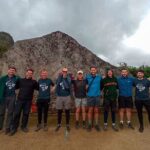
The group stays small, max 15, and you get a private bilingual professional guide specialized in the Inca jungle. That matters on this kind of trip because the details you hear along the way make each stop feel connected, not random.
A few more Cusco tours and experiences worth a look
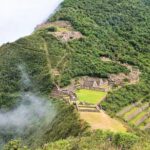
The Day 1 ride over Málaga Pass and down toward Santa Maria
Day 1 starts early in Cusco with a pickup, and the first big shift is heading toward Ollantaytambo. Breakfast happens after you reach Ollantaytambo, which is helpful because you’ll need energy for what comes next.
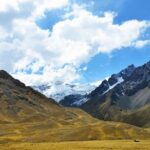
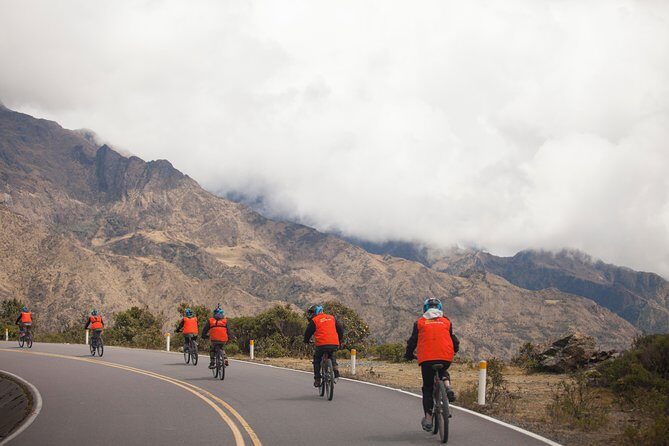
Then you go up to the highest point of the route: Málaga Pass (about 4,350 masl), near Verónica snowy. You’re high enough that the altitude matters, and you should take the climb and the early pace seriously even if you’re used to hiking. After that, the highlight is the descent by bicycle down toward Huaman Marca and Santa Maria (around 1,890 masl).
This is one of the most distinctive parts of the whole itinerary. A biking descent feels very different from typical Machu Picchu tours, and it gives you that mix of speed and big-mountain scenery. Just remember that downhill riding can still be tiring on your legs and hands, especially if you’re not used to controlling your balance for long stretches.
After lunch, the day keeps its momentum with another nature-based activity, plus a dinner that turns into a cultural experience rather than just a restaurant meal.
Urubamba rafting and Bella Victoria dinner with a native family
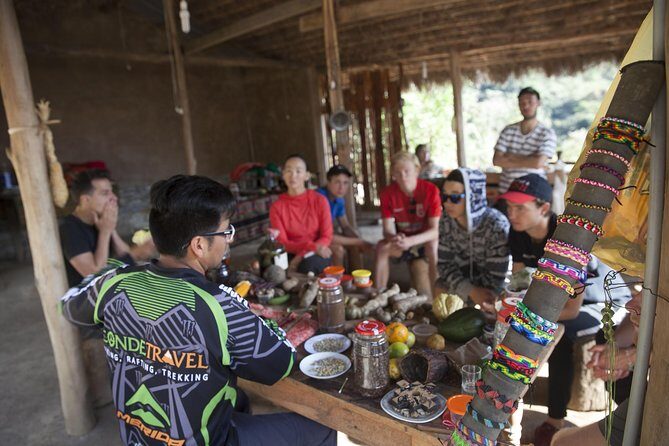
Once you’ve fueled up, the trip offers Urubamba River rafting as an optional activity. The framing here is clear: it’s meant to be fun and not overly risky. If you’ve never rafted in moving water before, this sort of “manageable adventure” can be a good first step.
Whether you choose to raft or not, the day finishes with something grounded and human. You’ll walk briefly to Bella Victoria, described as a local house, where you have dinner attended by a native family. You’ll also be served coffee and achiote, which is the kind of meal detail that makes the day feel local instead of touristy.
For value, this matters: you’re getting more than “transport + ticket.” You’re getting a sequence of experiences that connect land, food, and people along the route to Machu Picchu.
Day 2 in the high forest: Inca route walking and Cocalmayo hot springs
Day 2 is where the trip leans into the jungle. After breakfast, you head into the Inca route and begin walking for about 4 hours through high forest, with lots of plant life. The description specifically calls out orchids, birds, and the chance to see other wildlife. You shouldn’t count on seeing every animal, but the goal is clear: biodiversity and a humid, green feel you don’t get in Cusco city streets.
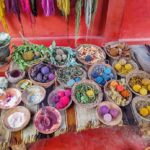
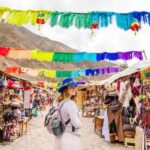
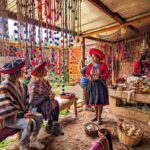
You’ll also stop for lunch made by a local community using native fruits and tubers. This is a big deal for travelers who care about food as part of the trip, not just as fuel. It also keeps the day from feeling like you only move from one activity to another.
Then the “trophy” payoff: Banos Termales de Cocalmayo. After a forest walk, soaking in warm waters in the mountains is exactly how you recover. This stop helps make the next day easier, especially since Machu Picchu itself is a walk-heavy day even when you’re not doing an extra hike.
By the end of Day 2, you’re not just tired in a good way. You’re actually primed to keep moving.
Day 3: the trek to Aguas Calientes and where the adventure fits
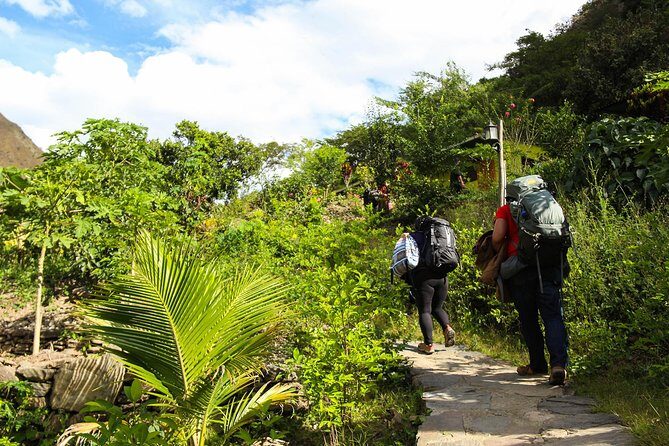
Day 3 brings you closer to Machu Picchu by using the approach route most people miss. You start with a walk from Hydroelectric to Aguas Calientes along a flat trail. The description places the hike at about 3 hours and highlights waterfalls, wildlife potential near the Urubamba River, and that steady rhythm of an easy-footed route.
Lunch is served when you arrive at a restaurant during this walking segment. After you reach Aguas Calientes (Machu Picchu town), you get dinner and a briefing about the next day’s Machu Picchu excursion. Then the evening is yours to explore town on your own, which helps if you want a shower, a relaxed meal, or time to buy simple things you might have forgotten.
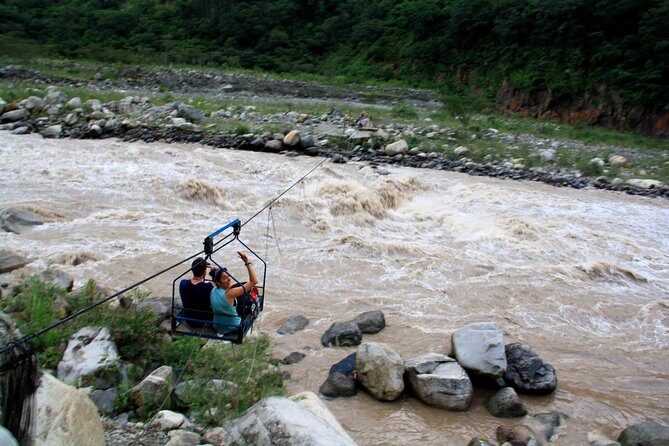
Now, here’s the adrenaline option that can change the feel of the day: the zip line in Santa Teresa. The trip notes it as something you can take during the Day 3 flow. It describes six cables around 800 meters long each, with a maximum speed near 80 km/h. After the zip line, you cross a suspension bridge and do a light rock climb. Then you travel by bus back to Hydroelectric, enjoy lunch there, and continue the trek to Aguas Calientes.
Because the schedule is clearly built to move between these zones, you’ll want to stay flexible in your pacing and keep an eye on what the guide says about timing that day. The payoff is big: you’re combining forest trail energy with a controlled, high-speed thrill before sleeping near Machu Picchu.
Day 4 sunrise at Machu Picchu: guided time plus your own pace
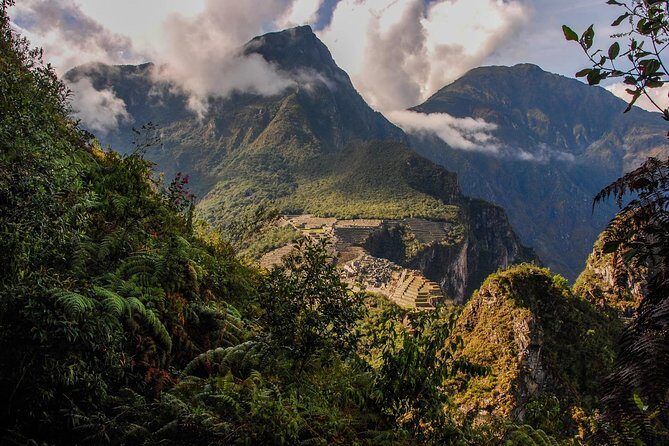
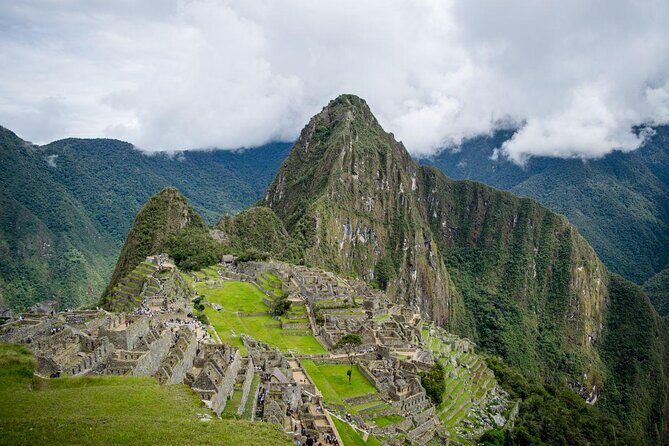
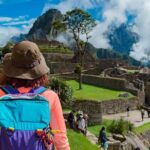
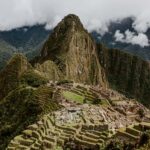
Day 4 starts with an early rise to head to Machu Picchu. You’ll take an ascending route through high forest, and the plan includes an opportunity to see sunrise if conditions line up. Even if sunrise is just a bonus rather than a guarantee, the early timing matters because you beat a chunk of the daytime crowds.
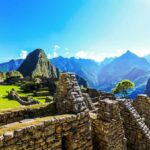
At Machu Picchu, you get about 2 hours with the guide. That guided time is the best use of your energy early on because it helps you understand what you’re looking at and why it matters. After that, you have free time to enjoy the sanctuary at your own pace.
You finish with the return: train and bus back to Cusco. The route goes train back to Ollantaytambo, then transfer to Cusco. Entrance to Machu Picchu is included, so you’re not scrambling for tickets once you’re already in Peru’s most famous ruin.
This structure is smart for most people: guided orientation first, then freedom when you know where to look and how long to linger.
Rooms, meals, and what “included” really covers
This tour includes 1 night in an Ecolodge and 2 nights in hotel accommodation, plus breakfast, lunch, and dinner across most of the days. The data is clear about what’s covered and what isn’t.
Included meals:
- Breakfast for 3 days
- Lunch for 3 days
- Dinner for 3 days
Not included:
- Breakfast on the first day
- Lunch and dinner on the last day
In plain terms, you’re mostly taken care of once the trip starts, and that’s a real quality-of-life benefit when you’re moving daily. It also means you can travel lighter because you’re not hunting down meals between activities.
You’ll also receive coffee and/or tea, and there’s a complete first aid box for safety support during activities. Equipment for the biking, rafting, and trekking is included too, which usually saves time and reduces the hassle of packing.
Price and value: what $550 buys you (and where it won’t)
At $550 per person for roughly 4 days, this isn’t the cheapest way to get to Machu Picchu. But it’s also not “pay more for the view only.” You’re paying for the mix of logistics and activities: transportation in and out of Cusco, equipment for activities, a specialized bilingual guide, lodging, and entrance to Machu Picchu.
A big part of the value is that you don’t need to build the route yourself. The itinerary includes multiple activity types (biking, optional rafting, jungle walking, hot springs, zip line option) plus the train and bus return. For a traveler who wants to spend energy on doing things, not coordinating them, that’s worth a lot.
What you should account for:
- You’ll need to budget for snacks and water (purchasable along the way).
- You should plan for gratuities for your guide.
- Your first-day breakfast and last-day meals aren’t included.
One more practical caution: the experience is listed as non-refundable and cannot be changed for any reason. If your plans are fragile, consider that before you pay.
Who this tour is best for (and who should pass)
You’ll likely love this trip if you want a hands-on route to Machu Picchu. It fits well when you like active days, don’t mind early mornings, and want a small group experience with a guide who can explain what you’re seeing.
It also suits people who like variety. You go from mountain cycling to river fun to humid forest walking, then you soak, then you switch to the Machu Picchu approach. That diversity keeps the days from feeling repetitive.
It might not suit you if you’re dealing with injuries or you want minimal physical exertion. The tour asks for moderate fitness, and the schedule packs walking and trekking into multiple days. Also, if you hate zip line or rafting, you can skip the optional parts, but the overall movement level stays.
Finally, consider timing and altitude. You’ll go to high elevations around Málaga Pass, so you should take the early-day pace seriously even if you feel fine.
Guide support and group size: why it feels personal
One detail that really matters is the small group cap: maximum 15 travelers. In a trip like this, smaller groups help the guide keep an eye on pace, questions, and gear. It also tends to make the experience feel more connected, since you’re not constantly meeting new people through the day.
There’s also a noted guide support style through the provider, including fast response before the trip and ticket and ride arrangement. In at least one highlighted review, guide Stif was praised for being consistently helpful and for explaining Peru and cultural context to the group. That kind of guidance can turn everyday moments into story moments, especially on a route that’s more about the journey than just the final ruin.
Quick prep checklist so you don’t suffer unnecessarily
Based on what the tour suggests you bring, plan for lots of changing conditions: walking, biking, potential rain, and cooler mountain temperatures at altitude.
Pack these essentials:
- Strong walking shoes or tennis shoes
- A sweater and thick jacket
- Hat or cap
- A proper rain coat
- Long sleeve shirts and long and short pants
- Insect repellent and sunscreen (UV factor at least 40)
- A lightweight backpack for personal items
- Toilet paper, sunglasses, and plastic bags
- A small amount of cash in change
- Passport (valid on travel day)
Also consider a lantern and medical or personal items, since the list specifically calls them out. You’ll thank yourself when your morning is early and you’re not digging around in a big bag.
Should you book Inca Jungle Premium to Machu Picchu?
Book it if you want Machu Picchu with an active story attached. This route gives you biking over Málaga Pass, jungle time on the Inca route, Cocalmayo hot springs for recovery, and an early sunrise day at Machu Picchu with guided orientation plus free time.
Skip it if you want a relaxed, low-effort trip. The meeting time is early, the itinerary is packed, and it expects moderate physical fitness. Also, keep the non-refundable rule in mind so you’re confident your dates are solid.
If you’re aiming for value beyond the ticket and you like feeling like you did something to reach Machu Picchu, this one makes sense.
FAQ
What time does the tour start in Cusco?
The meeting time is 5:30 am, with an early morning pickup from your accommodation in Cusco.
What accommodations and meals are included?
You’ll get 1 night in an Ecolodge and 2 nights in hotel accommodation. Meals include breakfast for 3 days, lunch for 3 days, and dinner for 3 days.
Is rafting included, and is it optional?
Rafting on the Urubamba River is listed as optional on Day 1.
How physically demanding is it?
The tour says travelers should have moderate physical fitness. It includes biking, walking through high forest, and trekking segments to Aguas Calientes and Machu Picchu.
Do you get Machu Picchu entry and the return trip to Cusco?
Yes. Machu Picchu entrance is included, and the return includes train back to Ollantaytambo plus transfer to Cusco, along with a round trip bus to Machu Picchu.
What do I need to bring or prepare?
You’ll need a current valid passport on the day of travel. The tour also suggests strong walking shoes, layers like a sweater and thick jacket, a rain coat, insect repellent, sunscreen (UV factor at least 40), a hat or cap, a lightweight backpack, and a good rain and walking setup.