REVIEW · CUSCO
Cusco: Half-Day City and Nearby Archaeological Sites Tour
Book on GetYourGuide →Operated by LimaTours · Bookable on GetYourGuide
Five hours in Cusco feels like a sprint. This tour packs the big Inca highlights into a smart route, with Coricancha setting the stage and Sacsayhuaman giving you the kind of stone-and-story spectacle that makes Cusco click fast.
Two things I really like: it’s an excellent first-time orientation, and the guide time is well used to connect each site to what the Incas believed and how the Spanish reshaped it. One thing to plan for is the extra cost of the Cusco Tourist Ticket (BTC), since you need it for the archaeological stops.
In This Review
- Key highlights in plain terms
- Why this half-day Cusco loop works for first-timers
- Coricancha and the Sun Temple under Santo Domingo
- Cusco Cathedral in the Main Square: your compass
- Sacsayhuaman’s stone fortress and the June 24 Inti Raymi moment
- Quenqo’s religious complex: ceremonies in stone
- Puka Pucara (Red Fortress) and the Inca rest-stop idea
- Price and admissions: what your $49 really buys
- Getting there smoothly: pickup zones, shoes, and what not to bring
- Languages and guiding quality: Fred and Jose as a clue
- Who this tour suits best
- Should you book this Cusco half-day?
- FAQ
- How long is the Cusco half-day city and nearby archaeological sites tour?
- What does the tour include for admission?
- Do I need the Cusco Tourist Ticket (BTC)?
- Is pickup and drop-off included?
- What languages are available for the live guide?
- Are food and drinks included?
- What should I bring?
- Is the tour wheelchair accessible?
Key highlights in plain terms
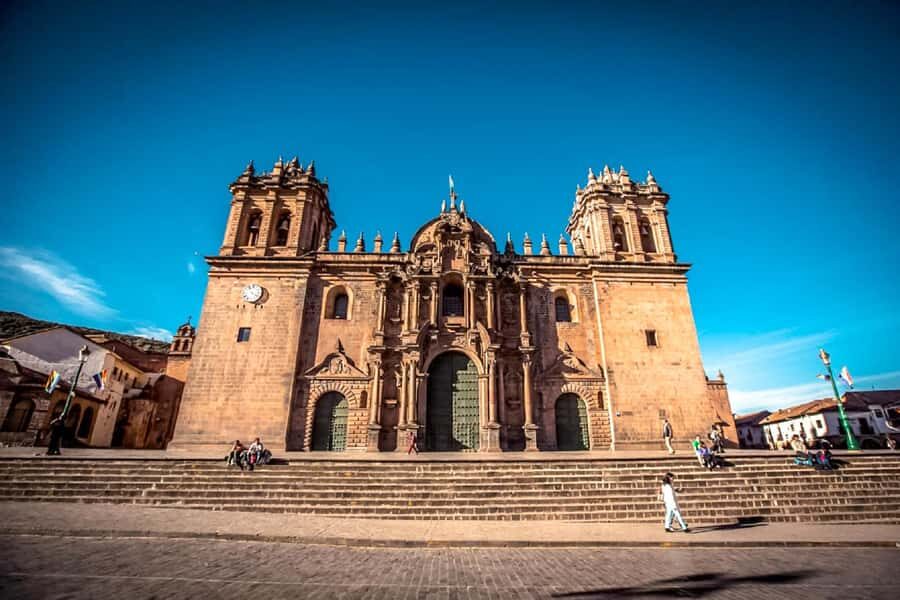
- Coricancha’s layered story: Inca Temple of the Sun roots, then Spanish-era reuse tied to the Santo Domingo Convent
- Sacsayhuaman’s massive stones: a 15th-century fortress where the transportation mystery still gets people talking
- Religious sites close together: Quenqo and Puka Pucara keep the focus on ceremonies, not just walls and views
- A guide who can translate the meaning: English, Spanish, Portuguese, or French, with standout mentions like Fred and Jose
- Good value for a short day: pickup plus admissions to Coricancha and the Cusco Cathedral are included
Why this half-day Cusco loop works for first-timers
If you’re short on time in Cusco, you can’t beat a route that hits the most central Inca-and-colonial landmarks without turning your day into a commute marathon. This one is built for context. You’re not just looking at ruins; you’re learning why each place mattered, and how one empire’s sacred space became another empire’s centerpiece.
The 5-hour duration is a big part of the value. Cusco days are often spent acclimating, figuring out streets, or saving your energy for later excursions. This tour gives you a concentrated hit of the region’s archaeology and the city’s most important monuments, while still leaving you time to rest afterward.
There’s also a practical upside: you start in the Historic Center and get pickup from there. That means less scrambling for taxis and less time worrying about where the meeting point is. You’ll still do some uphill walking, but at least you’re not adding unnecessary travel stress.
You can also read our reviews of more city tours in Cusco
Coricancha and the Sun Temple under Santo Domingo
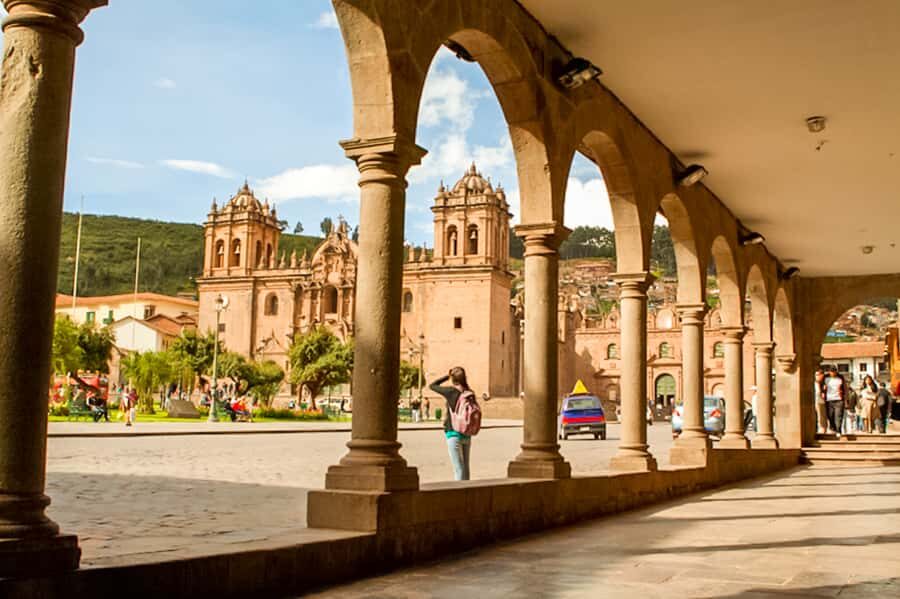
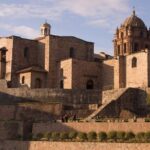
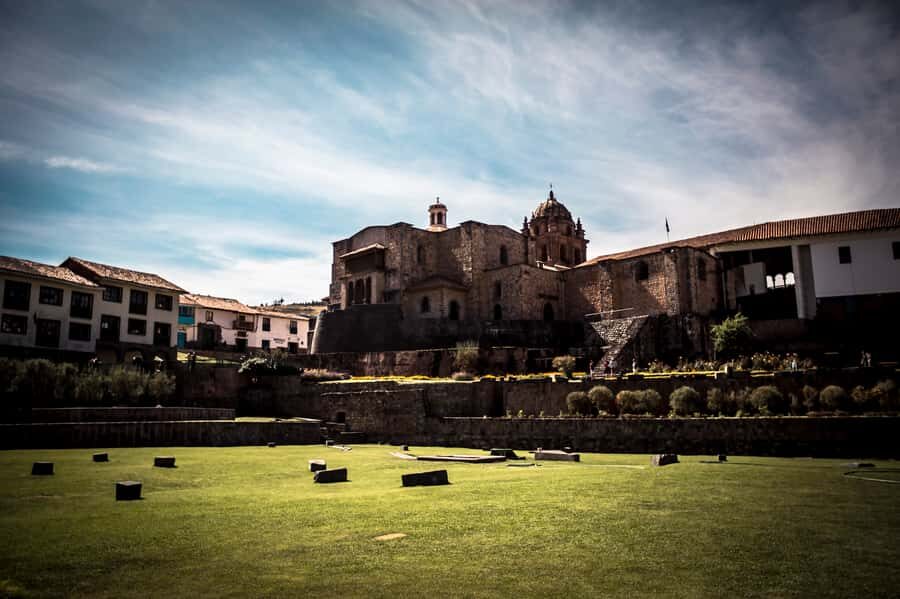
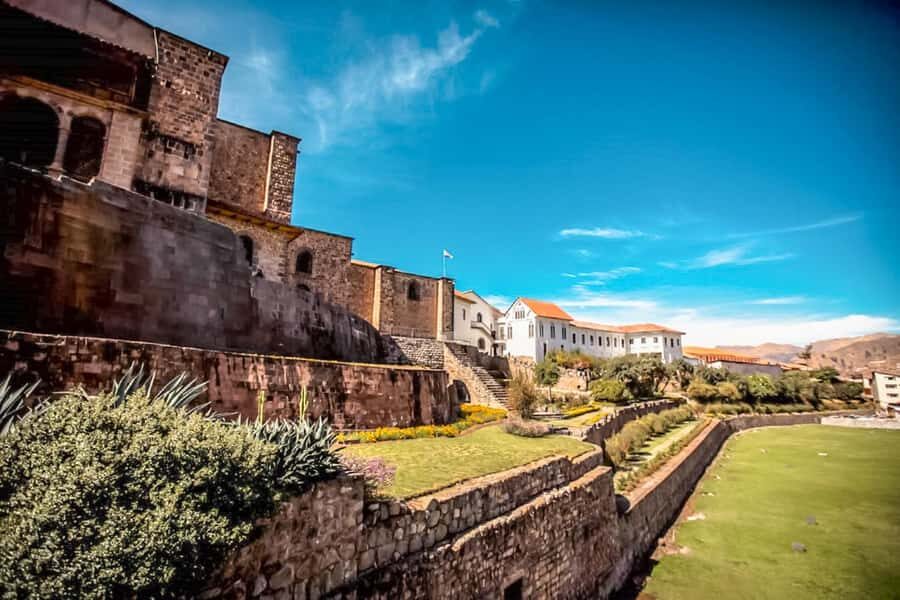
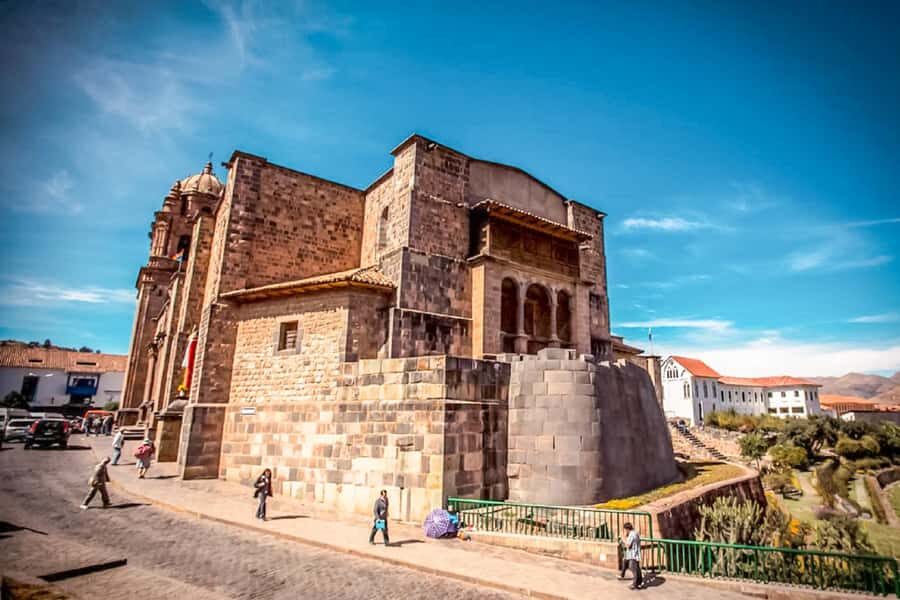
Your tour kicks off at Coricancha, known as the Temple of the Sun. This was built by Inca Pachacutec, and it’s one of those places where you can feel the shift from Inca power to Spanish colonization just by looking at what sits on top of what.
Here’s the key detail that makes this stop more than a quick photo stop: when the Spanish arrived, Coricancha became the basis for constructing the Santo Domingo Convent. That’s not trivia. It’s the story of Cusco itself, told in layers. You see how conquerors didn’t only replace structures; they reused sacred sites and rebuilt them in their own style.
Why I think this matters to you: Coricancha helps you read the rest of the day. Once you understand that Cusco’s most important spaces were reinterpreted rather than erased, the next stops feel less like random ruins and more like a connected map of beliefs.
It also makes sense from a logistics standpoint. Coricancha is included for admission, so you’re not burning time (or adding uncertainty) on ticketing right at the start.
Cusco Cathedral in the Main Square: your compass
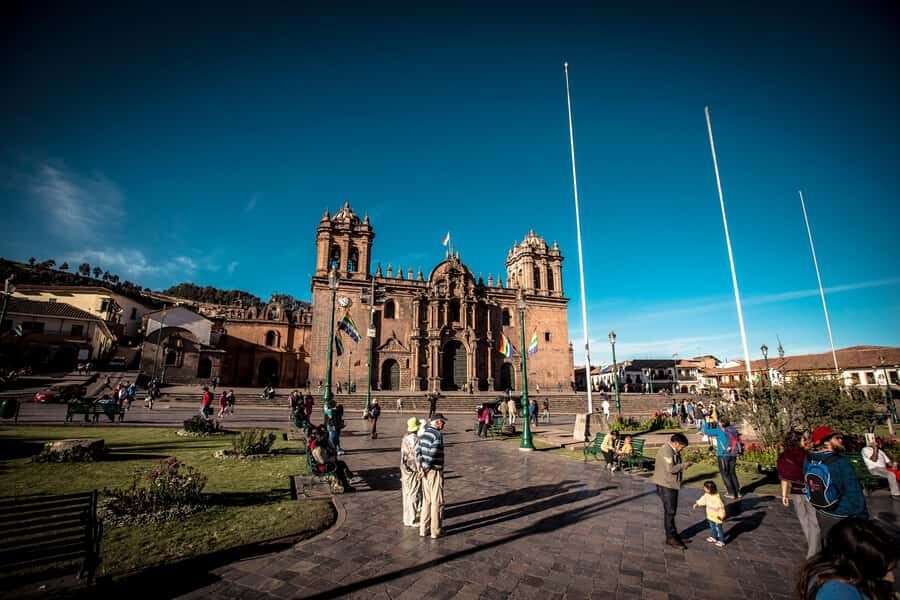
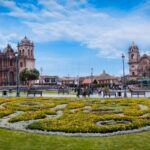
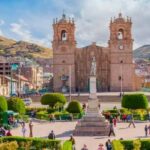
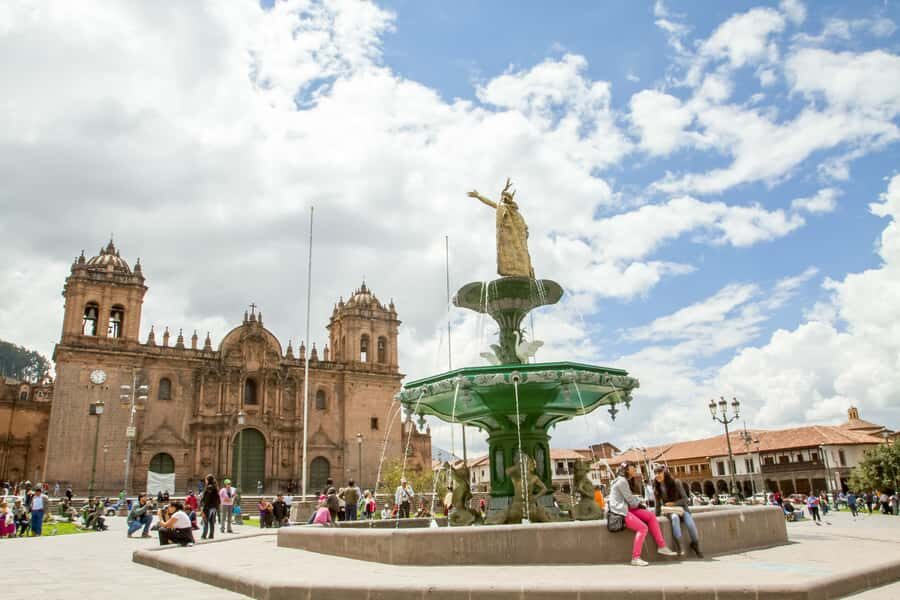
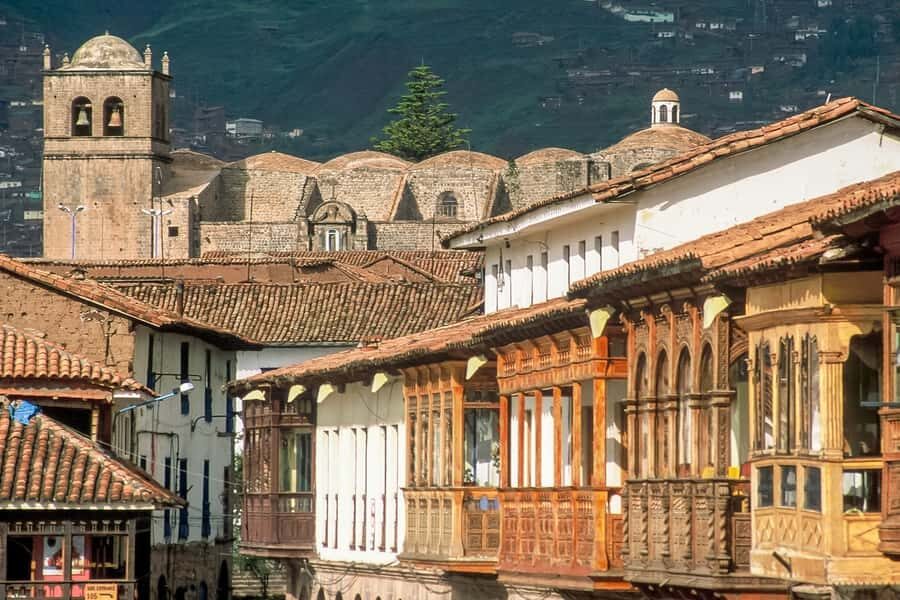
After Coricancha, you head to the Cathedral of Cusco in the Main Square. The tour calls it the most imposing monument in the main plaza, and that checks out in terms of sheer dominance. Even if you’re not a church-history person, the cathedral helps you orient what you’re seeing in Cusco: the city’s center became a stage for authority after the Spanish period.
Think of this stop as your visual anchor. Cusco’s streets radiate from the center, and it’s easier to understand where things are once you’ve stood in the Main Square. The cathedral also gives you a contrast to the Inca-era sacred spaces you’ll see soon. You go from Temple-of-the-Sun meaning to Spanish-era monumental religious architecture, and it’s a clean change of gears.
Admission to the cathedral is included, which is a quiet but real value point. When you’re combining multiple sites in one half-day, skipping one ticket line can save you more time than you’d expect.
Sacsayhuaman’s stone fortress and the June 24 Inti Raymi moment
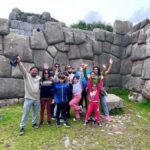
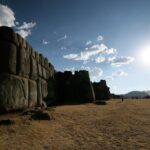
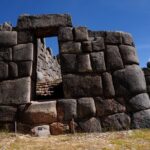
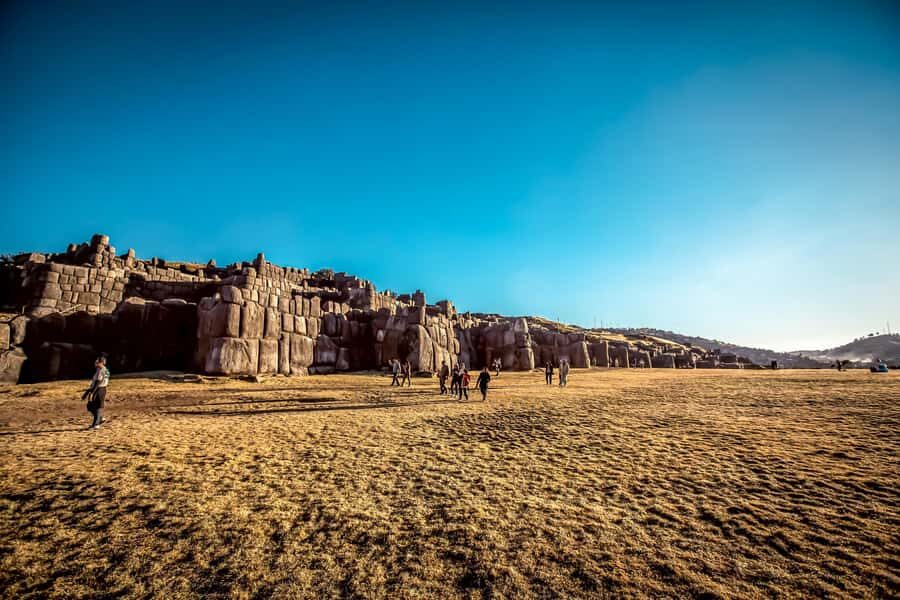
Next comes Sacsayhuaman, the big uphill fortress you’ll want solid shoes for. It’s described as one of the most emblematic buildings built by Inca Pachacutec in the 15th century, and the reason it’s so famous is simple: huge stones, fitted with precision, with the transportation story still considered a mystery.
That mystery is part of the attraction. You’ll likely find yourself staring at the scale and trying to imagine moving those blocks before modern machinery. Even if you don’t obsess over engineering, the sheer mass and workmanship makes the place feel like it was built to last and built to impress.
Then there’s the cultural layer. Every year on June 24, the feast of Inti Raymi is recreated here, with the sun worshipped as part of the celebration. If your timing lines up, you’ll feel how living traditions attach to ancient sites. If it doesn’t, don’t worry. The point today is understanding why this fortress location still carries symbolic weight in Cusco.
Practical note: expect going uphill and time spent outside. Cusco altitude and sun can be a combo, so plan for breaks and hydration even though food and drinks aren’t included on the tour.
Quenqo’s religious complex: ceremonies in stone
After Sacsayhuaman, you’ll move on to Quenqo, an archaeological complex used mainly for religious purposes. This is the kind of site that benefits from a guide. When you’re standing in front of rock-cut spaces and uneven ground, it’s easy to see it as just ruins. With the right explanation, you start noticing how the design supports ritual use.
Quenqo also helps vary the feel of the day. Sacsayhuaman hits you with fortress energy. Quenqo is more about spiritual function, and the shift keeps the tour from feeling repetitive.
You’ll also be grateful for the structured pacing here. In Cusco, it’s easy to underestimate how much walking and altitude can add up. A planned route means you’re not guessing between sites on your own.
A few more Cusco tours and experiences worth a look

Puka Pucara (Red Fortress) and the Inca rest-stop idea
Finally, you reach Puka Pucara, which means Red Fortress. The tour frames it as an architectural complex with alleged military use, built with multiple spaces, plazas, baths, aqueducts, walls, and towers. That’s a lot of variety packed into one stop.
What I find useful about this description is how it changes the usual way people think about ruins. It’s not only about battle imagery. There’s an argument behind the design that the Inca entourage used the area while they rested in Tambomachay. Even if you treat that as theory rather than a proven fact, it gives you a better mental picture of how leaders moved through the landscape and managed life, not just warfare.
If you like archaeology with a human angle, this is the stop that often clicks. You start thinking about routines: arrival, rest, water management, daily movement between sacred and practical spaces. Puka Pucara offers that kind of grounded curiosity.
Price and admissions: what your $49 really buys
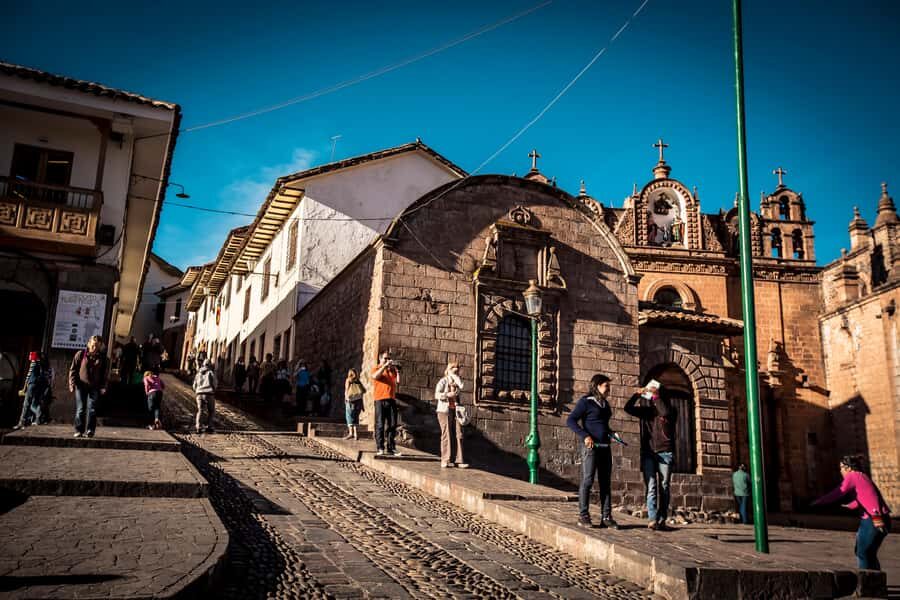
At $49 per person for 5 hours, the value is strong if you want a guided introduction without building a DIY route. You’re paying for three things that add up quickly on your own: pickup and drop-off, a professional guide, and included admissions to Coricancha and the Cusco Cathedral.
That said, you should treat the BTC situation as the one cost most people forget. The operator notes that to visit the 4 archaeological sites, you need to acquire your Cusco Tourist Ticket (BTC). Since the BTC isn’t included, you should budget for it. The tour includes entry to Coricancha and the cathedral, but other archaeological stops still depend on the BTC.
Also not included: food and drinks, photos, personal expenses, and gratuity. Translation: bring water and plan a snack break afterward. And if you’re the sort who likes to reward great guiding, set aside a little extra at the end.
For context on demand and consistency, the tour is rated 4.6 from 14 reviews. That suggests most people leave satisfied, and it matches the overall feel: a well-structured half-day for the money.
One more practical heads-up: one booking complained about a miscommunication between the operator and the guide about what was included. That’s rare, but it’s also a reminder to confirm ahead of time that you have the right tickets for archaeological sites.
Getting there smoothly: pickup zones, shoes, and what not to bring
Pickup is included, but only from hotels in Cusco’s Historic Center. If you’re staying in an Airbnb or somewhere outside that zone, the tour notes you’ll need to coordinate a meeting point with the local operator a few days in advance. This matters because Cusco pickup can be very location-dependent, and last-minute fixes are where days get stressful.
What to bring is straightforward and worth following:
- Comfortable shoes (you’ll be walking and likely doing some stairs or uneven ground)
- Sunscreen (Cusco sun can be intense)
- Comfortable clothes for warm afternoons and cooler shadows
What’s not allowed:
- Pets
- Luggage or large bags
- Unaccompanied minors
And one more detail to plan around: the tour is not wheelchair accessible. If mobility is a concern, this is the kind of route where the terrain and walking time can be difficult.
Languages and guiding quality: Fred and Jose as a clue
The tour runs with a live professional guide in English, Spanish, Portuguese, or French. That flexibility is a big deal in Cusco, because you’ll get more from each site when the guide can explain the meaning, not just recite facts.
The most praised guiding notes in the available feedback include names like Fred, described as very attentive and willing to help, and Jose, praised as excellent. I can’t promise you’ll get either person, but it does hint at the tour’s strengths: strong communication and practical support when questions pop up.
What you’ll want from your guide is exactly what this route needs: connections between sites, not just stop-by-stop description. When you understand why Pachacutec matters, how Coricancha’s reuse by the Spanish reshaped the sacred center, and why June 24 Inti Raymi matters at Sacsayhuaman, the ruins feel less like a checklist.
Who this tour suits best
This half-day is ideal if you:
- Are in Cusco for the first time and want a fast, meaningful orientation
- Want a guided route that includes major monuments and multiple archaeological stops
- Prefer structure over DIY guessing in a high-altitude city
- Like understanding the Inca-Spanish overlap rather than only viewing ruins
You might skip it if:
- You want a long, slow, unhurried archaeology day
- You’re relying on wheelchair access or need step-free routing
- You’d rather spend your half-day only in the downtown core (this tour includes multiple outside sites)
Should you book this Cusco half-day?
If you want a practical first taste of Cusco, I think this is a smart pick. You’re getting a guided loop that links Coricancha, the Main Square cathedral, the heavyweight fortress of Sacsayhuaman, and two more religious-leaning archaeological sites. For $49, with pickup plus admissions to Coricancha and the cathedral included, it’s good value as long as you plan for the BTC and bring what you need for walking uphill.
My advice before you lock it in: confirm your pickup from a Historic Center hotel (or line up your meeting point if you’re elsewhere), and make sure you understand the BTC requirement for the archaeological stops. If you do that, you’ll arrive with less stress and get more from the stories behind the stones.
FAQ
How long is the Cusco half-day city and nearby archaeological sites tour?
The duration is 5 hours.
What does the tour include for admission?
Admission is included for Coricancha and the Cusco Cathedral.
Do I need the Cusco Tourist Ticket (BTC)?
The tour notes that to visit the 4 archaeological sites, you need to acquire the Cusco Tourist Ticket (BTC). The BTC is not included.
Is pickup and drop-off included?
Yes. Roundtrip pickup is available from hotels located in Cusco’s Historic Center. Pickup from private residences (Airbnb) is not included, and you must coordinate a meeting point with the operator.
What languages are available for the live guide?
The live guide is available in Spanish, English, Portuguese, and French.
Are food and drinks included?
No. Food and drinks are not included.
What should I bring?
Bring comfortable shoes, sunscreen, and comfortable clothes.
Is the tour wheelchair accessible?
No. The tour is not wheelchair accessible.