REVIEW · AREQUIPA
2 Day 1 Night Trek / Colca Canyon
Book on Viator →Operated by Trek The Colca · Bookable on Viator
A cold start at 3:00 am sets the tone for this Colca Canyon trek. This is a well-paced two days and one night circuit with private transport, English or Spanish guiding, and a stay at Cielo Azul lodge in Sangalle where you can soak sore legs in the pool after hiking. Two things I really like here: the included meals mean you are not hunting food all day, and the whole schedule is built around classic Colca moments like condors at Cruz del Cóndor. One consideration: it is a real trek with early starts and big altitude swings, so you’ll want solid basic fitness and patience for simple food and basic lodging.
You’ll be picked up in Arequipa, transferred to Chivay, and then dropped into the canyon rhythm fast. Day 1 is all about going down into the canyon to reach the Sangalle area by late afternoon, and Day 2 turns into an uphill grind at dawn before you head back toward Arequipa. The tour tops out at 12 people, which keeps things from feeling chaotic.
In This Review
- Key highlights worth your attention
- The Colca Canyon timing: what 3:00 am really means
- Arequipa to Chivay: breakfast stops and condors at Cruz del Cóndor
- Day 1 downhill into the canyon: Sangalle, warm pool time, and the lodge stay
- Day 2 at dawn: the uphill trek to Cabanaconde with torch lights
- Hot springs and Pampa Cañahuas: recovery plus camelid sightings
- Price and value: what $124 covers, and what you pay separately
- Walking expectations, altitude, and safety notes you should not ignore
- Guide support: English or Spanish, and what a good guide changes
- Who this Colca 2-Day trek suits best
- Should you book this Colca Canyon trek?
- FAQ
- FAQ
- What is the meeting time for this trek?
- How long is the trek?
- Is pickup and drop-off included?
- Is the tour guide available in multiple languages?
- What meals are included?
- Are entrance fees included?
- Where do you sleep overnight?
- Is the hot springs stop required?
- What physical fitness level do I need?
- If I cancel, do I get a refund?
Key highlights worth your attention
- 3:00 am departure: you’ll be watching the canyon in morning light with fewer crowds
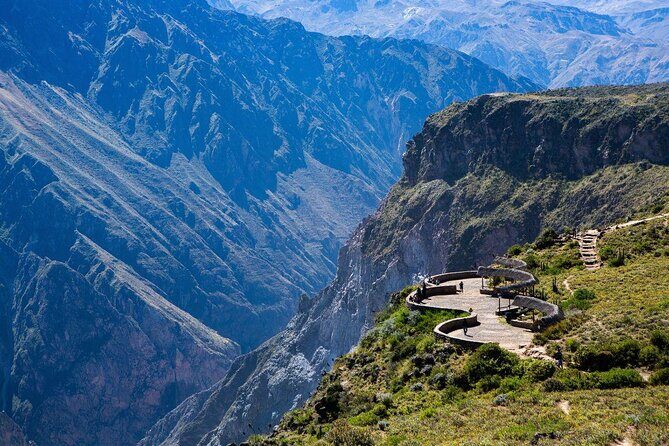
- Cruz del Cóndor viewpoint: one of the best known spots to see Andean condors
- Sangalle + Cielo Azul lodge pool: warm water time after a long day of walking
- Two breakfasts and dinner included: less stress, more time to focus on the trail
- Small group size (max 12): easier pacing and help when you need it
- Optional Chacapi hot springs: a good recovery stop if weather and energy match
The Colca Canyon timing: what 3:00 am really means
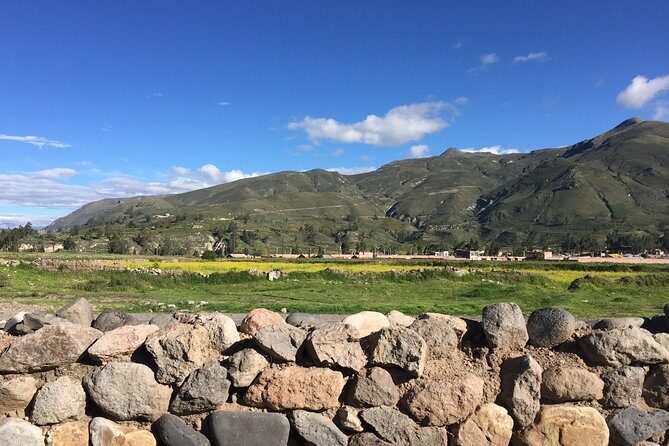
This tour begins with an early wake-up: you meet around 3:00 am and leave Arequipa between 3:00 and 3:30. That sounds extreme until you remember Colca is all about views, light, and wildlife timing. The early start gets you into Chivay and then up toward the canyon viewpoint in a window when seeing condors is more likely.
You also feel the altitude effects as you go. Day 1 starts around the 3,300 masl area and drops down into the canyon, with a long descent and multiple village stops. Then Day 2 flips the script: you start at about 5:00 am and hike uphill to Cabanaconde using torch lights. It is not technically a marathon, but it is intense because you are hiking at altitude, in low light, and with early-morning legs that are still waking up.
If you hate dawn logistics, you’ll probably feel cranky on Day 2. If you can handle a tough morning, this schedule is one of the reasons the trek feels like a full Colca experience and not just a bus ride with a short walk.
You can also read our reviews of more evening experiences in Arequipa
Arequipa to Chivay: breakfast stops and condors at Cruz del Cóndor
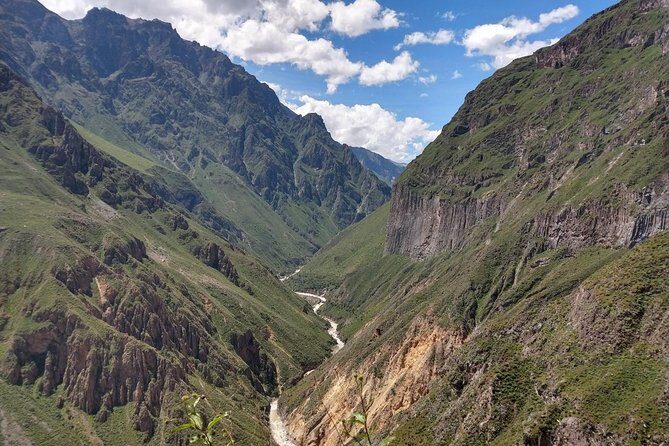
After pickup in Arequipa, you’ll transfer directly to Chivay. The day starts with arrival around 7:30 am, where you get breakfast. Chivay is known for its traditional houses and colorful setting, and this is your chance to get some calories before the canyon work starts.
Then the tour hits one of the main Colca draws: Condor’s Cross (Cruz del Cóndor). This viewpoint is famous for Andean condors flying overhead, and the bird is no small creature. The guides emphasize the scale—up to around 12 kg and a wingspan over 3 meters—so even if you only see one bird pass, you understand why the viewpoint is a must. The time here is brief (about 30 minutes), which helps keep the day moving, but it also means you should stay alert and ready with your camera.
You’ll also learn quickly that weather matters. Clouds can cover the viewpoint areas, and condor sightings are never 100 percent. Still, the tour’s flow gives you the classic spot at the right time, not a random photo stop.
Practical tip: bring a light layer. Morning air near higher altitudes can feel sharp even if the day later warms up.
Day 1 downhill into the canyon: Sangalle, warm pool time, and the lodge stay
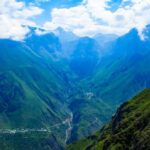
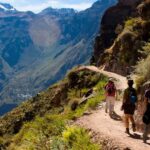
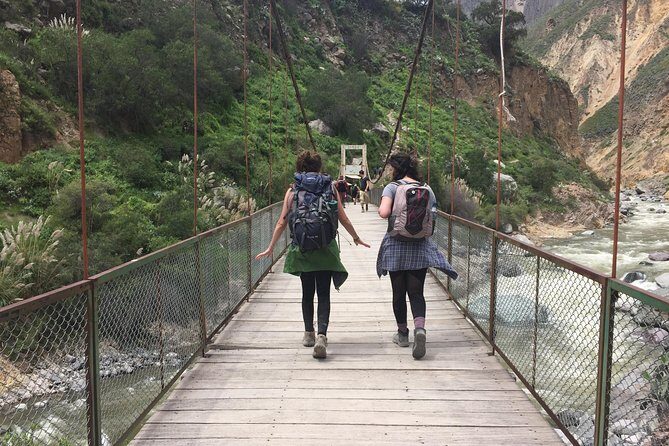
Day 1 is your big descent. After the drive from Arequipa to the canyon area (including the Chivay and Cruz del Cóndor stops), the group takes another short bus segment to start the trek downhill. From roughly 3,300 masl you walk down for about 3 hours into the canyon to around 2,100 masl, then continue toward the deeper parts of the route that eventually take you to Sangalle at about 1,900 masl.
Along the way you stop in villages such as San Juan de Chuccho, where the walk is broken up and you get a chance to rest, stretch, and take in the canyon vegetation. The schedule continues through small towns including Cosñirhua and Malata, before you finally reach Sangalle.
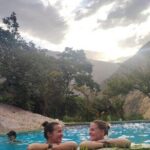
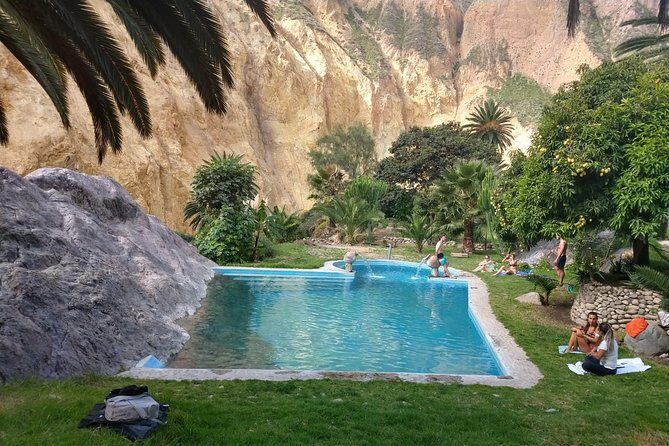
The payoff arrives late afternoon, around 17:00. This is when the itinerary shifts from hiking to recovery. The Sangalle area is known for a village setting at lower altitude and, crucially, a warm swimming pool. You can literally trade “can’t-stop-moving” energy for “slow down and cool off” energy, which feels priceless after a long descent.
Your overnight is at Cielo Azul lodge in this Sangalle area. The lodge setting is basic, but the location is the point. One of the nicer touches is having the pool available so you can wash off trail dust and reset before dinner and sleep.
What to expect for comfort: don’t assume hotel-level softness. Plan for simple bungalows and bring what you need for rest.
Day 2 at dawn: the uphill trek to Cabanaconde with torch lights
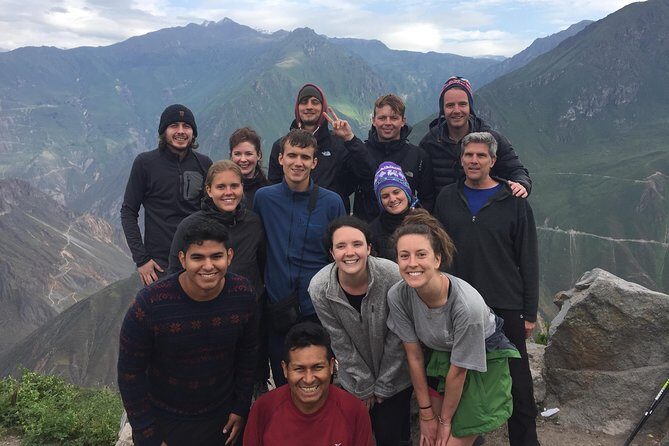
Day 2 starts early again, but this time it’s purposeful. Around 05:00, you begin trekking uphill for roughly 3 hours toward Cabanaconde, with torch lights guiding the first stretch. This part can be spectacular because you are walking as the light comes up. Even if you are tired, that sunrise effect makes the climb feel more like a journey than a chore.
After reaching Cabanaconde, breakfast is served, giving you fuel before the long return loop. The altitude effort is real here. You go from the lower canyon area back up to the higher Cabanaconde region (Cabanaconde sits around 4,830 masl in the return description), so pace matters. If heat hits you, take it slow. There is no prize for sprinting on a steep grade at altitude.
Then you shift from hiking mode to road-and-view mode. On the way back toward Chivay, you get a chance to see pre-Inca terraces, archaeological ruins, and colonial towns from the bus route. This is not a museum visit; it’s more about grabbing glimpses that connect the landscape and the people to the history layer of Colca.
By noon you reach Chivay. If you want, you can continue into Chivay’s hot springs stop later in the day flow, but the big walking part is already done.
Hot springs and Pampa Cañahuas: recovery plus camelid sightings
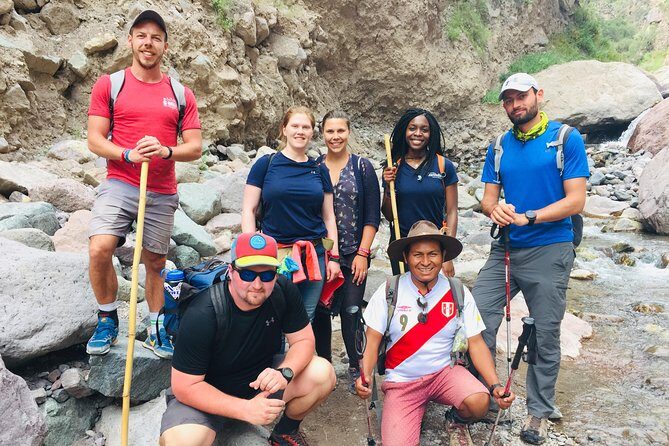
The itinerary includes Hot Springs Chacapi, close to Chivay. This is optional, but it is a classic recovery move after two days of altitude hiking. Pools run roughly from 30ºC up to 60°C. Entry is not included (15 soles), so decide in advance if you want to spend that extra money for comfort.
After that, you return to Arequipa with a stop at Salinas y Aguada Blanca National Reserve area, specifically Pampa Cañahuas. The stop itself is short (about 10 minutes), but it is paired with more time than that to watch for camelids and distant volcanic views. You may spot alpacas, llamas, vicuñas, and guanacos—part of why this reserve stop is a nice way to end the trip. It turns your day from “tired hiker” into “wildlife watcher.”
You arrive back in Arequipa around 17:30, dropping you off near Calle Santa Catalina, close to the Santa Catalina Monastery. That location is handy for getting back to your dinner plans without extra transit hassle.
You can also read our reviews of more hiking tours in Arequipa
Price and value: what $124 covers, and what you pay separately
At $124 per person, this trek is priced for the essentials that matter most in Colca: transport, guiding, and food. The included package covers two breakfasts, a lunch, and a dinner, plus private tourist transport and hotel/hostel pickups. You do not need to rent a car or figure out how to move between Arequipa, Chivay, and the canyon trailheads.
That said, the price does not include major entrance fees and extras:
- Colca Canyon entrance fee: PEN 70 per person
- Hot springs entrance: 15 soles (if you choose Chacapi)
- A last lunch in Chivay (buffer style): PEN 30
So the real cost depends on whether you do hot springs and whether you budget for the final lunch. If you skip hot springs, you save some money. If you do hot springs, consider it part of your recovery budget.
One pricing reality: online bookings sometimes cost more than arranging locally, especially in a market like Arequipa where you can shop around. If cost is your top priority, compare options. If your priority is a smooth plan with included meals and transfers, this price starts to make sense—especially since groups are capped at 12 and you get a guide in English or Spanish.
Walking expectations, altitude, and safety notes you should not ignore
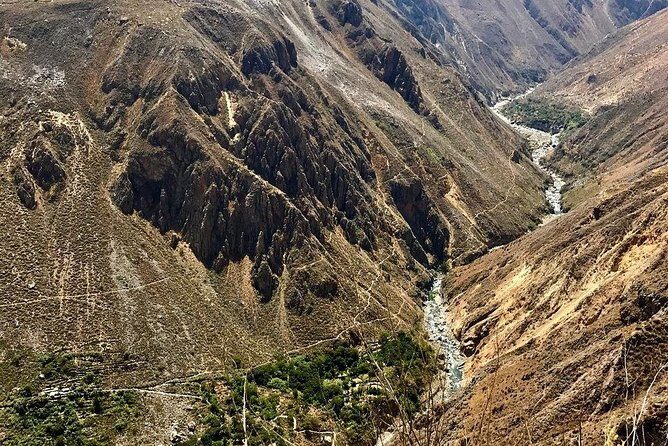
This is rated for travelers with moderate physical fitness. That phrase is helpful, but it still means you are doing real trekking days at altitude. Day 1 is a long descent, and Day 2 is an uphill climb at dawn. You should expect sore quads, a changing pace, and some breathing effort.
Also plan for basic lodge conditions. The overnight in Sangalle is not a luxury hotel setup. Bring what helps you sleep and recover comfortably, especially because Day 2 begins before sunrise.
Hydration matters. The itinerary gives you meals, but it does not say water is included. Carry a water plan that you can trust. If you’re prone to heat or altitude symptoms, go slower early and let your body settle rather than forcing speed.
About mule rides: you might hear about local mule options for portions of the return climb. If you consider that, keep your expectations clear. The mule service is not provided in the tour package; it is run by locals in the canyon and is not regulated by authorities. That means safety standards can vary, and your best move is to only use a mule if you feel confident and prepared—and if you’re treated with proper attention to foot placement and fit.
If you do not want to gamble with safety, stick to walking and use the guide’s pacing advice.
Guide support: English or Spanish, and what a good guide changes
You can get guiding in English or Spanish, and having the right guide matters more on this trek than you might think. The early hours are tiring, and the trail can feel like a checklist until someone helps you make sense of what you are seeing and how to move efficiently.
One of the best signals from real-world feedback is the kind of guide who balances instruction and freedom. For example, Eveline is described as competent and kind, and in the hardest part of the hike, the support style seems to be what makes the difference—giving you information first, then letting you enjoy the experience at your own pace while stepping in when needed.
Even without naming a specific person, here’s what you can ask yourself: do you want a guide who actively checks on pacing and comfort, especially on Day 2’s torch-lit uphill? If yes, this format is a good fit.
Who this Colca 2-Day trek suits best
This trek suits you if you want:
- the full Colca canyon feel with Sangalle lodge time and a pool to recover
- classic stops like Cruz del Cóndor and the Chacapi hot springs option
- organized logistics without hiring taxis or renting a car
- a smaller group size (max 12)
It may not suit you if:
- you are looking for a gentle walk or a late-morning start
- you need high-comfort lodging with fancy meals
- you are highly sensitive to early bus noise or rustic dinner conditions
- you do not want to handle altitude and uphill effort
Should you book this Colca Canyon trek?
Book it if you want the main Colca story arc done in two days: early condor viewpoint, a full downhill day into Sangalle, warm pool recovery at Cielo Azul lodge, and a dawn return uphill that actually lets you experience the canyon rather than just see it from the road.
Skip it if you want luxury comfort, easy walking, or guaranteed condor sightings. The itinerary is weather-dependent, and the trek demands real effort at altitude.
FAQ
FAQ
What is the meeting time for this trek?
The start time is listed as 3:00 am, and departures from Arequipa are typically between 3:00 and 3:30.
How long is the trek?
It runs for about 2 days (2 days, 1 night).
Is pickup and drop-off included?
Yes. You get hotel/hostel pickups in Arequipa, and the tour returns you to Arequipa around 17:30, dropping you off near Calle Santa Catalina by Santa Catalina Monastery.
Is the tour guide available in multiple languages?
Yes. Guiding is available in English and Spanish.
What meals are included?
You get two breakfasts, one lunch, and one dinner included. There is also a last lunch in Chivay that is not included.
Are entrance fees included?
No. Colca Canyon entrance is listed as PEN 70 per person, and Hot Springs Chacapi entrance is an extra cost if you choose to go. The last lunch in Chivay is also not included.
Where do you sleep overnight?
You stay overnight at Cielo Azul lodge in the Sangalle area, with a swimming pool available.
Is the hot springs stop required?
No. Chacapi hot springs are optional. If you go, entrance costs 15 soles.
What physical fitness level do I need?
The tour is recommended for travelers with moderate physical fitness, since you trek downhill on Day 1 and go uphill at dawn on Day 2.
If I cancel, do I get a refund?
This experience is non-refundable and cannot be changed for any reason. If the tour is canceled due to poor weather, you will be offered a different date or a full refund.