REVIEW · CUSCO
Complete Sacred Valley Tour (Full Day)
Book on Viator →Operated by Machu Picchu Peru Cusco · Bookable on Viator
The Sacred Valley in one long day works. This full-day tour strings together Chinchero, Moray, Ollantaytambo, and Pisac so you see the big hitters without the hassle of planning. I really like the small-group setup and the fact that transport is handled end to end, plus you get a buffet lunch in Urubamba (with a vegan option). The only drawback to plan around is that not all sites have entrance fees included, so you’ll want to budget for the Boleto Turístico and a few separate tickets.
What made the day feel special is the way your guide turns stone and terraces into stories you can actually picture. My favorite part is having that context, especially with guide Willy, whose humor and patience help the Inca world feel more real. Just note the itinerary is long, about 13 hours, and you’ll be on the go from the early morning pickup through the evening return.
In This Review
- Key things to know before you go
- Entering the Sacred Valley: A full day built for flow
- The early pickup in Cusco (and why it matters)
- Chinchero: adobe lanes, Inca craft, and a colonial temple vibe
- Moray’s terraces: smart drainage in a rainy-season design
- Ollantaytambo: Inca urban planning with water running through it
- Pisac: market time plus ruins before your evening return
- Urubamba lunch: included fuel that actually keeps you going
- Price and extra tickets: what $38 really covers
- The guide is the secret sauce: Willy and the meaning layer
- Best for who: the right kind of day trip
- Should you book this Complete Sacred Valley Tour?
- FAQ
- What time does the Complete Sacred Valley Tour start?
- How long is the tour?
- How many people are in the group?
- Is lunch included?
- Is transportation included?
- Do I need the Boleto Turístico?
- Are there entrance fees at all the stops?
- Is the Maras salt mines entrance included?
- What is the cancellation policy?
- Is a bilingual guide provided?
Key things to know before you go
- Small group feel: Maximum size is listed at 15 (and it’s positioned as a tight group).
- All-in transport + bilingual guide: You’re moving by comfortable tourist van with Spanish/English support.
- Meaningful stops, not random stops: Chinchero, Moray, Ollantaytambo, and Pisac are chosen for how they connect.
- Lunch in Urubamba is included: Buffet lunch, with a vegan option.
- Some sites are ticketed, some are not: Ollantaytambo and Pisac are marked free; other entrances are not included.
Entering the Sacred Valley: A full day built for flow
This tour is designed like a loop. You start in Cusco early, drive down into the Sacred Valley, then work your way through towns and archaeological sites in an order that keeps the day efficient. It’s a good match if you’re short on time, because you’ll hit major highlights that normally take multiple separate tours.
The value here is simple: for $38 per person, you’re buying the logistics—van transport, a bilingual guide, and lunch—rather than piecing together transfers and entry chaos on your own. And because it’s a small group, you’re not stuck watching people block the view every time you stop for photos.
One more thing I like: the tour doesn’t treat the Sacred Valley as just scenic. It frames it as a working system—agriculture, water, craft traditions, and defensive city design all show up as you move.
A few more Cusco tours and experiences worth a look

The early pickup in Cusco (and why it matters)
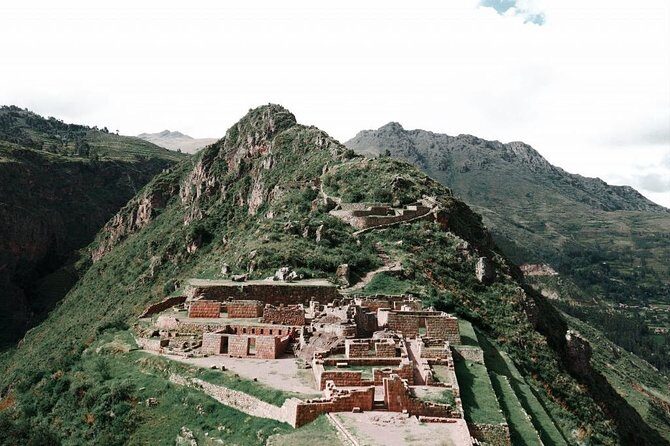
You’ll be picked up from your Cusco hotel extremely early, around 6:00 a.m. per the route notes. The tour start is listed as 7:00 a.m., so expect a very early departure window that may vary a bit by pickup location.
That early start pays off. You avoid the day getting crowded at the first stops, and it gives you time to settle into the rhythm of driving between sites. With a day this long—about 13 hours—getting going early helps you keep the afternoon from feeling rushed.
Bring layers. Even in the Sacred Valley, mornings can feel cool, and you’ll be moving in and out of vans and sites. Also, this is a full-day plan, so think snack-simple: lunch is included, and you’re mostly covered, but you’ll still want water and a practical day-bag.
Chinchero: adobe lanes, Inca craft, and a colonial temple vibe
Your first major stop is Complejo Arqueologico Chinchero. The drive takes about an hour from Cusco, and you arrive in a village setting with adobe homes, narrow cobbled streets, and people in traditional Peruvian dress. This isn’t just ruins on a hill—it’s a living place where some Inca traditions and crafts remain part of everyday life.
What I’d focus on at Chinchero:
- The craft side: If you want, there’s a demonstration on how wool is washed and dyed using native plants and minerals. Even if you’ve seen wool basics before, this kind of local method gives you a new appreciation for why textiles mattered to the Incas.
- The two-era feel: The stop includes both an Inka archaeological area and a colonial temple of Chenchero. That mix helps explain how indigenous life and later Spanish influence overlapped in real space, not just in textbooks.
Time on site is about one hour, and admission is not included. That means you’ll either pay the entrance on top of your day, or use your Boleto Turístico if it covers the site you’re visiting.
Possible drawback: one hour goes fast when you’re trying to take in village life and the archaeological portion. If you’re the type who loves slow wandering, you’ll want to keep your pace steady here.
Moray’s terraces: smart drainage in a rainy-season design
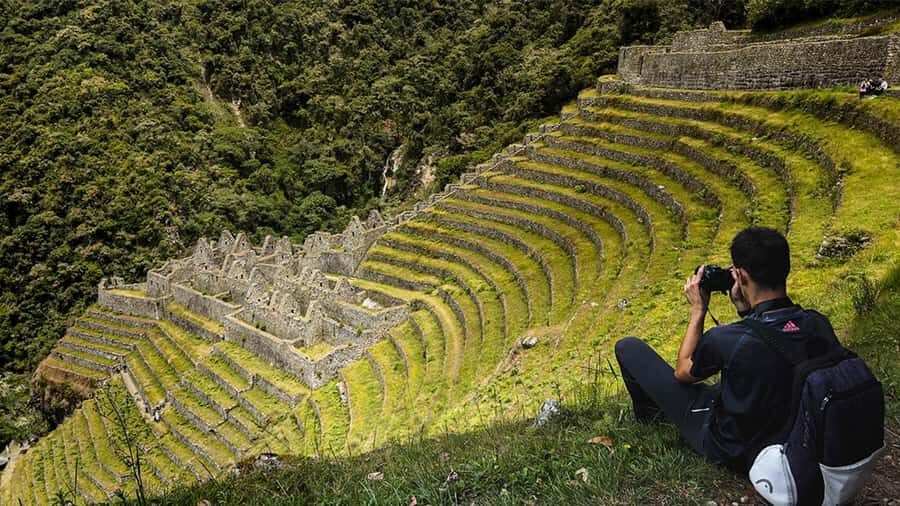
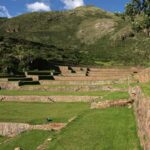
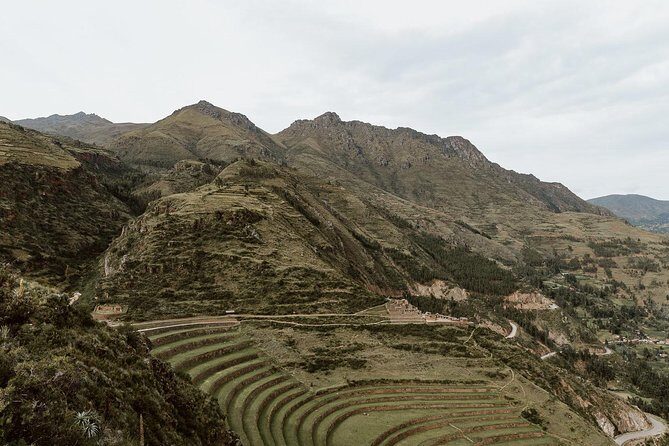
Next up is Moray, and it’s one of those places where your brain keeps asking how this worked. The Incas used Moray’s terraced circular basins for agricultural experiments and cultivating seeds. The terraces weren’t built just to be pretty; they were engineered.
The standout explanation at Moray is the drainage system at the bottom of the terraces. Your guide will point out how it was designed to avoid flooding during the rainy season. That detail makes the place feel practical. You’re looking at climate control made out of stone and water logic.
You’ll have about 45 minutes here, and entrance tickets are not included. Again, this is where your Boleto Turístico strategy can save money if you plan to visit multiple included sites across your trip.
Why it’s worth your time: Moray changes how you see the rest of the Sacred Valley. After you learn the thinking behind these terraces, it becomes easier to spot how water management and agriculture shaped settlement choices.
Ollantaytambo: Inca urban planning with water running through it
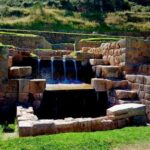
Then the tour heads to Ollantaytambo, one of the best stops for feeling the Incas in your feet. This is described as a classic Incan city with urban design that still shows through: narrow streets alongside flowing streams.
As you walk, you can use the sound of running water as a kind of mental guide. It helps you picture how the city functioned when water wasn’t just scenery—it was part of daily life.
The upper portion includes a ceremonial center used for water worship, plus a fortress that guarded the access point to the lower part of the valley. So you’re not only looking at residential streets; you’re also seeing the intentional layout of sacred space and defense.
Ollantaytambo is marked 1 hour and admission is free on this tour.
Possible drawback: the site can involve uneven stone and stairs. If your feet run out fast, you might feel rushed trying to cover everything. I recommend taking quick pauses and planning a couple photo stops where you’ll return for a second look later.

Pisac: market time plus ruins before your evening return
After Ollantaytambo, you shift from city-scale stone to village energy at Pisac.
You’ll get time for the artisan market in the village. This is your chance to interact with local sellers, browse for handicrafts, and decide what feels worth bringing home. The tour notes include free time to shop and spend a bit of unstructured time before heading to ruins.
Then you explore the Pisac Ruins. Admission is marked free for the ruins portion on this itinerary. You’ll have about one hour for this stop, and then you return to Cusco around 6:30–7:00 p.m.
Why this stop balances the day: by the time you reach Pisac, you’ve already learned how the Incas worked with water and agriculture. The ruins and the market let you see how craft, trade, and settlement history still matter in daily life.
Urubamba lunch: included fuel that actually keeps you going
One of the practical perks is lunch. You’ll have a traditional Peruvian buffet lunch in Urubamba, and there’s a vegan option available.
Why I like this setup: when your itinerary is packed, being forced to hunt for food becomes stressful. Here, lunch is scheduled inside the flow of the day. You don’t have to make trade-offs like choosing between a decent meal and missing time at a key site.
Buffet meals also give you flexibility with energy levels. If you’re tired, go for simple, easy-to-eat items. If you’re still feeling strong, you can take more variety without waiting for a plated meal.
Price and extra tickets: what $38 really covers
Let’s talk value without wishful thinking.
You pay $38 per person for:
- Transport (tour van, full-day movement)
- Bilingual guide (Spanish and English)
- Buffet lunch in Urubamba (vegan option)
Not included:
- Chinchero entrance ticket (not included)
- Moray entrance ticket (not included)
- The salt mines of Maras entrance fee is listed as not included (10 soles per person), even though Maras isn’t part of the named stops on the route you’re given—so don’t assume it’s covered later unless you add another plan.
- Boleto Turístico details: partial is listed at 70 soles per person, and a full sites option is 130 soles per person for 10 days.
Here’s the helpful way to think about it:
- If you already planned to buy the Boleto Turístico for other Sacred Valley sites, this tour likely becomes cheaper overall because it covers time with major landmarks plus lunch.
- If you’re only doing a small number of ticketed stops, you’ll want to factor in the cash entrance fees at Chinchero and Moray since those are specifically marked as not included.
My practical tip: before you book, check how many other Inca sites you’ll visit during your stay. If this tour is part of a multi-day Inca route, the Boleto can make a lot more sense than paying small fees one by one.
The guide is the secret sauce: Willy and the meaning layer
The biggest praise point tied to this tour is the guide. In particular, Willy stands out for turning logistics into understanding.
What you should expect from his style, based on the tour descriptions:
- Humor and patience during explanations
- Stories that connect Inca life to what you’re seeing right now
- A broader view that doesn’t stop at ancient ruins, including discussion of modernity and science
That matters because Sacred Valley sites can feel like separate postcards if your guide just hands you dates. With a story-forward guide, you start noticing patterns:
- water as engineering, worship, and survival
- terraces as climate thinking
- city layout as both sacred order and defensive planning
- craft as knowledge you can still see in daily life
If you enjoy being guided through meaning—why a place was built, what problem it solved, how people adapted—this is a strong match.
Best for who: the right kind of day trip
This tour fits especially well if:
- you want one-day coverage of the Sacred Valley’s main stops
- you prefer small-group pacing instead of huge buses
- you like tours where the guide explains what you’re looking at, not just where to stand
It may feel less ideal if:
- you hate early starts or long days
- you want total freedom to linger for long stretches at each site
- you’re trying to avoid any chance of paying extra for entrances
Also, the activity notes say most people can participate, but that’s general. Since you’re visiting archaeological areas with uneven walking, think about your comfort level before you commit.
Should you book this Complete Sacred Valley Tour?
I’d book it if you want a smooth, efficient Sacred Valley day with the big highlights in one plan, plus a real meal built in. The small-group size, the bilingual guide, and the included Urubamba lunch make this a good value for what you’re getting.
I’d hesitate if you’re trying to minimize entrance-ticket spending, because Chinchero and Moray are not included and can add cost once you’re there. And if you’re the slow-and-stand-around type, the one-hour blocks may feel tight.
If you’re trying to choose between doing this as one day versus spreading out the sites, this tour is the practical choice. It’s built to help you get your bearings fast—and then appreciate the Sacred Valley with a clearer story in your head.
FAQ
What time does the Complete Sacred Valley Tour start?
The start time is listed as 7:00 am, with hotel pickup in Cusco beginning around 6:00 am.
How long is the tour?
The duration is approximately 13 hours.
How many people are in the group?
The tour lists a maximum of 15 travelers.
Is lunch included?
Yes. Lunch is a buffet in Urubamba, with a vegan option.
Is transportation included?
Yes. Transport is included for the full day.
Do I need the Boleto Turístico?
Some entrance fees are not included, so you may need the Boleto Turístico. The tour lists a partial option for 70 soles per person and a full sites option for 130 soles per person for 10 days.
Are there entrance fees at all the stops?
No. Ollantaytambo and Pisac are marked as free on this itinerary. Chinchero and Moray are marked as not included.
Is the Maras salt mines entrance included?
No. The entrance fee for the salt mines of Maras is listed as not included (10 soles per person).
What is the cancellation policy?
Free cancellation is offered up to 24 hours in advance for a full refund. If you cancel less than 24 hours before the start time, the amount paid is not refunded.
Is a bilingual guide provided?
Yes. The tour includes a bilingual tour guide in Spanish and English.