REVIEW · CUSCO
From Cusco: Via Ferrata and Sky Lodge Zipline
Book on GetYourGuide →Operated by Peru & U · Bookable on GetYourGuide
A rock-cliff climb followed by flying. This Cusco-region combo mixes via ferrata (a protected climb with a permanent lifeline) with six zip-lines that stack up to 2,400 meters of riding. You get huge mountain views over the Sacred Valley while doing an activity that feels thrilling but tightly guided.
I love that the experience is built around safety systems you wear, not bravado. You’ll be in full harness and helmet with trained guides, plus the via ferrata route uses metal steps and a line so you’re never just free-solo-ing a steep wall. One more thing I really liked: you stop at the top for a box lunch, so it’s not just adrenaline for five hours straight.
The main drawback is simple: it’s not casual. You’ll be climbing for about an hour, then spending the rest of the time in zip-line positions—so if your idea of fun is mostly flat walking, this may feel like too much.
In This Review
- Key highlights to know before you go
- Cusco pickup, scenic ride, and what the 5 hours feels like
- Via ferrata to the top: metal steps, lifeline, and a steady pace
- The lunch stop with Sacred Valley views that actually reward the effort
- Six zip-lines and 2,400 meters of flying: what to expect in the air
- Safety that feels real: guides, gear, and constant systems
- What to bring: gear that keeps you comfortable for climbing and flying
- Price and value: is $167 worth it for this adrenaline mix?
- Who should book this Cusco via ferrata and zip-line combo?
- Handy planning notes before you choose a date
- Should you book it? My honest take
- FAQ
- What time does the tour start from Cusco?
- How long is the activity, overall?
- What’s included in the tour price?
- Do I need climbing experience for the via ferrata?
- What age is required?
- What should I bring with me?
Key highlights to know before you go
- 300 meters of via ferrata up a rock face, guided from start to finish
- Six zip-line cables from 250 to 700 meters long, plus a zigzag descent
- Sacred Valley and Vilcanota River views from the top viewpoint during lunch
- Safety gear is included (harness, helmet, gloves, and via ferrata/zipline systems)
- Pickup and drop-off are included from downtown Cusco or the Sacred Valley area
- Guides in English and Spanish, and professionally trained for both beginners and advanced climbers
Cusco pickup, scenic ride, and what the 5 hours feels like
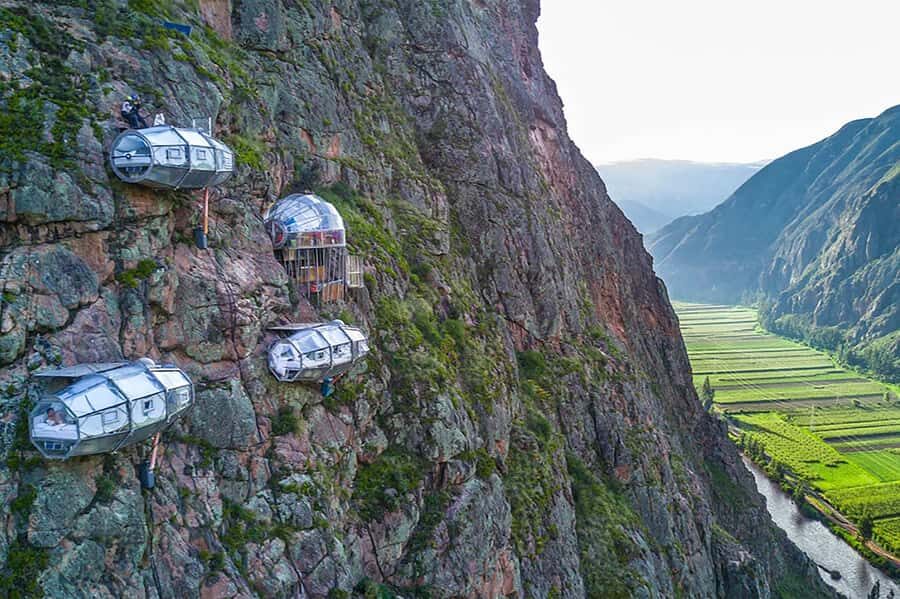
This is one of those Cusco activities that starts with logistics you don’t have to wrestle. Pickup is from your hotel in downtown Cusco around 8:00 AM, and you’ll have roughly an hour of scenic riding before you reach the via ferrata base. If your hotel sits outside downtown, you’ll meet the group at a local pickup point.
Once you’re there, the day settles into a clear rhythm: gear, climb, a short break for food and views, then zip-lines and back down. Total duration is about 5 hours, which matters if you’re trying to fit adventure around a tight Cusco schedule or a Machu Picchu plan.
A useful way to think about the timing: you’ll get the hard work first (the climb), then you’ll mostly be suspended in the air. Even if you don’t consider yourself athletic, the structure keeps you from burning energy in the wrong place.
You can also read our reviews of more tours and experiences in Cusco.


Via ferrata to the top: metal steps, lifeline, and a steady pace
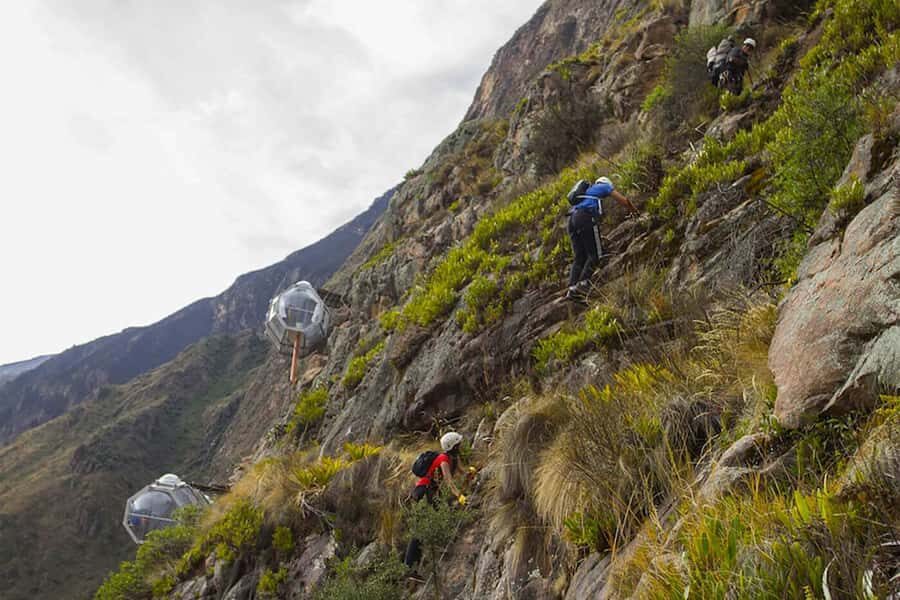
The via ferrata portion is the core of this outing, and it’s designed for people who want an authentic “I climbed a cliff” moment without guessing about safety. You’ll receive certified equipment—body harness, helmet, gloves, and the via ferrata safety facilities—before you start.
Via ferrata is a route built for climbing with a permanent safety system. In practice, that means you’re on a path with metal steps and you connect to a lifeline as you move. That constant connection is what makes the whole thing feel manageable for first-timers. You’re still doing real work: about 300 meters of ascent that takes roughly one hour to reach the highest point.
What I like about this format is how it turns nerves into focus. Instead of worrying where to put your hands or how to commit to a route, you can follow the guide’s instructions, maintain your connection, and keep a steady pace. The climb is steep enough to feel like a climb, but it’s not a test of courage alone.
Along the way, you’ll likely notice how your body gets used to the harness and movement. If you’re prone to getting tense, keep your breathing calm. You don’t need long speeches of encouragement—you need simple rhythm: place, connect, step, repeat.
The lunch stop with Sacred Valley views that actually reward the effort
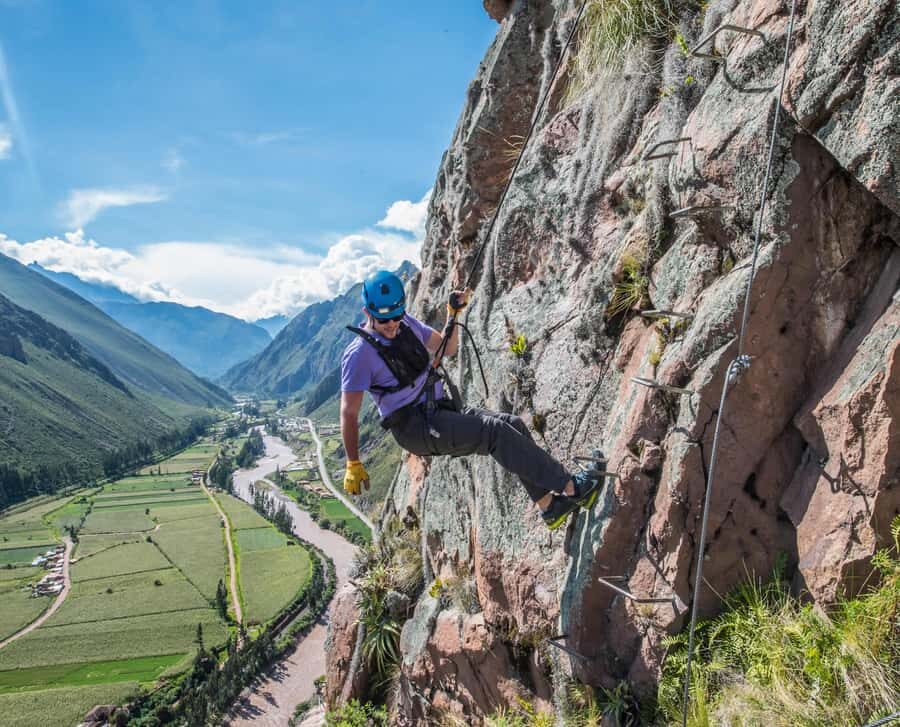
At the top, you get a quick break and a box lunch. This is more than a snack stop. It’s your moment to reset your legs, check how you’re feeling, and take in the views you earned.
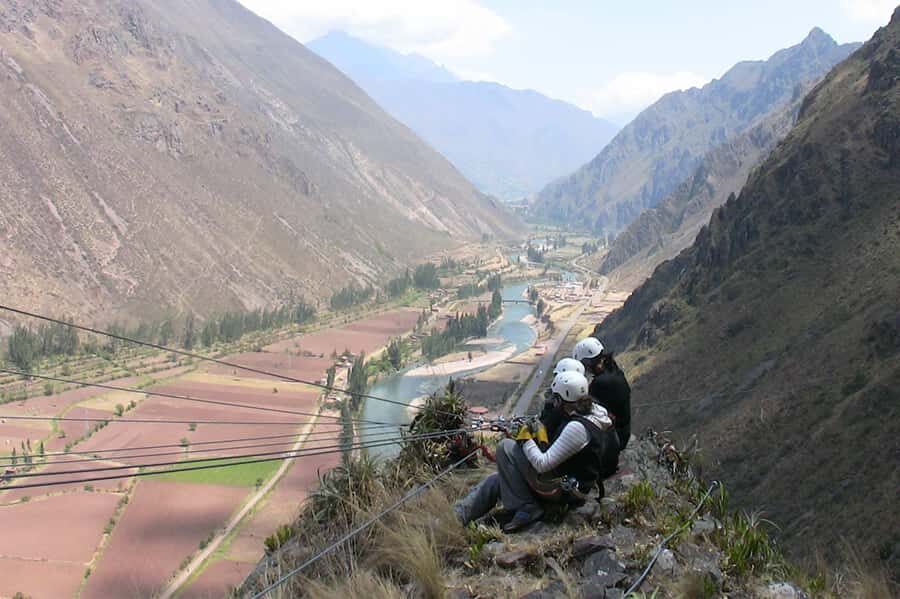
From up there, you’ll admire spectacular mountain scenery with outlooks over the Sacred Valley and the Vilcanota River below. Even if you’ve seen photos of the region, via ferrata offers a different angle: you’re not just looking at the valley from a viewpoint—you’re looking down from the side of the mountain you just climbed.
One practical tip: eat slowly. You’ll be transitioning from climbing movements to zip-line harness time. A comfortable pace helps you avoid that sleepy, heavy feeling you can get after a rushed meal.
Six zip-lines and 2,400 meters of flying: what to expect in the air
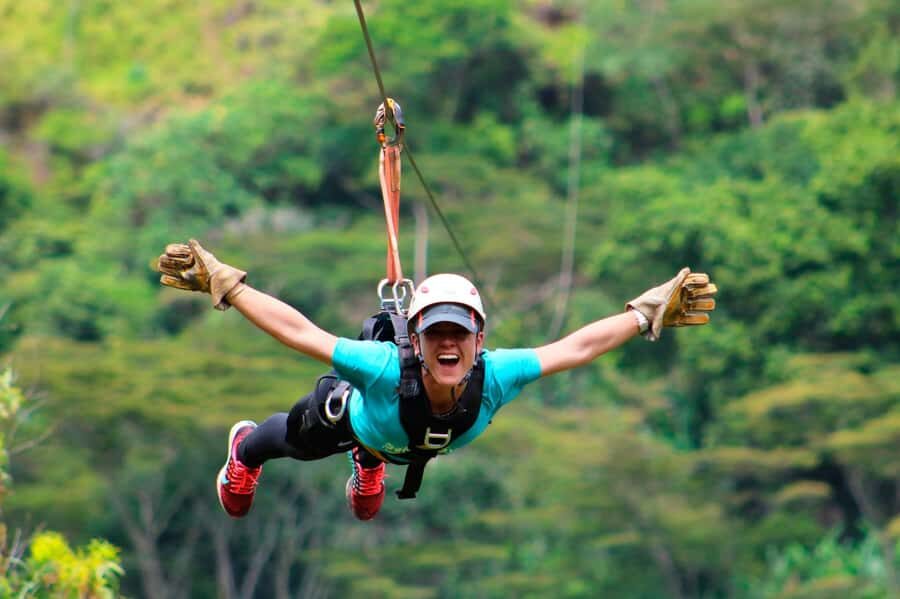
After lunch, you’ll gear up again for the zip-line portion. The circuit includes six zip-line cables, ranging from about 250 to 700 meters each. The total riding distance is listed at 2,400 meters, which is a solid amount of time with your body suspended and moving from one mountain face to another.
The sensation is the whole point here. You’ll be attached to the cables, and then it’s basically one continuous sequence: move along the line, shift your posture as you’re guided, and enjoy the shifting views. This is not a slow, single-platform ride. The cables are spaced and the angles change as you travel.
You’ll also descend more than 300 meters using a zip-zag route toward the base. That part matters because it’s where your brain finally fully relaxes. After the first few lines, you stop bracing for what comes next and start enjoying the glide.
If you’re wondering how intense it feels, the best answer is: thrilling, but structured. The guide(s) control the flow and positioning, so you’re not guessing how to handle each transition.
Safety that feels real: guides, gear, and constant systems
The best thing about this tour, in my eyes, is that the fun is built on professional safety habits. The guides are professionally trained, and you get certified equipment for both via ferrata and zip-lining. Your harness and helmet aren’t afterthoughts—they’re part of the entire movement plan.
This is also one of those days where you really notice how much confidence comes from clear instructions. In the feedback you can see the same theme repeated: guides make people feel safe the whole way, and they’re experienced and friendly. That combination is what turns a potentially scary activity into one you actually look forward to.
What to remember as you go:
- Keep your equipment in the correct position and don’t rush adjustments.
- Listen for instructions before each transition.
- If something feels off, speak up immediately. The day runs on systems, not silence.
The guides speak English and Spanish, so communication is built in. If you’re more comfortable with one language, ask when you meet up.




What to bring: gear that keeps you comfortable for climbing and flying
Your clothing choices matter here because you’re doing two different types of movement: climbing then hanging in harness. Plan for wind, sun, and cool air that can show up around mountains.
Bring:
- Comfortable shoes (rubber or hiking shoes are recommended)
- A windbreaker
- Water
- Comfortable clothes
- A daypack (useful for personal items you’ll keep with you)
I’d treat this like a light outdoor day, not a city tour. Skip anything that restricts movement. Avoid shoes that pinch or feel unstable—your footing matters on via ferrata steps.
Also, keep your hands in mind. Gloves are provided for the activity, but if your skin gets dry quickly, bring a little lip balm or simple moisturizer for your personal comfort.
Price and value: is $167 worth it for this adrenaline mix?
At $167 per person for about 5 hours, this is not a budget add-on. But it also isn’t just a ride with a guide attached. You’re paying for a complete package: round-trip transportation, certified safety gear for both sections, a Spanish and English-speaking guide, and a box lunch.
Think of the value in layers:
- Transportation matters in the Cusco area because the climb base isn’t right in town.
- Safety gear isn’t something most travelers pack for themselves.
- The trained guides are what make beginners comfortable and help advanced climbers get the full experience.
- The lunch stop prevents the day from turning into a hangry endurance test.
If you’re already spending time in Cusco and want one day that delivers both climbing and zip-lines, it’s hard to match this value with a DIY approach.
One cost note that’s easy to overlook: it does not include staying in the Sky Lodge. You’ll still do the zip-line activity, but any overnight plan would be separate.
Who should book this Cusco via ferrata and zip-line combo?
This tour is designed to work for a wide range of ability. It’s suitable for beginners or expert climbers, which usually means the guides can adjust pace and support. If you’re comfortable following instructions and staying connected to the lifeline, you’ll likely do well.
It’s also not just for thrill-seekers. The Sacred Valley views are a big deal, and the lunch stop gives you a calm moment to take it all in. You’re getting both adrenaline and scenery.
Who it’s best for:
- People who want an active day rather than a sitting-tour day
- Travelers who like structured safety and clear guidance
- Anyone building an adventure day between Cusco and Machu Picchu logistics
Age note: children must be over 8 years old to participate. If you’re traveling with younger kids, you’ll need to look for a different activity.
Handy planning notes before you choose a date
A few things to plan ahead of time:
- When booking, you’ll provide full names, passport numbers, and birthdays for all participants.
- You’ll get hotel pickup from downtown Cusco, with a meeting point option if your hotel is outside that zone.
- The drop-off is back in Cusco or in Sacred Valley spots like Ollantaytambo, which can make it easier to connect to Machu Picchu.
If you’re sensitive to being out in the morning outdoors, pack your layers. A windbreaker helps more than you might think, especially once you’re higher up.
Also, if you’re the type who loves taking photos: bring a plan for your phone. The activity includes harness time, and you’ll want to keep personal items secure.
Should you book it? My honest take
Book this if you want one day in the Cusco region that feels like a real adventure, not a bus-and-view day. The combo works because the climbing comes first—so you earn the zip-lines—and the guides keep the whole experience safe, paced, and fun.
Skip it if you dislike heights, don’t want to wear harness gear, or you’re dealing with an injury or condition that makes climbing uncomfortable. It’s doable for beginners, but it still requires active movement for about an hour.
And one last practical thought: it’s a good fit when you want to use your day wisely. With pickup, safety gear, lunch, and drop-off included, you can spend less time organizing and more time actually doing.
If you’re on a flexible schedule, it’s generally the kind of tour where you may have room to adjust your plans, since advance cancellation is available.
FAQ
What time does the tour start from Cusco?
Pickup is around 8:00 AM from downtown Cusco. You’ll then have about a 1-hour scenic ride to the via ferrata base.
How long is the activity, overall?
The full experience lasts about 5 hours.
What’s included in the tour price?
It includes hotel pickup from downtown Cusco, round-trip transportation, certified safety equipment for via ferrata and zip-lining, a box lunch, and a guide who speaks English and Spanish. It also includes drop-off back in Cusco or the Sacred Valley.
Do I need climbing experience for the via ferrata?
No. The activity is suitable for beginners and also for expert climbers.
What age is required?
Children must be over 8 years old to participate.
What should I bring with me?
Bring comfortable shoes, a windbreaker, water, comfortable clothes, and a daypack.